



Akustische Deckenkonstruktion: Einbau einer aSOFT™-Trägerplatte in eine perforierte Metallplatte
11. Juni 2026
-2 Minuten lesen
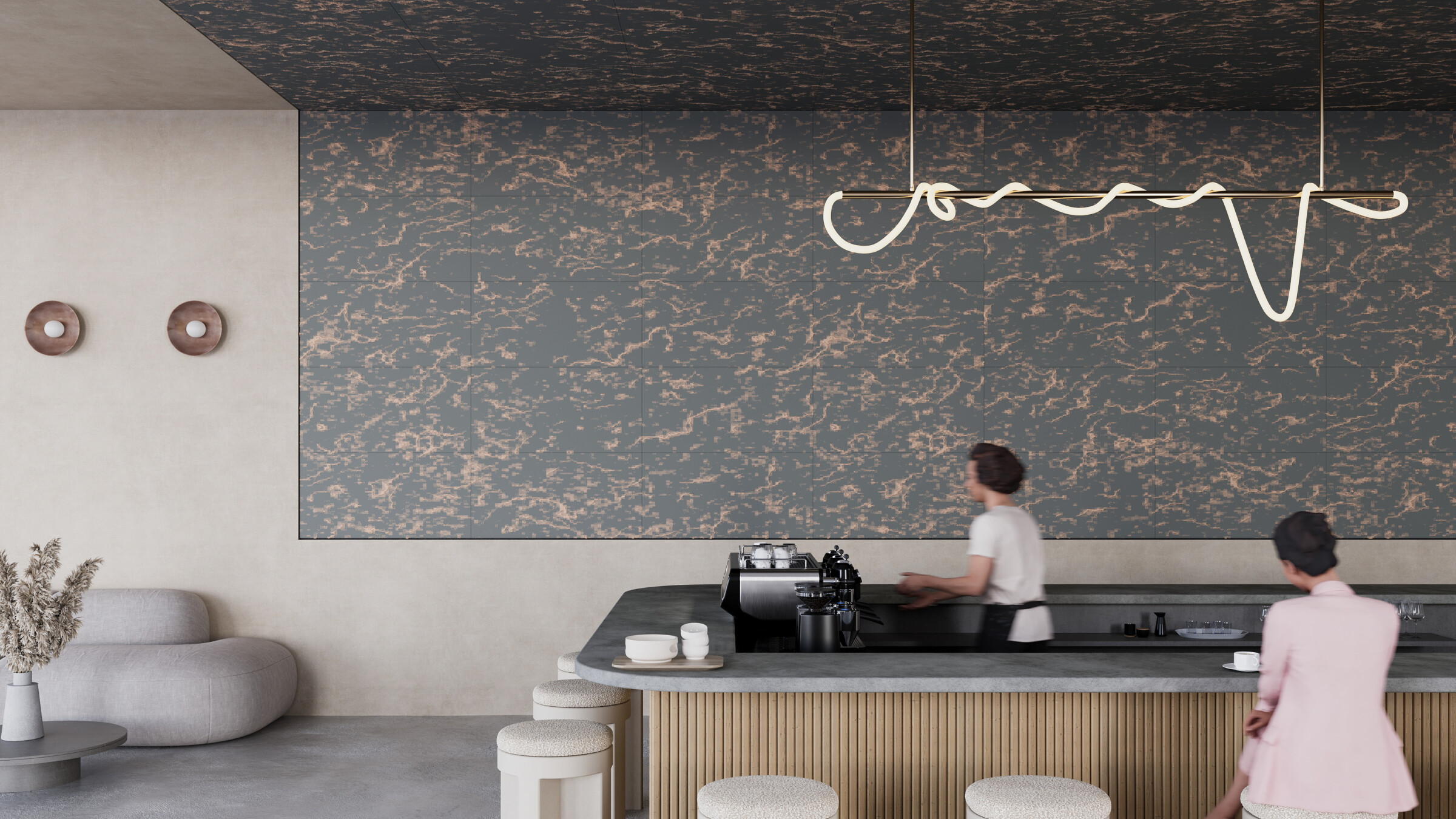
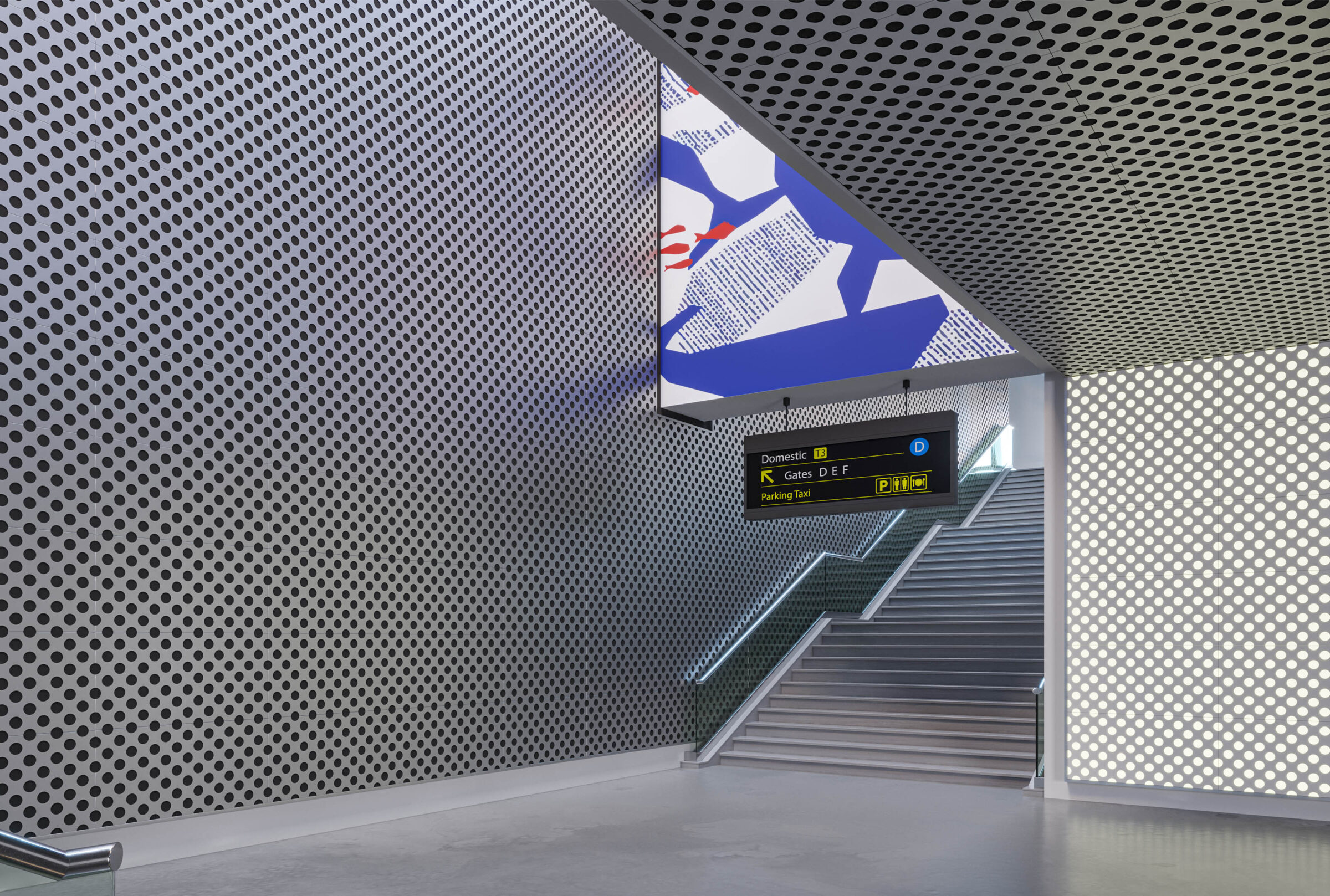
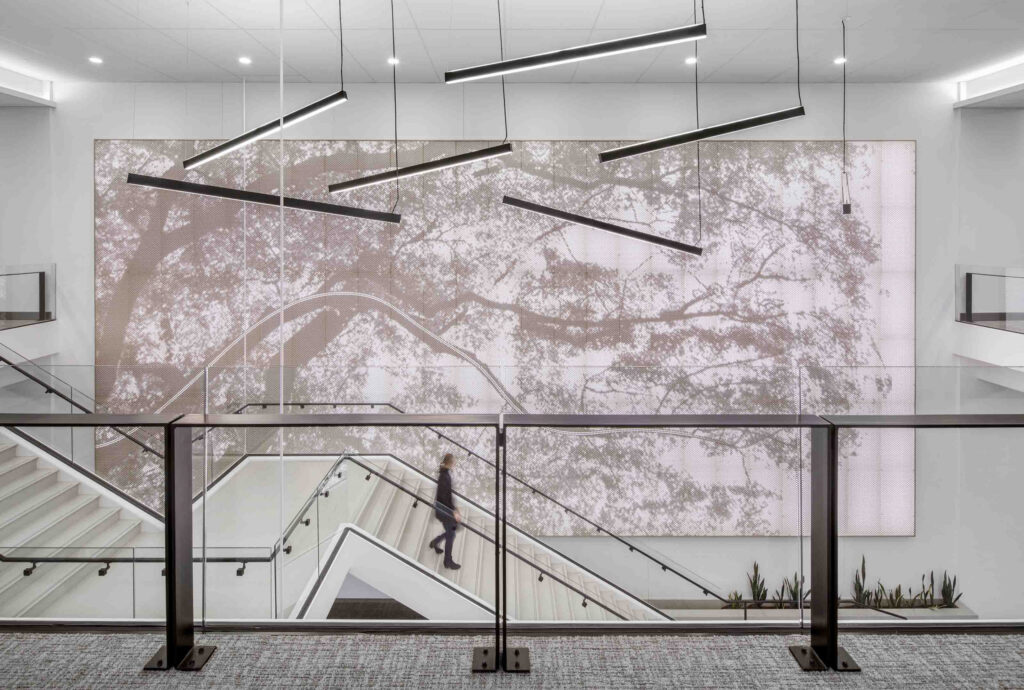
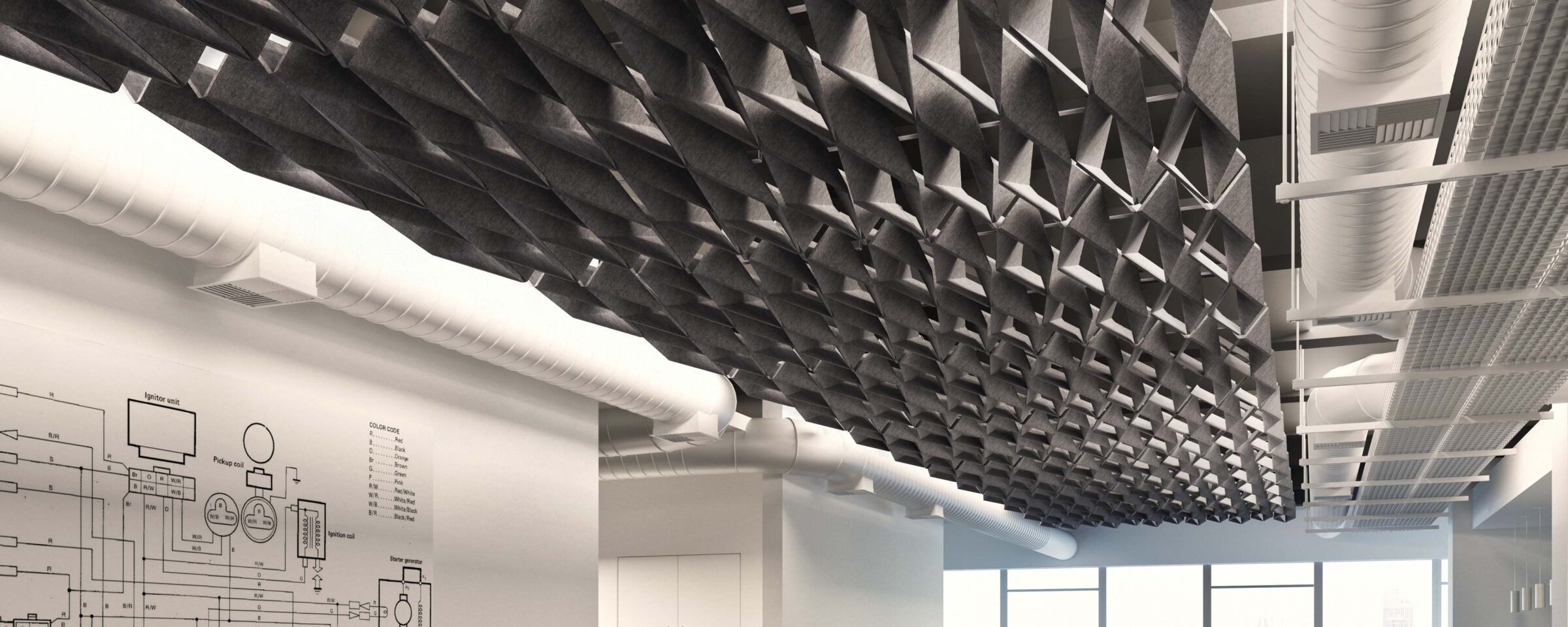
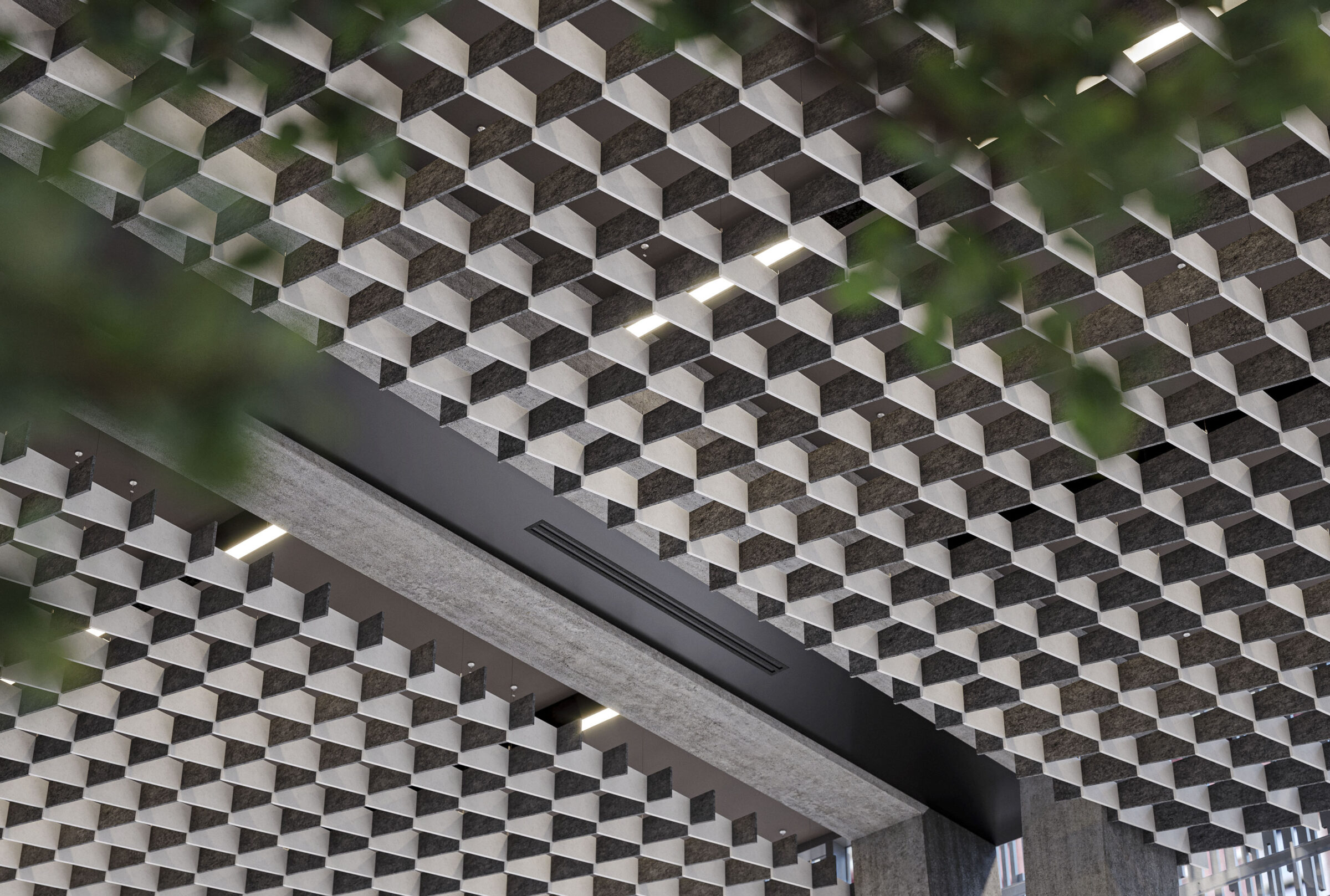
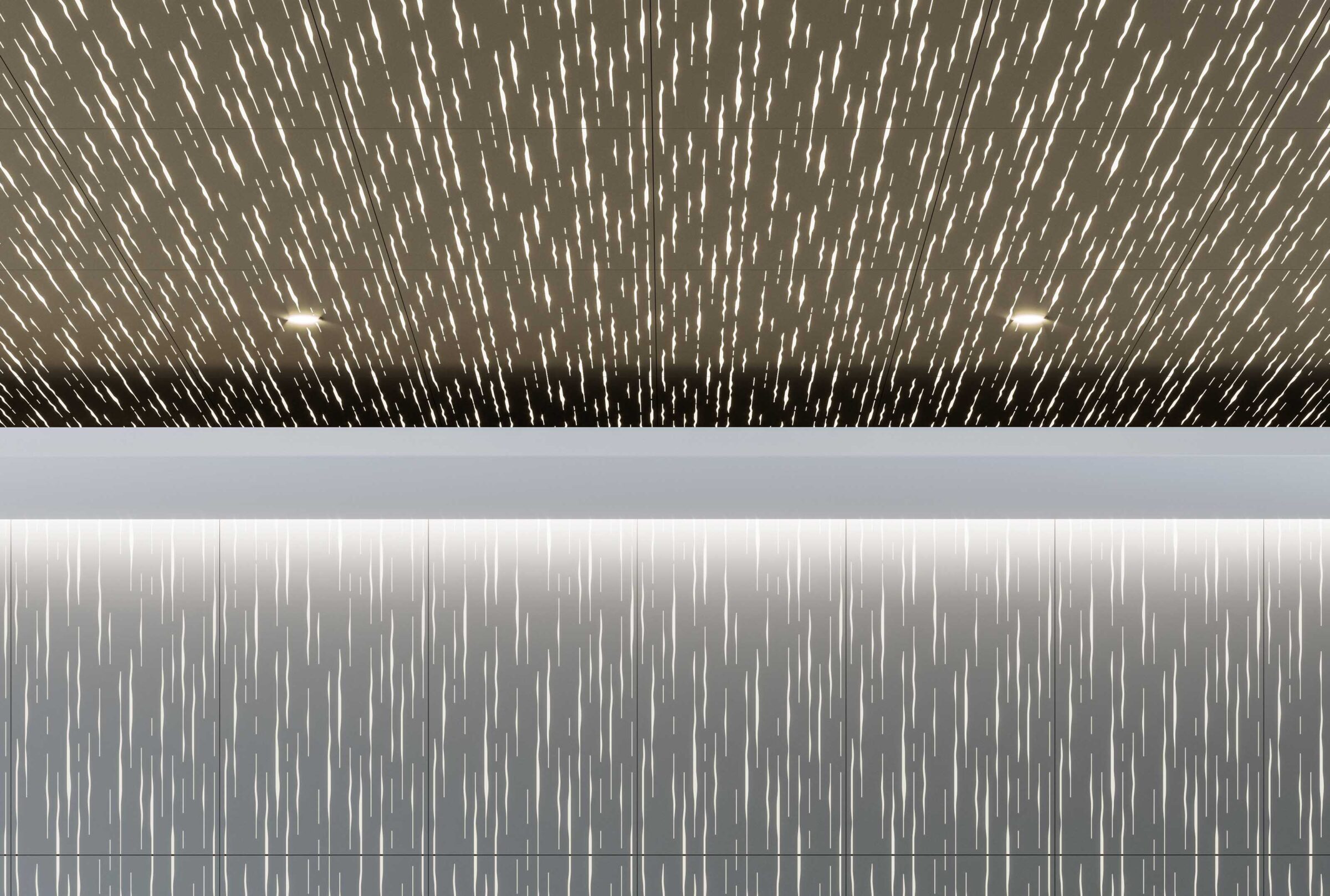
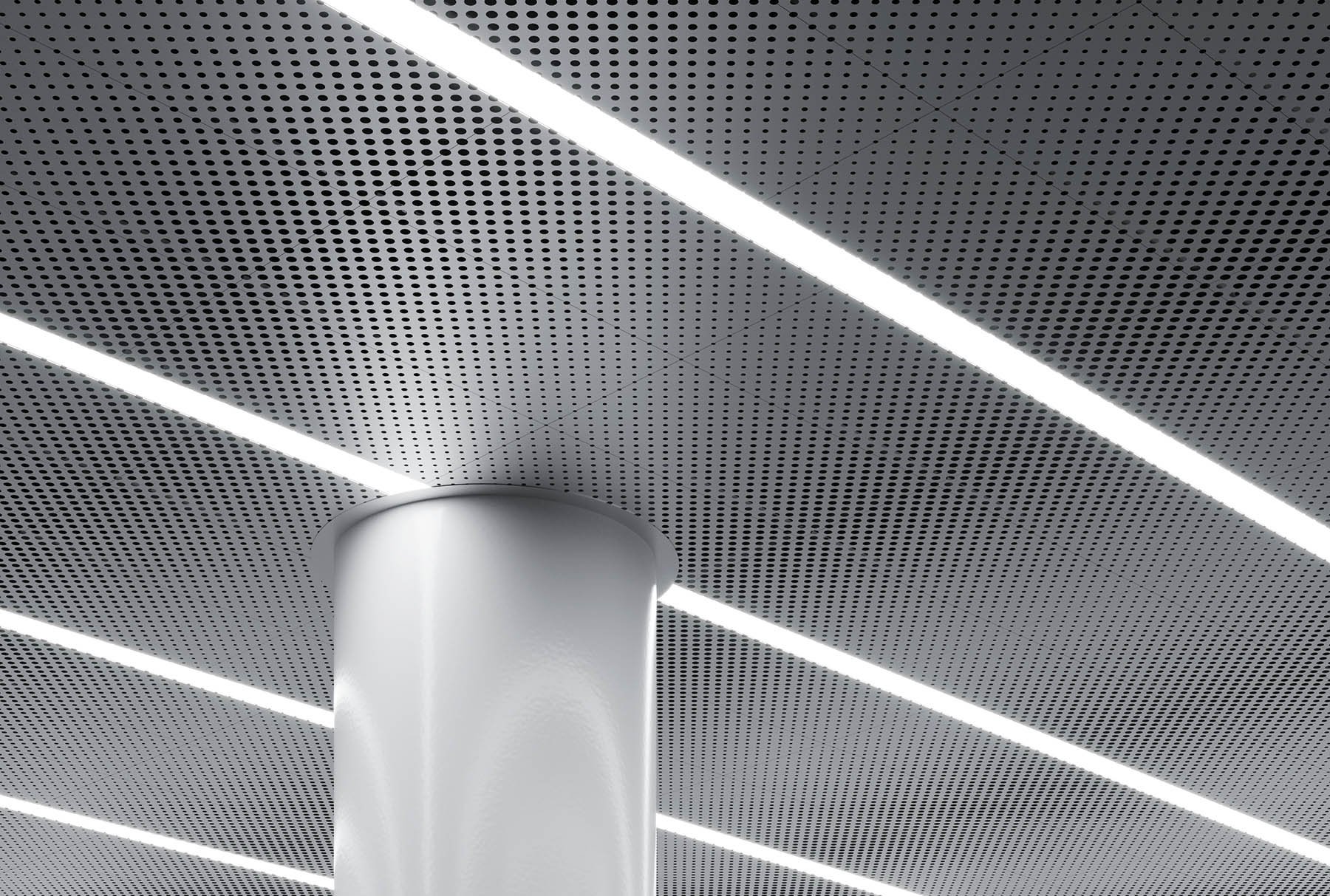
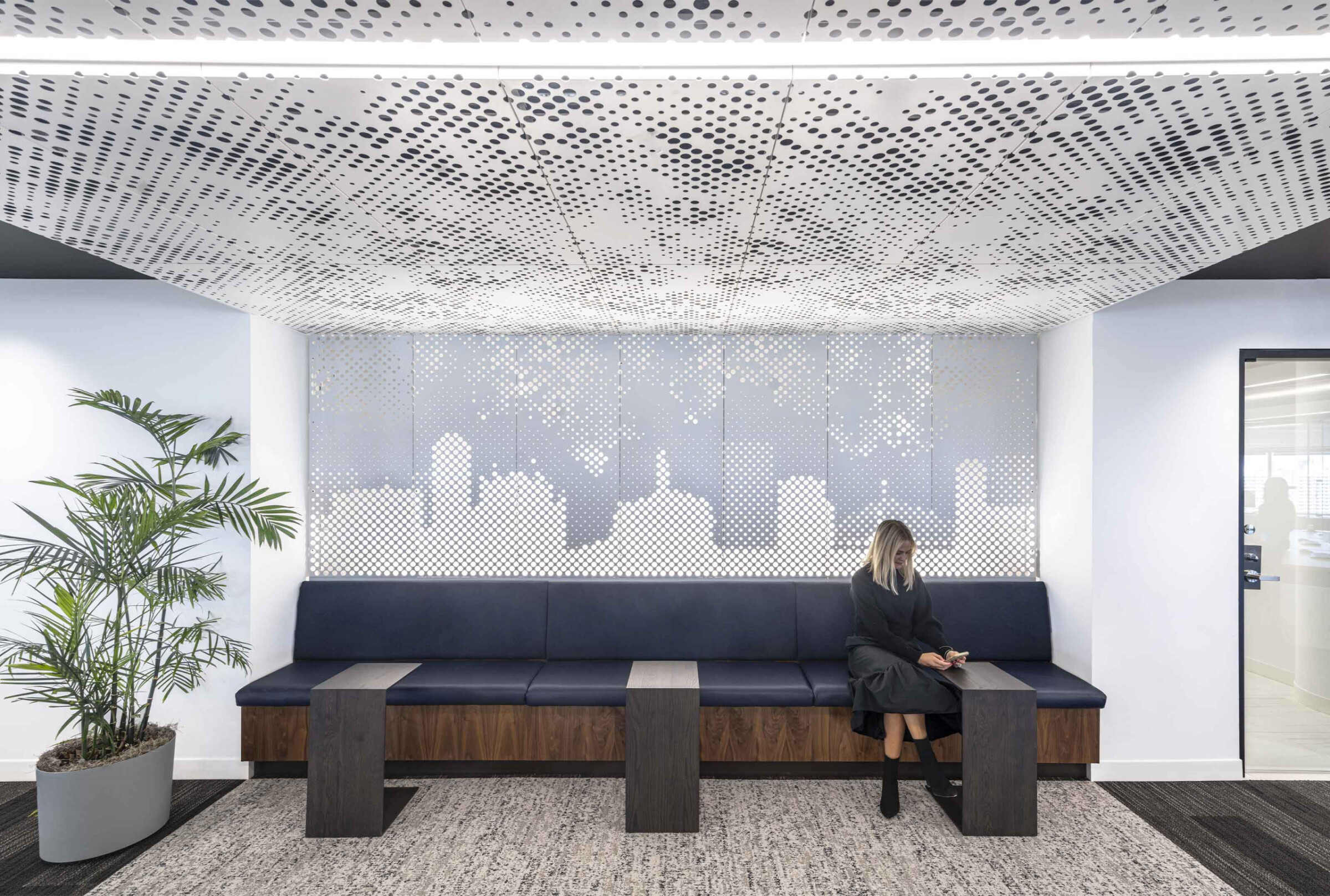
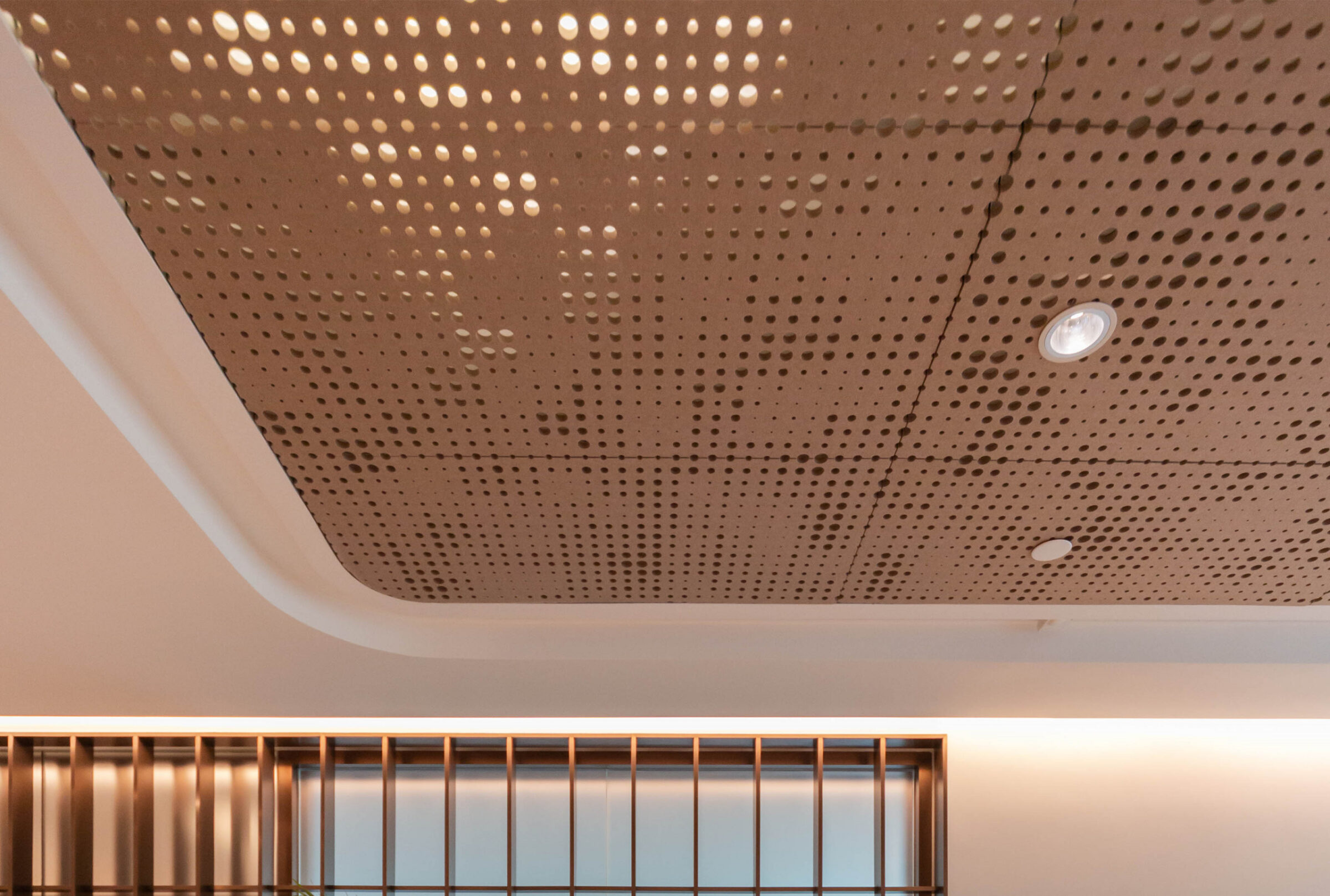
Perforierte Metalldeckenplatten stehen in einem nachweislichen Zusammenhang mit der akustischen Leistung. Durch die Löcher in der Platte kann Schallenergie die Metalloberfläche durchdringen und vom dahinterliegenden Material absorbiert werden. Die akustische Leistung der fertigen Decke hängt von der Dichte der Perforationen, der Art der verwendeten schallabsorbierenden Rückseite und der Tiefe des Hohlraums über der Platte ab. VEILIm Inneren ist die aSOFT™-Akustikverkleidung verbaut VEIL Studio – es ist kein separates Akustiksystem erforderlich. Es ist bereits bei der Herstellung in die Platte integriert.
Was ist aSOFT™?
aSOFT™ ist das akustische Trägermaterial von NOWN. Es ist entweder als Oberflächenbeschichtung (auf die Vorderseite der Platte hinter den Perforationen aufgebracht) oder als Rückseitenbeschichtung (auf die Rückseite der Platte aufgebracht) erhältlich. Welche Variante geeignet ist, hängt von den Anforderungen an die akustische Leistung und vom Aufbau des Deckensystems ab.
Bei der Anbringung auf der Vorderseite entsteht ein direkter Kontakt zwischen dem Absorptionsmaterial und den Perforationen – wodurch der Anteil des einfallenden Schalls, der den Absorber erreicht, maximiert wird. Die Anbringung auf der Rückseite kommt zum Einsatz, wenn die Vorderseite der Platte vollständig sichtbar bleiben soll oder wenn der Hohlraum über der Platte nur gering ist.
In welchem Zusammenhang steht der NRC-Wert mit der Perforationsdichte?
Der NRC (Noise Reduction Coefficient) ist die Standardgröße für die Schallabsorption. Ein NRC-Wert von 1,0 bedeutet, dass eine Oberfläche die gesamte einfallende Schallenergie absorbiert; ein NRC-Wert von 0,0 bedeutet, dass sie diese vollständig reflektiert. Bei perforierten Metalldeckenplatten mit akustischer Rückseite wird der NRC-Wert durch den Perforationsgrad beeinflusst – also den Anteil der Plattenoberfläche, der offen (perforiert) ist, im Verhältnis zum geschlossenen (massiven Metall) Anteil.
Eine höhere Perforationsdichte vergrößert die offene Fläche der Platte, wodurch mehr Schallenergie die schallabsorbierende Rückseite erreicht und sich der NRC-Wert erhöht. In VEIL Studio: Die Parameter „Frequenz“, „Größe“ und „Tonhöhe“, die den optischen Charakter der Platte bestimmen, legen auch deren Perforationsgrad fest – und damit ihr akustisches Leistungsprofil. Legen Sie beide Parameter gleichzeitig fest.
Wie gibt man aSOFT™ in VEIL Studio?
aSOFT™ wird als Option innerhalb von VEIL Studio während der Planungsphase. Wählen Sie die Konfiguration der Vorderseite oder der Rückseite. Die Spezifikationen sind in der DXF-Datei und im Angebot enthalten. Die aSOFT™-Rückseite wird bereits bei der Herstellung angebracht – die Platte wird in einer Kiste geliefert, wobei die Akustikschicht bereits integriert ist. Keine Montage vor Ort. Keine zusätzlichen Handwerker erforderlich.
Das Paneelformat beträgt 596 × 1196 mm. Es passt in jedes standardmäßige metrische 600 × 1200- oder imperiale 2’ × 4’-Deckenraster. Innerhalb weniger Tage gefertigt. Innerhalb weniger Wochen versandt. Die harte Arbeit erledigen wir in unserer Fabrik. Der einfache Teil liegt bei Ihnen.