
Prinzipien der Kreislaufwirtschaft bei der Herstellung von Architekturprodukten
18. April 2026
-2 Minuten lesen
Die Kreislaufwirtschaft ist nicht nur ein Beschaffungskonzept – sie hat direkte Auswirkungen darauf, wie Architekturprodukte entworfen, hergestellt und spezifiziert werden. So sieht das in der Praxis aus.
Die Kreislaufwirtschaft als architektonisches Konzept wird häufig auf der Ebene einzelner Gebäude diskutiert – demontagefreundliche Planung, anpassungsfähige Strukturen, Wiederverwendung von Raumelementen. Weniger häufig wird ihre Anwendung auf Material- und Produktebene thematisiert, wo Entscheidungen früher getroffen werden und die Auswirkungen unmittelbarer sind.
Die Kreislaufwirtschaft auf Materialebene
Auf der Materialebene kommen die Prinzipien der Kreislaufwirtschaft durch den Einsatz von recycelten Post-Consumer- und Post-Industrial-Anteilen zum Tragen – dabei werden bereits gebrauchte Materialien verwendet, anstatt neue Rohstoffe zu gewinnen und aufzubereiten. Die Umweltauswirkungen dieser Substitution variieren je nach Materialart, doch im Falle von Aluminium ist dies besonders deutlich.
Die Primäraluminiumproduktion – das Schmelzen von Bauxiterz – ist einer der energieintensivsten Prozesse in der Metallindustrie. Die Herstellung von Recyclingaluminium erfordert etwa 95 % weniger Energie. Bei der Auswahl eines Deckenmaterials hat die Entscheidung für Post-Consumer-Recyclingaluminium anstelle von Primäraluminium erhebliche Auswirkungen auf das CO₂-Profil des Produkts.
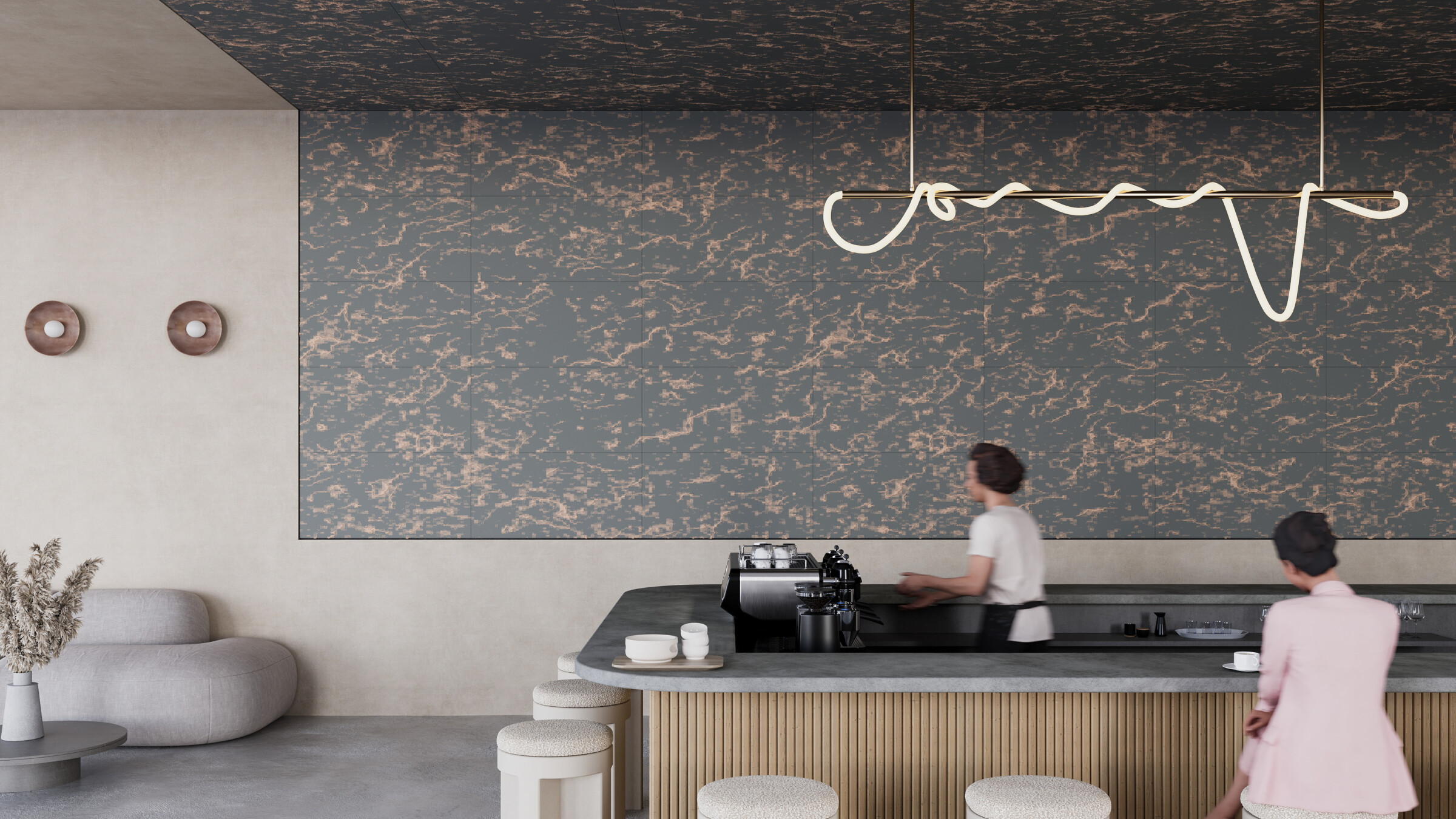
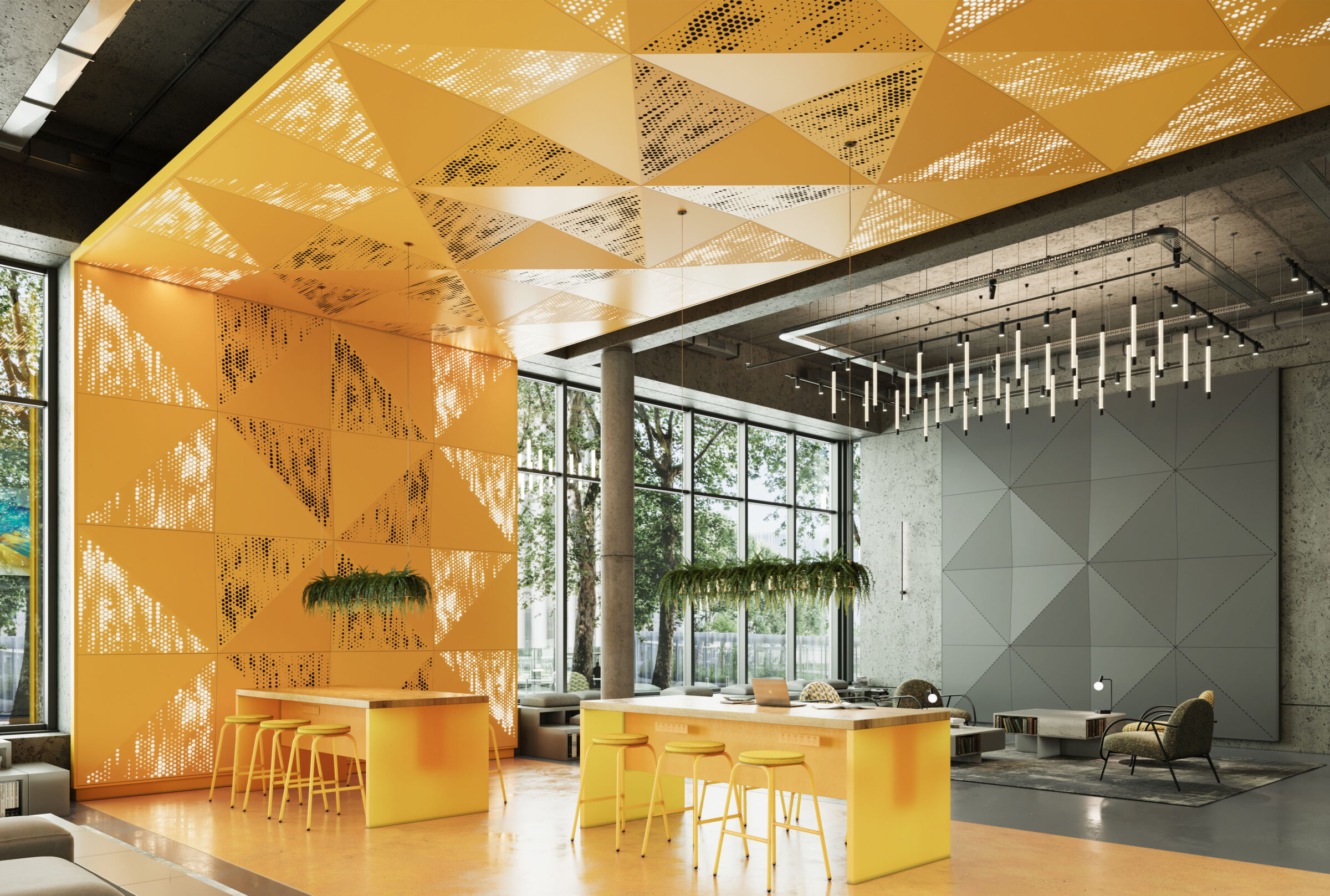
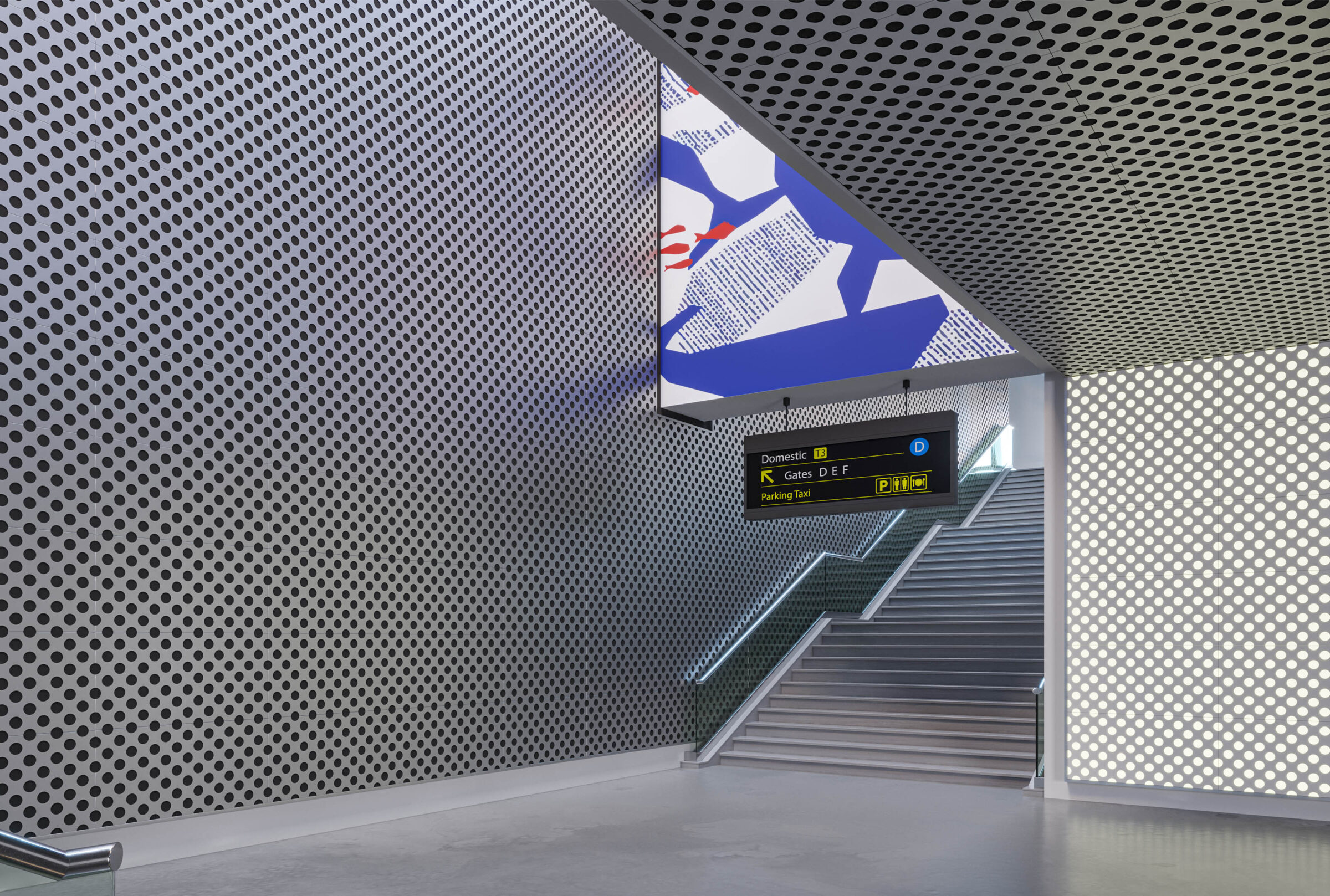
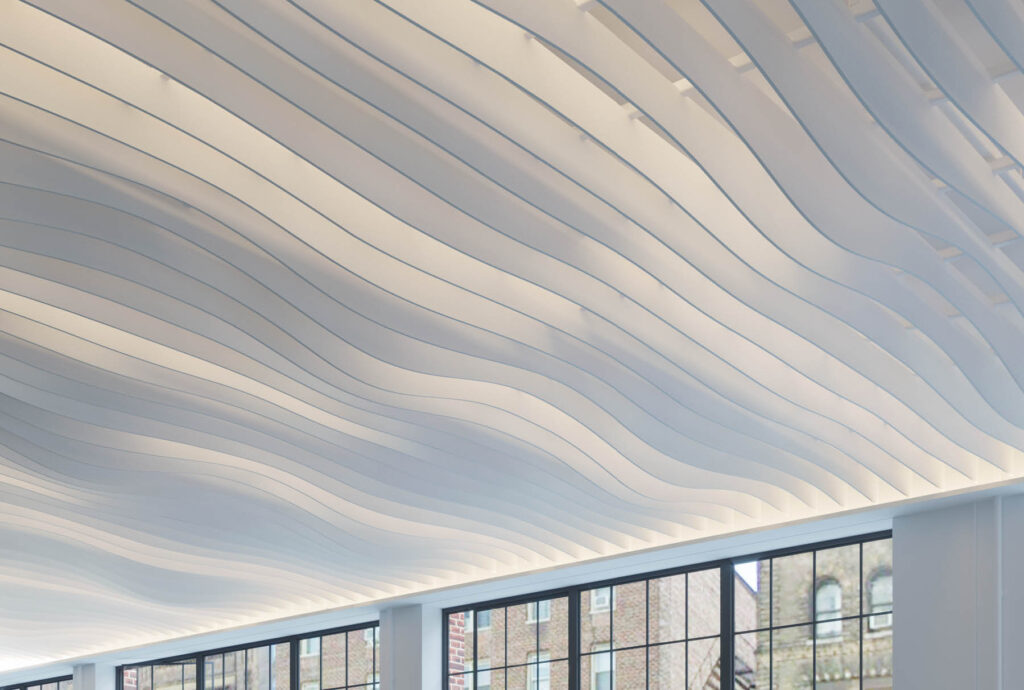
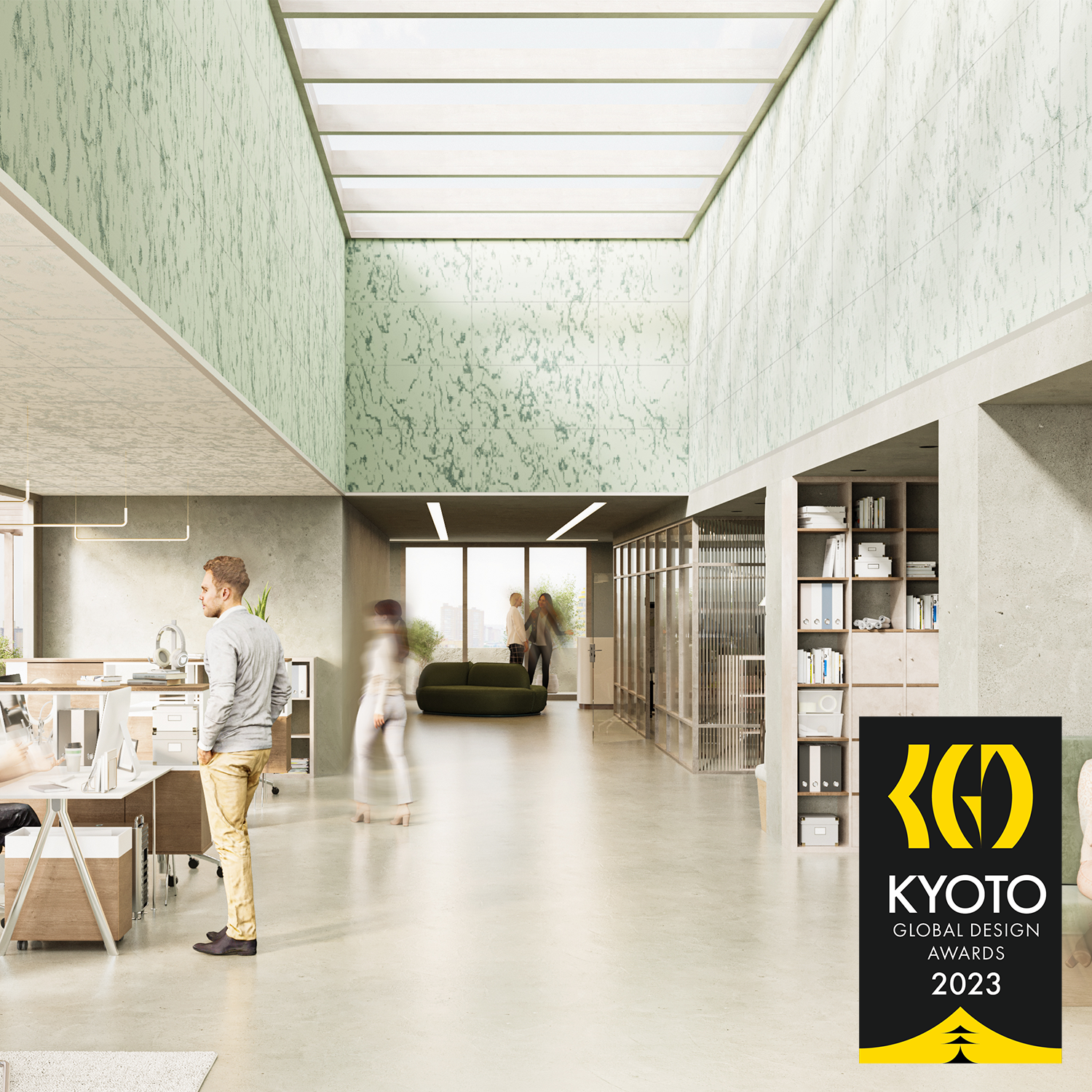
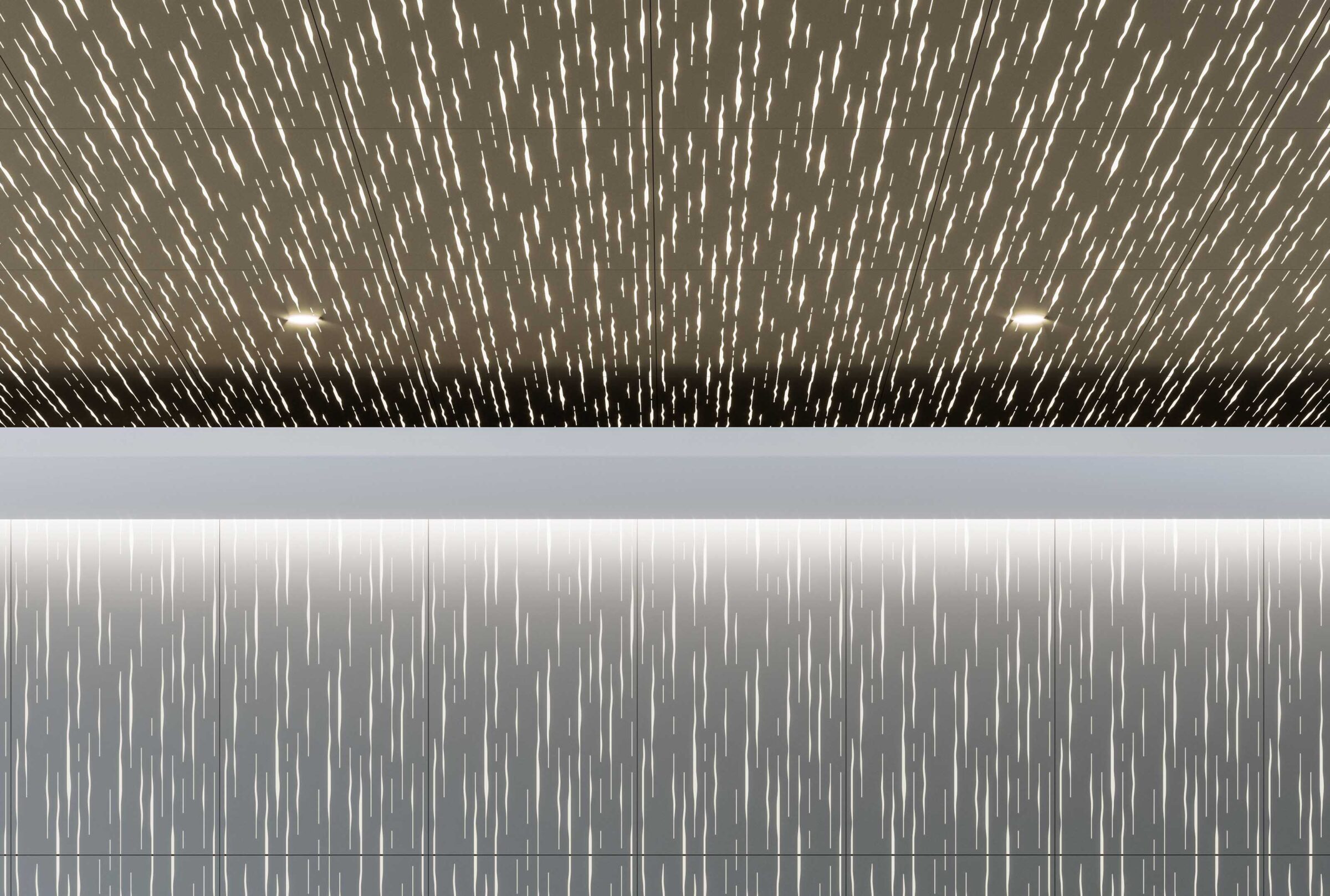
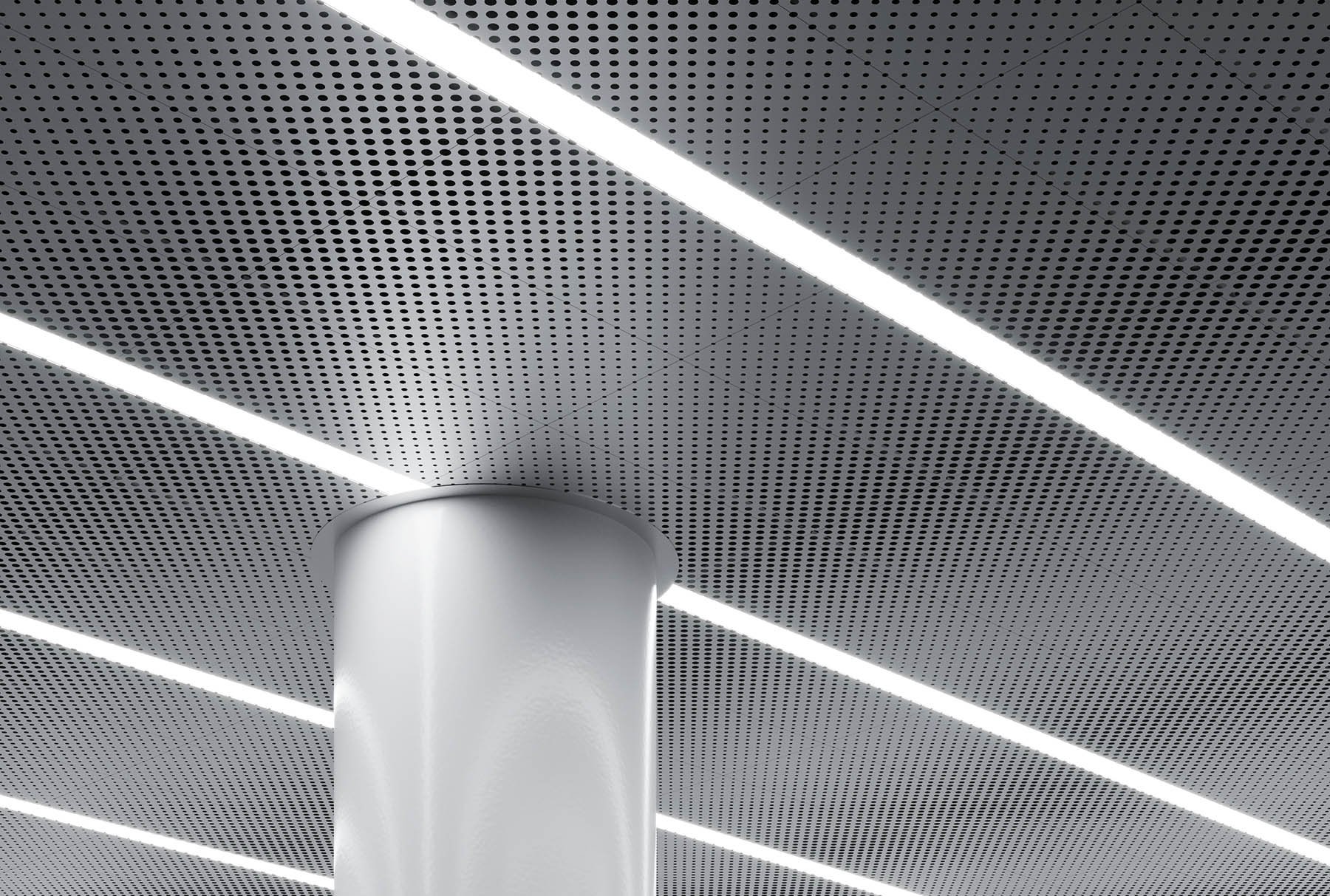
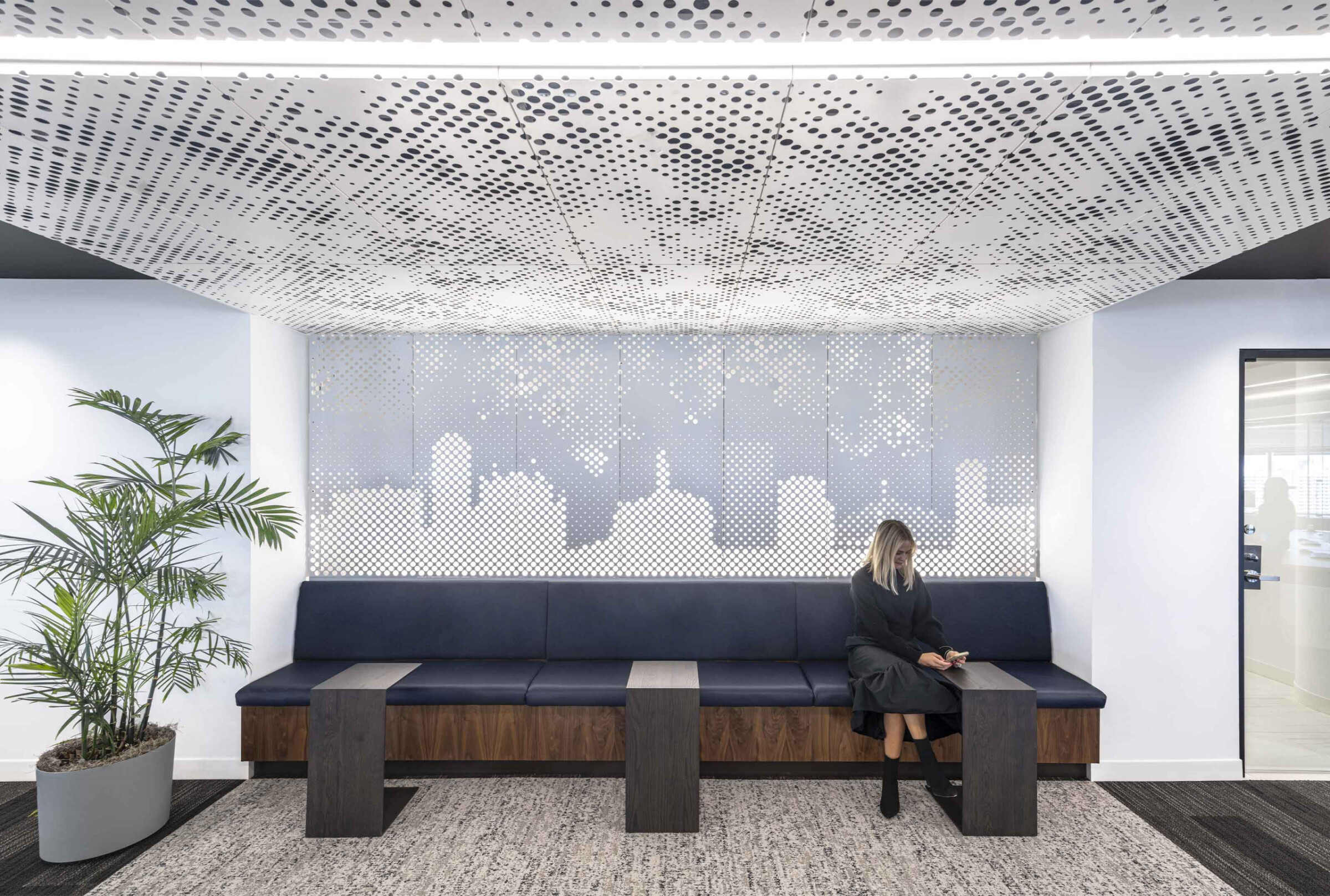
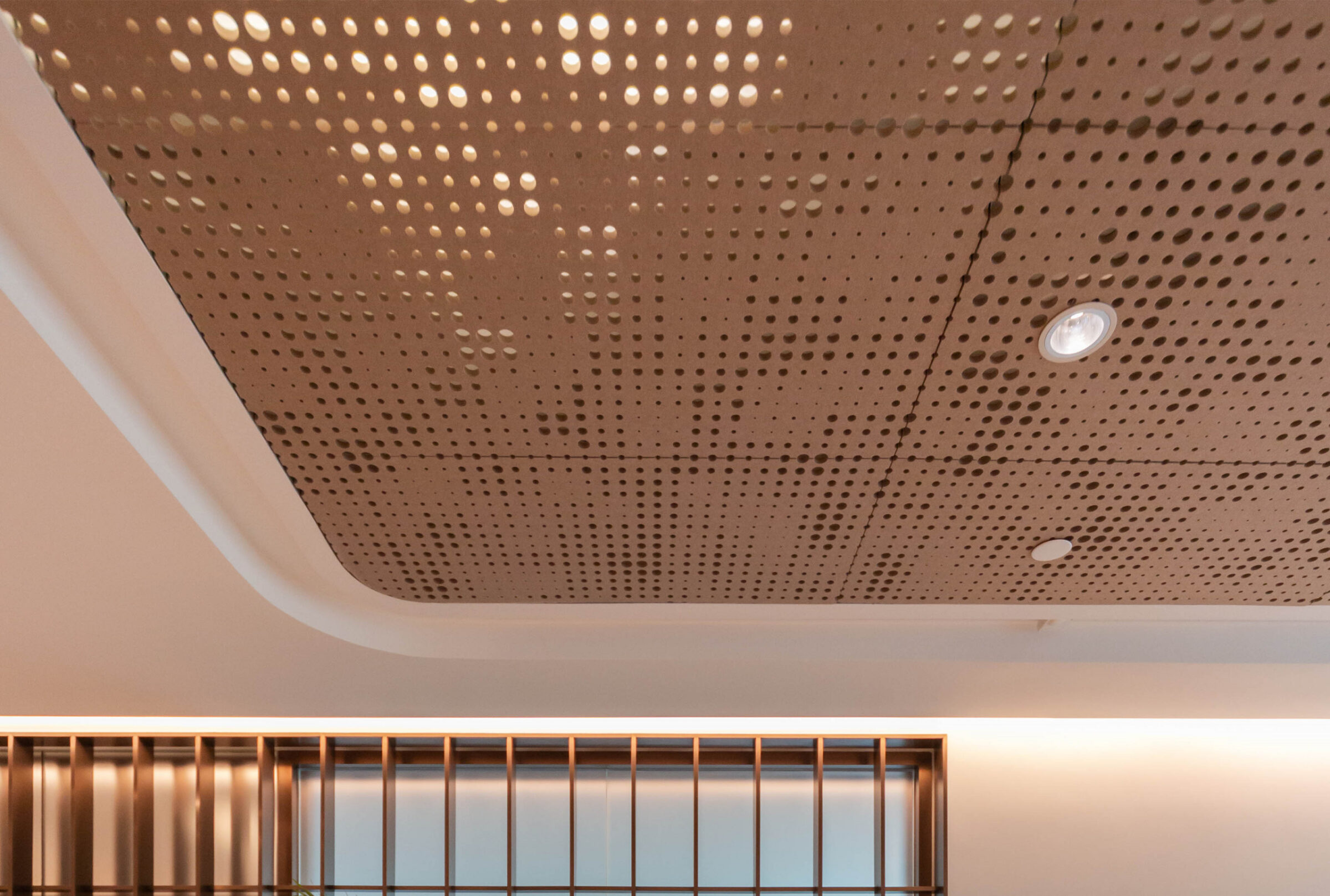
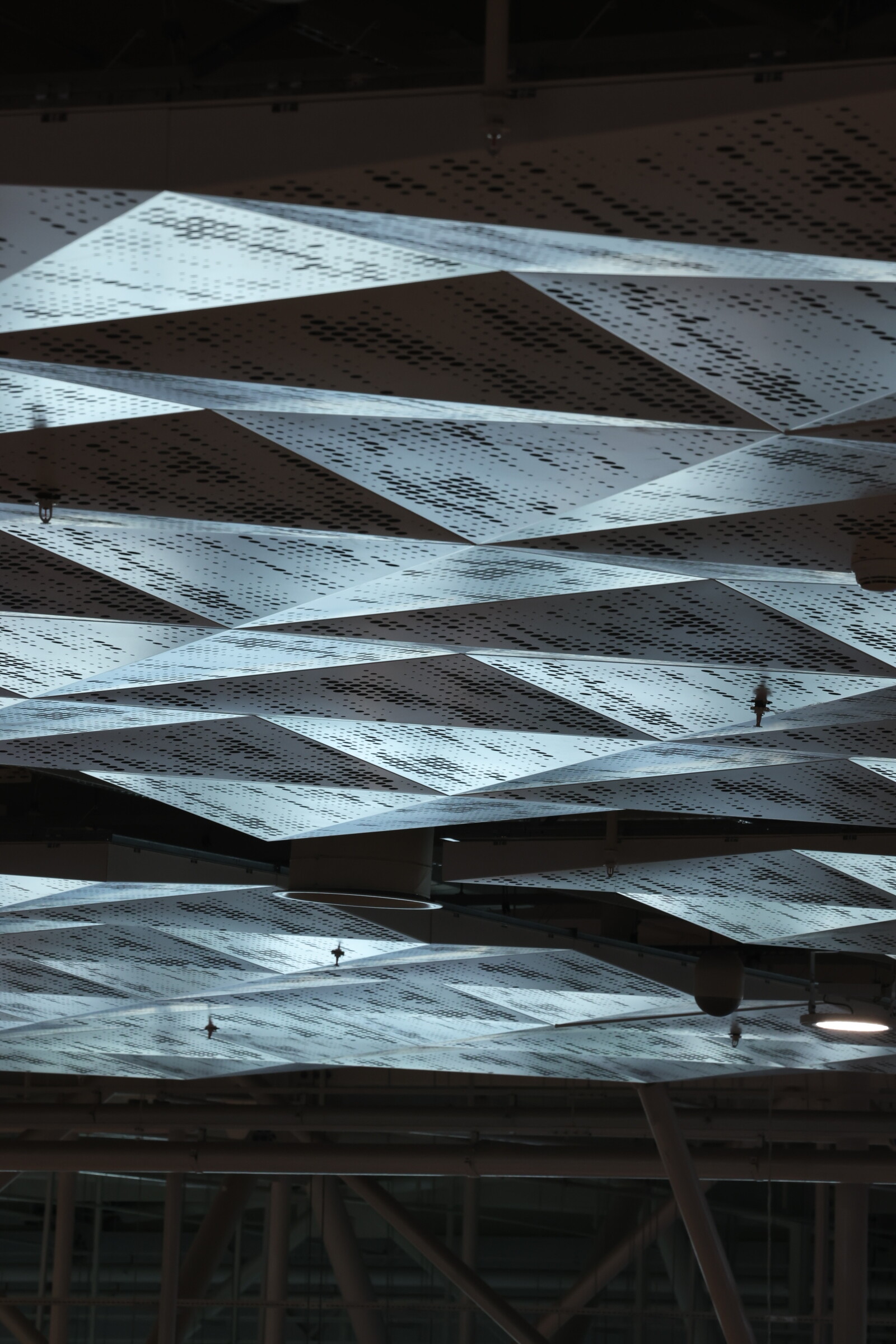
NOWN’s CircuLUM™. enthält 80 % recycelte Altmaterialien. Das ist Kreislaufwirtschaft auf Produktionsebene: ein Produkt, das überwiegend aus Material besteht, das andernfalls als Abfall enden würde.
Textilindustrie und abfallfreie Fertigung
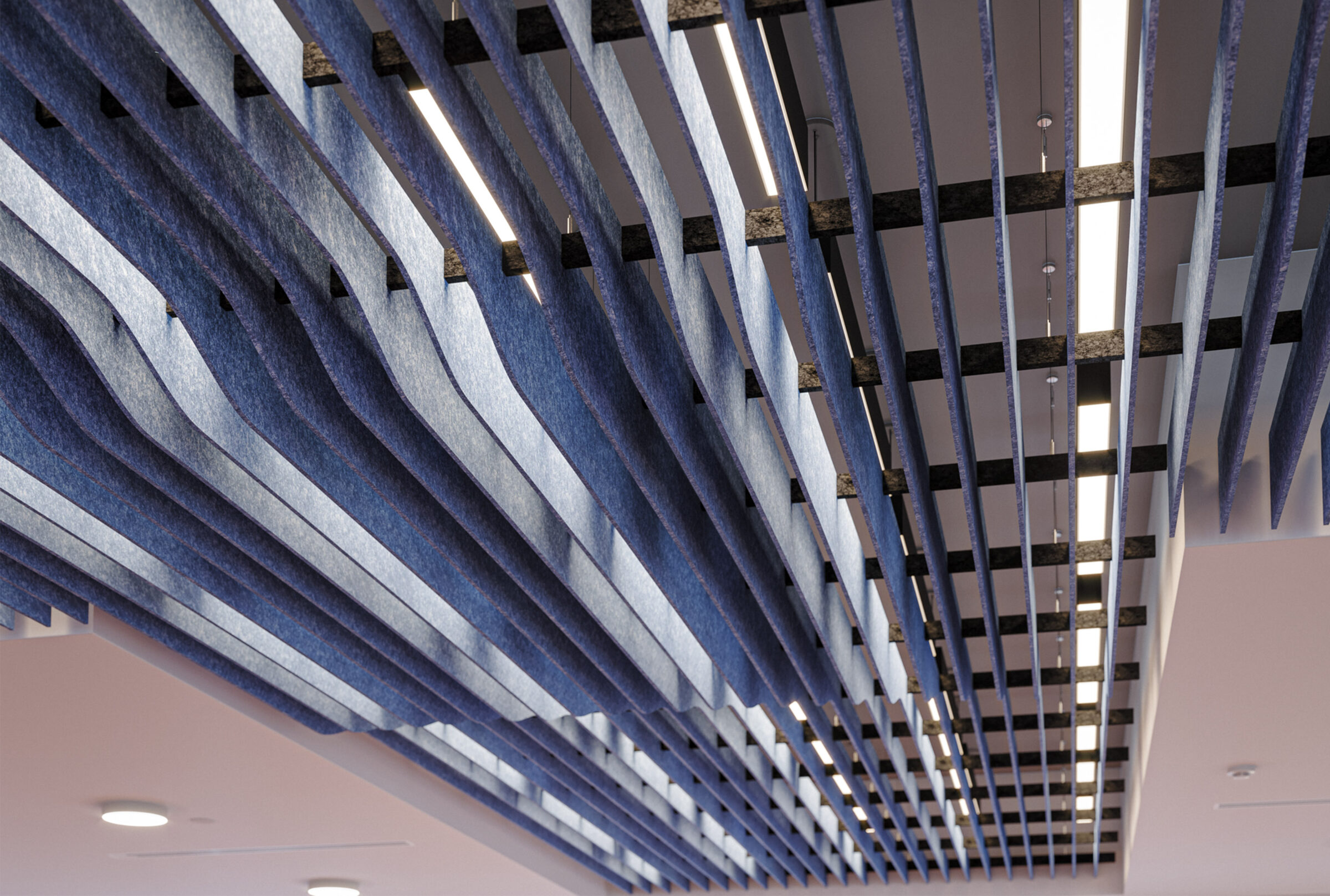
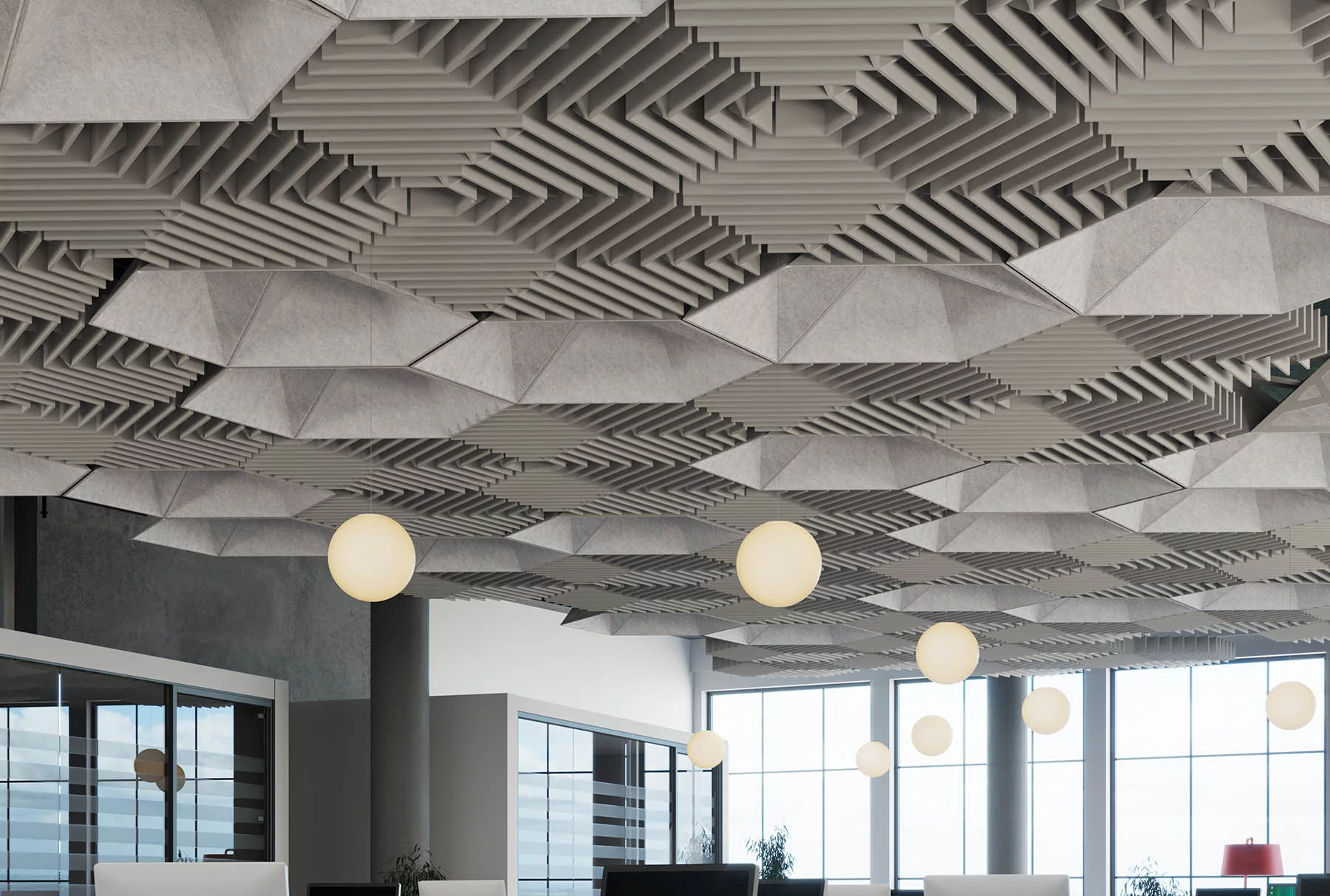
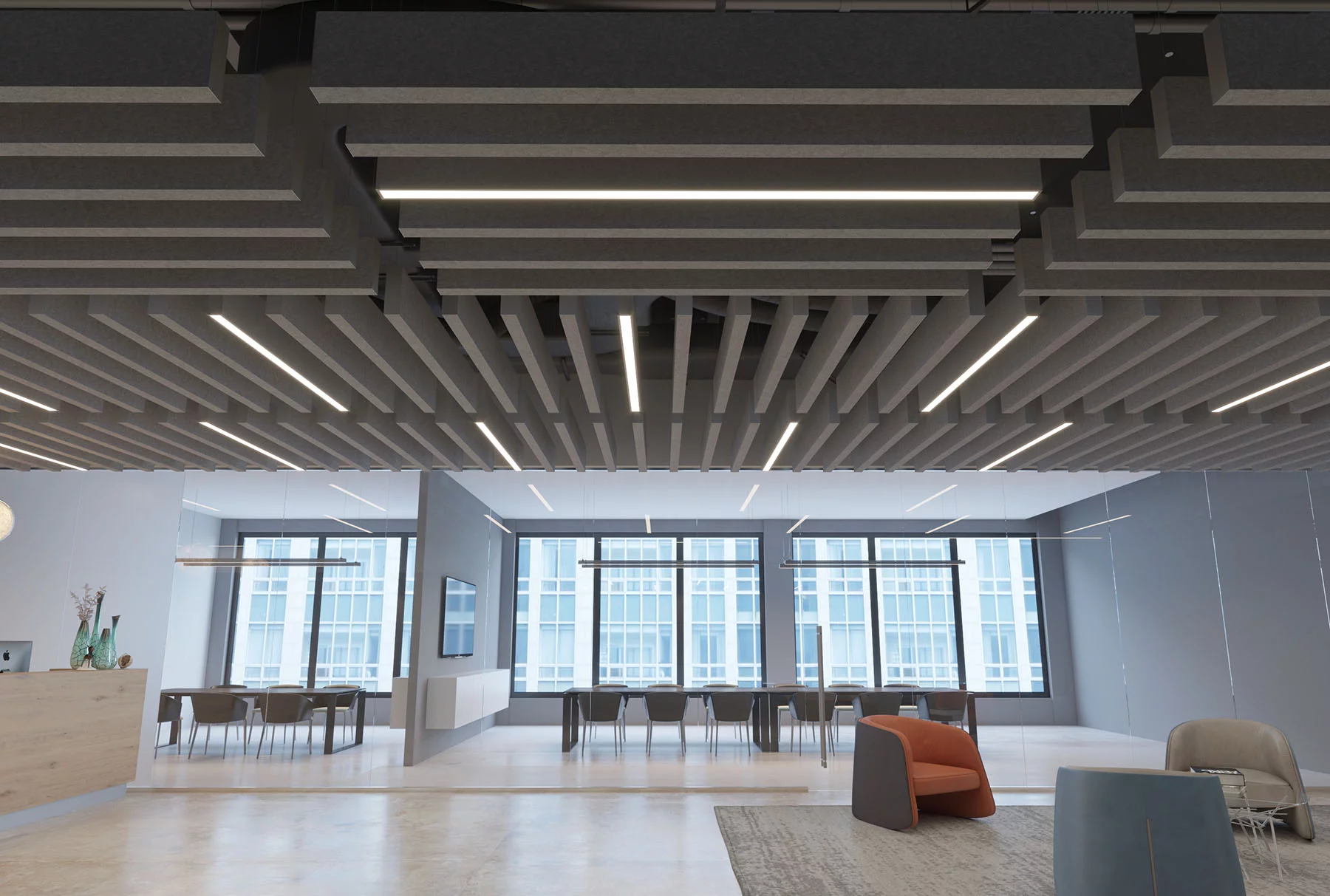
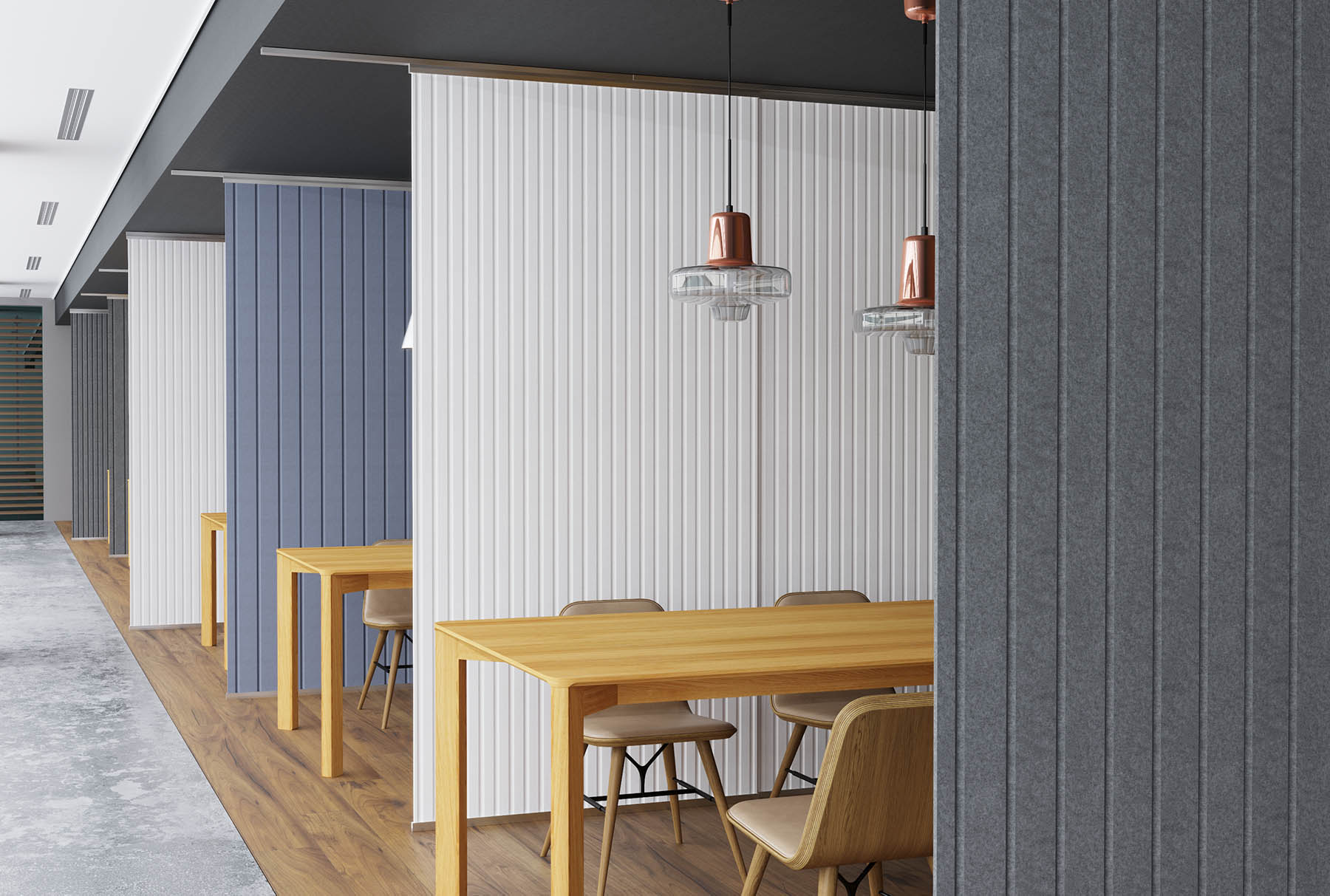
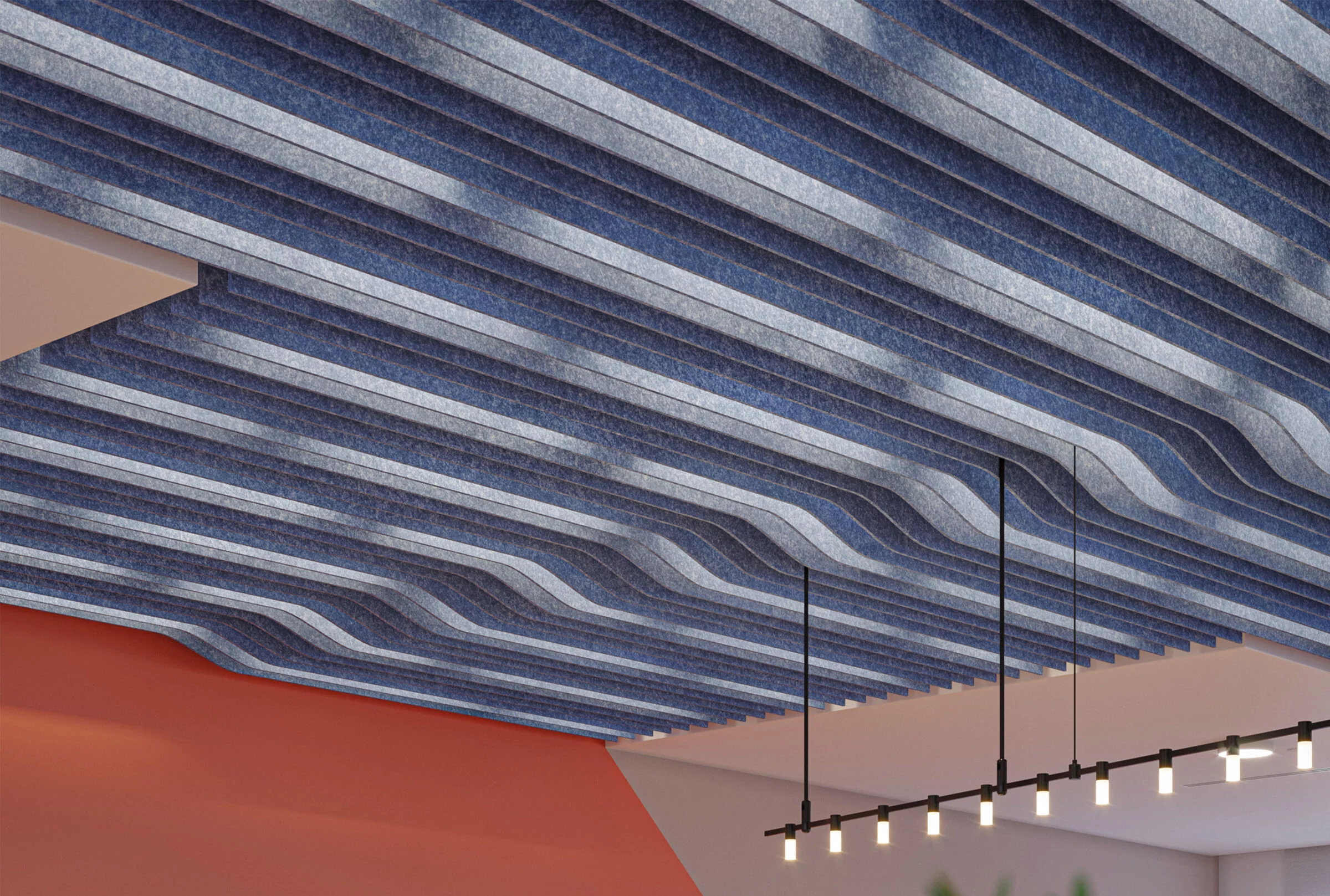
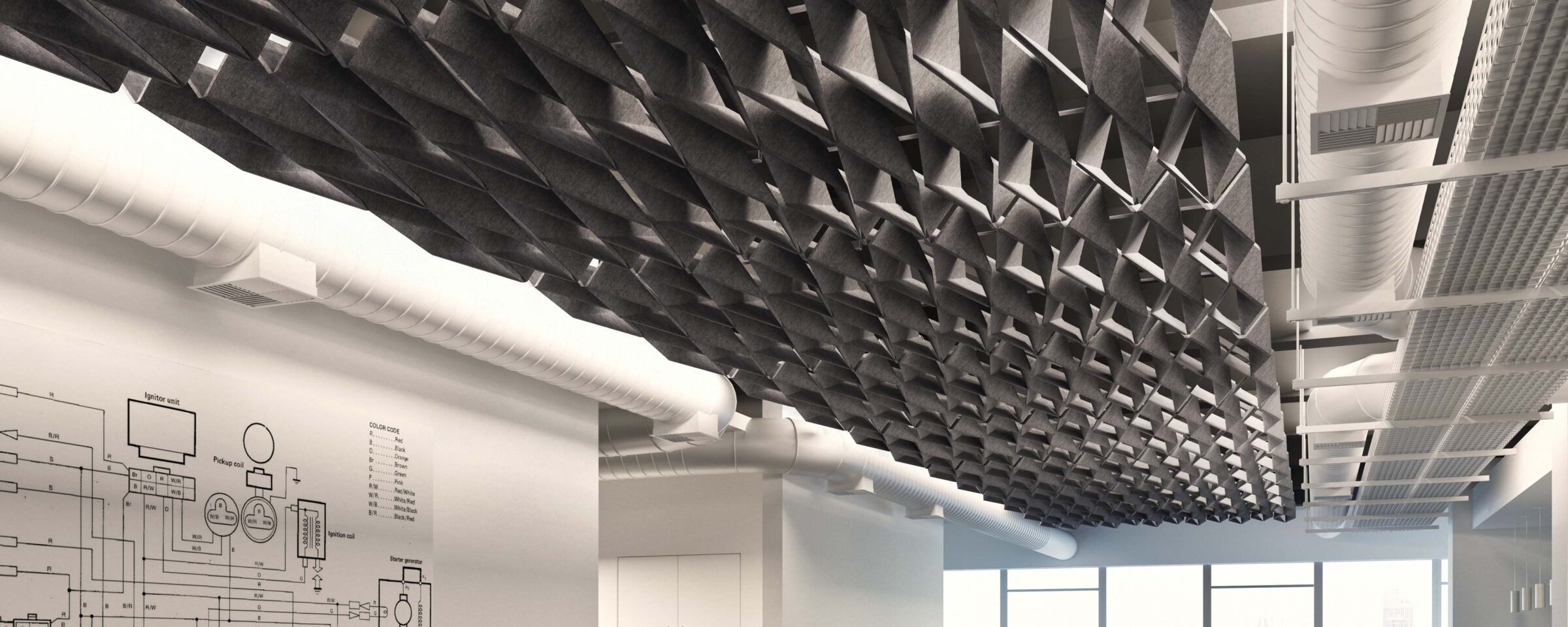
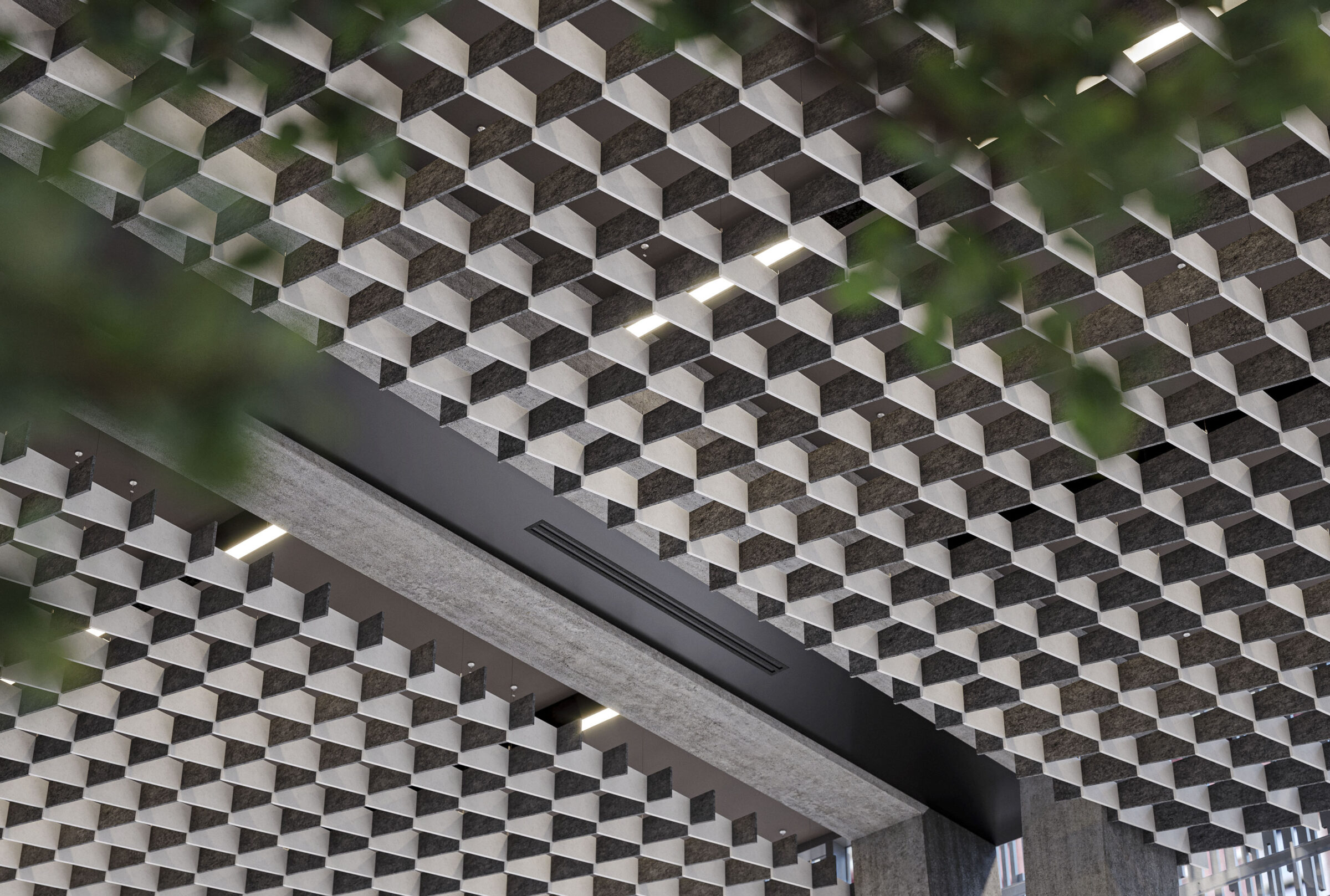
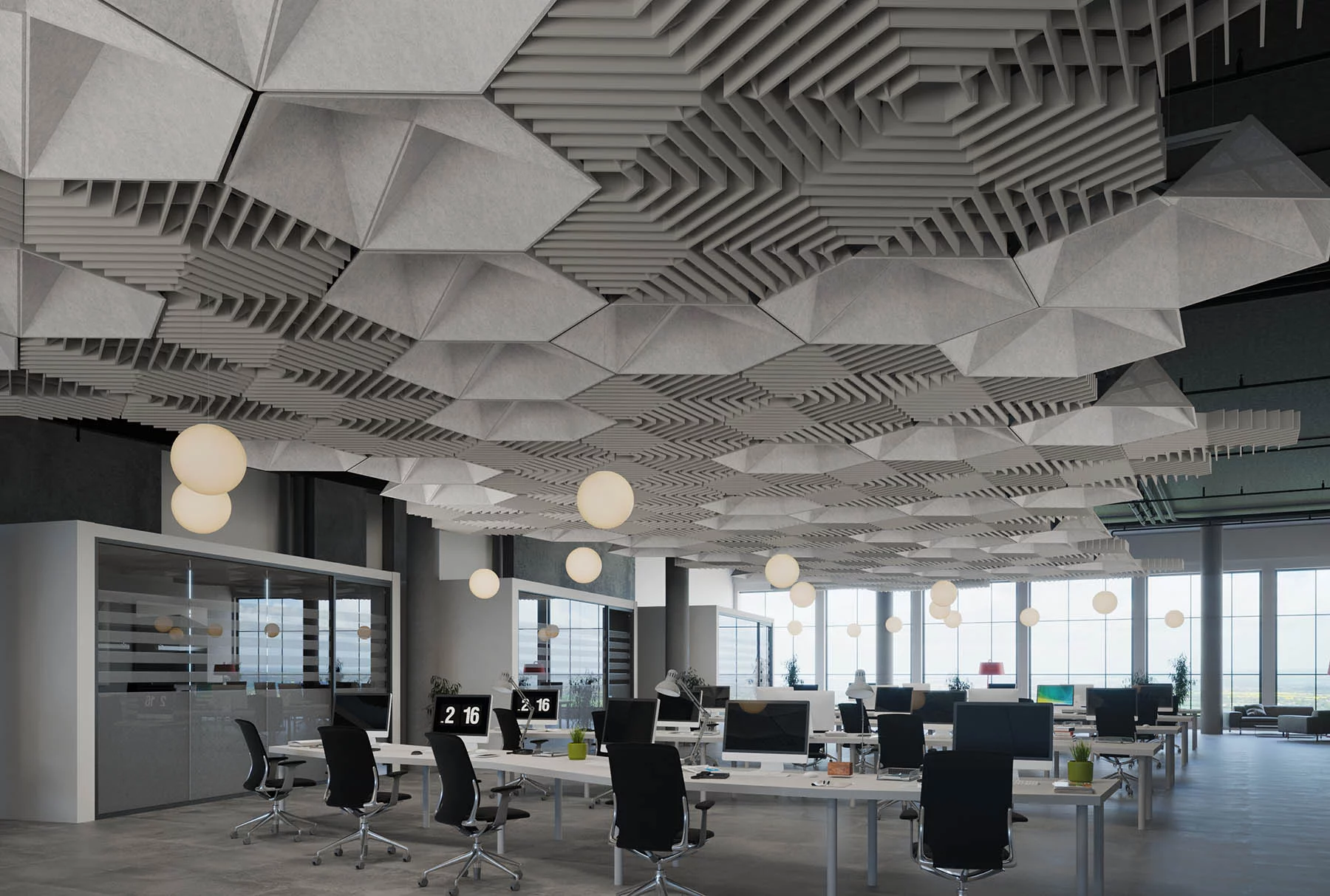
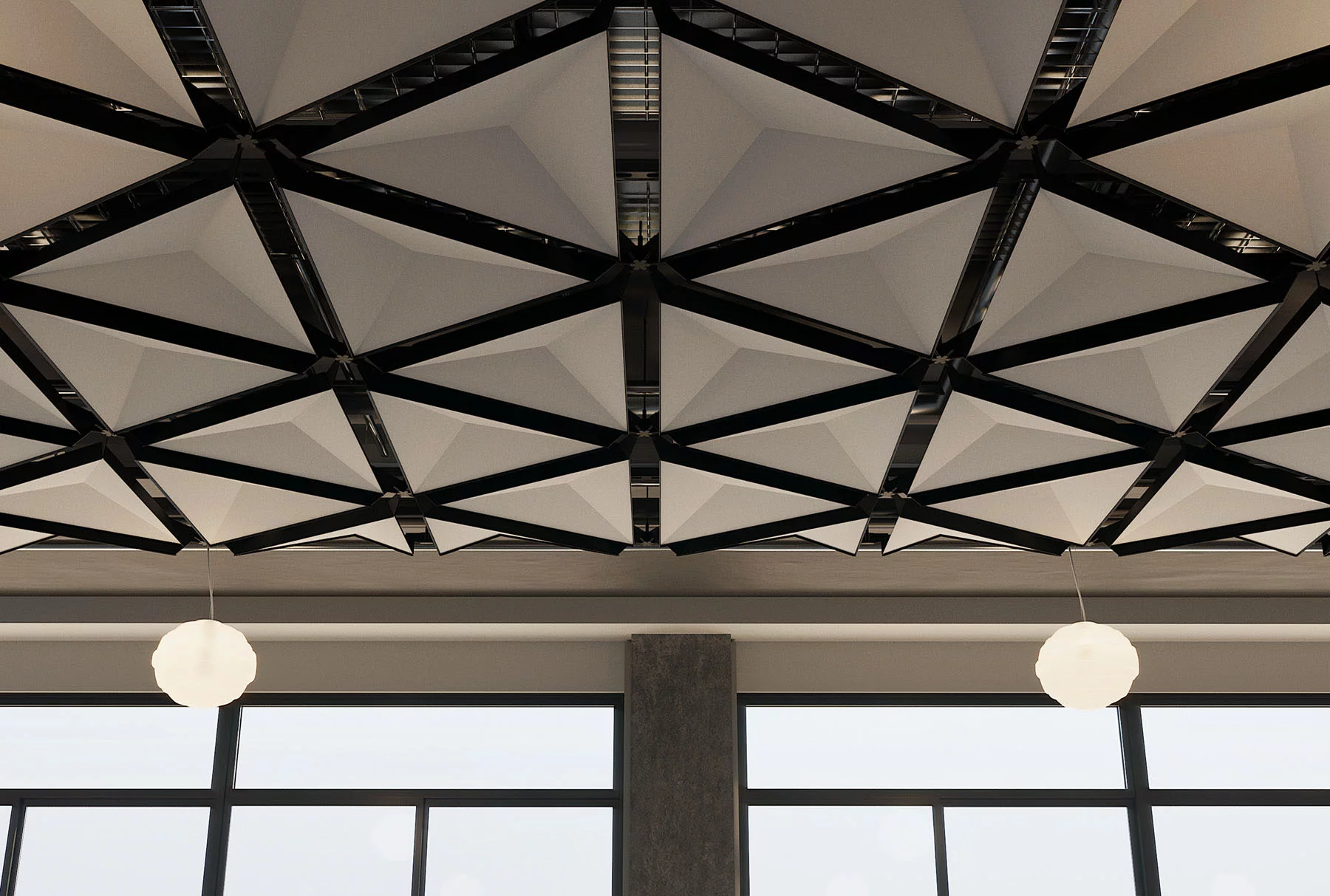
NOWN’s InfiKnit™ Das System basiert auf einem anderen Kreislaufprinzip. Beim 3D-Strickverfahren wird jedes Bauteil in seiner endgültigen Form hergestellt – es wird kein Material weggeschnitten und entsorgt. Dass bei der Fertigung keinerlei Materialabfall entsteht, ist darauf zurückzuführen, dass der Produktionsprozess auf die fertige Form ausgerichtet ist, anstatt diese aus einer größeren Platte herauszuschneiden.
In Verbindung mit einem um 40 % geringeren Wasserverbrauch im Vergleich zur herkömmlichen Textilherstellung, InfiKnit™ steht für einen Produktionsansatz, bei dem der ökologische Fußabdruck bereits in die Fertigungslogik integriert ist und nicht erst nachträglich hinzugefügt wird.
Was Planer tun können
Die Prinzipien der Kreislaufwirtschaft in der Produktspezifikation für Architekturprodukte sind dann am aussagekräftigsten, wenn sie auf Fakten beruhen und dokumentiert sind. Angaben zum Anteil an Post-Consumer-Materialien, „Declare“-Labels, Umweltproduktdeklarationen (EPDs) und „Red List Free“-Zertifizierungen liefern nachprüfbare Daten statt bloßer Behauptungen. NOWN-Produkte verfügen über diese Zertifizierungen und bieten Planern damit die erforderlichen Unterlagen, um die Nachhaltigkeit ihrer Projekte nachzuweisen.