
Wie Architekten Deckensysteme nutzen, um räumliche Bereiche ohne Wände abzugrenzen
21. April 2026
-2 Minuten lesen
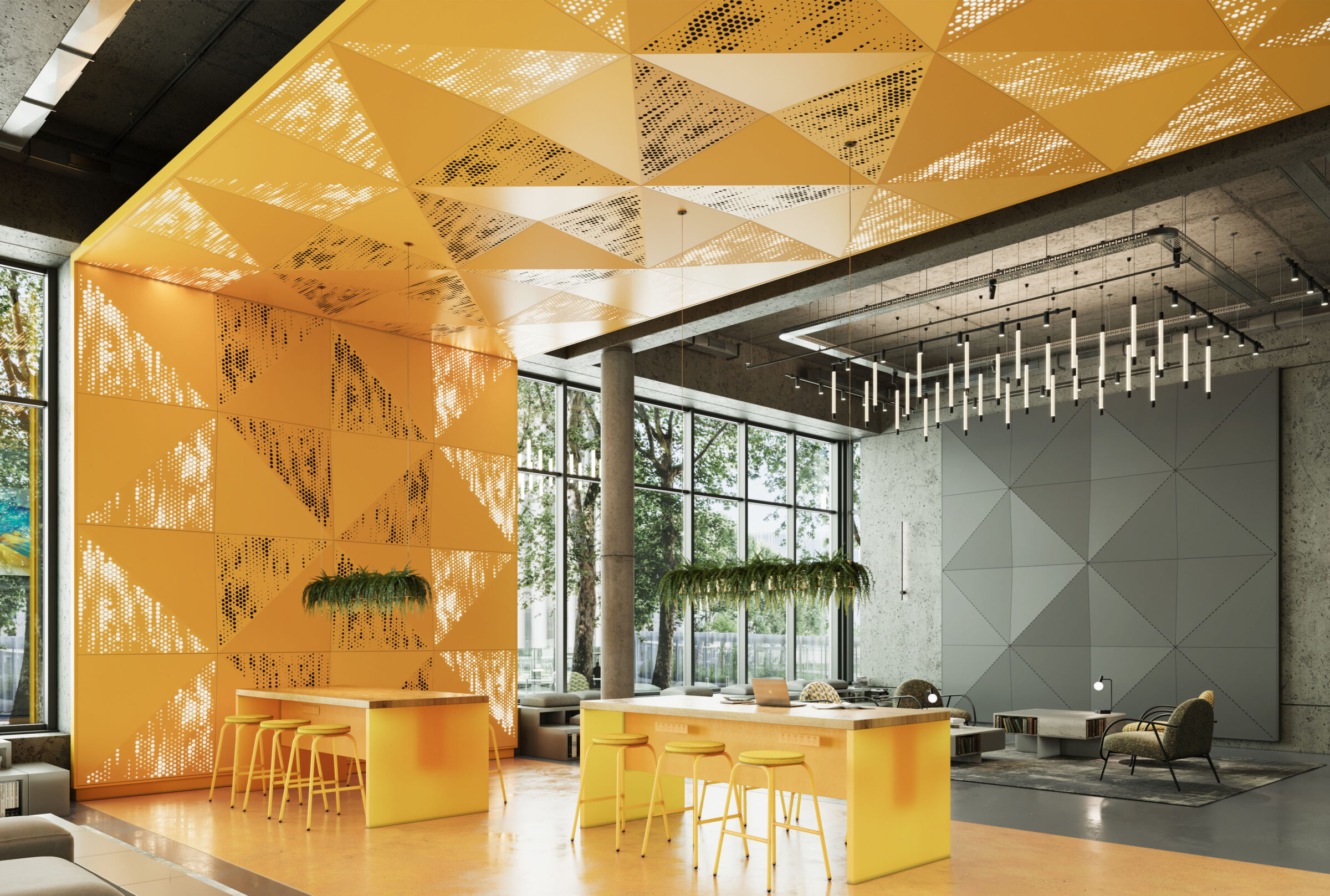
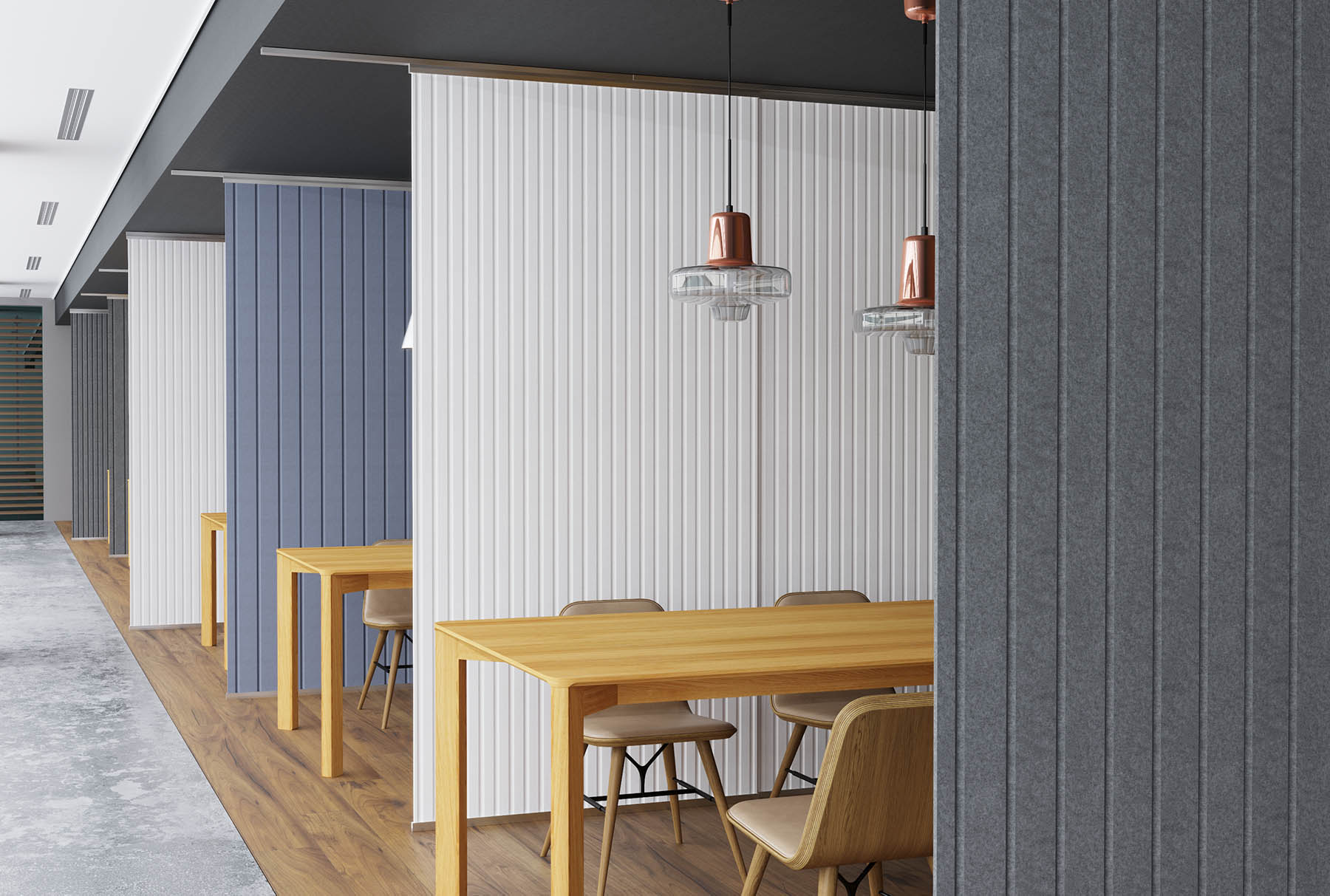
Die Gestaltung der Deckenfläche ist eines der wirksamsten Mittel zur räumlichen Abgrenzung in Großraumbüros. Hier erfahren Sie, wie Deckenkonstruktionen mit Trennwänden und Hängedecken klar abgegrenzte Bereiche schaffen, ohne dass eine physische Trennung erforderlich ist.
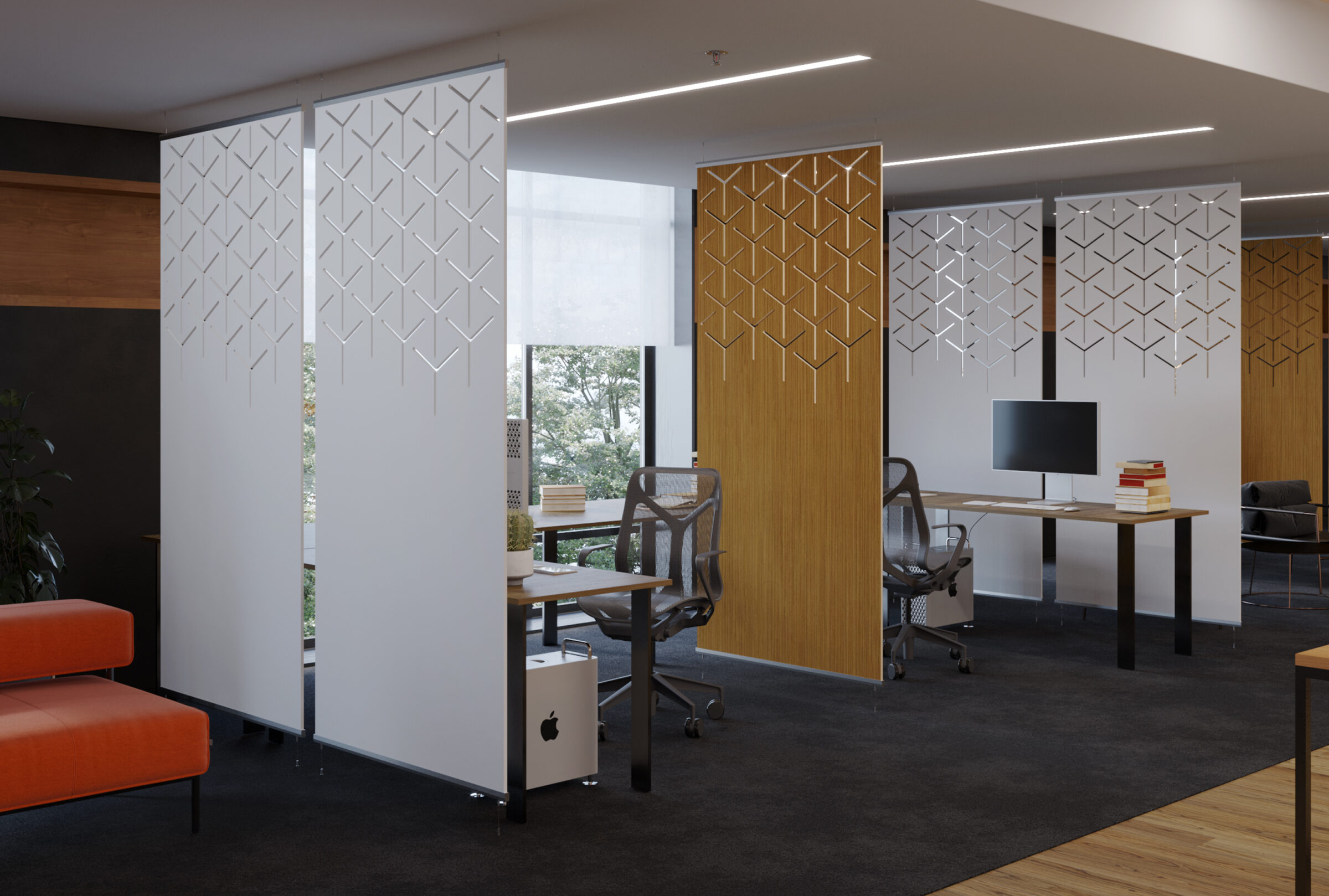
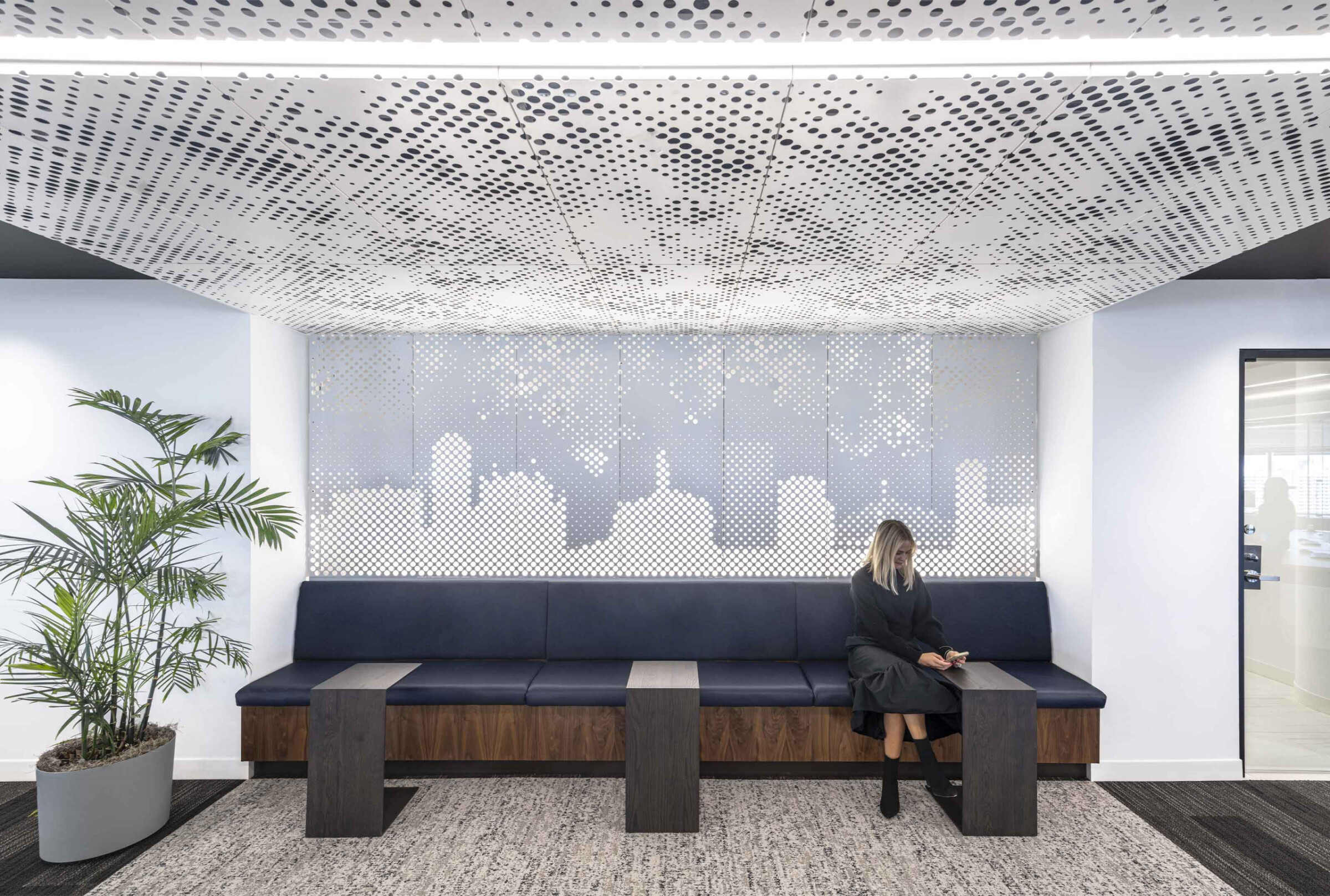
Eine der beständigen Herausforderungen bei der Gestaltung offener Büroräume ist die Schaffung räumlicher Abgrenzung, ohne dabei die Sicht- und Schallabschirmung durch raumhohe Trennwände zu beeinträchtigen. Besprechungskabinen und Telefonzellen lösen dieses Problem teilweise – doch dabei handelt es sich um Objekte, die in einen Raum eingefügt werden, und nicht um architektonische Maßnahmen. Die Decke bietet eine besser integrierte Lösung.
Die Decke als Raumgestalter
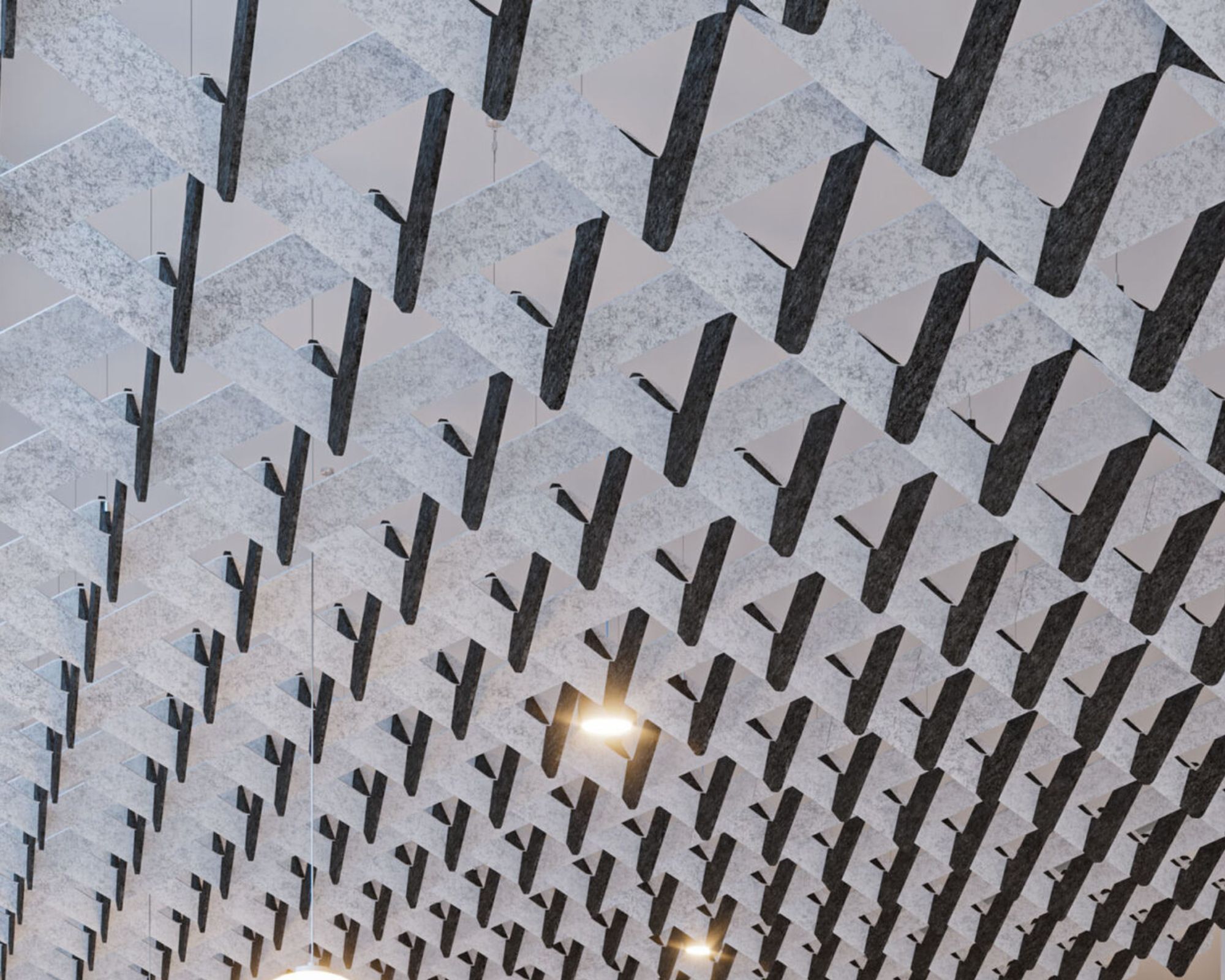
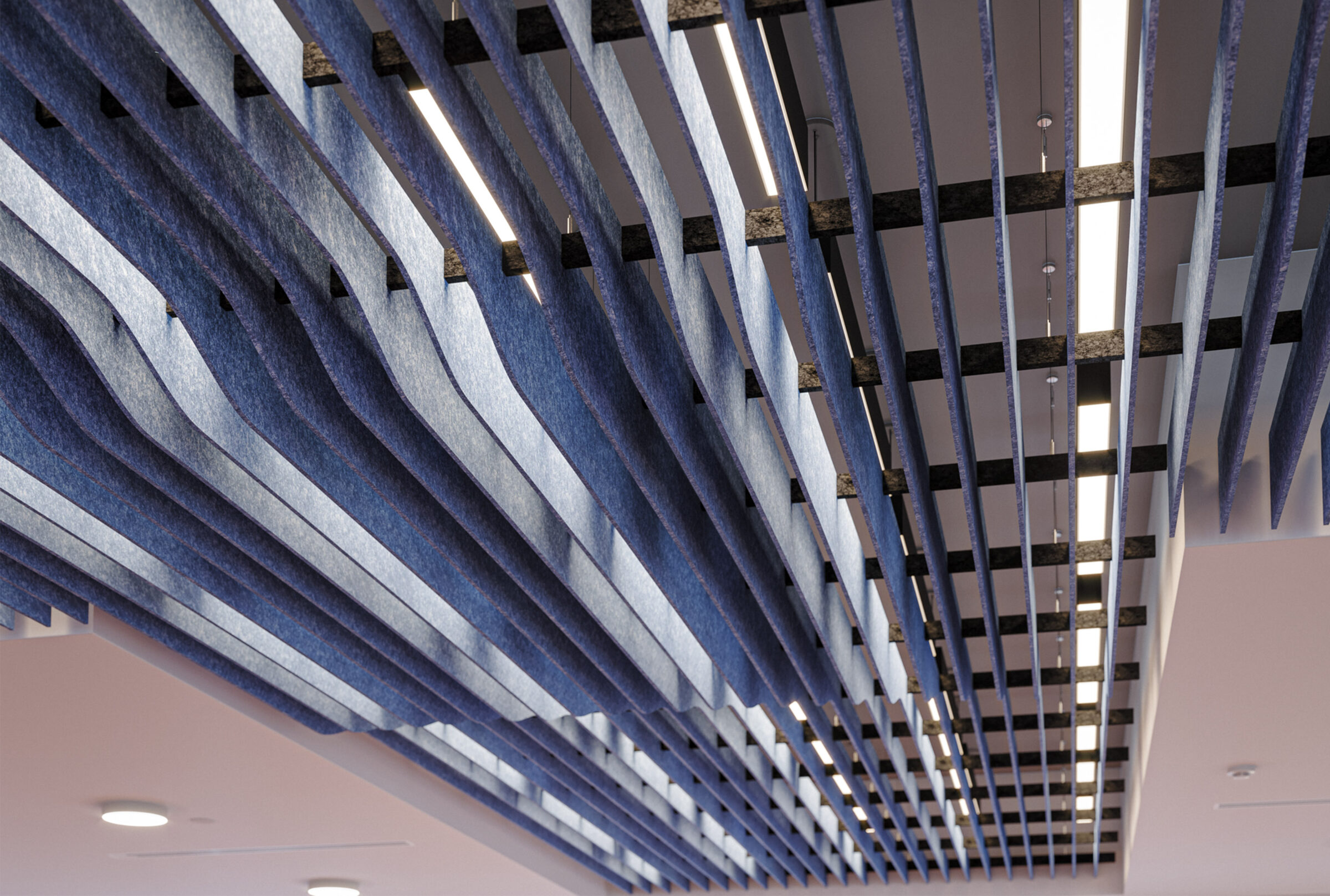
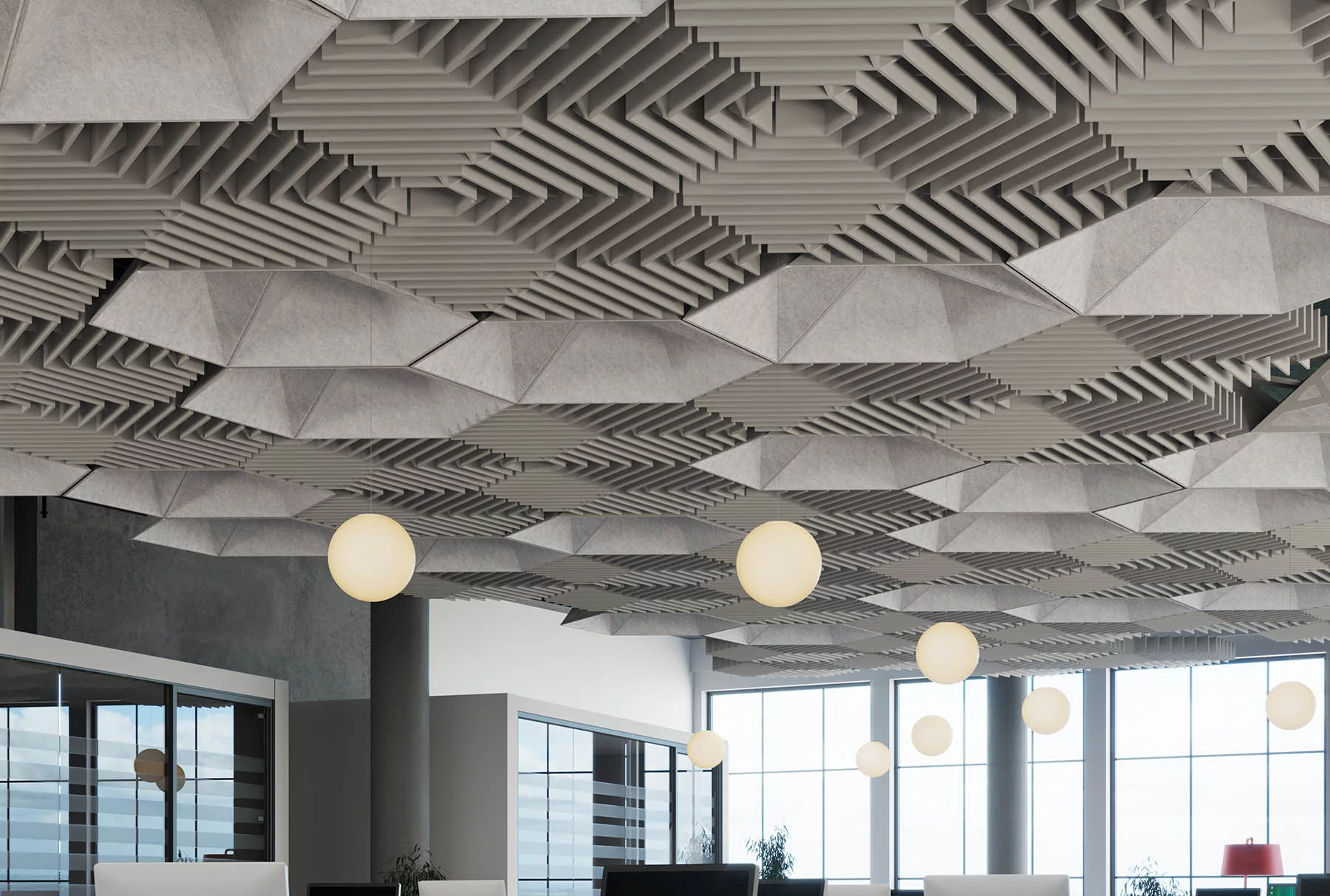
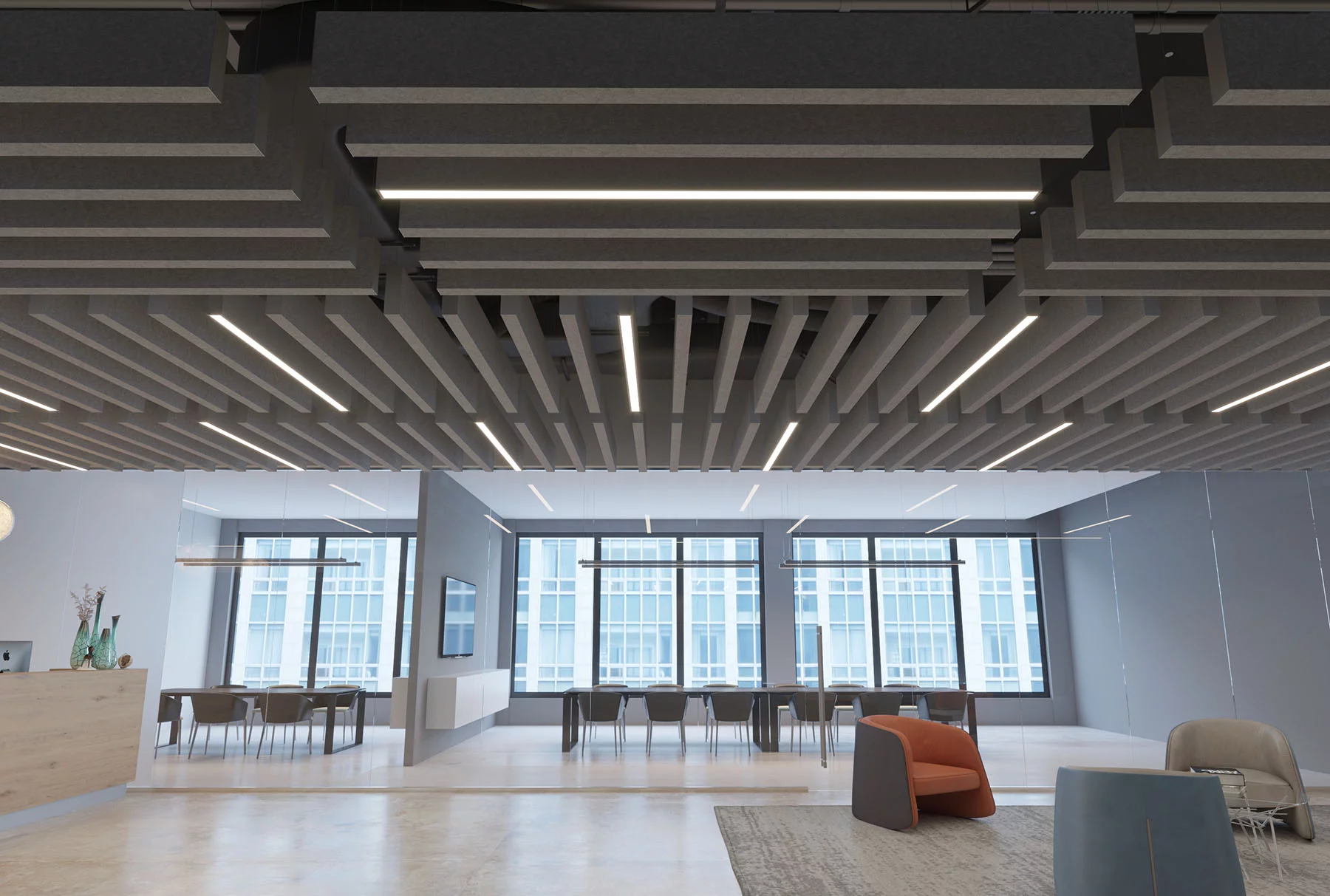
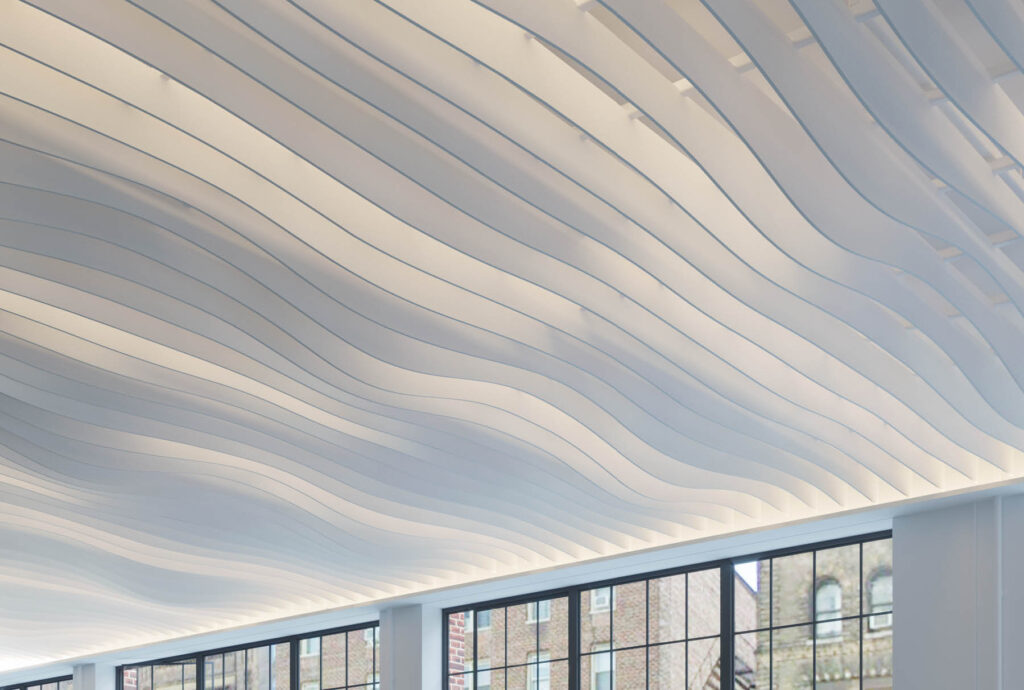
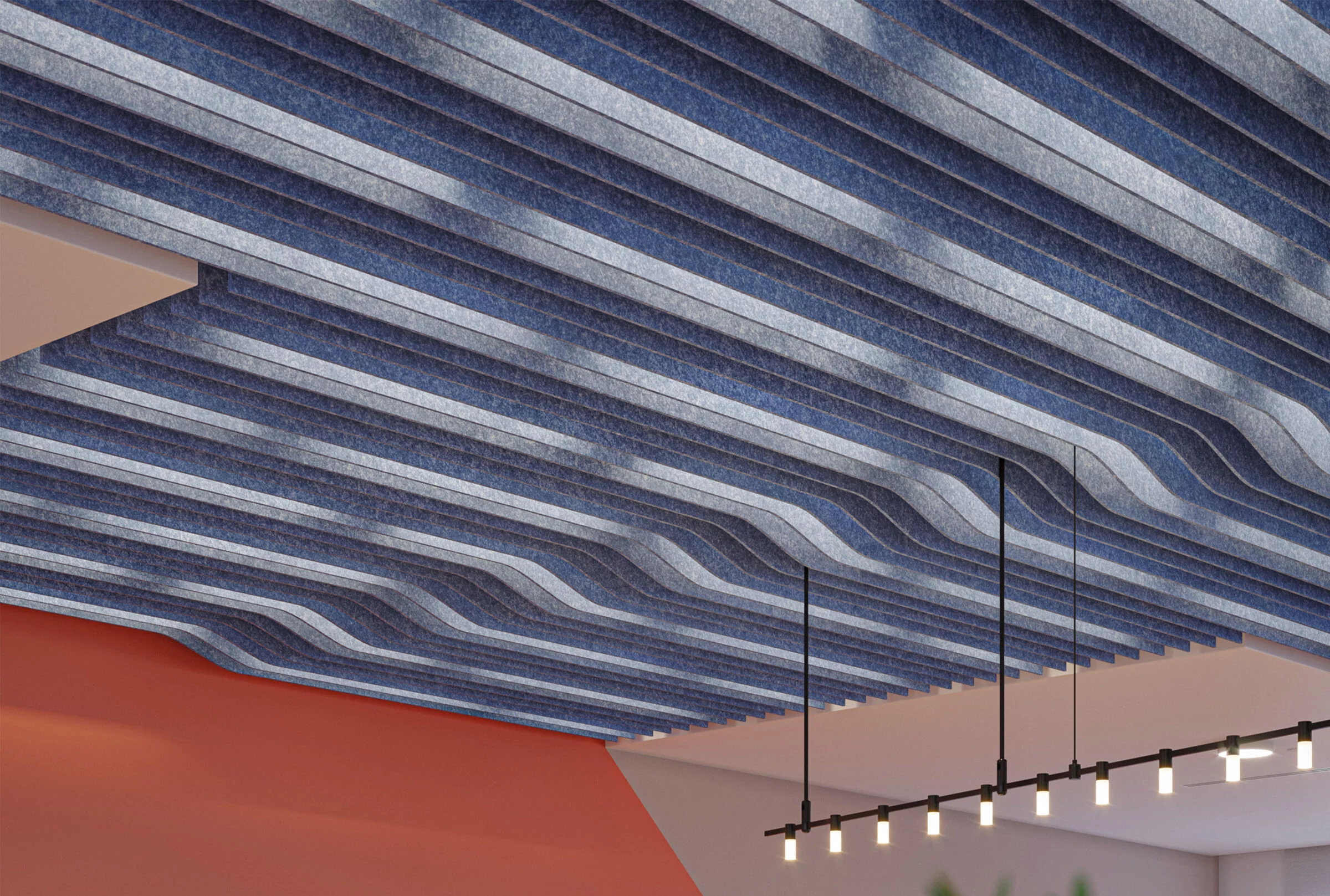
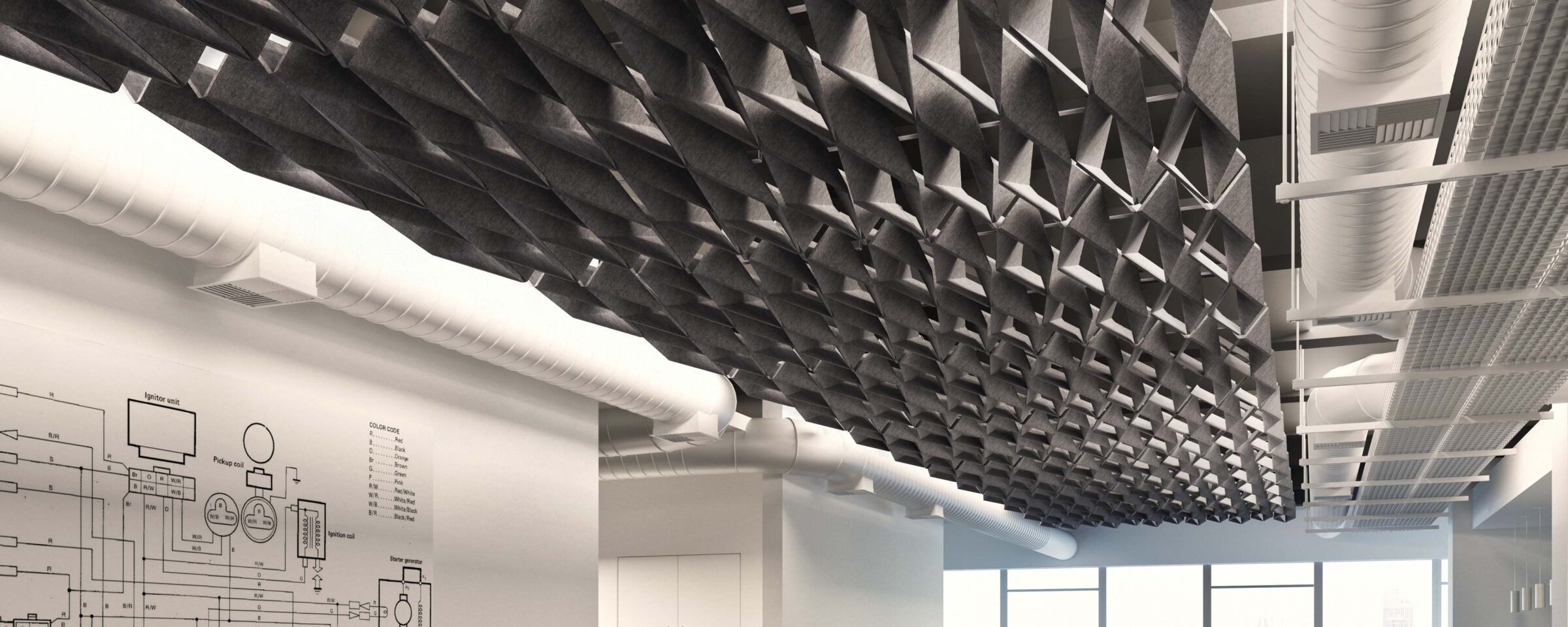
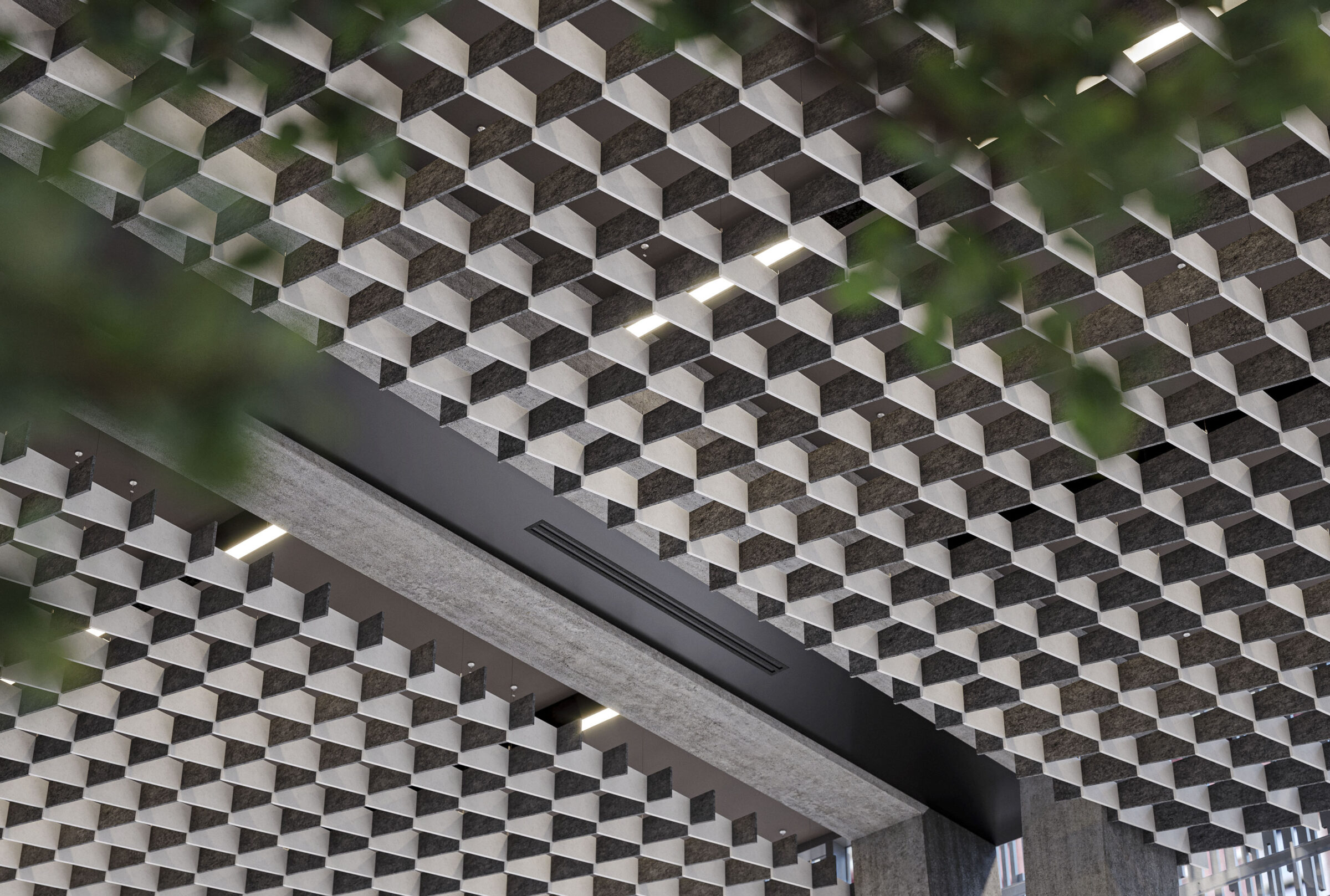
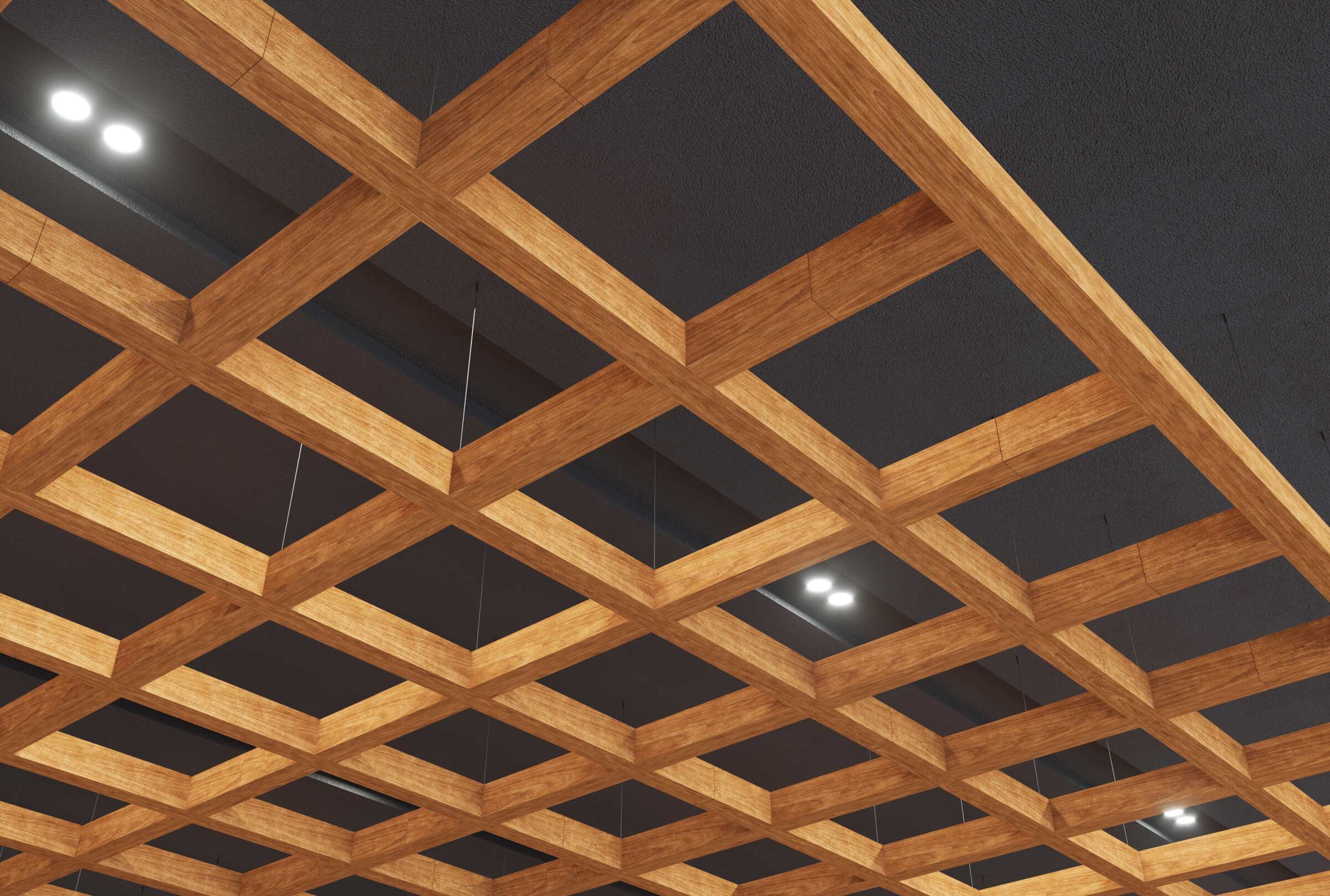
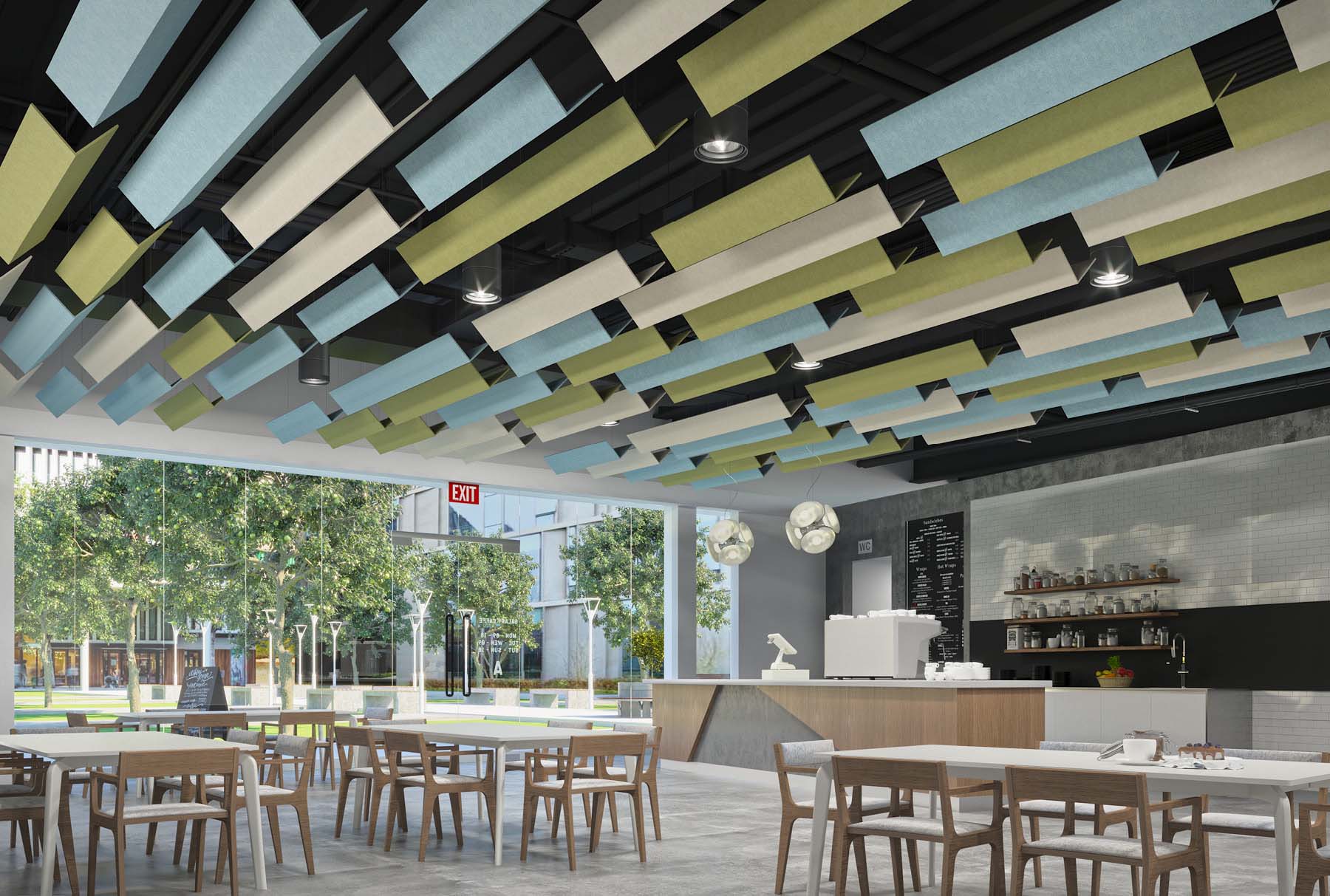
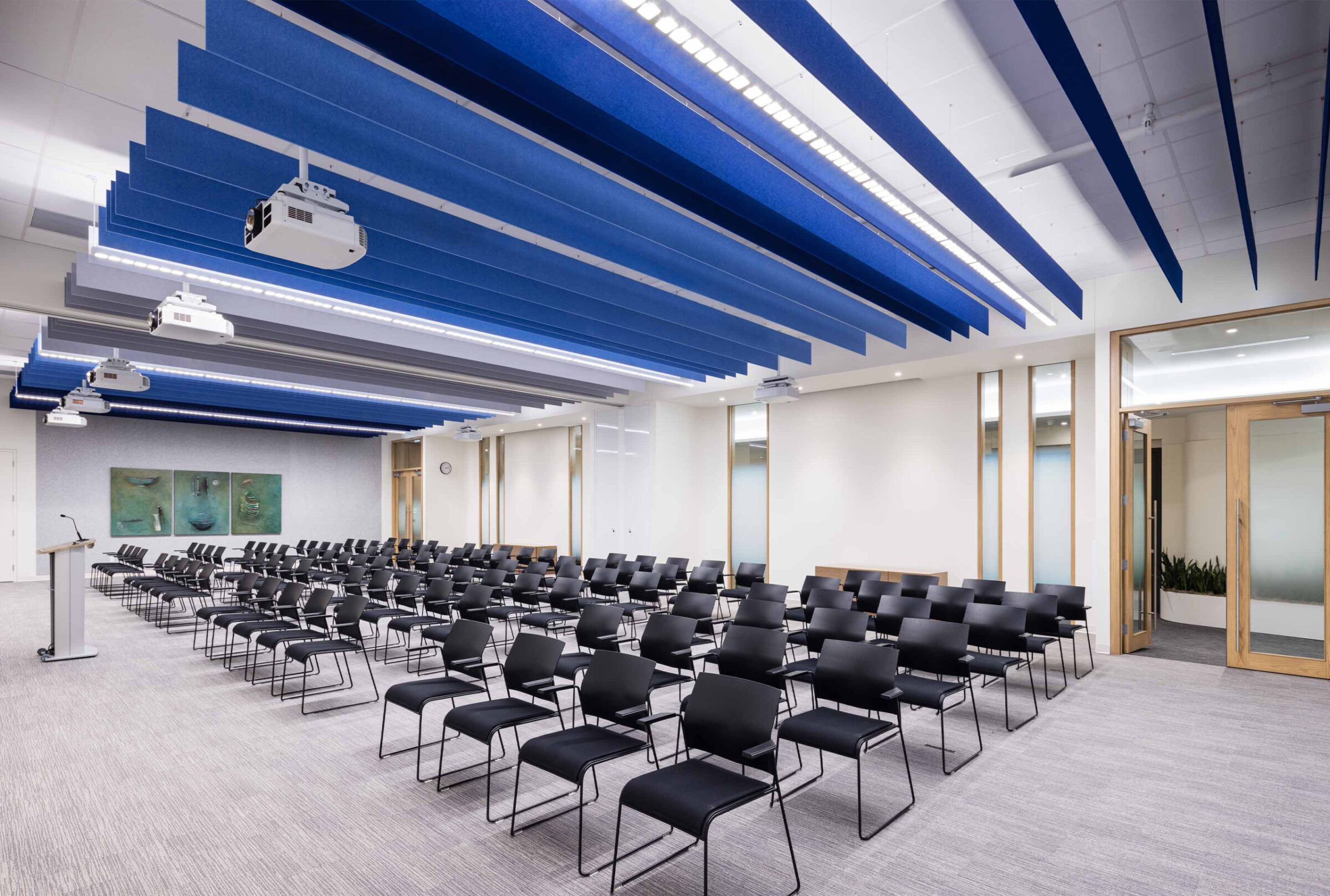
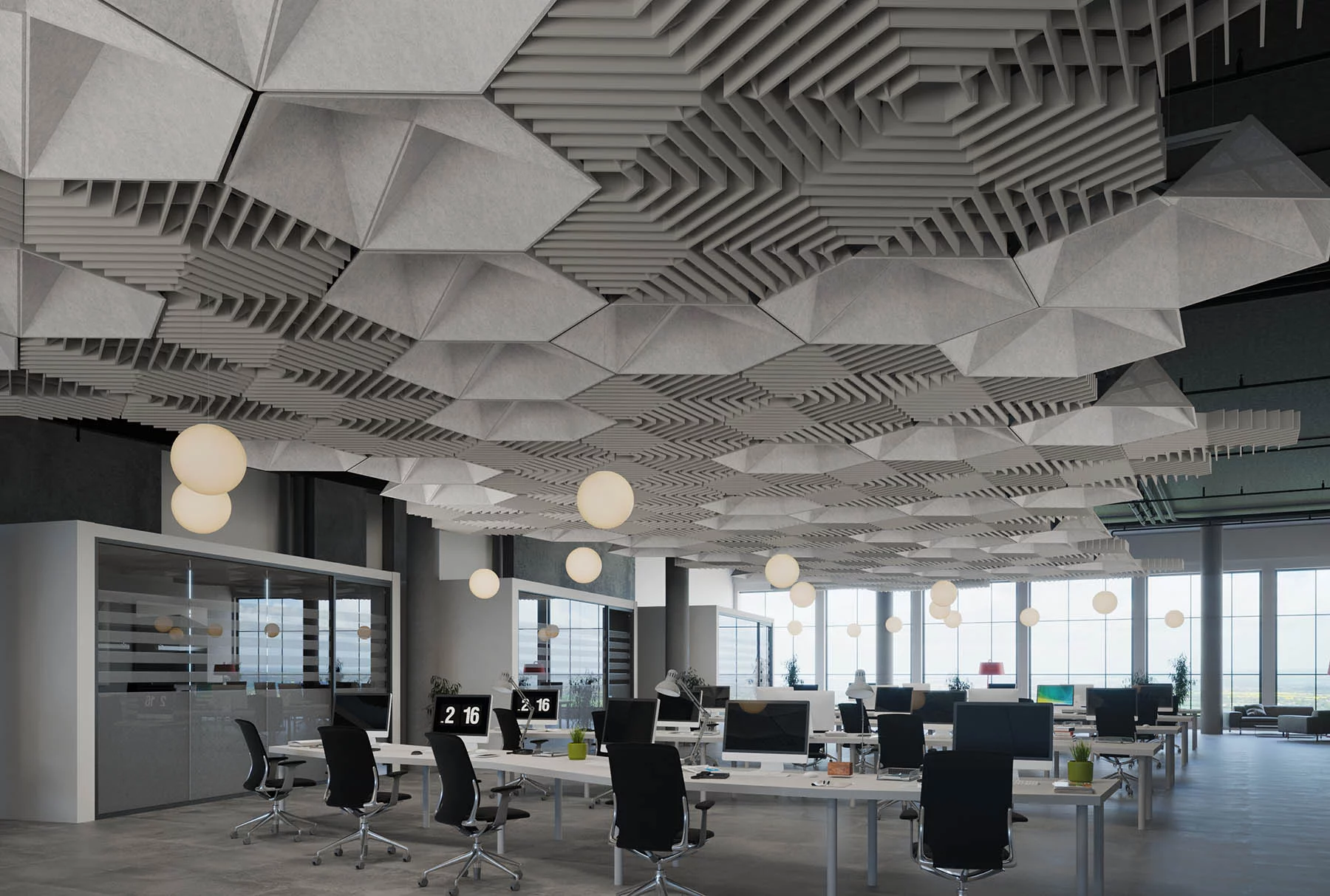
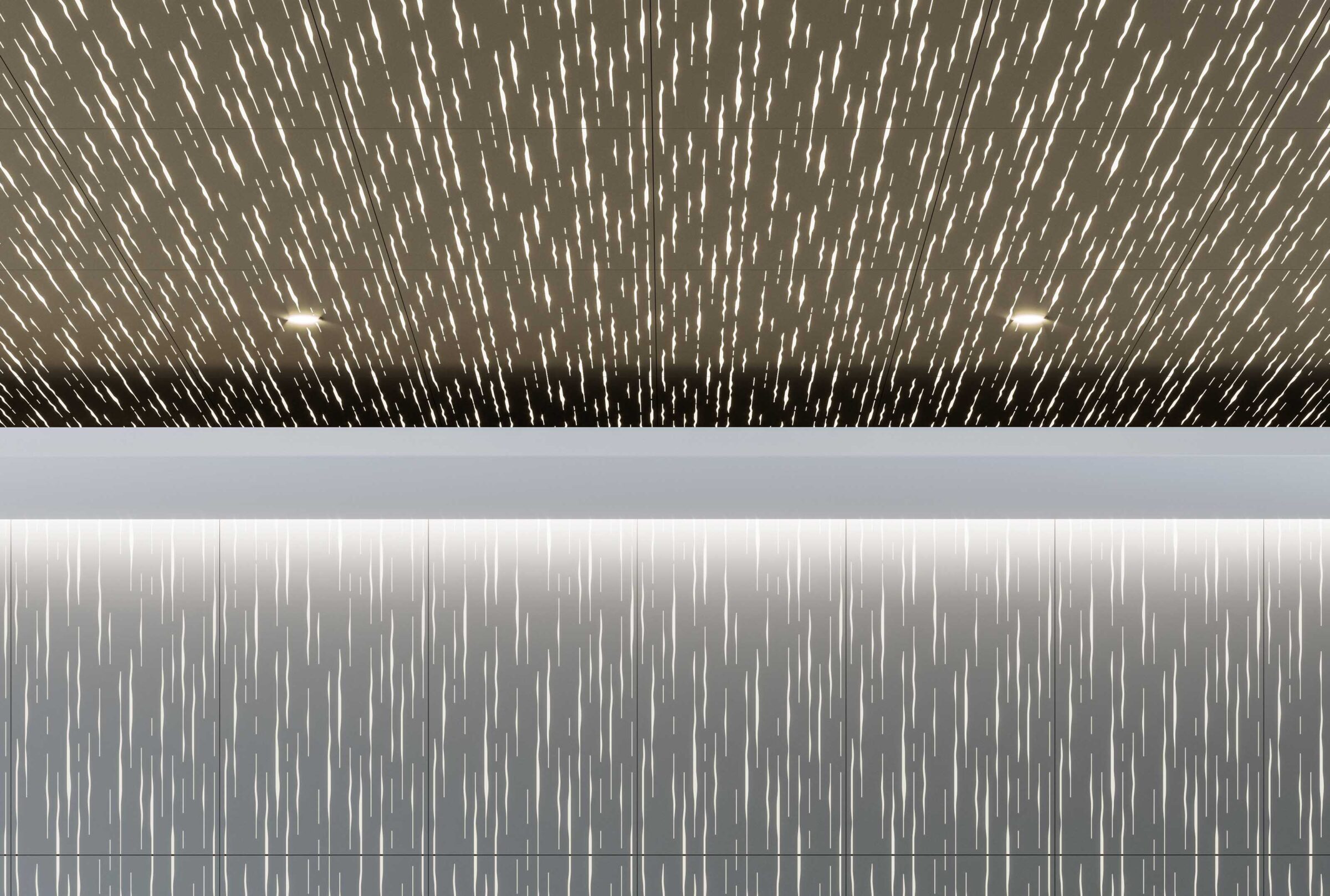
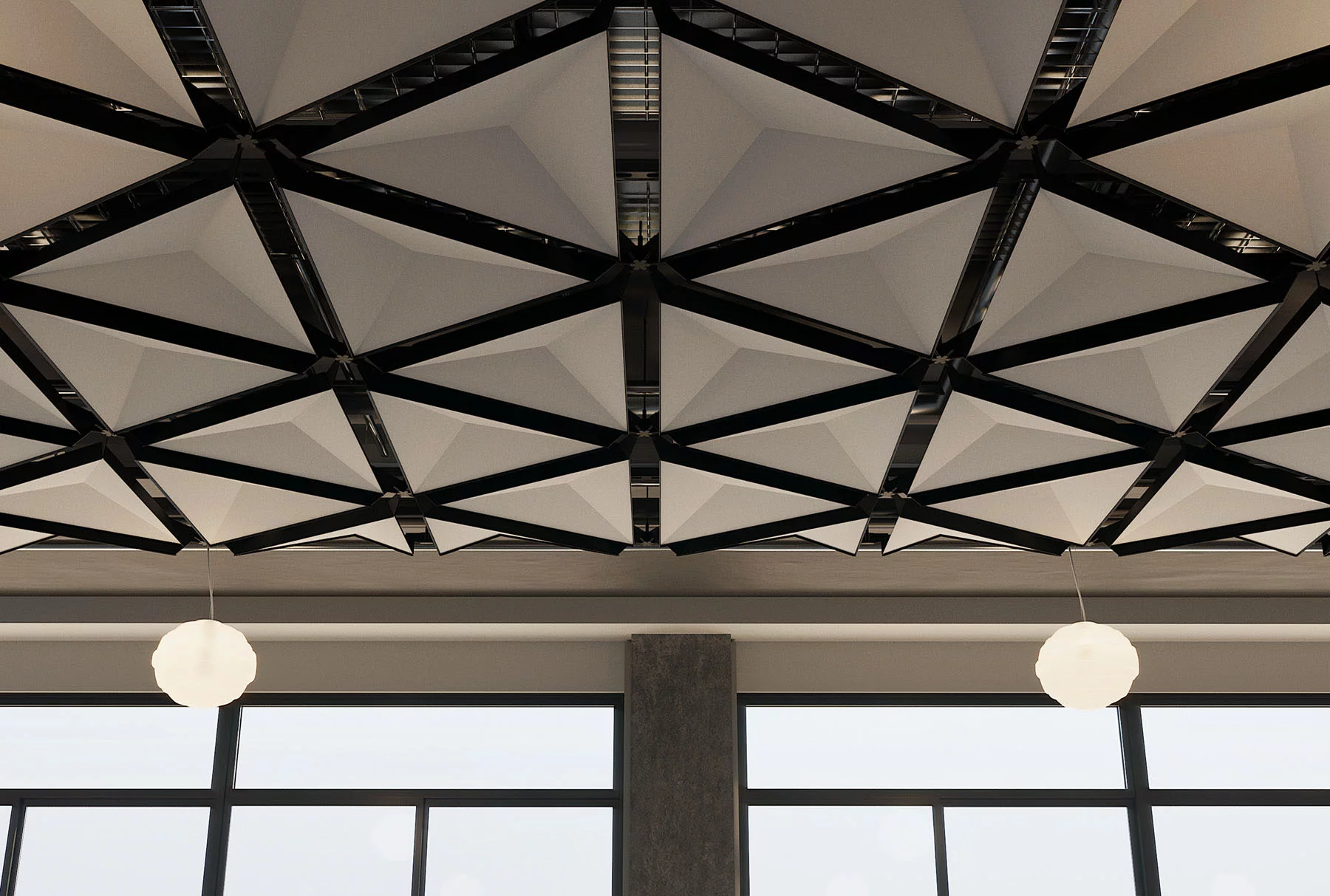
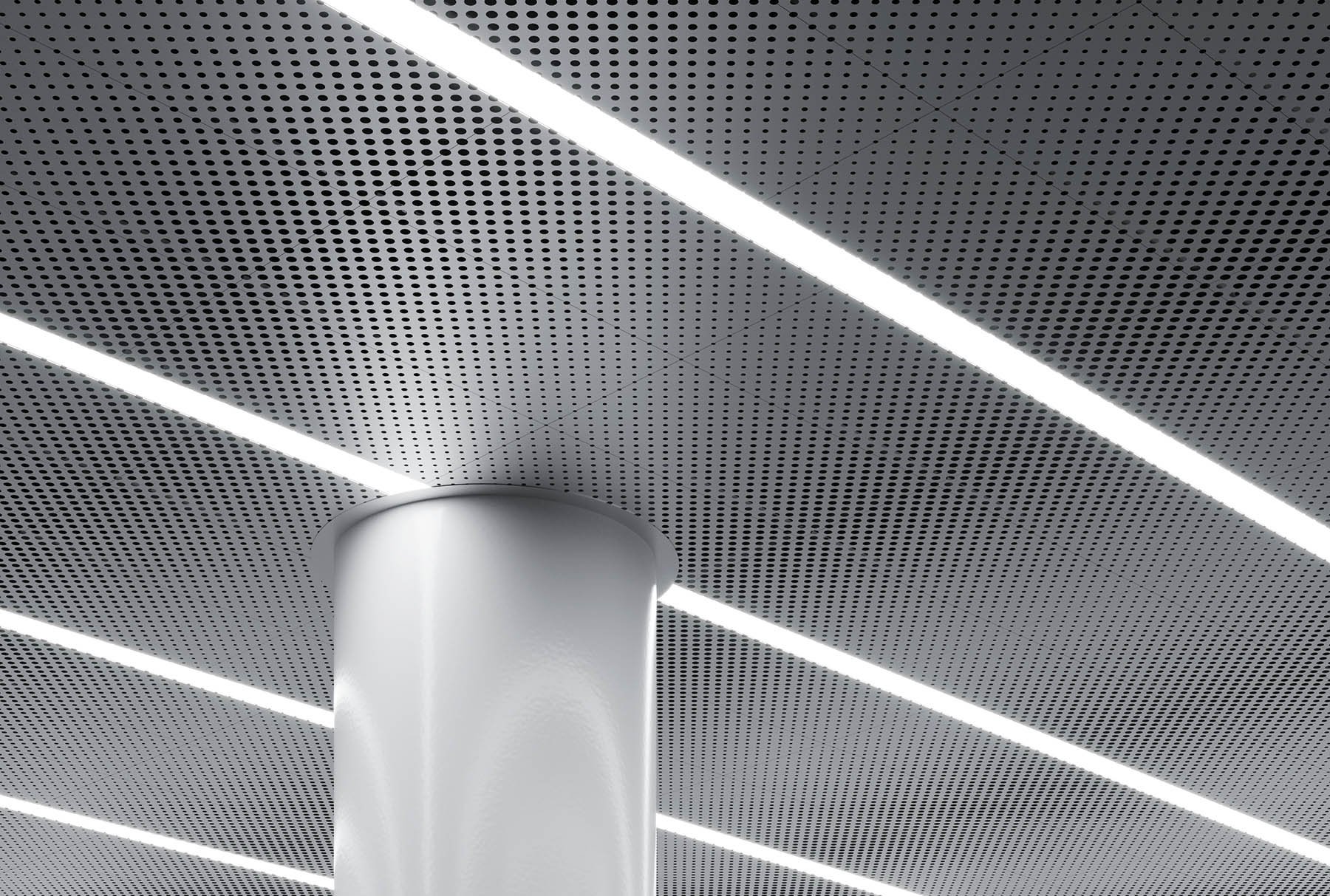
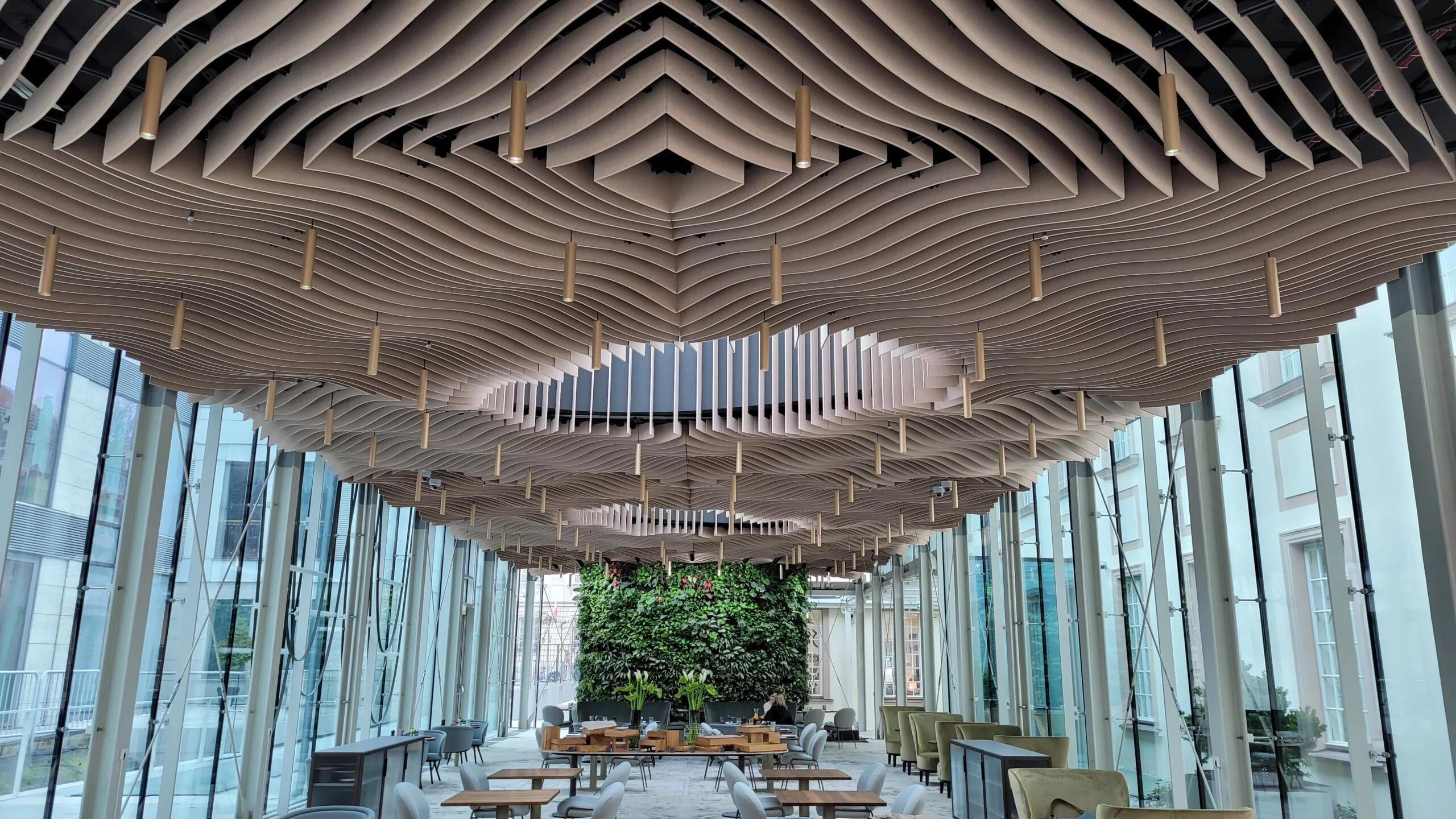
Abweichungen in der Deckenebene – hinsichtlich Material, Höhe, Geometrie oder akustischer Eigenschaften – werden von den Nutzern als räumliches Signal wahrgenommen. Ein Bereich mit einer tiefer hängenden Lamellendecke wirkt anders als ein angrenzender Bereich mit einer offenen, hohen Decke. Diese Unterscheidung wird sowohl visuell als auch akustisch wahrgenommen und lässt sich ohne Trennwände auf Bodenhöhe erzielen.
Dies ist ein gestalterischer Ansatz mit einer langen architektonischen Tradition. Was zeitgenössische Systeme wie das von NOWN Atmosphera® Hinzu kommt die Konfigurierbarkeit – die Möglichkeit, das Deckensystem innerhalb eines einzelnen Projekts so zu variieren, dass in verschiedenen Bereichen unterschiedliche räumliche Qualitäten erzielt werden, wobei eine einheitliche Material- und Montagelogik zum Einsatz kommt.
Gestaltung mit akustischer Differenzierung
Über das visuelle Signal hinaus kann ein Deckensystem, das je nach Zone variiert, die akustischen Eigenschaften an die jeweilige Nutzung anpassen. Eine Kooperationszone profitiert von einer moderaten Schallabsorption – gerade so viel, dass sich bei Besprechungen kein Nachhall aufbaut, aber nicht so viel, dass sich der Raum dumpf anfühlt. Eine Konzentrationszone profitiert von einer höheren Schallabsorption und einer akustischen Abgrenzung gegenüber benachbarten Aktivitäten.
Atmosphera® in aSOFT™ PET-Filz – hergestellt aus 60 % recyceltem PET – lässt sich mit unterschiedlichen Lamellentiefen, Abständen und Abdeckungsgraden in den einzelnen Zonen konfigurieren. Bei Konfigurationen mit höherer Abdeckung lassen sich effektive NRC-Werte von bis zu 0,95 erzielen, während Anordnungen mit geringerer Abdeckung eine entsprechend geringere akustische Wirkung erzielen.
Einfache Installation, komplexes Ergebnis
Die durch die Zoneneinteilung der Decke entstehende räumliche Komplexität ist nicht mit einem hohen Installationsaufwand verbunden. Atmosphera® Die Module werden gemäß den Projektspezifikationen gefertigt, werden bereits auf die richtigen Maße zugeschnitten geliefert und lassen sich mithilfe eines Standard-Haltersystems montieren. Konfigurationsänderungen zwischen den Zonen sind eine Planungsvariable und stellen keine Herausforderung bei der Installation dar.
Anzeigen Atmosphera® Bebauungsanträge →