


Conception acoustique des établissements scolaires : pourquoi le choix du revêtement de plafond est-il si important ?
14 avril 2026
-2 min lire
Les espaces d'apprentissage exigent des performances acoustiques qui favorisent l'intelligibilité de la parole et limitent les sources de distraction. Voici comment le choix d'un plafond adapté permet de répondre à ces deux exigences.
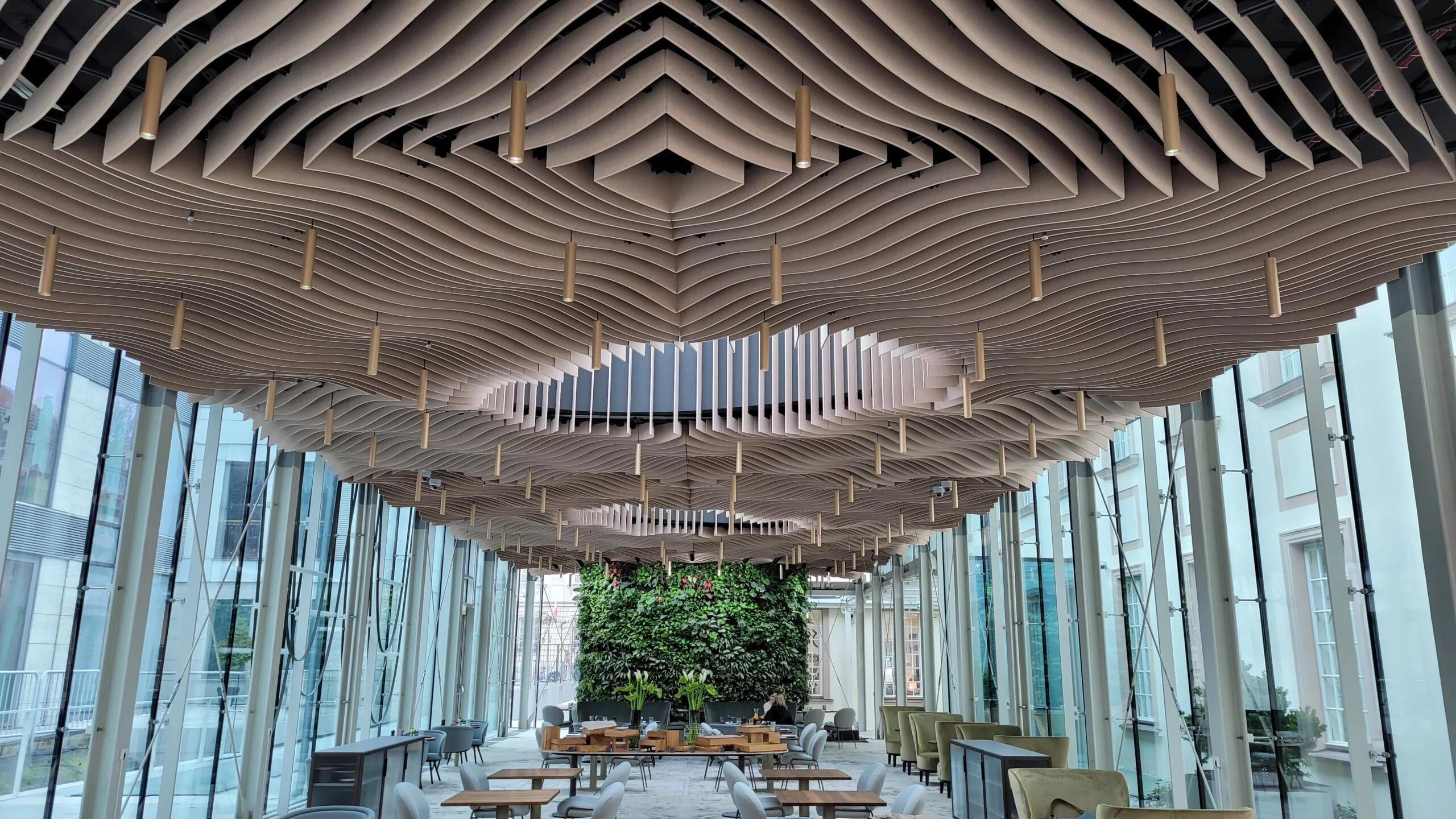
Le lien entre la qualité acoustique et les résultats scolaires est largement étayé. Les études montrent systématiquement que les environnements acoustiques défavorables — réverbération importante, niveaux élevés de bruit de fond — nuisent de manière mesurable à l'intelligibilité de la parole et à la concentration, en particulier chez les jeunes apprenants et chez ceux dont la langue d'enseignement n'est pas leur langue maternelle.
Une bonne conception acoustique des établissements scolaires n'est pas un simple détail facultatif. Il s'agit d'une exigence fonctionnelle.
À quoi ressemble une bonne acoustique dans un contexte éducatif ?
Dans les salles de classe et les espaces d'apprentissage, l'objectif principal est l'intelligibilité de la parole, c'est-à-dire la capacité des personnes situées au fond de la salle à comprendre clairement ce qui est dit depuis l'avant. Celle-ci dépend du temps de réverbération (RT60), du niveau de bruit de fond et de la géométrie de la pièce.
Le temps de réverbération dans une salle de classe standard doit généralement se situer entre 0,4 et 0,6 seconde lorsque la salle est occupée, conformément aux recommandations acoustiques des normes BB93 et ANSI S12.60. Pour y parvenir dans une pièce dotée d'un revêtement de sol dur et de murs en maçonnerie, il est nécessaire de disposer d'une absorption acoustique significative au niveau du plafond.
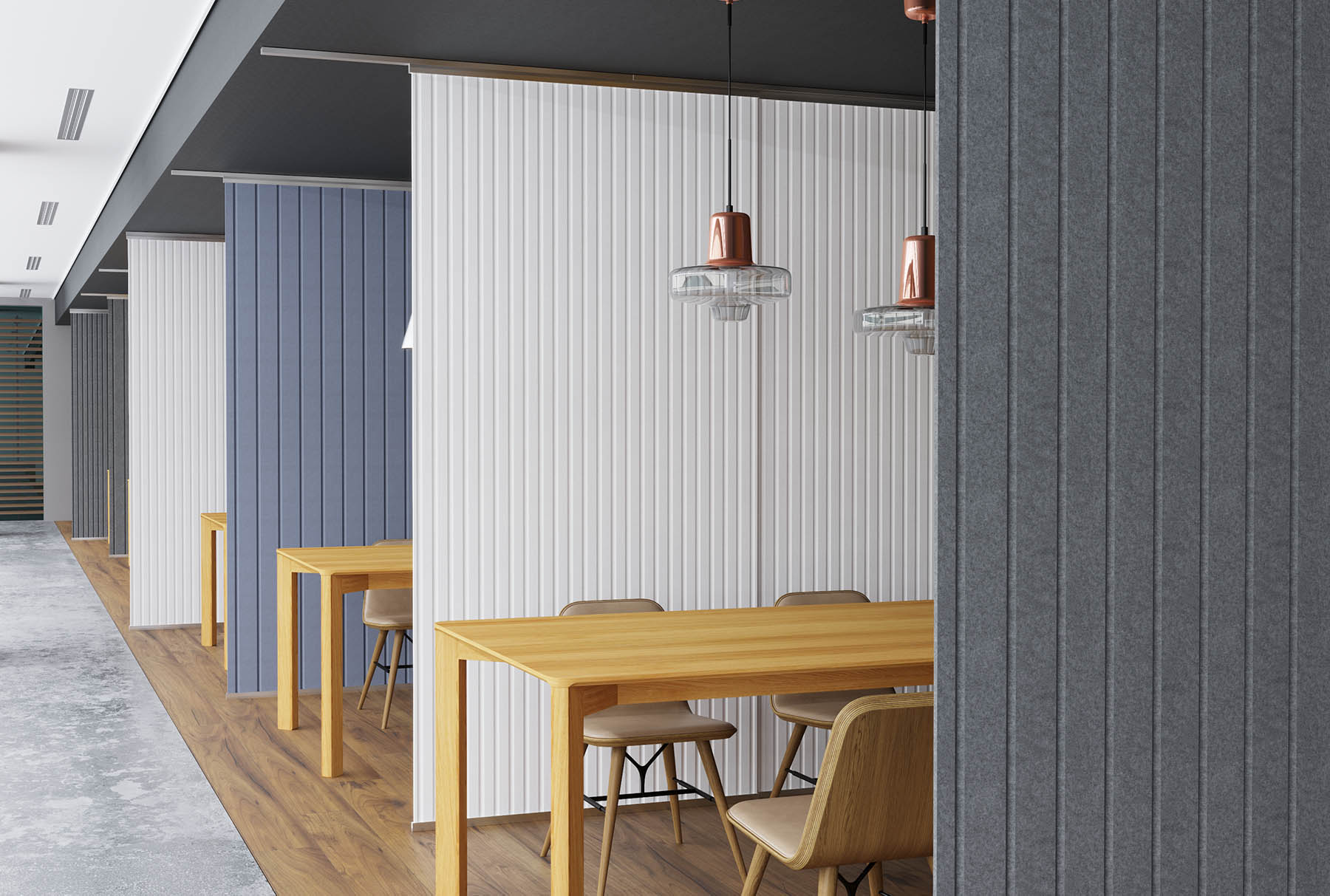
aSOFT™ dans les environnements éducatifs
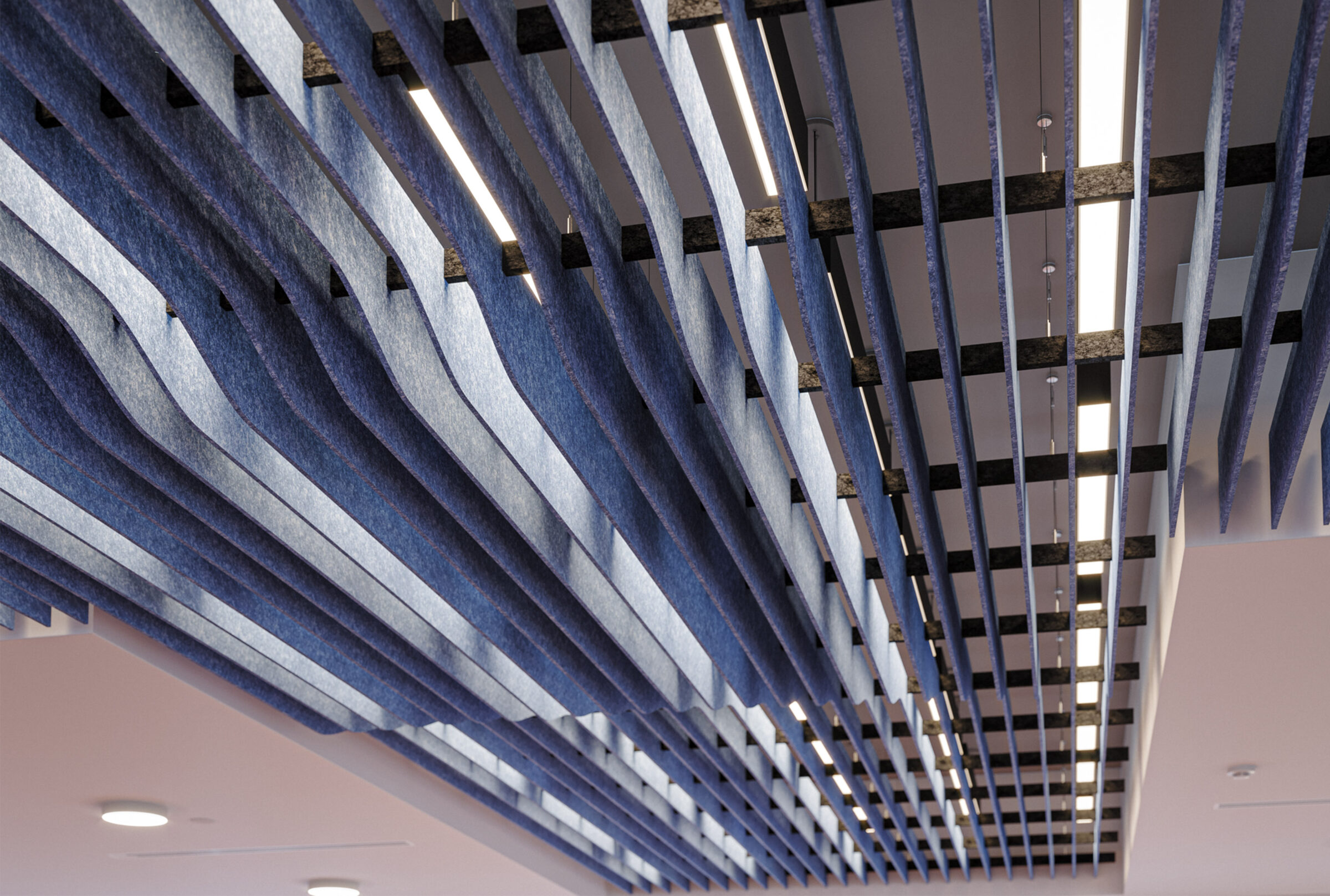
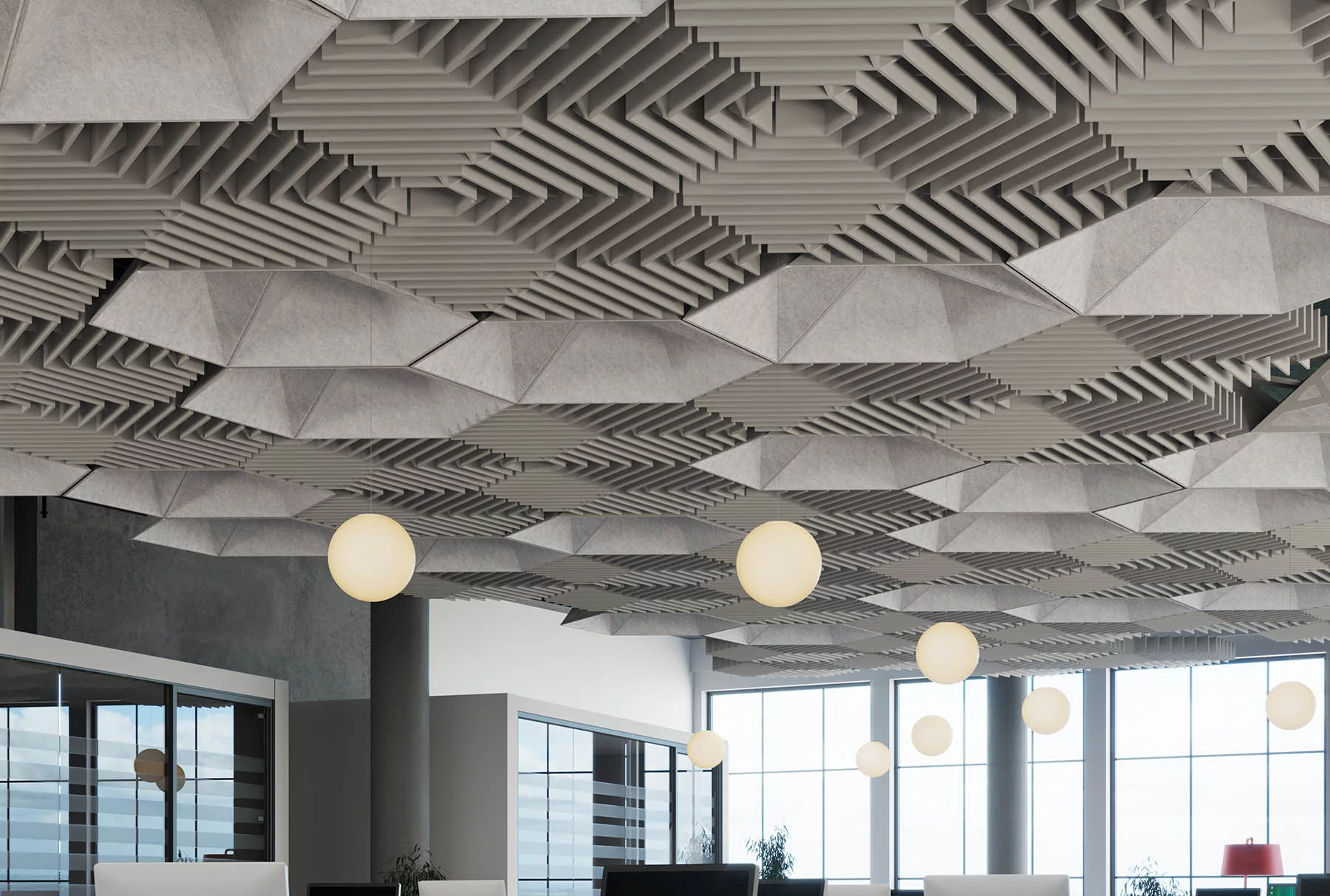
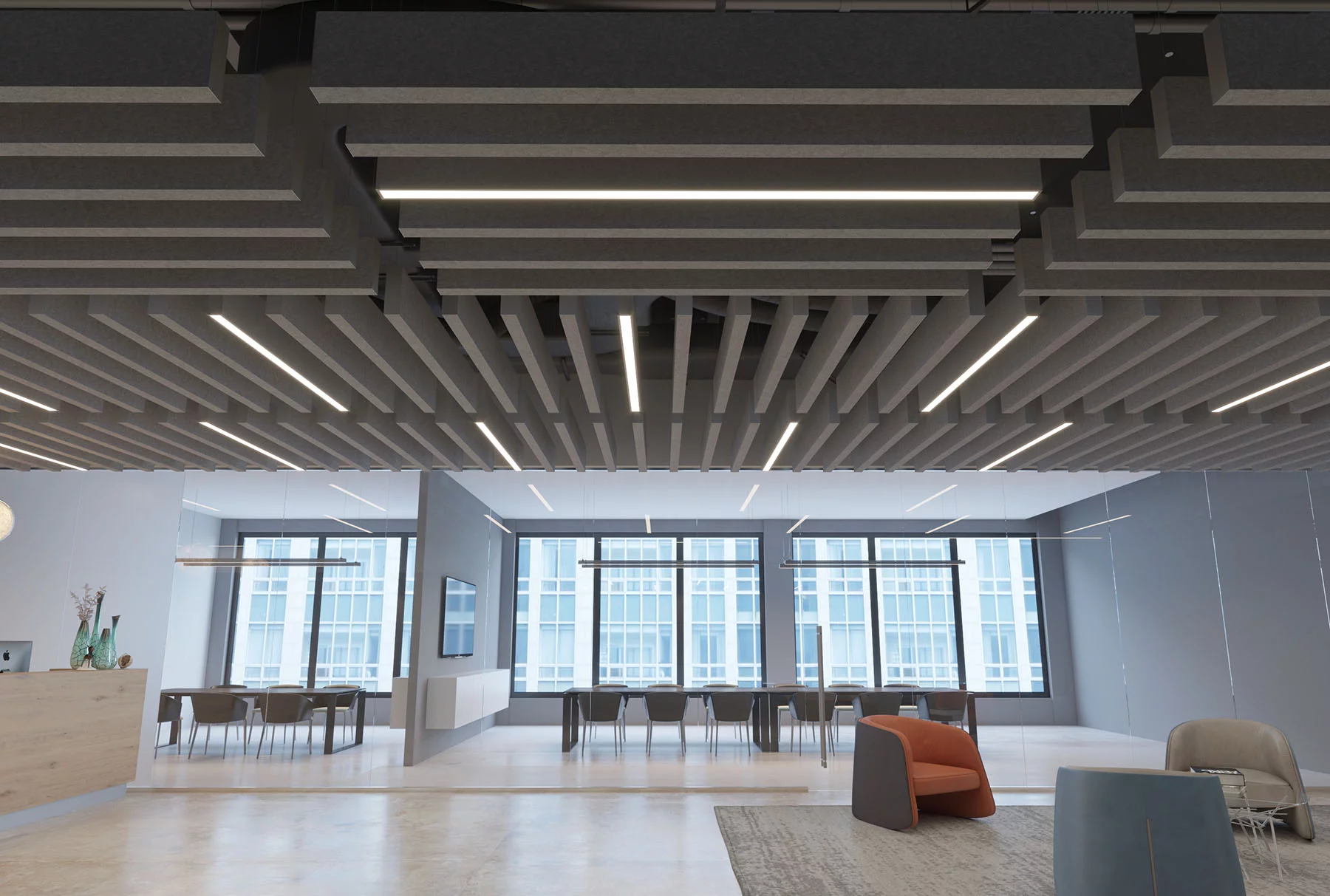
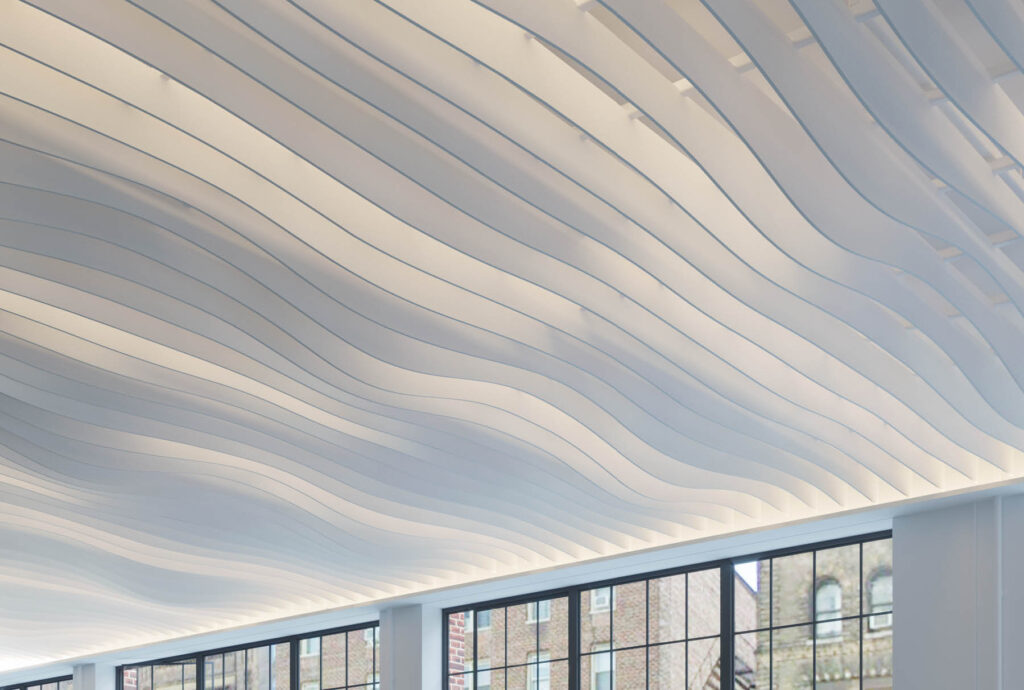
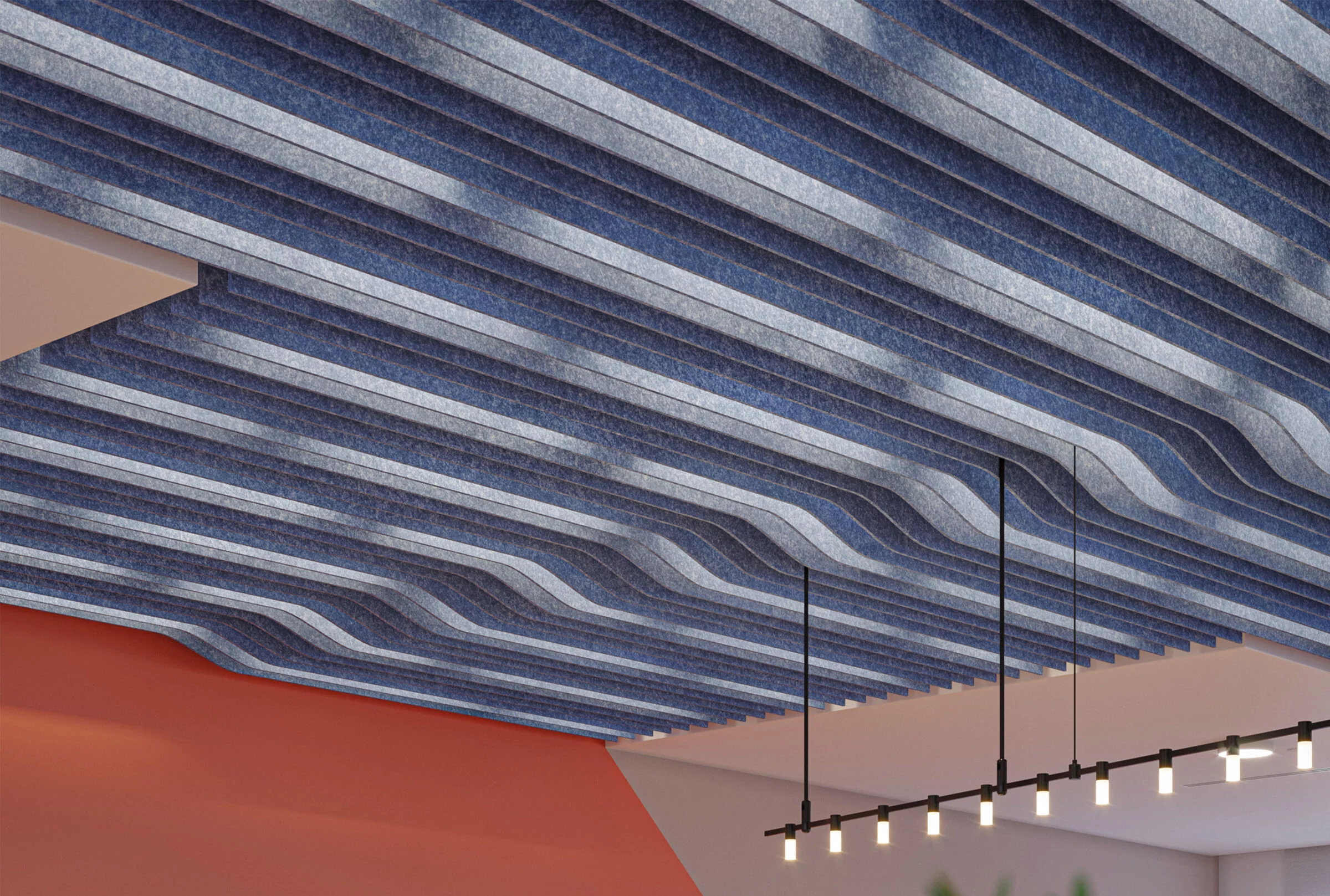
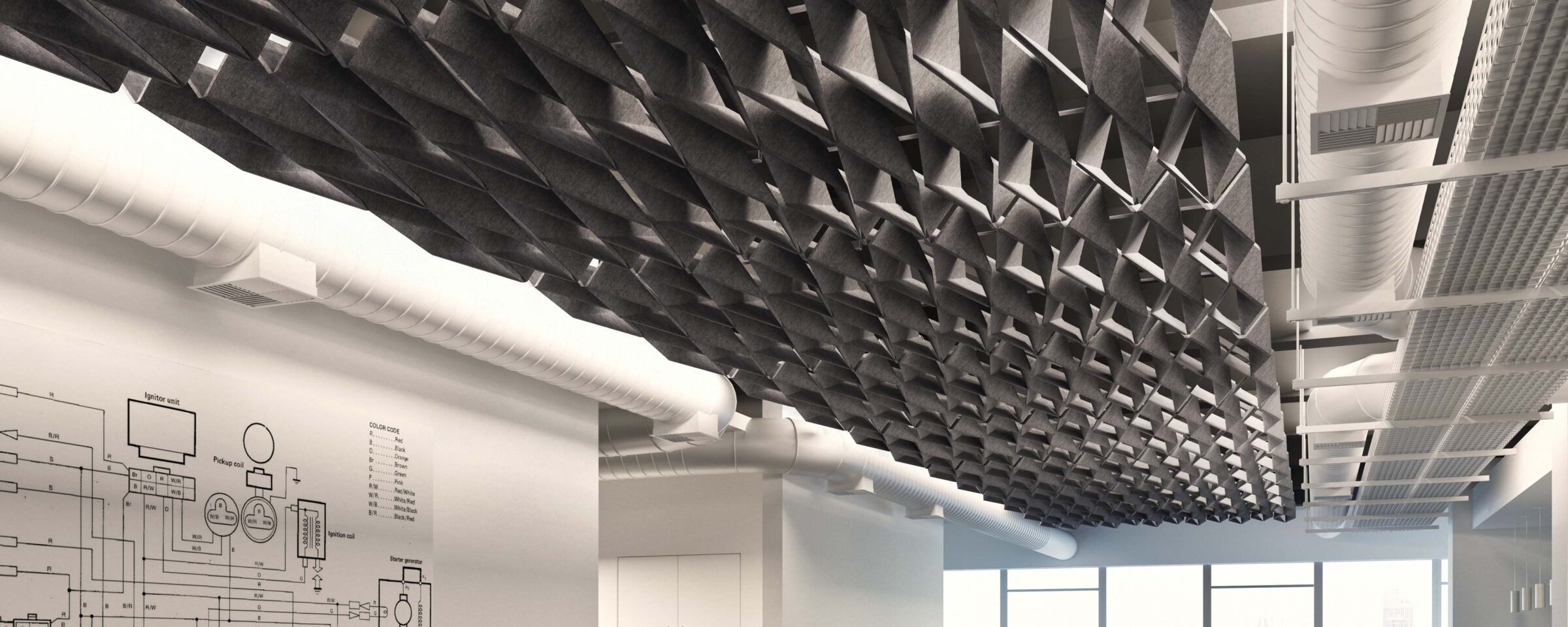
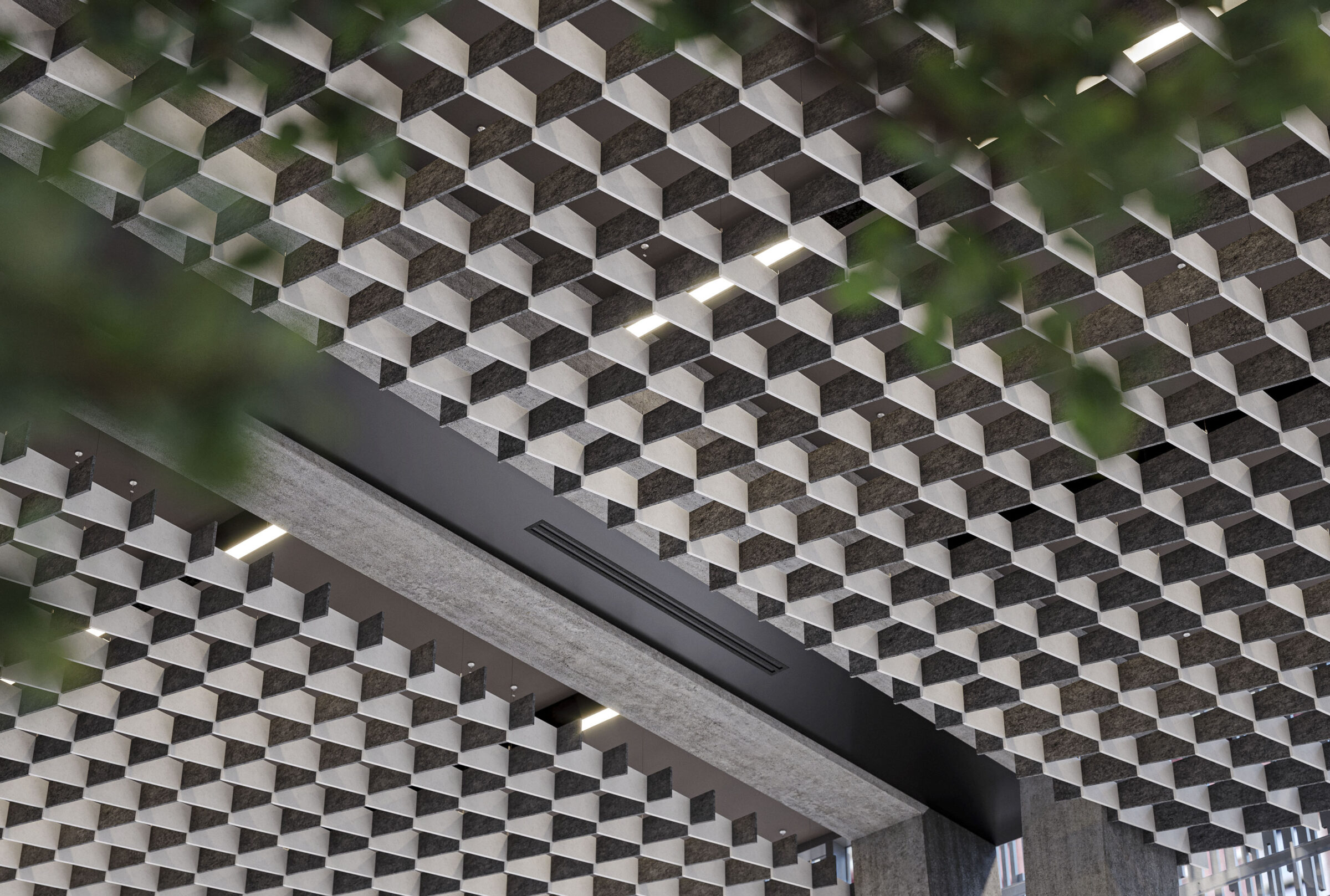
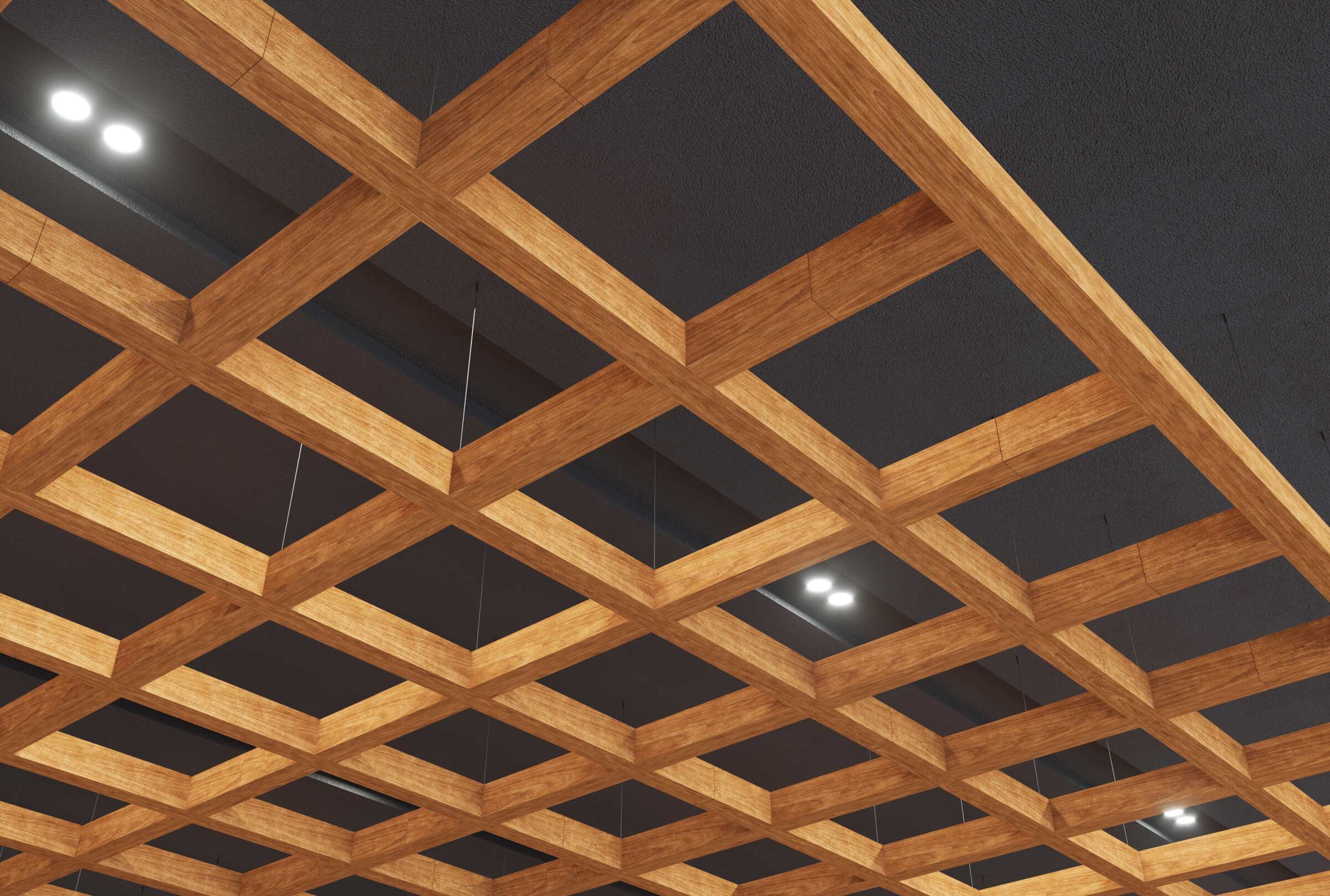
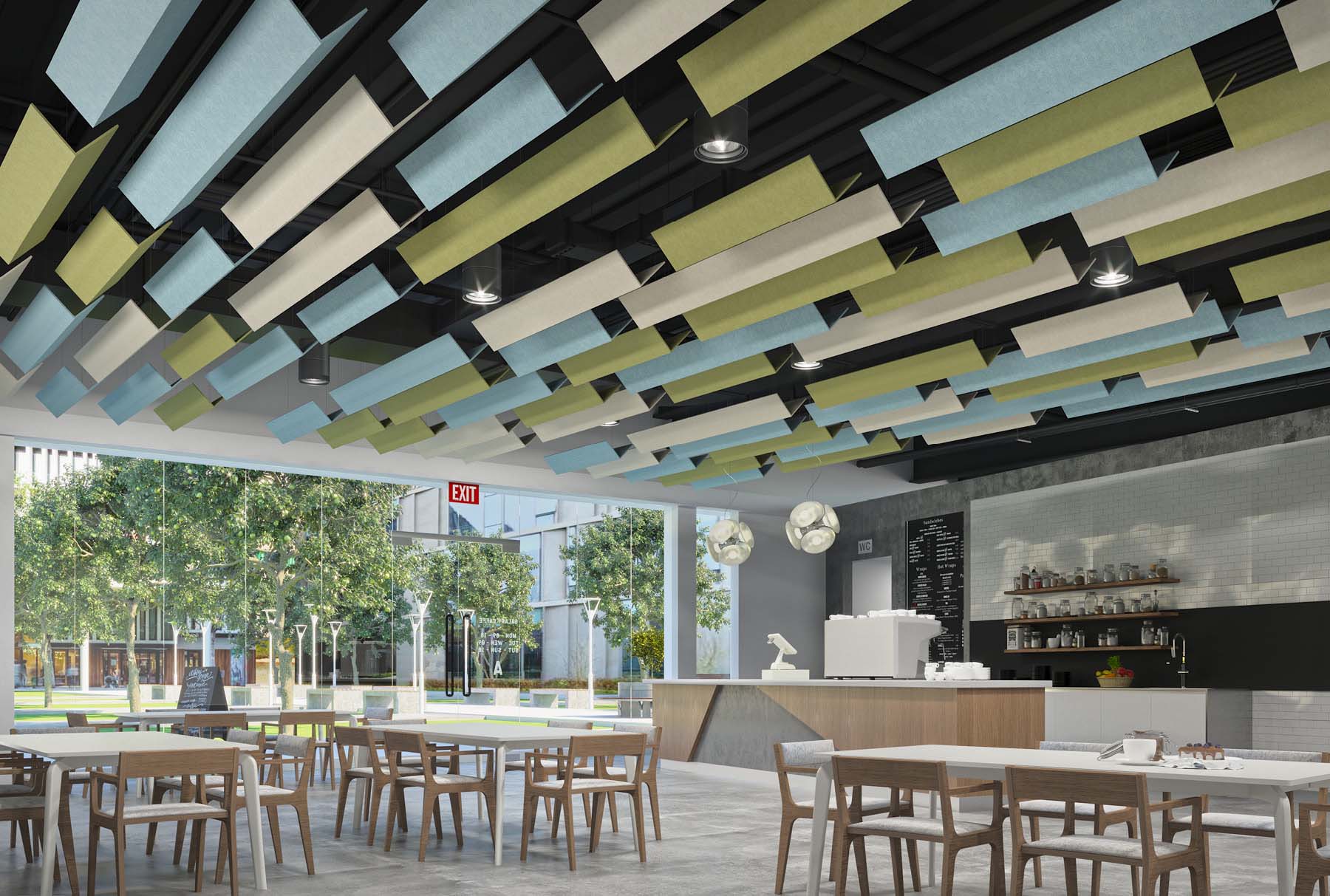
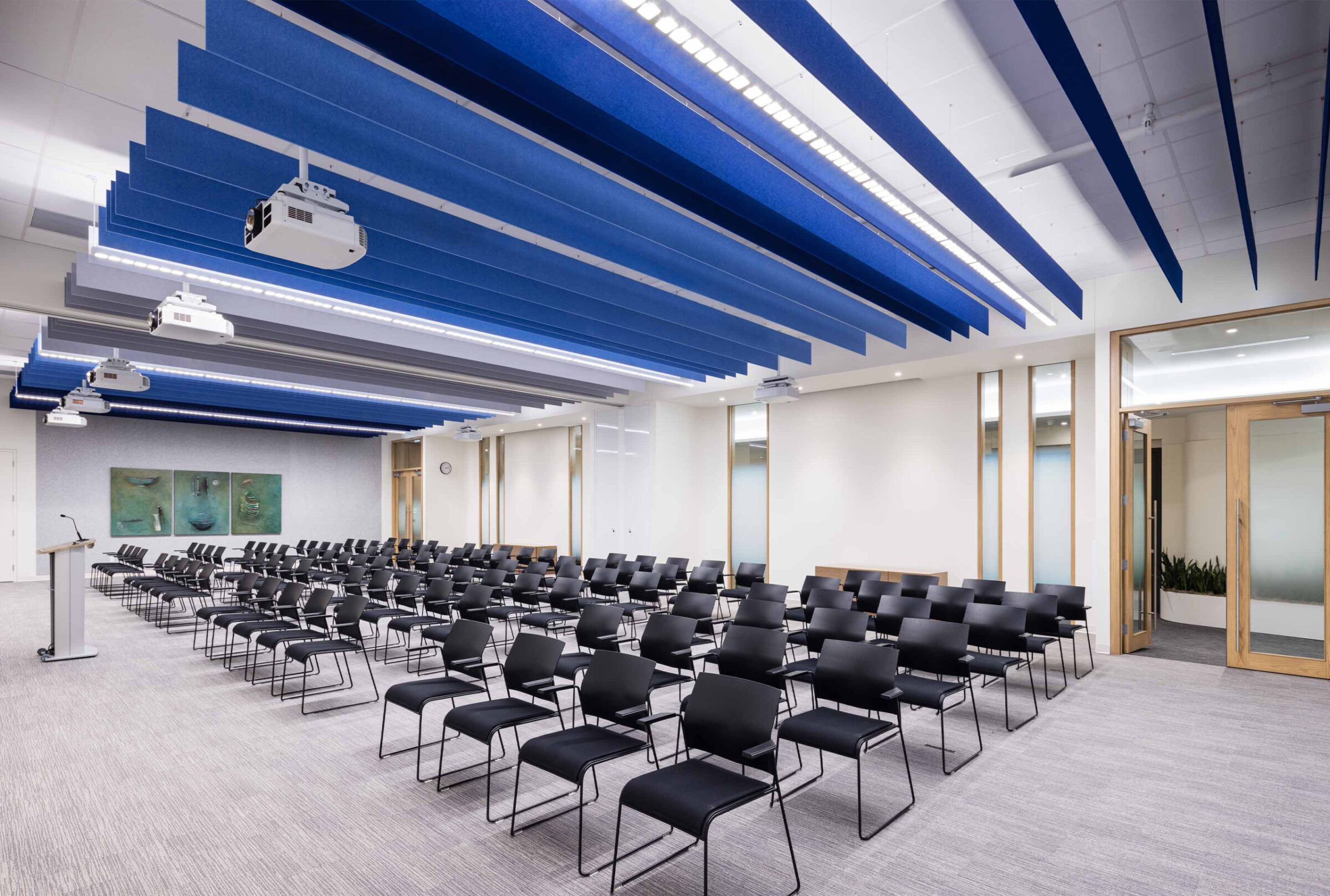
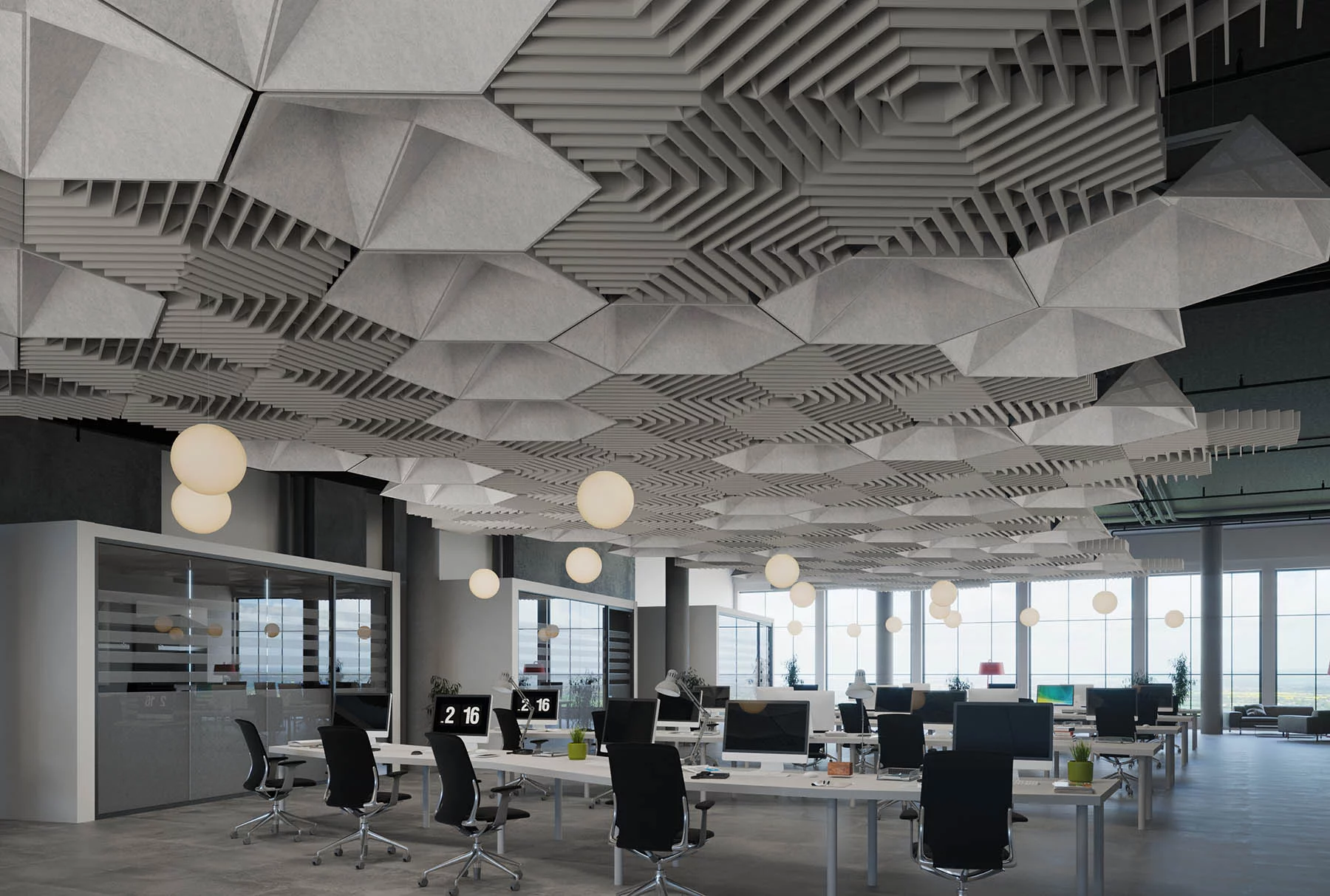
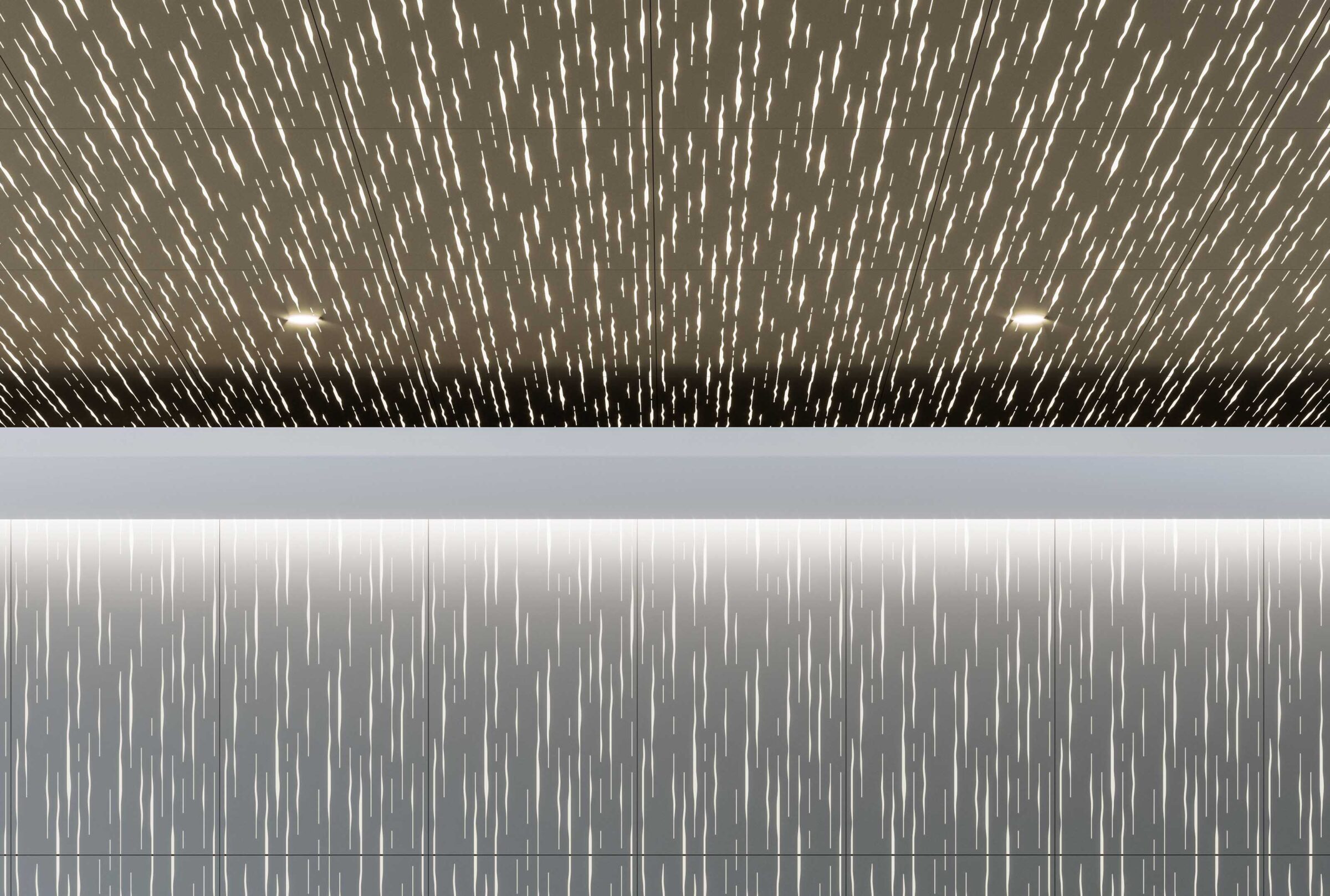
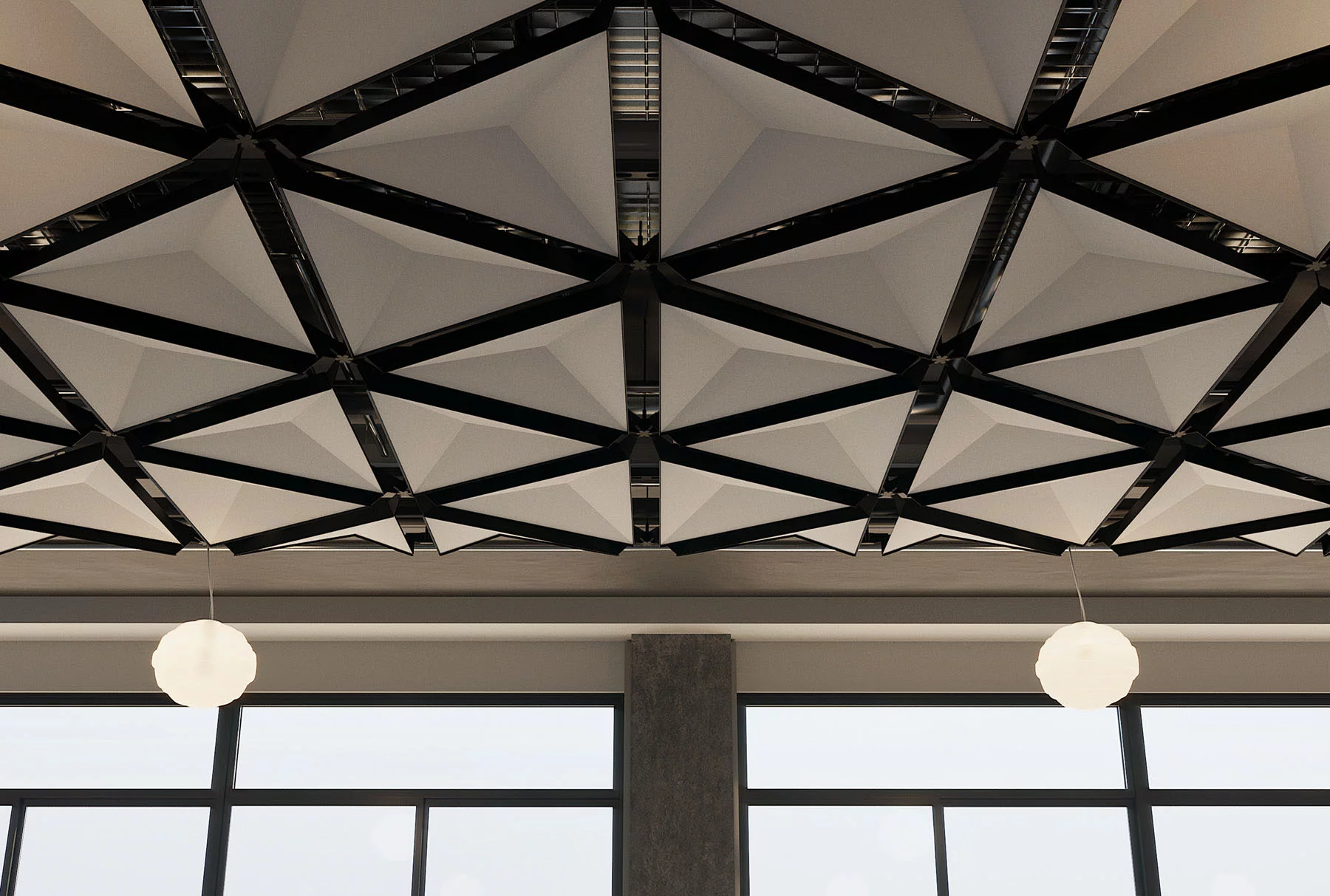
NOWN’s aSOFT™ Le feutre en PET atteint des indices NRC effectifs pouvant aller jusqu'à 0,95 selon sa configuration. Lorsqu'il est prescrit dans le cadre de la Atmosphera® Système de plafond — configuration modulaire de déflecteurs — il assure une absorption acoustique répartie sur toute la surface du plafond, réduisant ainsi efficacement la réverbération sans nécessiter de traitement acoustique spécifique à mettre en œuvre en tant qu'élément secondaire.
La structure ouverte du système permet d’accéder aux installations situées au-dessus du plafond, ce qui est particulièrement utile dans les établissements scolaires où les systèmes d’éclairage, de chauffage, de ventilation et de climatisation (CVC) ainsi que l’infrastructure informatique nécessitent fréquemment des ajustements ou des opérations de maintenance tout au long du cycle de vie du bâtiment. Les modules sont fabriqués sur mesure ; aucune découpe sur chantier n’est nécessaire lors de l’installation, ce qui simplifie la coordination des travaux, souvent complexe dans les projets scolaires prévoyant une mise en service par phases.
Teneur en matériaux recyclés dans les cahiers des charges du secteur de l'éducation
aSOFT™ est fabriqué à partir de 60 % de PET recyclé. Dans le cadre de projets éducatifs du secteur public visant une certification BREEAM ou une évaluation similaire, les matériaux dont la teneur en matières recyclées est vérifiée contribuent à l'obtention du crédit « Matériaux ». Il s'agit d'un fait avéré, documenté et pertinent pour le processus d'élaboration du cahier des charges.
Découvrir aSOFT™ pour les environnements éducatifs →