
Systèmes de revêtement mural dans les intérieurs commerciaux contemporains : guide de conception
28 avril 2026
-2 min lire
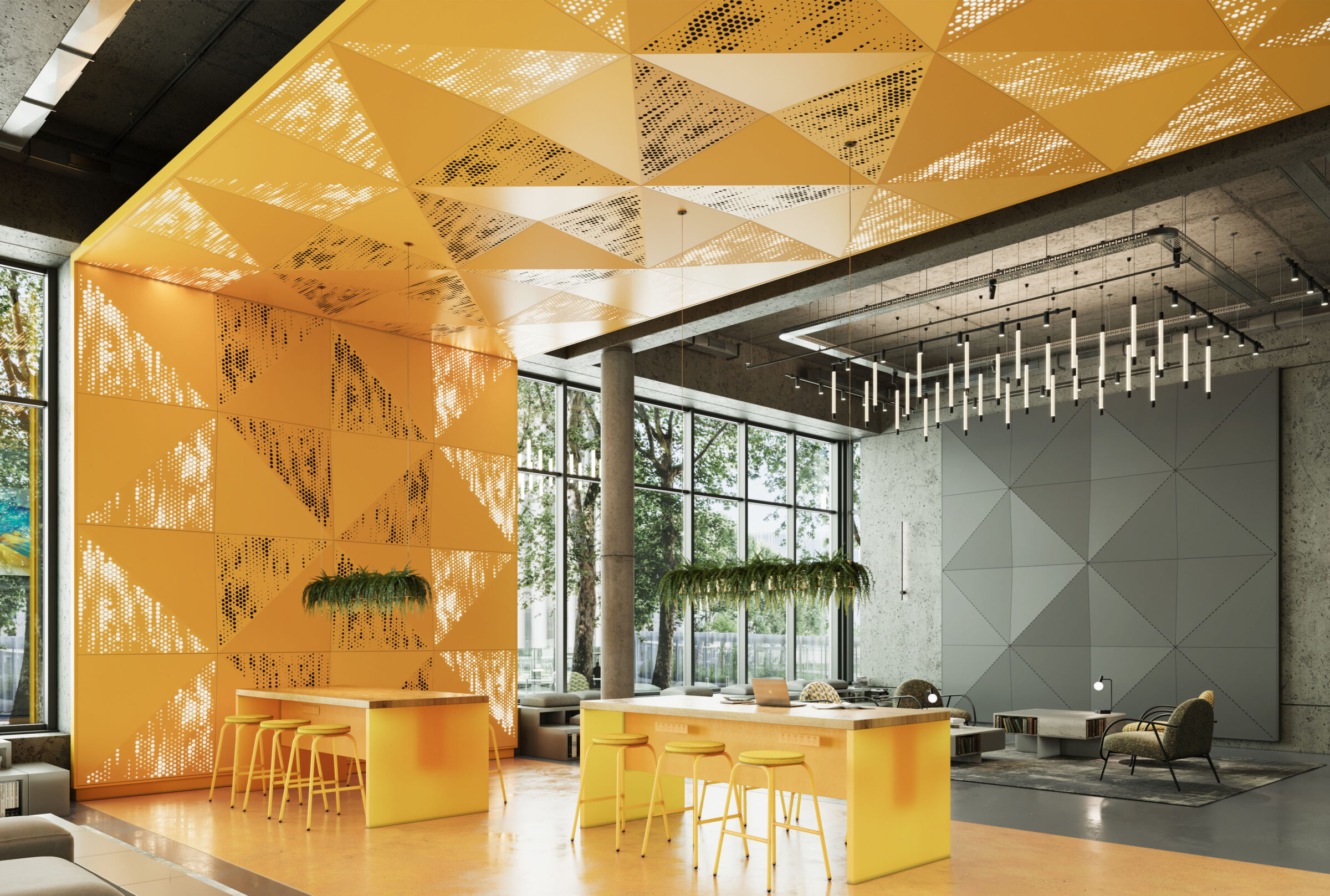
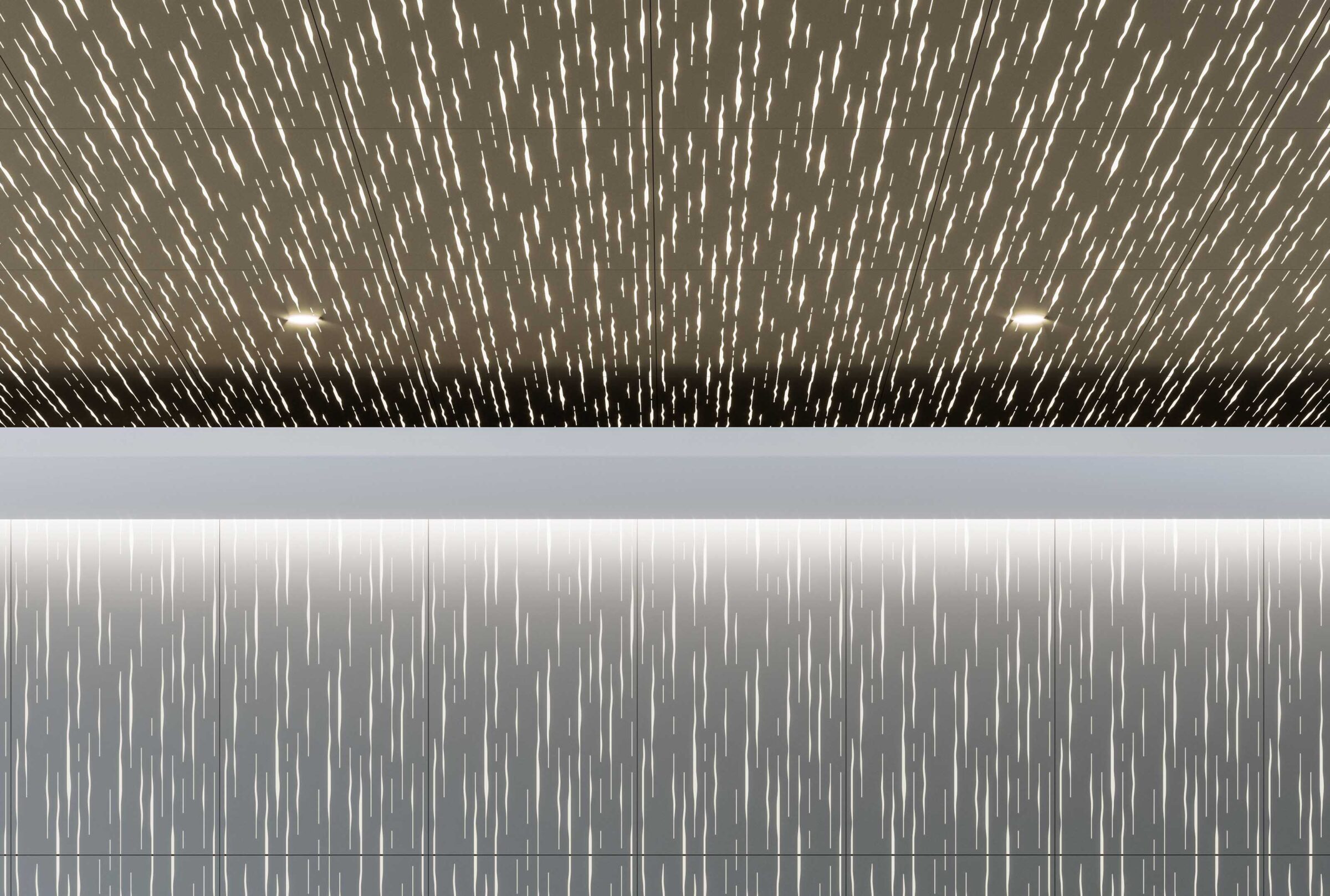
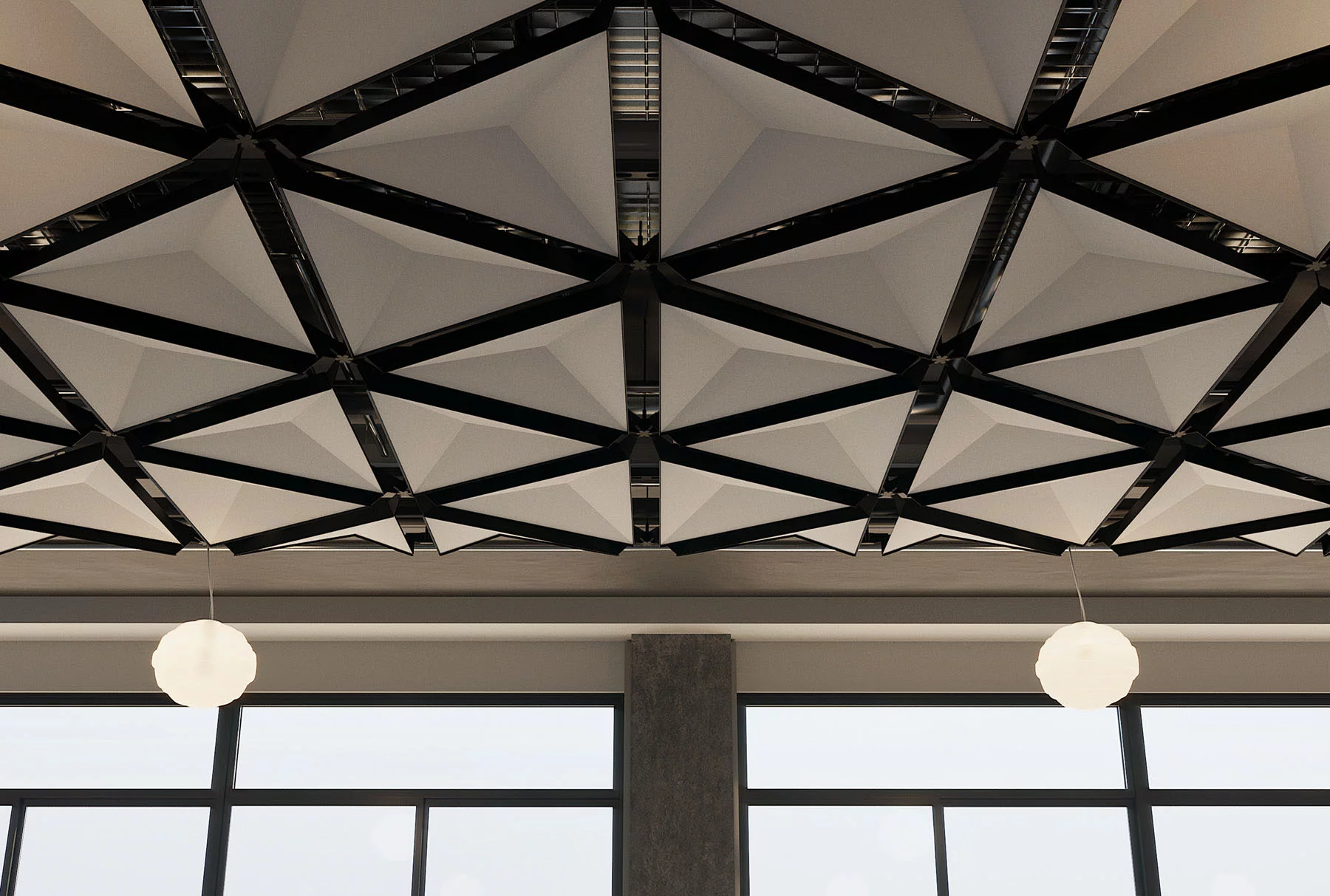
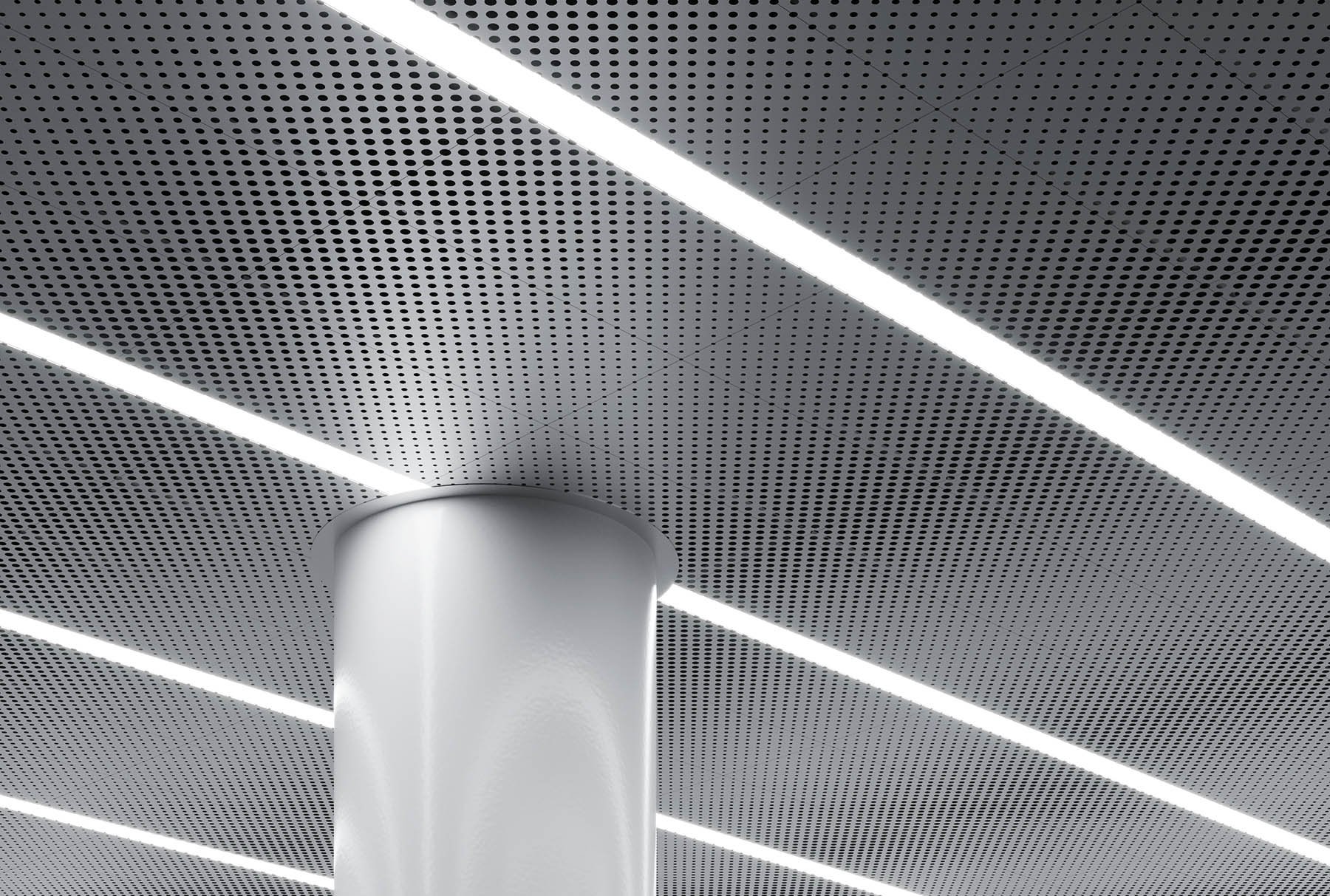
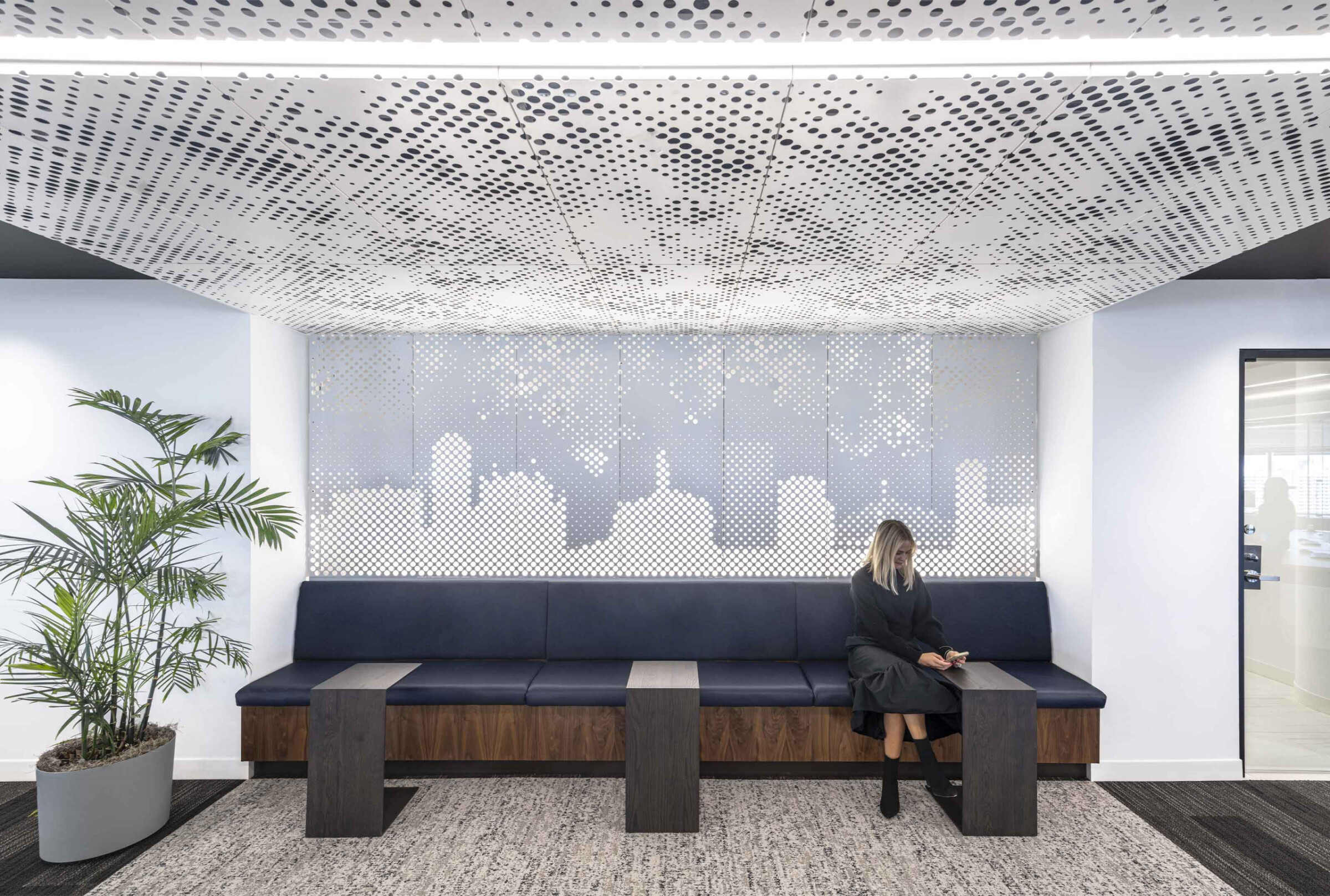
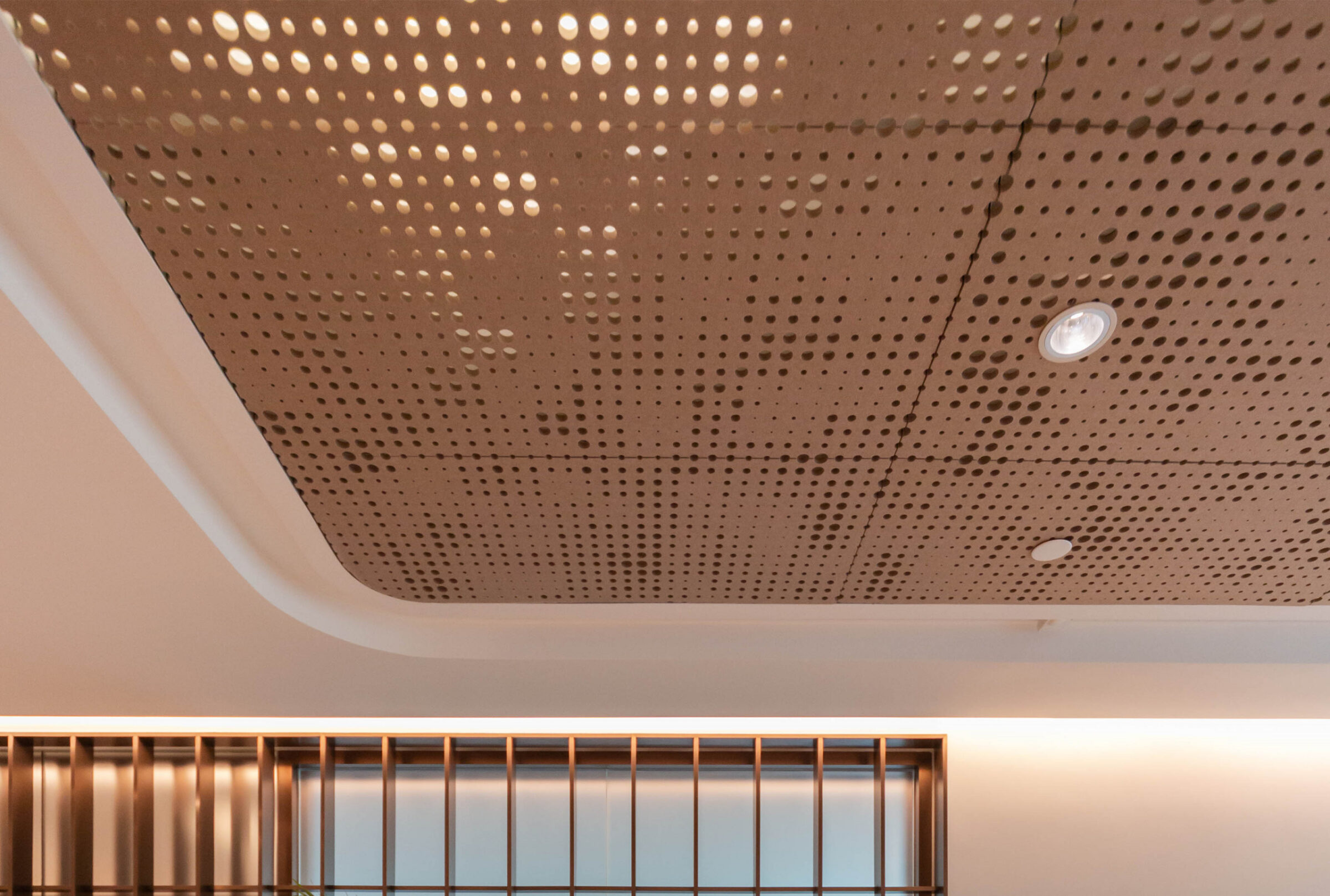
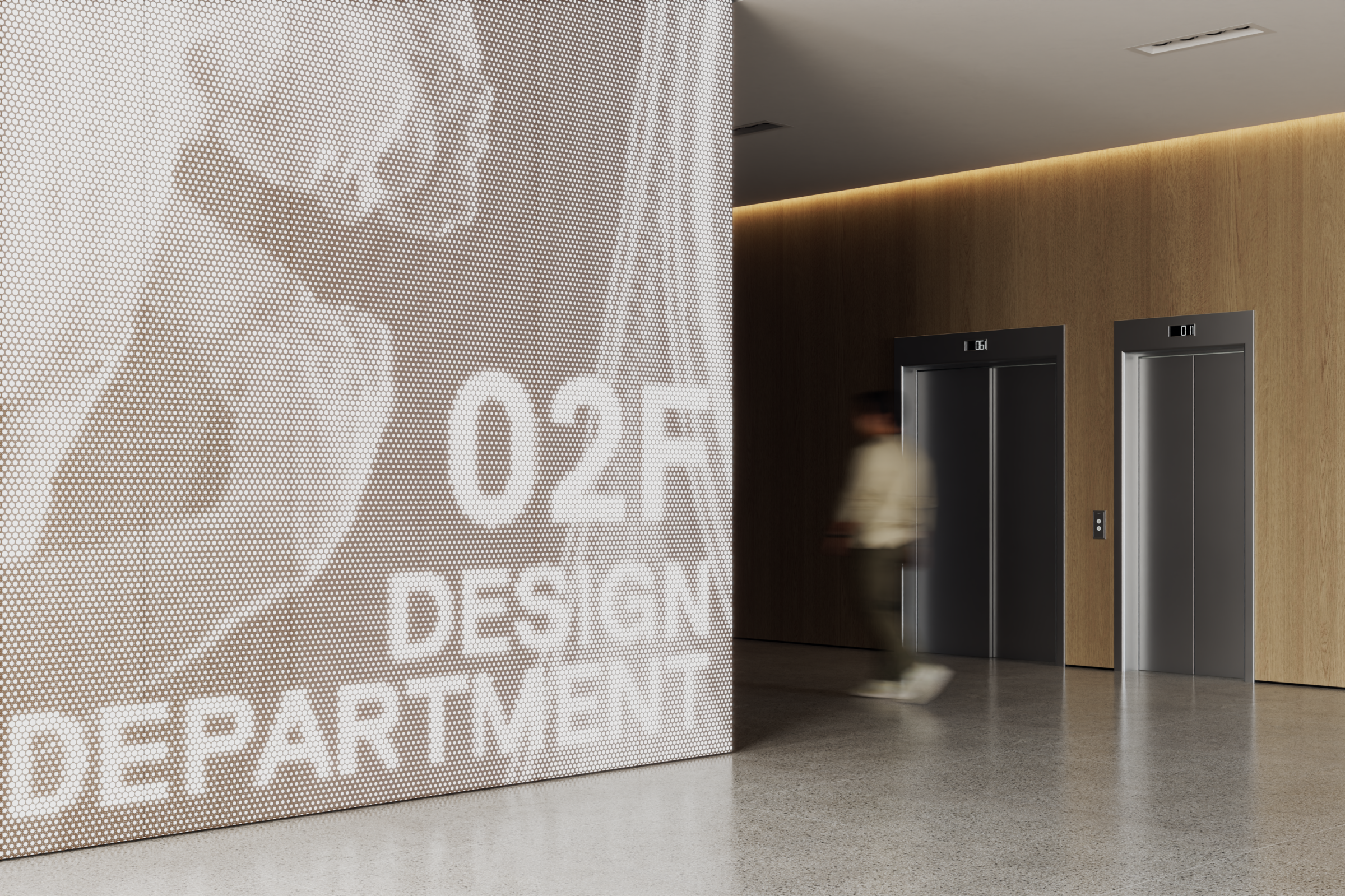
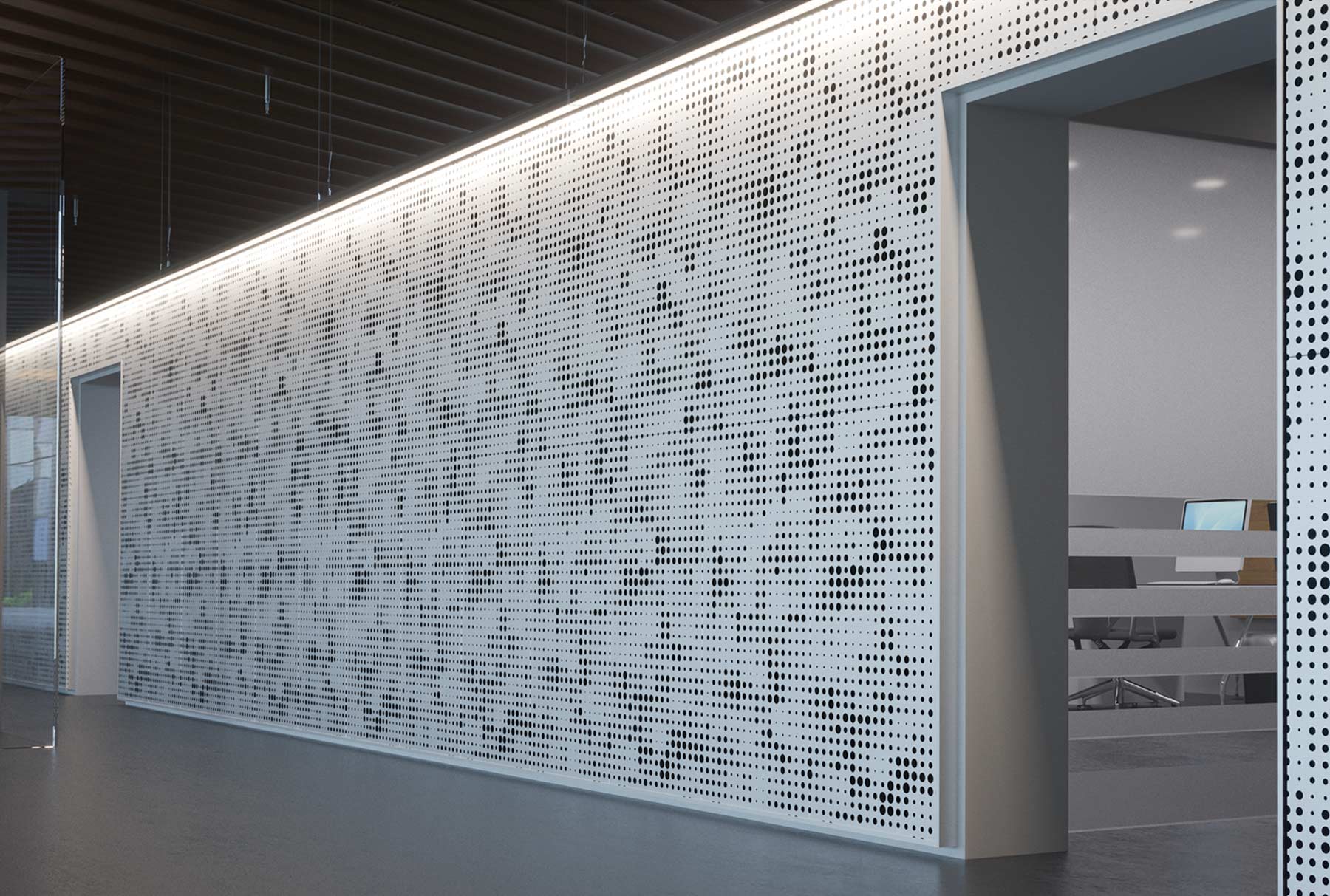
Dans les intérieurs commerciaux, les revêtements muraux ne se contentent pas d’apporter une finition à une surface : ils définissent les caractéristiques acoustiques, la présence des matériaux et l’ambiance de l’espace. Voici un guide pratique pour choisir des revêtements contemporains.
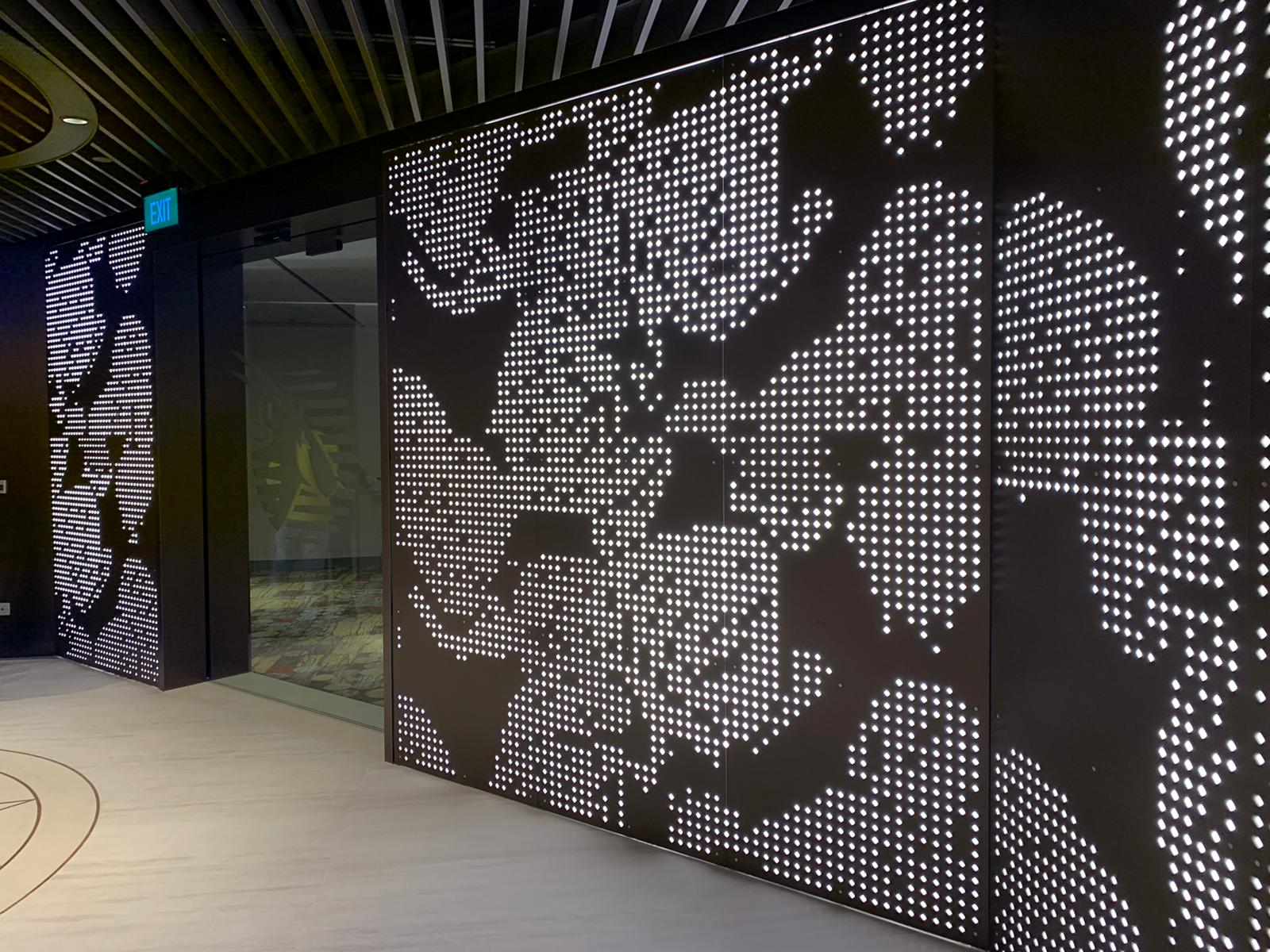
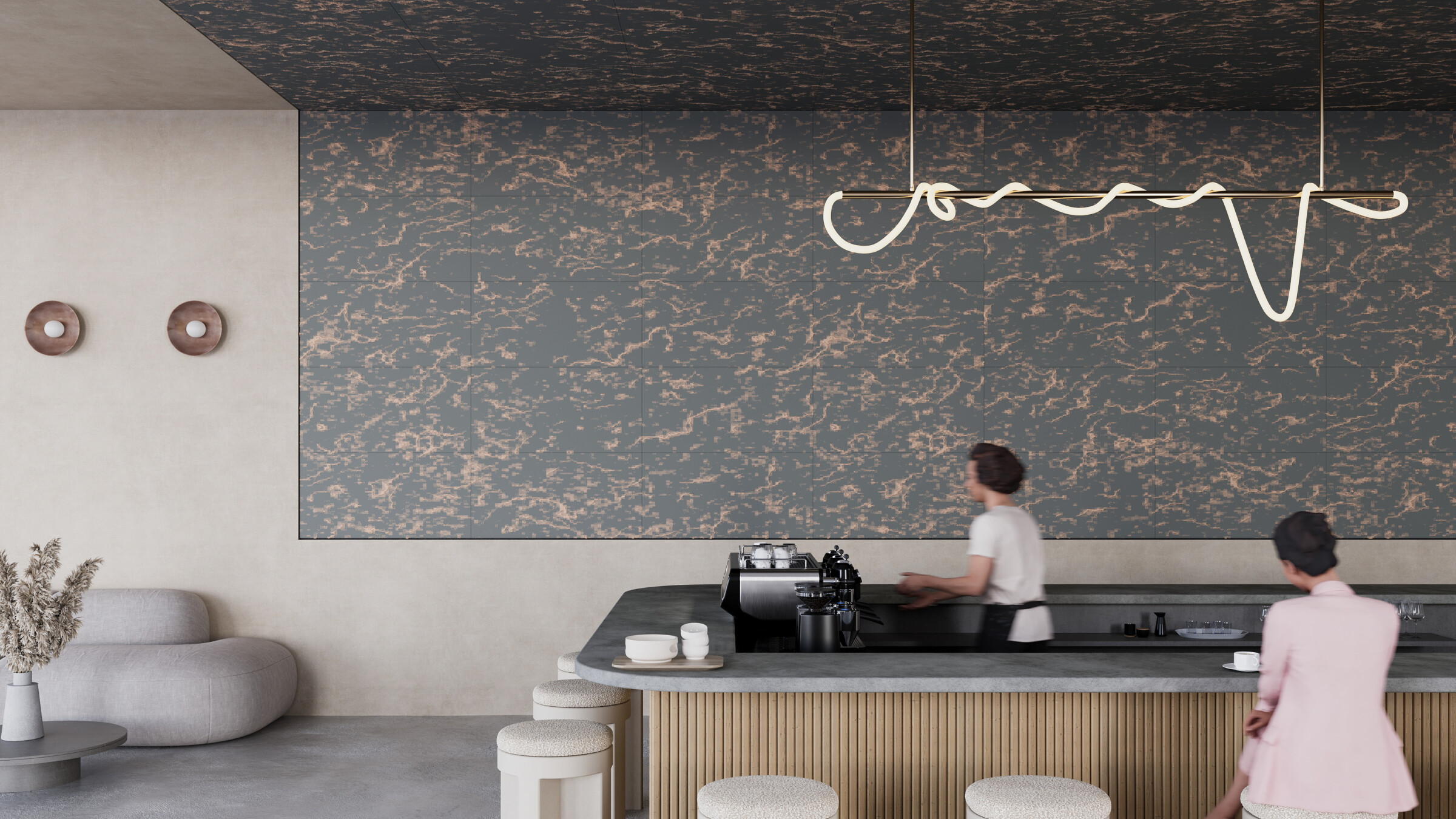
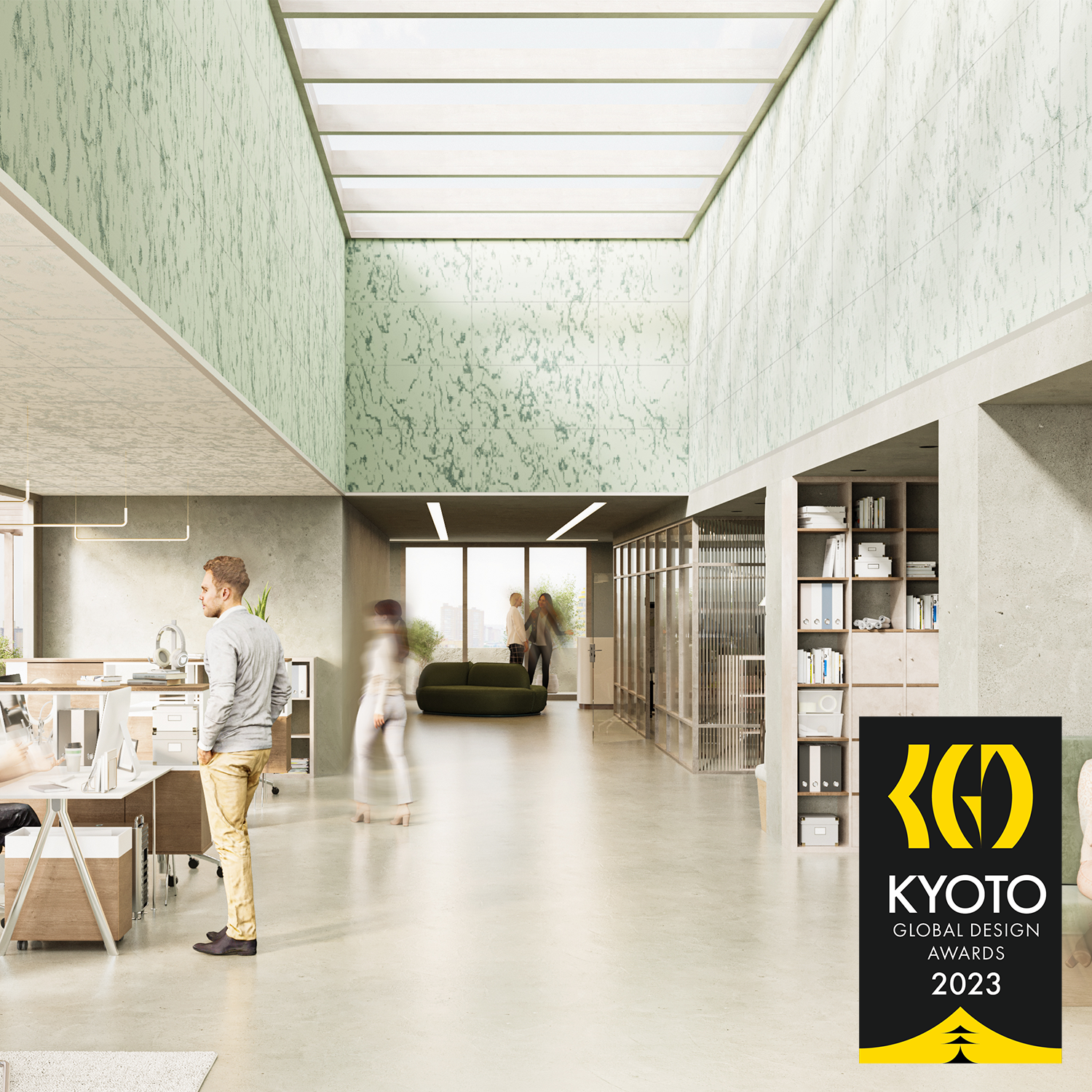
Dans les intérieurs commerciaux, les murs sont souvent considérés comme de simples arrière-plans : des surfaces neutres destinées à accueillir l’éclairage, le mobilier et les œuvres d’art. Dans les environnements haut de gamme, c’est une occasion manquée. Un revêtement mural qui apporte de la profondeur au matériau, des performances acoustiques ou une texture visuelle ne se contente pas d’habiller une surface. Il définit le caractère même de l’espace.
Les arguments en faveur de l'insonorisation des murs
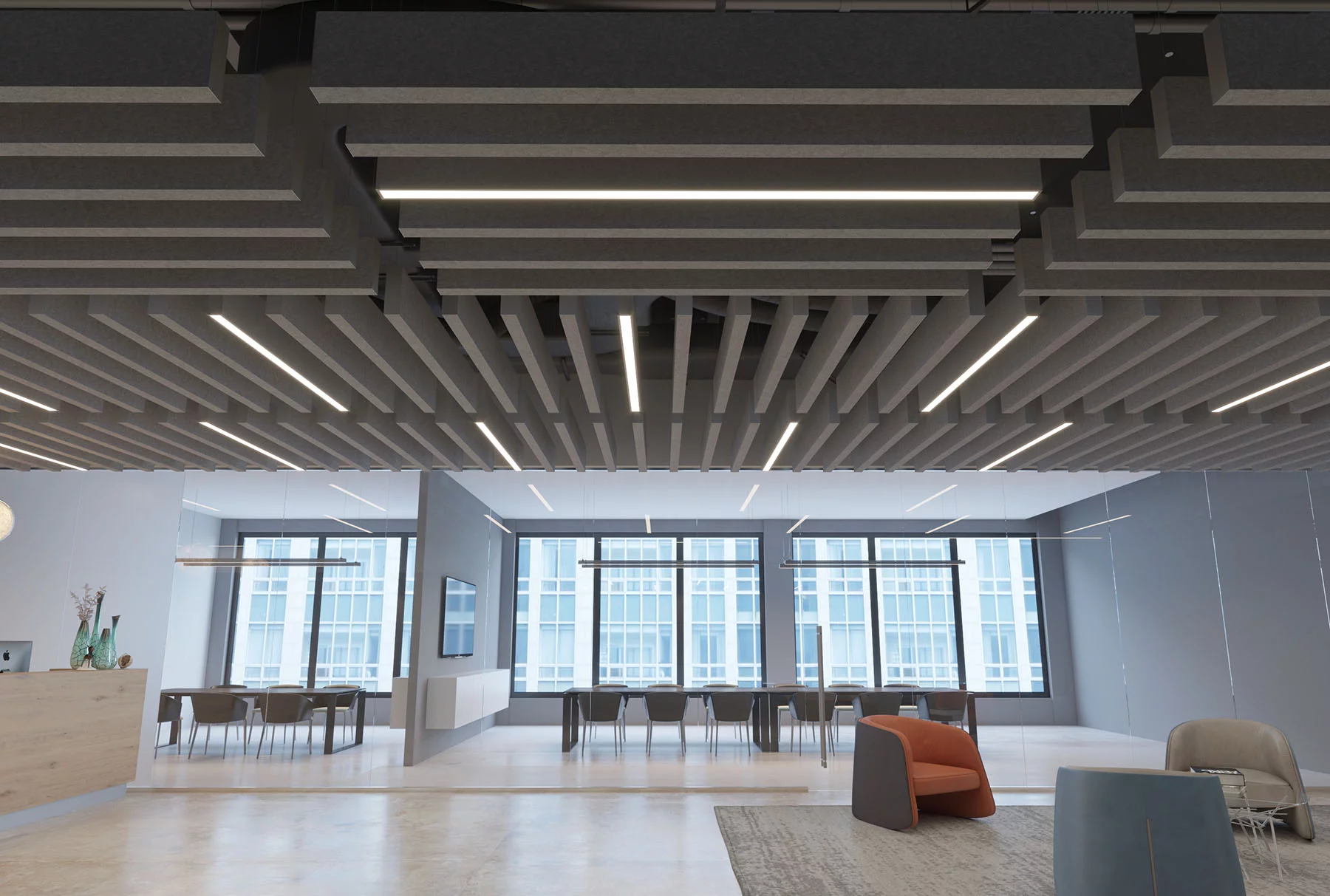
Dans les environnements commerciaux, la conception acoustique se concentre généralement sur le plafond : il s'agit en effet de la plus grande surface horizontale et de l'emplacement le plus pratique pour la mise en place de mesures acoustiques. Cependant, les surfaces murales contribuent de manière significative à la qualité acoustique, en particulier dans les espaces où les sources sonores sont réparties dans toute la pièce plutôt que concentrées à une seule extrémité.
Les salles de réunion, les espaces d'accueil et les salles à manger bénéficient tous d'un traitement acoustique des murs, en complément des plafonds acoustiques. Un espace dont seul le plafond a été traité présente des caractéristiques acoustiques maîtrisées dans une dimension, mais pas dans l'autre : il peut sembler atténué sans pour autant donner l'impression d'être parfaitement équilibré.
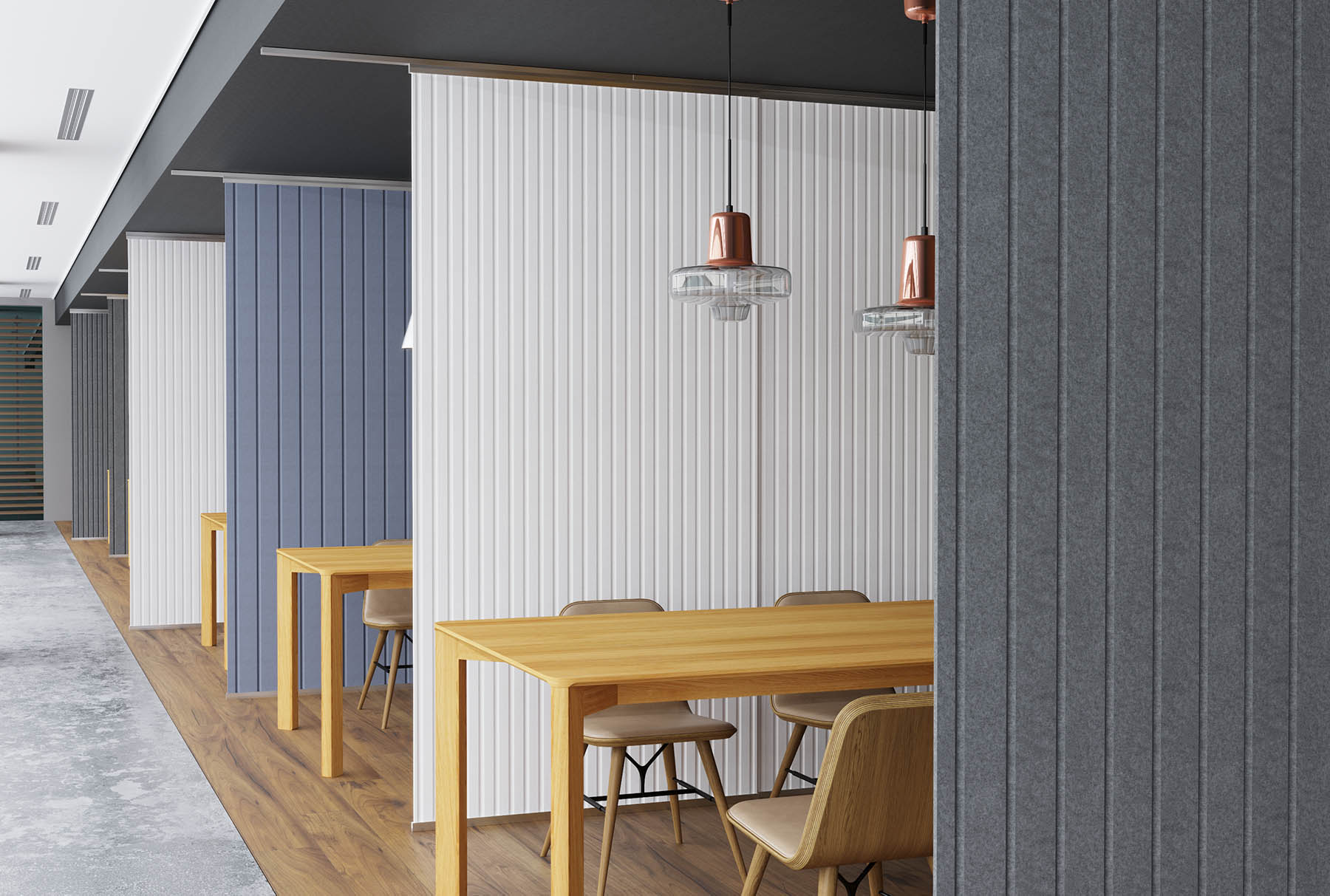
aSOFT™ sur les murs
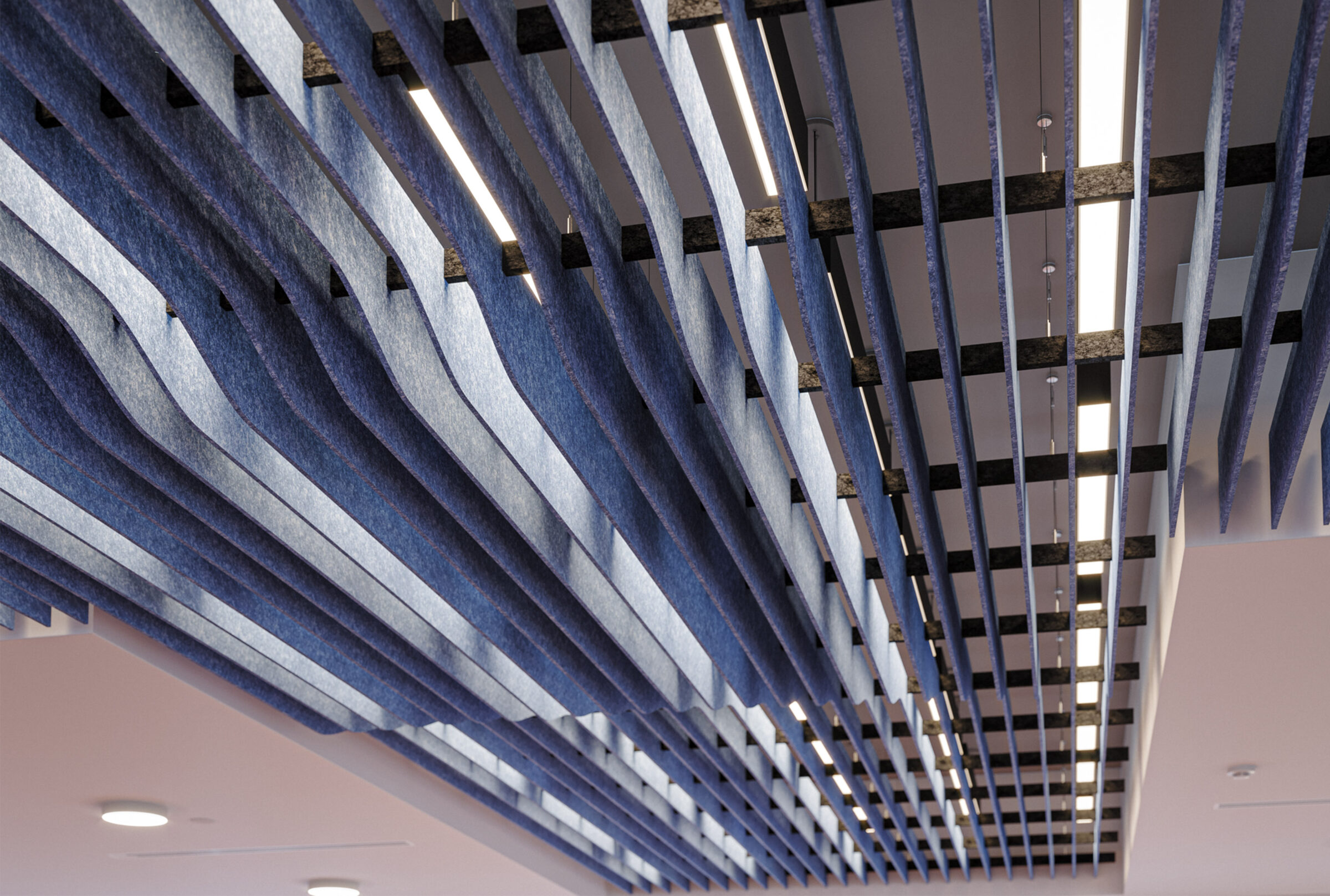
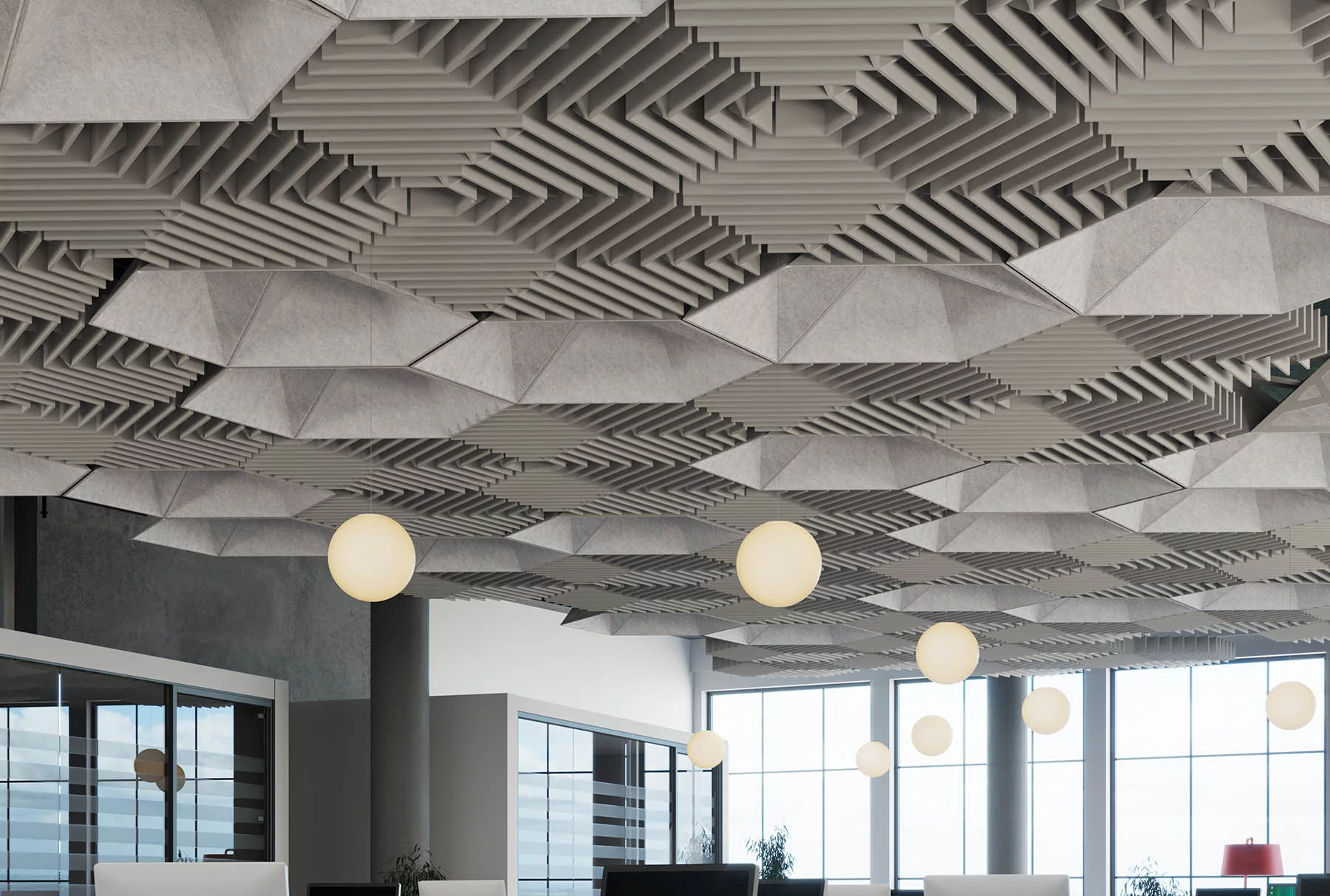
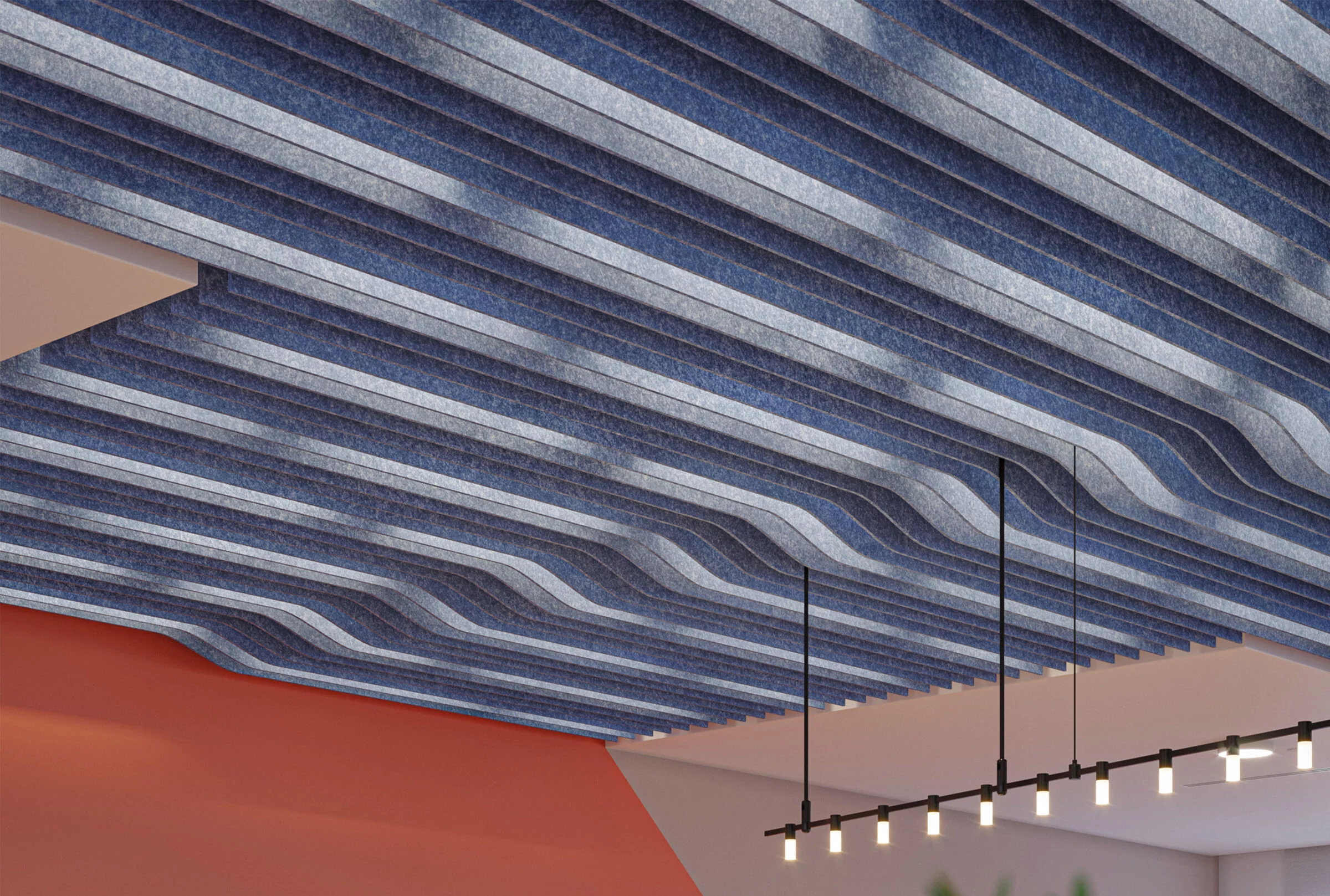
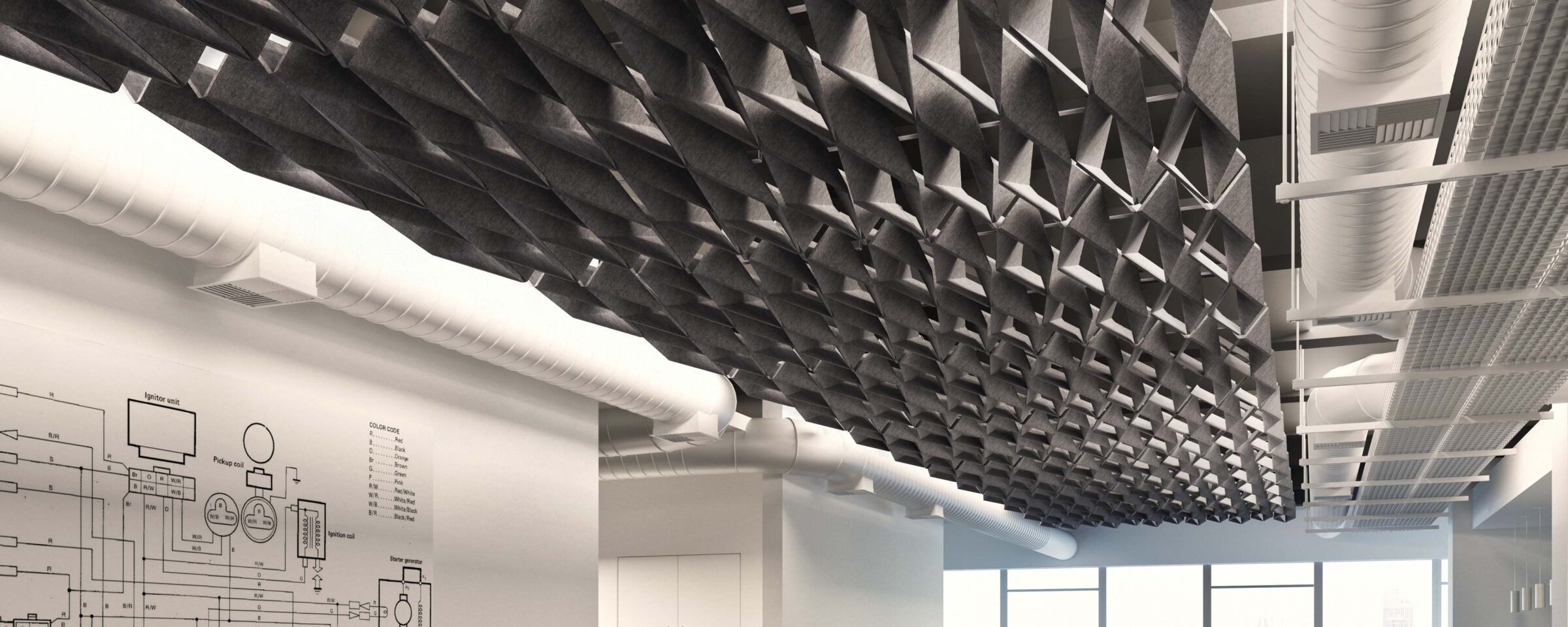
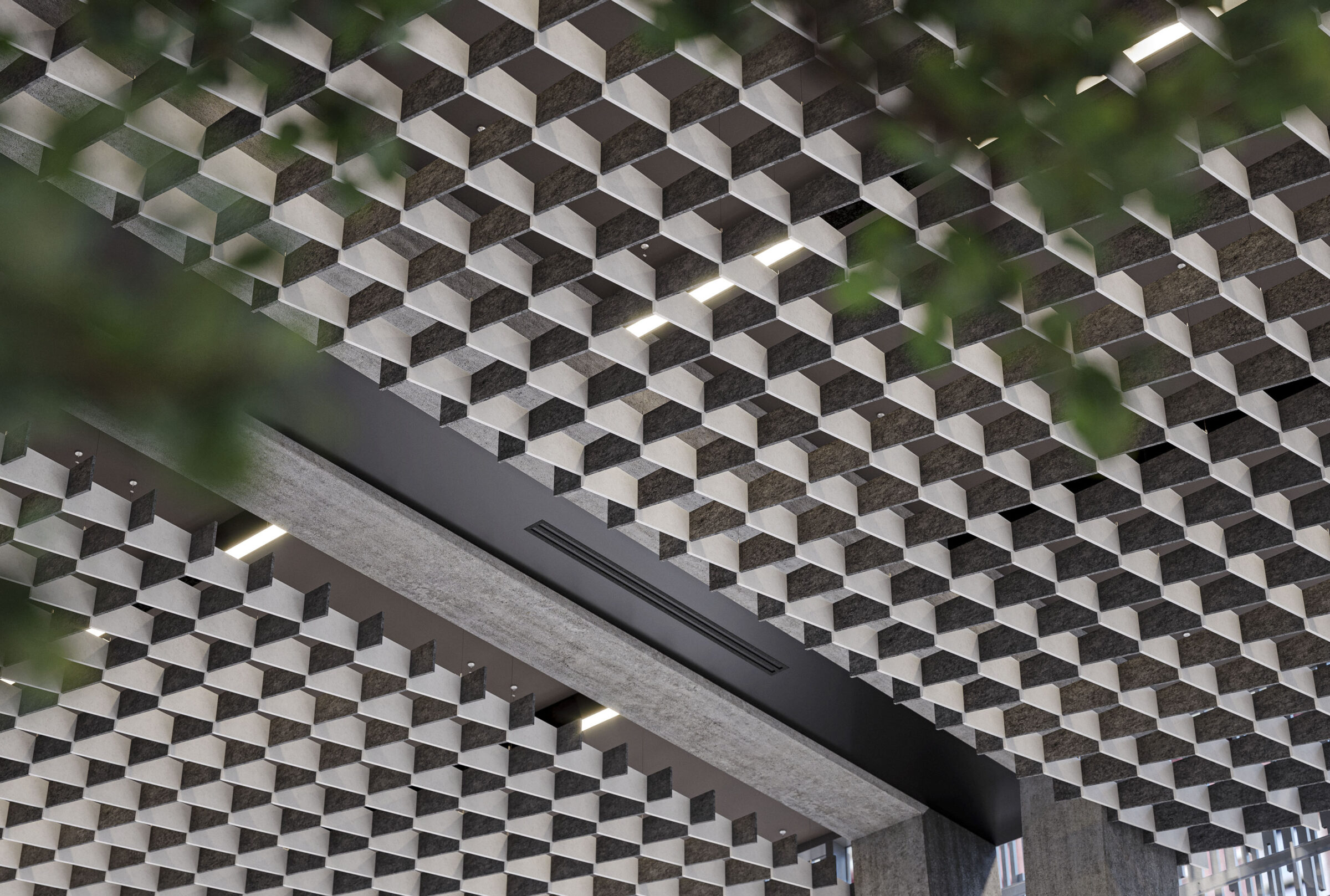
NOWN’s aSOFT™ Le feutre en PET, composé à 60 % de PET recyclé, peut être utilisé aussi bien pour le revêtement mural que pour la pose au plafond. Les performances acoustiques de ce matériau — un NRC effectif pouvant atteindre 0,95 dans des configurations adaptées — s’appliquent aux applications murales, la géométrie de fixation influant notamment sur l’absorption des basses fréquences.
Ce matériau est disponible dans une vaste gamme de couleurs, ce qui permet d'intégrer les applications murales dans la stratégie globale de couleurs de l'intérieur, plutôt que de les faire apparaître comme un simple traitement acoustique.
InfiKnit™ : un système de murs d'accent
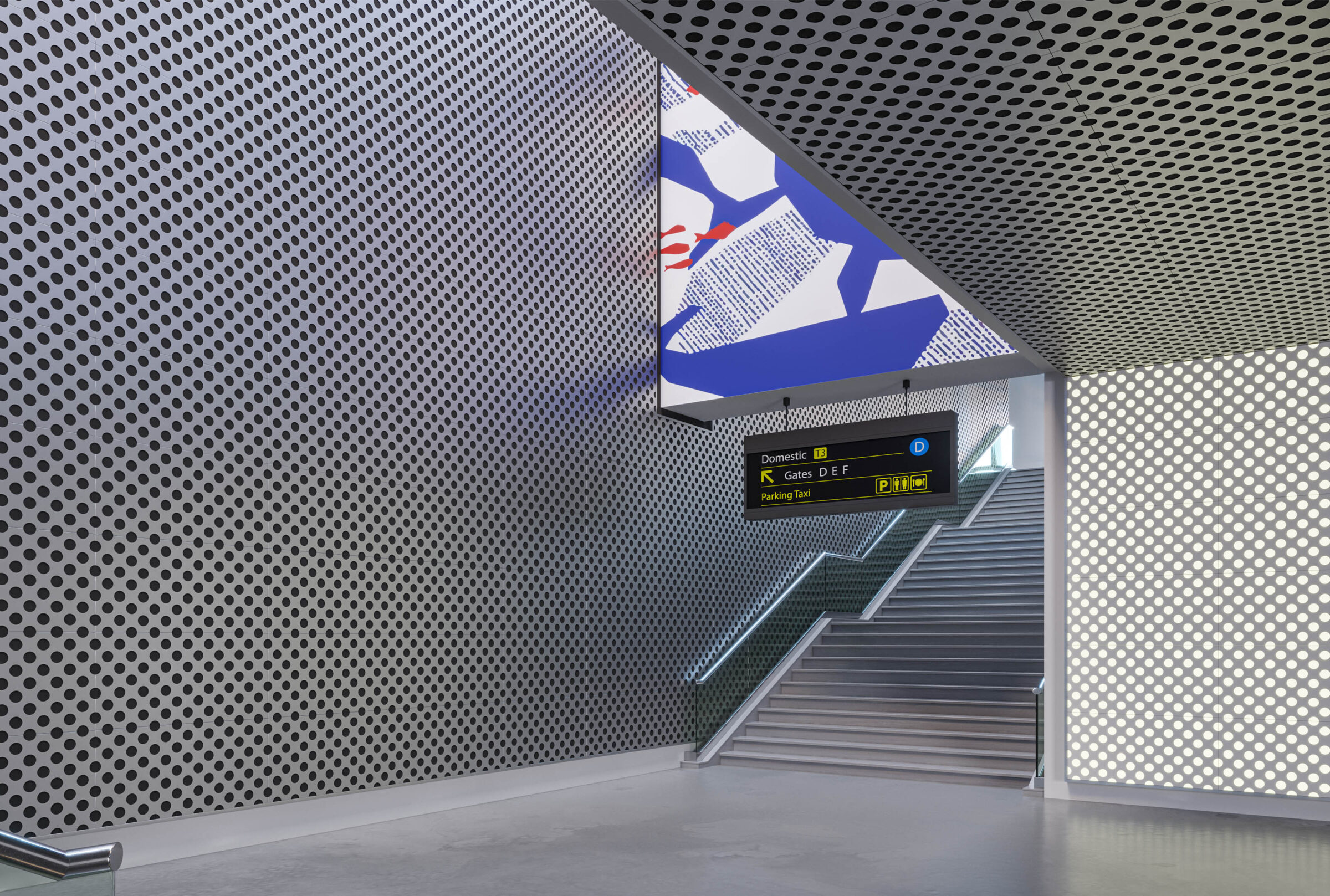
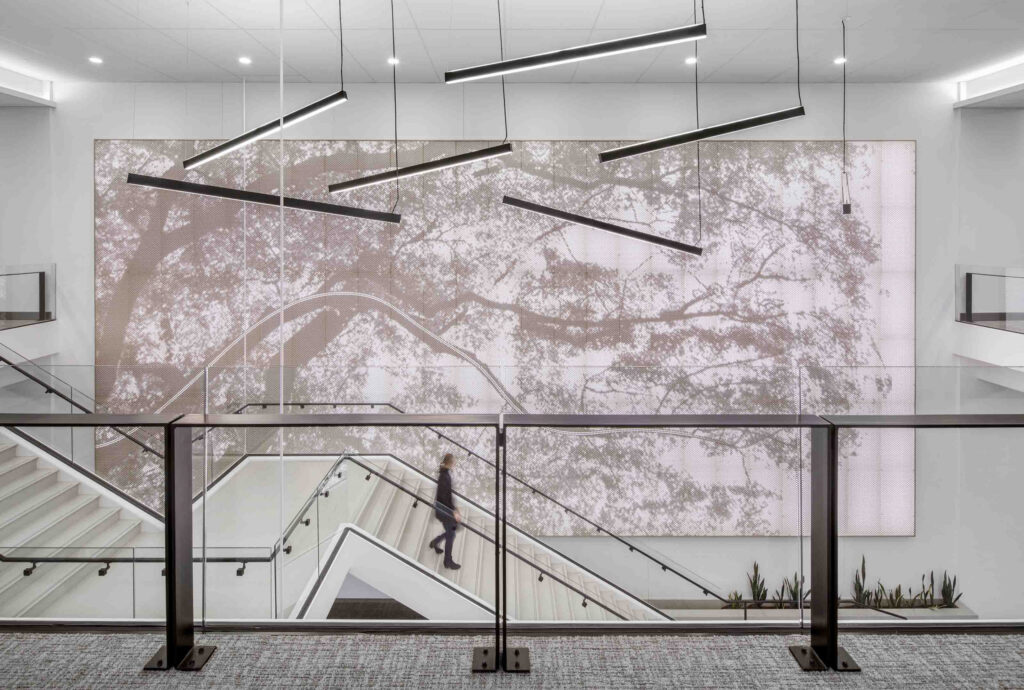
Pour les murs d'accent — halls d'accueil, intérieurs d'établissements hôteliers, espaces culturels — les produits NOWN InfiKnit™ Ce système de tricotage 3D confère une véritable profondeur matérielle au mur. La géométrie textile tridimensionnelle crée une surface à forte présence visuelle qui s'apparente davantage à un élément architectural qu'à un simple revêtement.
InfiKnit™ panneaux muraux à installer sur le système encastré de NOWN CircuLUM™ Cadre en aluminium. Les panneaux s'emboîtent ou se tendent dans le cadre sans aucune fixation apparente, offrant ainsi une surface lisse et épurée. Grâce à un processus de fabrication « zéro déchet », chaque panneau est livré dans sa forme définitive, ce qui évite toute découpe sur chantier.