


Pourquoi les systèmes de plafonds préfabriqués remplacent-ils les solutions réalisées sur place dans les projets commerciaux ?
17 avril 2026
-2 min lire
La préfabrication a révolutionné la construction des structures et des façades. Cette même logique est aujourd’hui en train de redéfinir les spécifications relatives aux plafonds. Voici ce que cela implique en termes de calendrier, de qualité et de coûts.
La préfabrication dans le secteur du bâtiment a suivi une évolution cohérente. La charpente métallique a été transférée hors chantier il y a plusieurs décennies. Les panneaux de façade ont suivi. Les installations mécaniques et électriques sont de plus en plus souvent préassemblées sous forme de modules. La logique est convaincante dans chaque cas : des conditions de fabrication mieux maîtrisées garantissent une meilleure qualité ; la réduction des interventions sur chantier permet de raccourcir le calendrier ; les dimensions contrôlées en usine éliminent l’accumulation de tolérances qui pose des problèmes au niveau des interfaces.
Les systèmes de plafond suivent la même logique.
Quels changements l'externalisation de la fabrication entraîne-t-elle ?
Un système de plafond fabriqué sur mesure dans un environnement industriel contrôlé est un produit différent de celui qui est découpé et assemblé sur place. La précision dimensionnelle est supérieure. L'uniformité des matériaux est meilleure. Le temps passé sur place se limite à l'assemblage et à l'alignement : l'équipe d'installation se charge du positionnement et de la fixation, et non de la fabrication.
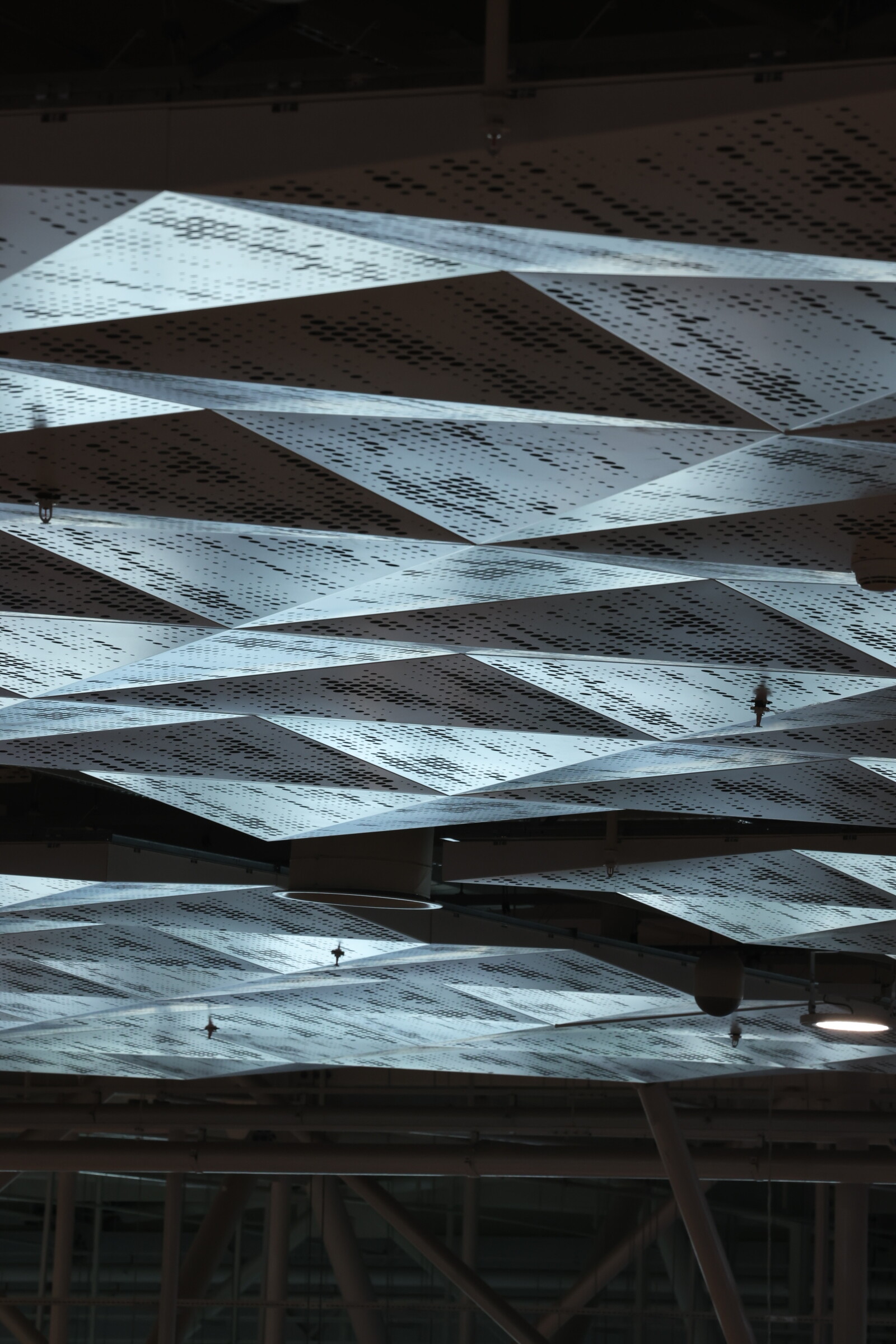
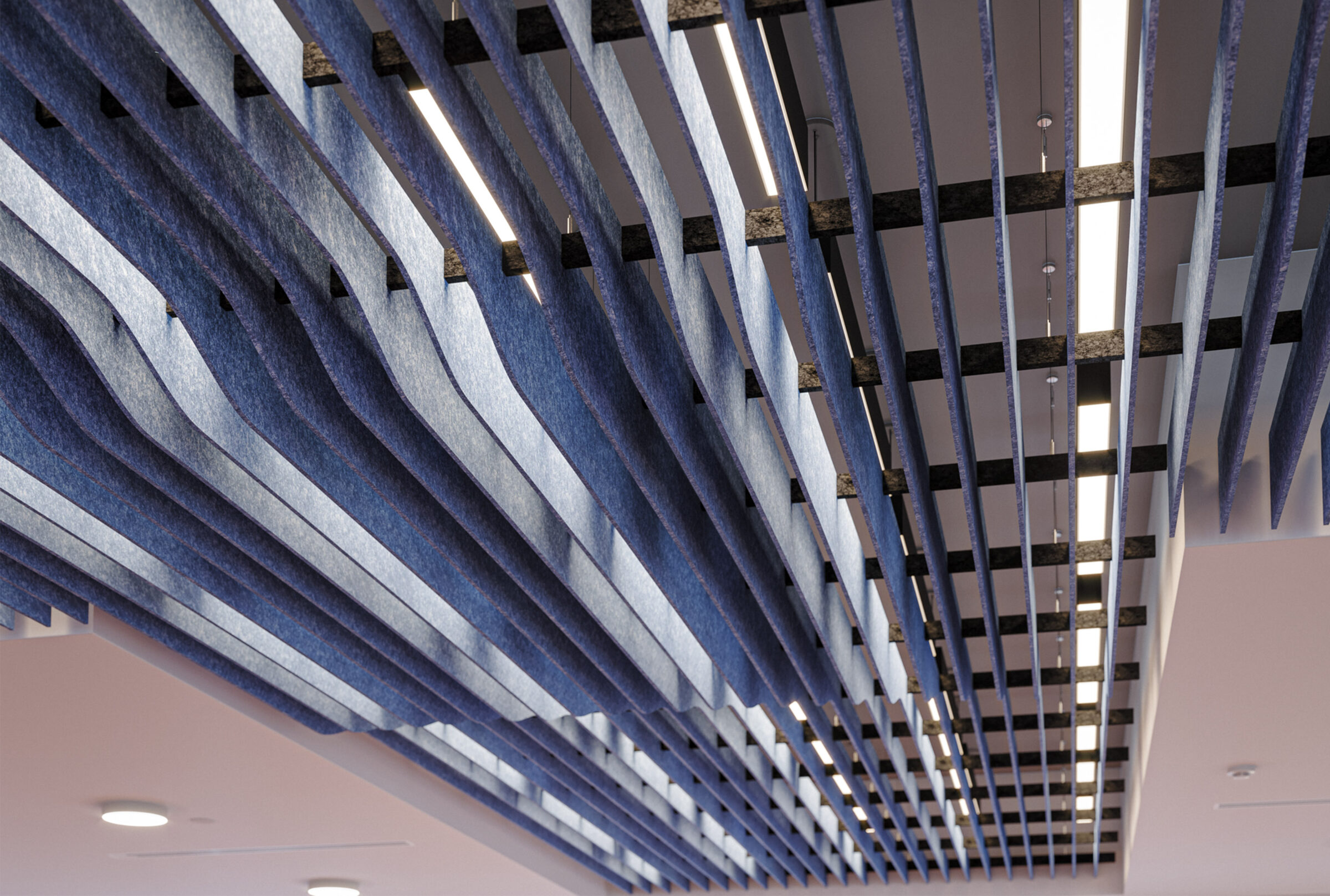
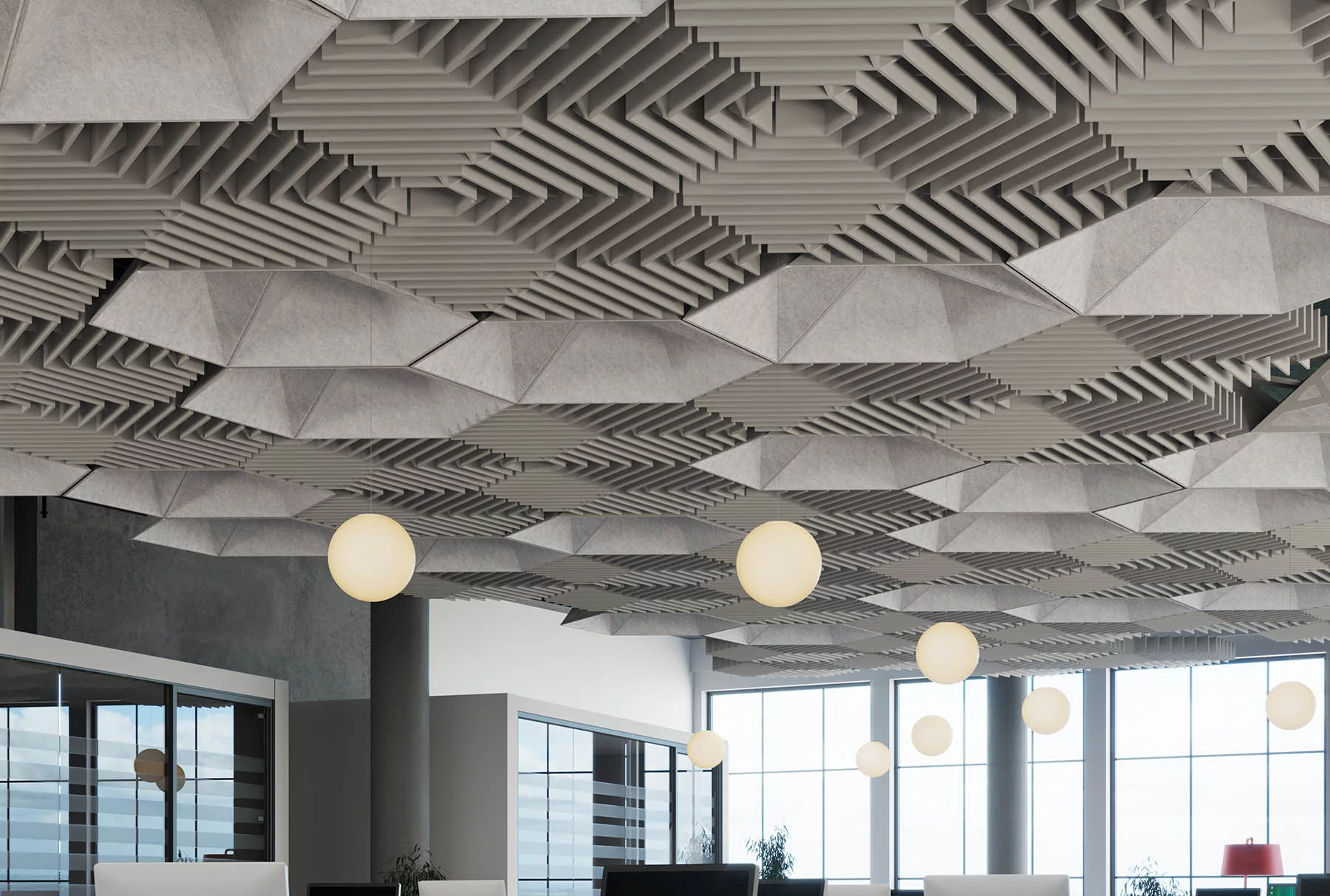
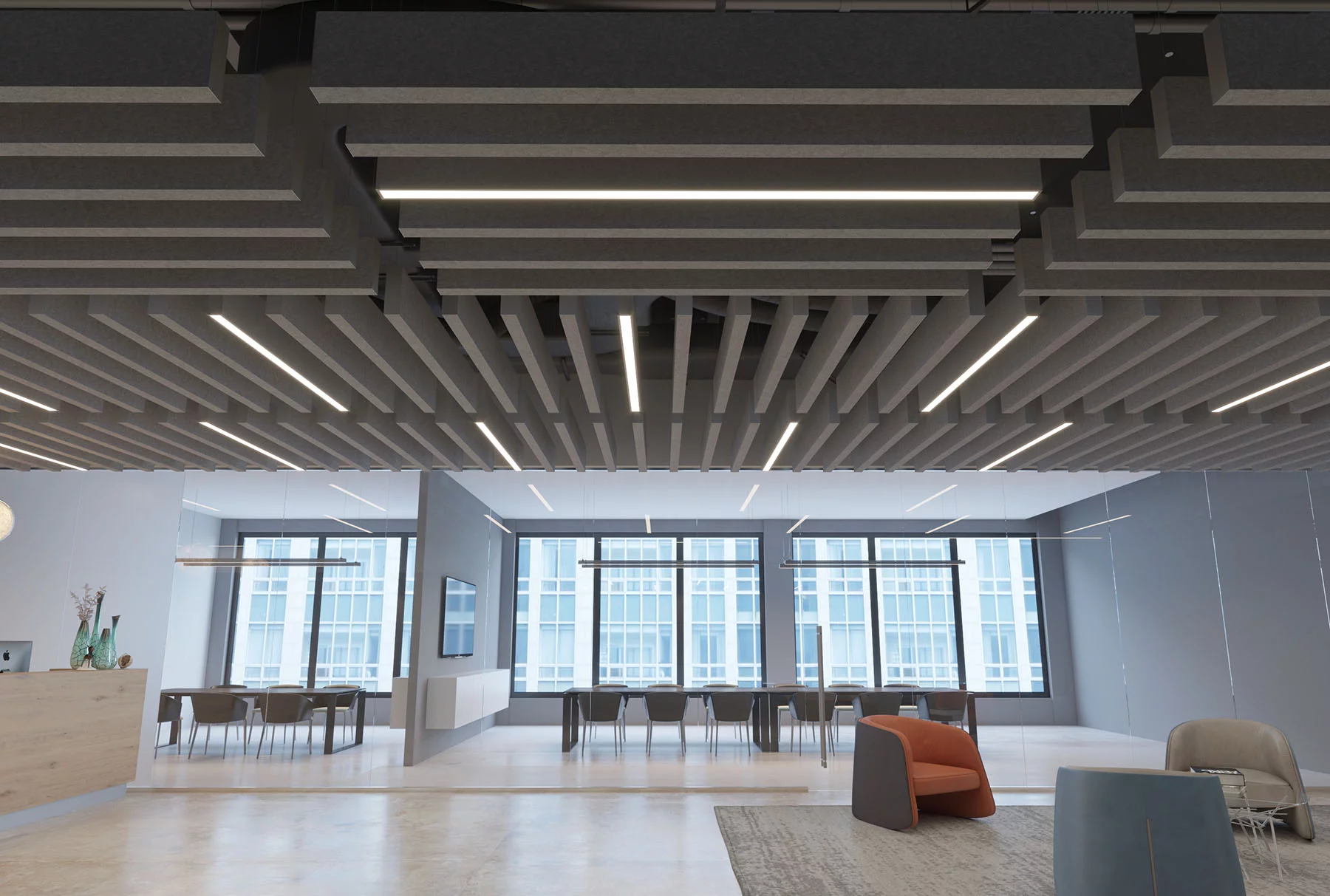
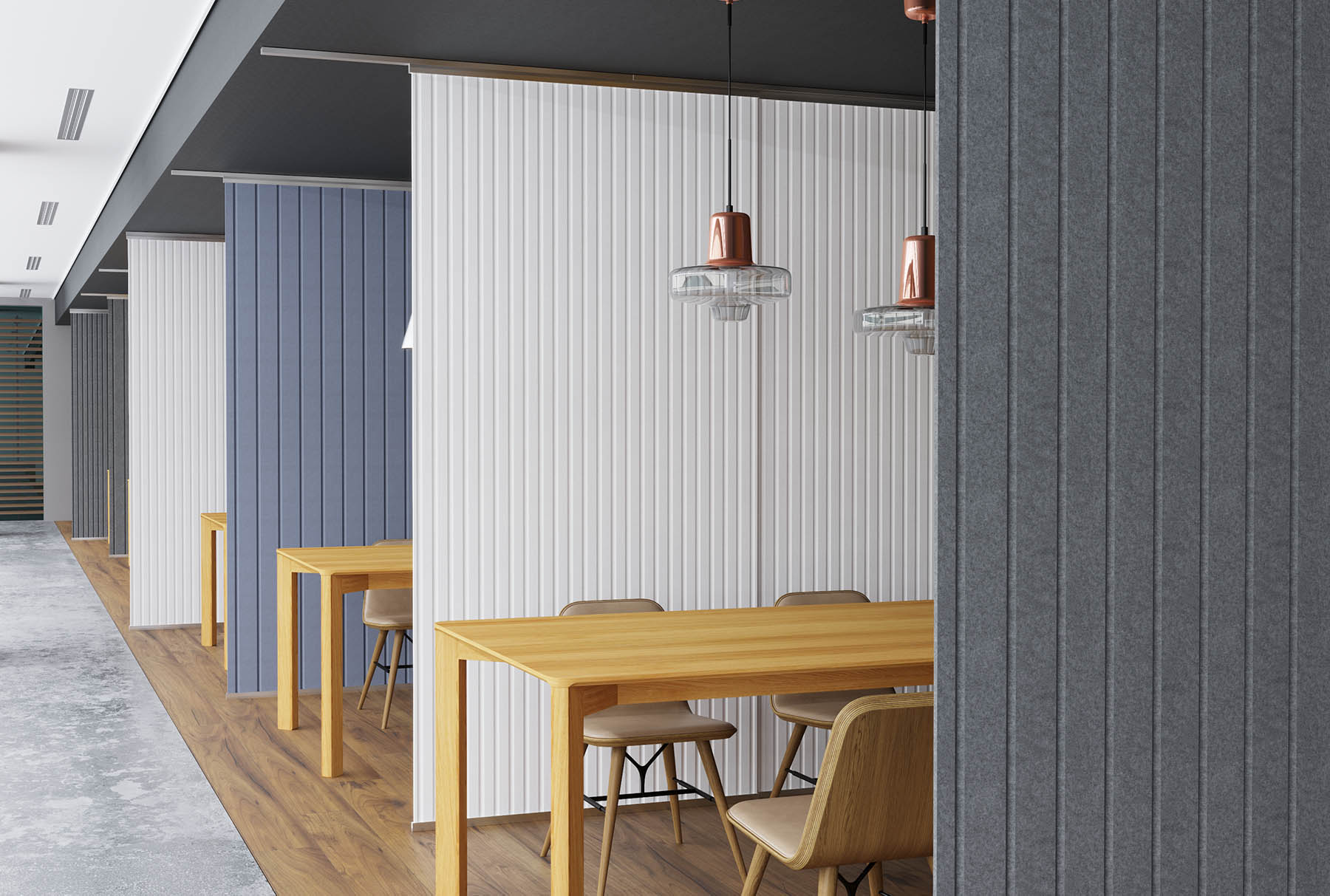
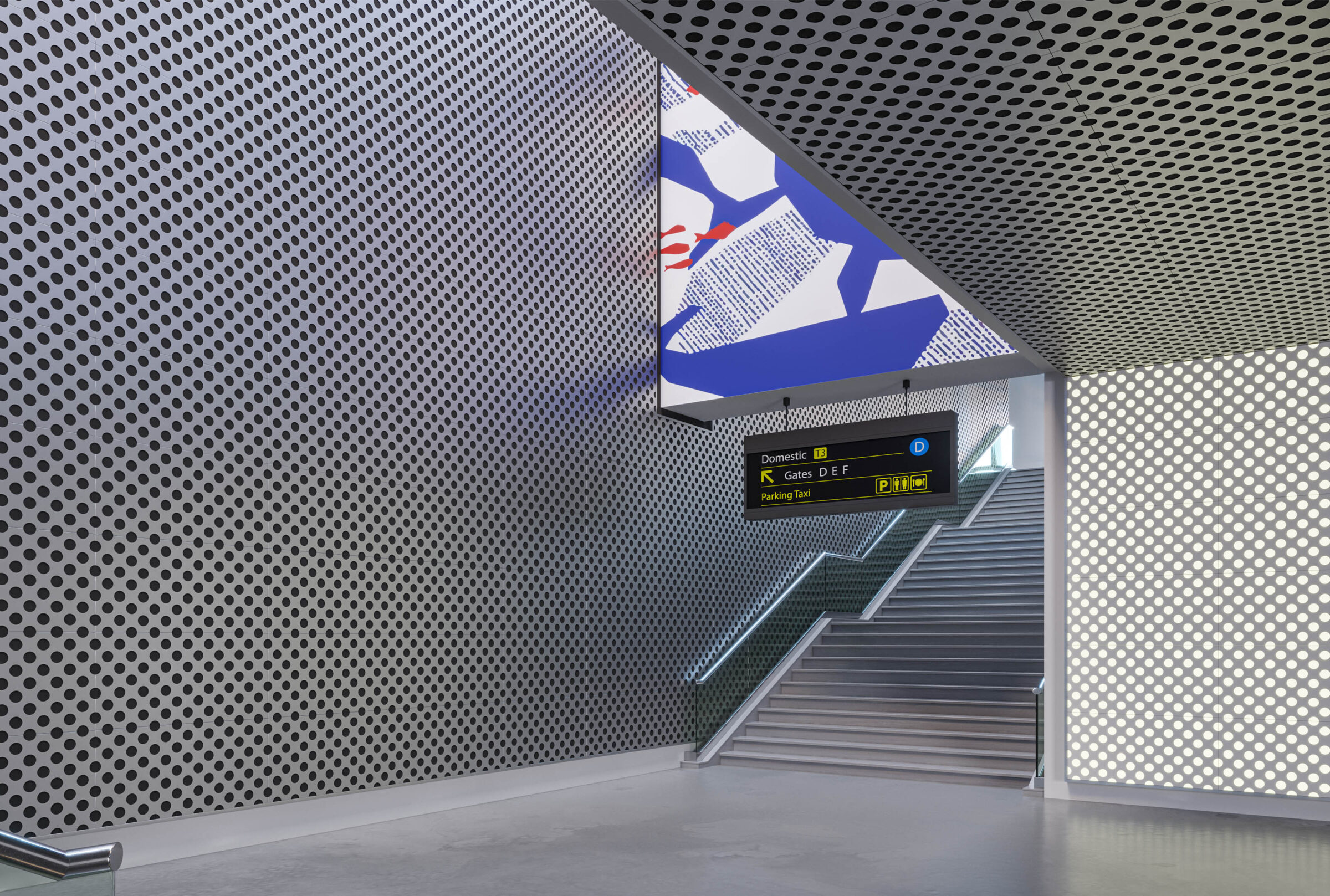
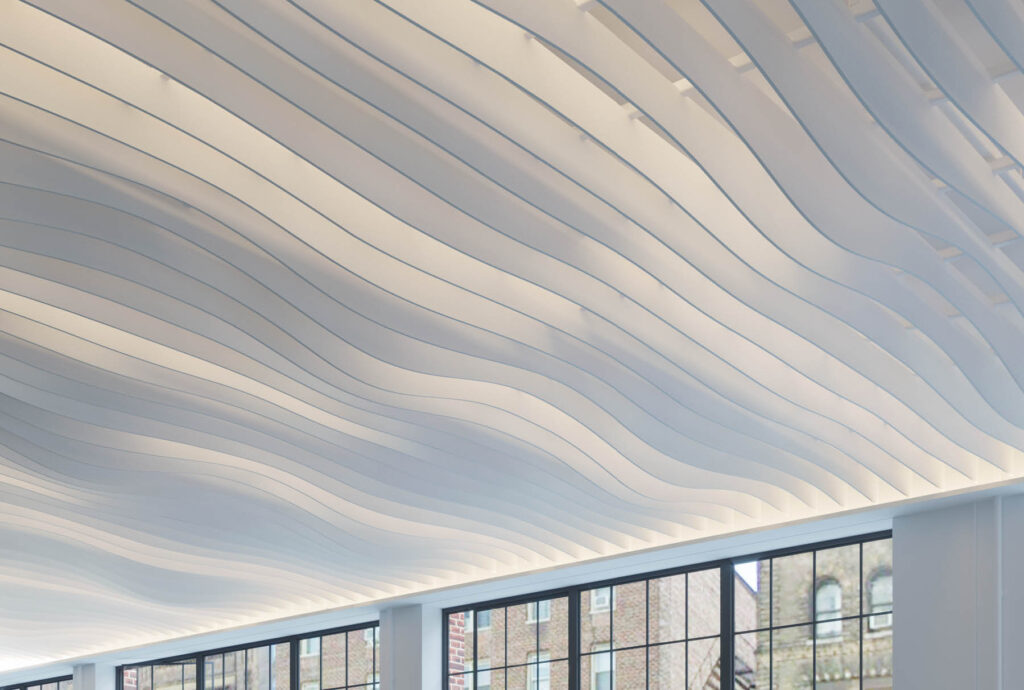
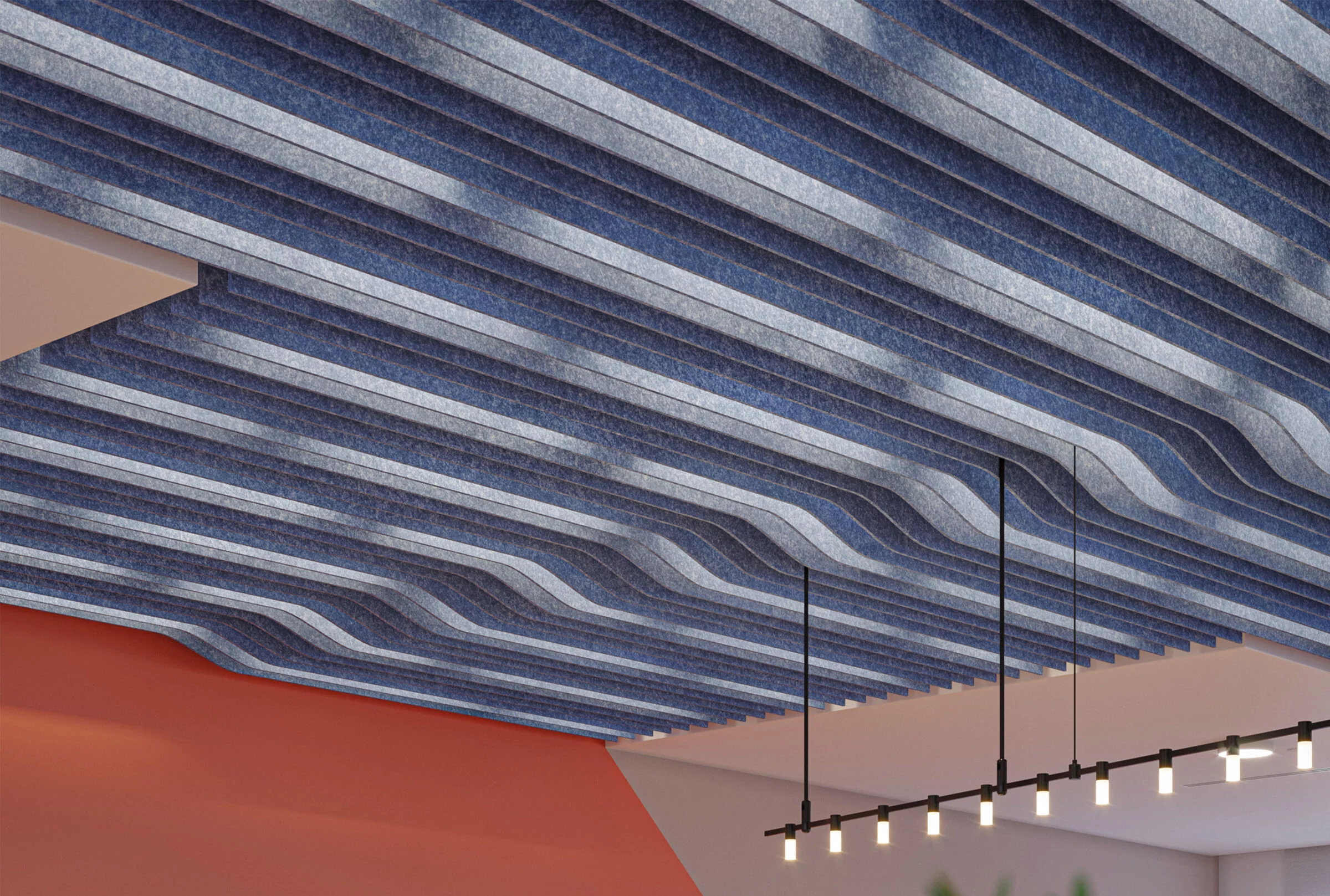
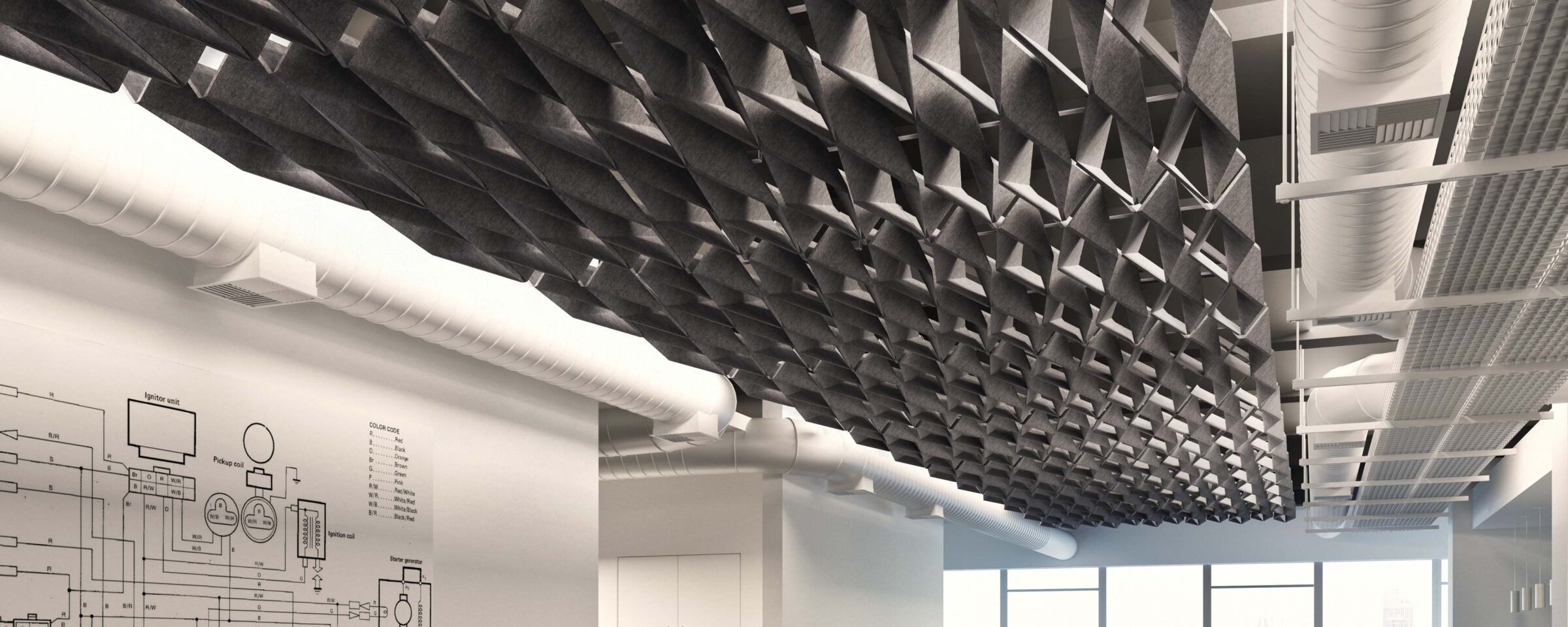
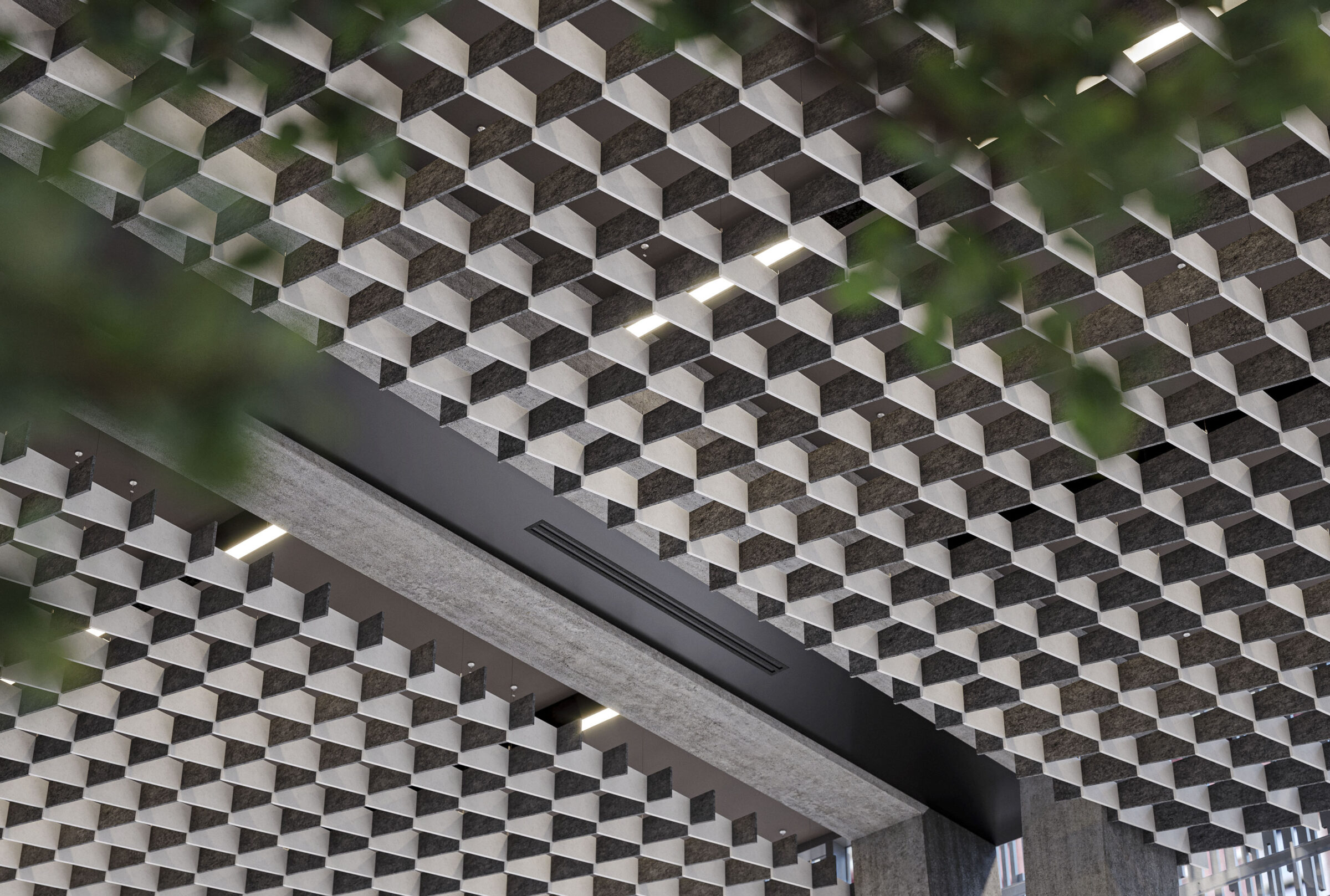
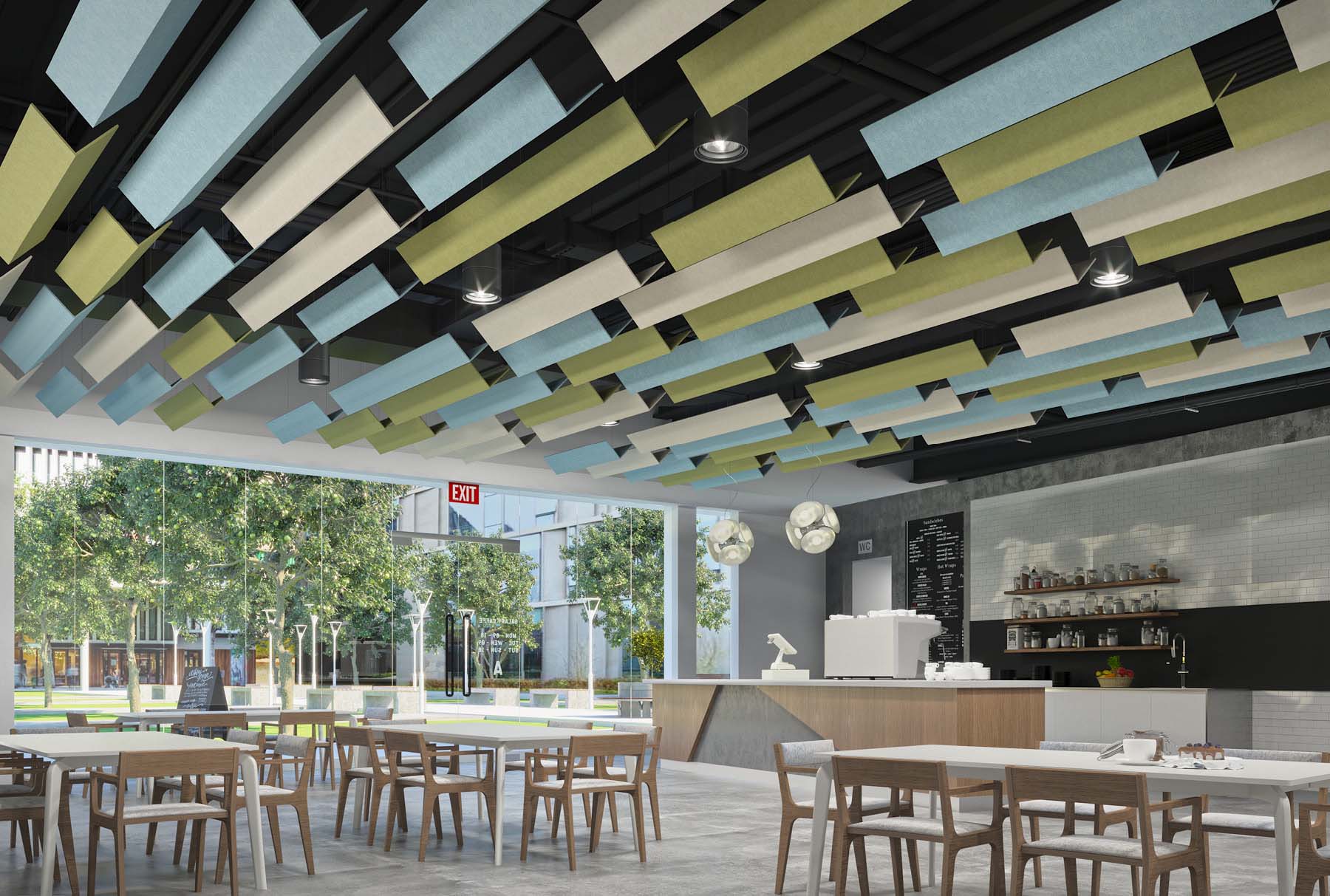
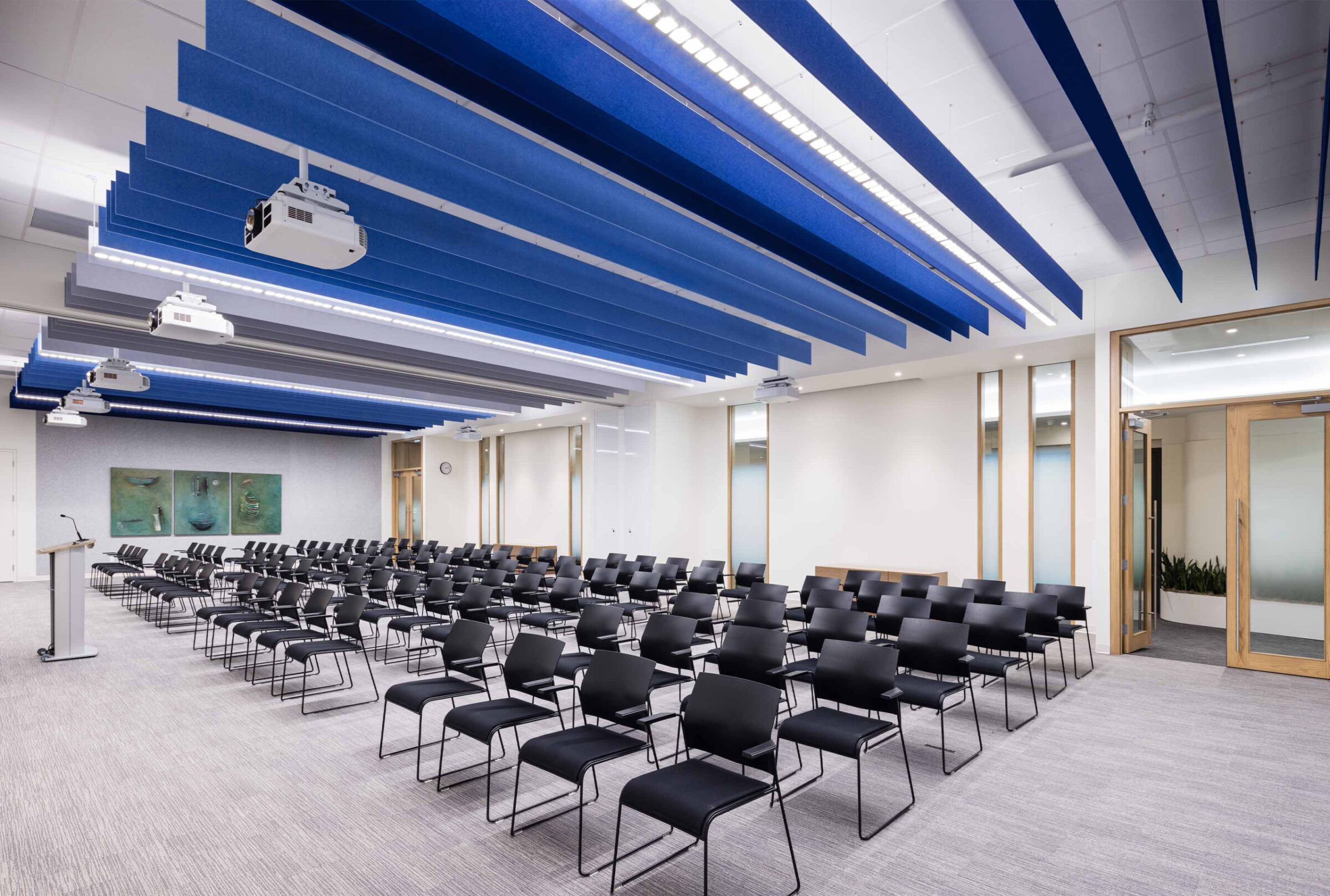
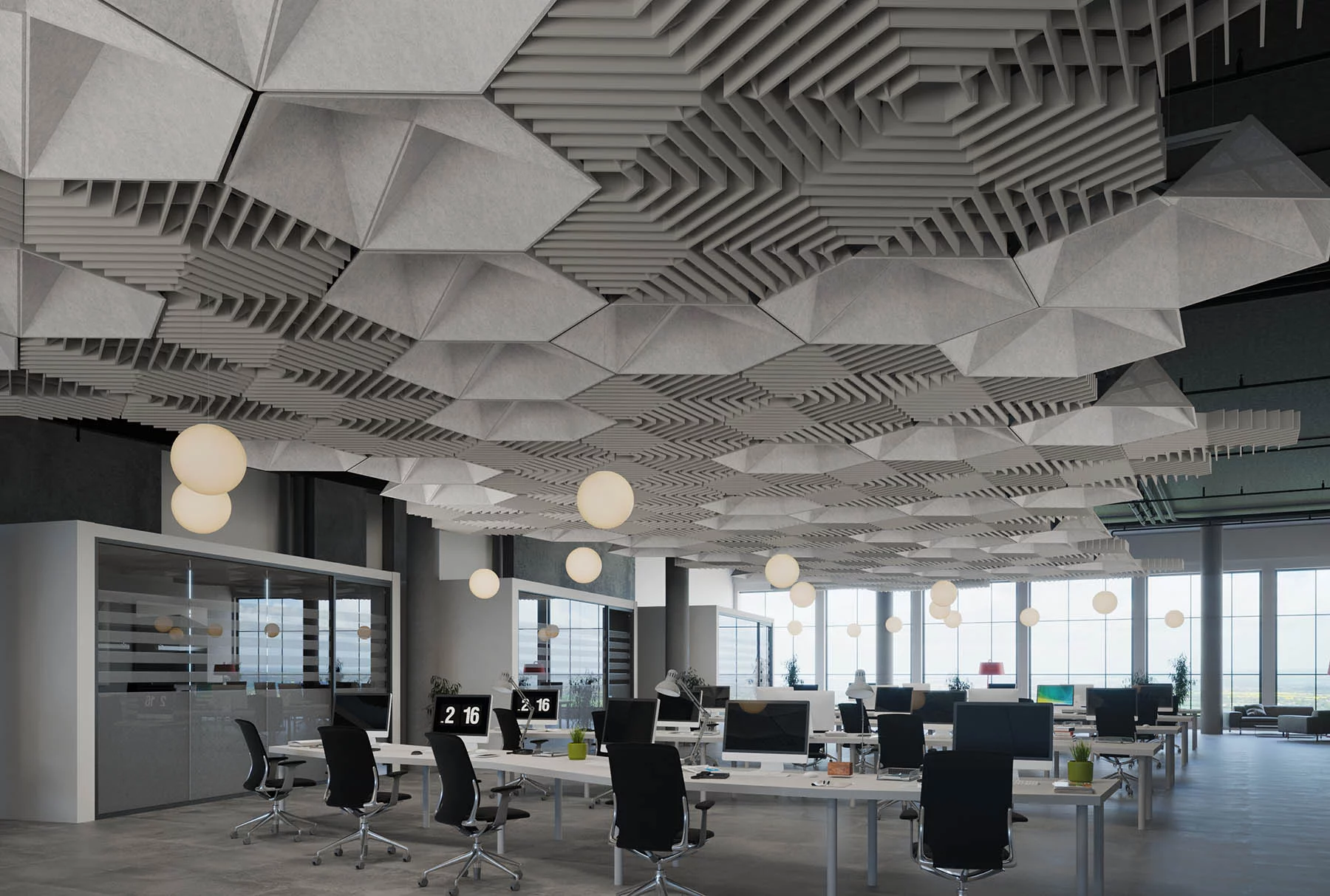
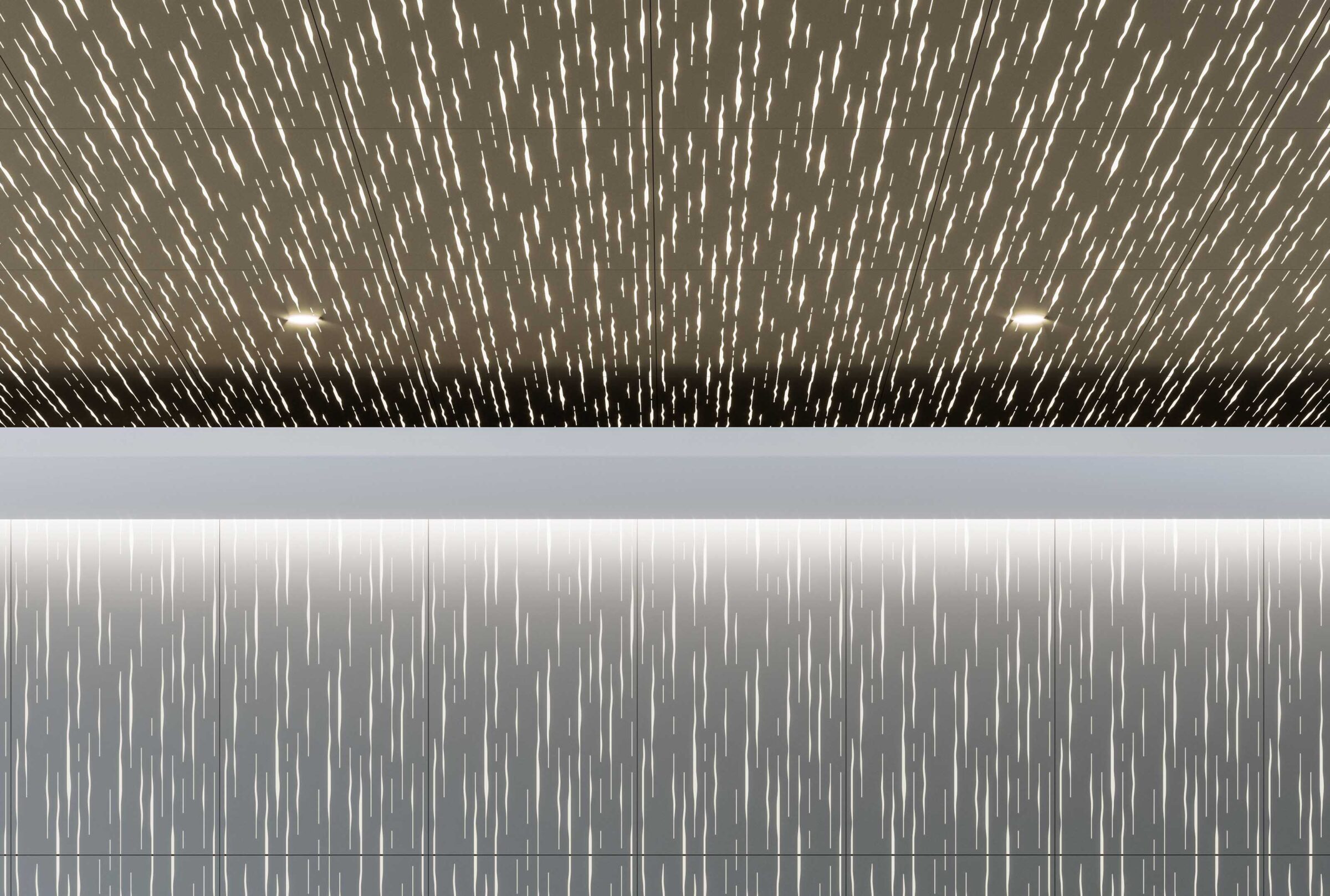
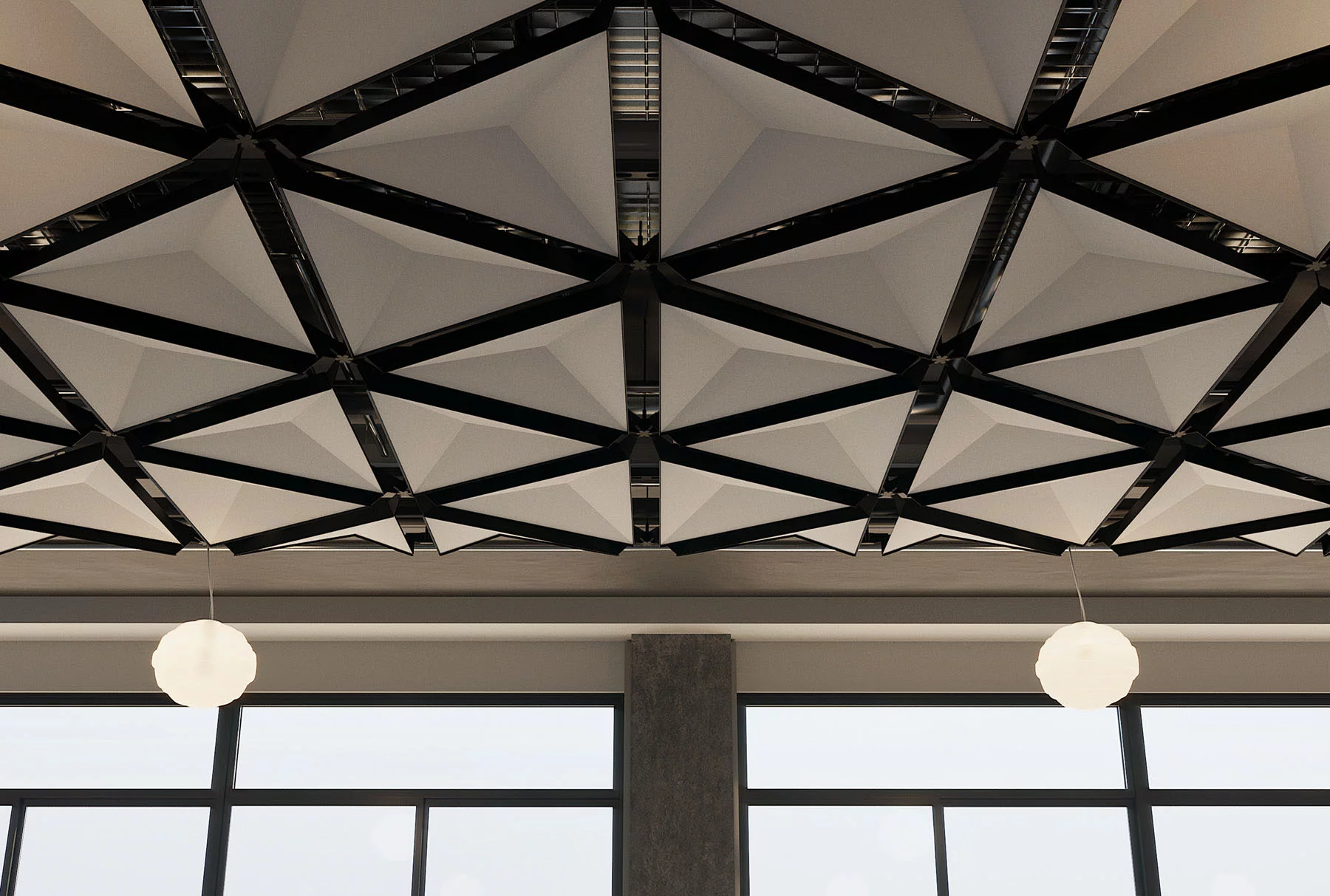
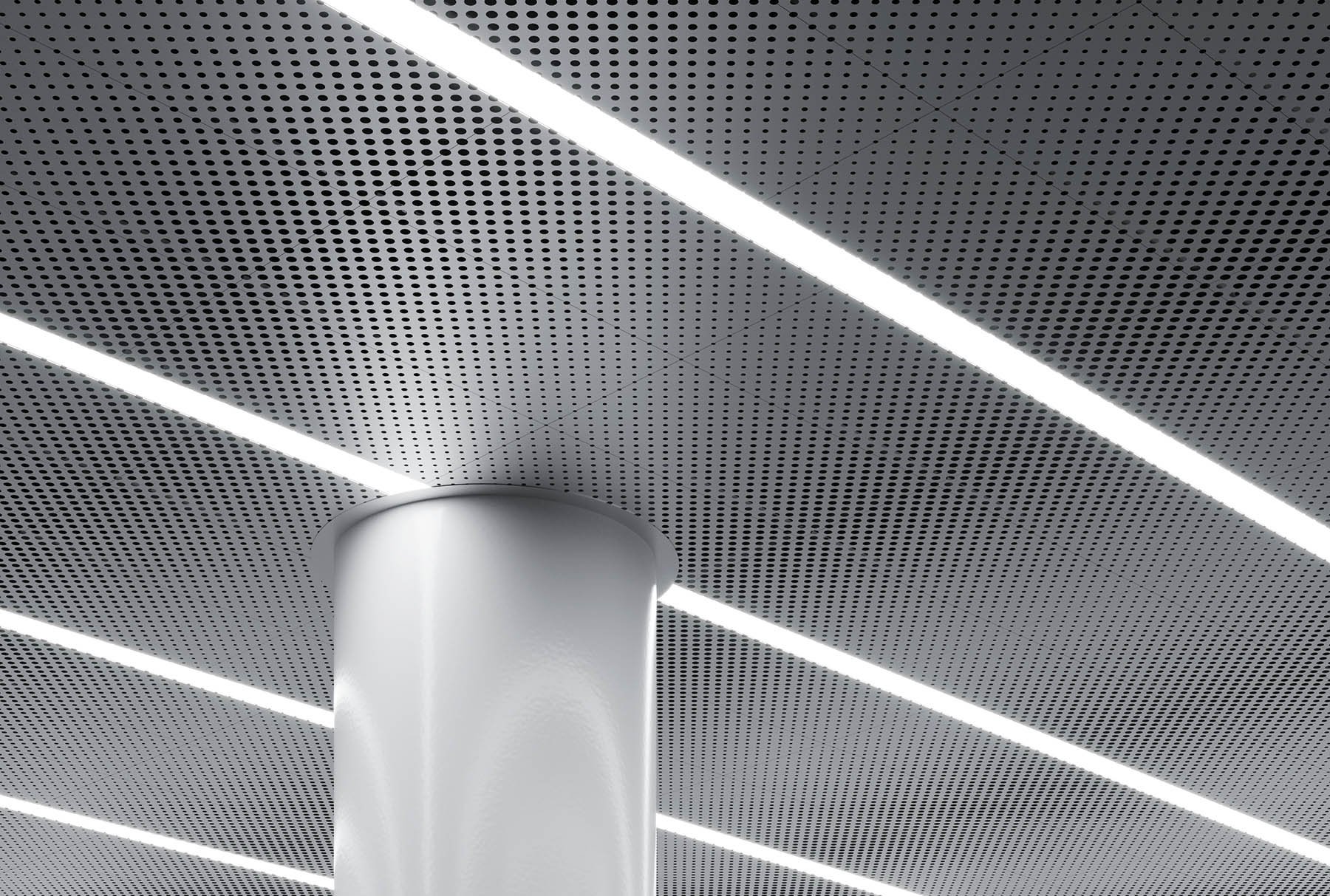
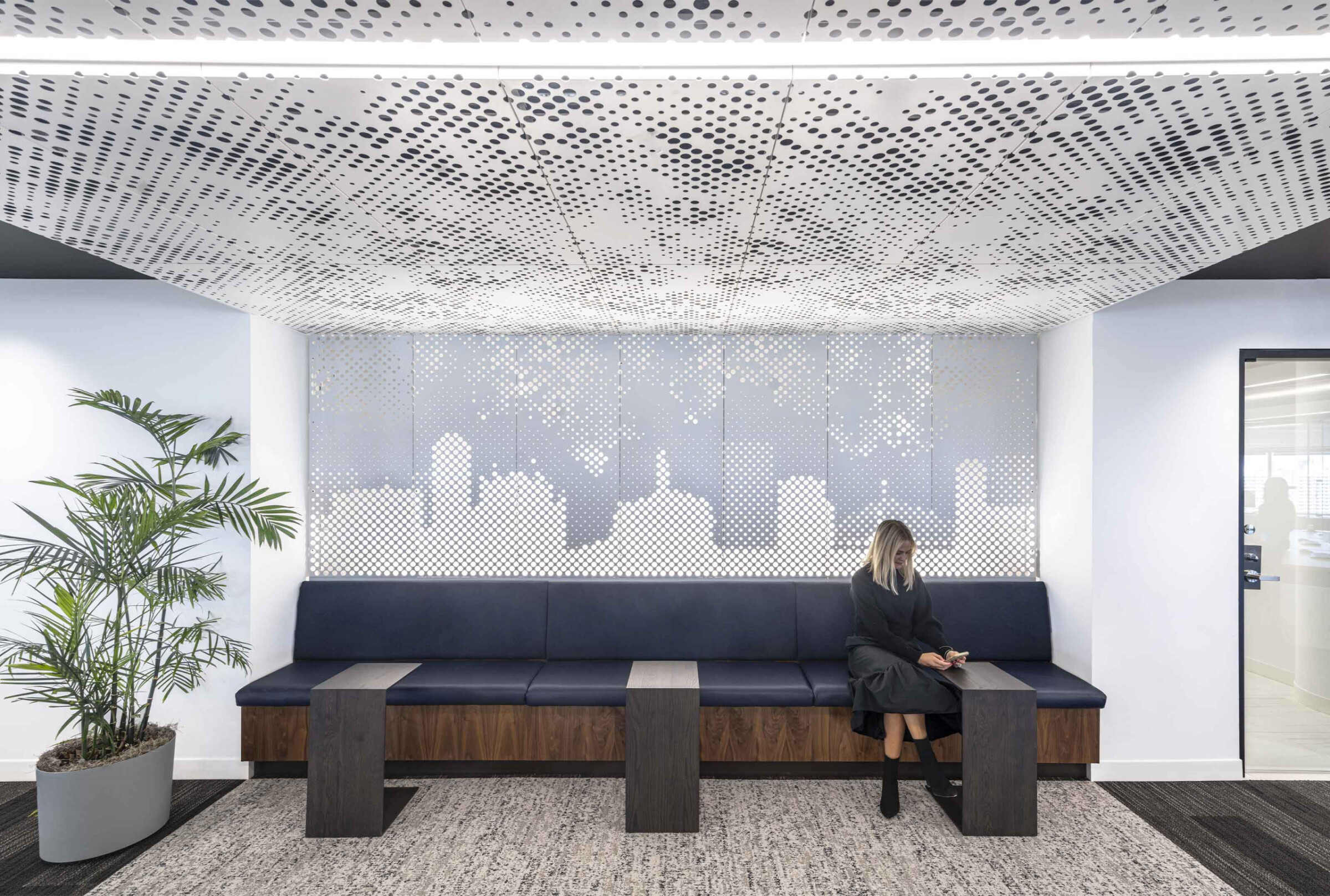
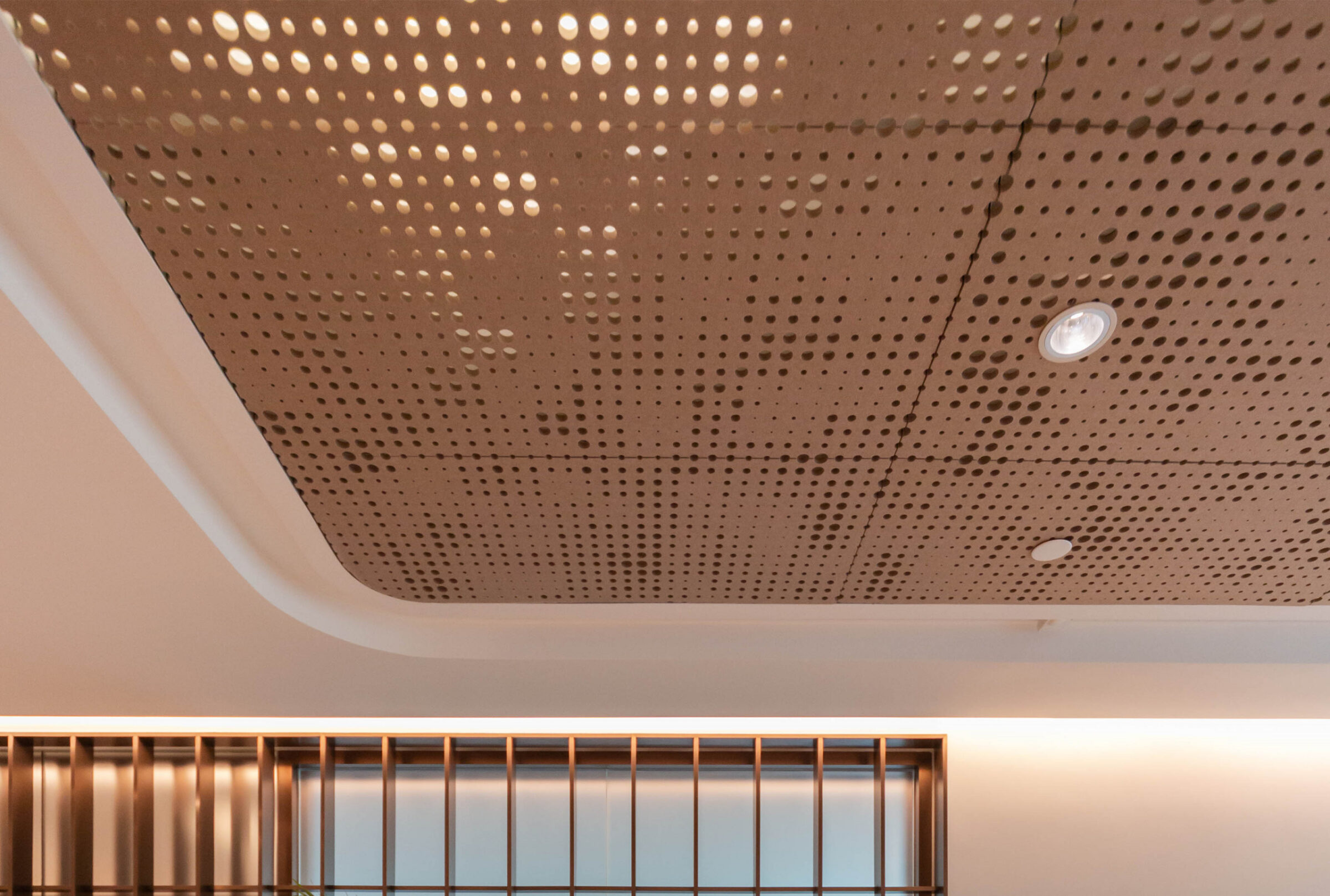
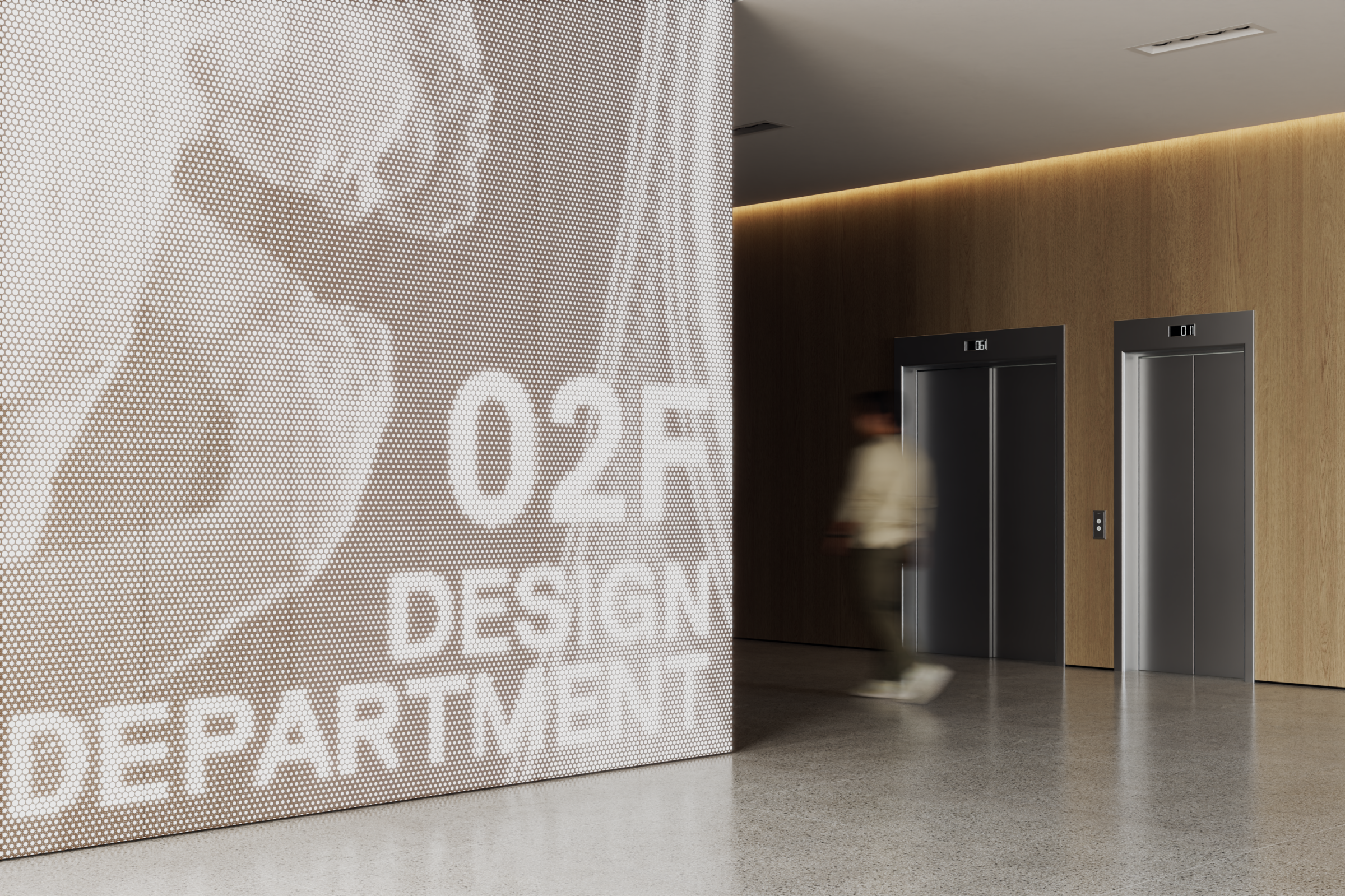
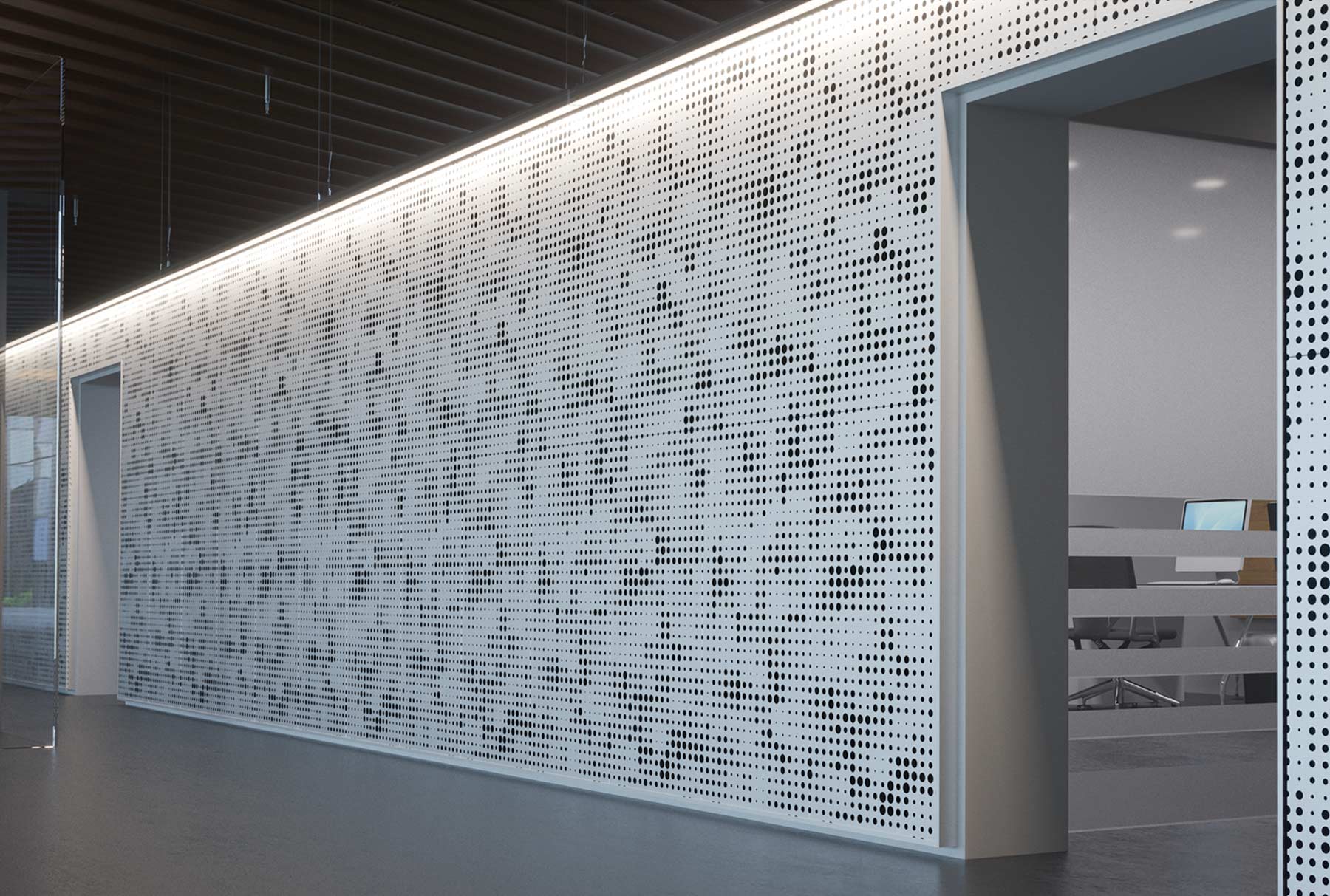
NOWN fabrique des éléments de plafond — qu'il s'agisse de CircuLUM™ aluminium, aSOFT™ Feutre PET, ou InfiKnit™ textile — conforme au cahier des charges du projet. Les modules sont livrés avec les dimensions, les finitions et les détails de raccordement appropriés. Aucune découpe sur chantier n’est nécessaire. L’équipe de pose travaille à partir d’un ensemble de composants prêts à l’emploi, et non d’un ensemble de panneaux surdimensionnés.
Impact du programme
Dans la plupart des projets commerciaux, la pose du plafond intervient à un stade avancé du calendrier des travaux — après la structure, après la première phase d’installation des équipements techniques, souvent en parallèle avec d’autres corps de métier chargés des finitions. Le raccourcissement du calendrier à ce stade a des répercussions en aval sur la mise en service, l’installation du mobilier et la remise des clés.
Un système de plafond ne nécessitant aucune fabrication sur chantier élimine la cause la plus courante de retard lors des installations de plafonds. Lorsque les dimensions sont correctes, l'installation se déroule au rythme imposé par le système d'assemblage, et non à celui dicté par la résolution des problèmes.
La qualité à la remise des clés
La fabrication en usine permet également d'obtenir des finitions de meilleure qualité que les solutions appliquées sur chantier. Les finitions par thermolaquage sur CircuLUM™ l'aluminium, la densité du matériau et l'uniformité de la surface de aSOFT™ le feutre en PET, et la précision géométrique de InfiKnit™ textiles — tous sont issus de conditions de fabrication contrôlées qui ne peuvent être reproduites sur place.
Découvrez la gamme de systèmes de plafonds préfabriqués de NOWN →