
Le PET recyclé dans l'architecture : au-delà des arguments marketing
22 avril 2026
-2 min lire
Le feutre en PET est désormais un matériau couramment utilisé dans les cahiers des charges. Voici ce que signifie réellement la mention relative à la teneur en matériaux recyclés, comment cela influe sur les performances et ce que les architectes doivent vérifier avant de l'intégrer dans leurs cahiers des charges.
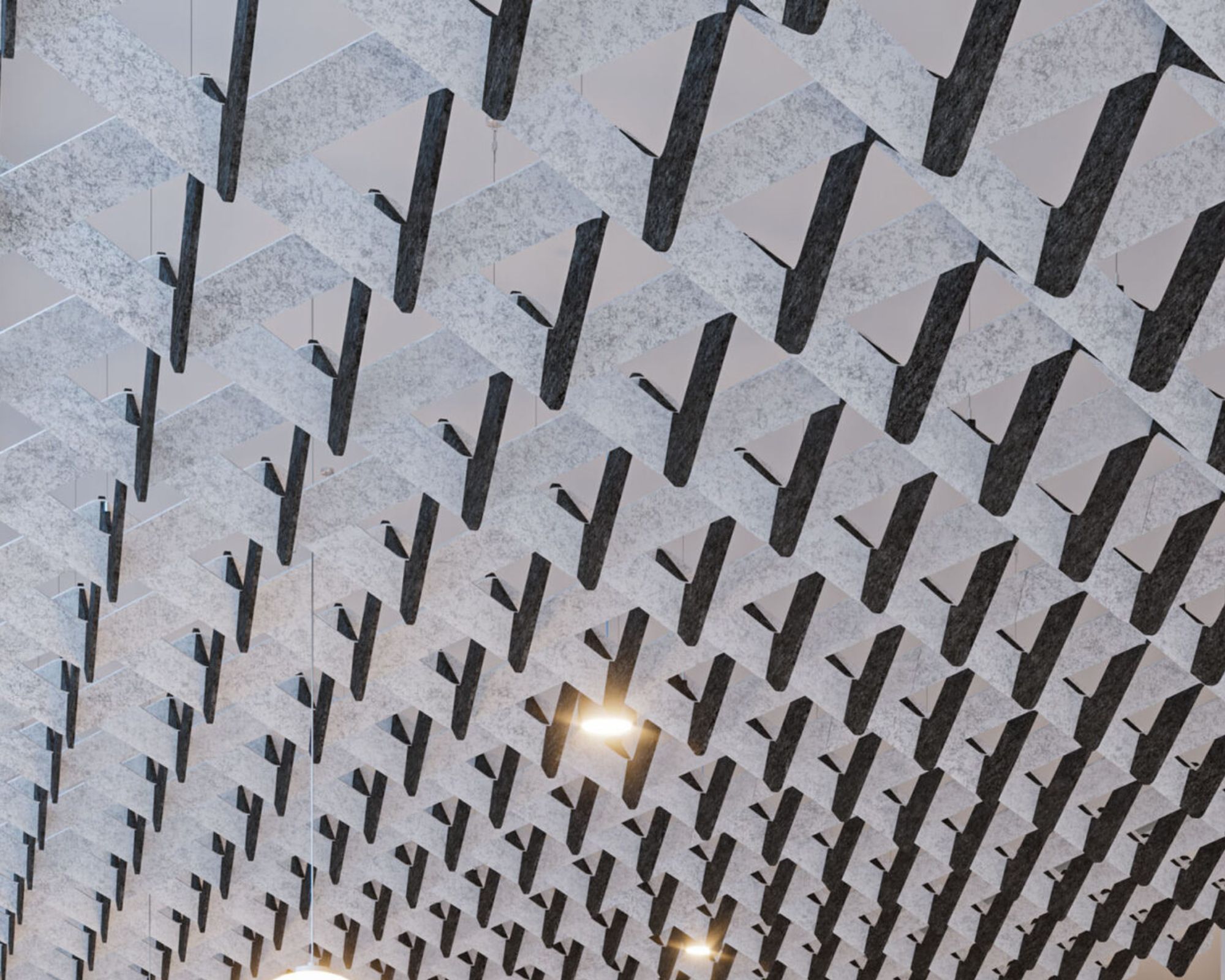
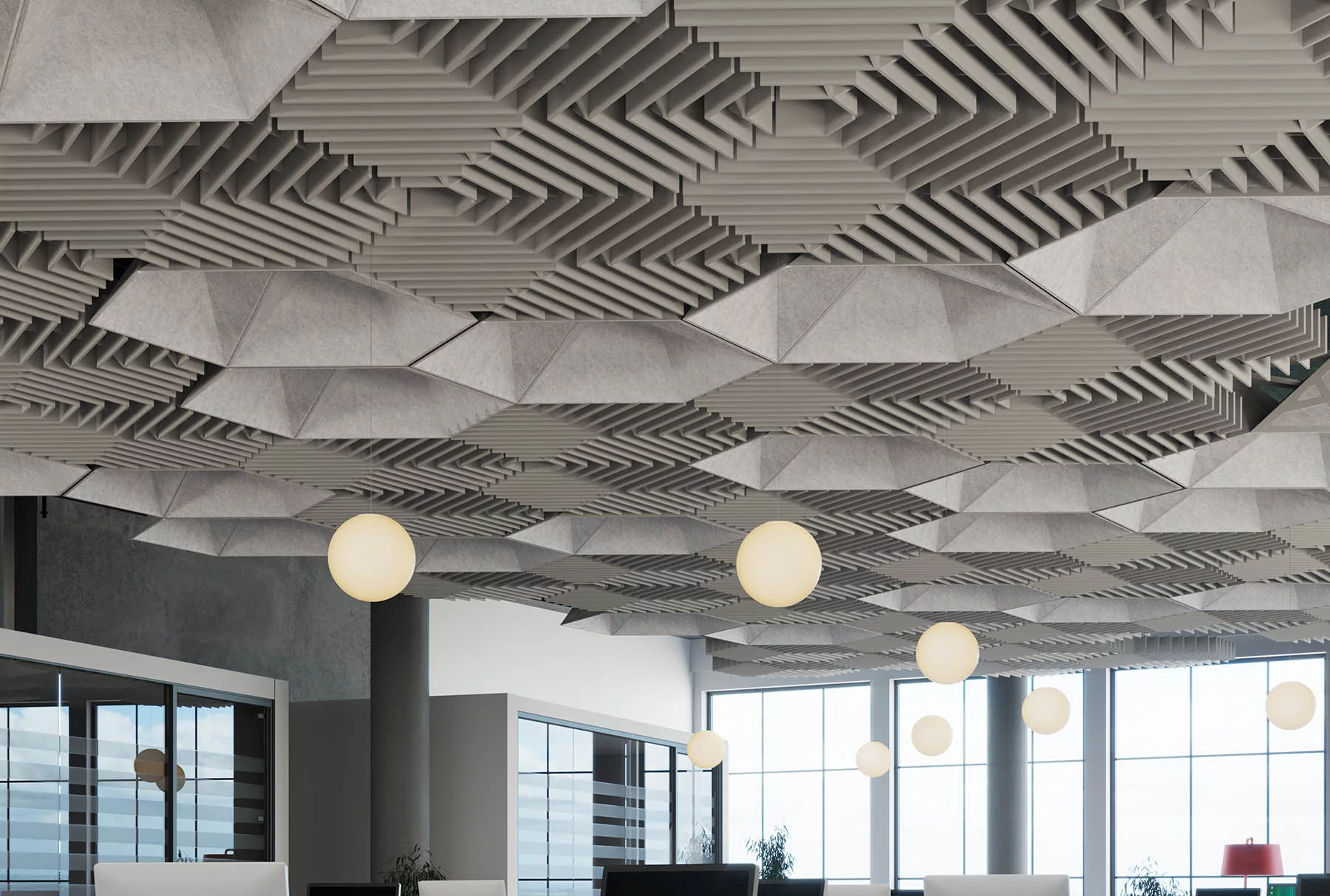
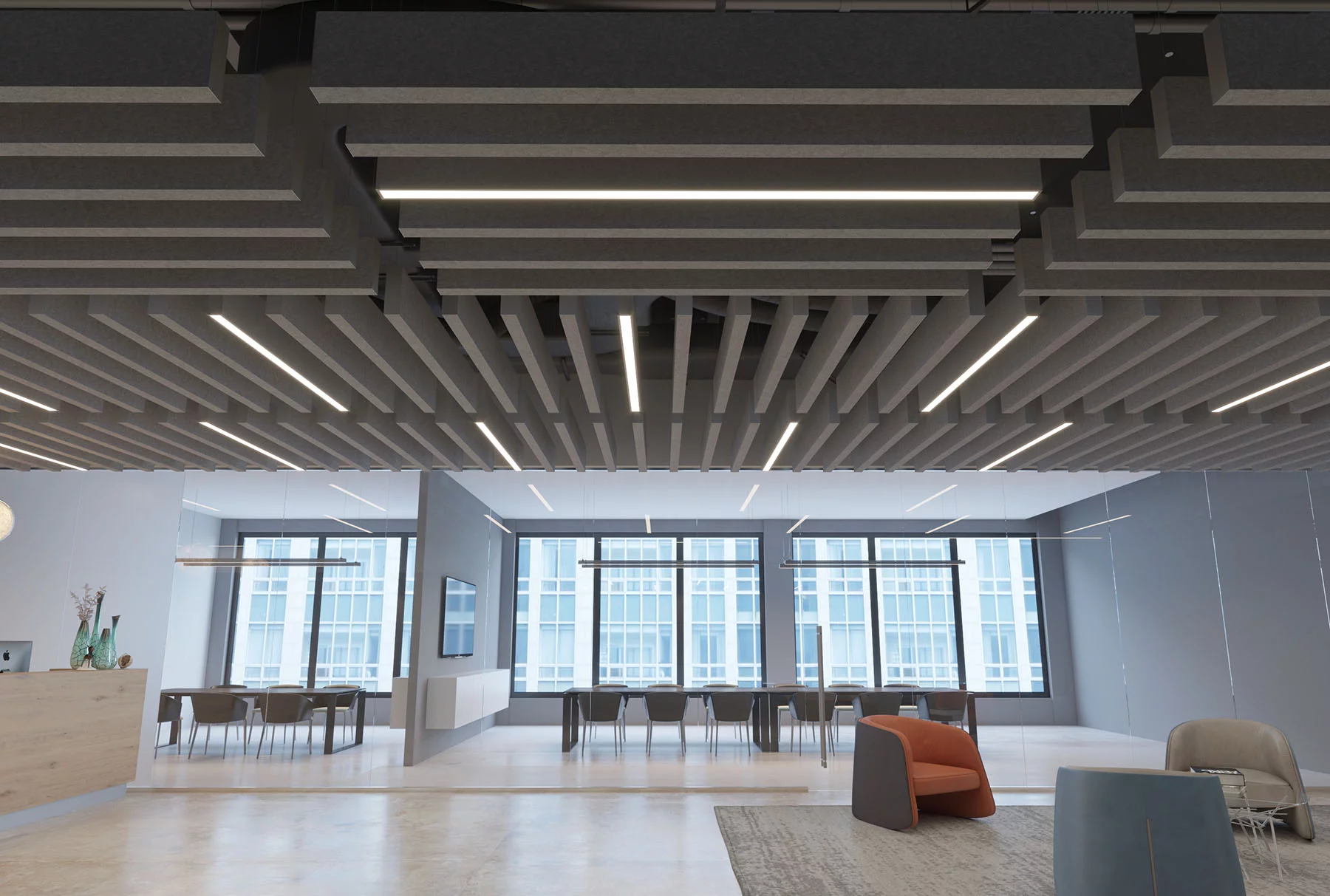
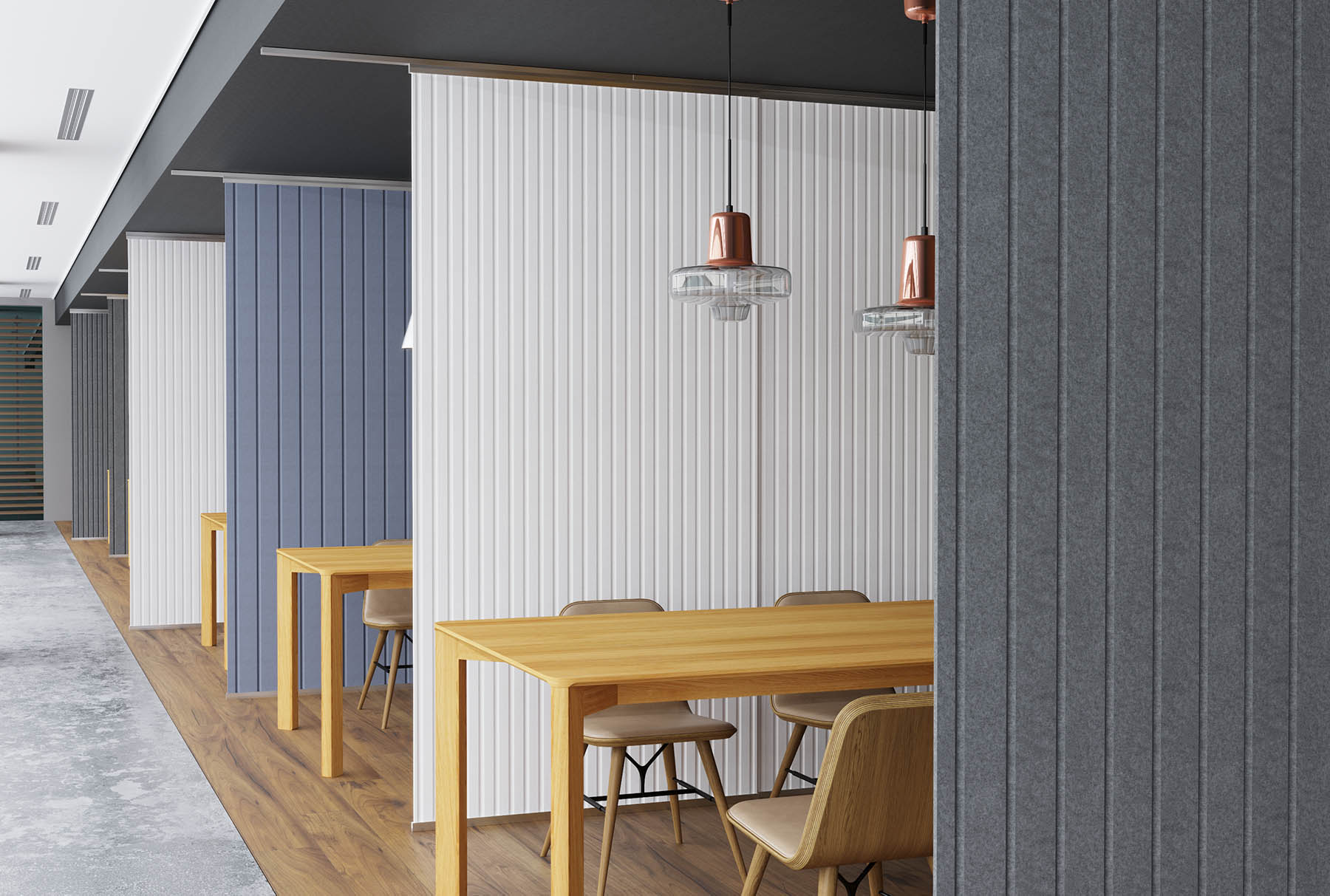
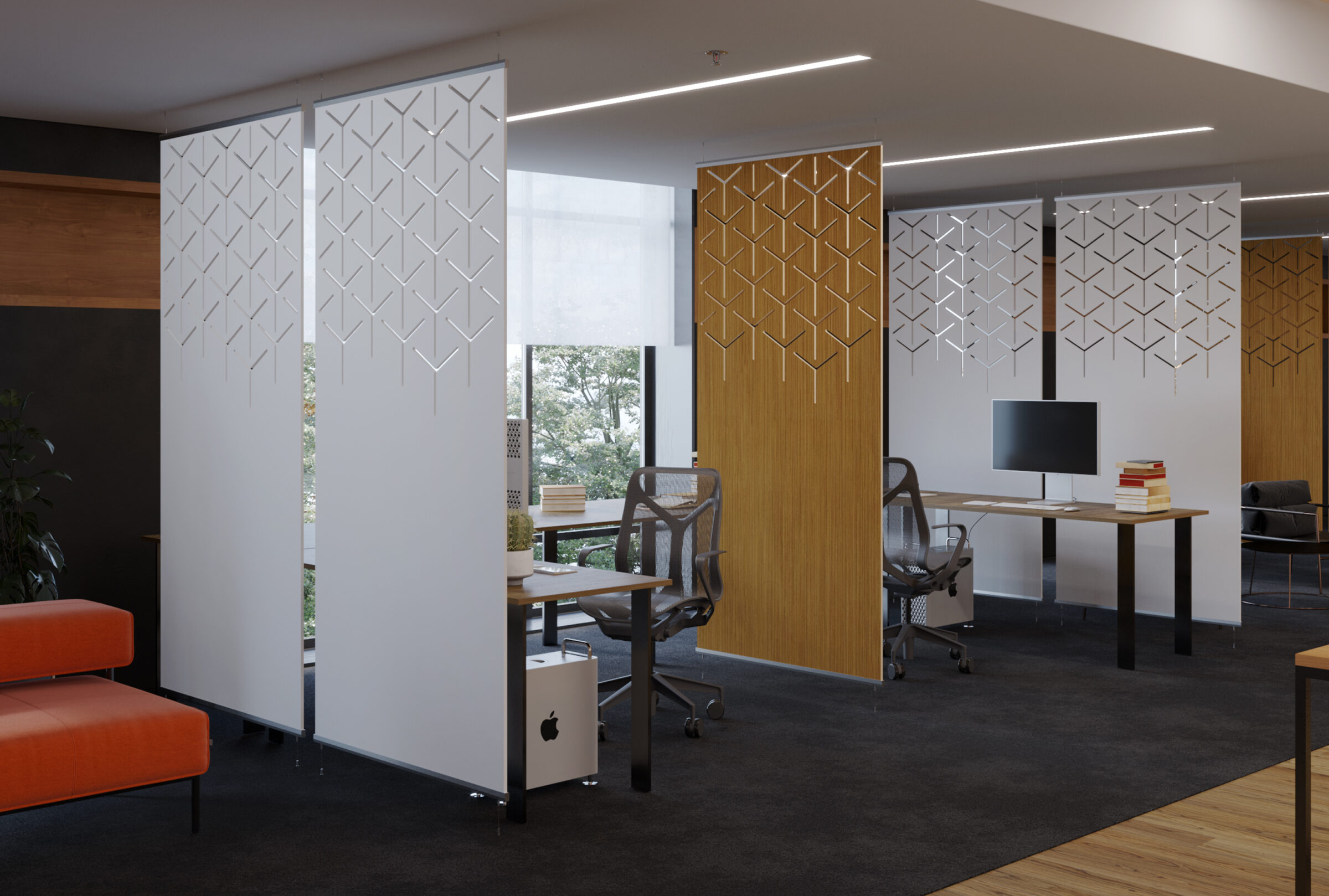
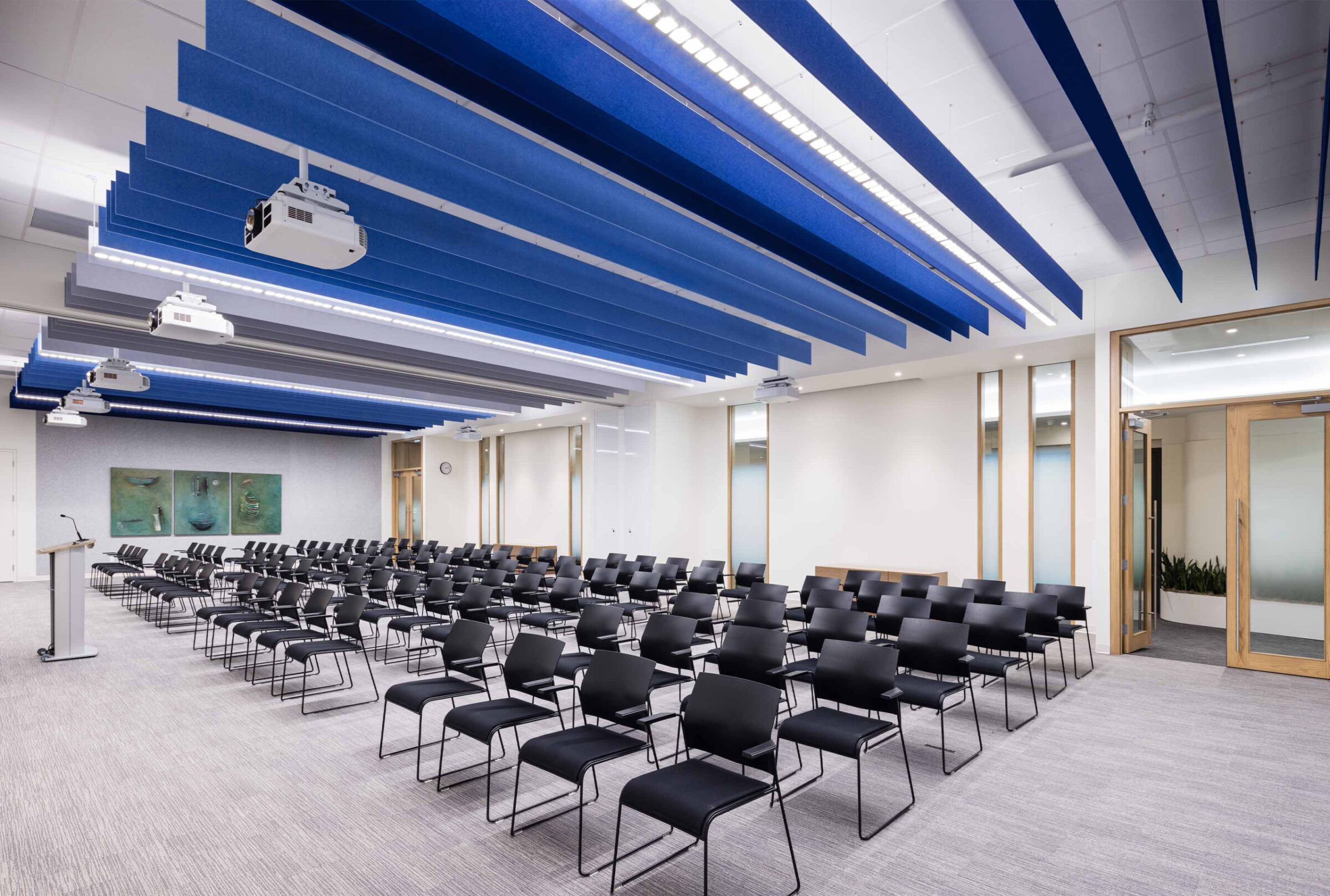
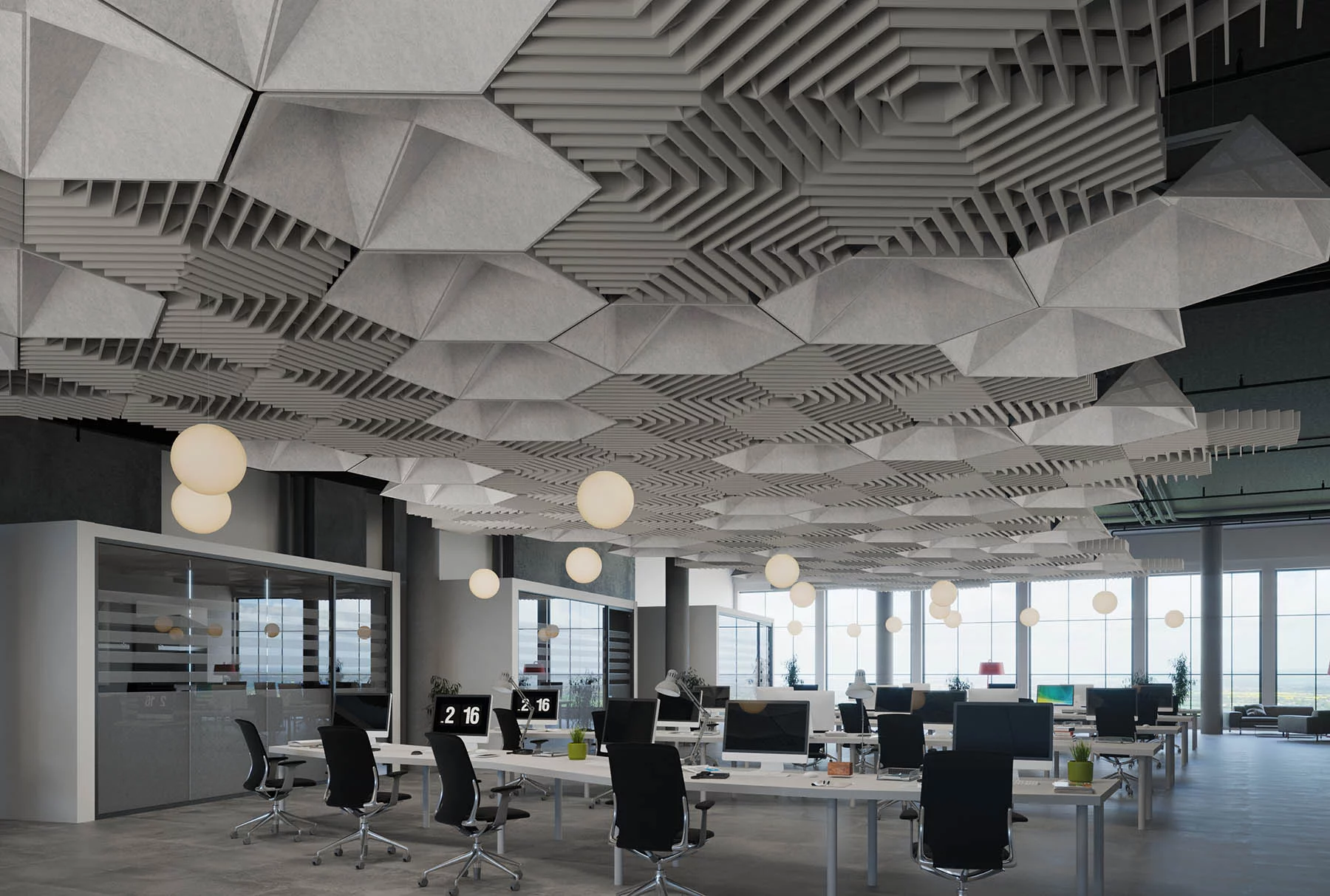
Au cours de la dernière décennie, le feutre en PET recyclé est devenu un choix courant dans l’architecture d’intérieur commerciale. On le retrouve dans les panneaux acoustiques, les déflecteurs de plafond, les revêtements muraux et les paravents de bureau. Il est systématiquement présenté comme un matériau durable — ce qu’il peut effectivement être, mais cette affirmation mérite davantage de précision qu’on ne le lui accorde généralement.
Qu'est-ce que le PET recyclé, au juste ?
Le PET (polyéthylène téréphtalate) est un polymère utilisé dans de nombreuses applications d'emballage, notamment les bouteilles en plastique. Le PET recyclé post-consommation est un matériau qui a achevé son premier cycle de vie, a été collecté et traité, puis réintroduit dans la chaîne de production en tant que matière première pour un nouveau produit.
La validité d'une allégation relative à la teneur en matériaux recyclés dépend du pourcentage de matériaux issus de la consommation finale et de la vérifiabilité de ce chiffre. Un produit décrit comme « fabriqué à partir de matériaux recyclés » peut contenir aussi bien un faible pourcentage de chutes issues de la production industrielle qu'un pourcentage élevé de matières premières véritablement issues de la consommation finale. Ces deux cas ne présentent pas le même niveau de durabilité.
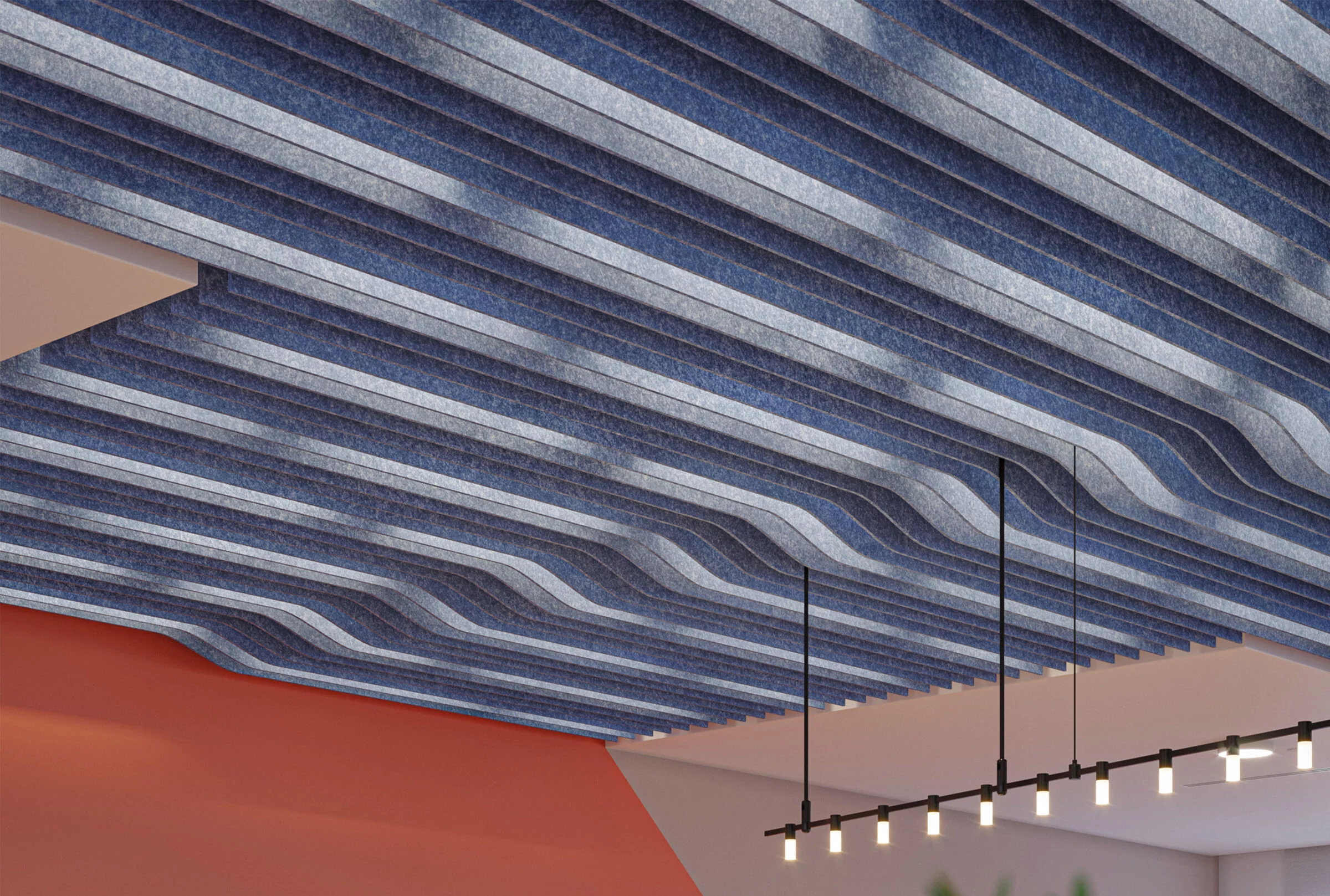
NOWN’s aSOFT™ est fabriqué à partir de 60 % de PET recyclé. Ce chiffre est vérifiable et attesté par la certification SCS relative à l'approvisionnement responsable. Pour les architectes chargés de constituer le dossier technique des matériaux dans le cadre des demandes de certification LEED ou BREEAM, la différence entre un chiffre vérifiable et un argument marketing a son importance.
Performance et développement durable
Les arguments en faveur de la durabilité d'un matériau doivent venir compléter les données de performance, et non s'y substituer. aSOFT™ atteint des indices NRC effectifs allant jusqu'à 0,95 — un résultat très performant qui s'applique directement aux objectifs de conception acoustique dans les environnements commerciaux, éducatifs et hôteliers.
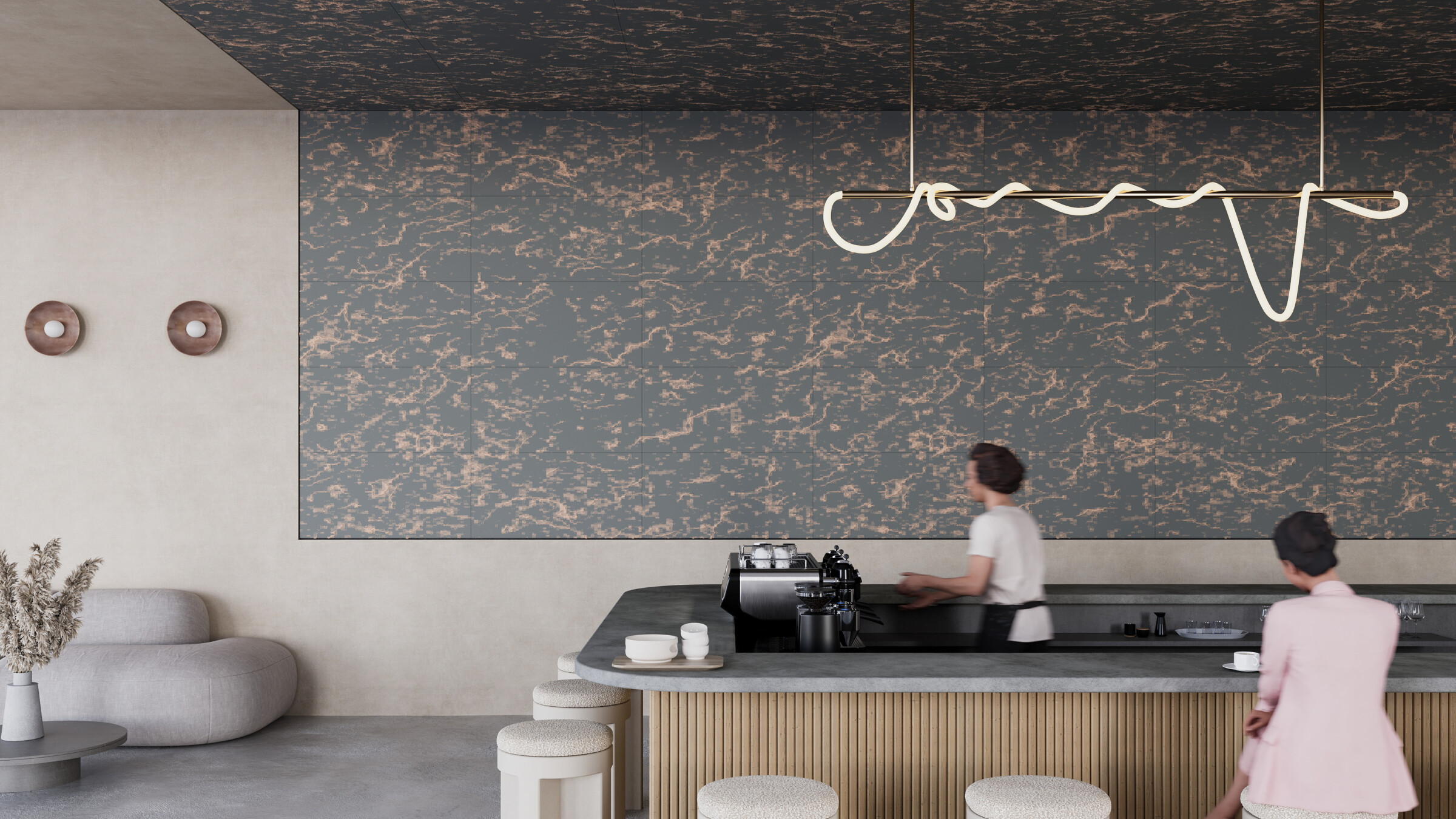
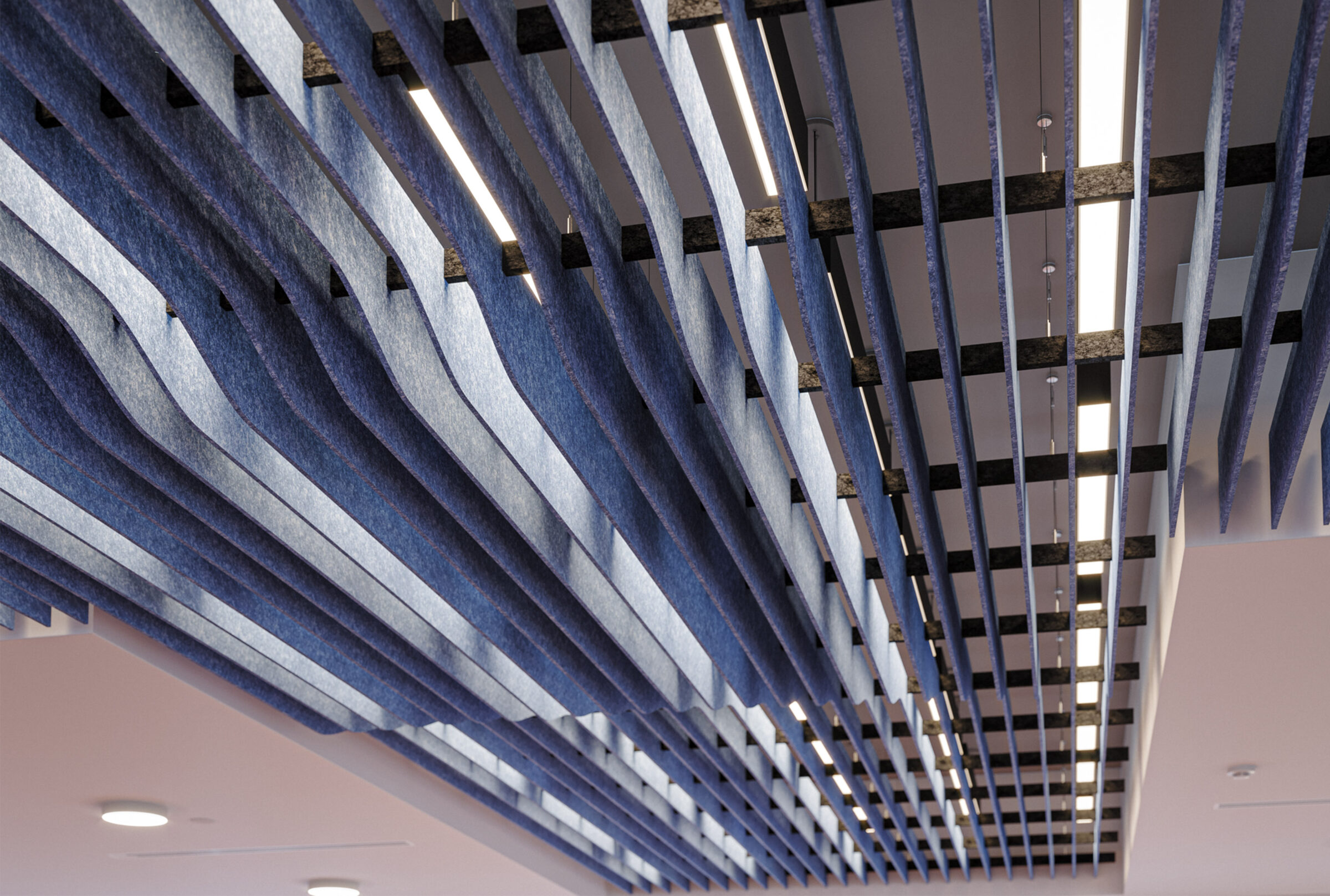
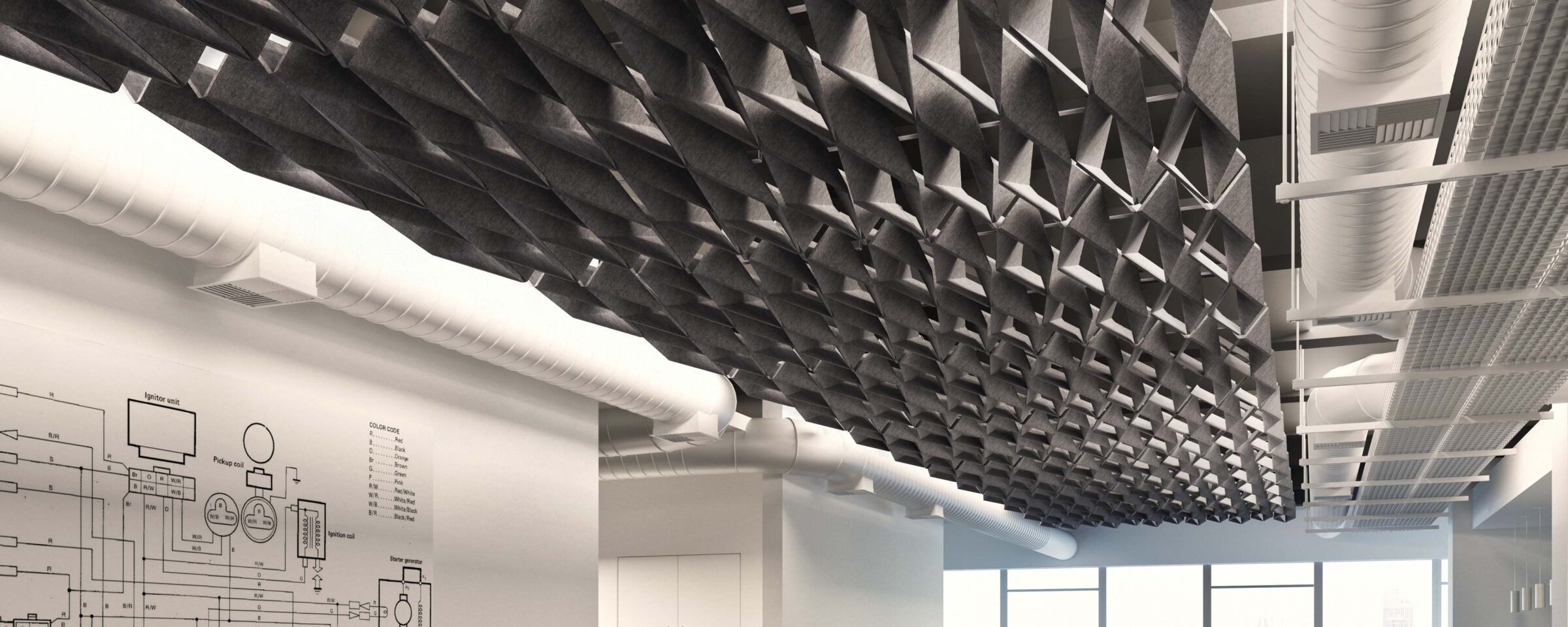
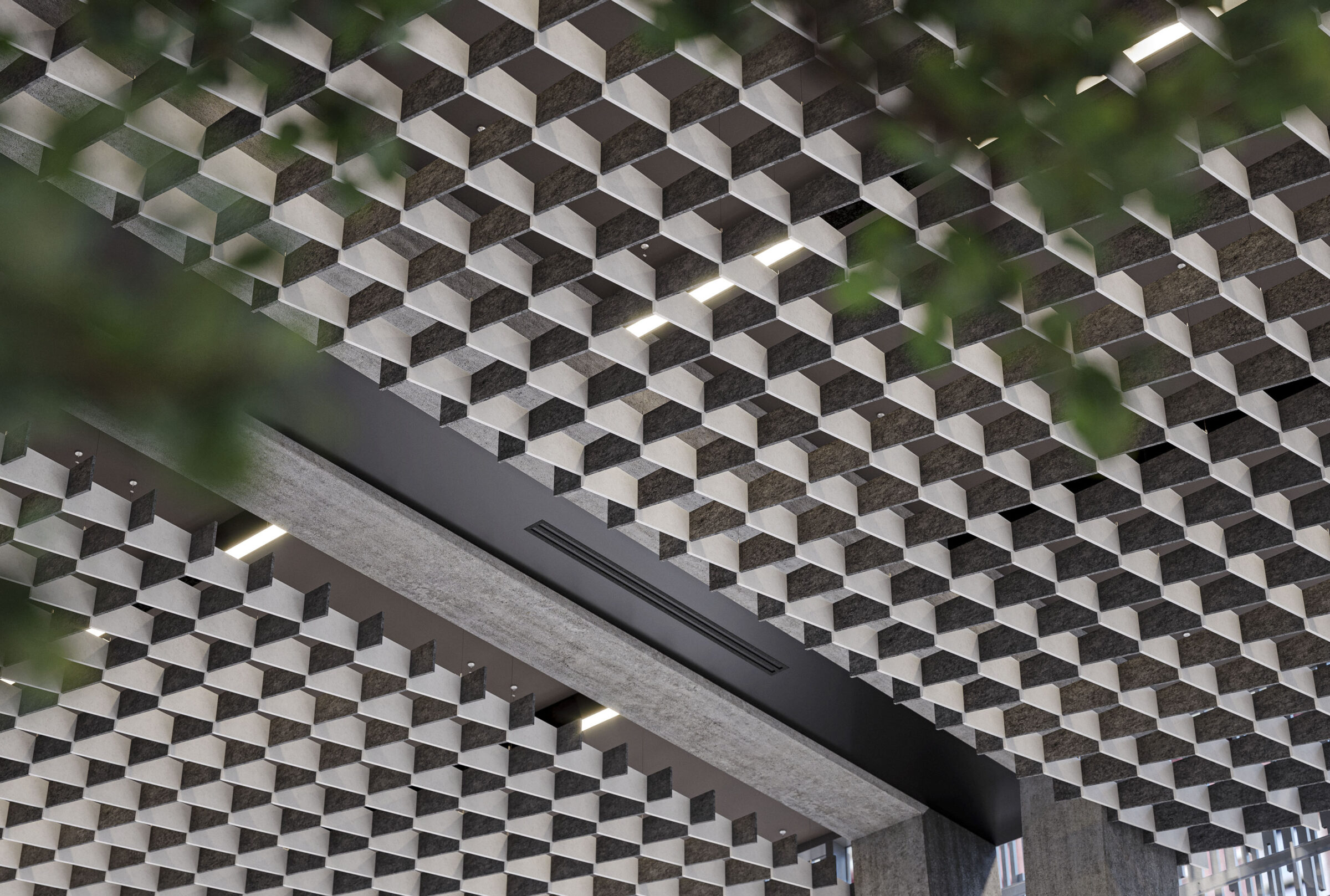
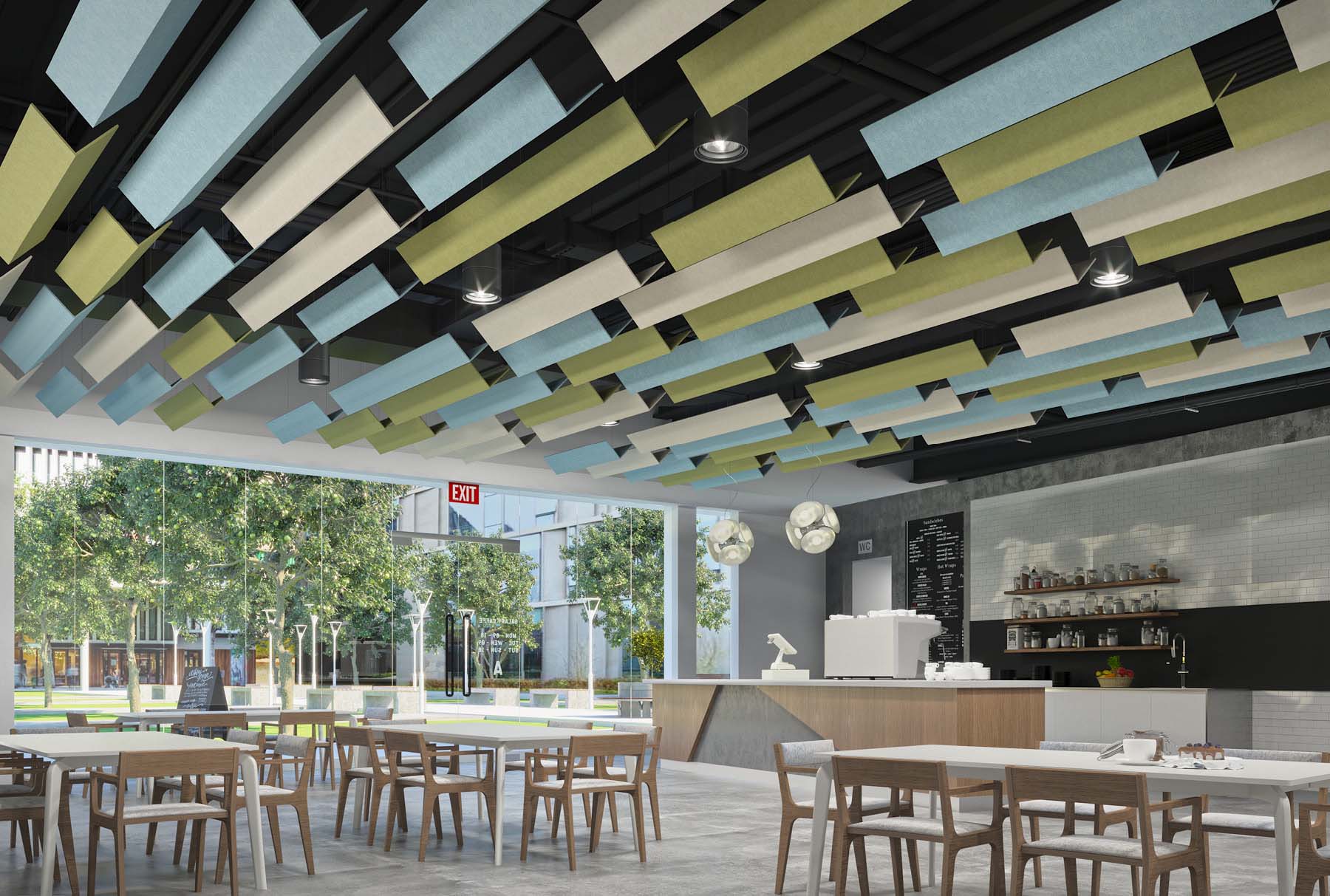
Au sein de NOWN, Atmosphera® système de plafond, aSOFT™ est disponible dans une vaste gamme de couleurs, ce qui permet aux équipes de conception d'intégrer les performances acoustiques dans la stratégie globale de couleurs et de matériaux de l'espace, plutôt que de les considérer comme un simple élément technique neutre.
Installation et déchets
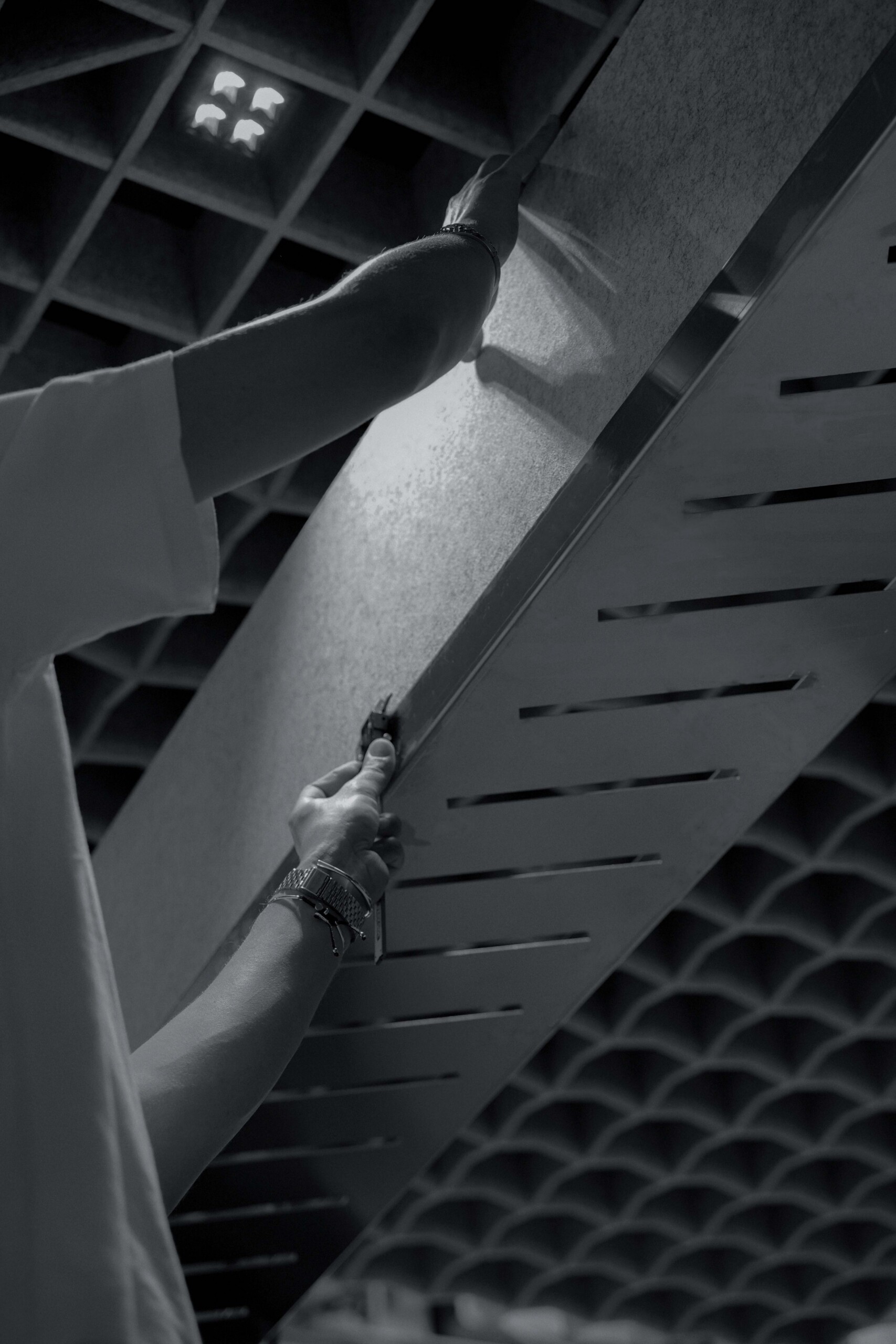
aSOFT™ Les modules sont fabriqués conformément au cahier des charges du projet. Aucune découpe sur chantier n'est nécessaire. Cela permet d'éliminer les déchets générés par la pose du plafond sur place : il n'y a donc pas de chutes de feutre PET à éliminer. Pour les projets qui gèrent rigoureusement leurs déchets de chantier, il s'agit là d'un avantage opérationnel direct.
Afficher aSOFT™ caractéristiques techniques et données de performance acoustique