


Recycled PET in Architecture: Beyond the Marketing Claim
April 22, 2026
·2 min read
PET felt has become a common specification material. Here’s what the recycled content claim actually means, how performance is affected, and what architects should verify before specifying.
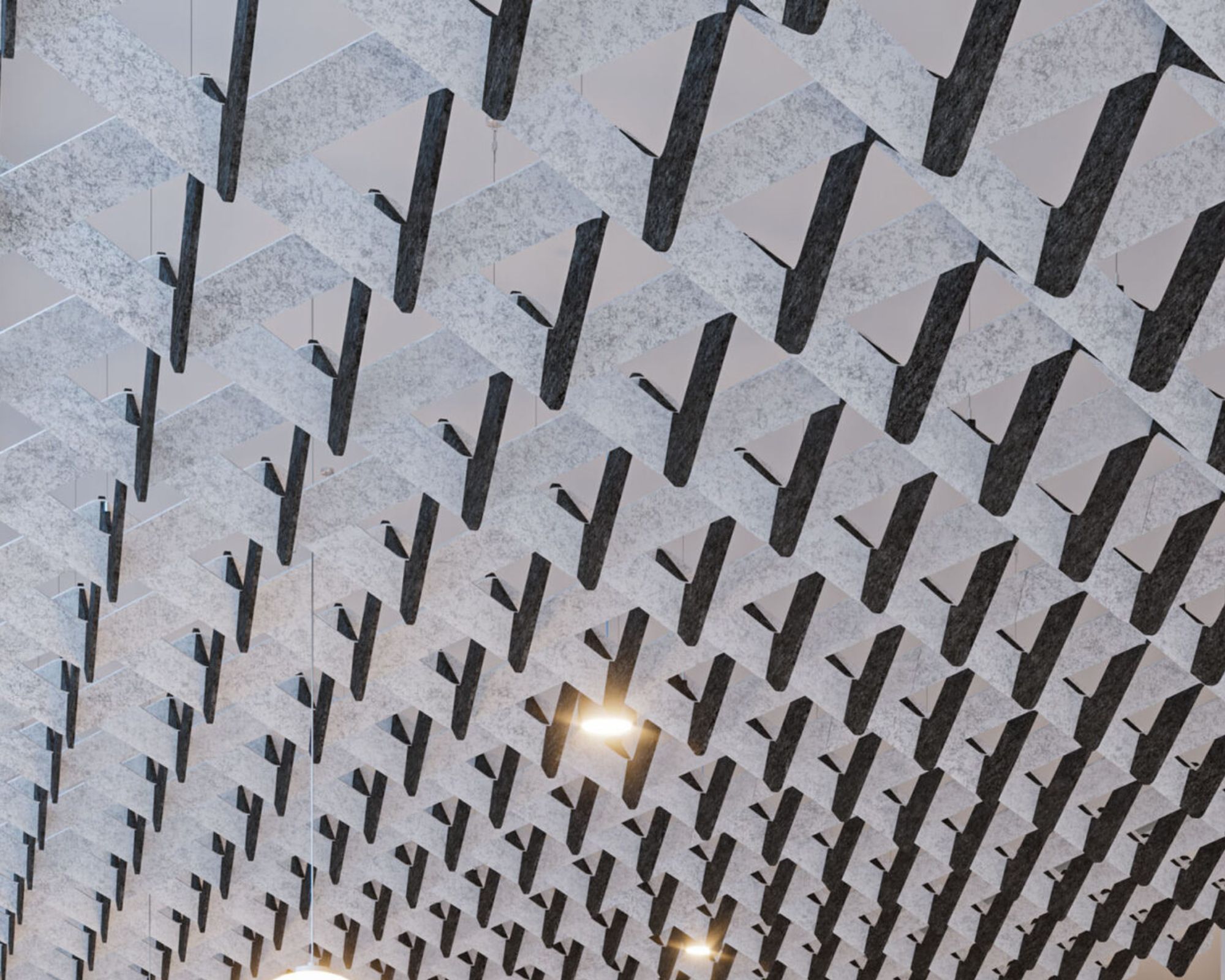
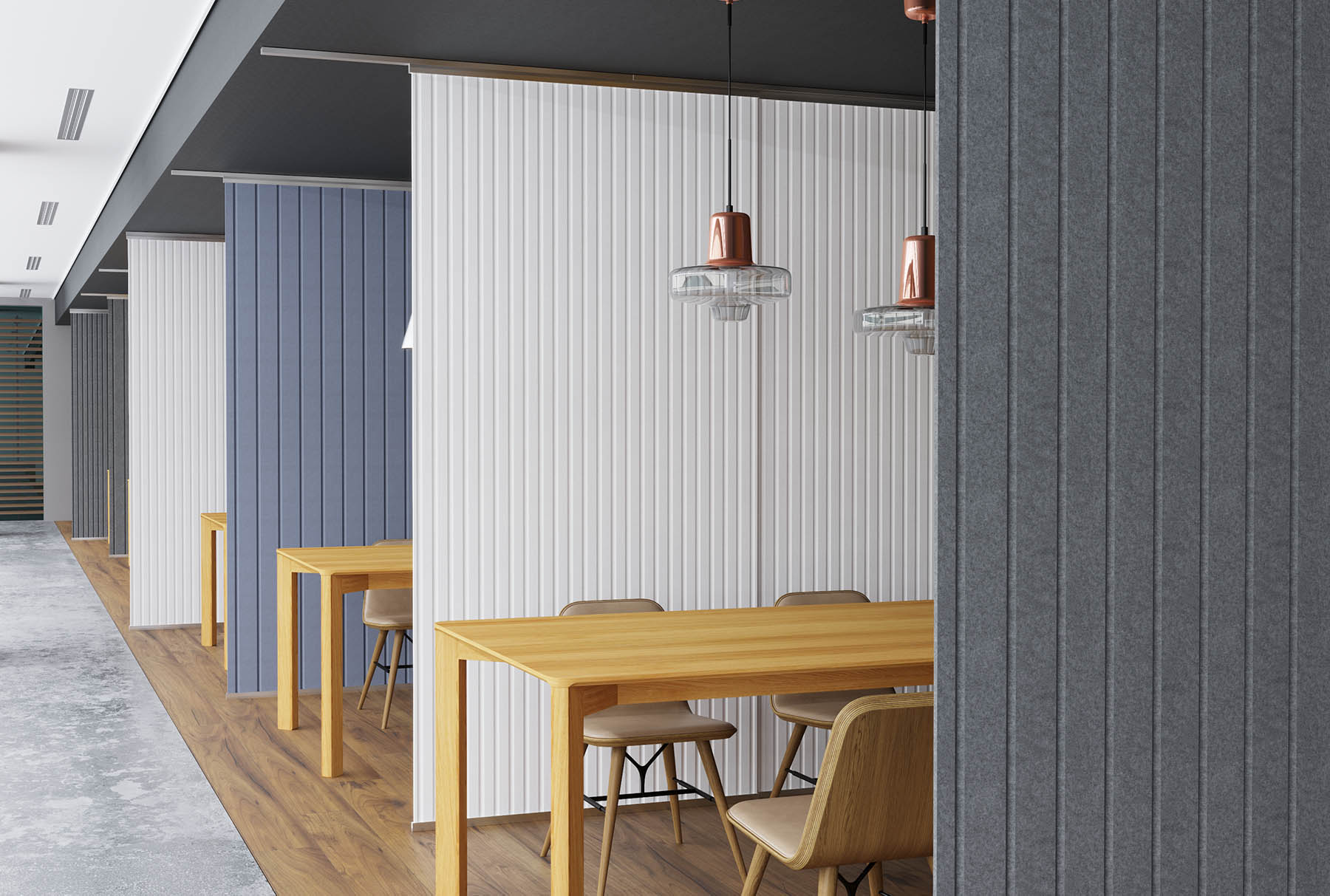
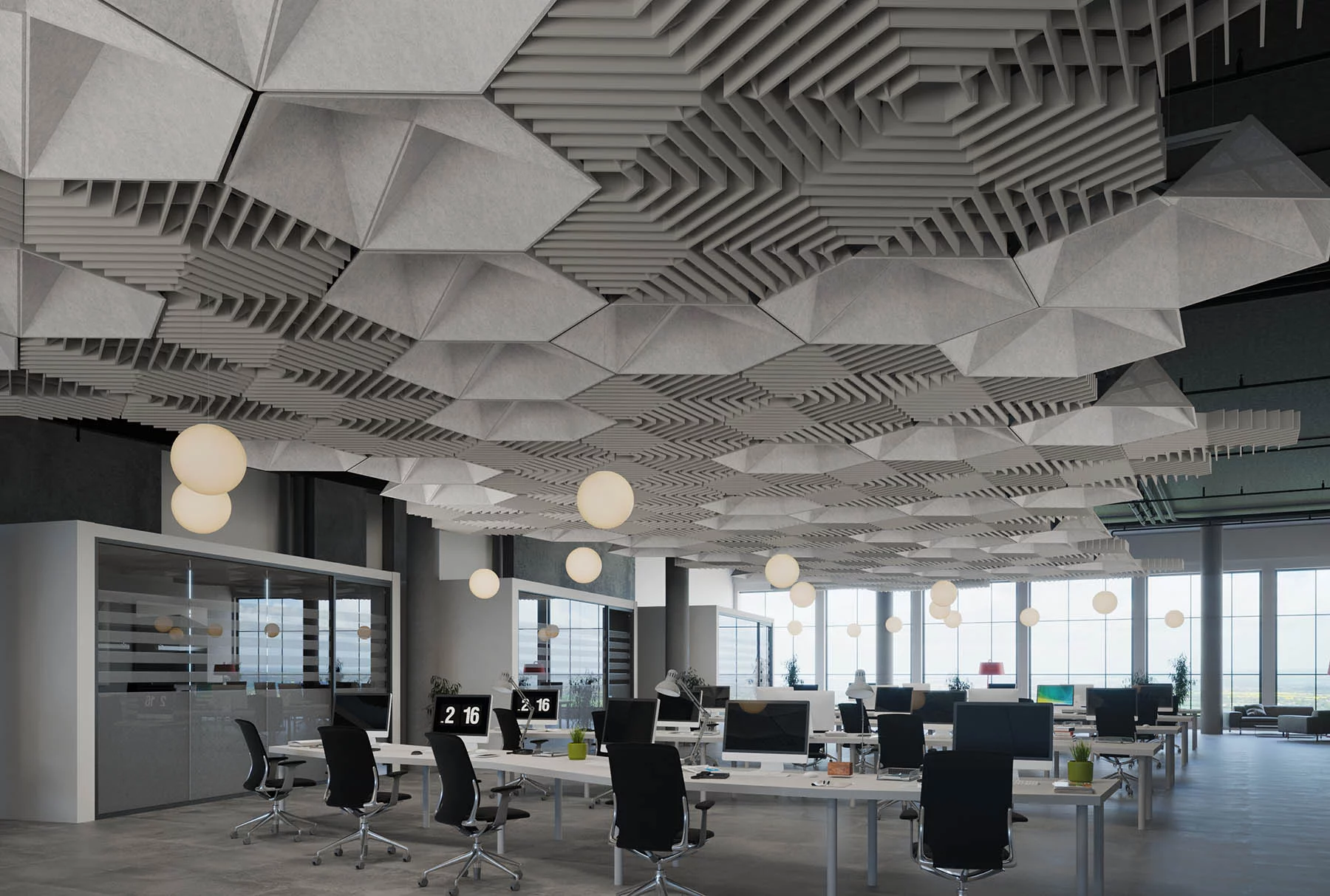
Recycled PET felt has become a standard specification option in commercial interior architecture over the past decade. It appears in acoustic panels, ceiling baffles, wall cladding, and desk-side screens. It is marketed consistently as a sustainable material — which it can be, but the claim requires more precision than it usually receives.
What Recycled PET Actually Is
PET — polyethylene terephthalate — is a polymer used in many packaging applications, including plastic bottles. Post-consumer recycled PET is material that has completed its first product lifecycle, been collected and processed, and re-entered the production chain as raw material for a new product.
The quality of the recycled content claim depends on the percentage of post-consumer material and the verifiability of that figure. A product described as “made from recycled materials” could contain anywhere from a small percentage of post-industrial trim waste to a high percentage of genuinely post-consumer feedstock. These are not equivalent sustainability positions.
NOWN’s aSOFT™ is manufactured from 60% recycled PET content. This figure is verifiable, and it is documented through SCS certification for responsible sourcing. For architects compiling material documentation for LEED or BREEAM submissions, the difference between a verifiable figure and a marketing claim matters.
Performance Alongside Sustainability
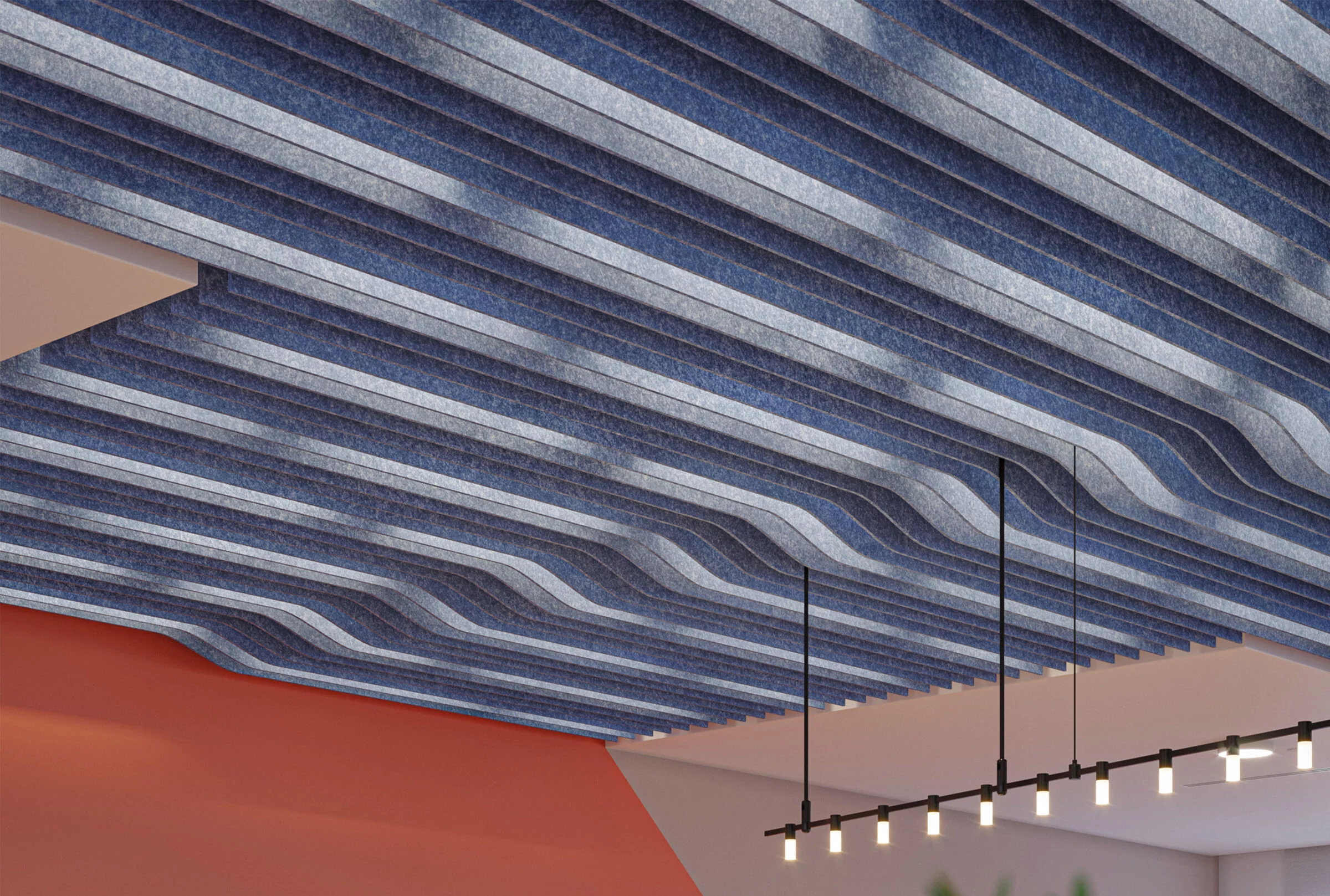
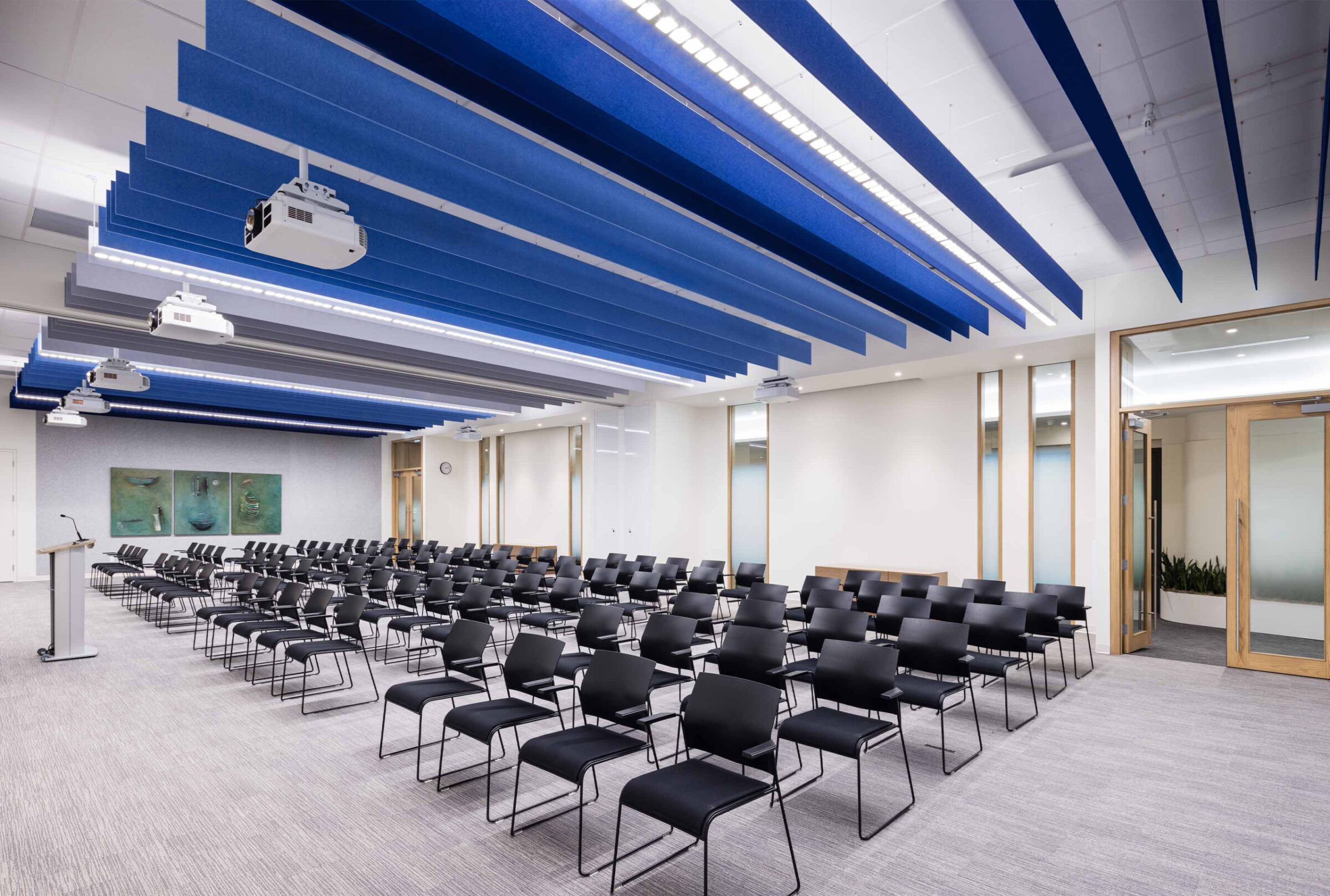
The sustainability case for a material needs to sit alongside performance data, not substitute for it. aSOFT™ achieves Effective NRC ratings up to 0.95 — a high-performing result that is directly applicable to acoustic design targets in commercial, education, and hospitality environments.
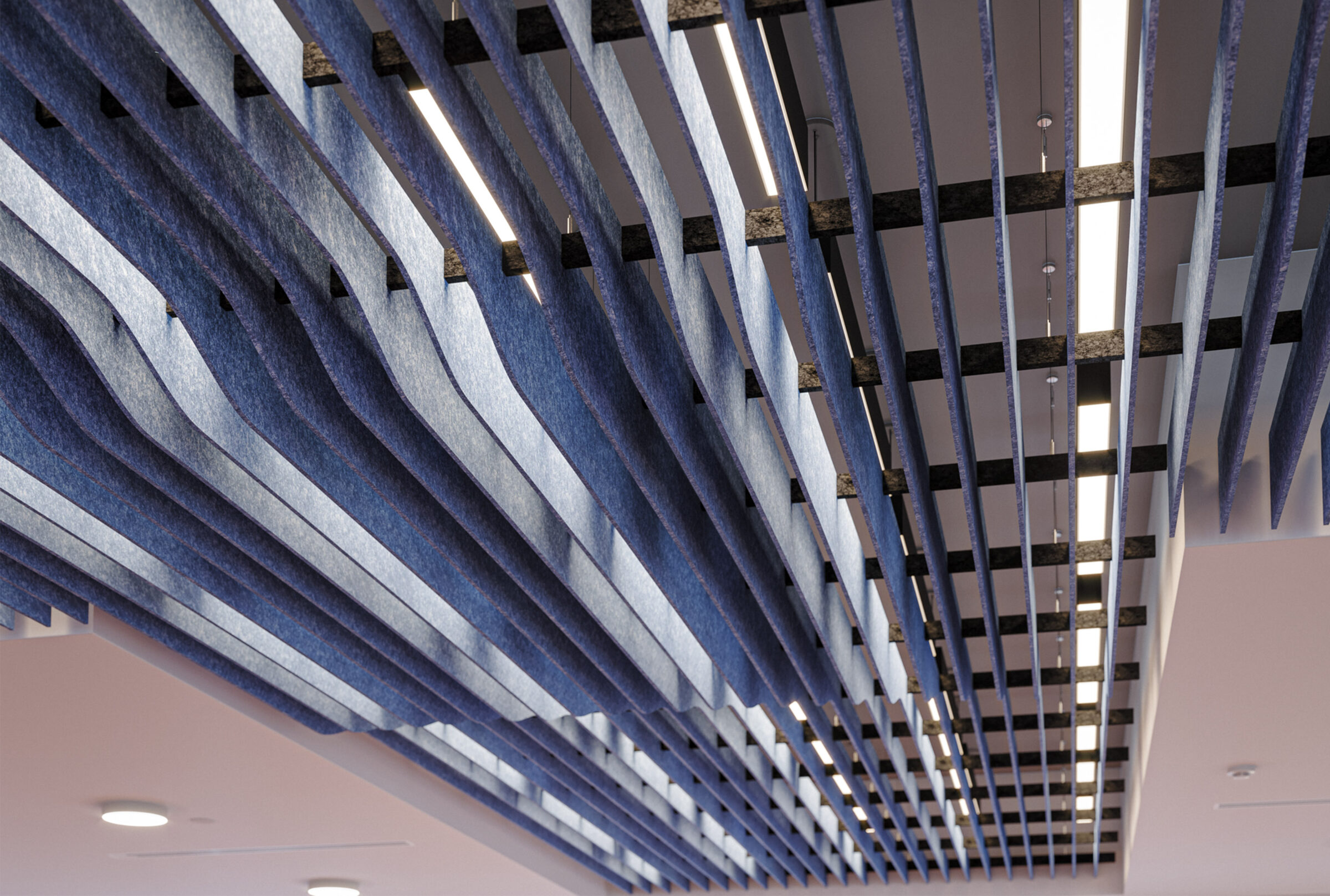
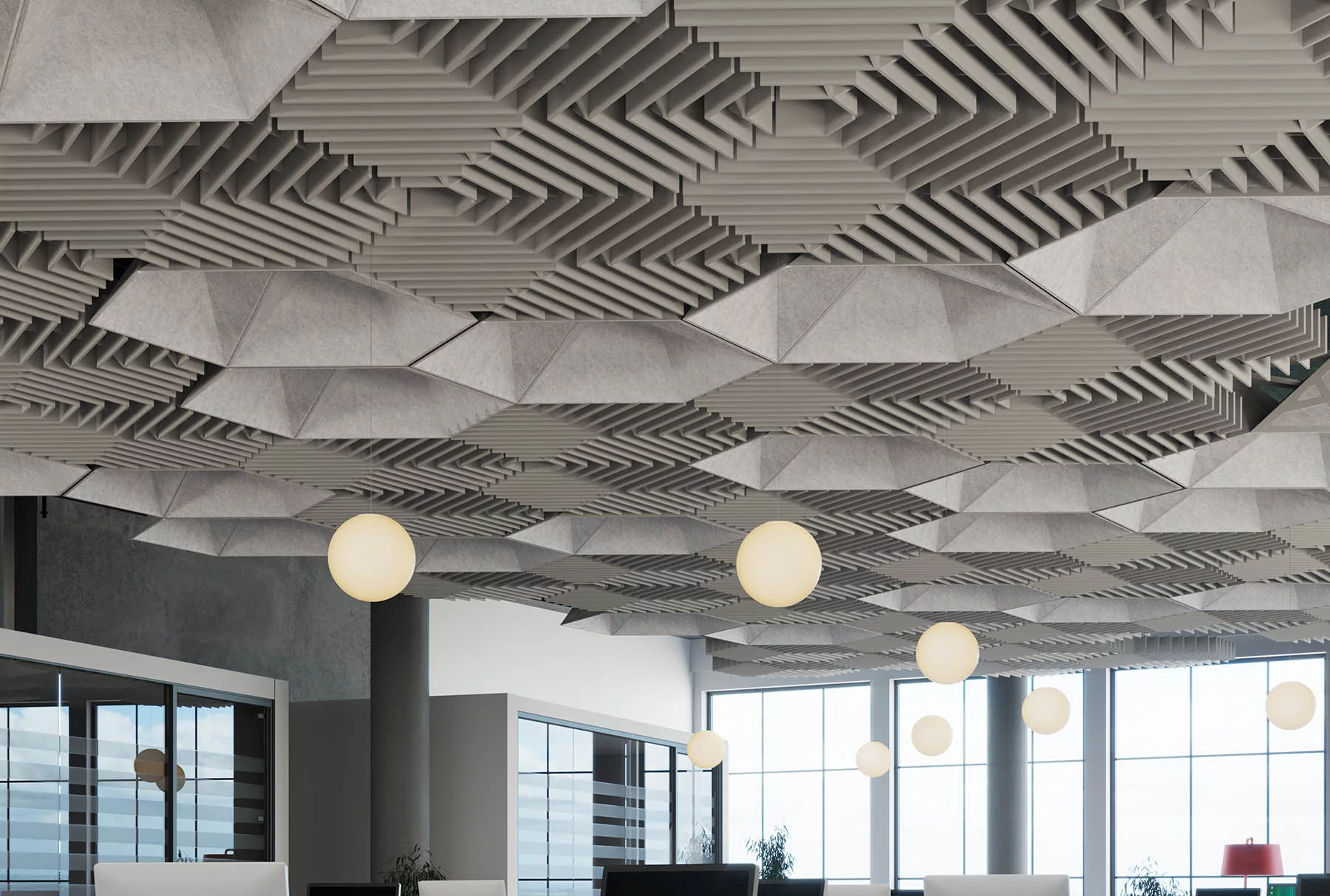
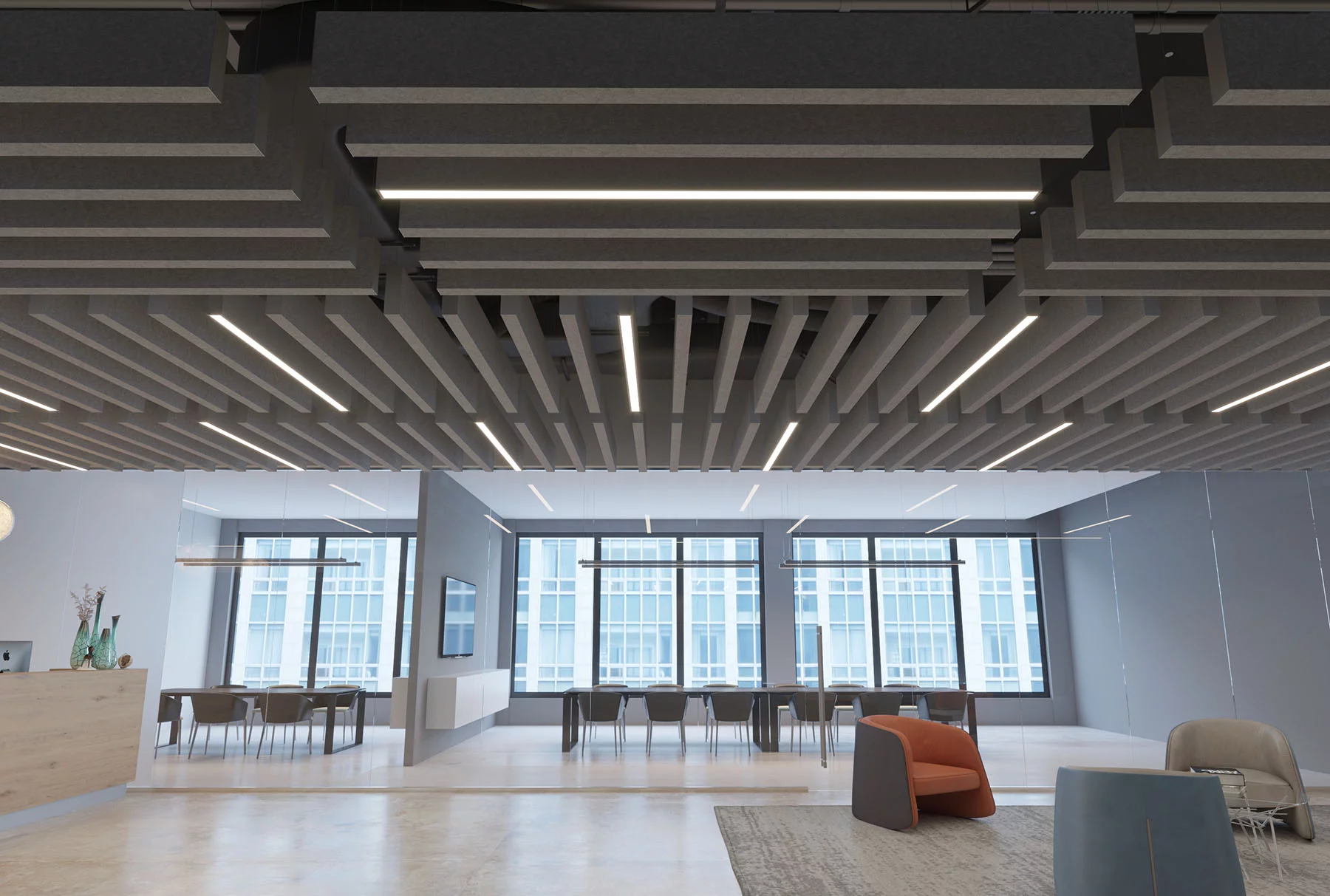
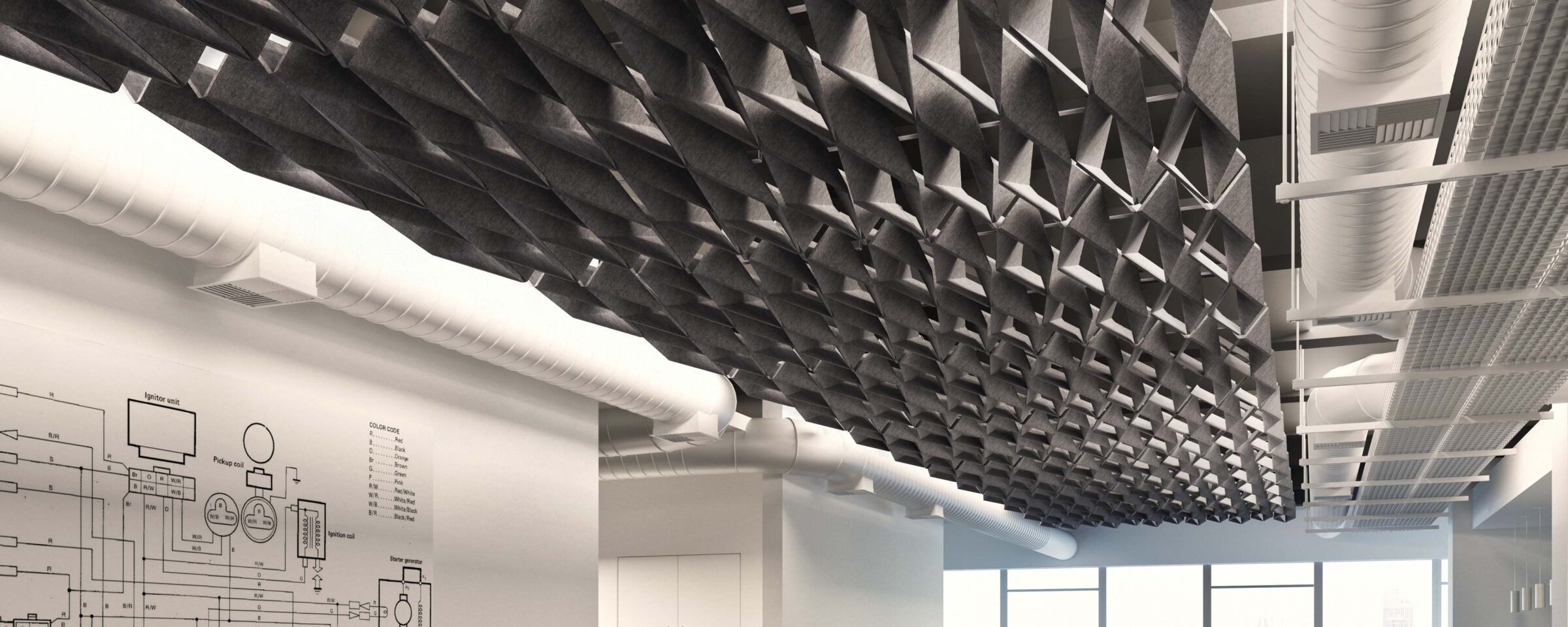
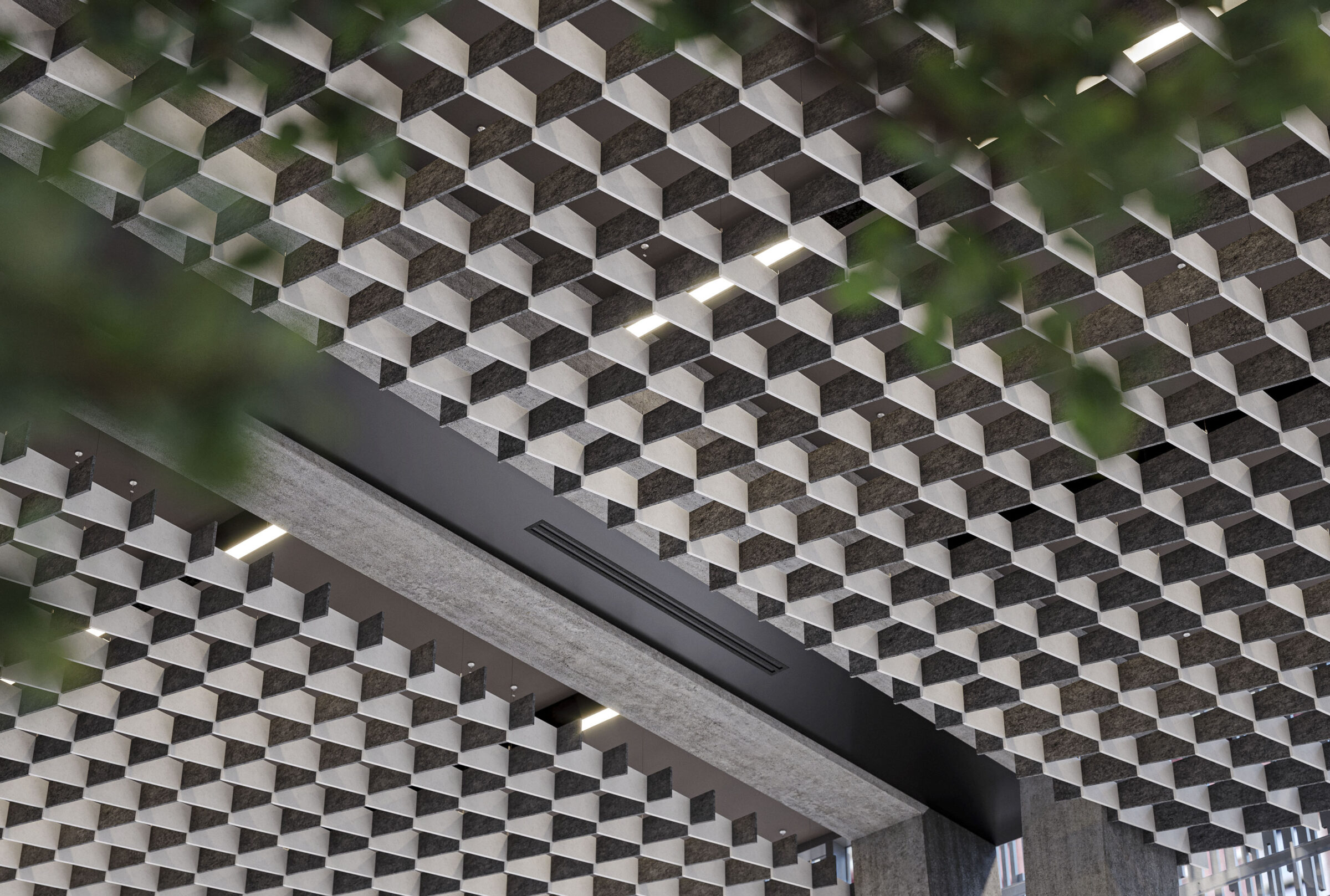
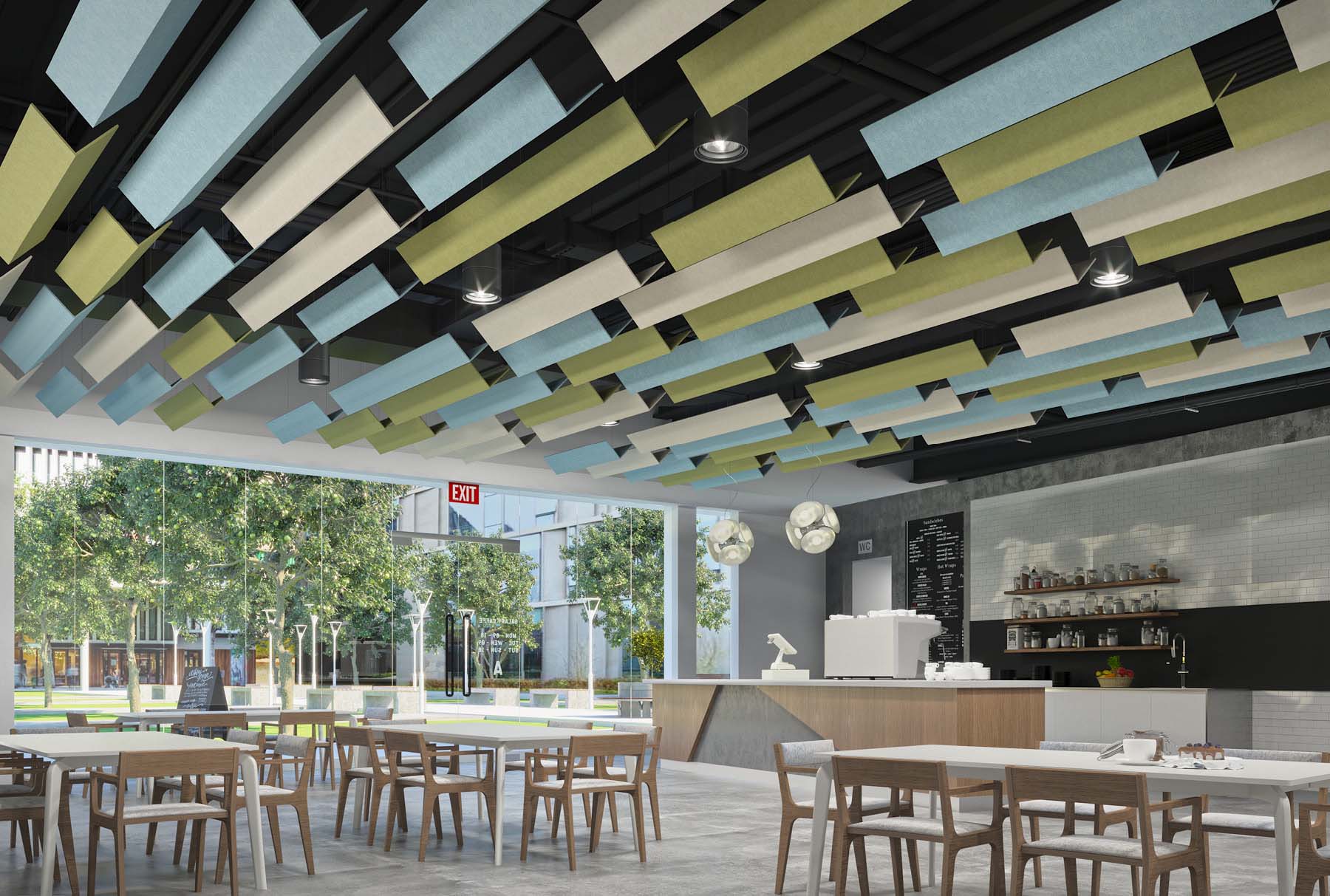
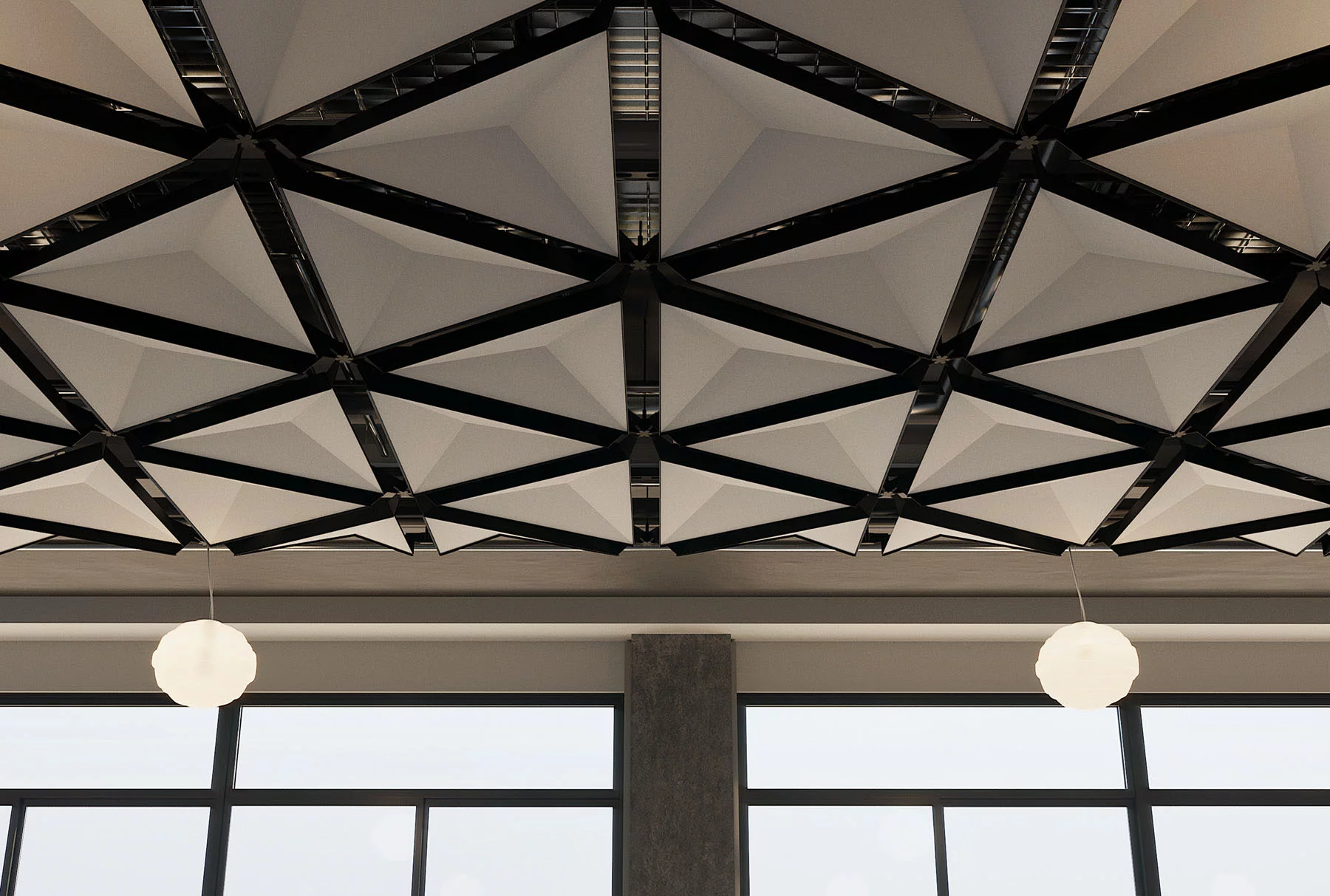
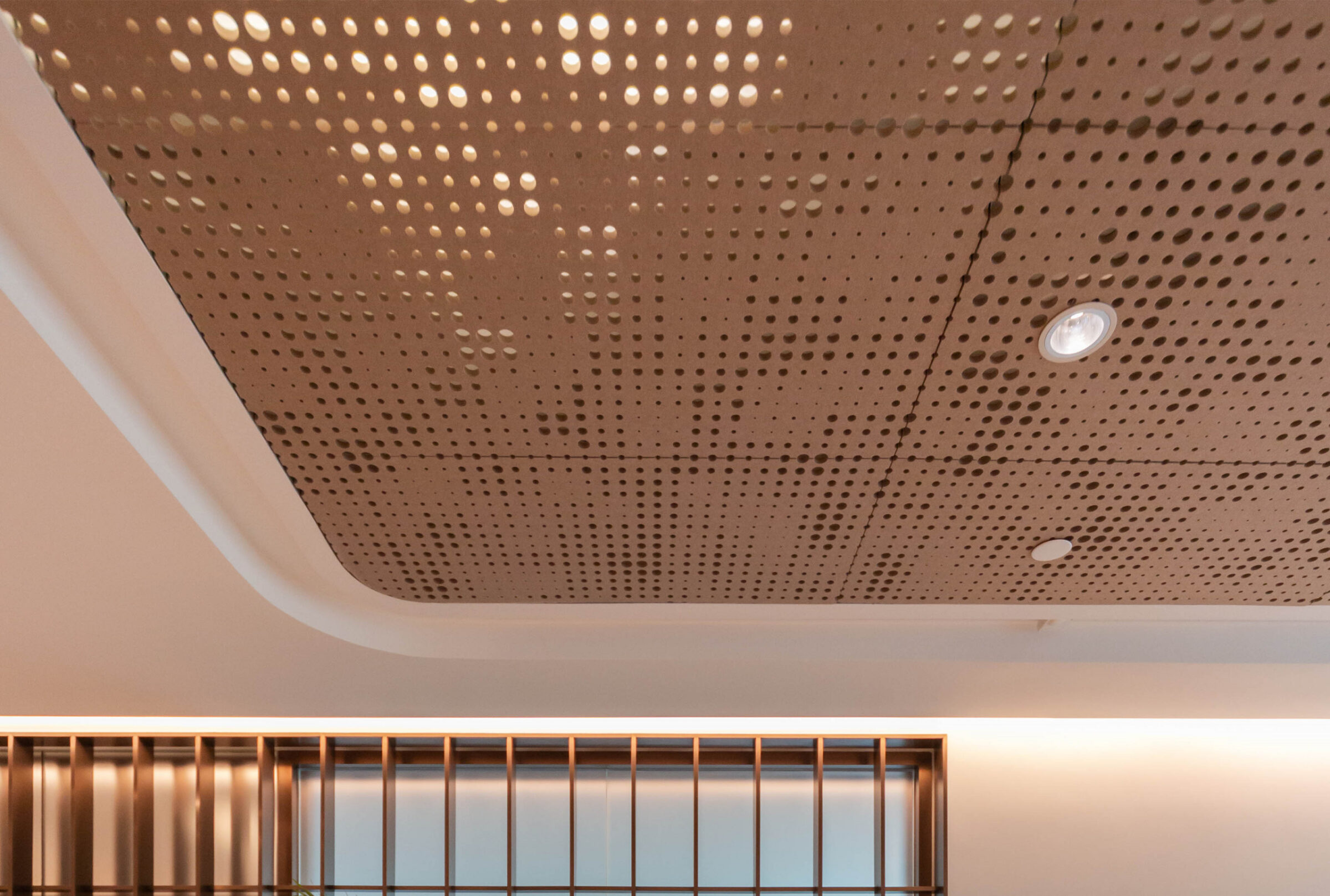
Within NOWN’s Atmosphera® ceiling system, aSOFT™ is available in an extensive colour range, enabling design teams to integrate acoustic performance into the overall colour and material strategy of the space rather than treating it as a neutral technical element.
Installation and Waste
aSOFT™ modules are manufactured to project specification. Field trimming is not required. This eliminates on-site waste from the ceiling installation — no PET felt offcuts requiring disposal. For projects managing construction waste carefully, this is a directly relevant operational benefit.
View aSOFT™ specifications and acoustic performance data