
Die Rolle der Materialstruktur in zeitgenössischen architektonischen Innenräumen
13. April 2026
-2 Minuten lesen
Die Oberflächenstruktur prägt die räumliche Wahrnehmung ebenso stark wie Form und Proportionen. Hier erfahren Sie, wie Architekten die Materialtiefe – von 3D-gestrickten Textilien bis hin zu strukturiertem PET-Filz – nutzen, um den Charakter von Innenräumen zu prägen.
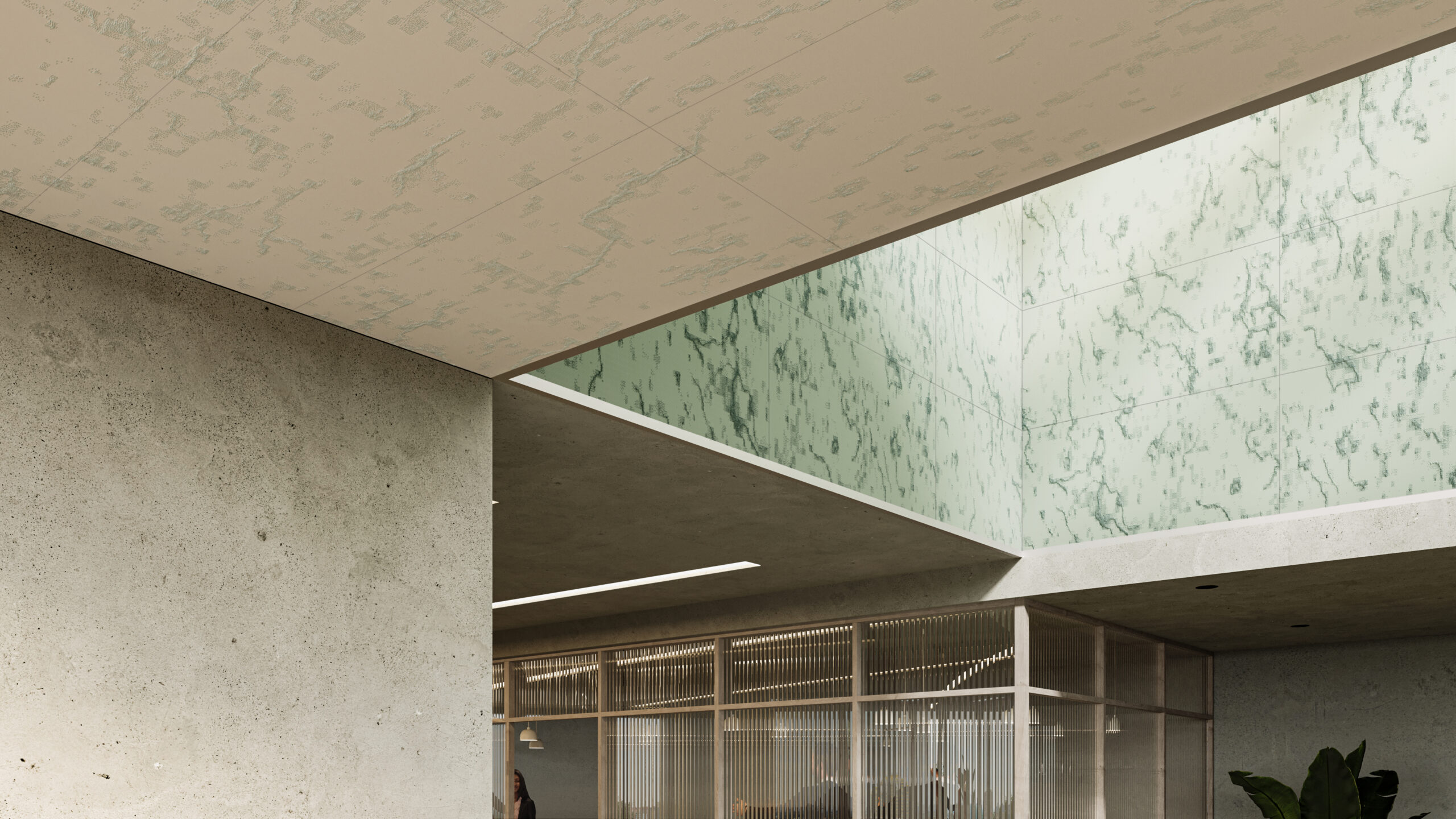
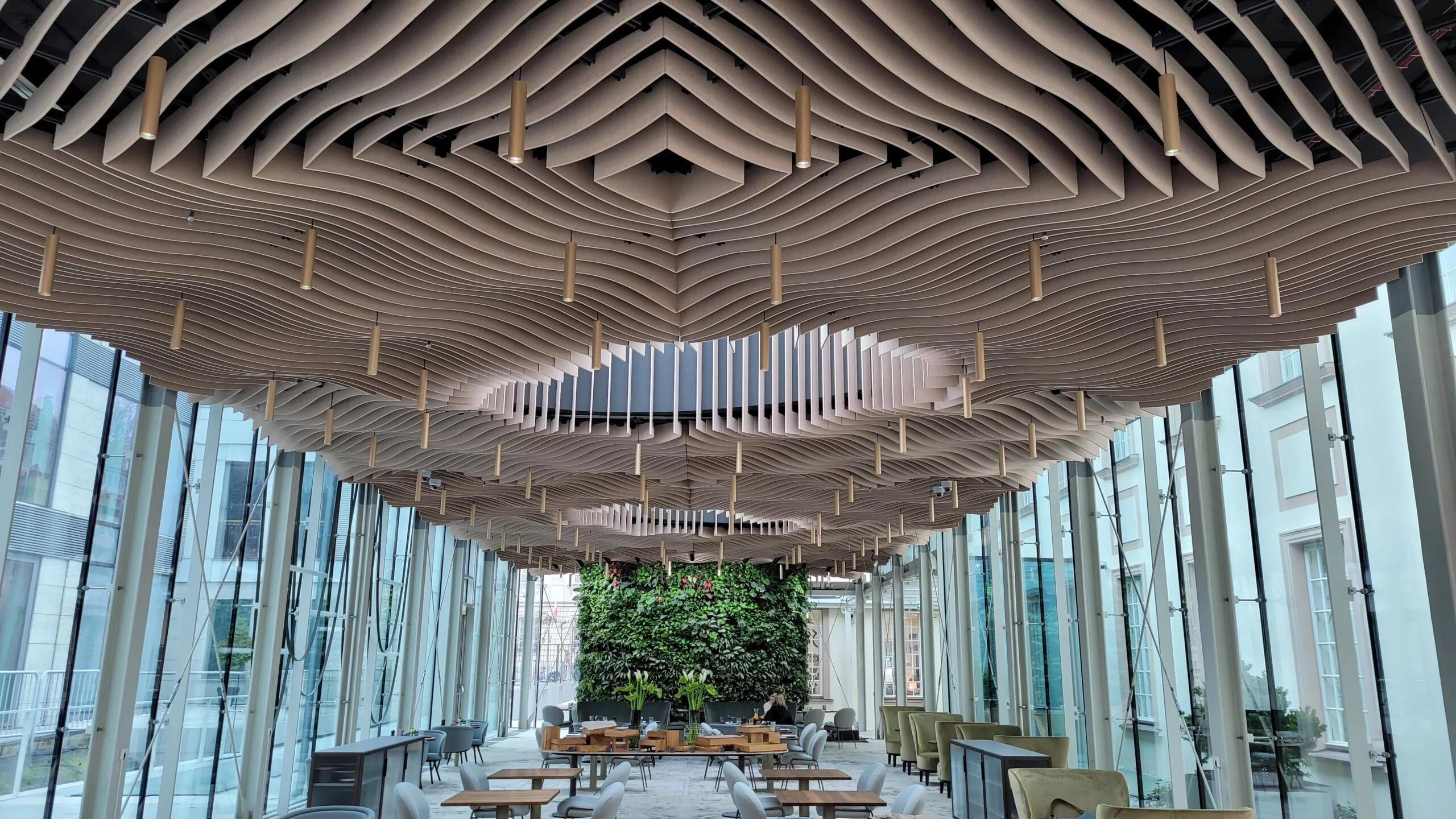
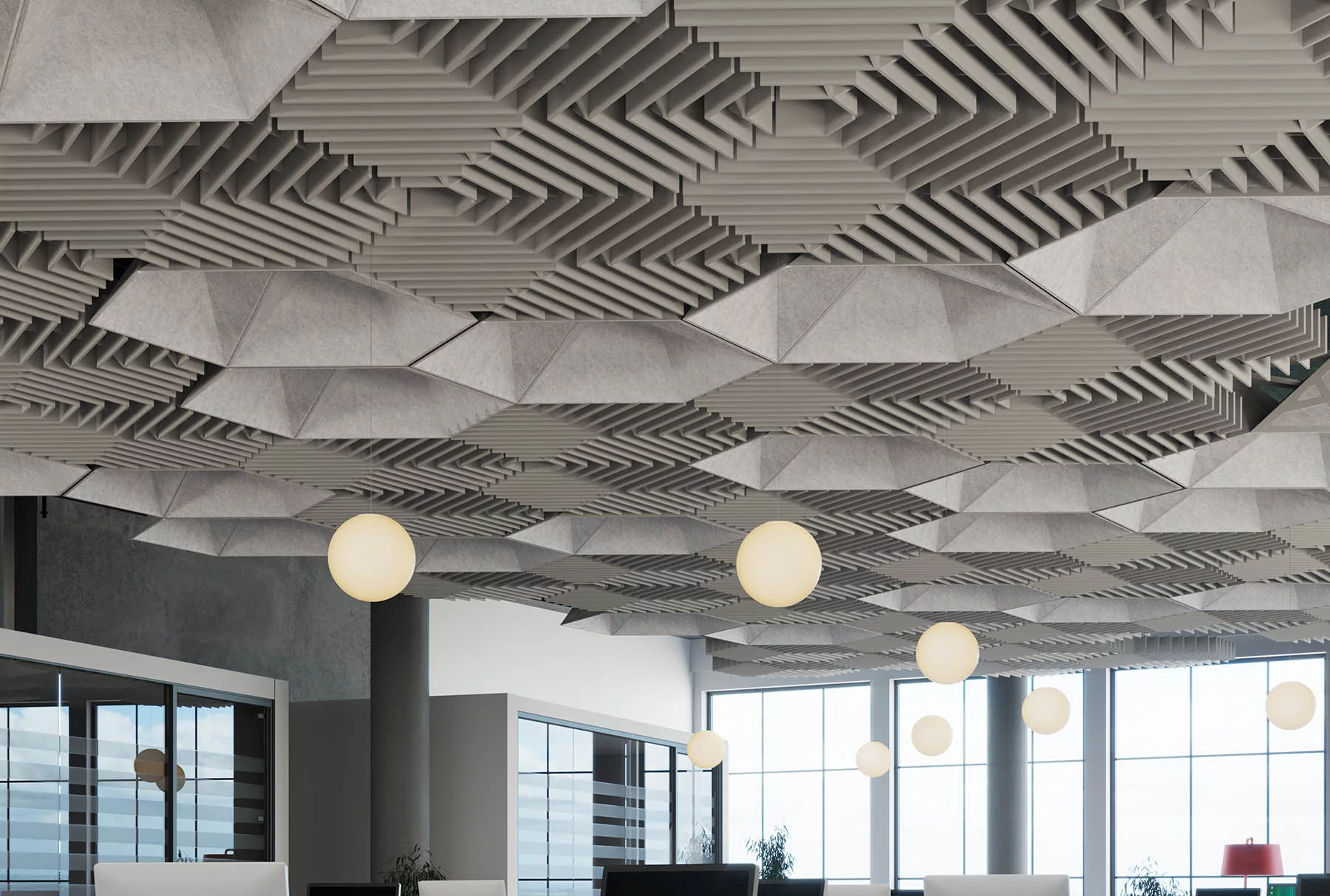
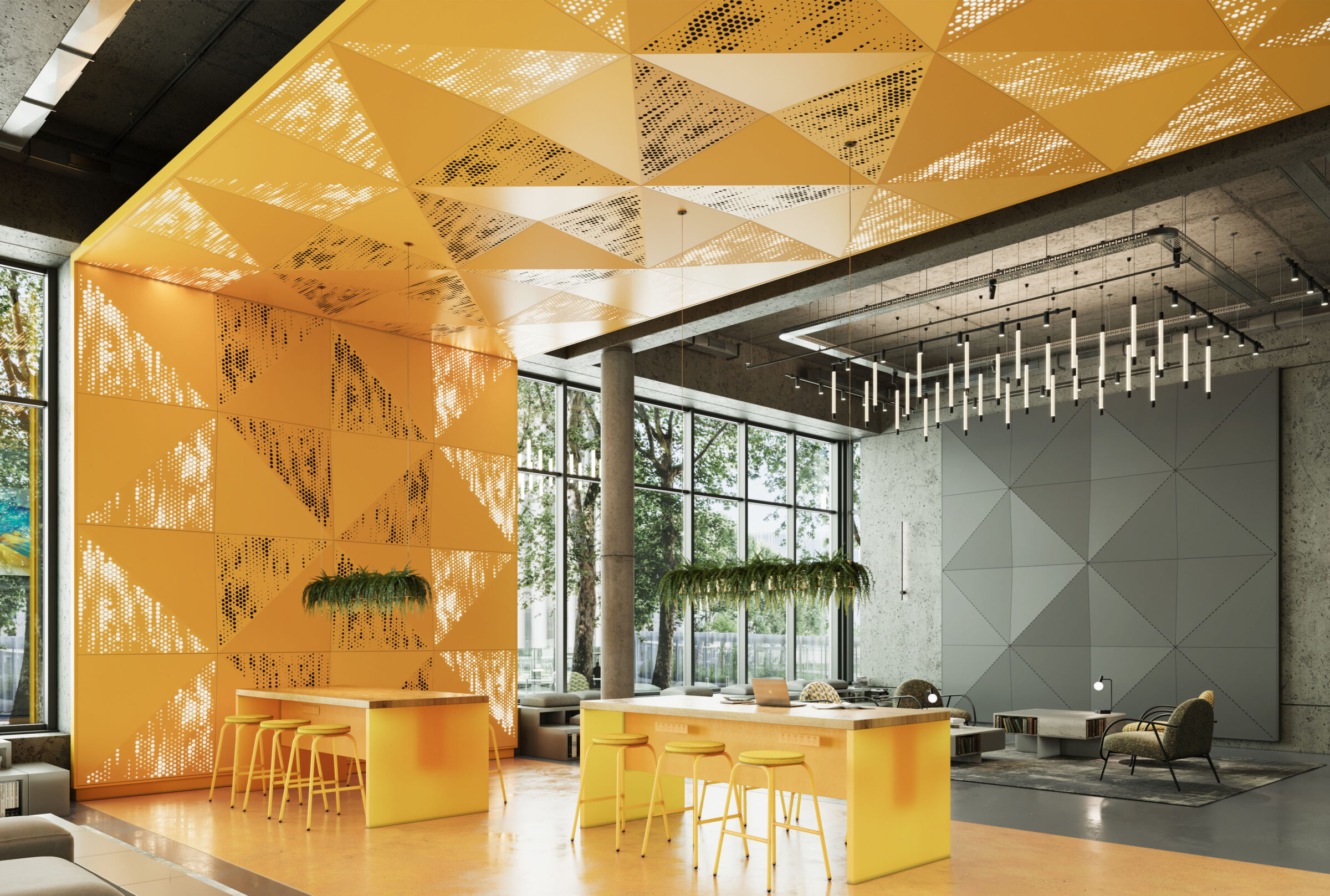
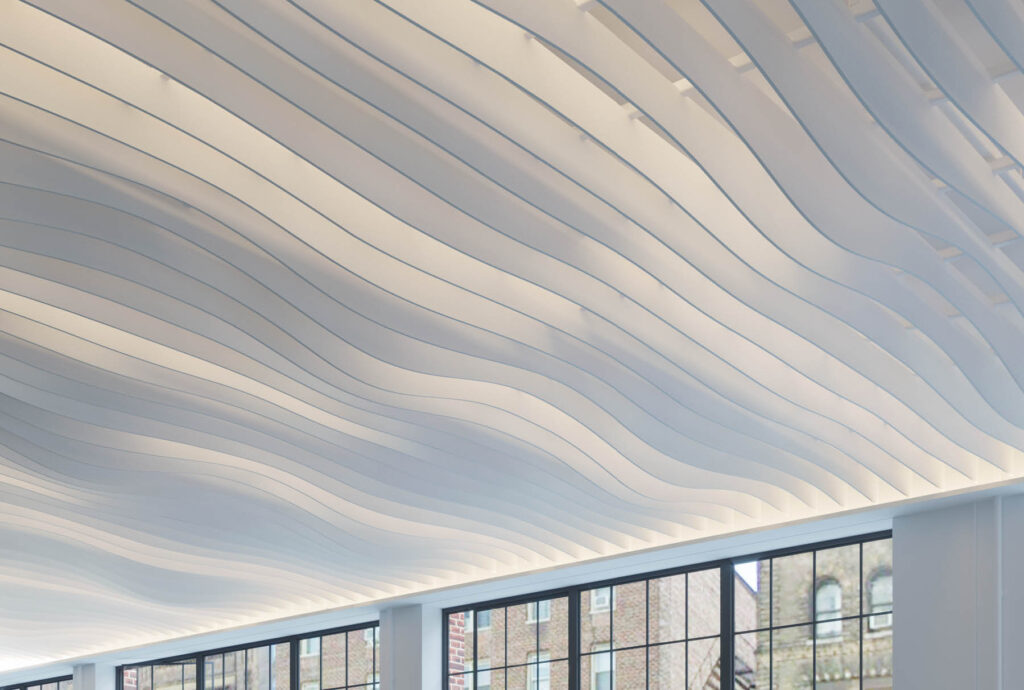
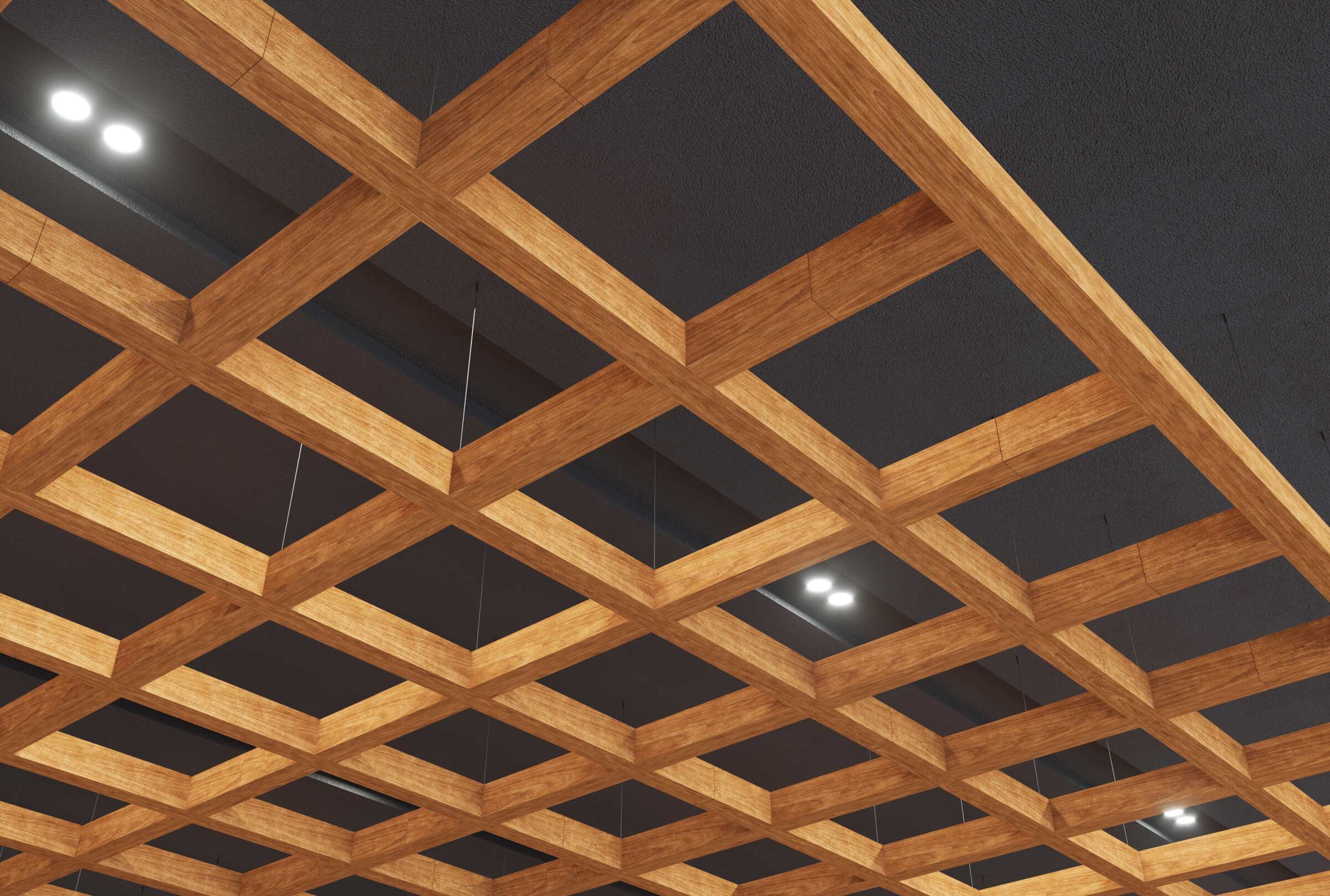
Bei einem Projekt, bei dem die Oberflächenausführung gut durchdacht ist, hat die Decke oft eine größere optische Wirkung, als man ihr zutraut. Eine flache, gestrichene Gipskartondecke wirkt wie ein Hintergrund – so neutral, dass sie fast schon leblos erscheint. Eine Decke mit echter Materialtiefe wirkt hingegen wie eine bewusst gestaltete Oberfläche.
Textur als architektonische Information
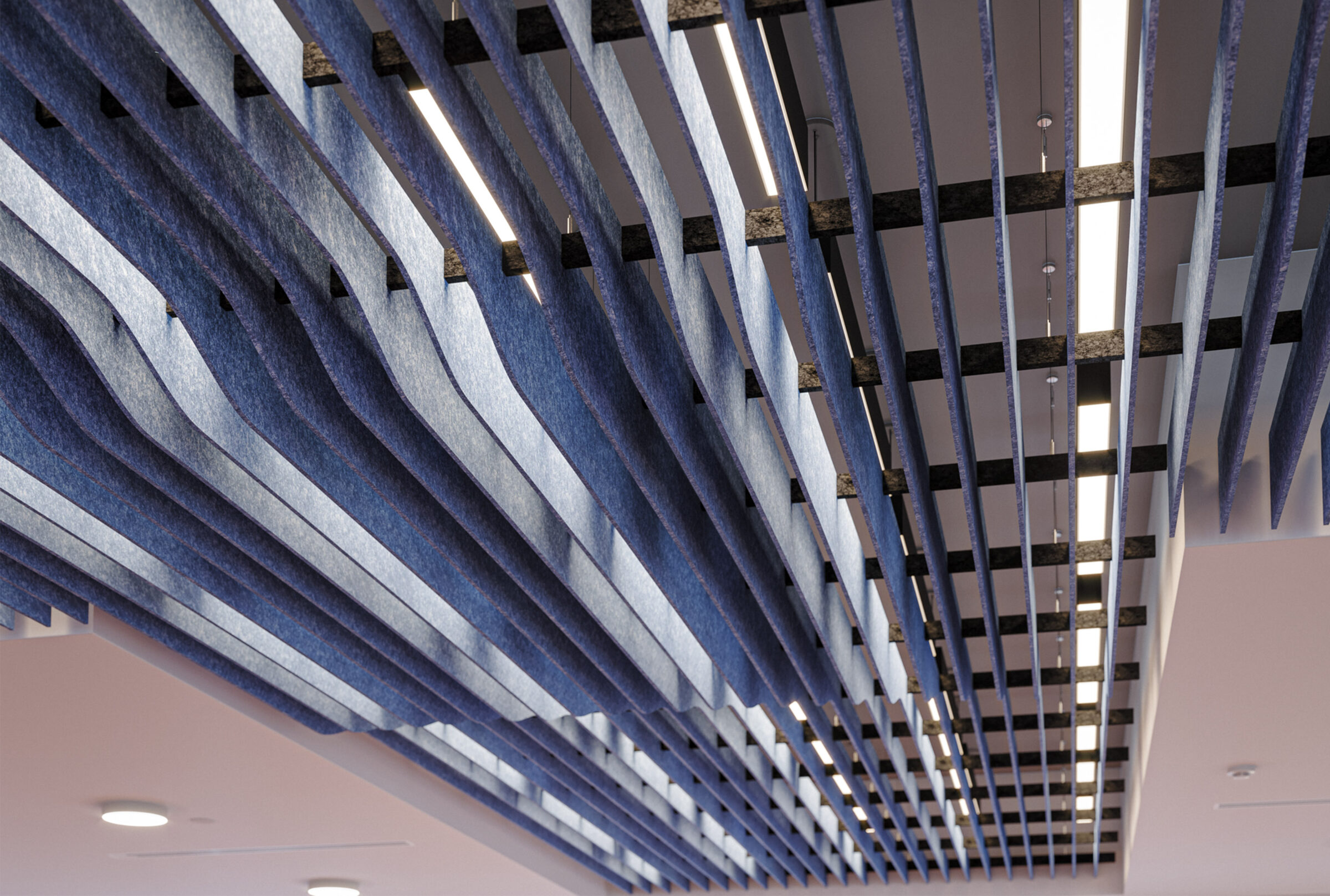
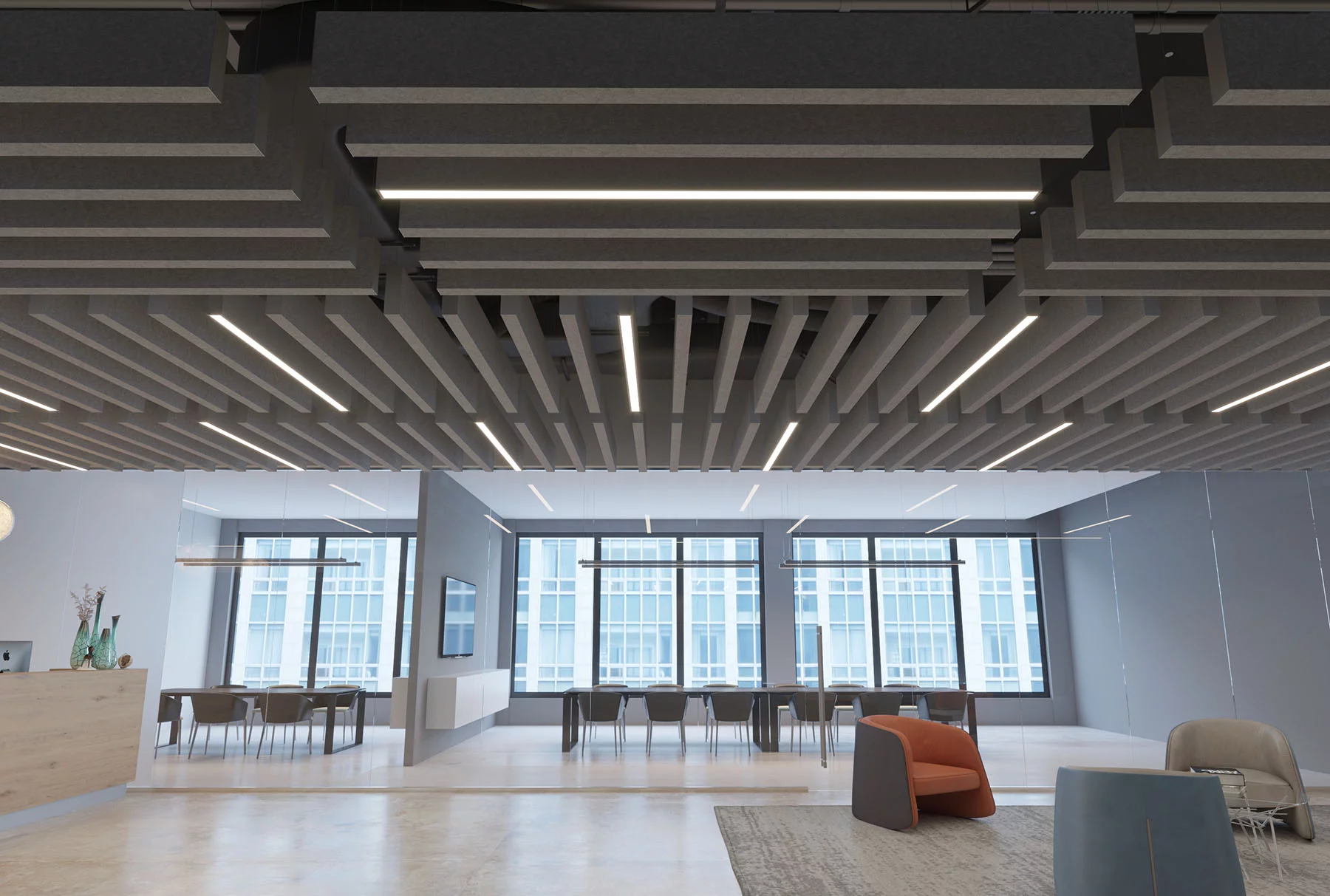
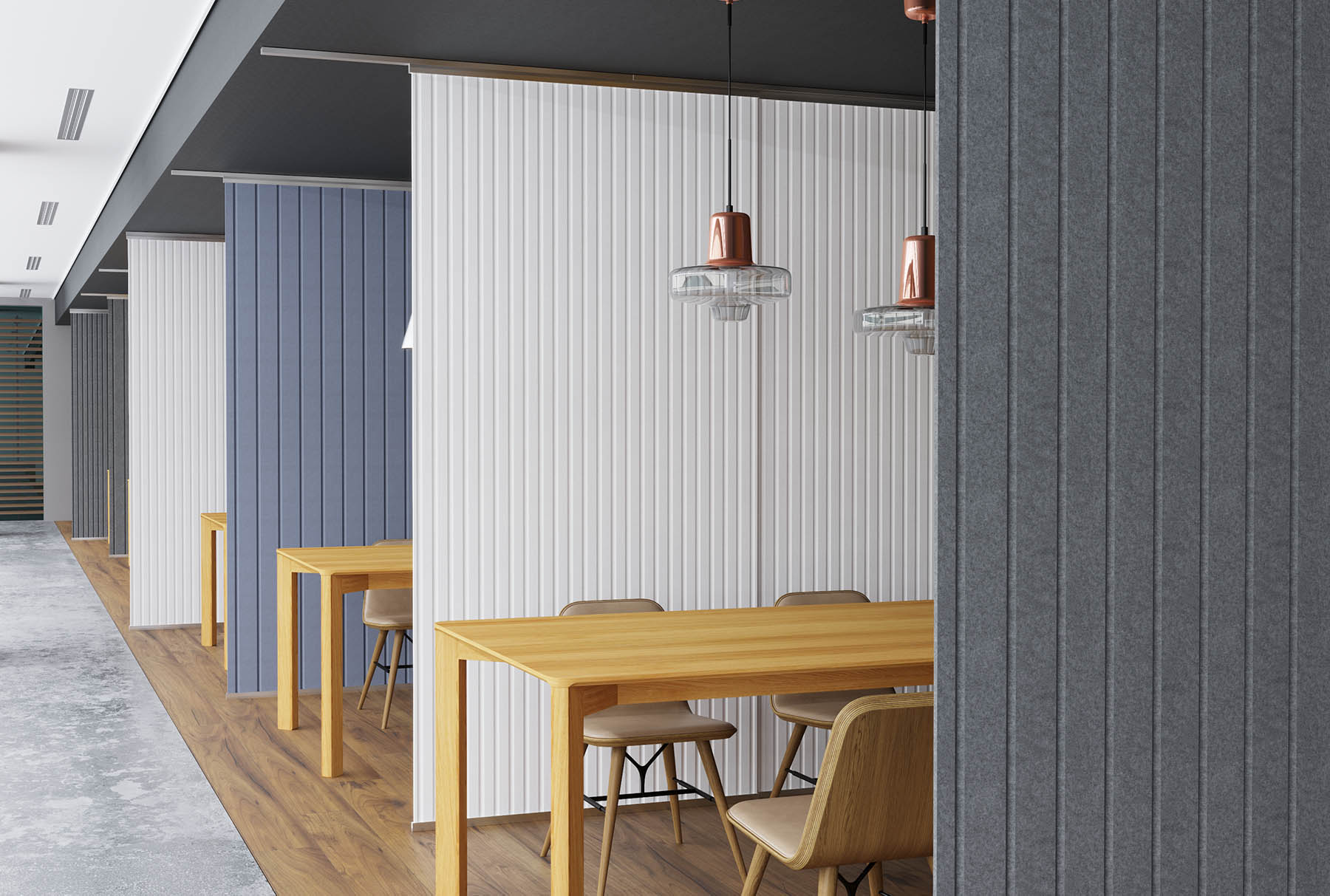
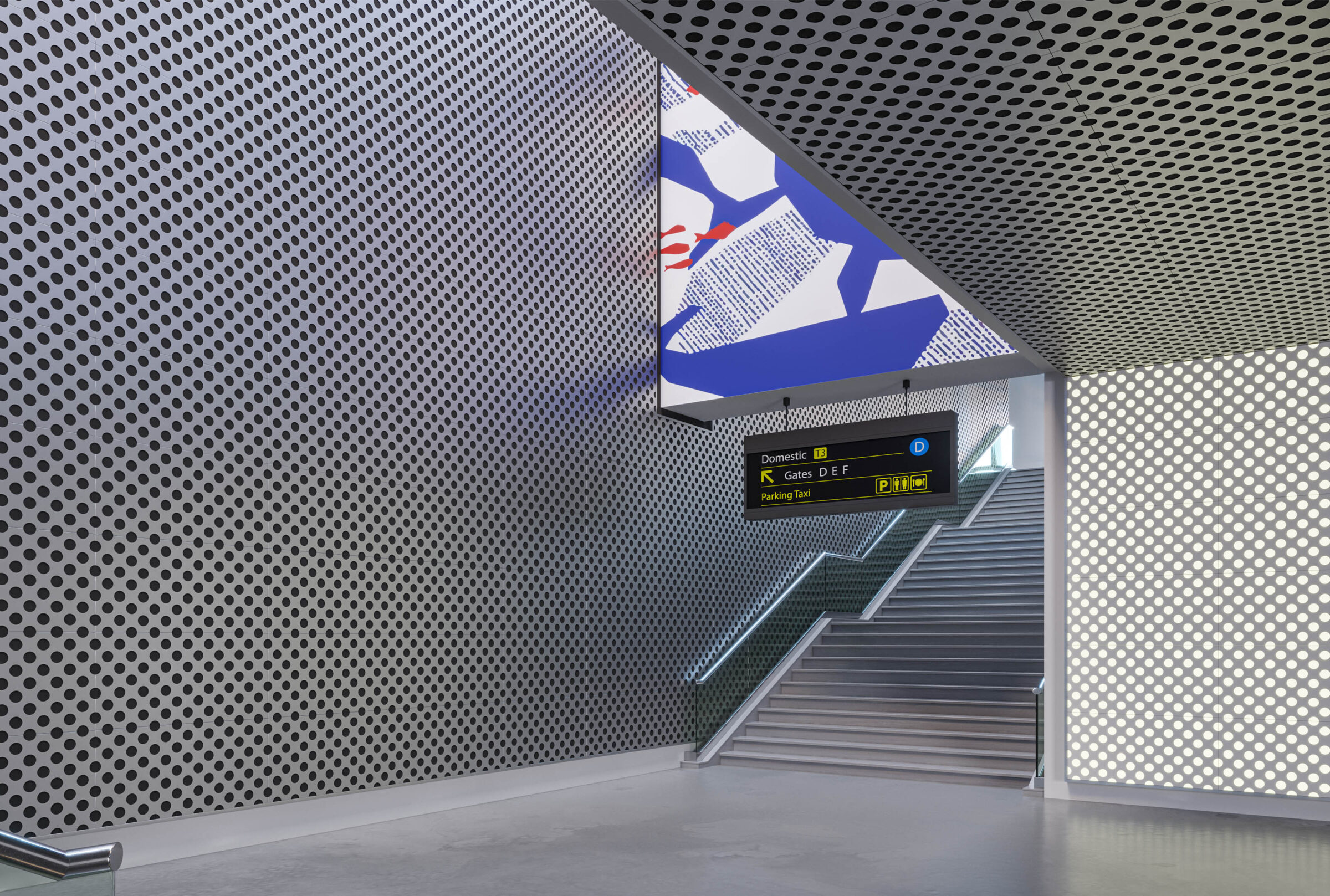
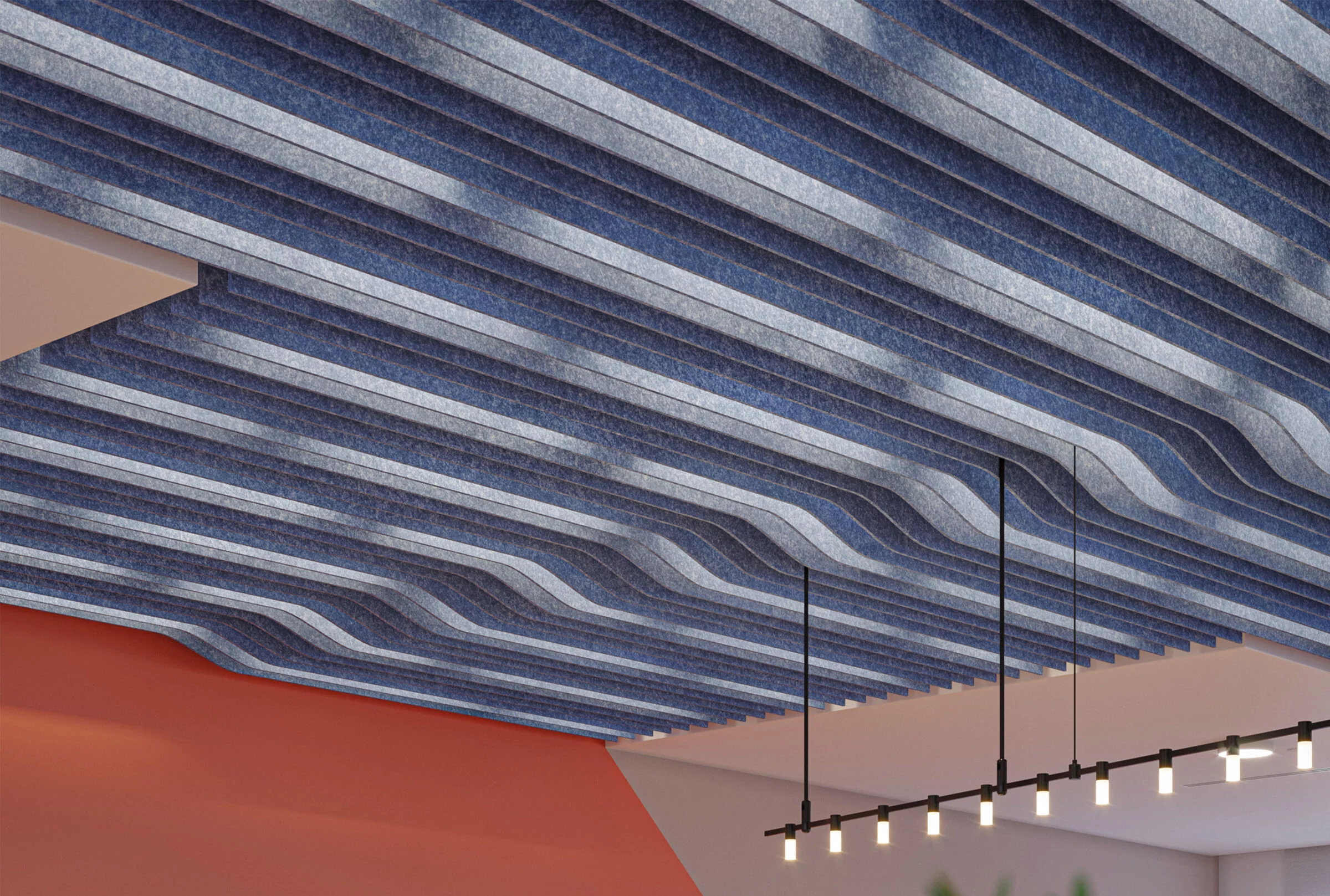
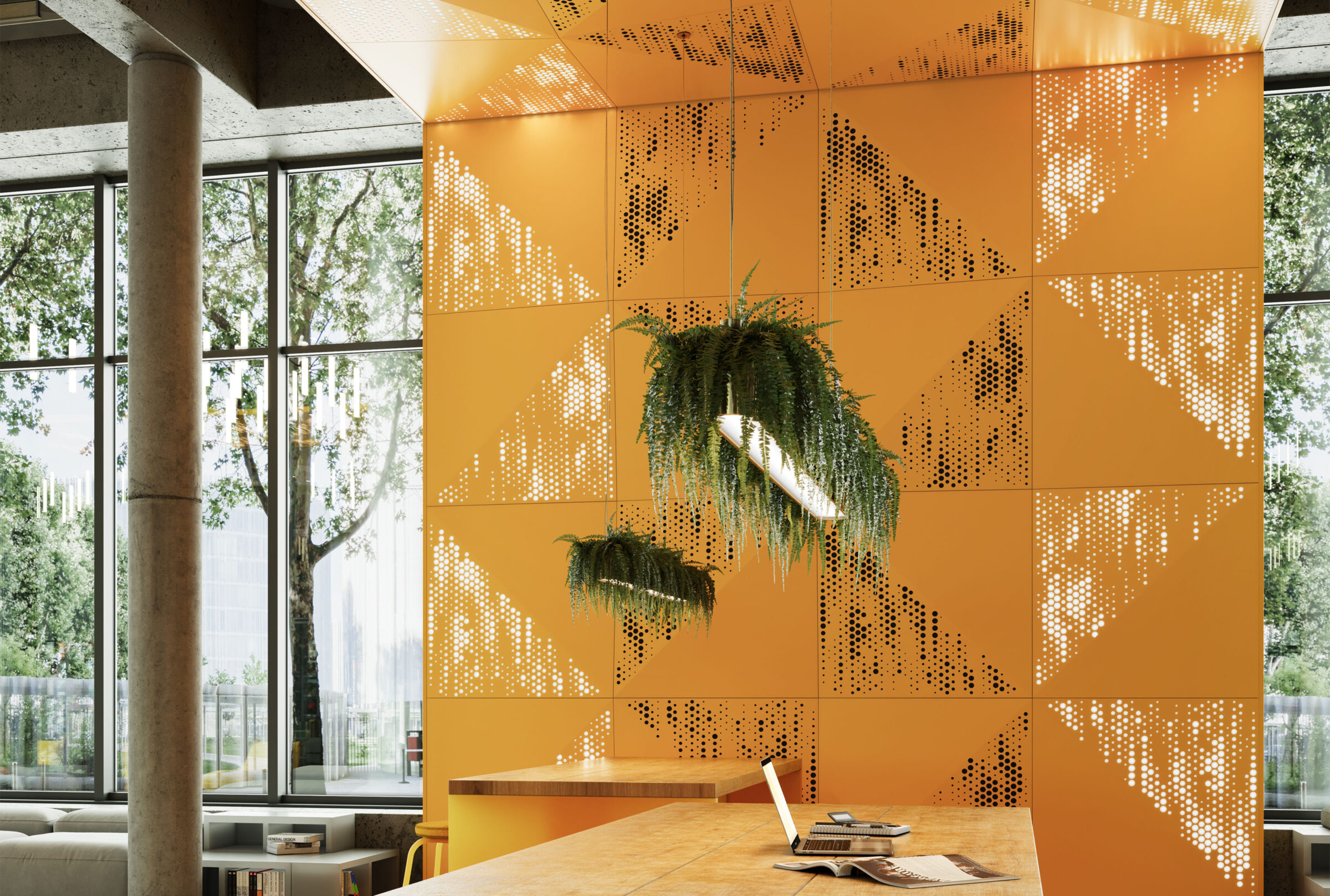
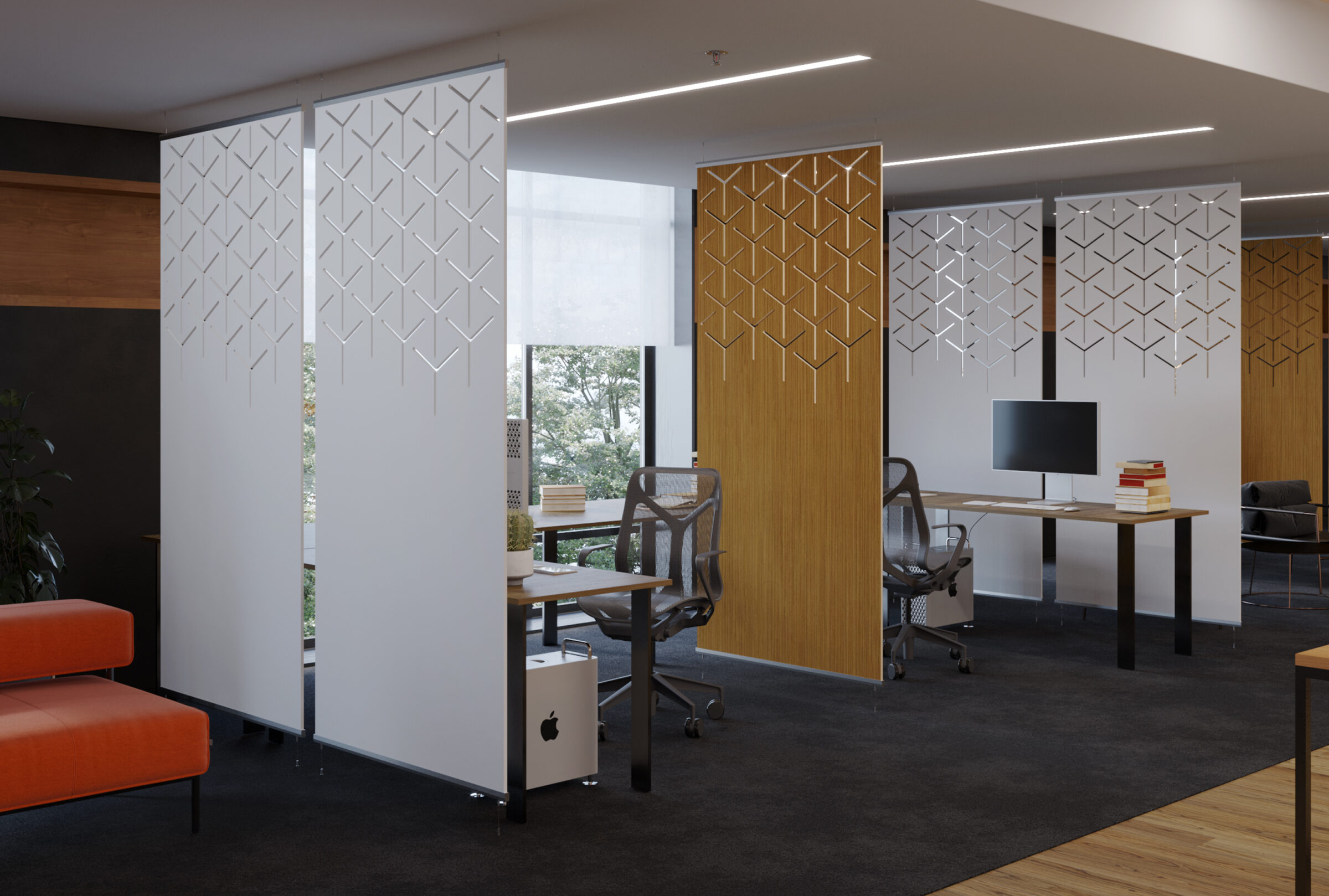
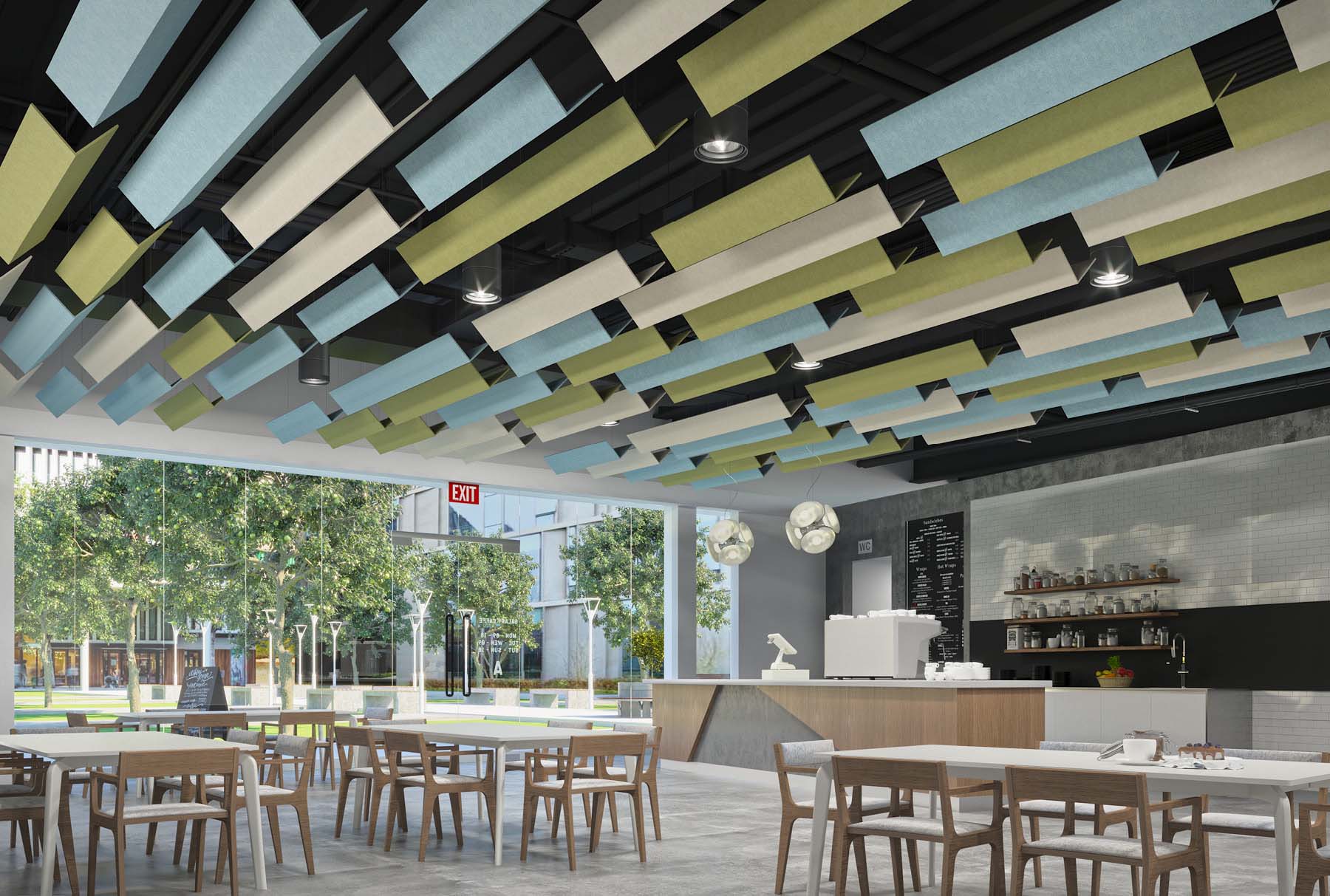
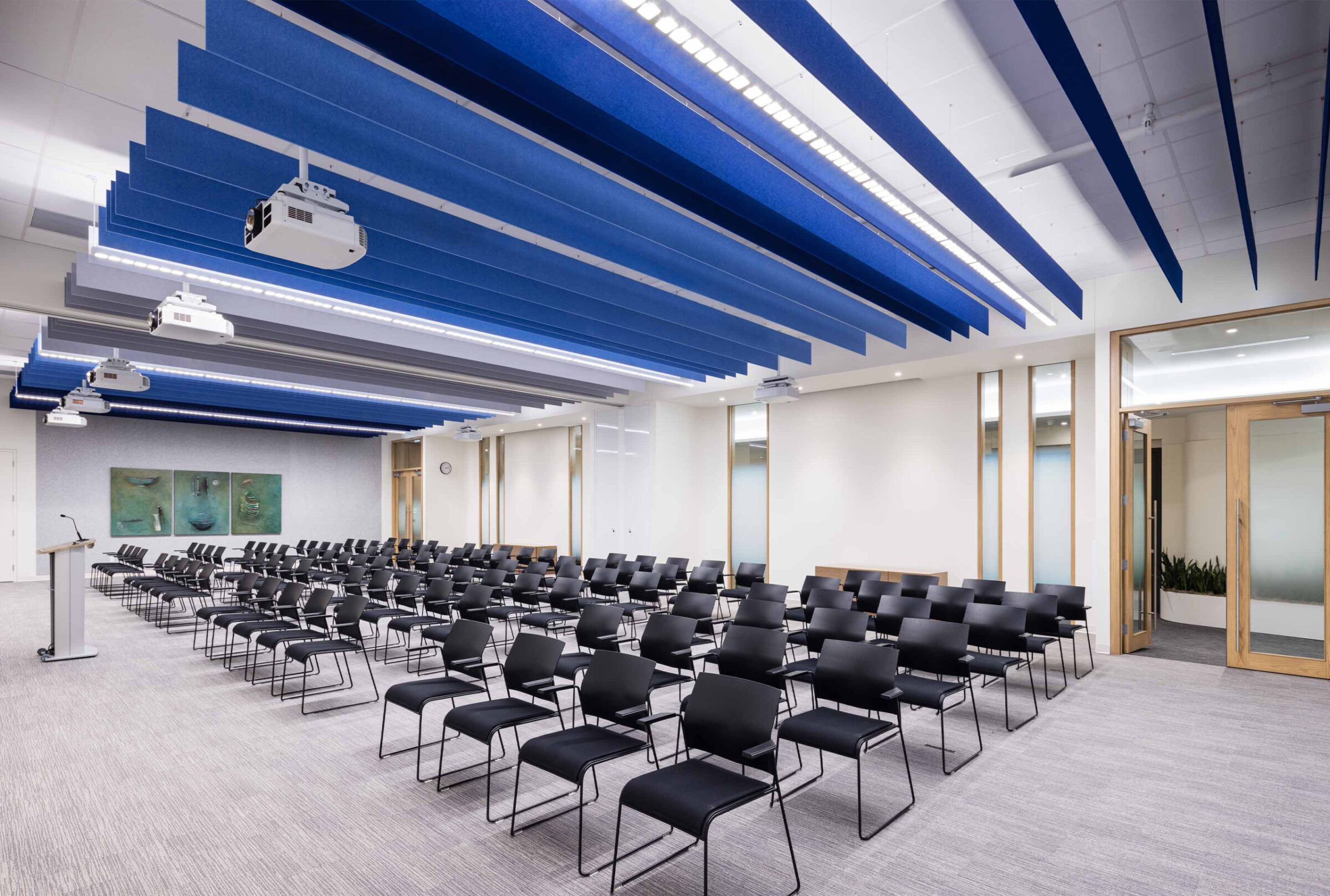
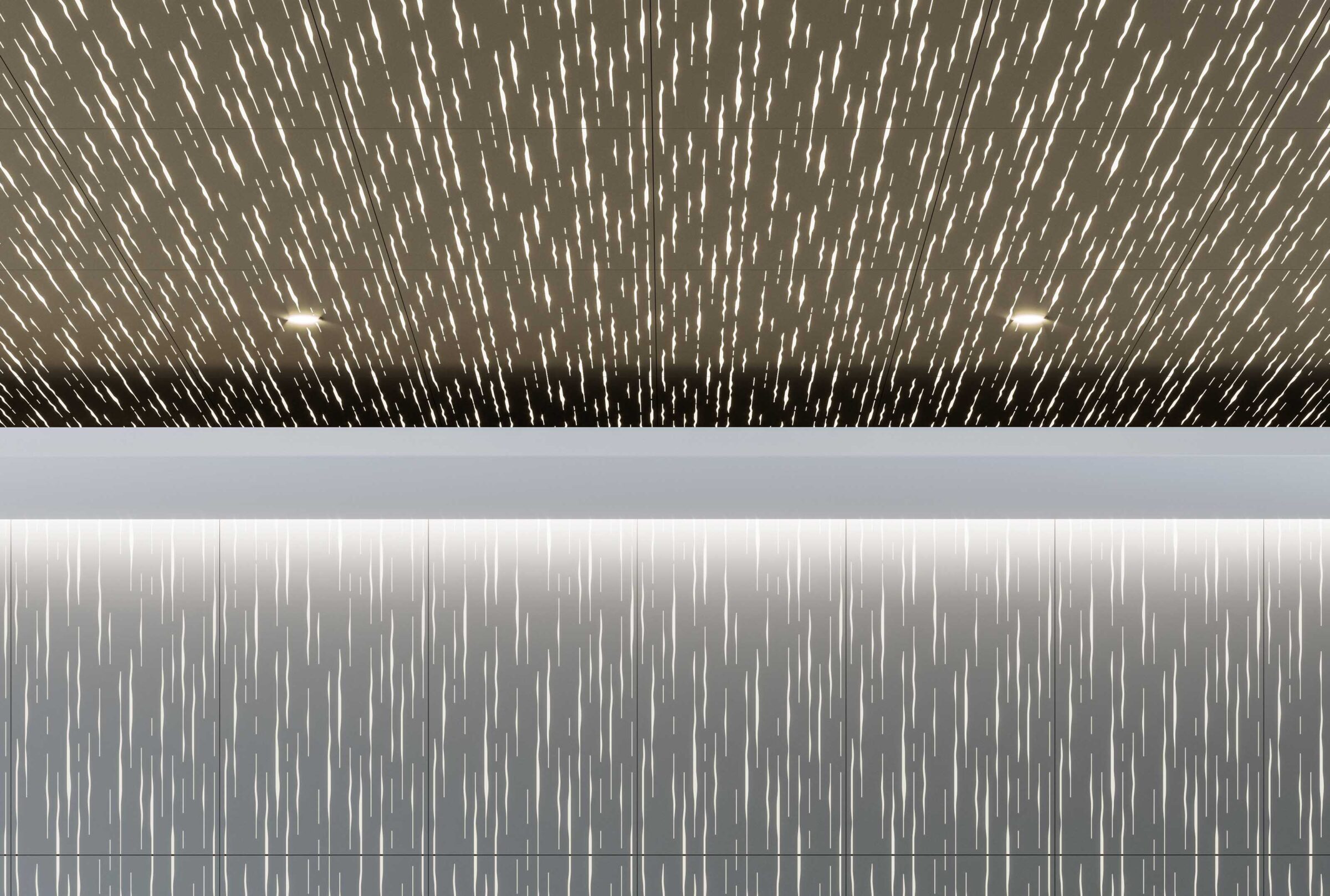
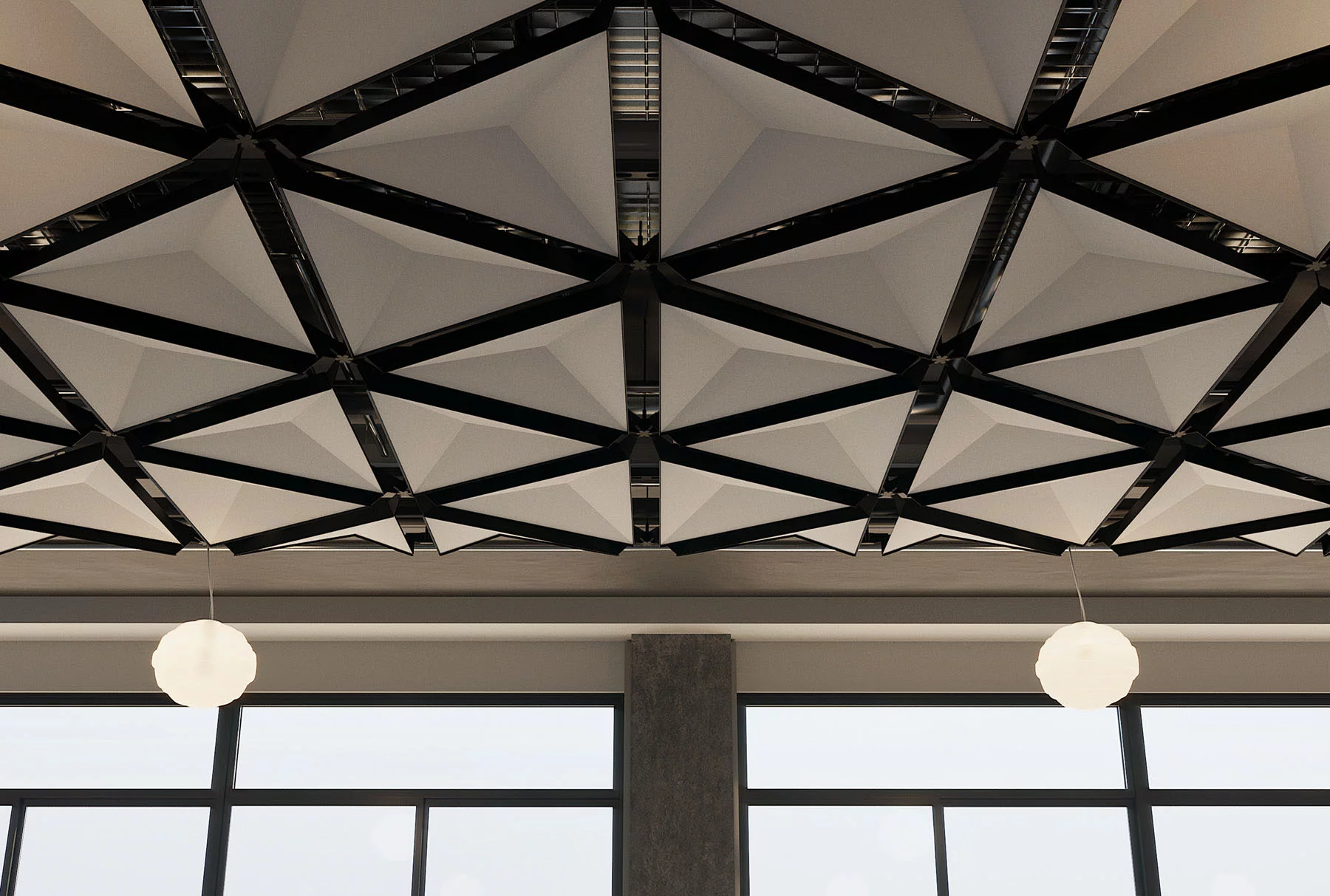
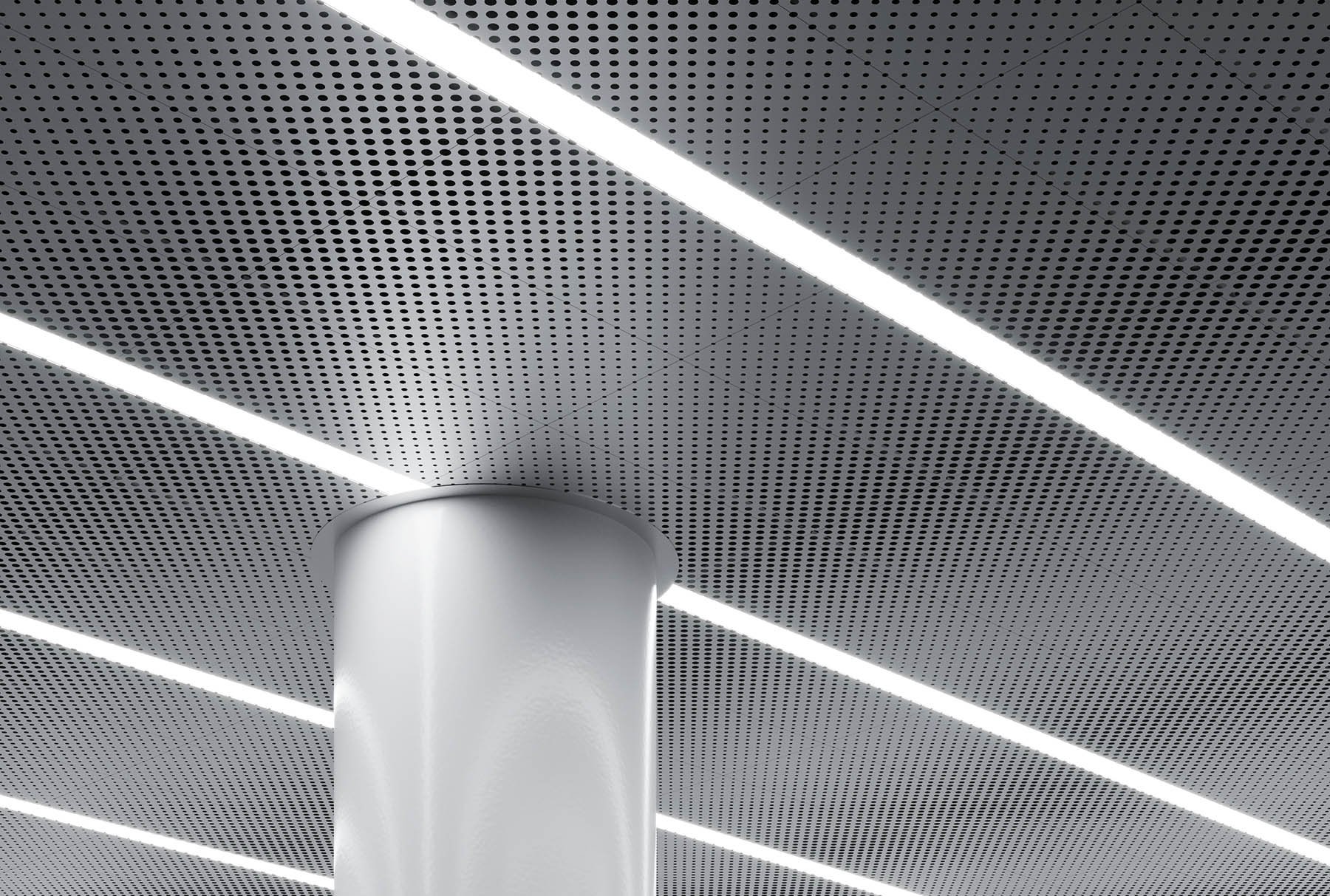
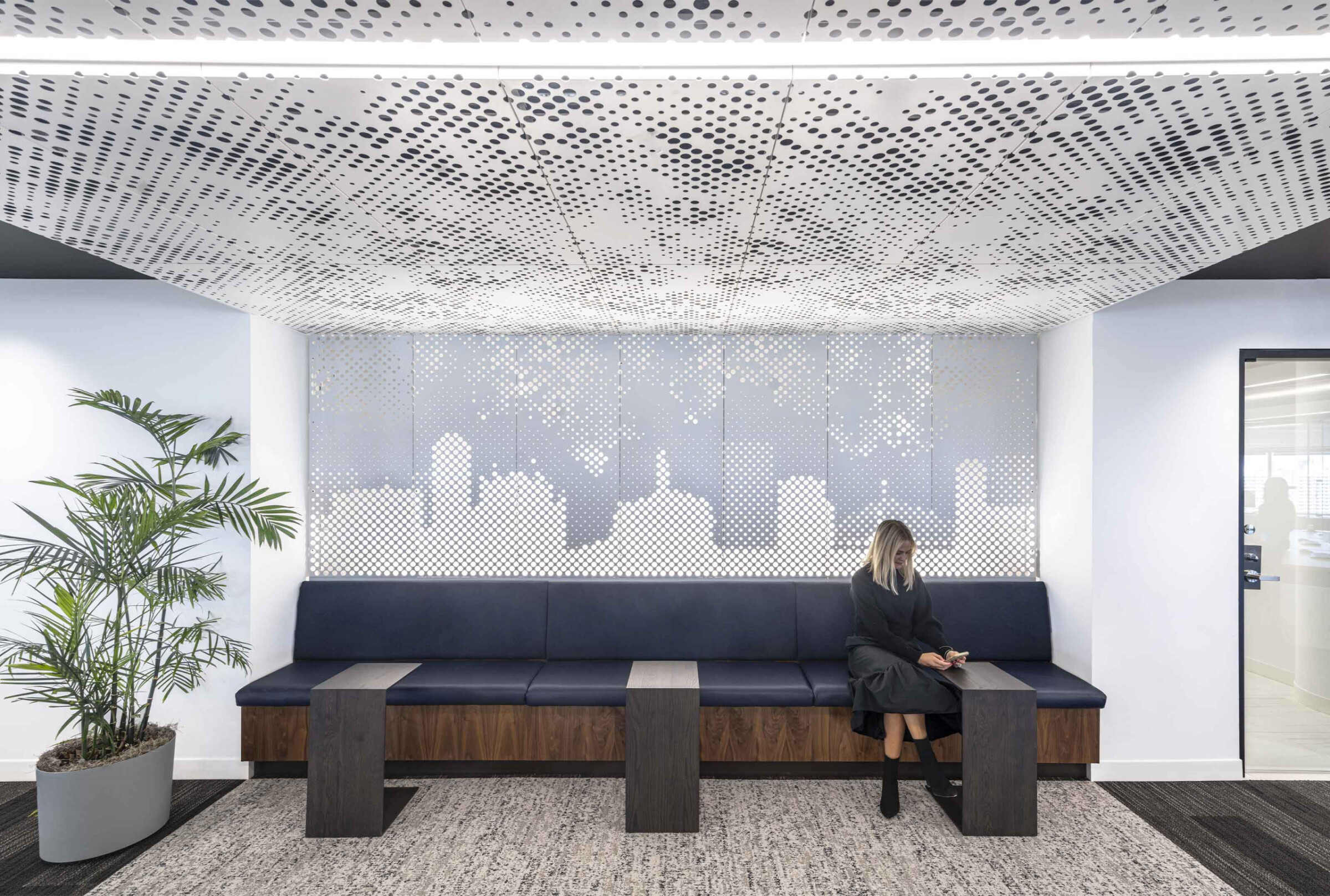
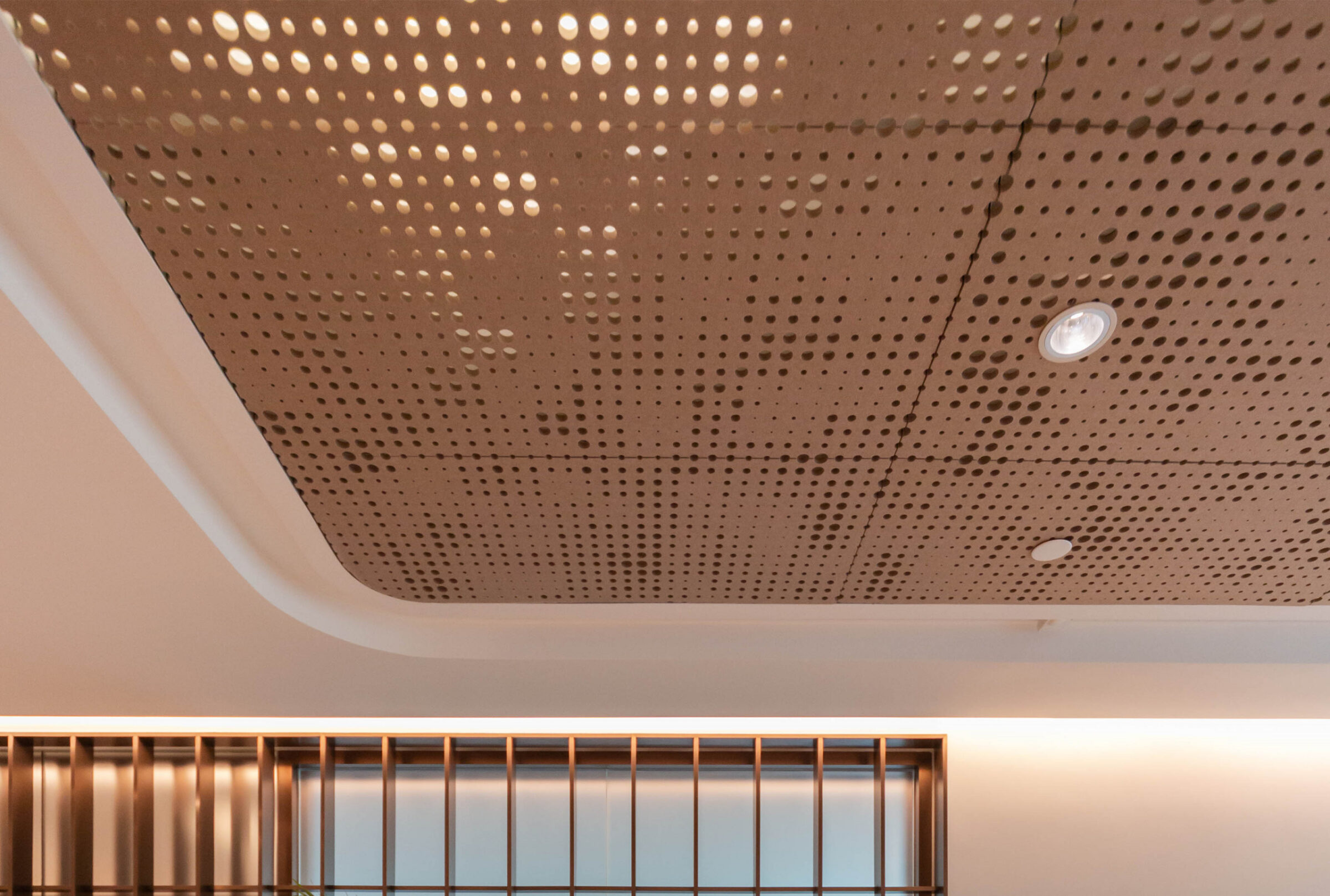
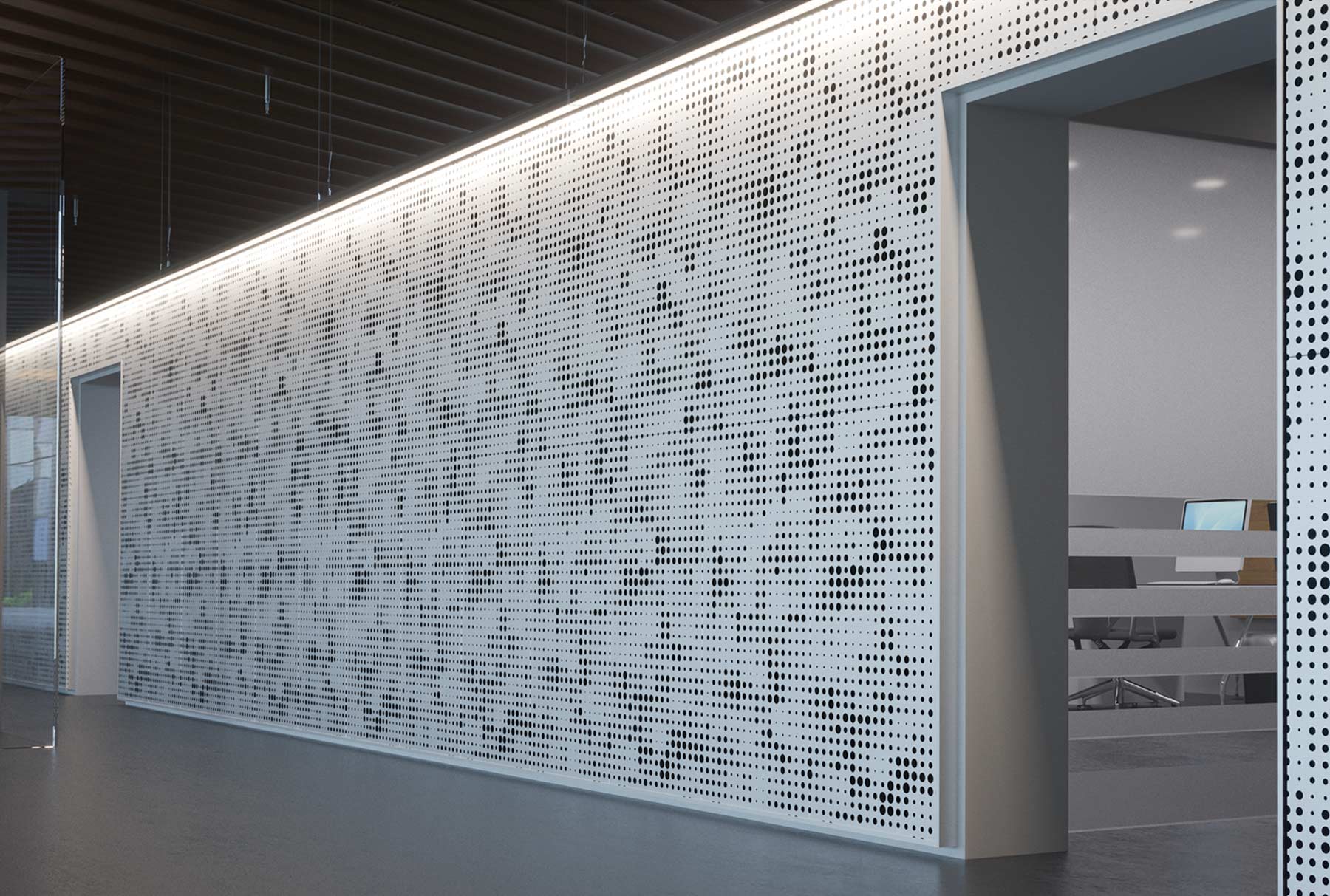
Die Materialstruktur vermittelt Dinge, die Form und Proportionen allein nicht ausdrücken können. Sie zeugt von handwerklichem Können, Präzision und Materialverständnis. Eine strukturierte akustische Oberfläche – sei es eine PET-Filz-Schallwand, eine 3D-gestrickte Platte oder eine perforierte Aluminiumdecke – vermittelt den Nutzern einen Eindruck von der Qualität des Denkens, das diesen Raum hervorgebracht hat.
Hier geht es nicht um Ästhetik um ihrer selbst willen. Die Struktur auf Deckenhöhe steht in der Regel in Zusammenhang mit der akustischen Leistung. Eine Oberfläche mit Tiefe absorbiert bei gleicher Fläche mehr Schall als eine ebene. Die visuellen und akustischen Eigenschaften ergeben sich oft aus derselben gestalterischen Entscheidung.
InfiKnit™ – Vorgesehene Tiefe
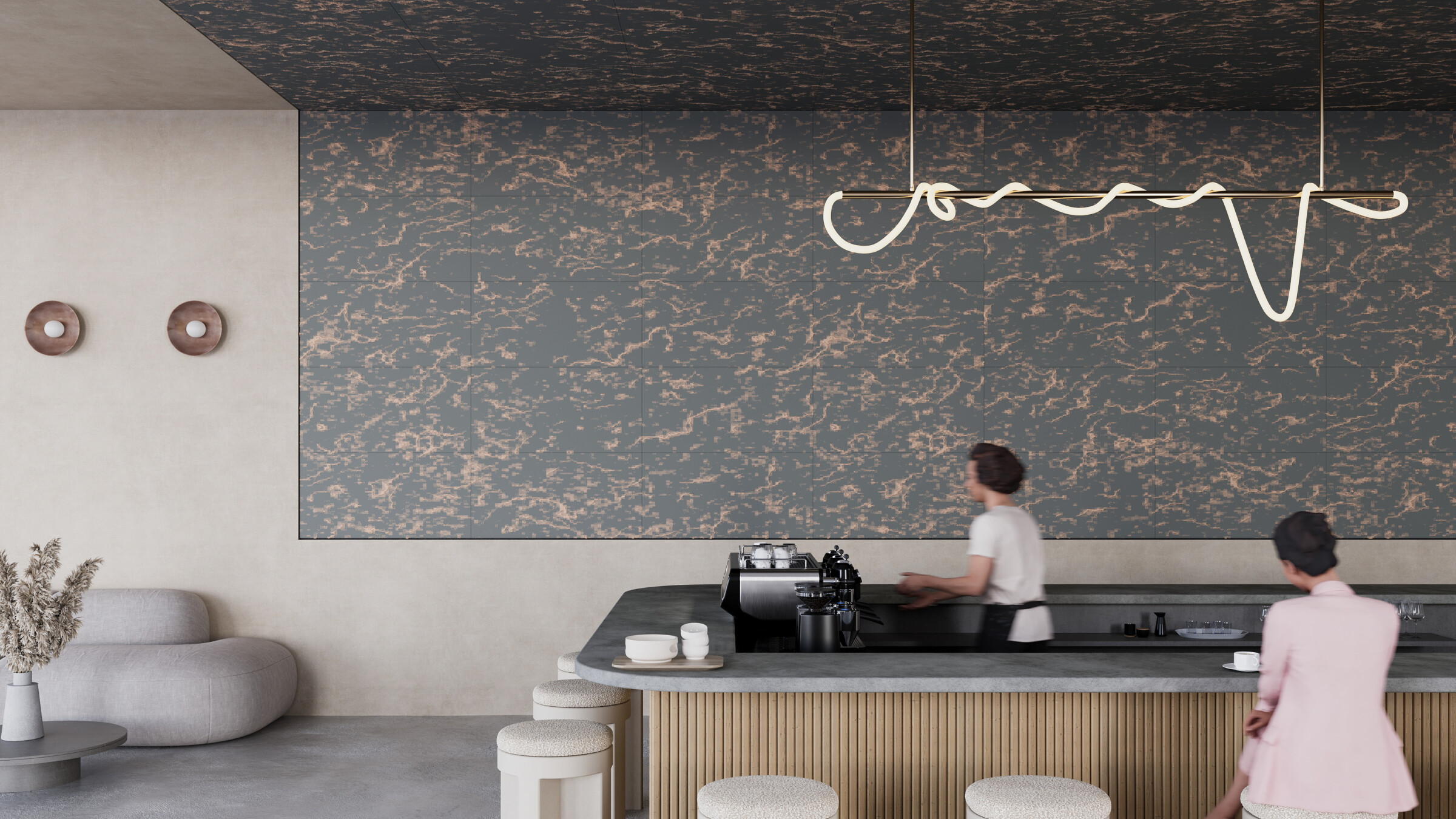
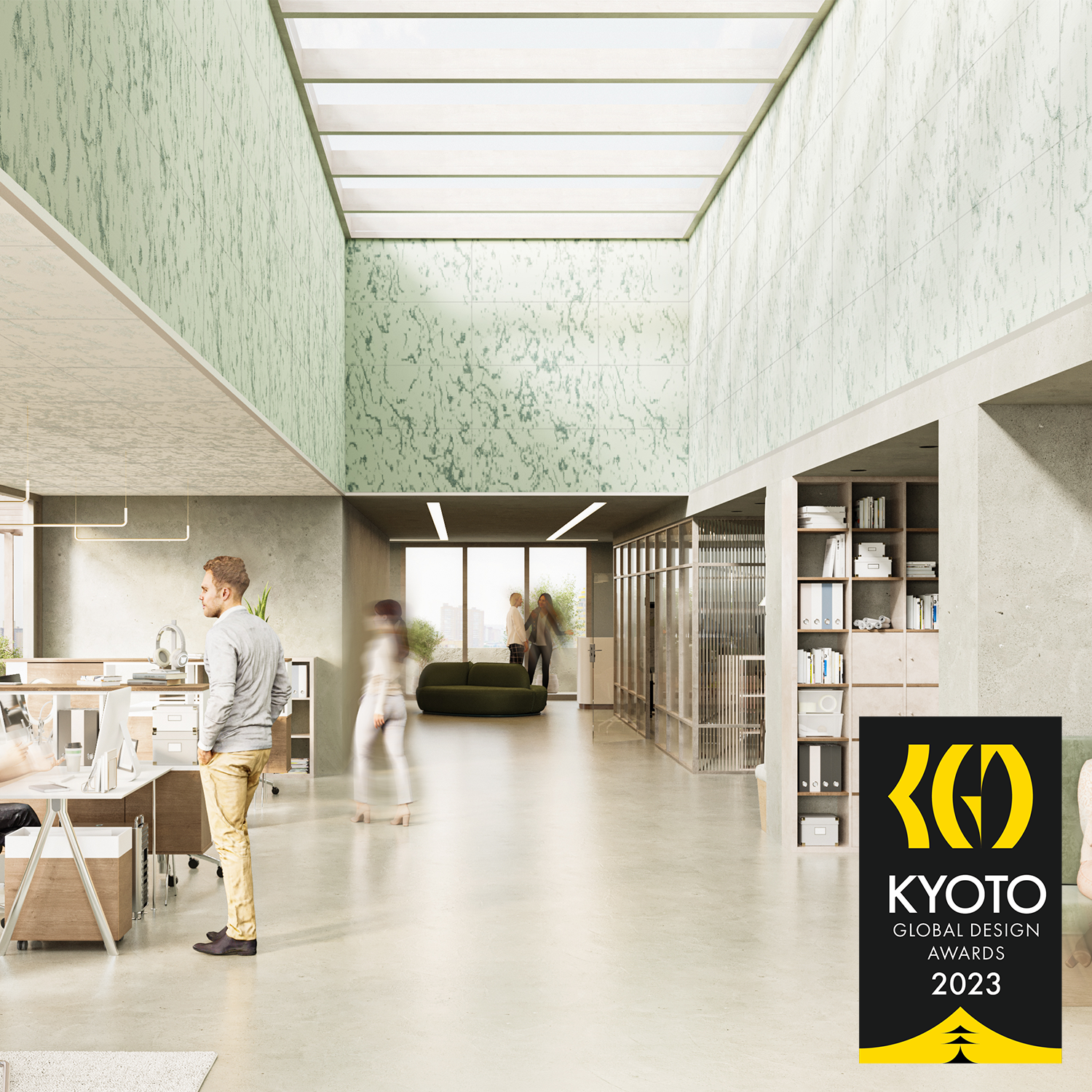
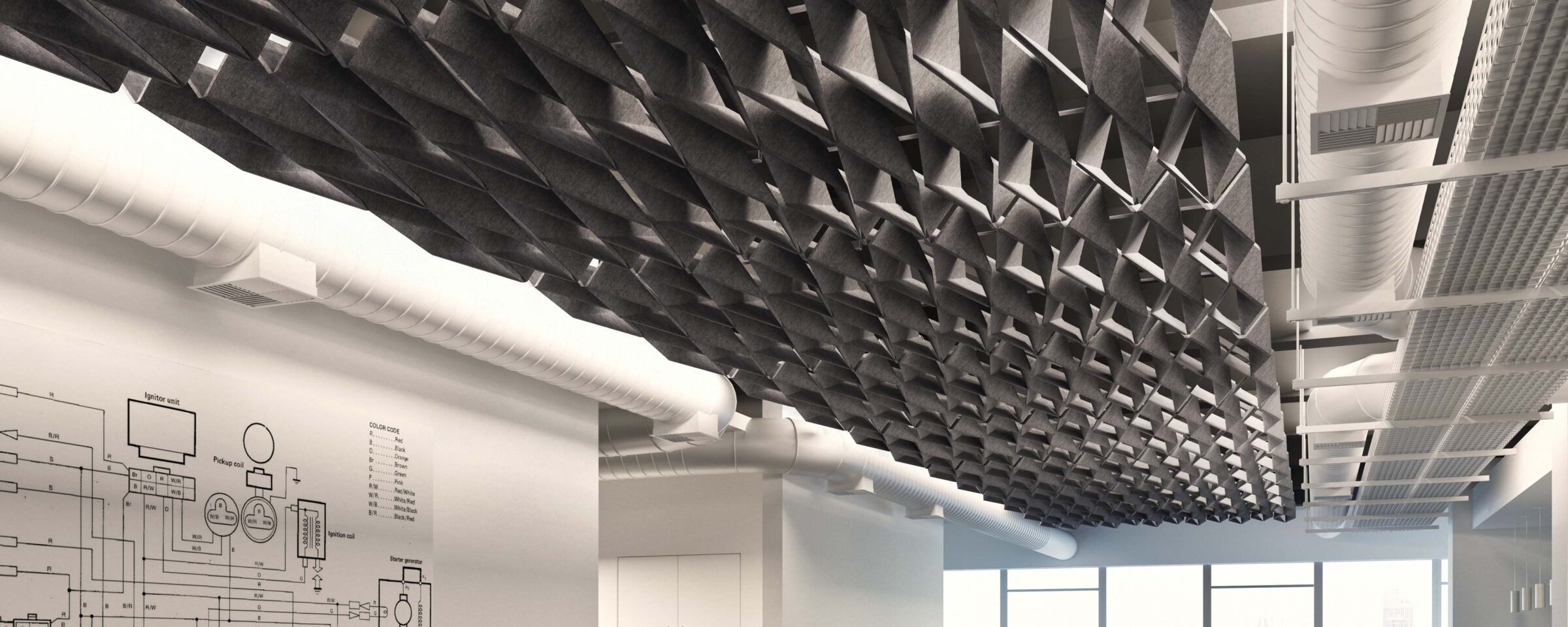
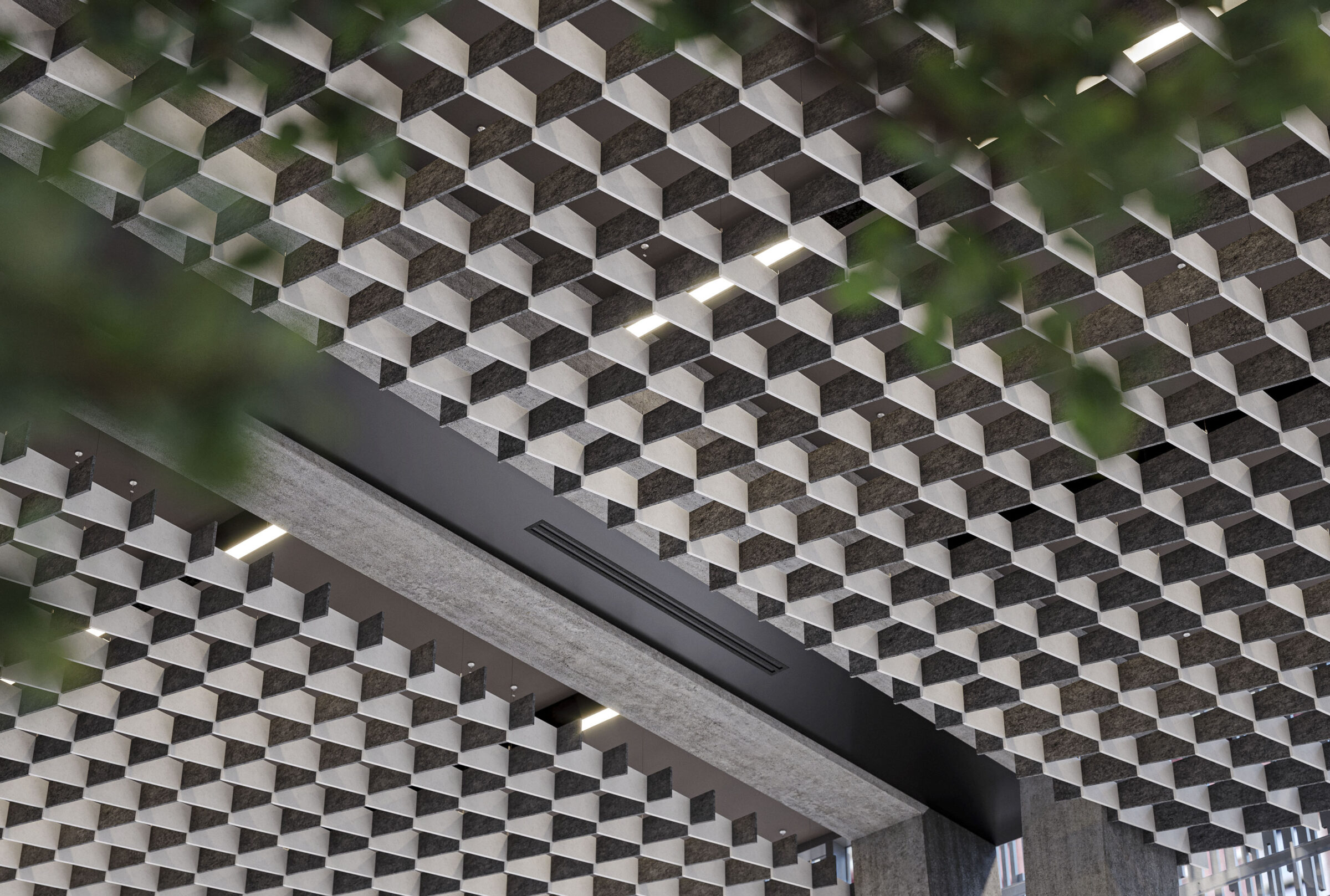
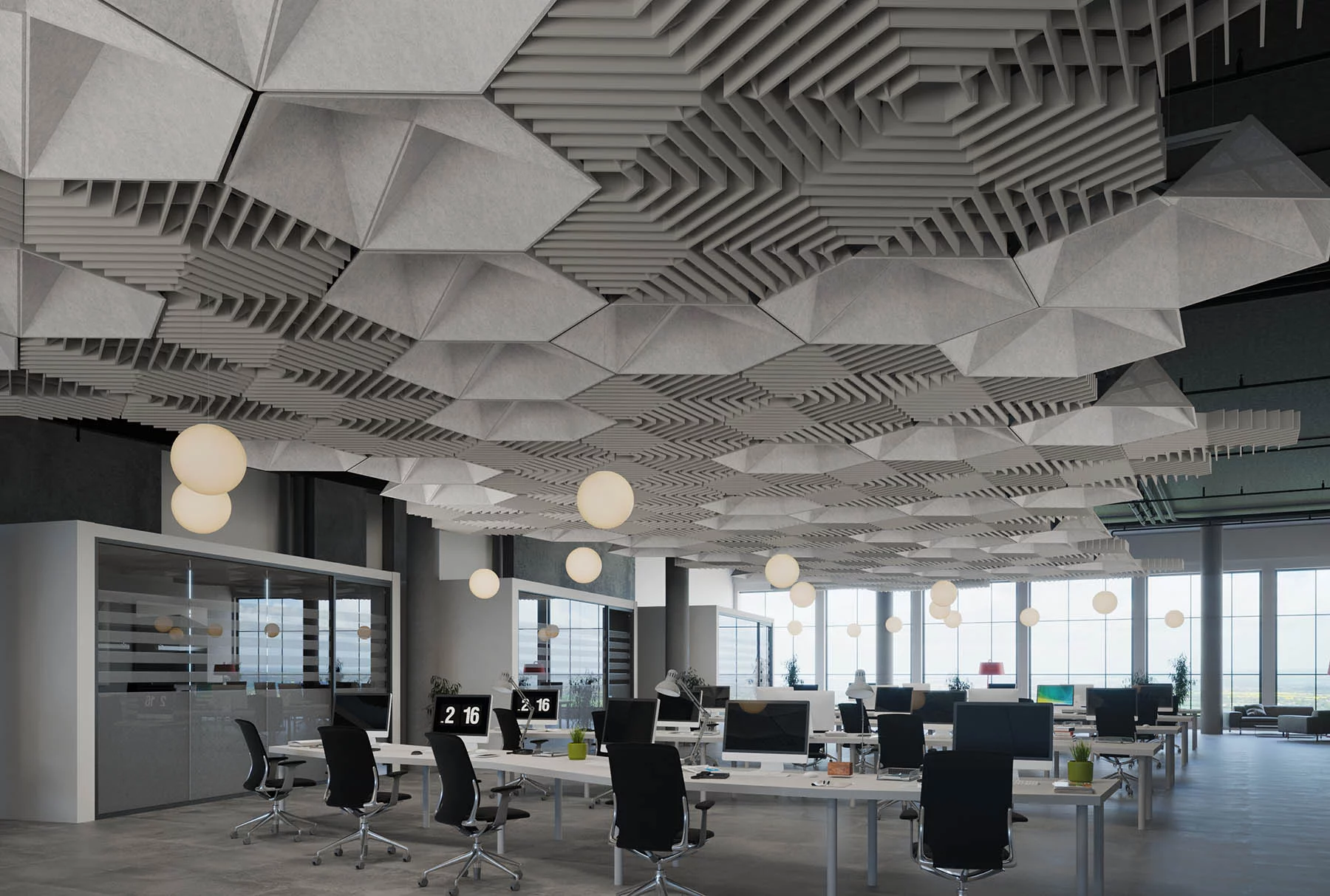
NOWN’s InfiKnit™ Das System ist das weltweit erste 3D-gestrickte Deckens- und Wandsystem für den Architekturbereich. Die dreidimensionale Oberflächengeometrie entsteht direkt im Strickprozess – jedes Bauteil wird in seiner endgültigen Form geliefert, sodass keine nachträgliche Bearbeitung erforderlich ist. Die Struktur ist integraler Bestandteil des Materials und nicht aufgebracht.
Bei der Installation kommt ein verdecktes Aluminium-Rahmensystem zum Einsatz — CircuLUM™. — das die Textilpaneele ohne sichtbare Befestigungen an der Vorderseite trägt. Das Ergebnis ist eine Decken- oder Wandfläche, auf der das Material klar zur Geltung kommt, ohne dass Befestigungselemente die Komposition stören.
Wo Textur am wirkungsvollsten ist
Die Materialstruktur kommt vor allem in Räumen zur Geltung, in denen sich die Nutzer längere Zeit in unmittelbarer Nähe zu Oberflächen aufhalten: Flure, Empfangsbereiche, Besprechungsräume, Akzentwände in Gastronomiebetrieben. In diesen Maßstäben ist der Unterschied zwischen einer glatten und einer strukturierten Oberfläche sofort erkennbar.
Fertigung und Nachhaltigkeit
InfiKnit™ wird bei der Herstellung ohne Materialabfall produziert. Durch das 3D-Strickverfahren wird jedes Bauteil direkt in seiner endgültigen Form gefertigt, sodass keine Verschnittstücke anfallen. Für Projekte mit Zielen zur Materialeffizienz oder Anforderungen an den CO₂-Fußabdruck ist dies eine faktische, nachweisbare Eigenschaft des Produkts.
Entdecken InfiKnit™ Anwendungen an Decken und Wänden →