
The Role of Material Texture in Contemporary Architectural Interiors
April 13, 2026
·2 min read
Surface texture shapes spatial perception as much as form and proportion. Here’s how architects are using material depth — from 3D-knitted textiles to structured PET felt — to define interior character.
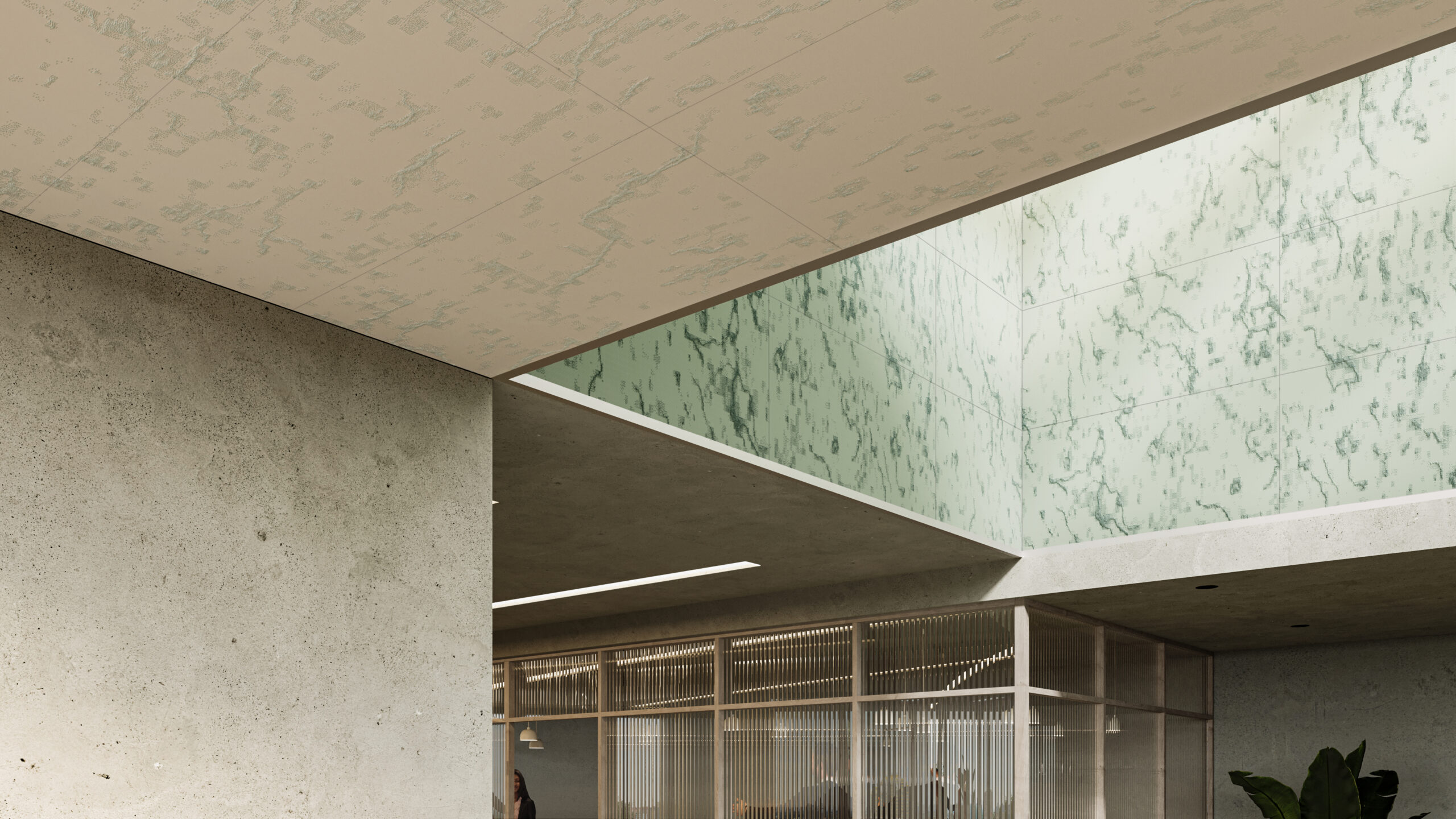
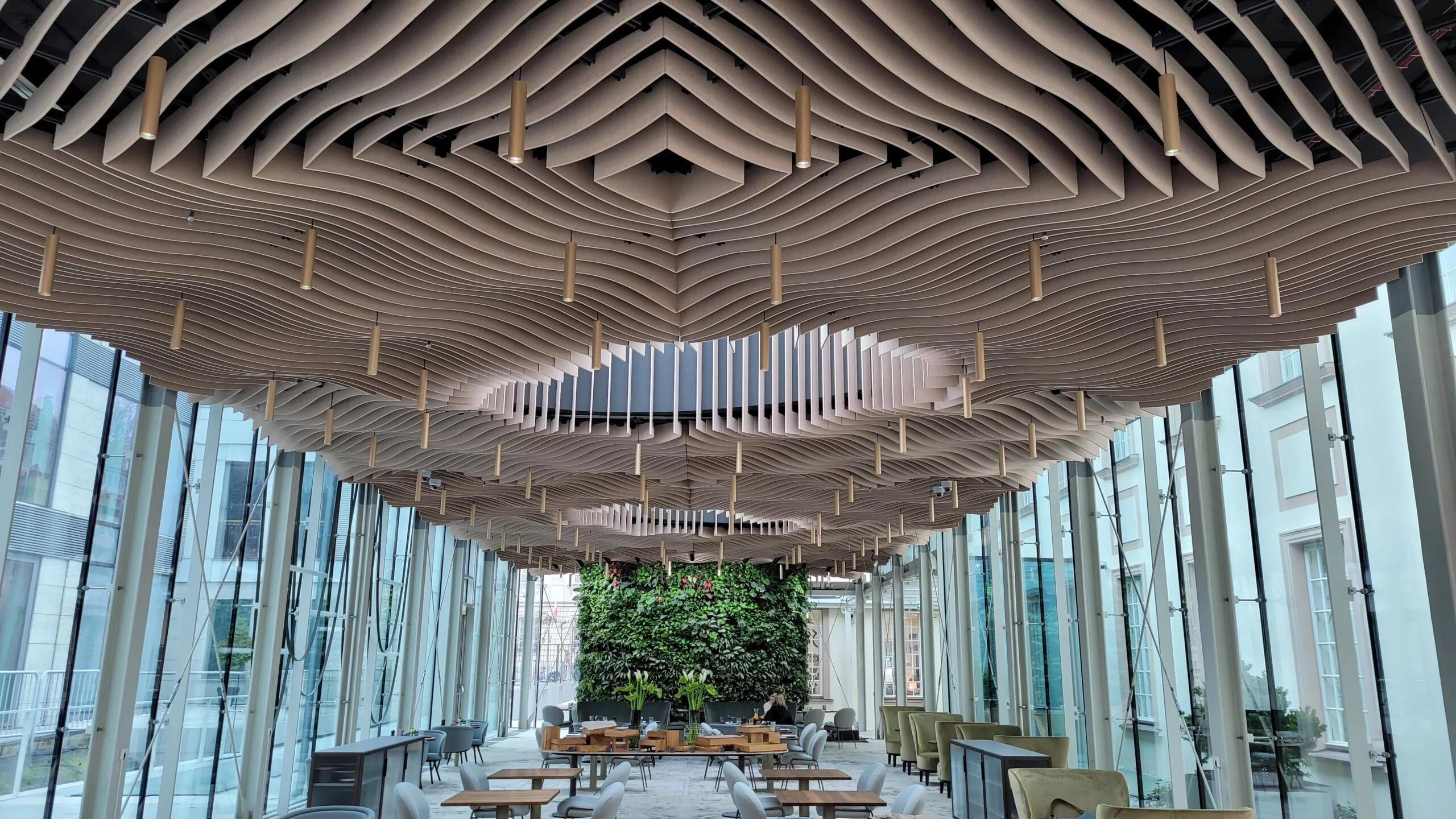
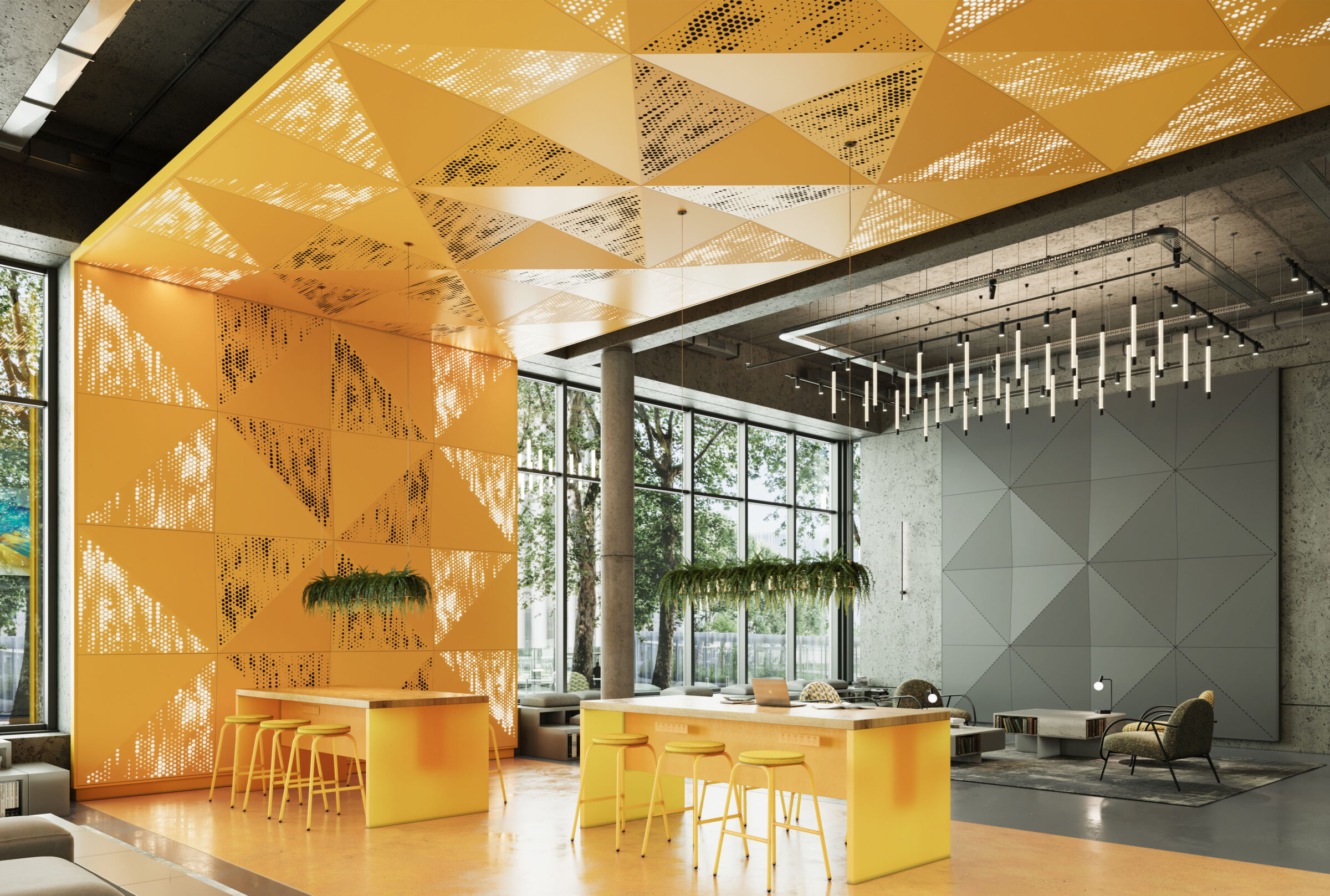
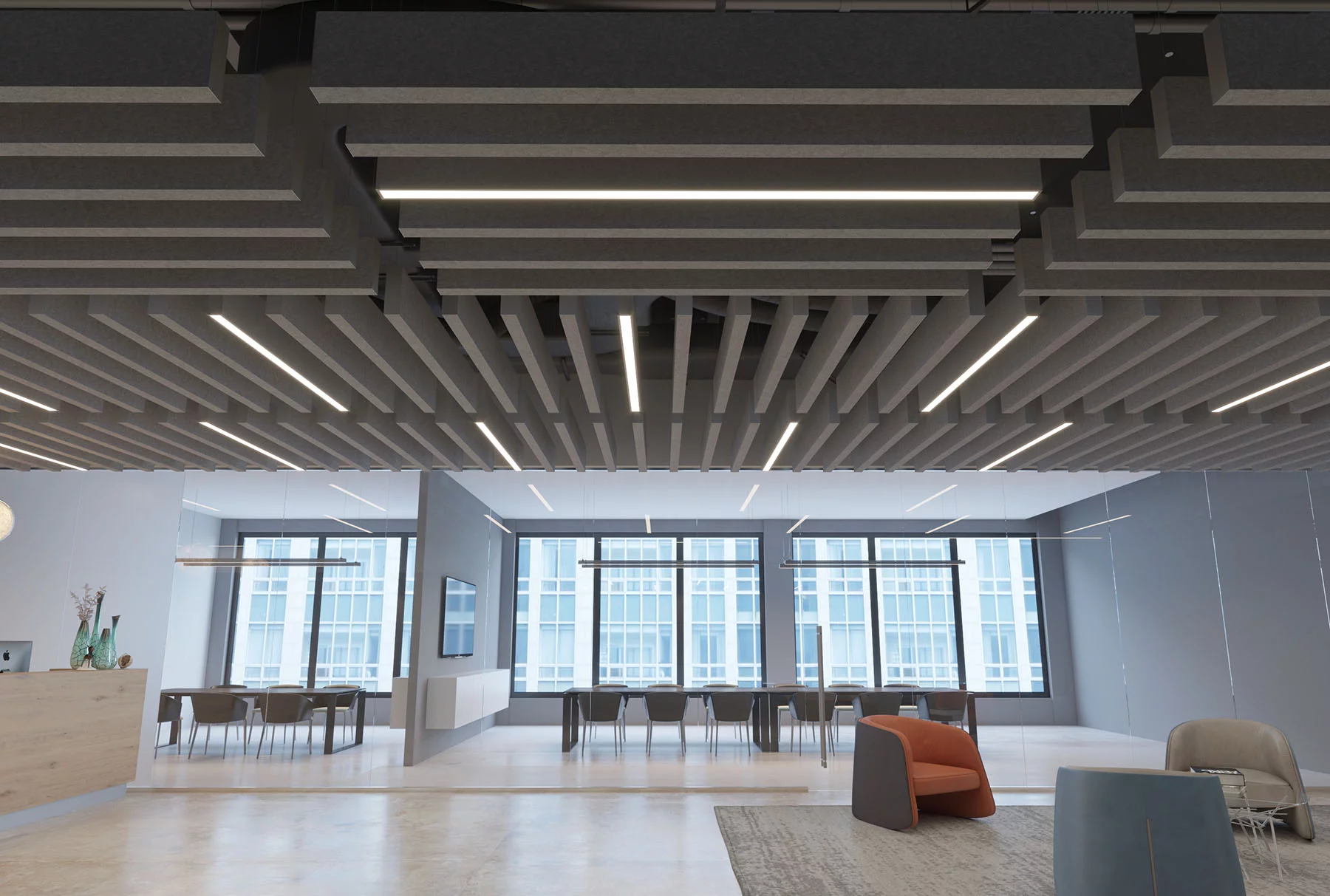
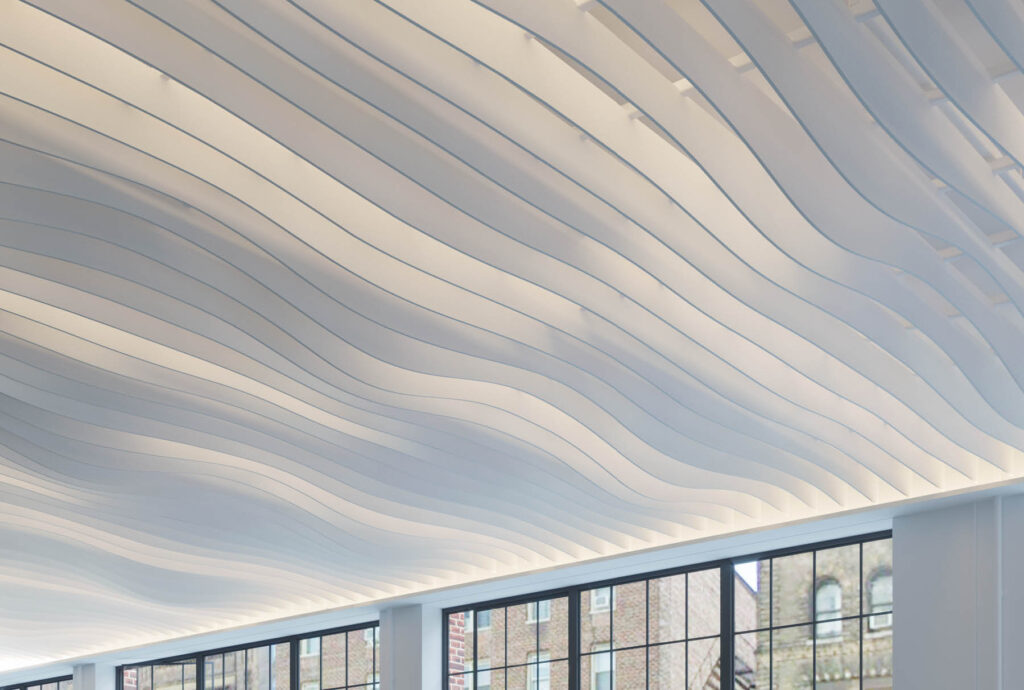
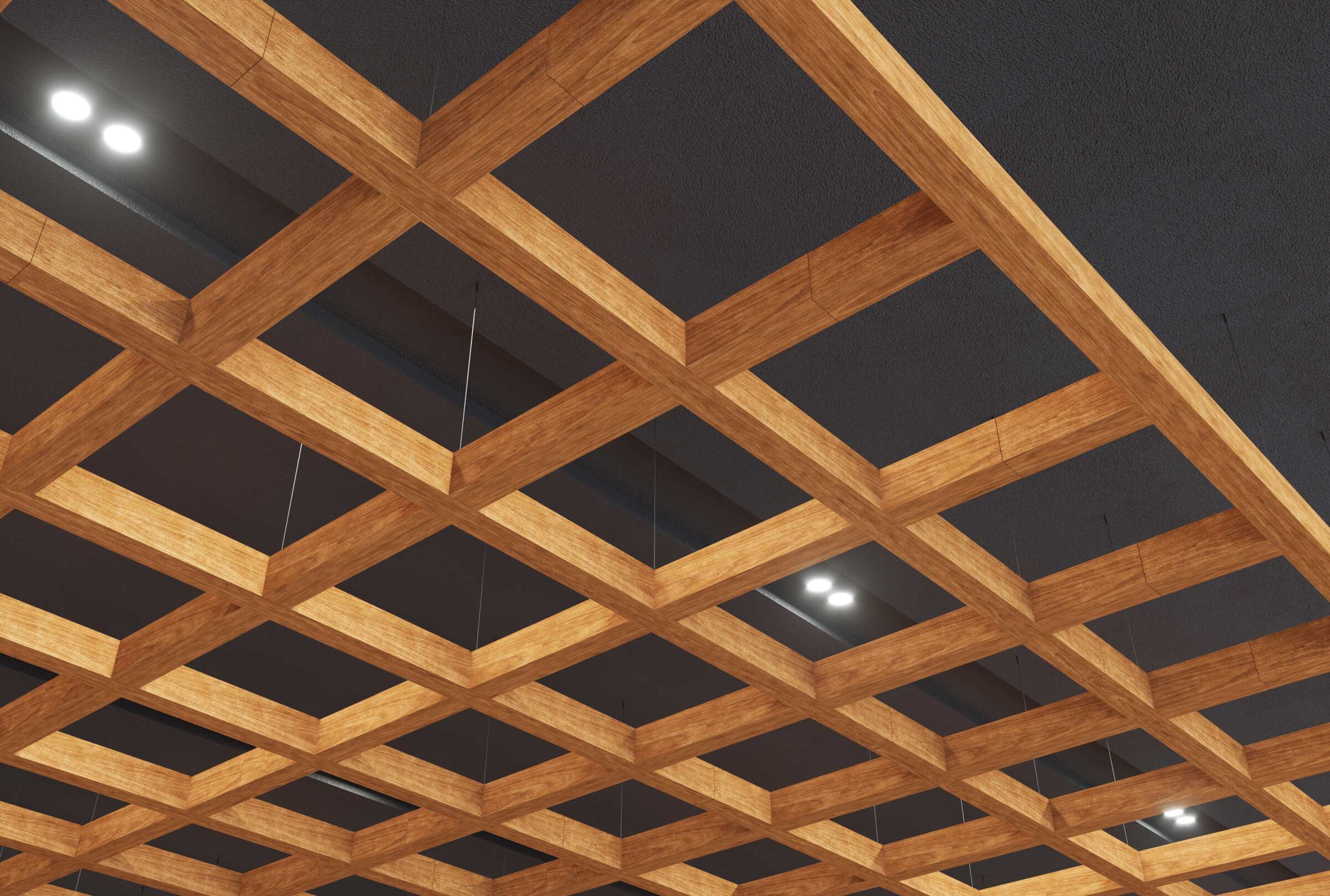
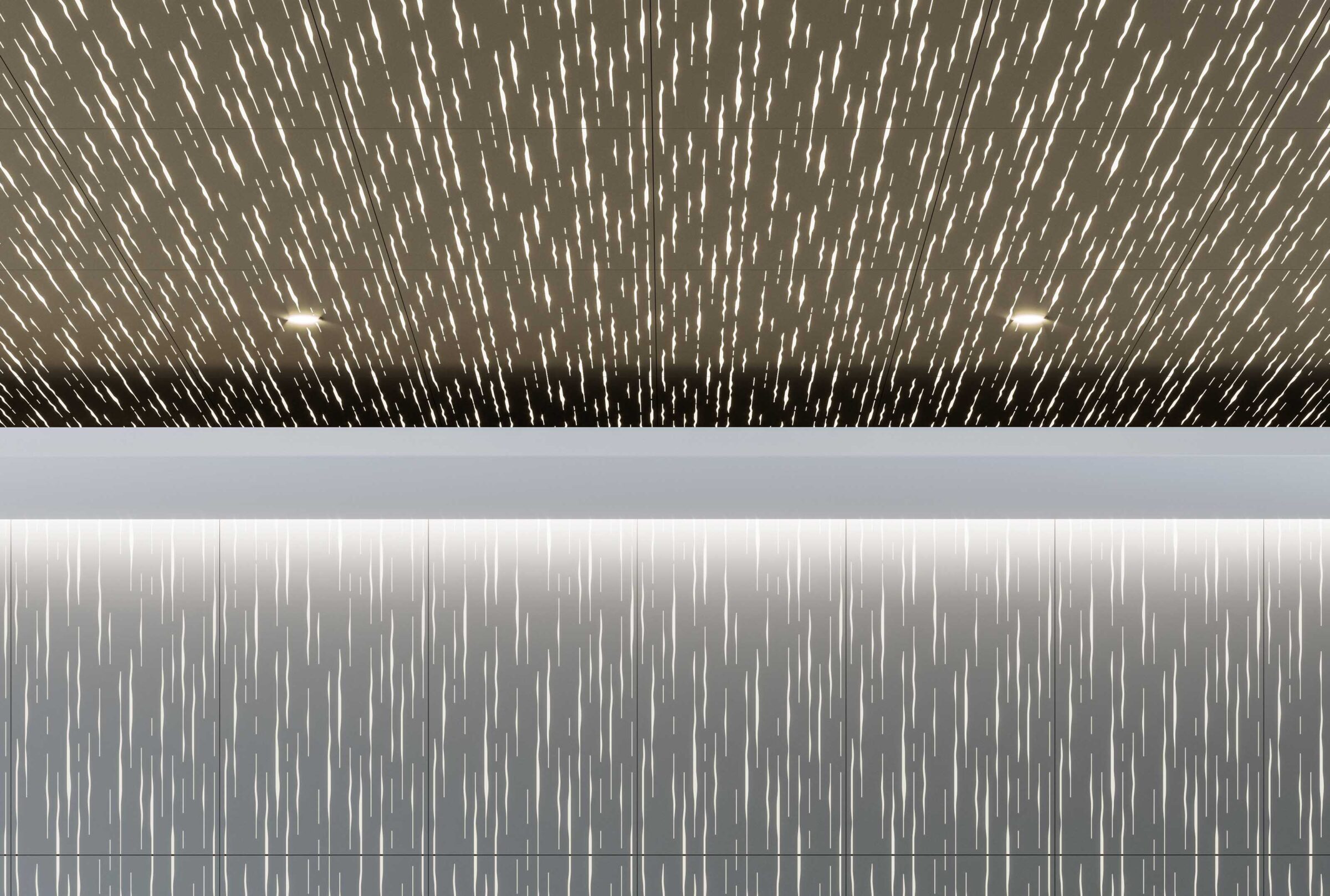
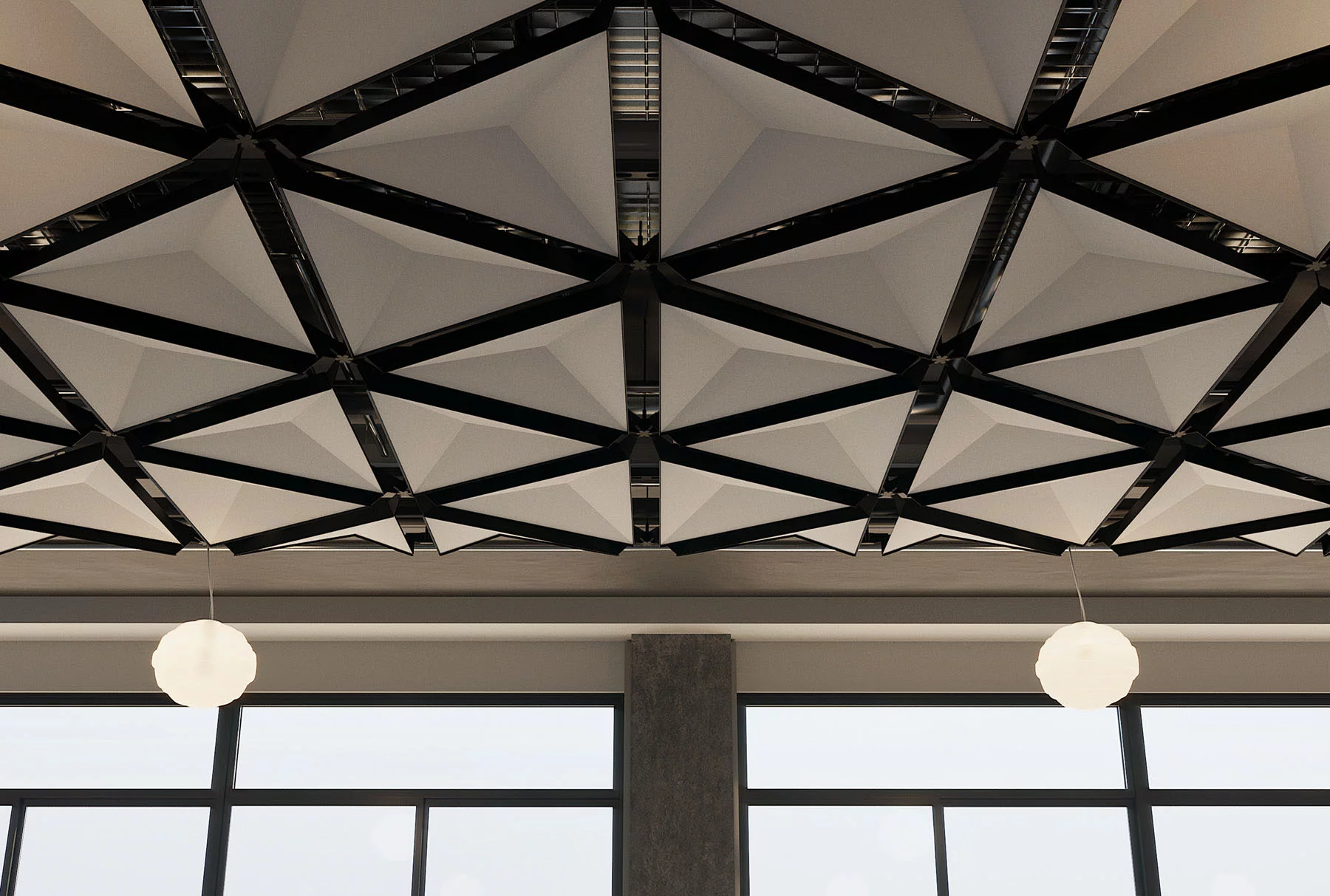
In a project where finishes are well-resolved, the ceiling often carries more visual weight than it is given credit for. A flat, painted plasterboard ceiling reads as background — neutral to the point of inert. A ceiling with genuine material depth reads as a surface with intention.
Texture as Architectural Information
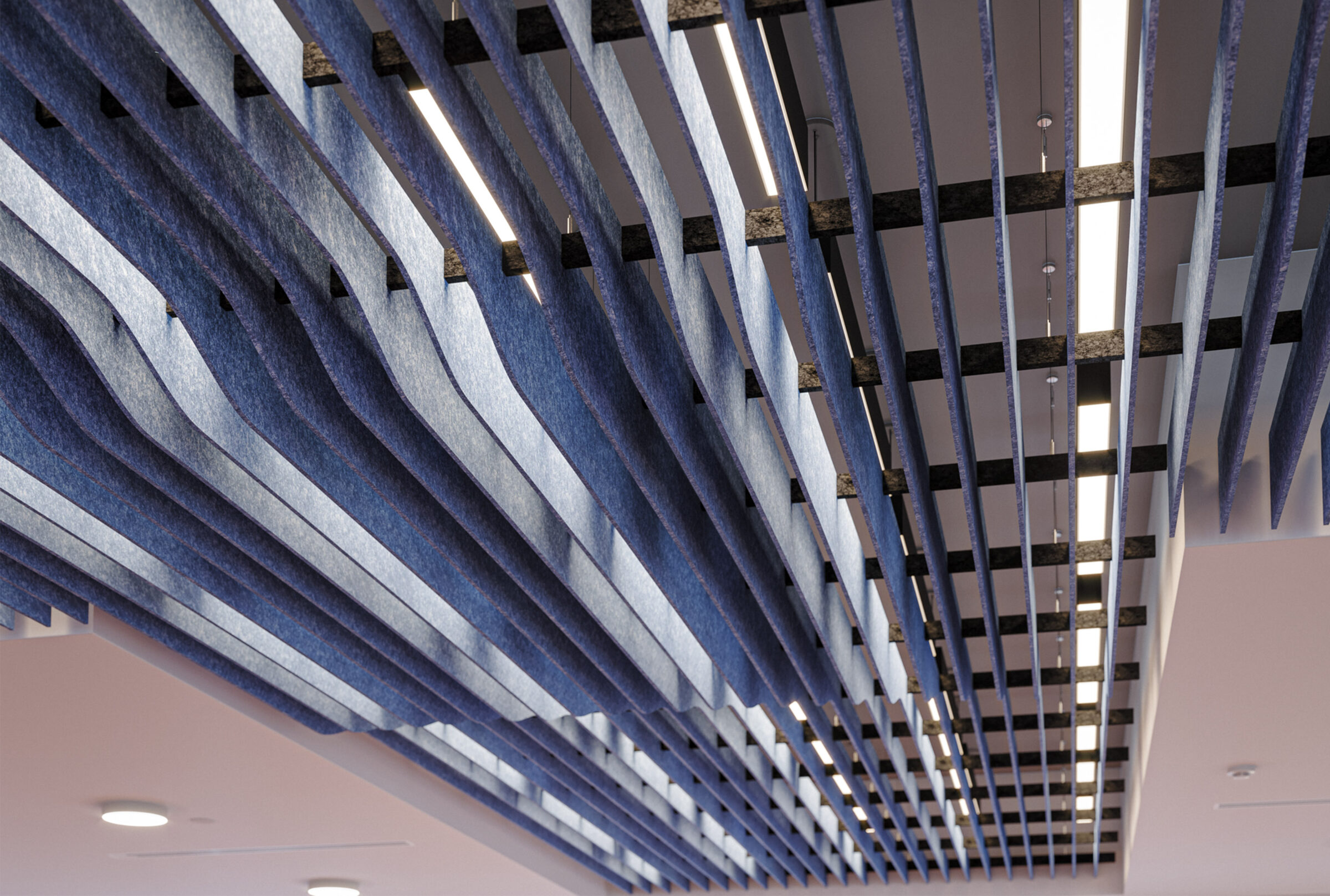
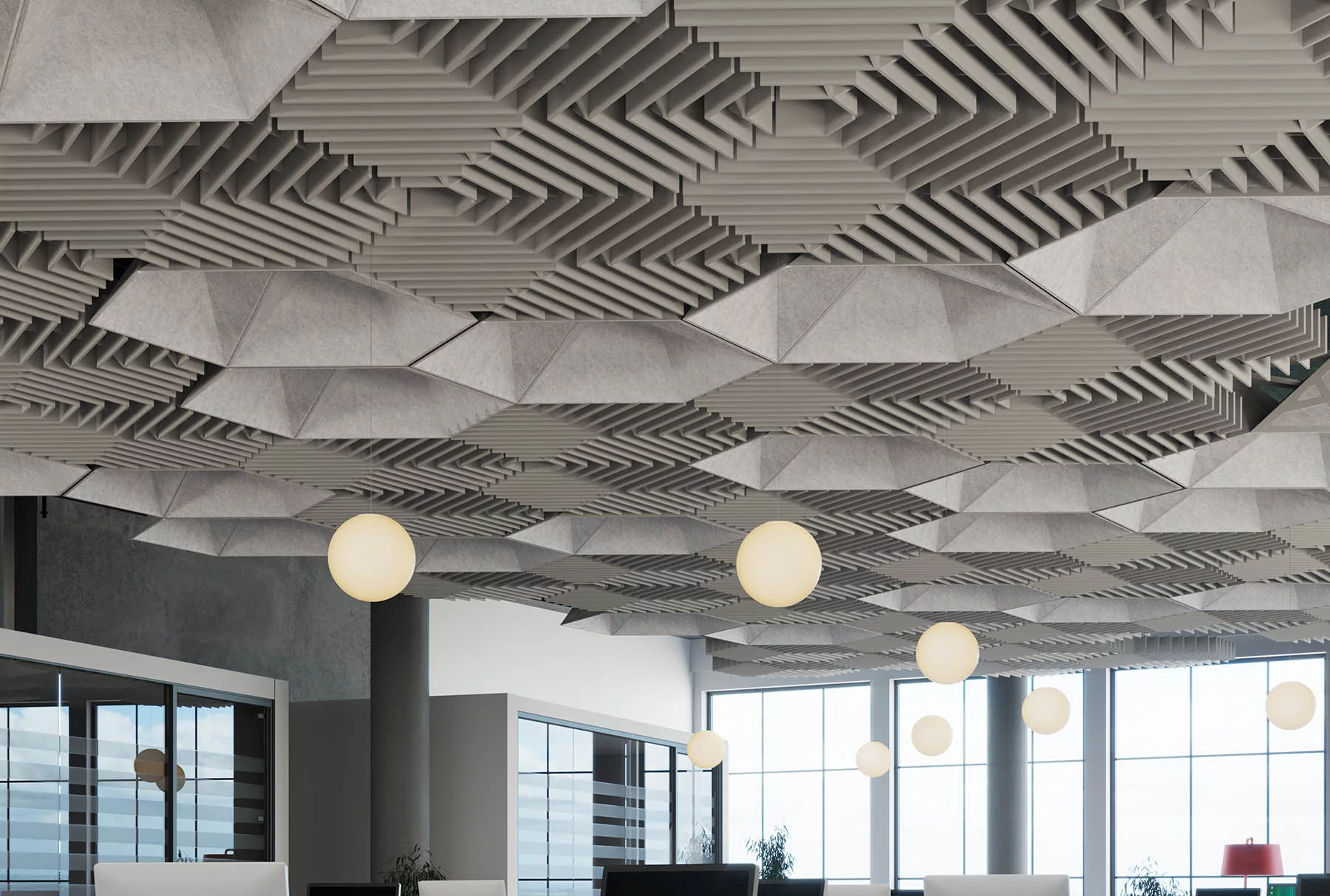
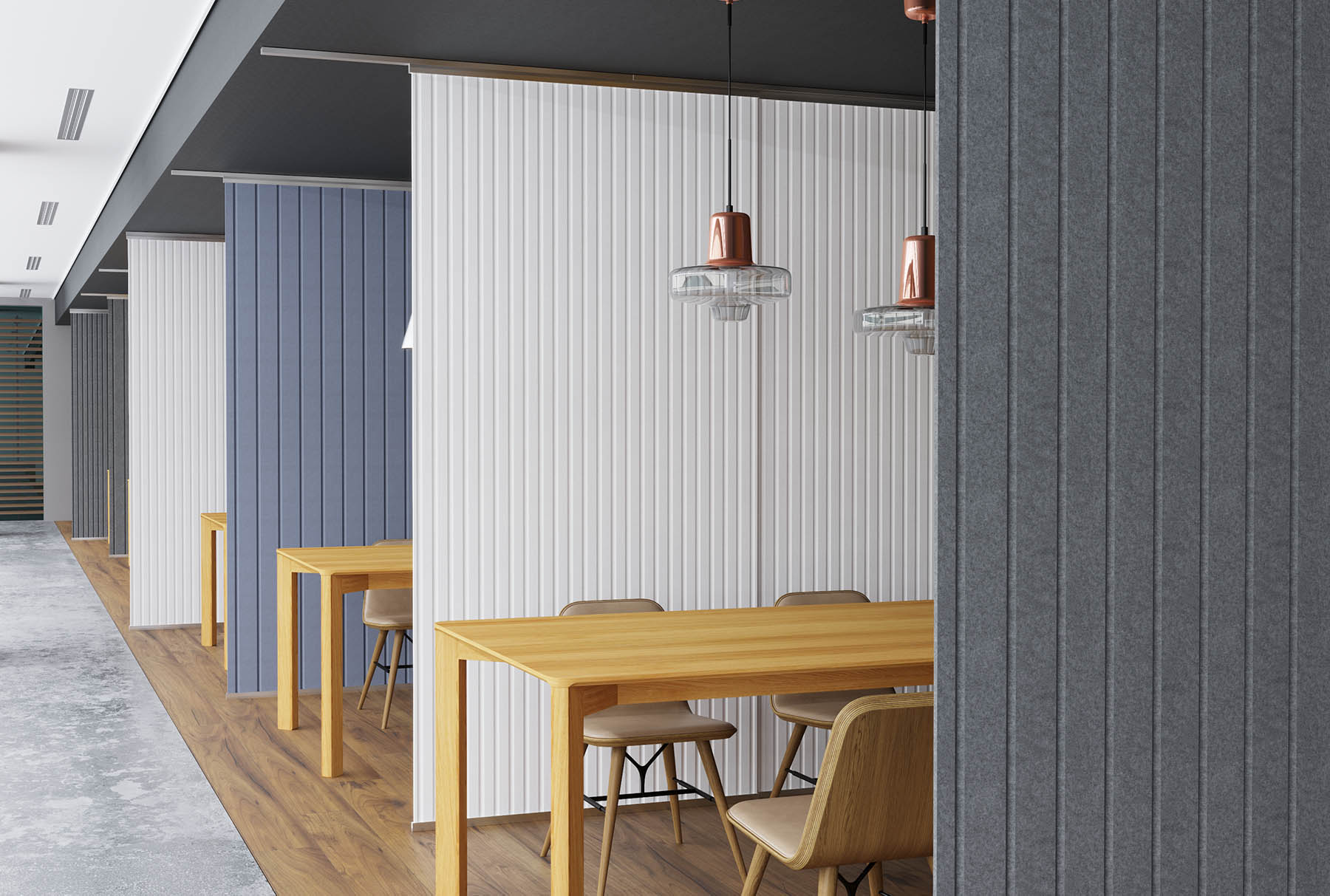
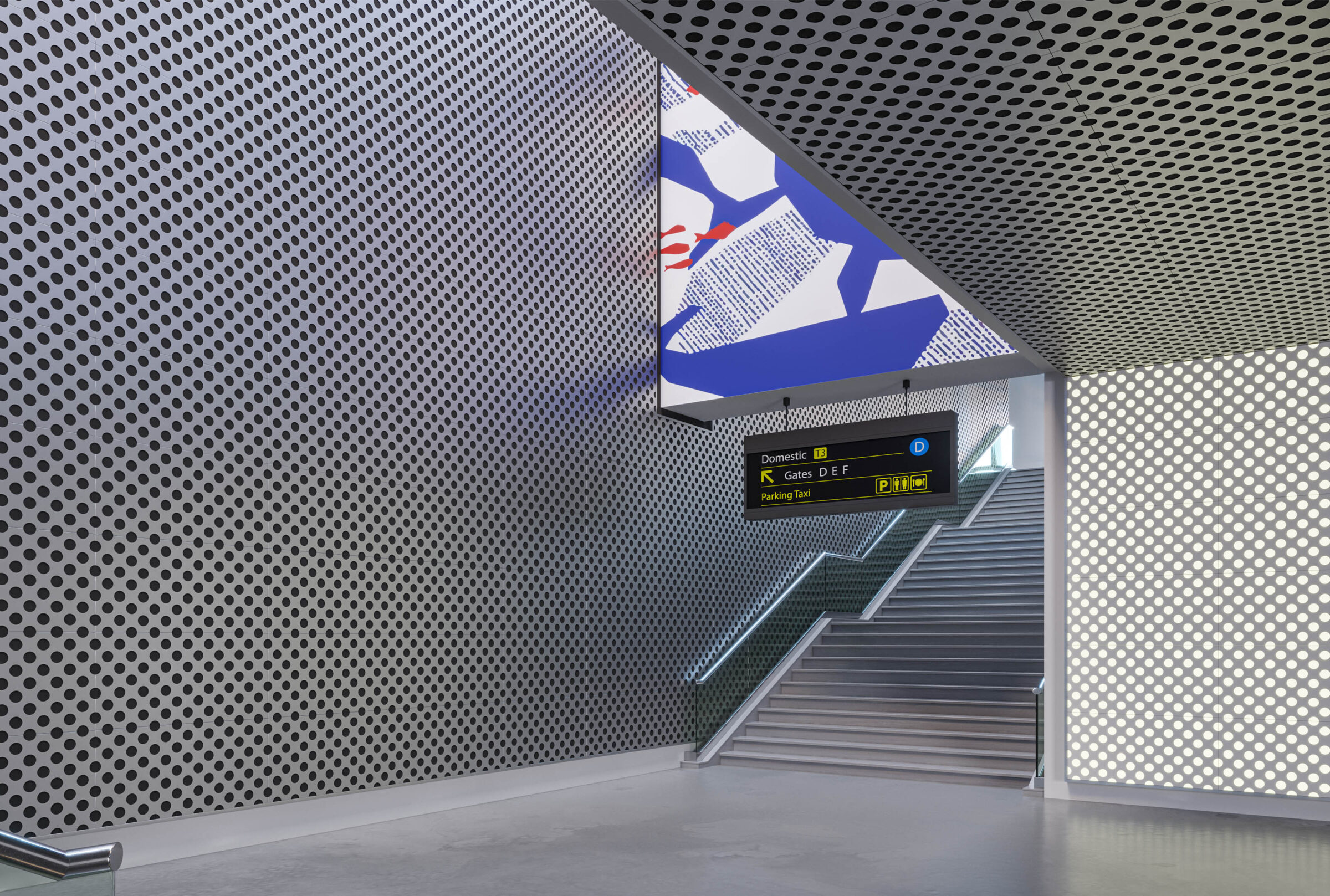
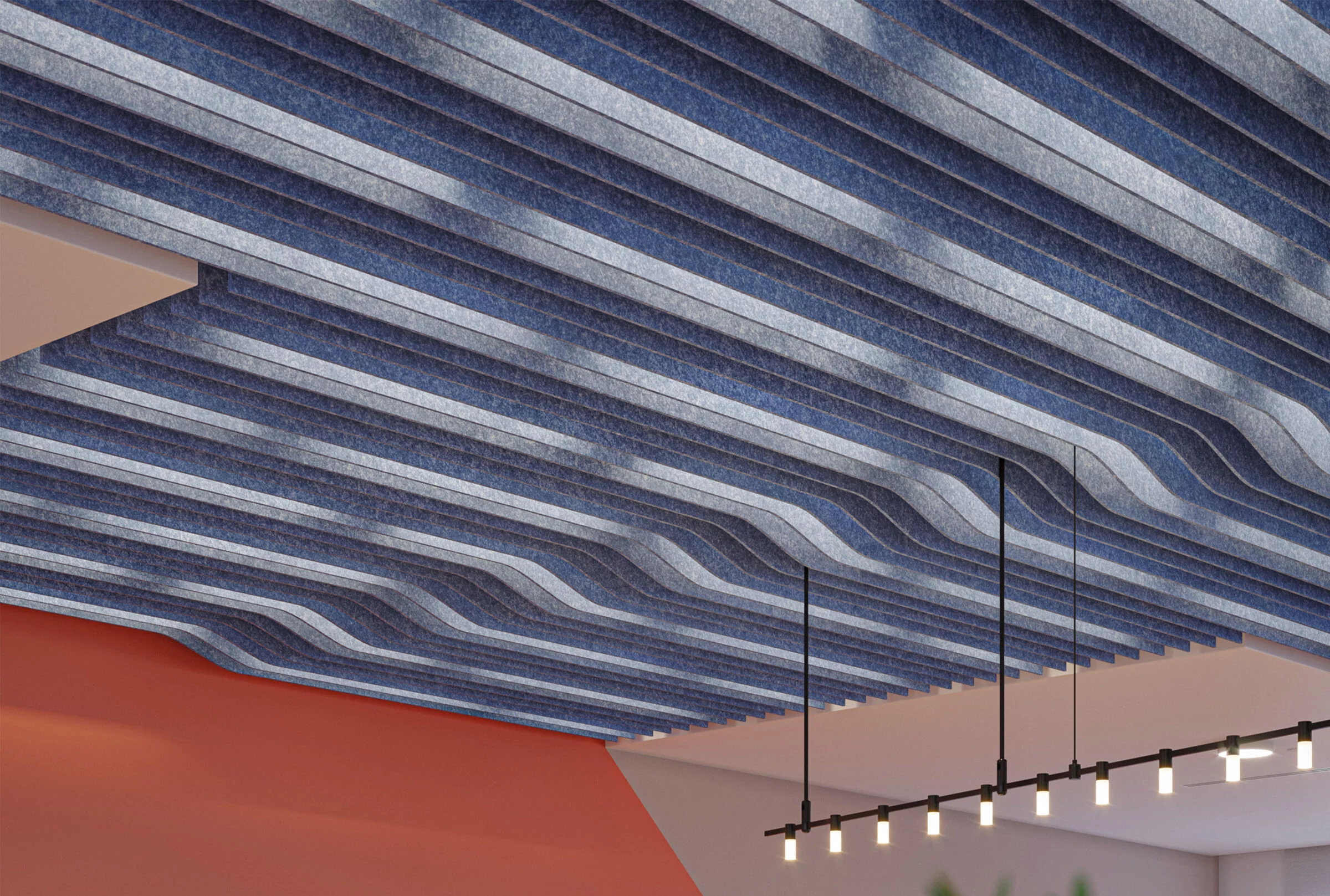
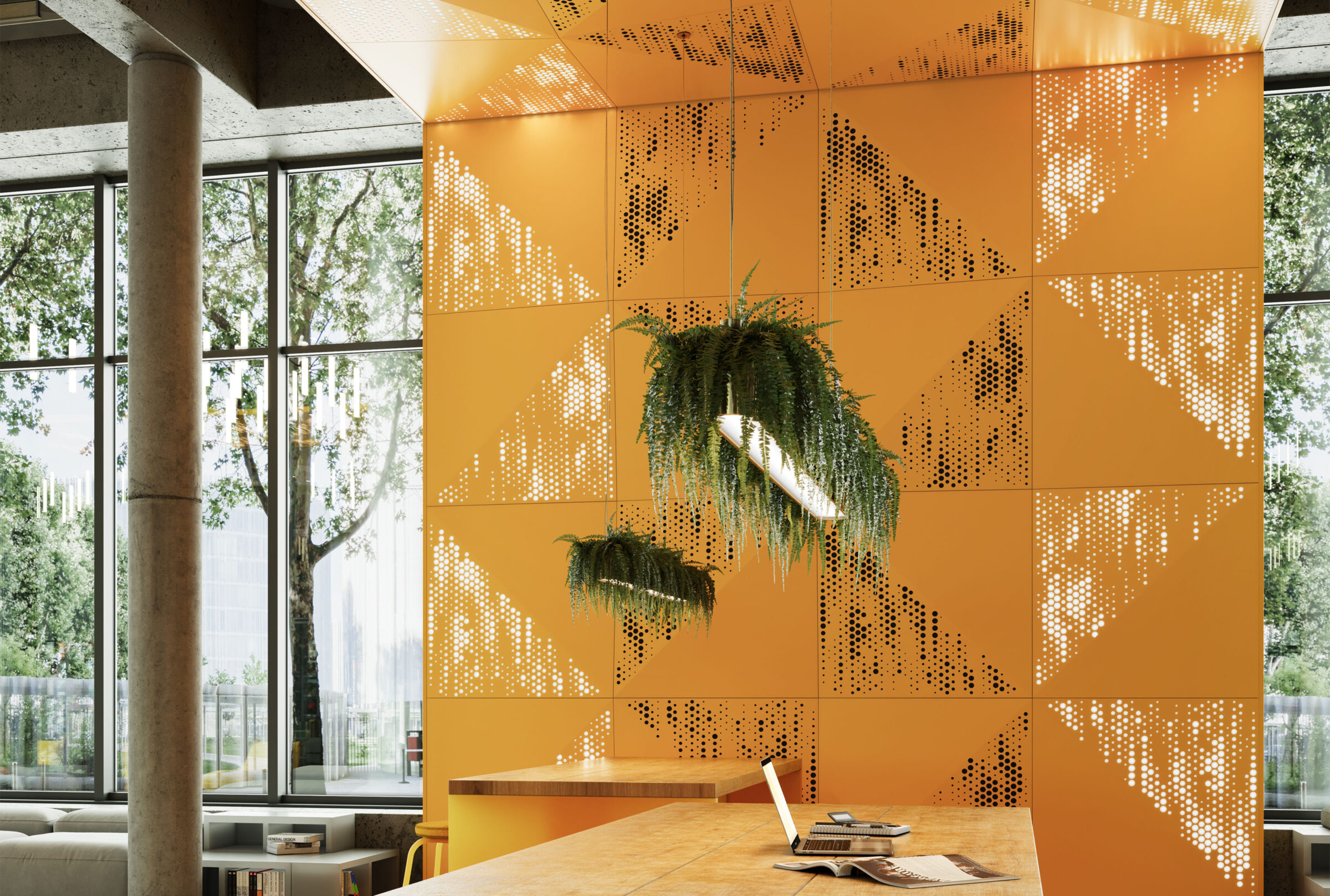
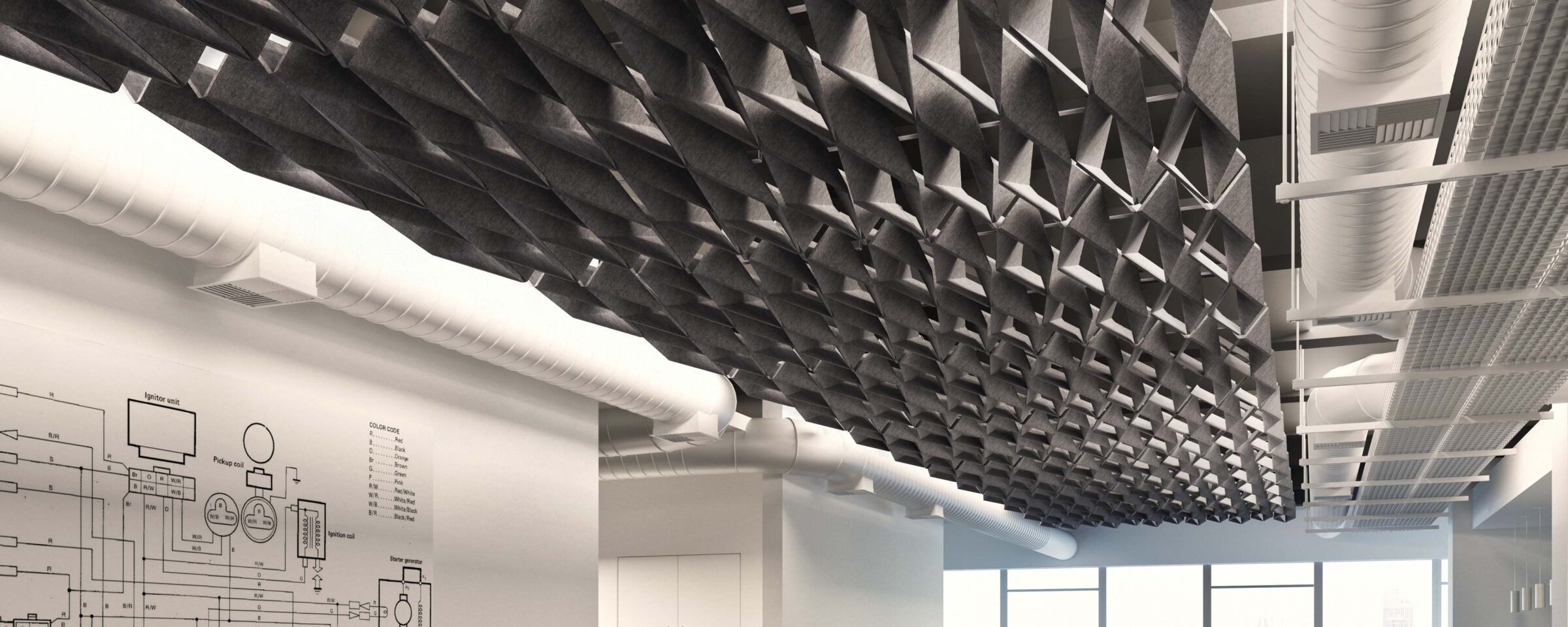
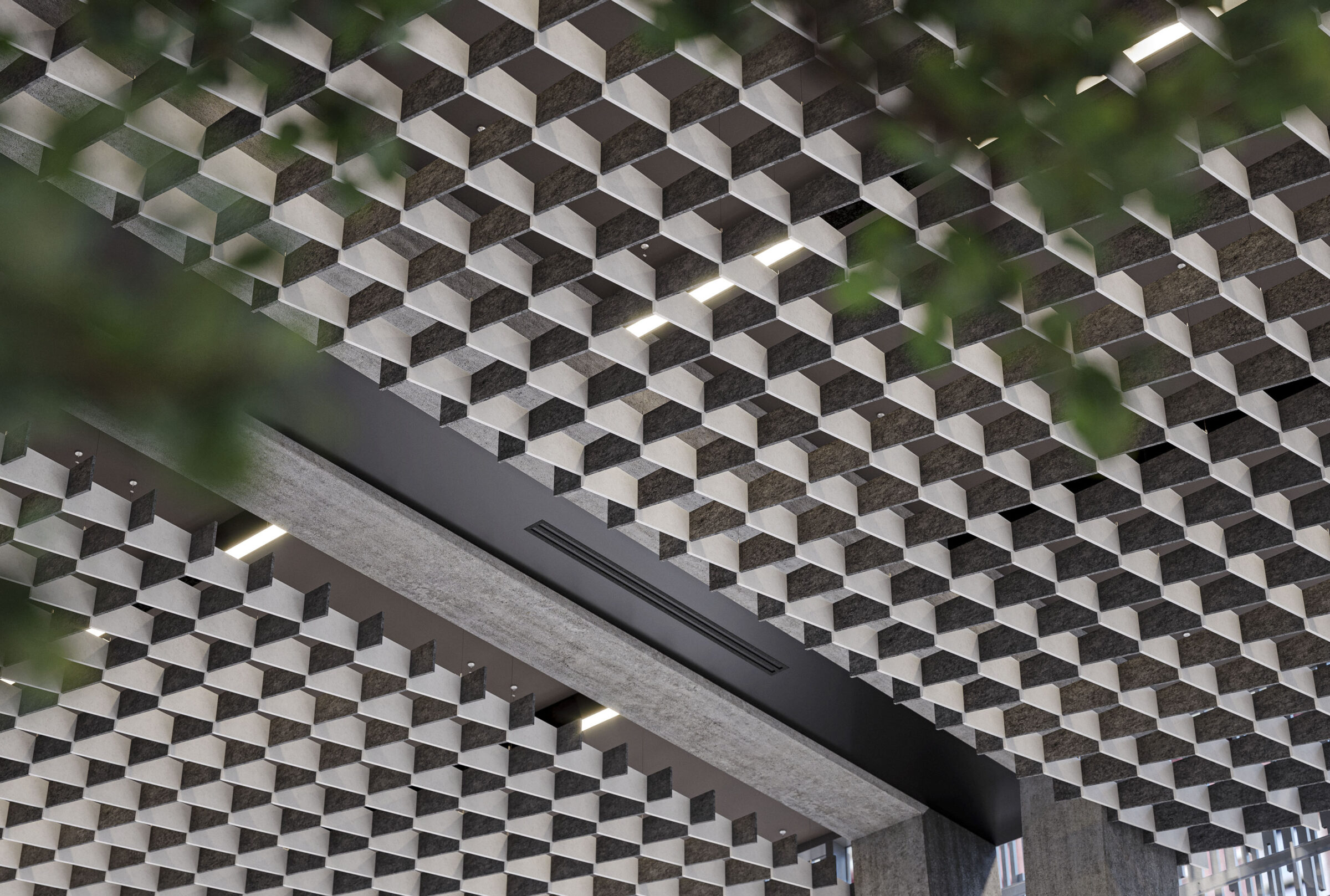
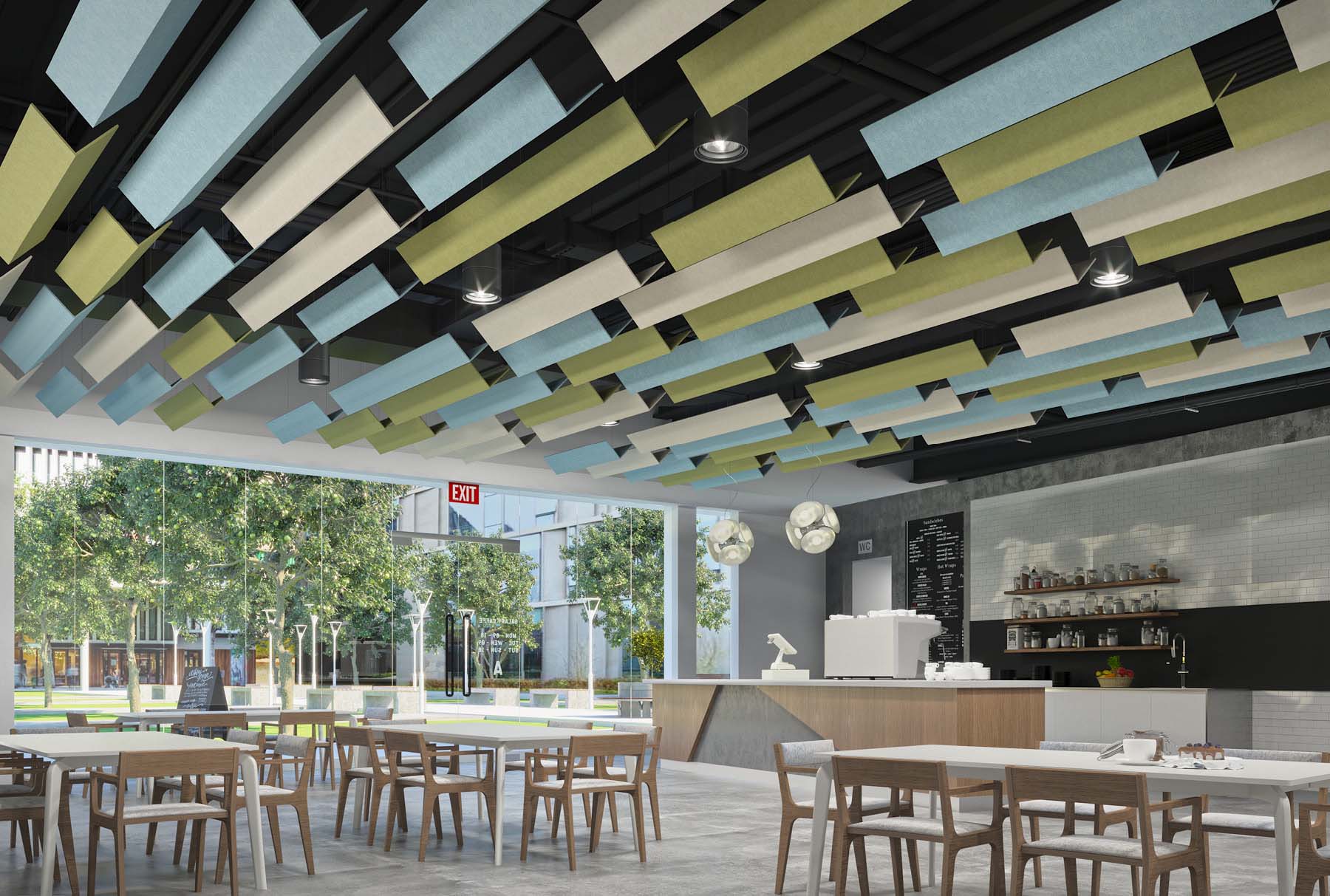
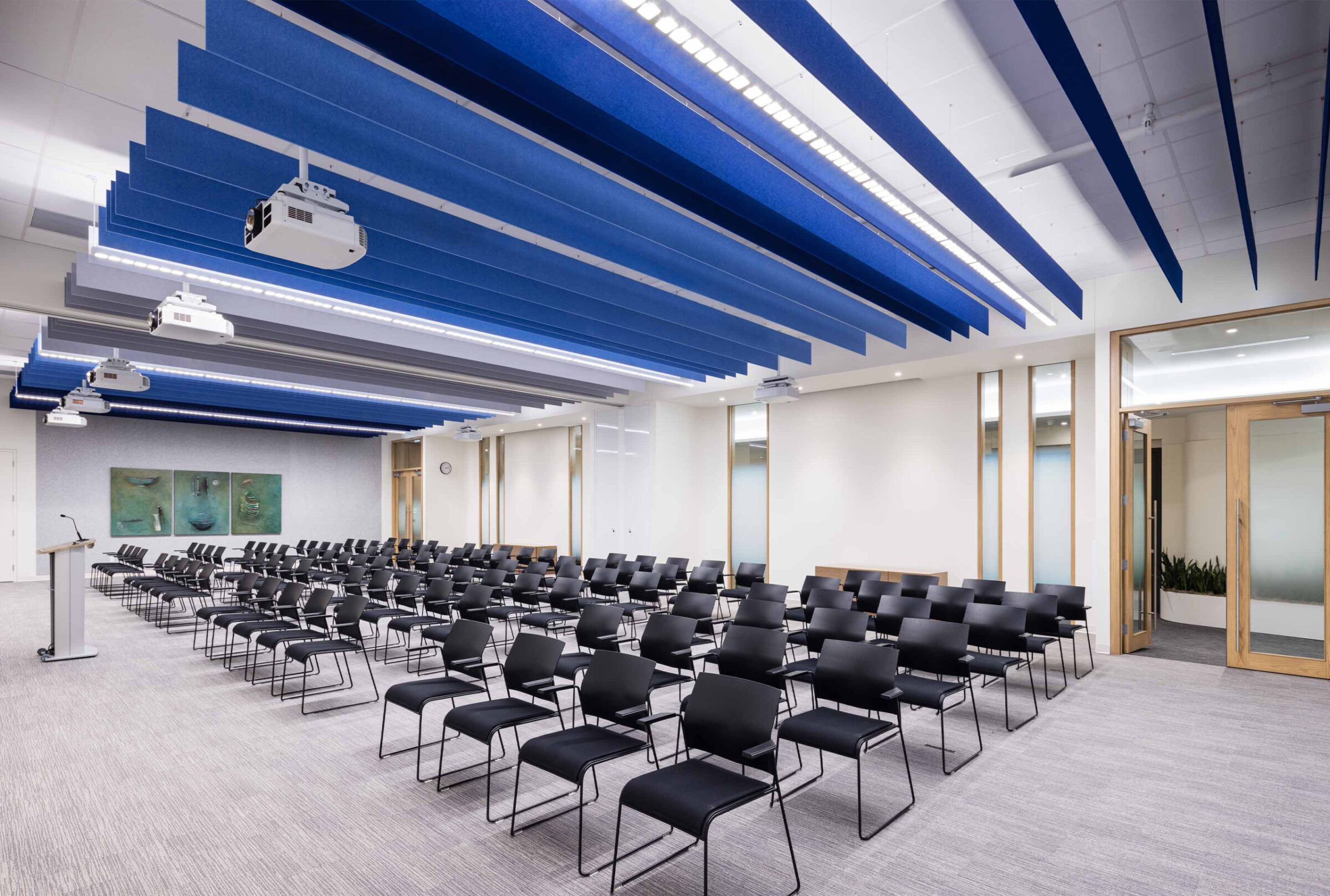
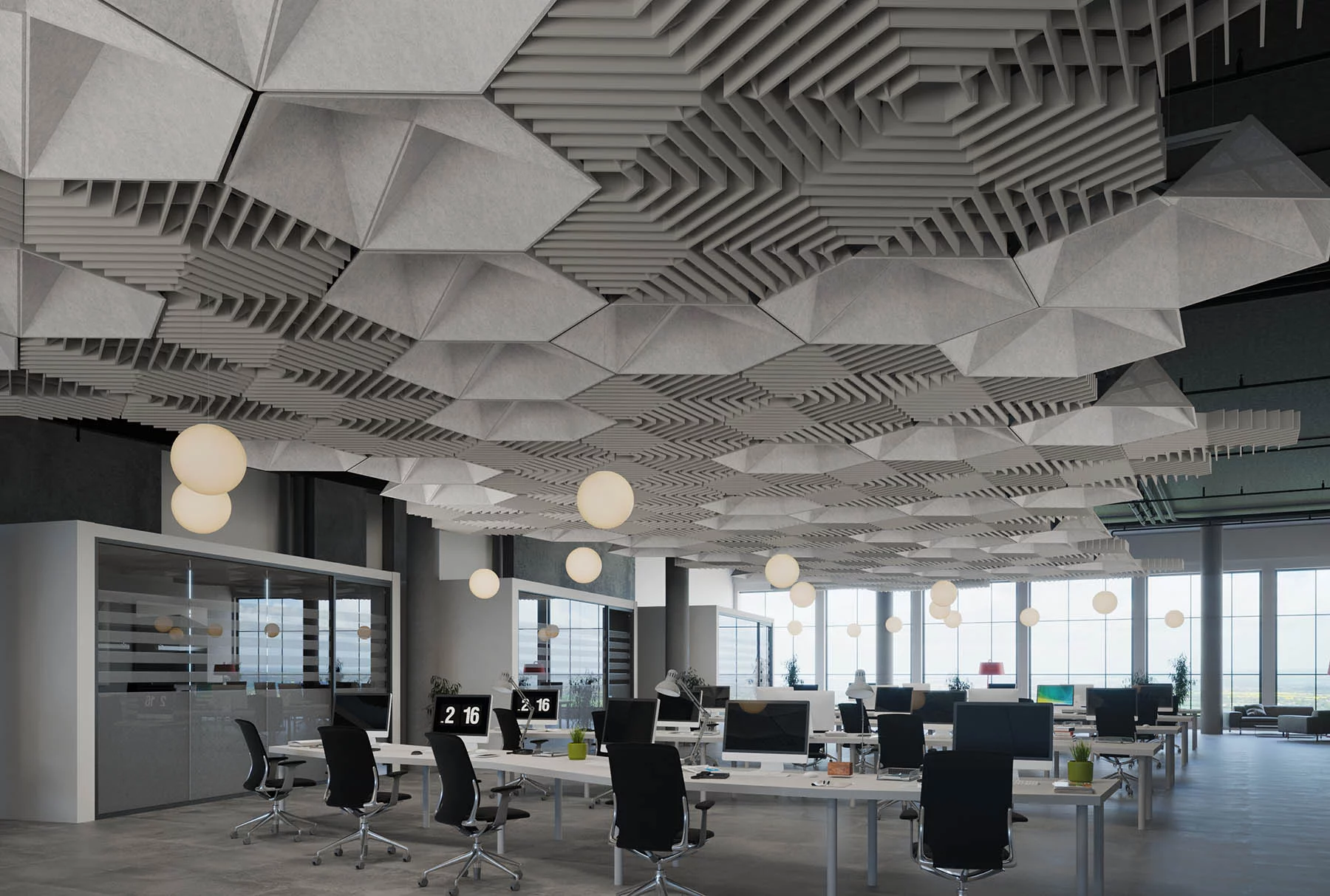
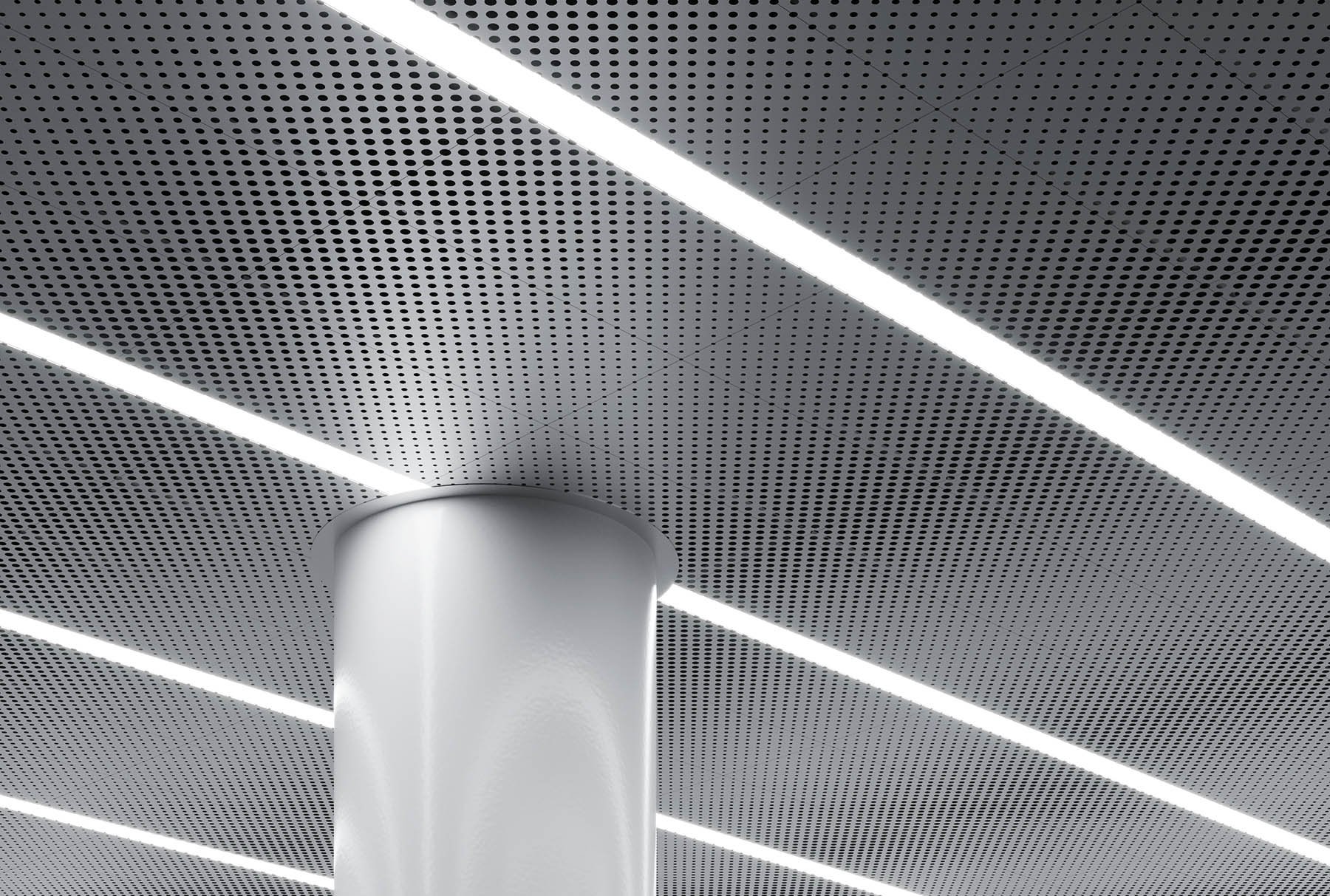
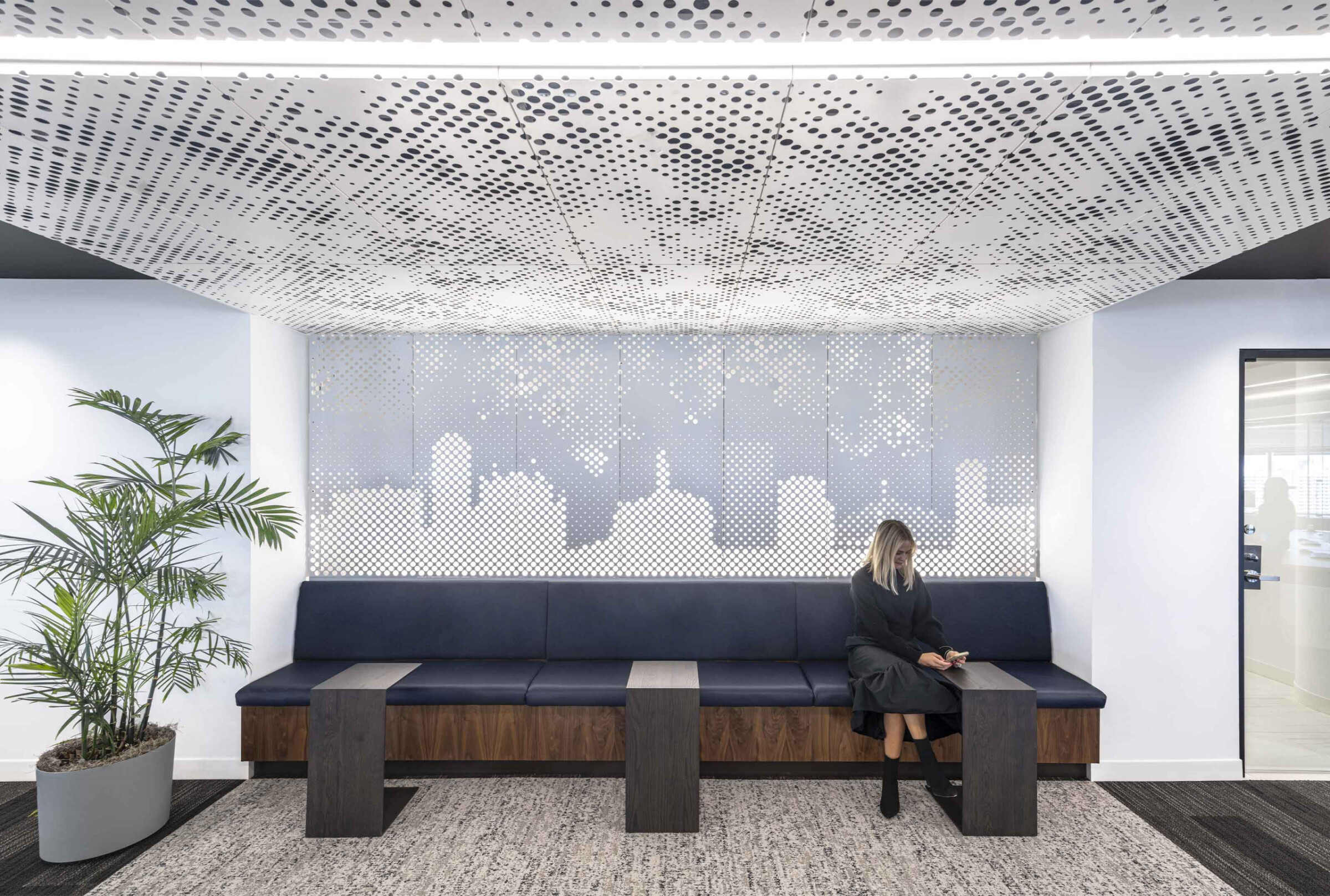
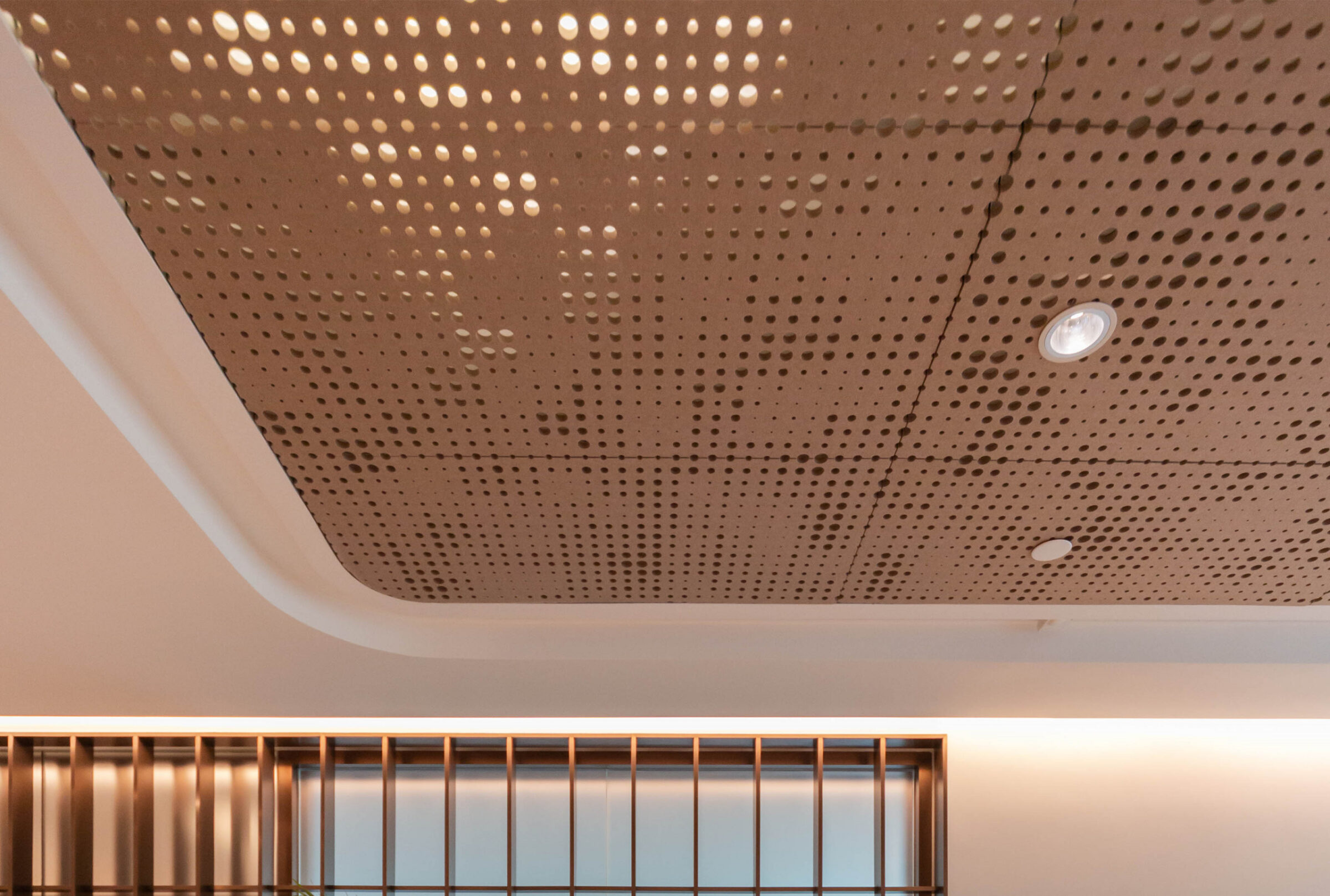
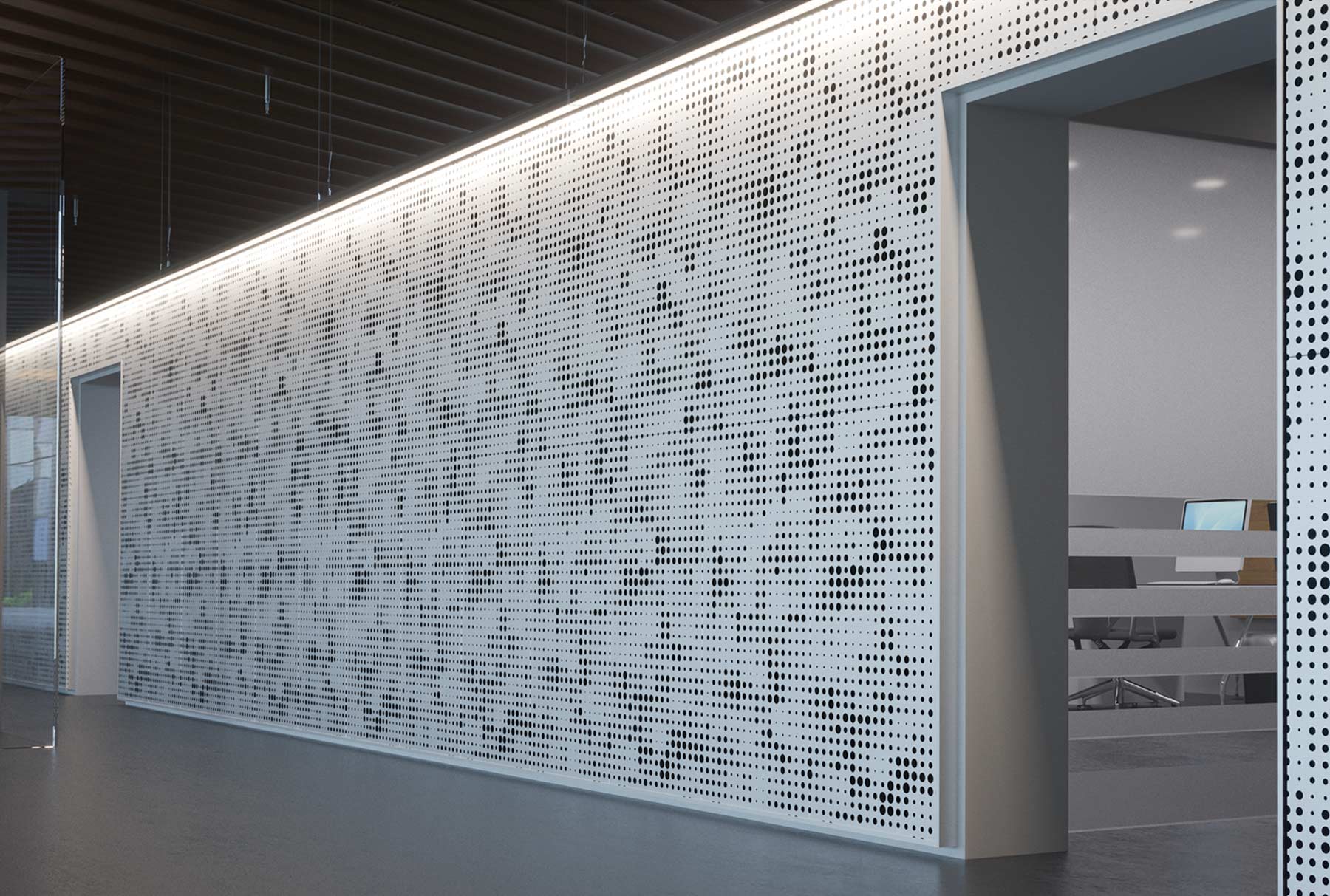
Material texture communicates things that form and proportion alone cannot. It suggests craft, specificity, material intelligence. A structured acoustic surface — whether a PET felt baffle, a 3D-knitted panel, or a perforated aluminium ceiling — tells the occupant something about the quality of thinking that produced the space.
This is not aesthetics for its own sake. Texture at ceiling level typically correlates with acoustic performance. A surface with depth absorbs more sound than a flat one at the same surface area. The visual and the acoustic qualities are often produced by the same formal decision.
InfiKnit™ — Designed Depth
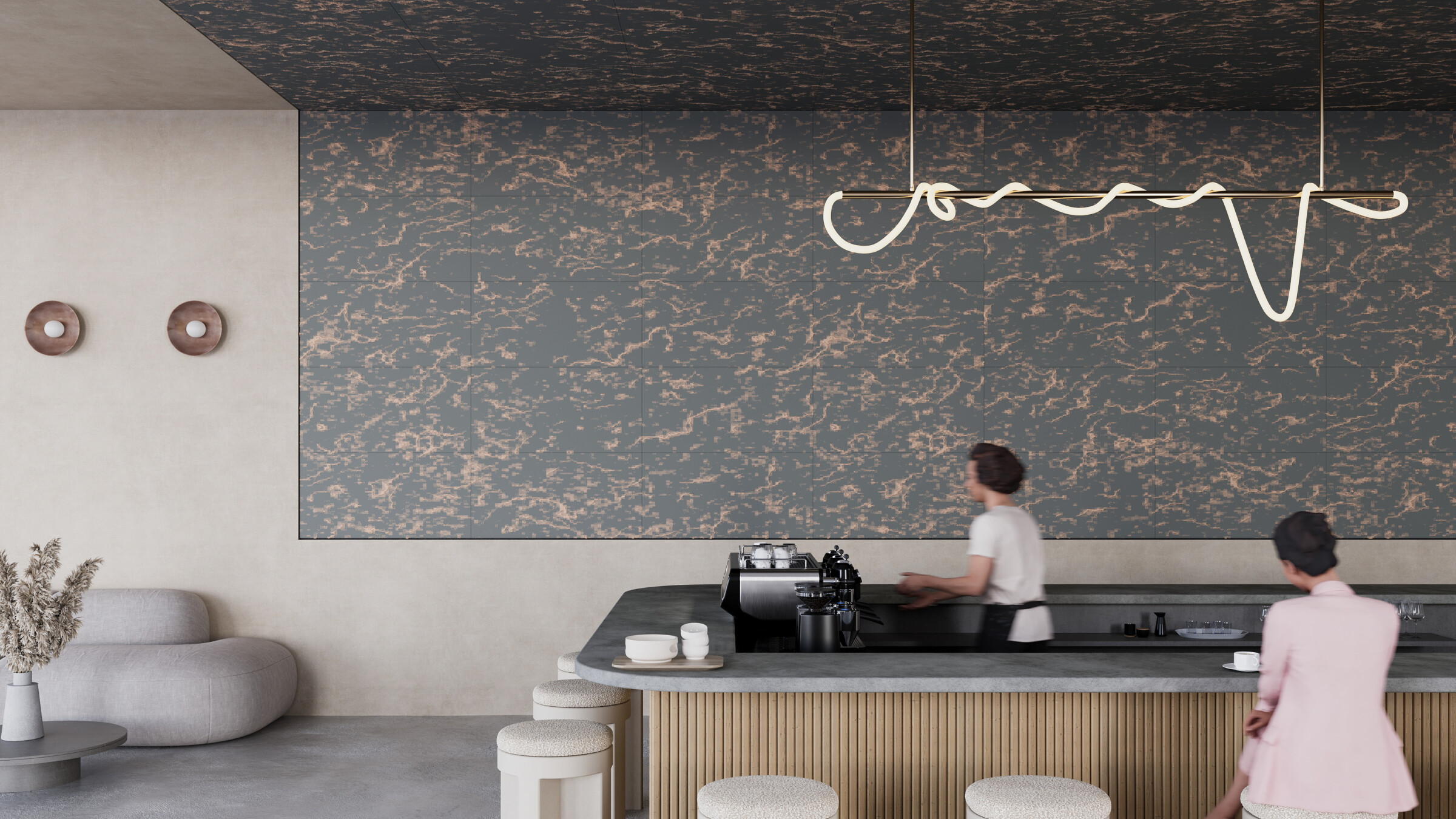
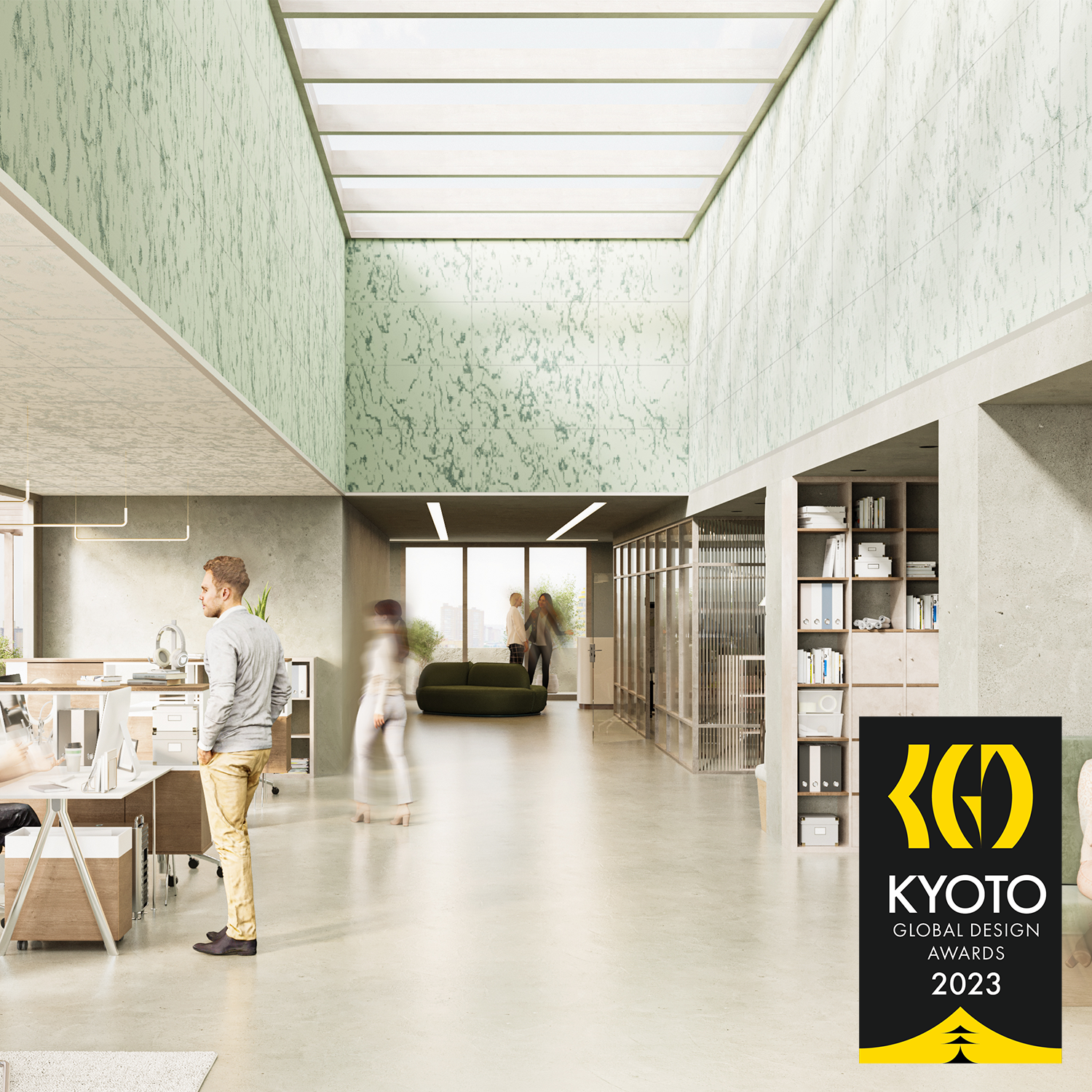
NOWN’s InfiKnit™ system is the world’s first 3D-knitted architectural ceiling and wall system. The three-dimensional surface geometry is produced directly by the knitting process — each component arrives in its final form, with no secondary fabrication required. The texture is structural, not applied.
Installation uses a concealed aluminium framing system — CircuLUM™ — that supports the textile panels without visible fixings at the face. The result is a ceiling or wall surface where the material reads cleanly, without hardware interrupting the composition.
Where Texture Is Most Effective
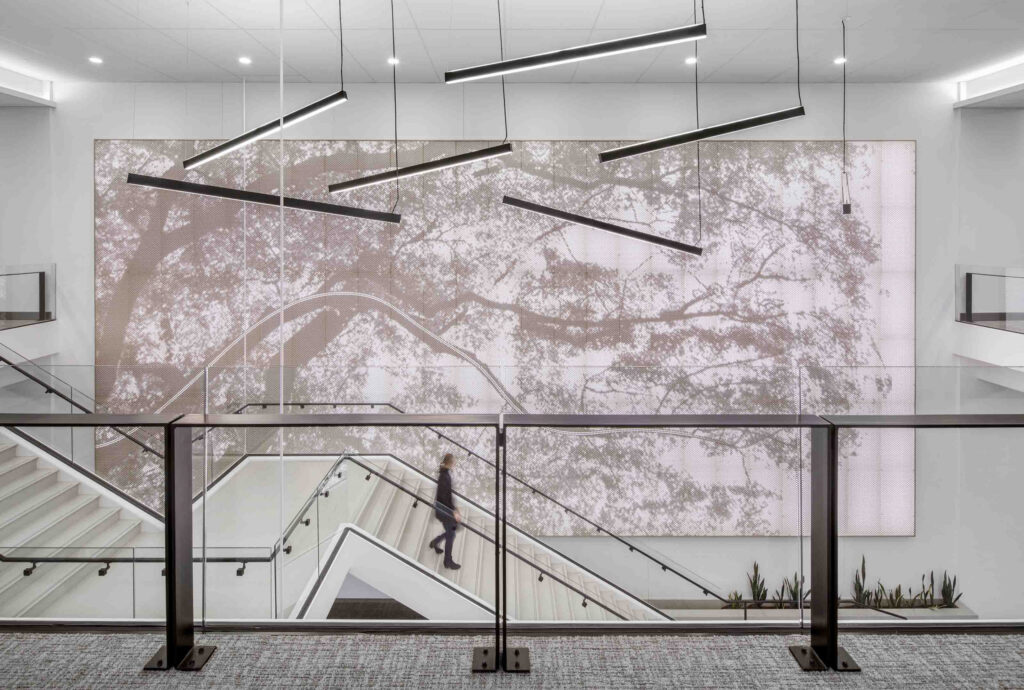
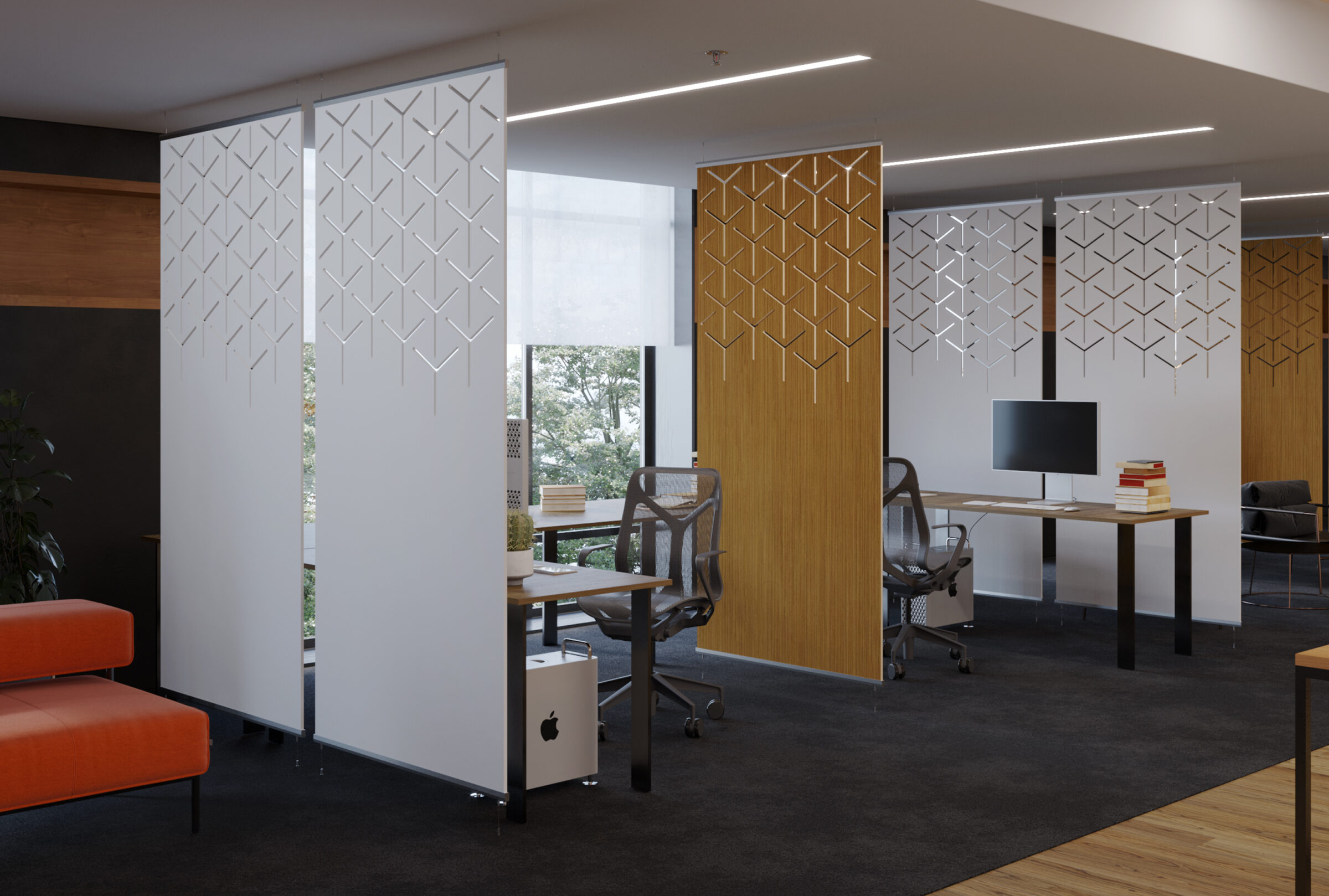
Material texture works hardest in spaces where occupants spend extended time at close proximity to surfaces: corridors, reception areas, meeting rooms, feature walls in hospitality environments. At these scales, the difference between a flat surface and a textured one is immediately legible.
Manufacturing and Sustainability
InfiKnit™ is produced with zero material waste during manufacturing. The 3D knitting process constructs each component to its finished geometry, meaning there are no offcuts. For projects with material efficiency targets or embodied carbon requirements, this is a factual, verifiable quality of the product.
Explore InfiKnit™ ceiling and wall applications →