



Construire pour l'avenir : comment le choix responsable des matériaux définit la prochaine génération d'architecture
7 mai 2026
-2 min lire
Les matériaux prescrits aujourd’hui par les architectes déterminent l’empreinte carbone intrinsèque des bâtiments qui resteront debout pendant 50 ans. Voici pourquoi l’« intelligence des matériaux » représente la prochaine étape dans la pratique architecturale.
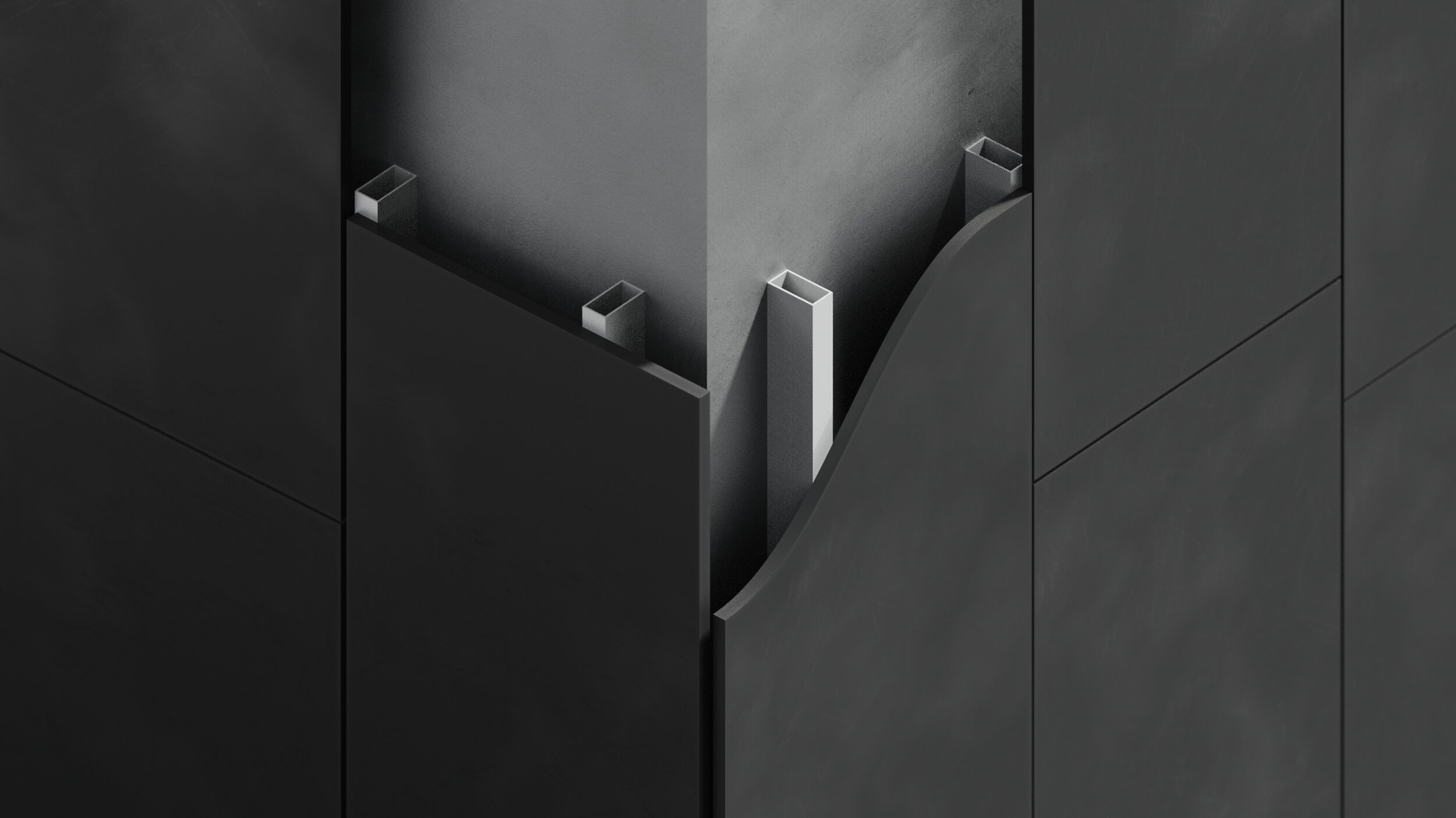
L'architecture a toujours été définie par les matériaux dont elle disposait. Le passage de la maçonnerie porteuse à l'acier de construction a bouleversé les possibilités en matière de plans et de coupes. Le béton armé a modifié la relation entre la forme et la structure. La technologie des murs-rideaux en verre a redessiné la silhouette urbaine. Chacune de ces évolutions matérielles a constitué à la fois une avancée technique et une avancée conceptuelle, modifiant non seulement ce qui pouvait être construit, mais aussi l'apparence même de l'architecture.
La prochaine révolution dans le domaine des matériaux est en marche. Elle ne se caractérise pas par une innovation structurelle, mais par la question de savoir d'où proviennent les matériaux, comment ils sont fabriqués et ce qu'ils laissent derrière eux.
Le carbone incorporé en tant que contrainte de conception
Le carbone opérationnel — c'est-à-dire le carbone émis par la consommation énergétique d'un bâtiment tout au long de son cycle de vie — est au cœur des préoccupations en matière de conception de bâtiments durables depuis deux décennies. À mesure que la performance énergétique des bâtiments s'améliore, l'attention se porte désormais sur le carbone intrinsèque, c'est-à-dire le carbone émis lors de la production, du transport et de la mise en œuvre des matériaux de construction.
Dans les nouveaux bâtiments à haute performance énergétique, le carbone intrinsèque peut représenter 50 % ou plus de l’empreinte carbone totale d’un bâtiment sur toute sa durée de vie. Cela fait évoluer la question relative aux spécifications techniques : il ne s’agit plus de se demander « quelle est l’efficacité de ce système en fonctionnement ? », mais « quel est le coût carbone lié à la fabrication et à l’installation de ce système ? »
Conséquences sur les spécifications des plafonds
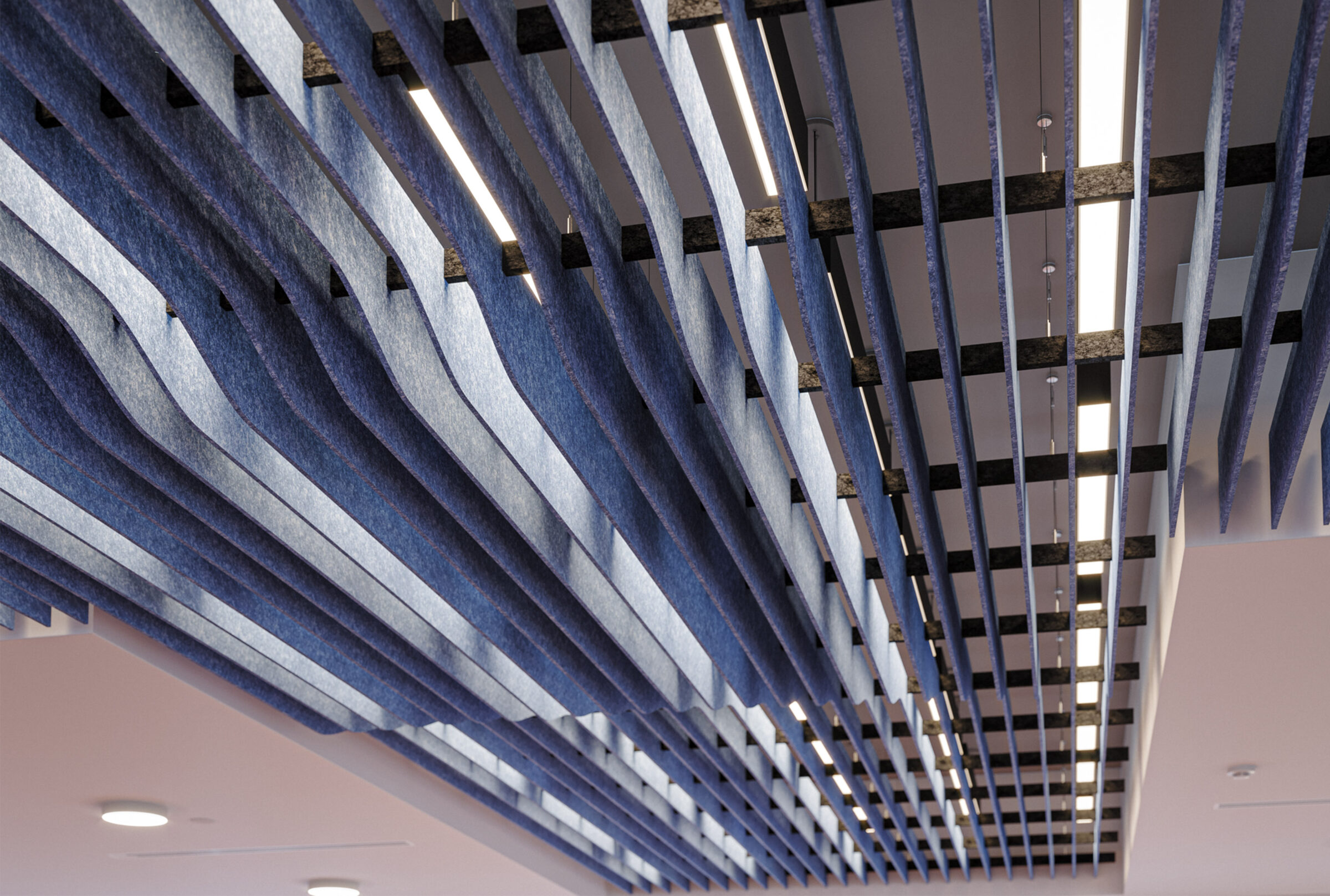
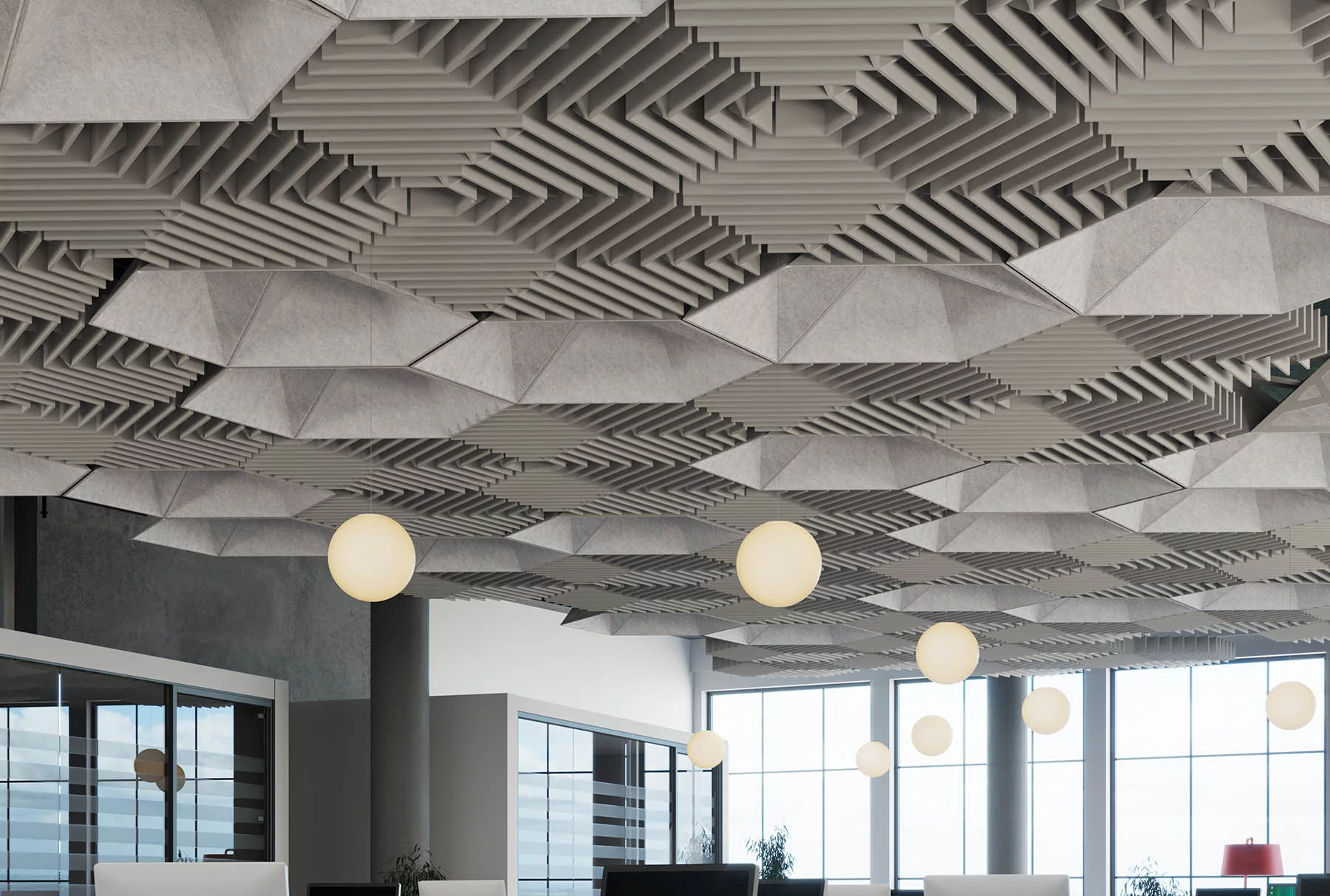
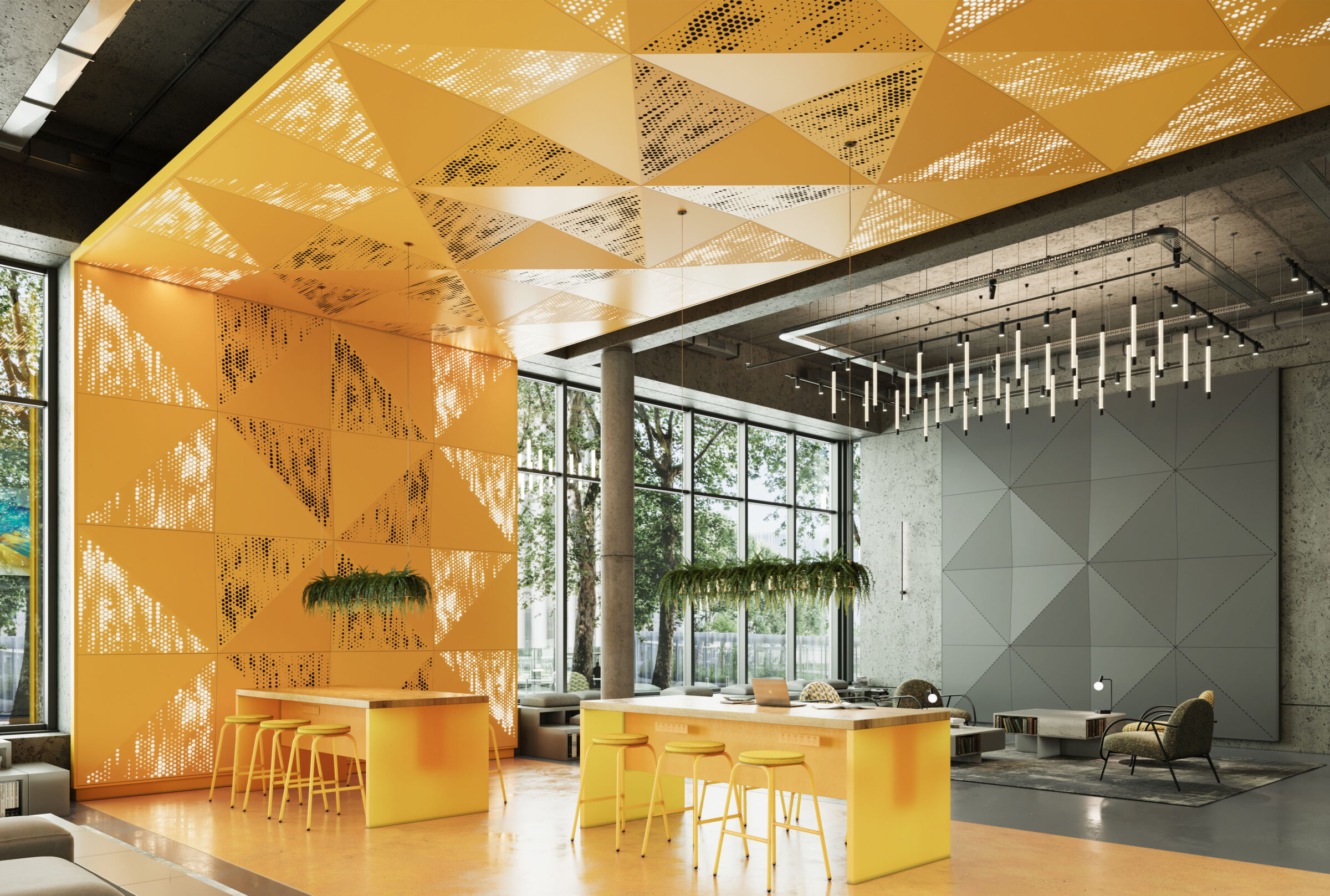
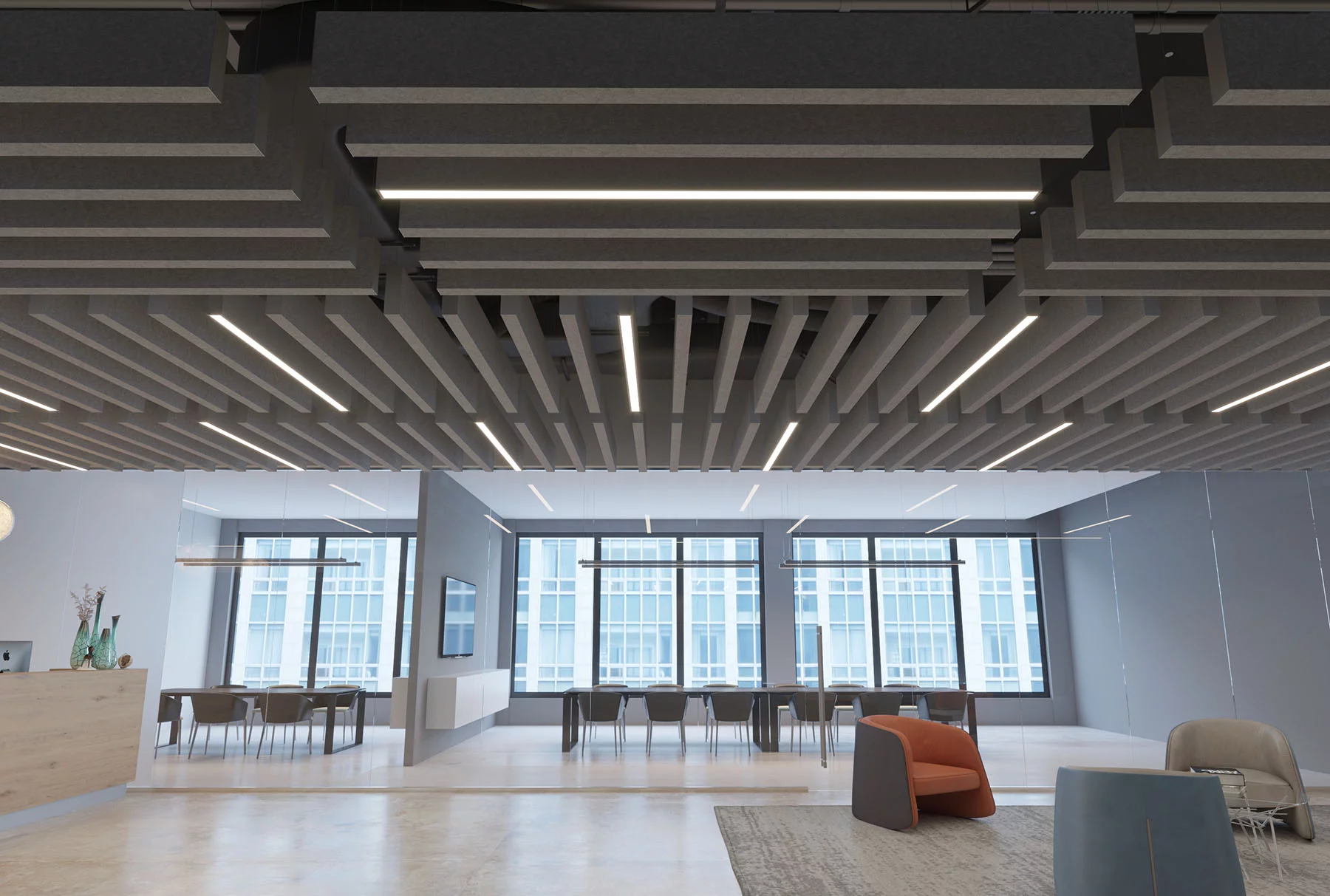
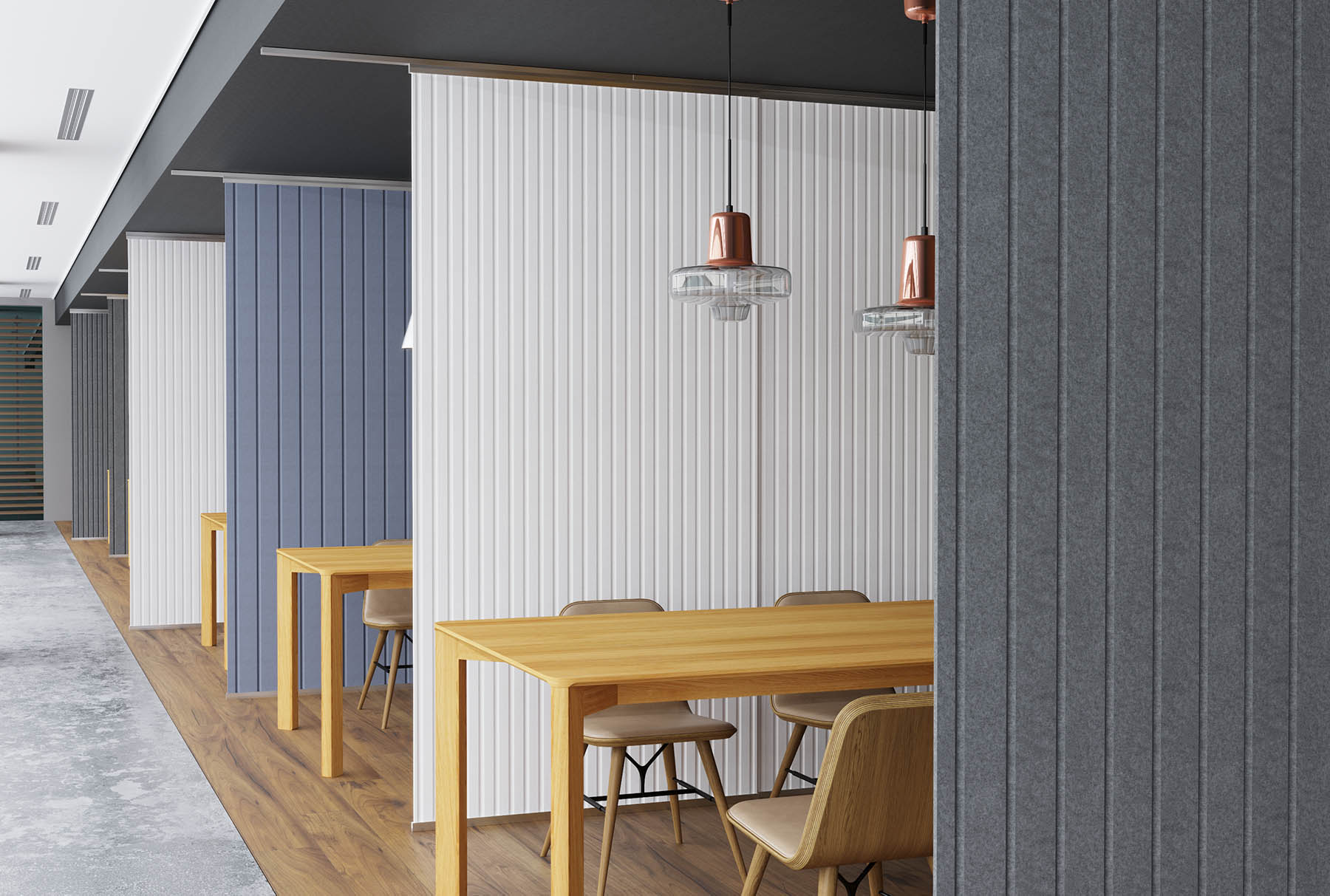
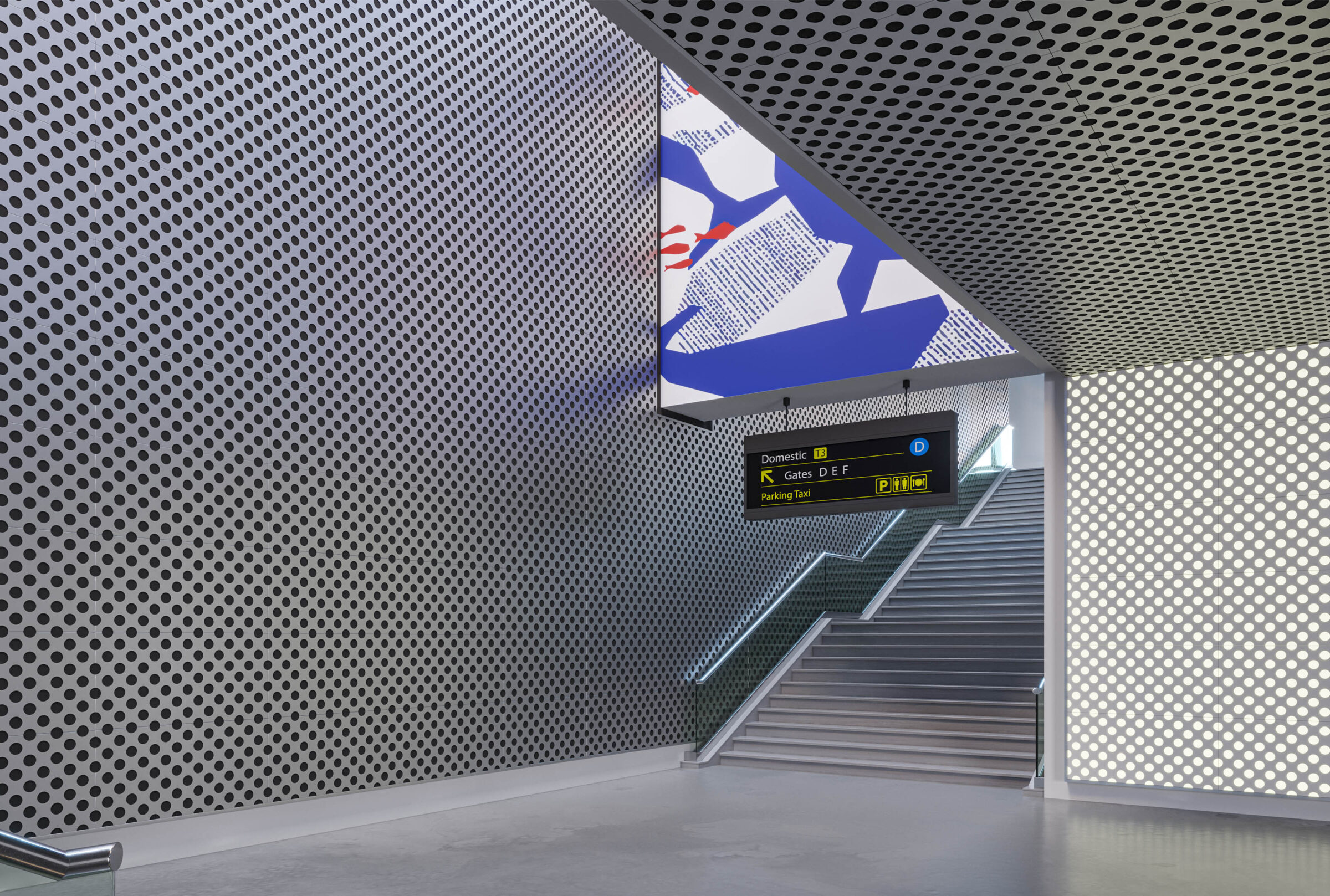
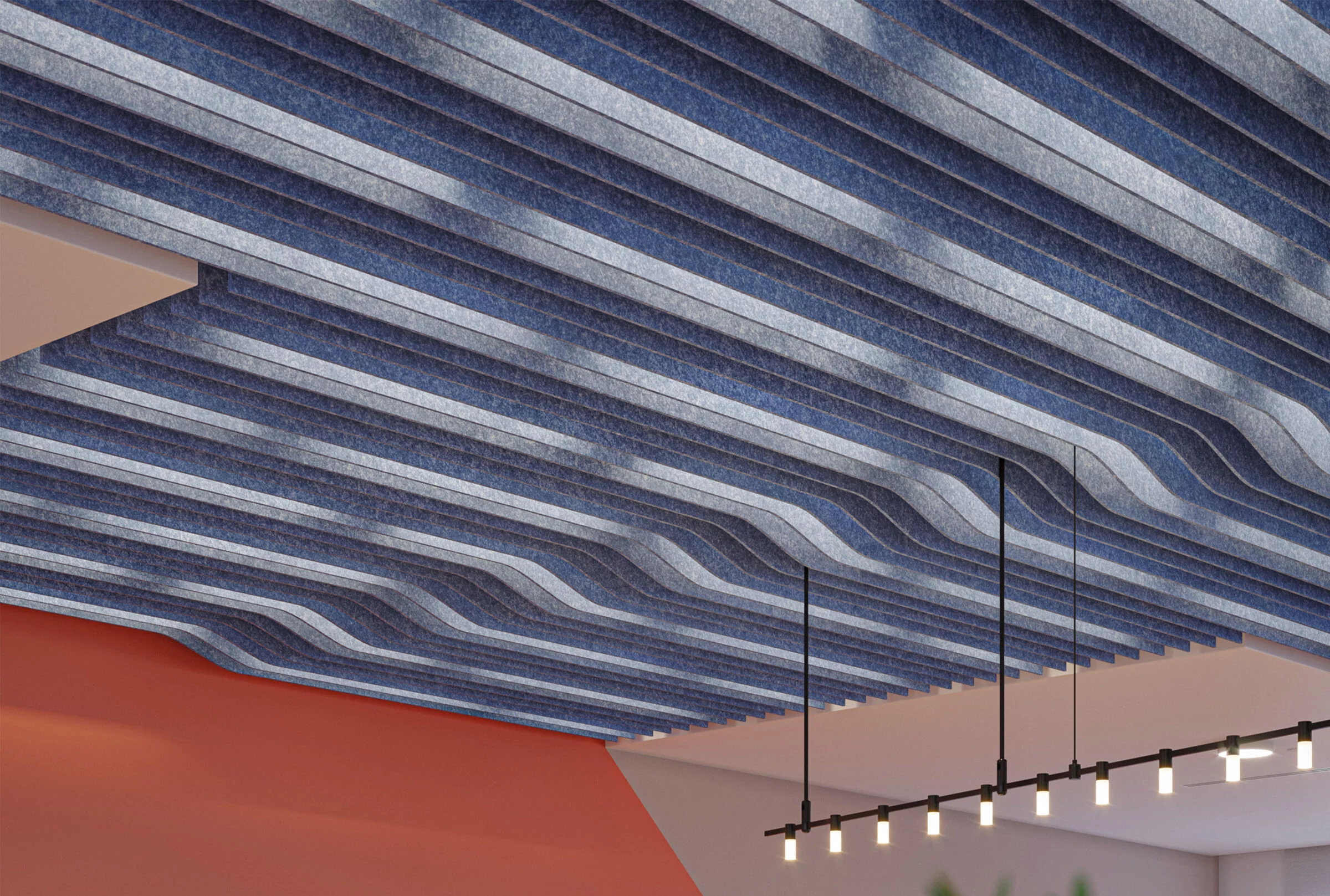
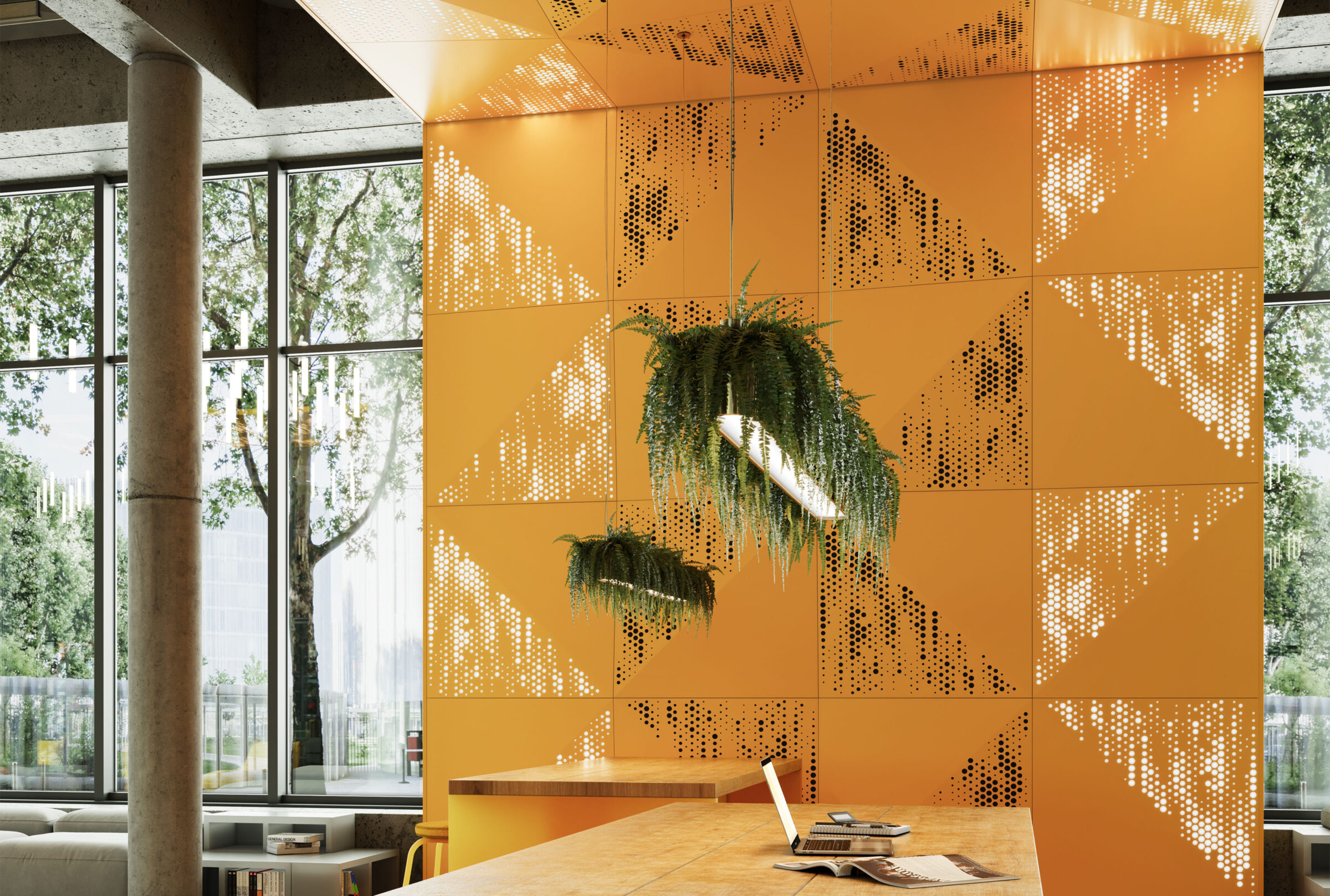
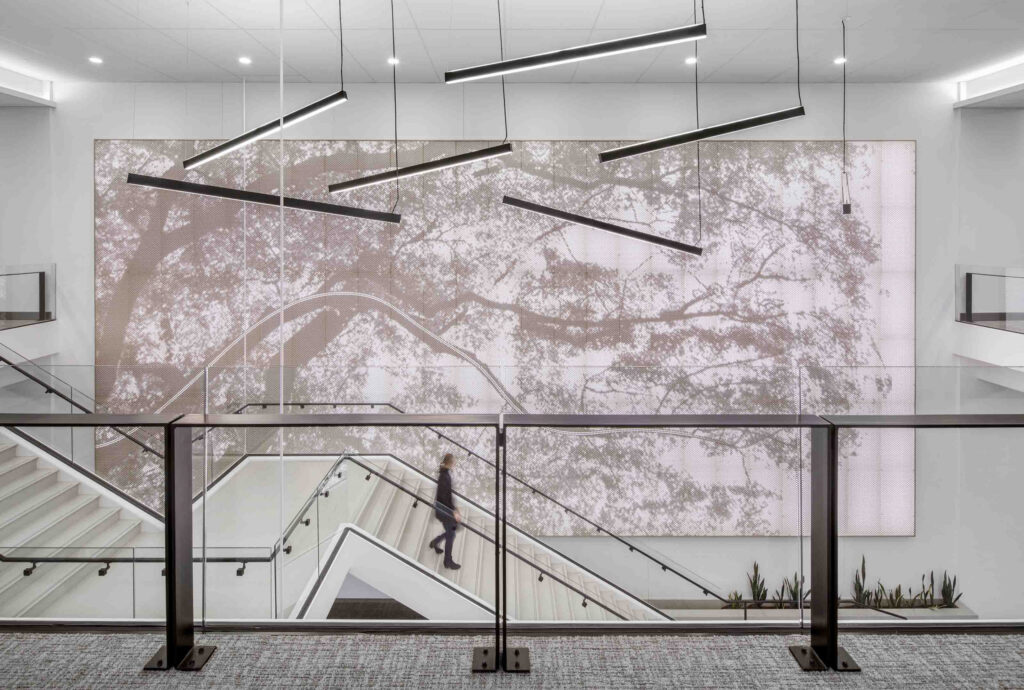
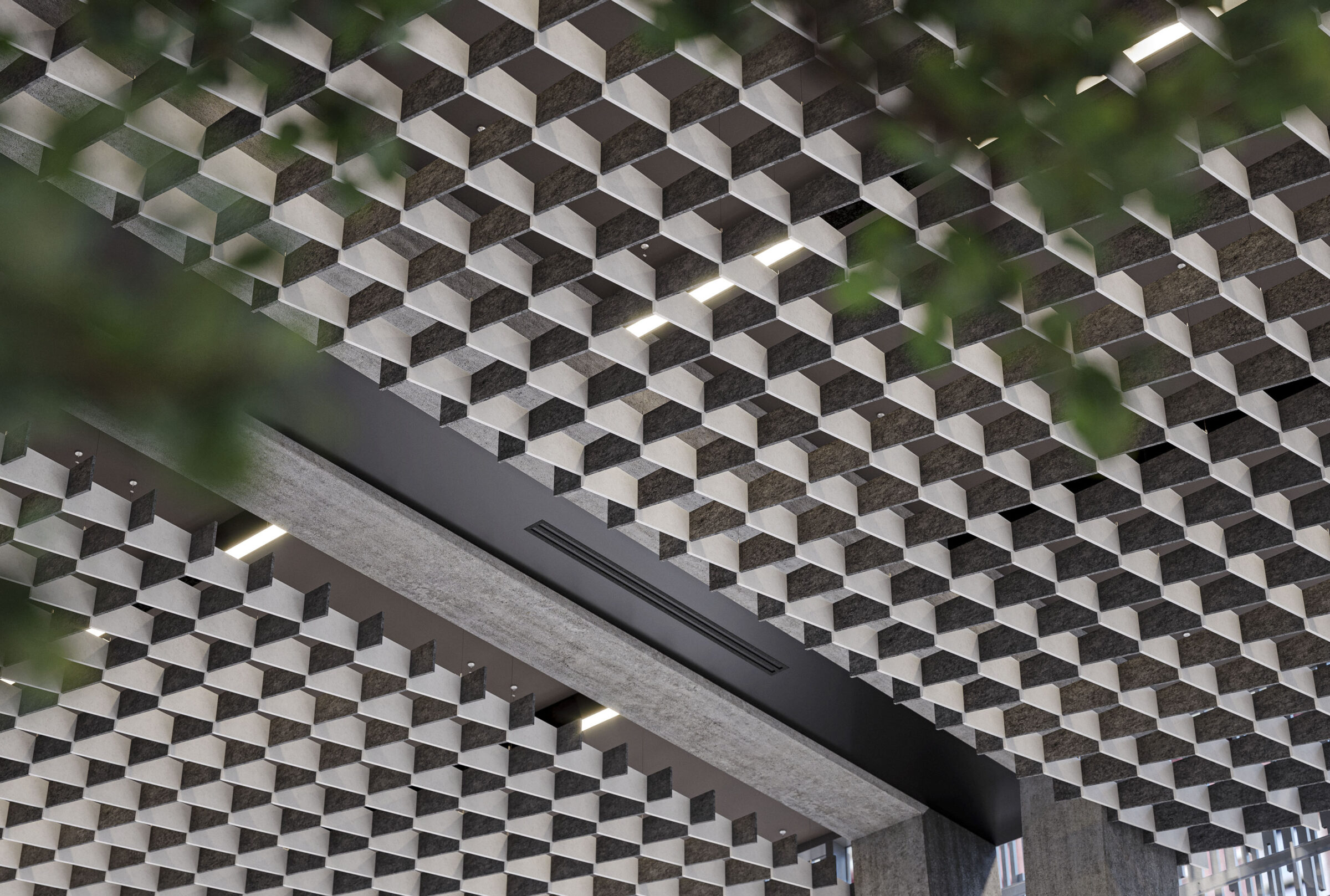
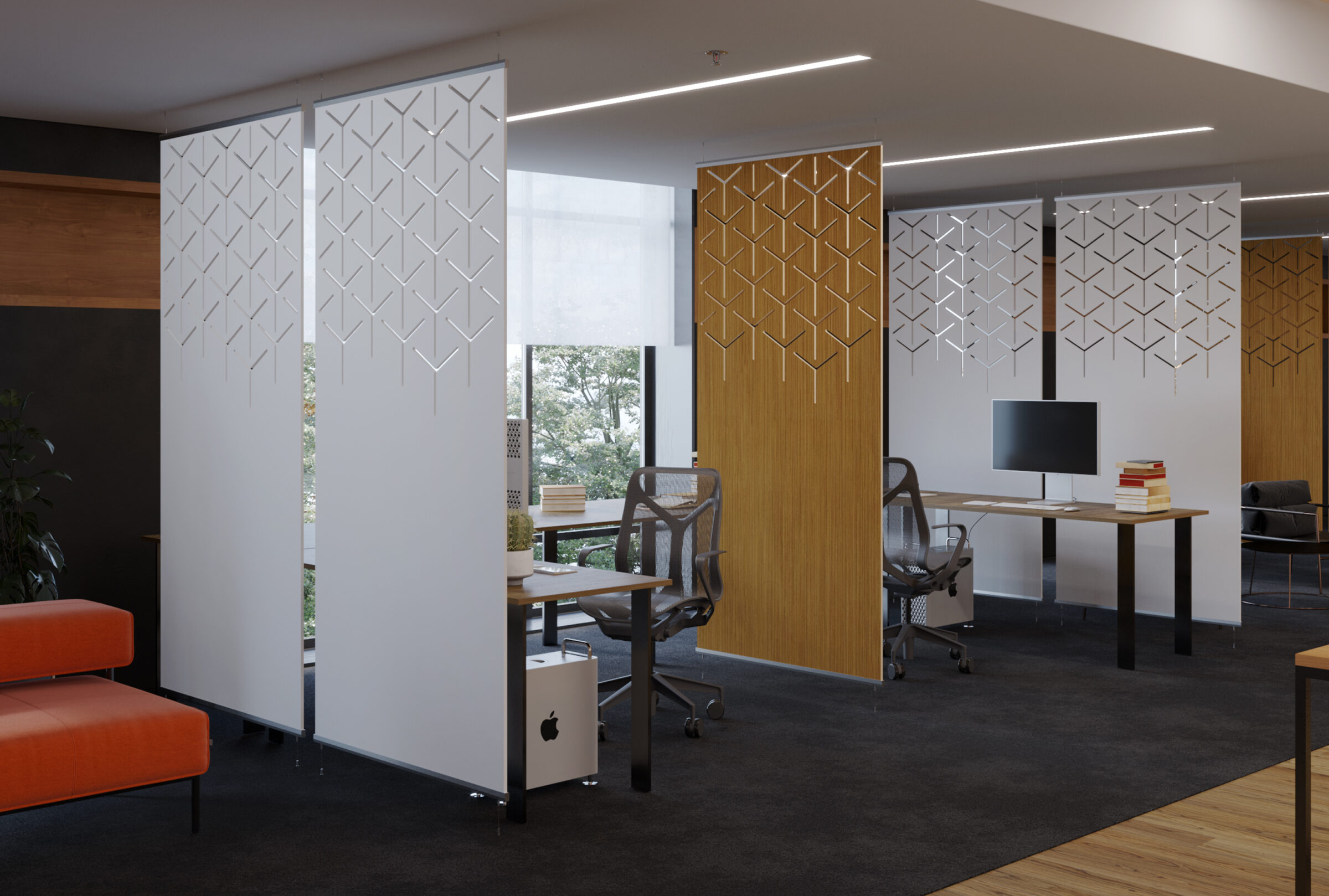
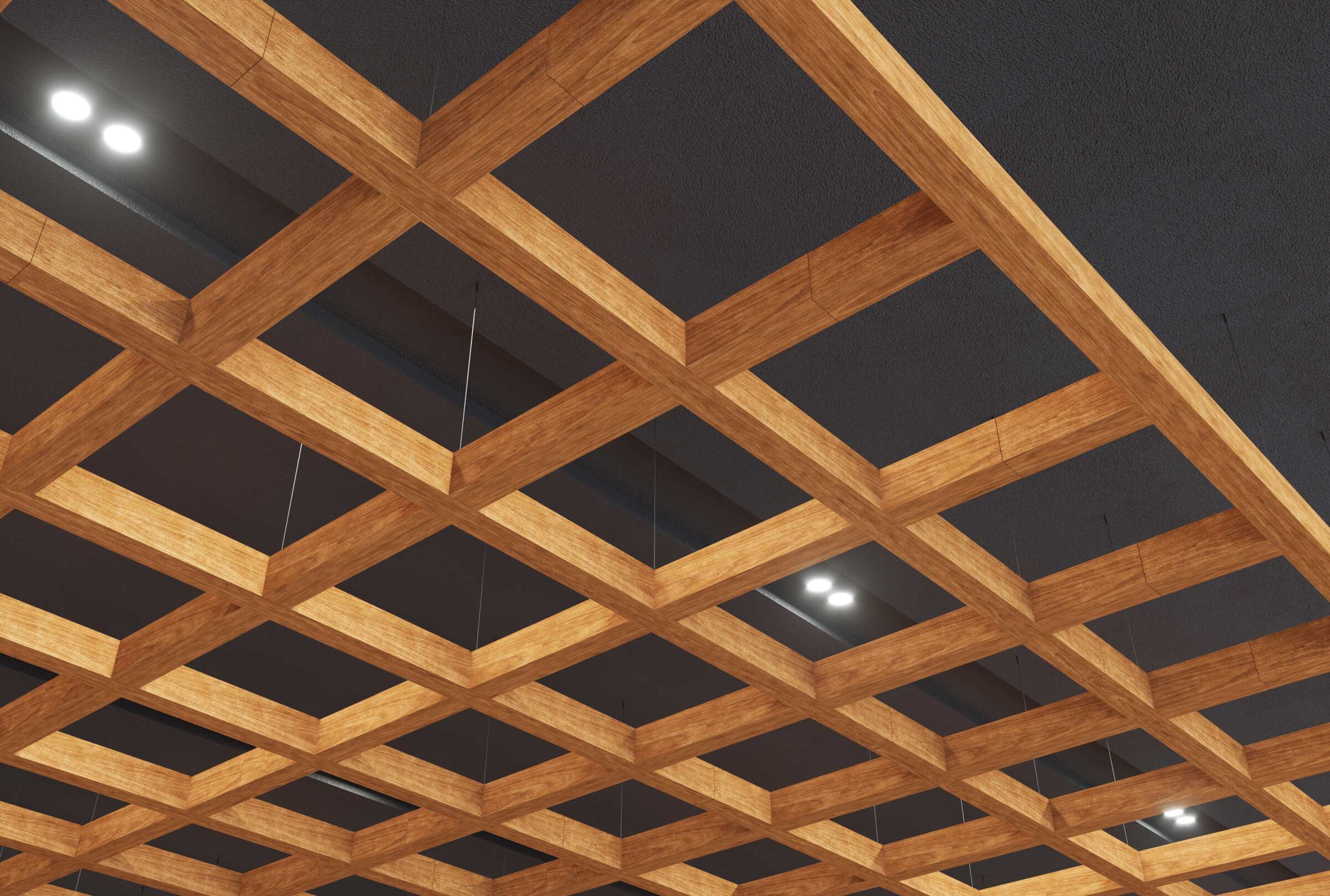
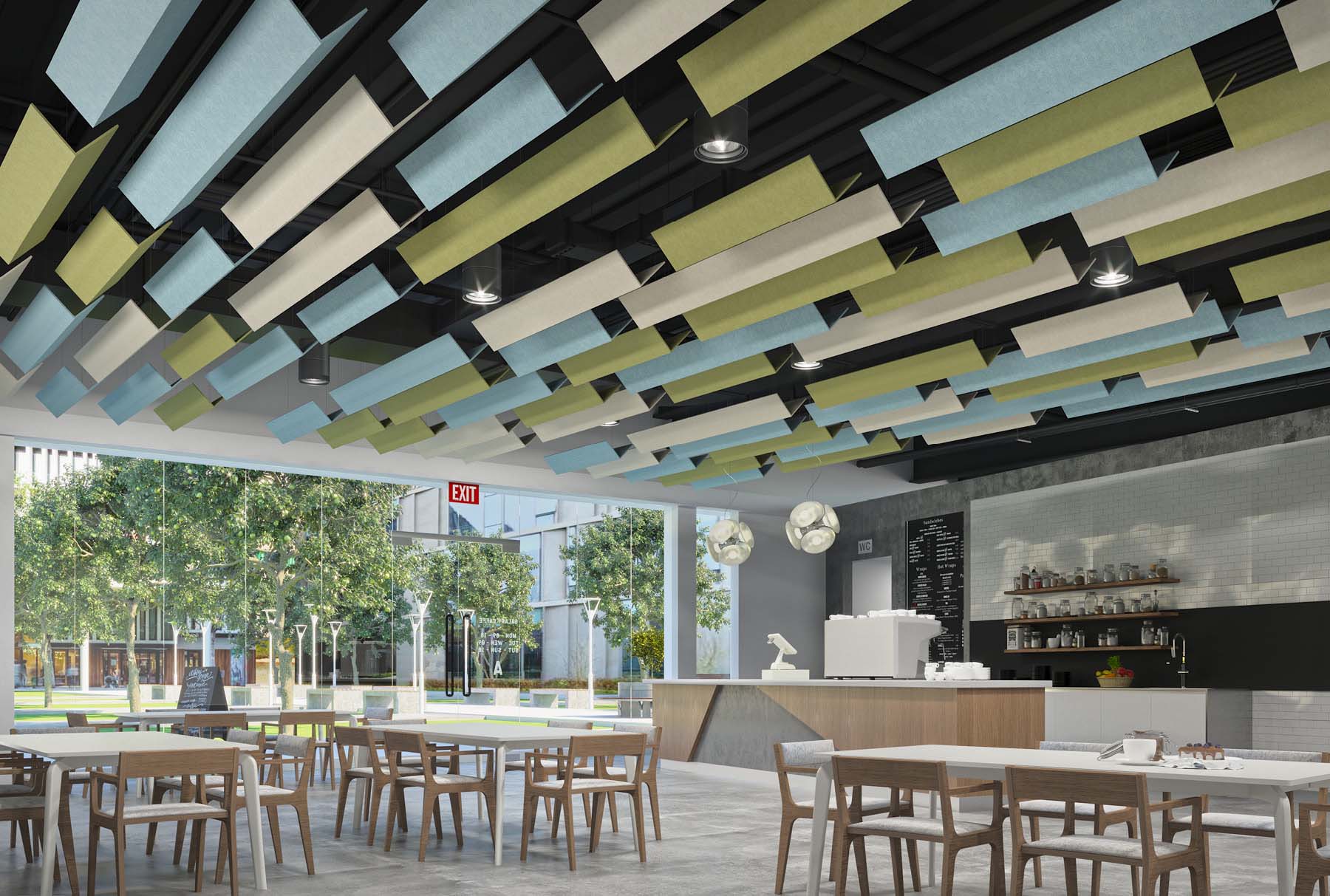
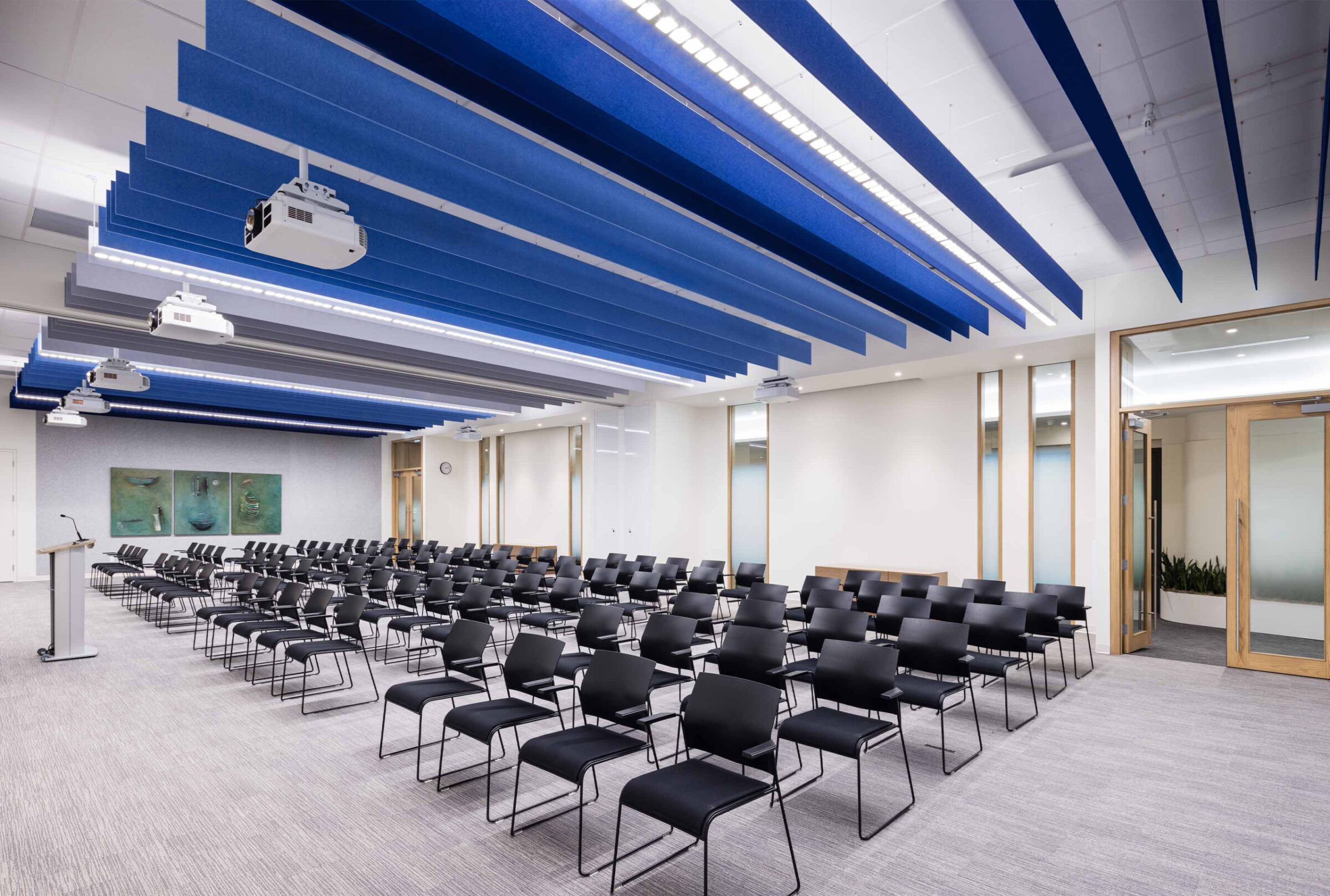
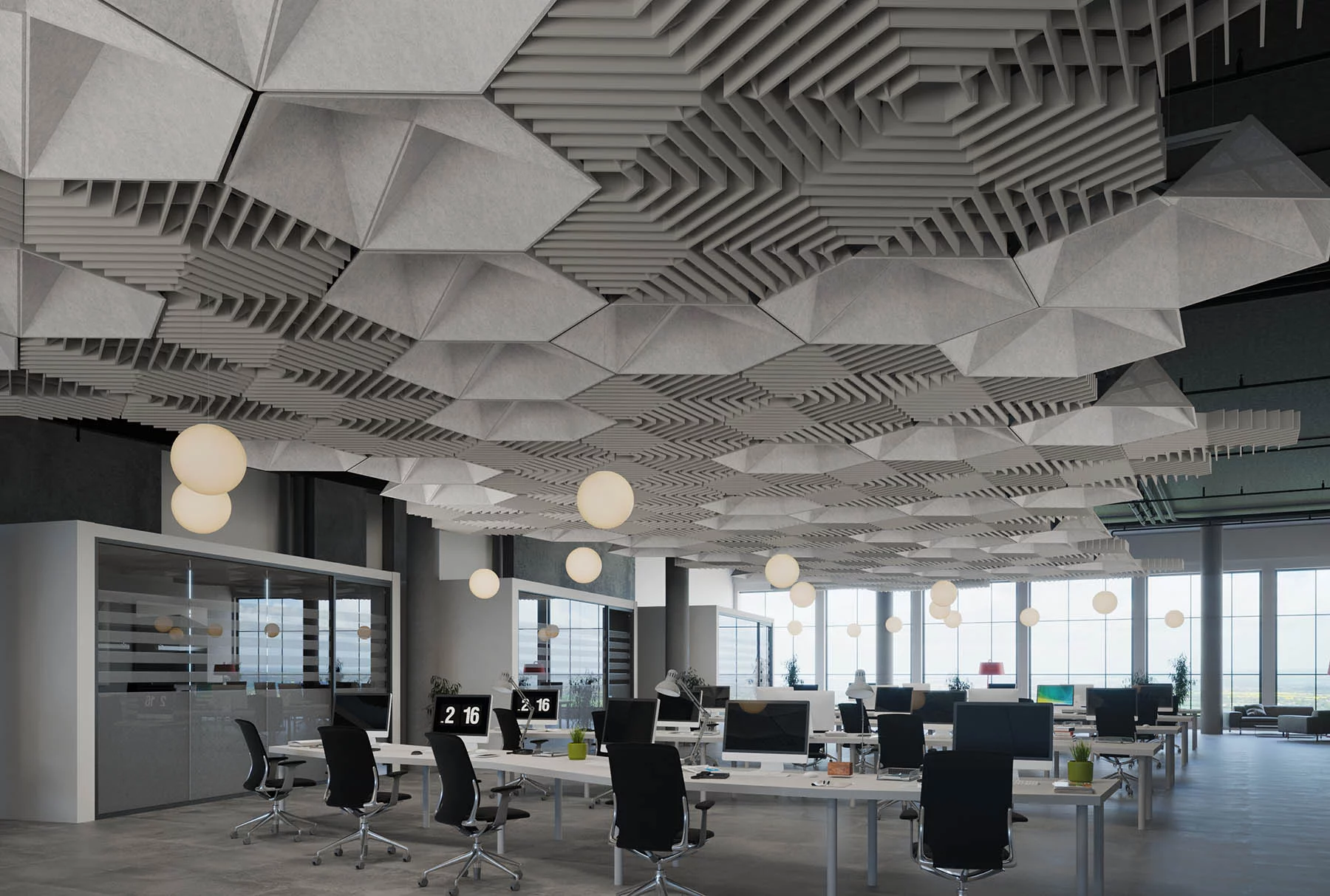
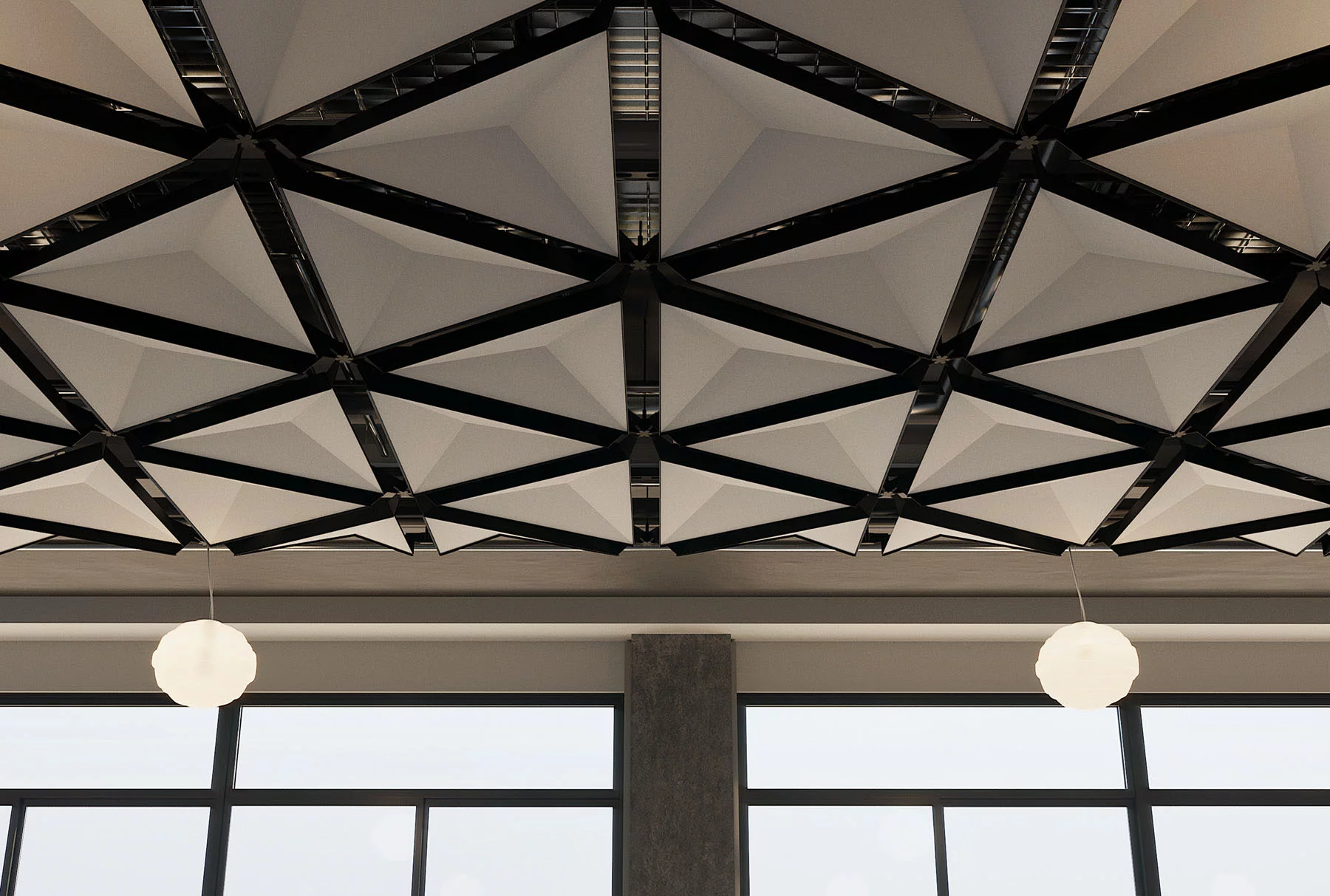
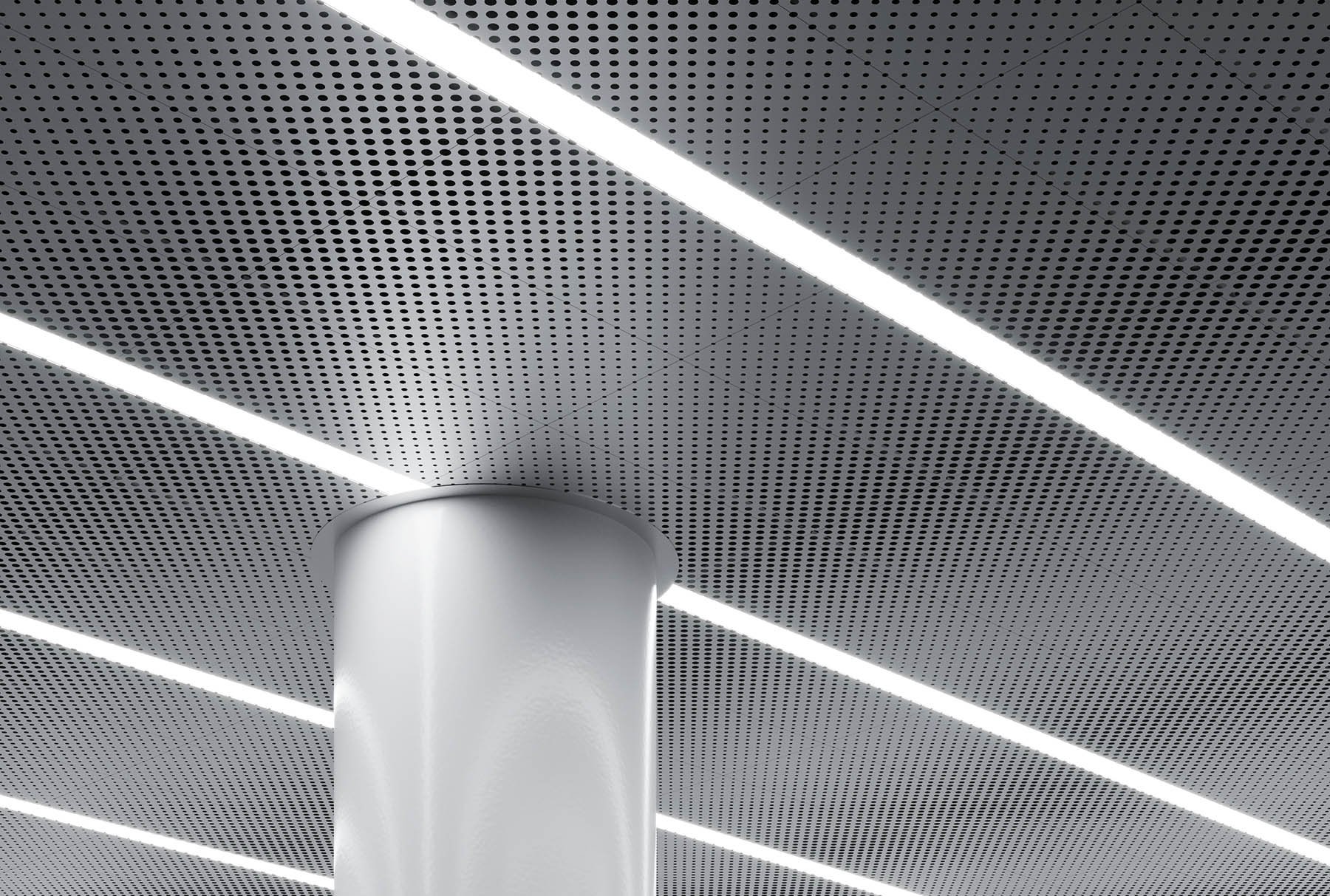
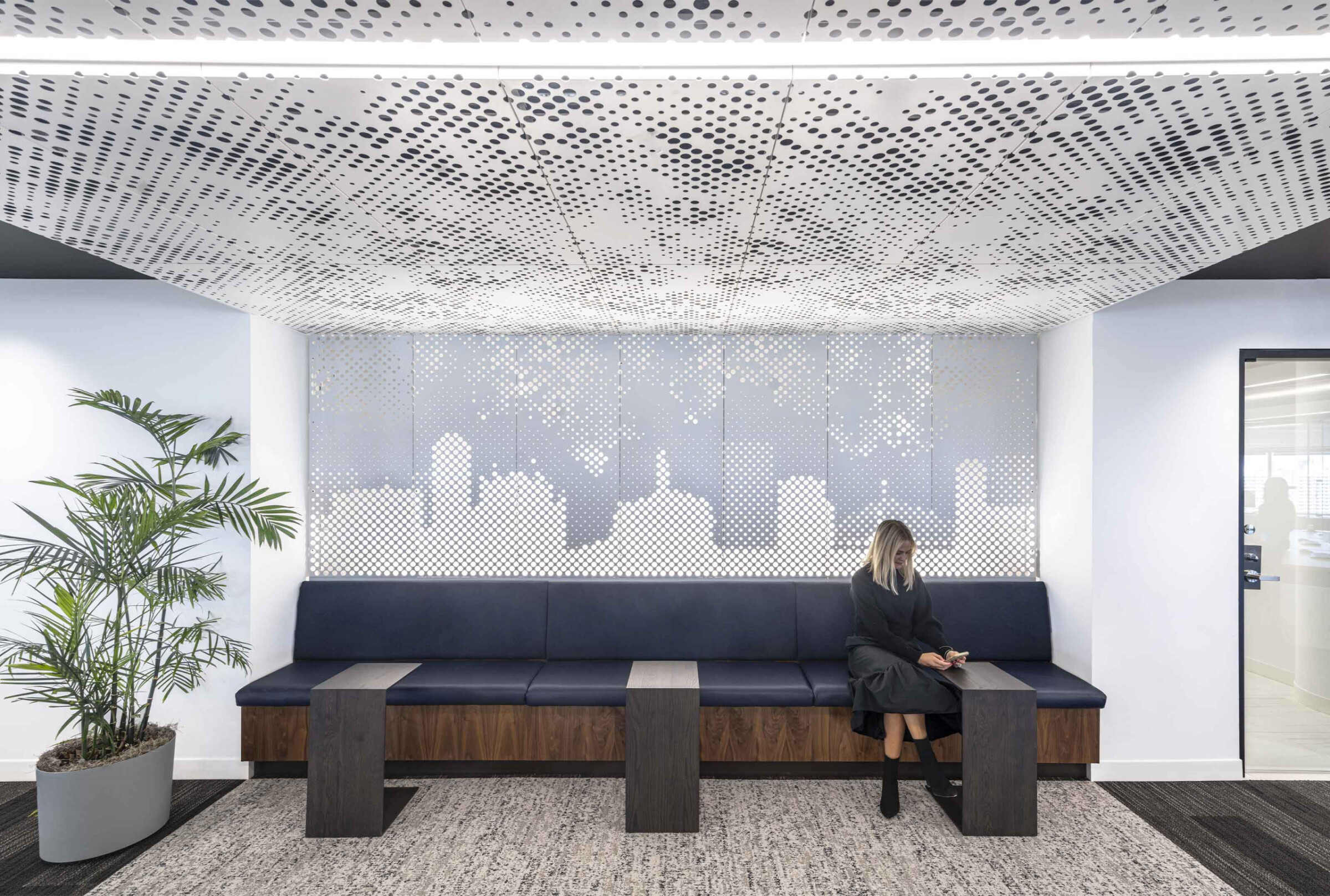
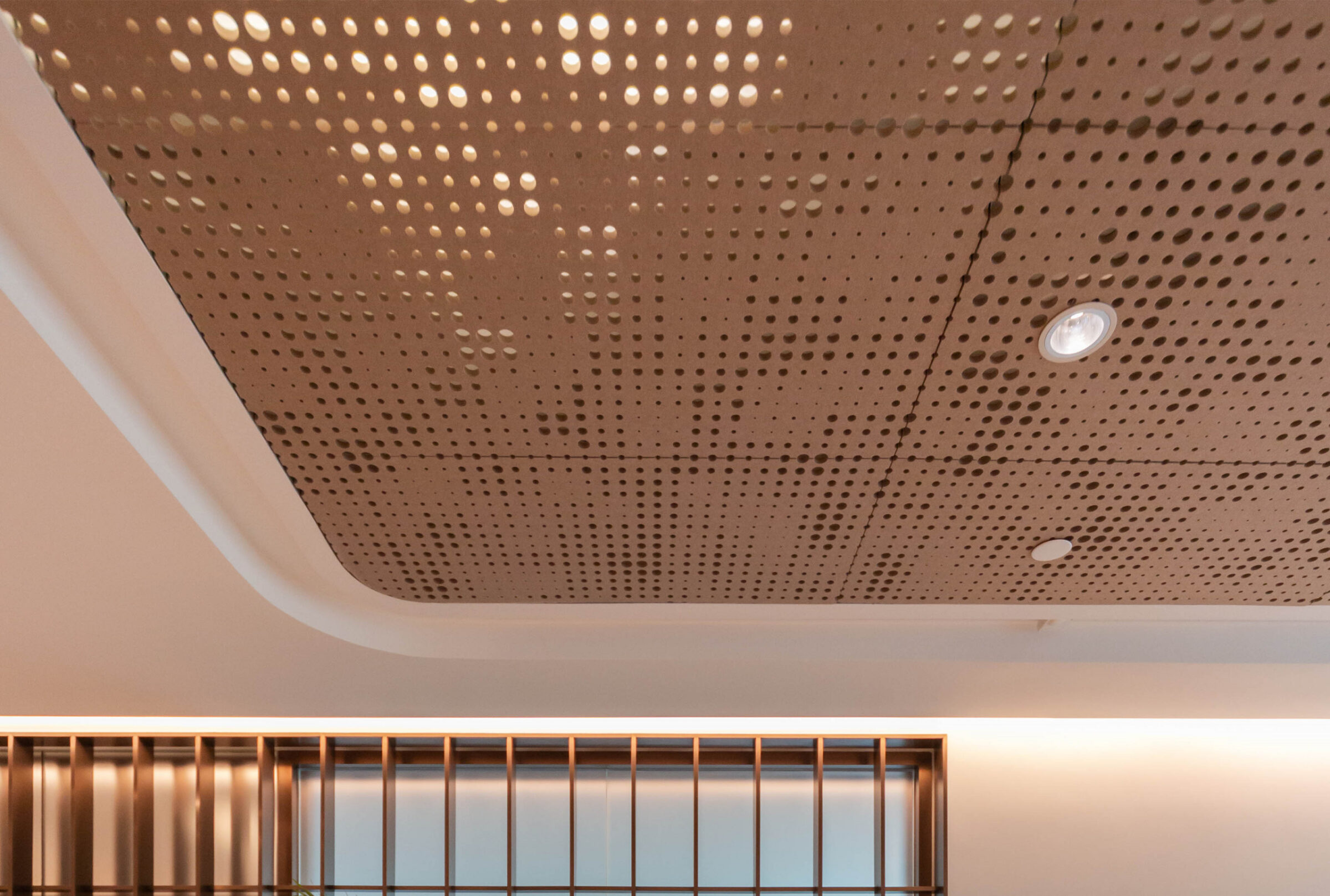
Un système de plafond dans CircuLUM™ L'aluminium recyclé — composé à 80 % de matériaux post-consommation, fabriqué par le premier fabricant mondial de produits architecturaux à empreinte carbone négative — présente un profil de carbone intrinsèque sensiblement différent de celui d'un système en aluminium primaire. Un système de plafond en aSOFT™ Le feutre en PET — composé à 60 % de PET recyclé, certifié SCS, exempt de substances figurant sur la « Liste rouge » — présente des caractéristiques techniques différentes de celles d'un produit équivalent dont la composition n'a pas été vérifiée.
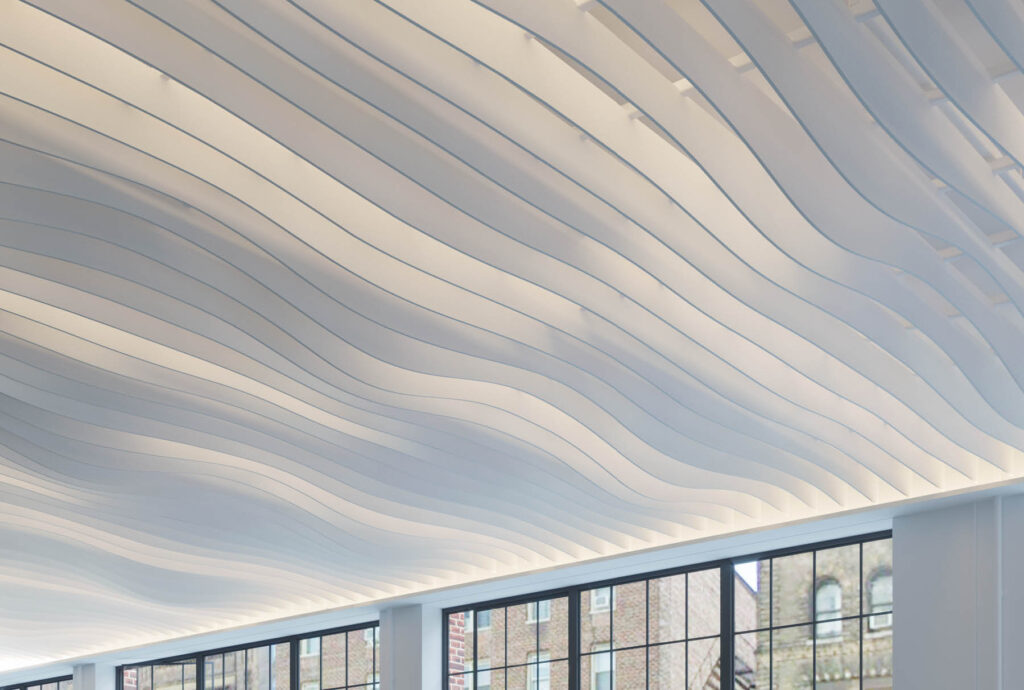
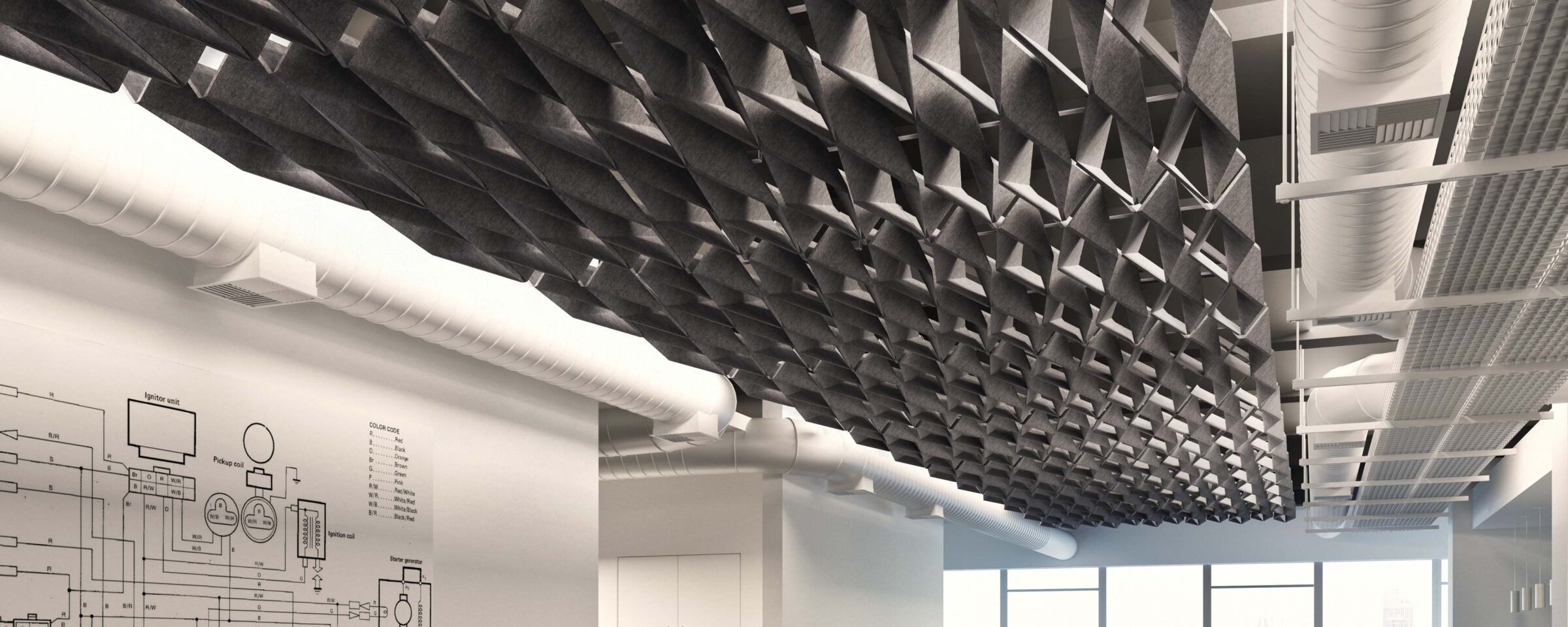
InfiKnit™ — fabriqué sans aucun déchet de production et avec une consommation d’eau réduite de 40 % — démontre que la complexité de la conception et la responsabilité en matière de fabrication ne sont pas des priorités incompatibles. Avec une approche de fabrication adaptée, elles se résument en une seule et même décision.
Le rôle du prescripteur
Les architectes et les prescripteurs disposent d'un levier important pour influencer l'empreinte carbone intrinsèque des bâtiments qu'ils conçoivent. Les choix de matériaux effectués lors de la phase de prescription — qu'il s'agisse des systèmes de plafond, des revêtements muraux ou des éléments structurels — déterminent l'empreinte carbone intrinsèque du bâtiment achevé.
Le fait de privilégier des produits dotés de certifications de durabilité documentées et vérifiables — EPD, labels « Declare », certification de la teneur en matériaux recyclés, statut de fabrication « carbone négatif » — constitue le mécanisme par lequel cet effet de levier est exercé. Il ne s’agit pas d’une considération secondaire, mais bien d’un choix de conception.
Découvrez l'ensemble de la gamme de produits NOWN et la documentation relative au développement durable →