


Building for the Future: How Responsible Material Specification Defines the Next Generation of Architecture
May 7, 2026
·2 min read
The materials architects specify today define the embodied carbon profile of buildings that will stand for 50 years. Here’s why material intelligence is the next frontier in architectural practice.
Architecture has always been defined by the materials available to it. The shift from load-bearing masonry to structural steel changed what was possible in plan and section. Reinforced concrete changed the relationship between form and structure. Glass curtain wall technology reshaped the urban skyline. Each of these material shifts was simultaneously a technical development and a design development — changing not just what could be built, but what architecture looked like.
The next material shift is underway. It is defined not by structural innovation but by the question of where materials come from, how they are made, and what they leave behind.
Embodied Carbon as a Design Constraint
Operational carbon — the carbon emitted by a building’s energy use over its life — has been the primary focus of sustainable building design for two decades. As building energy performance has improved, attention is turning to embodied carbon — the carbon emitted in the production, transport, and installation of building materials.
In high-performance new buildings, embodied carbon can represent 50% or more of a building’s lifetime carbon impact. This shifts the specification question from “how efficient is this system in use?” to “what is the carbon cost of manufacturing and installing this system?”
What This Means for Ceiling Specification
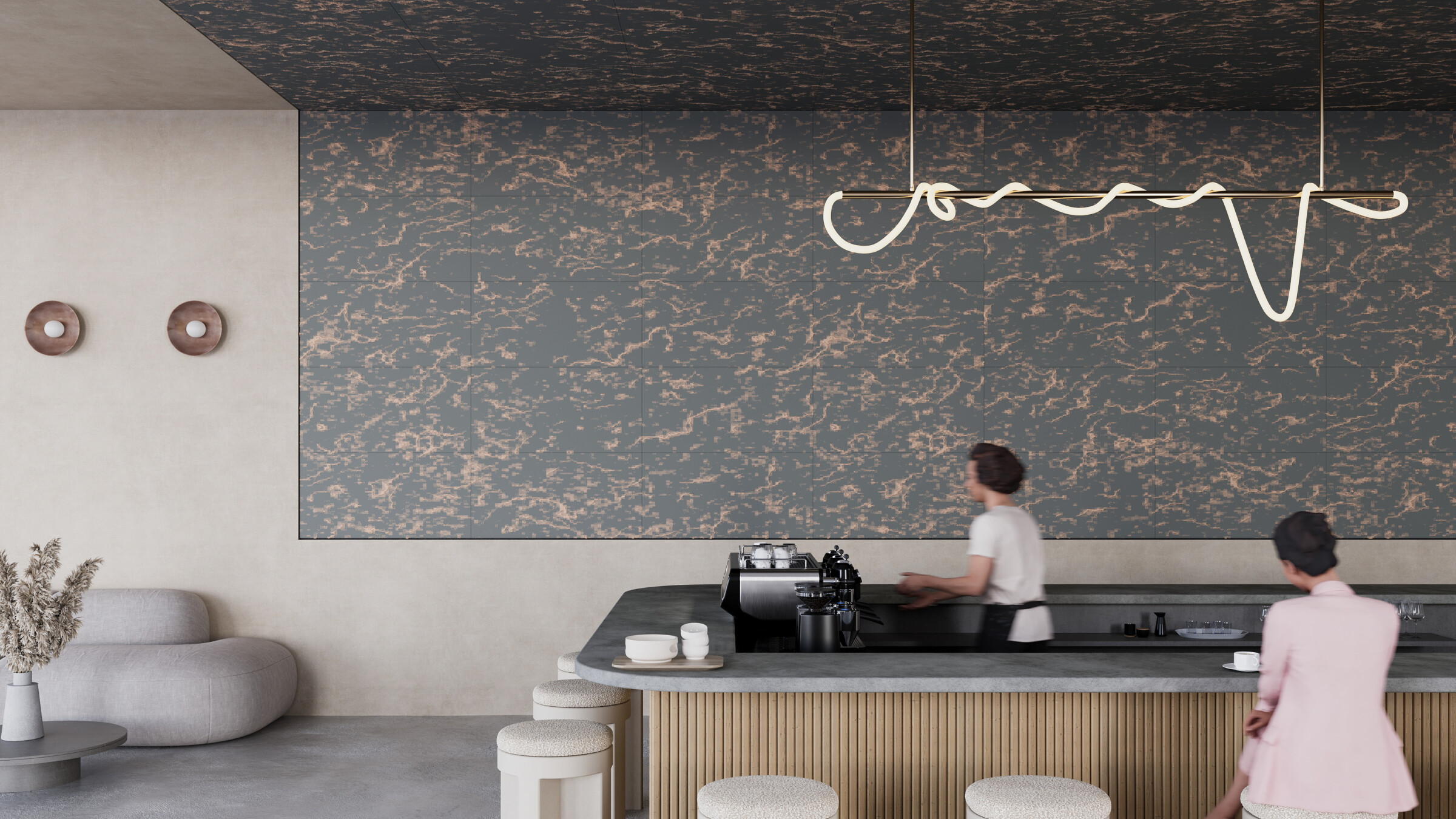
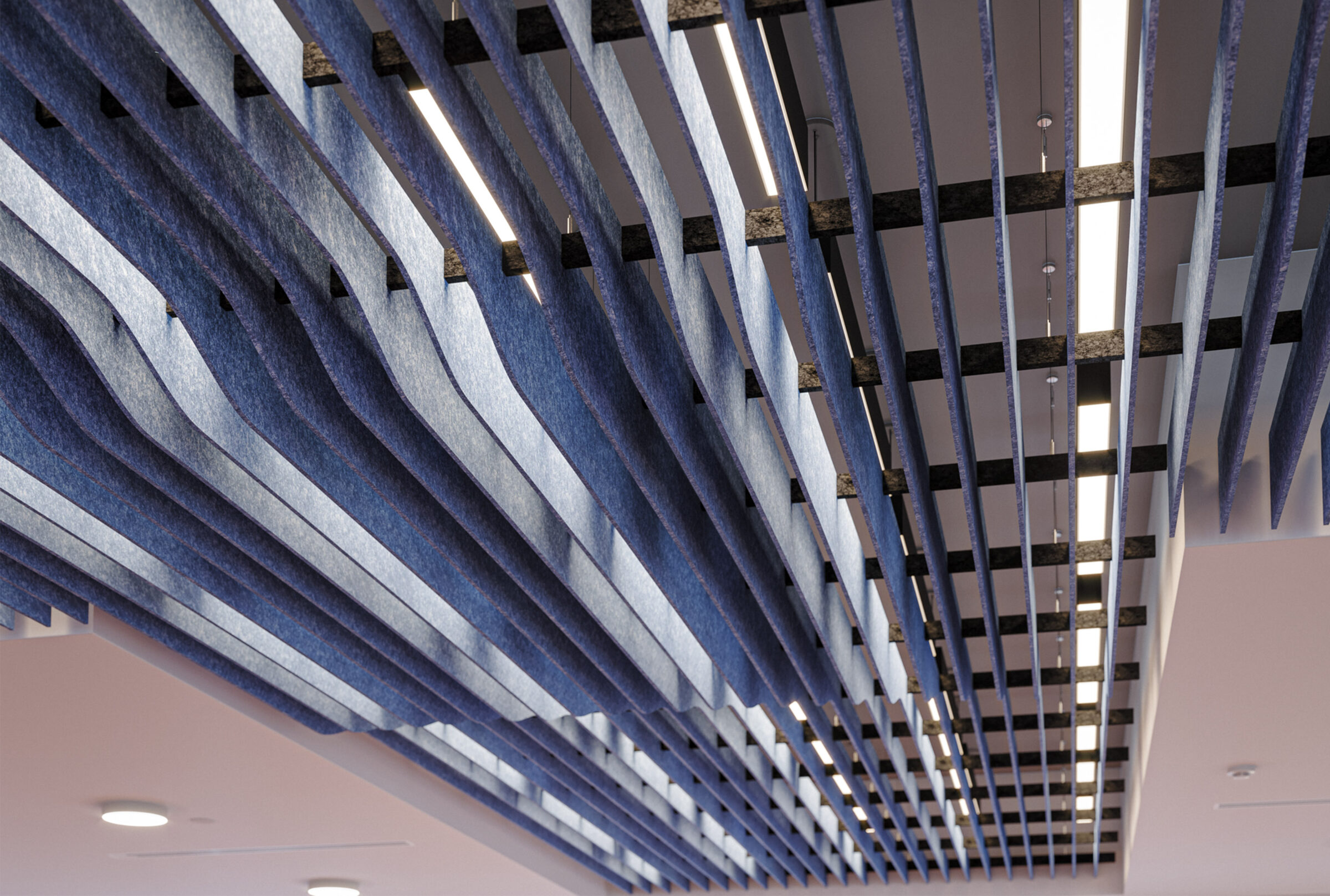
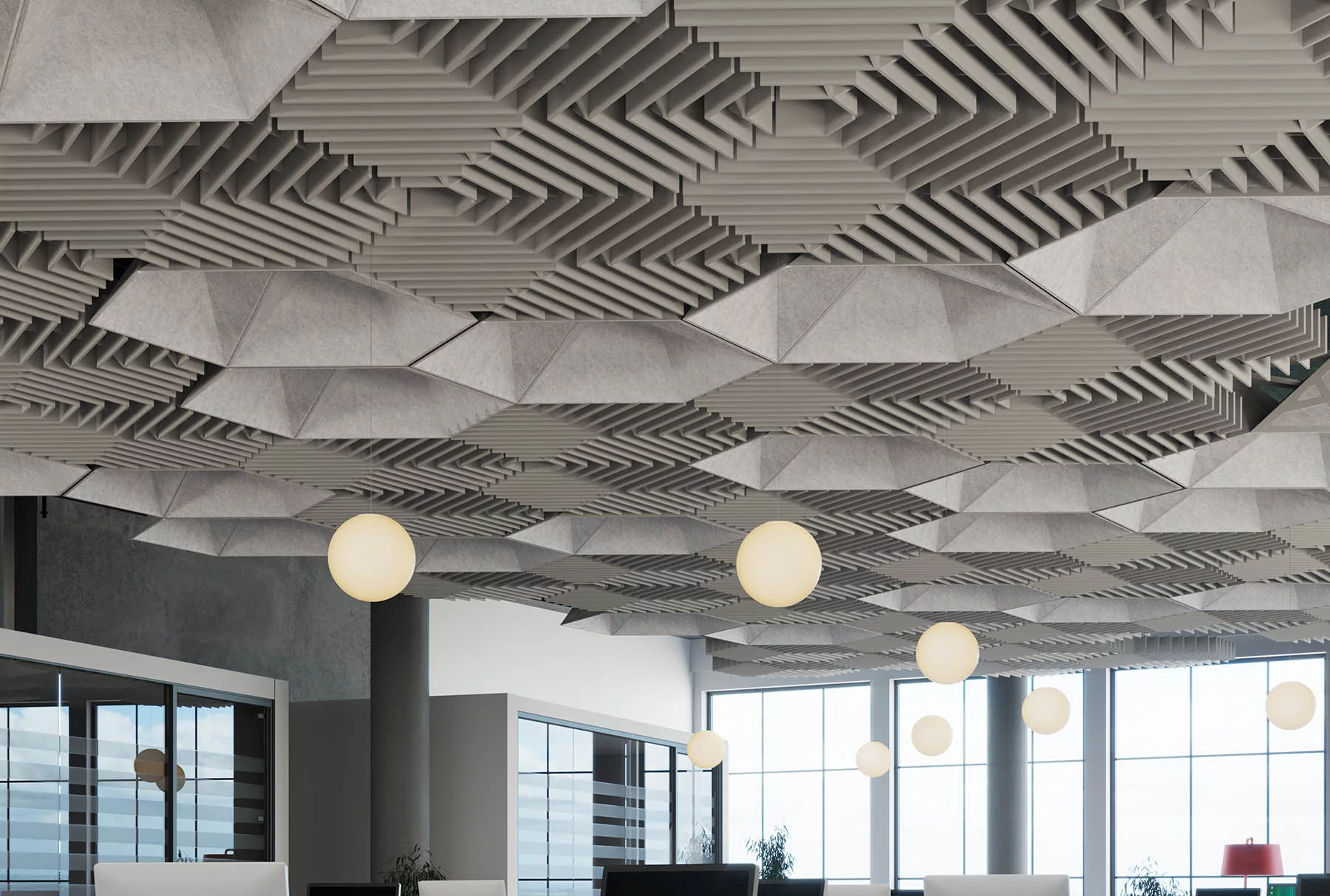
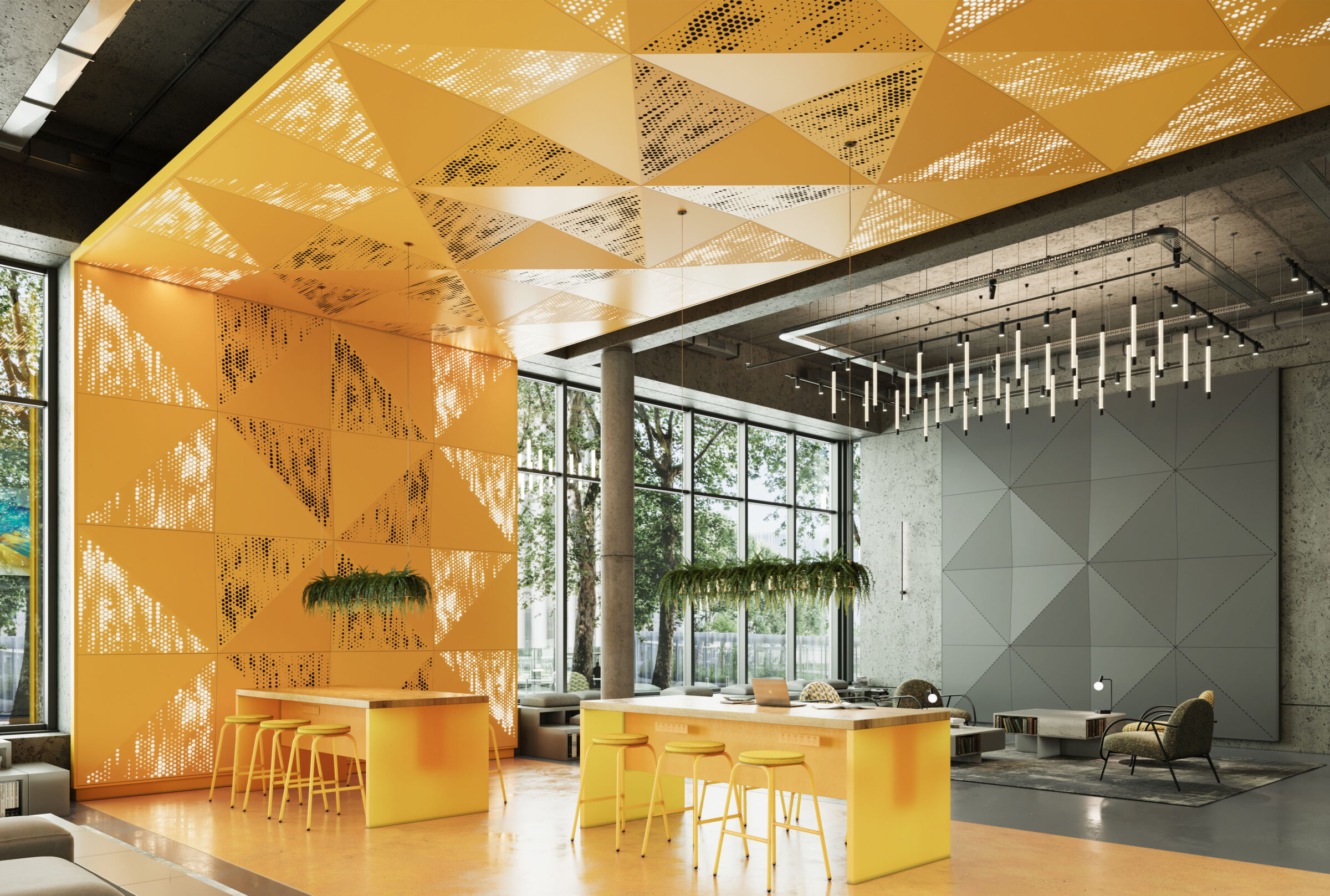
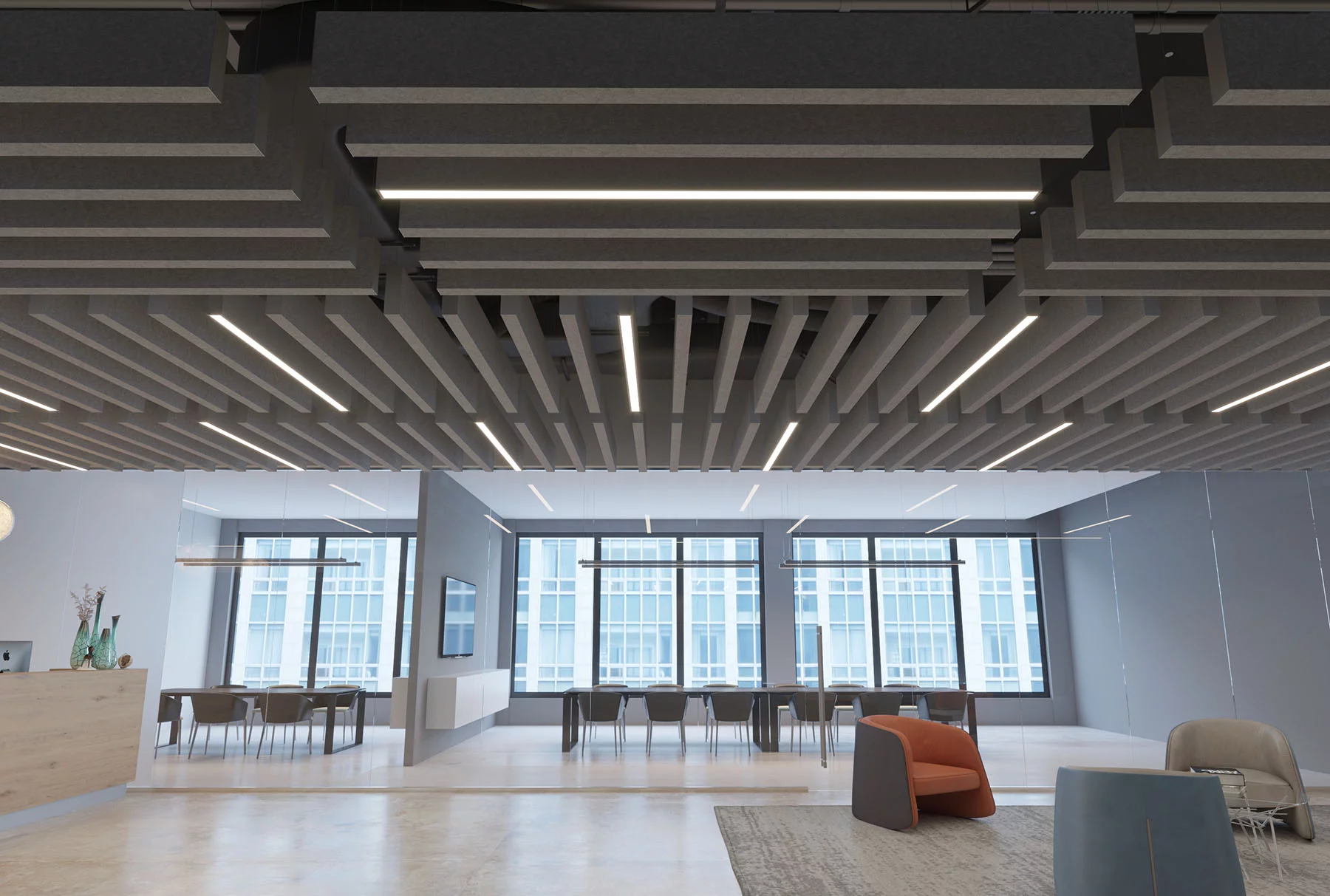
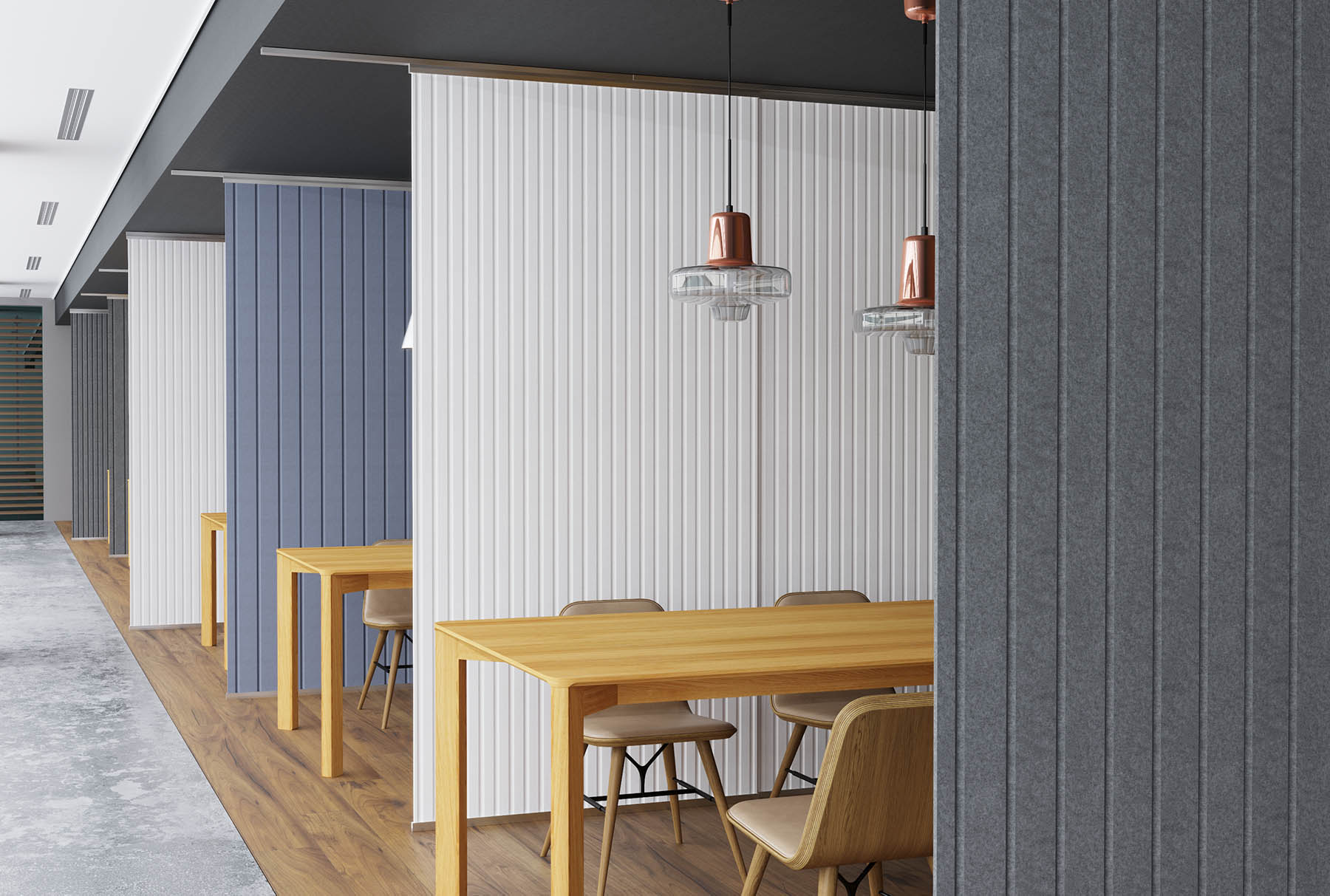
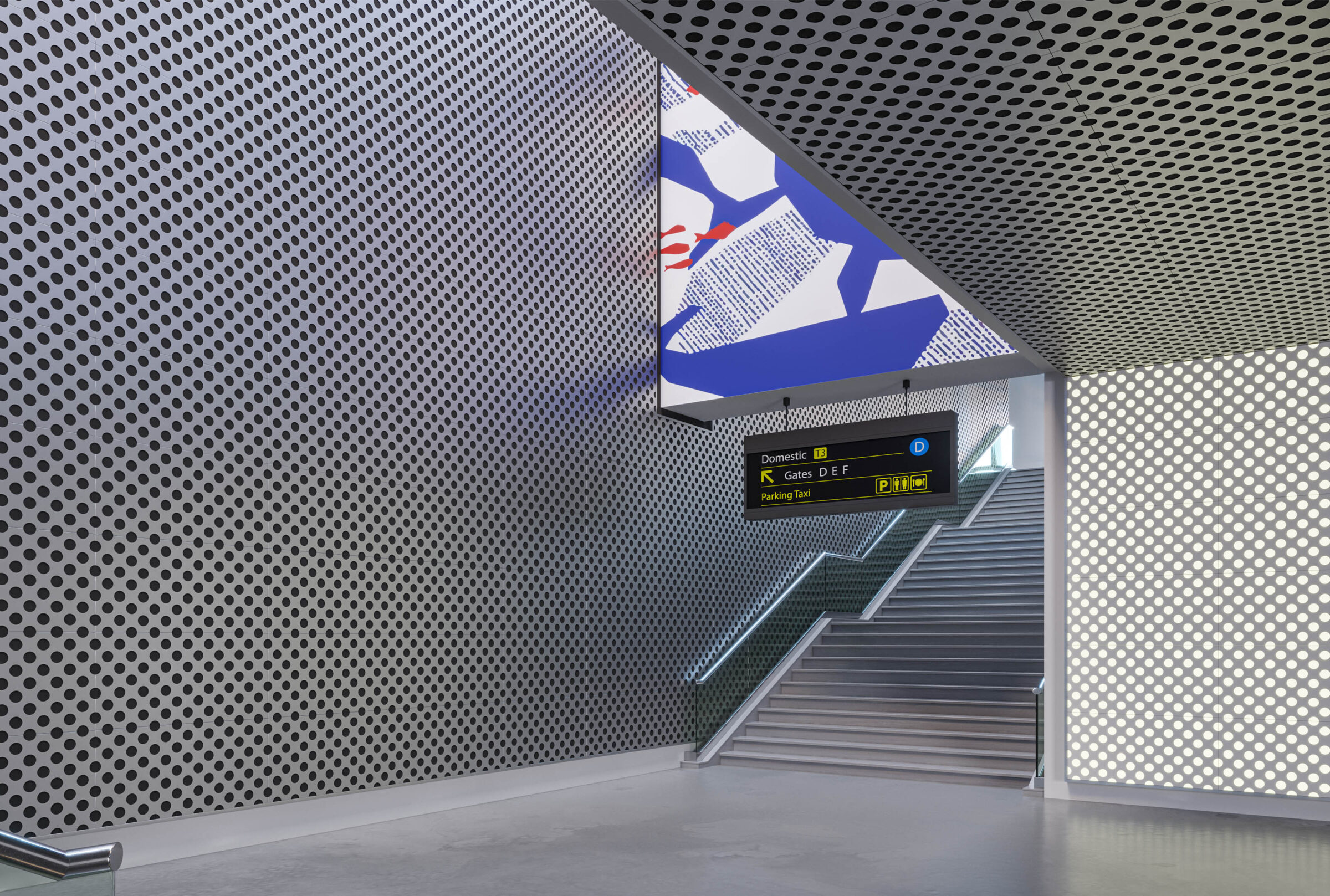
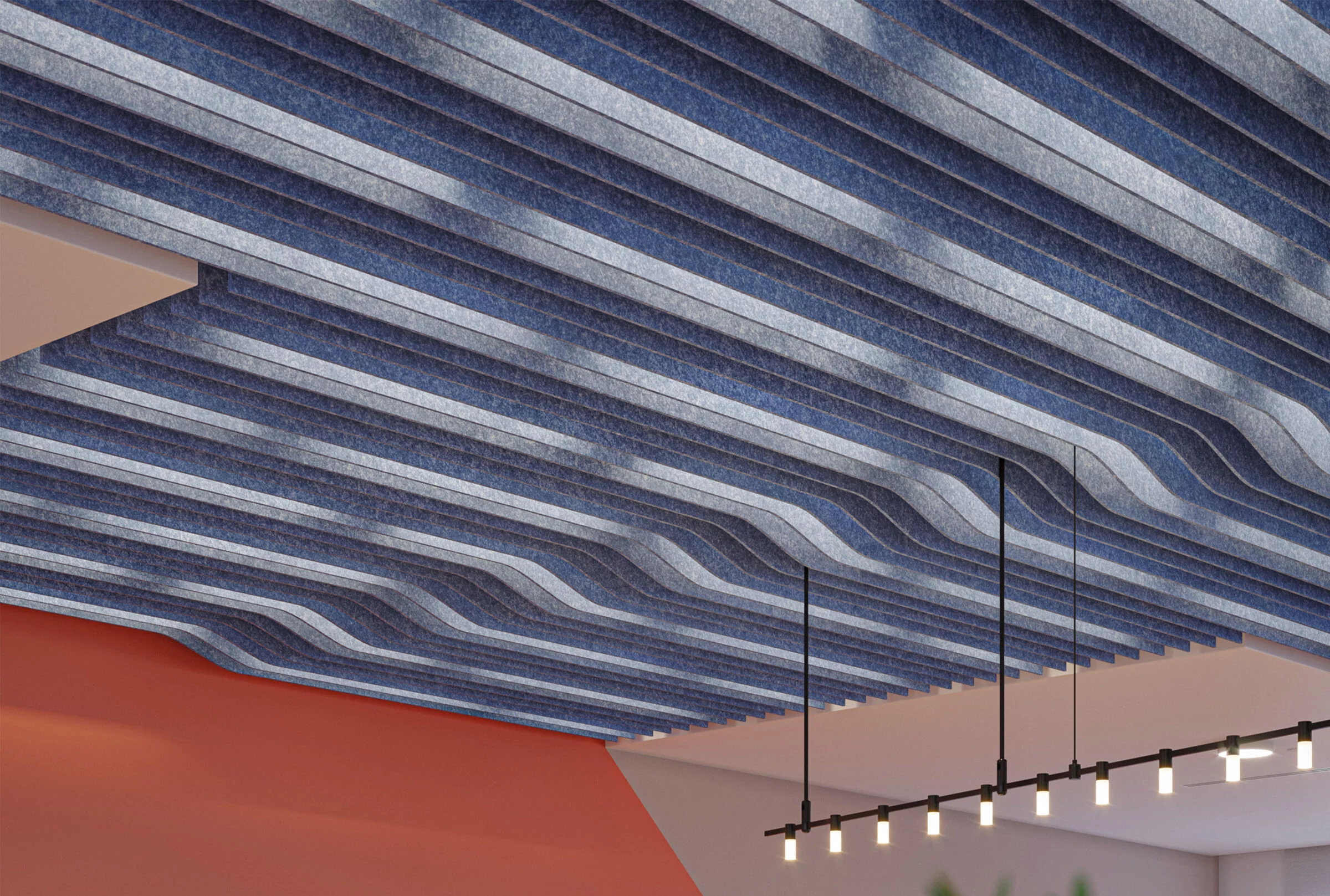
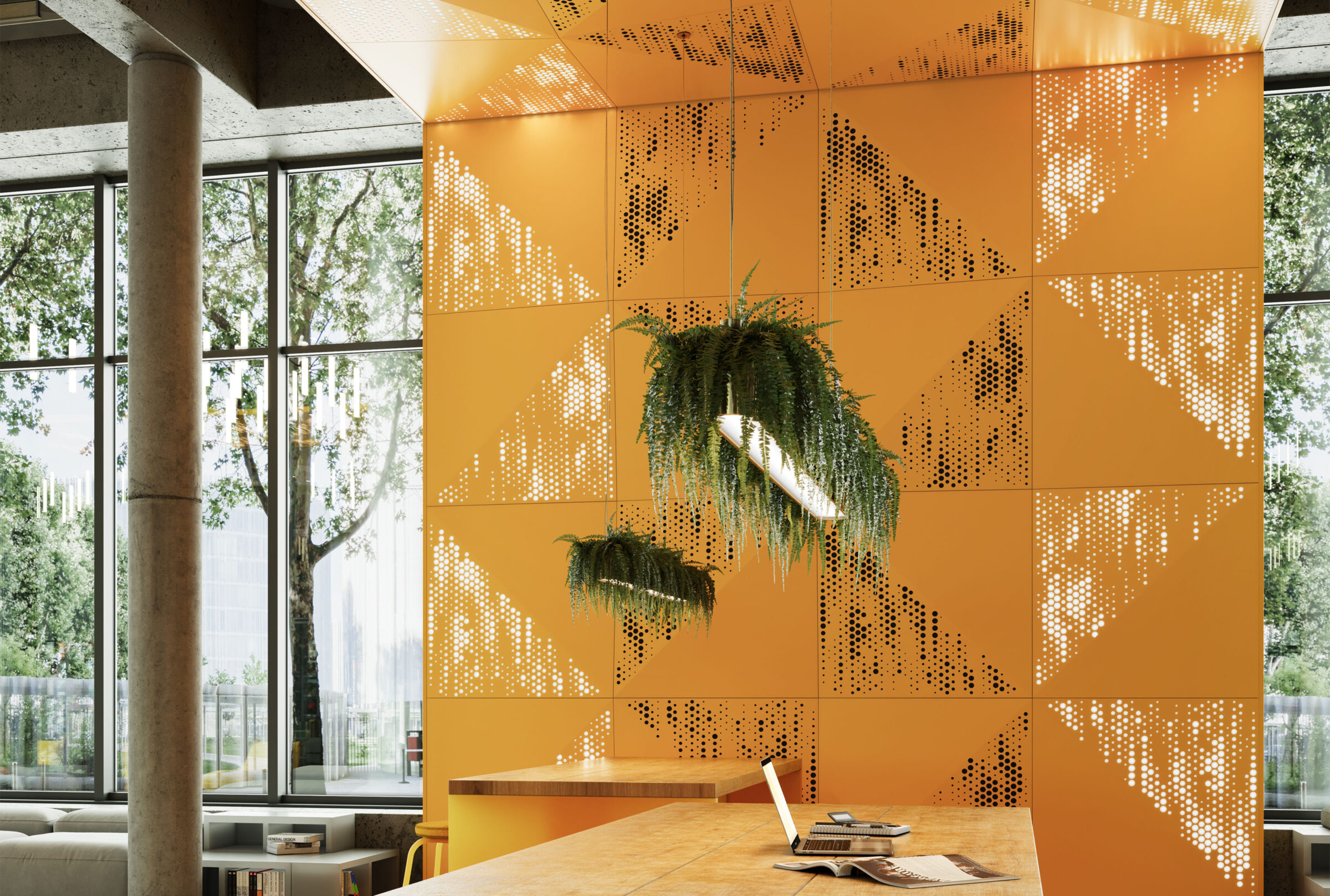
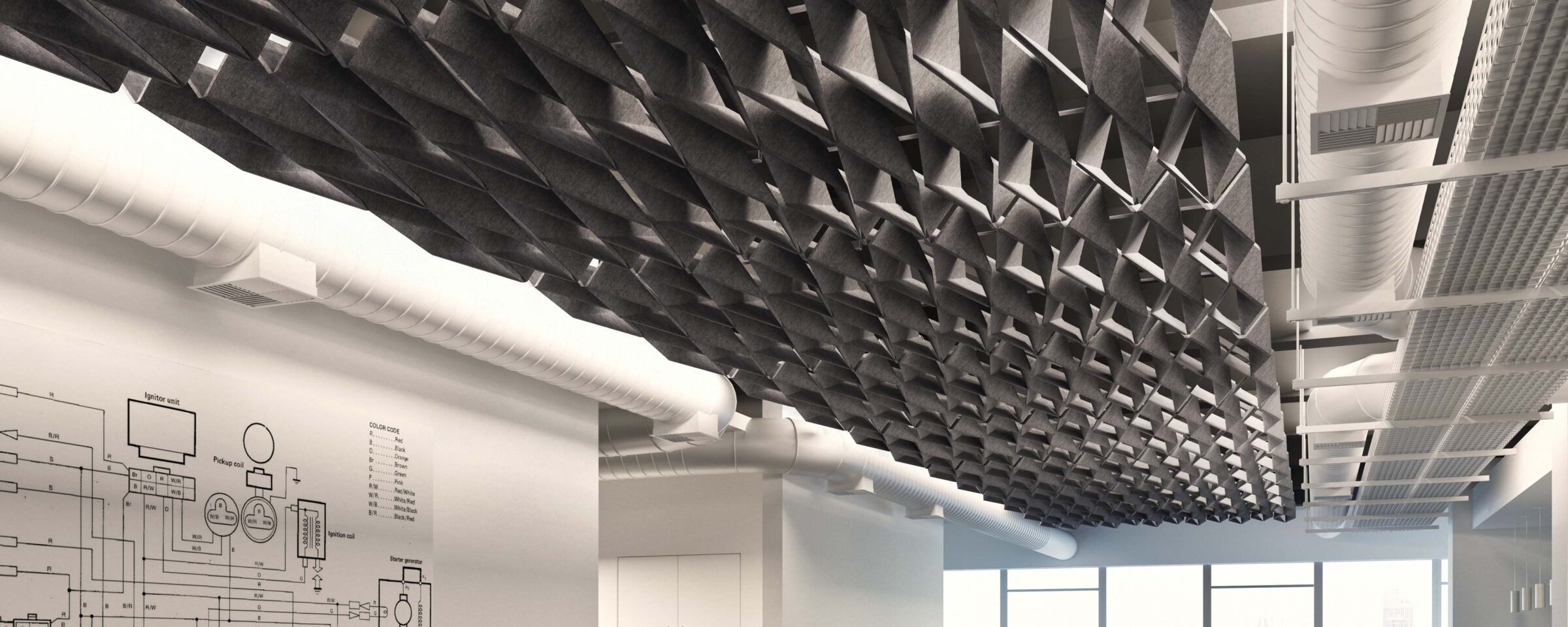
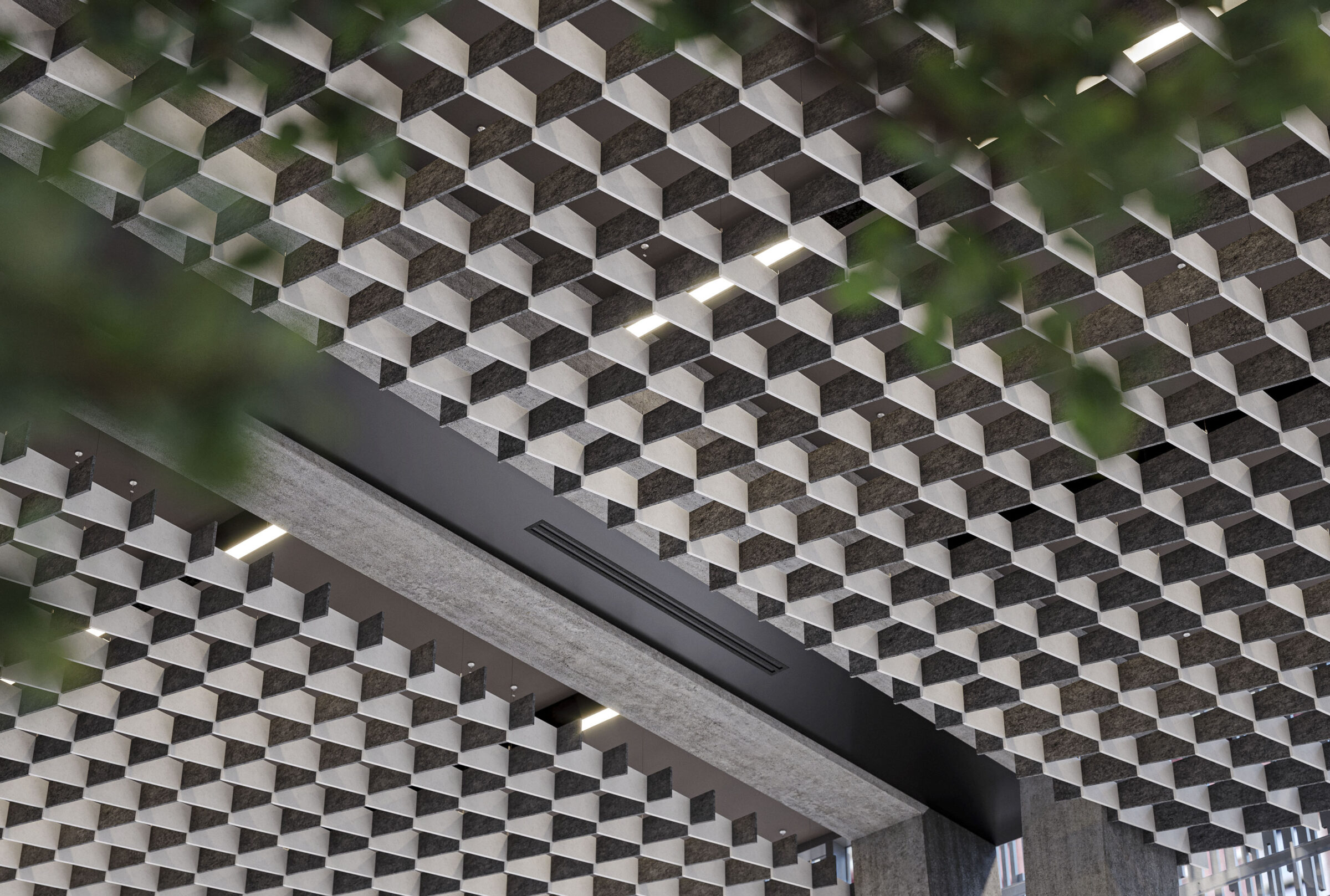
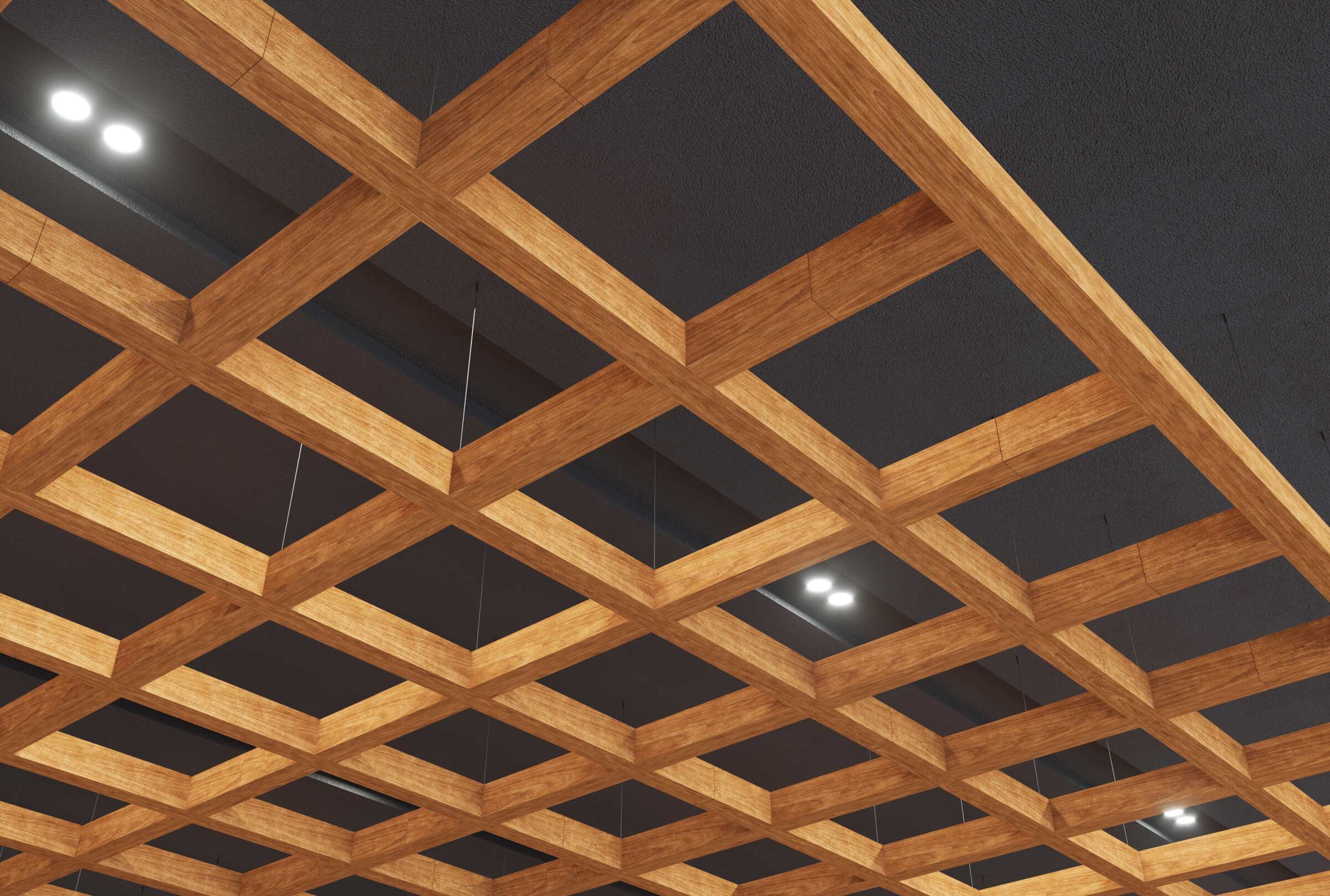
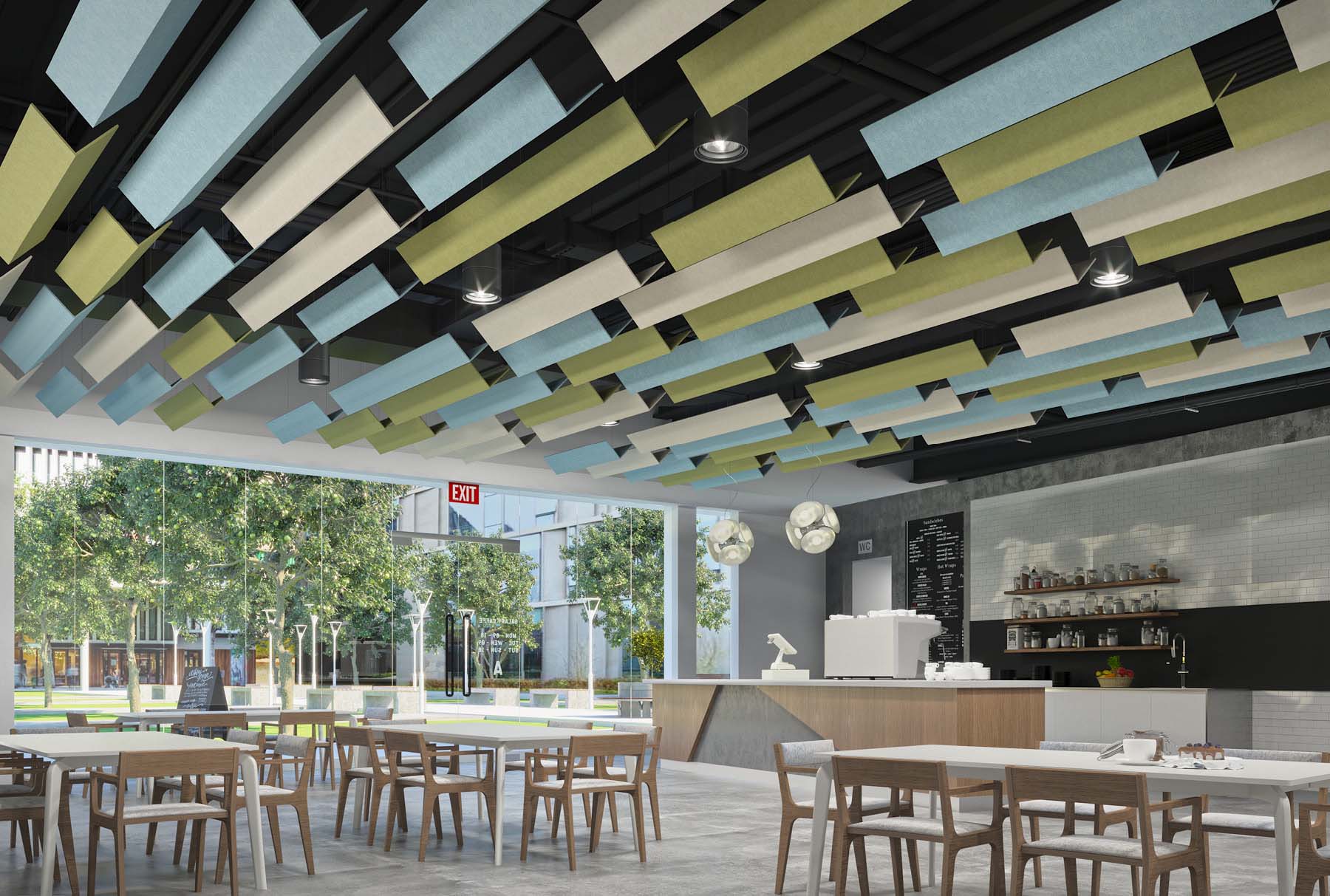
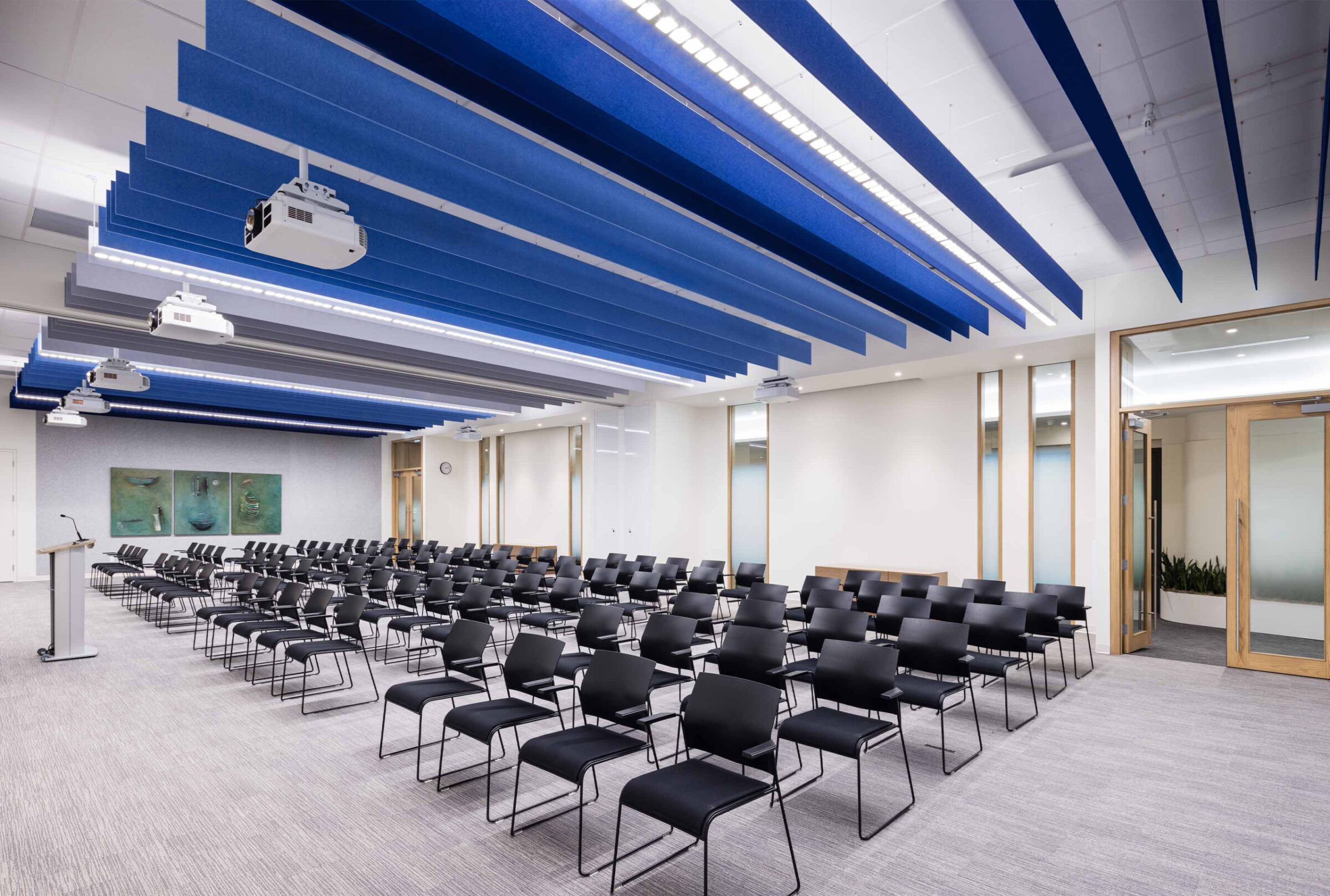
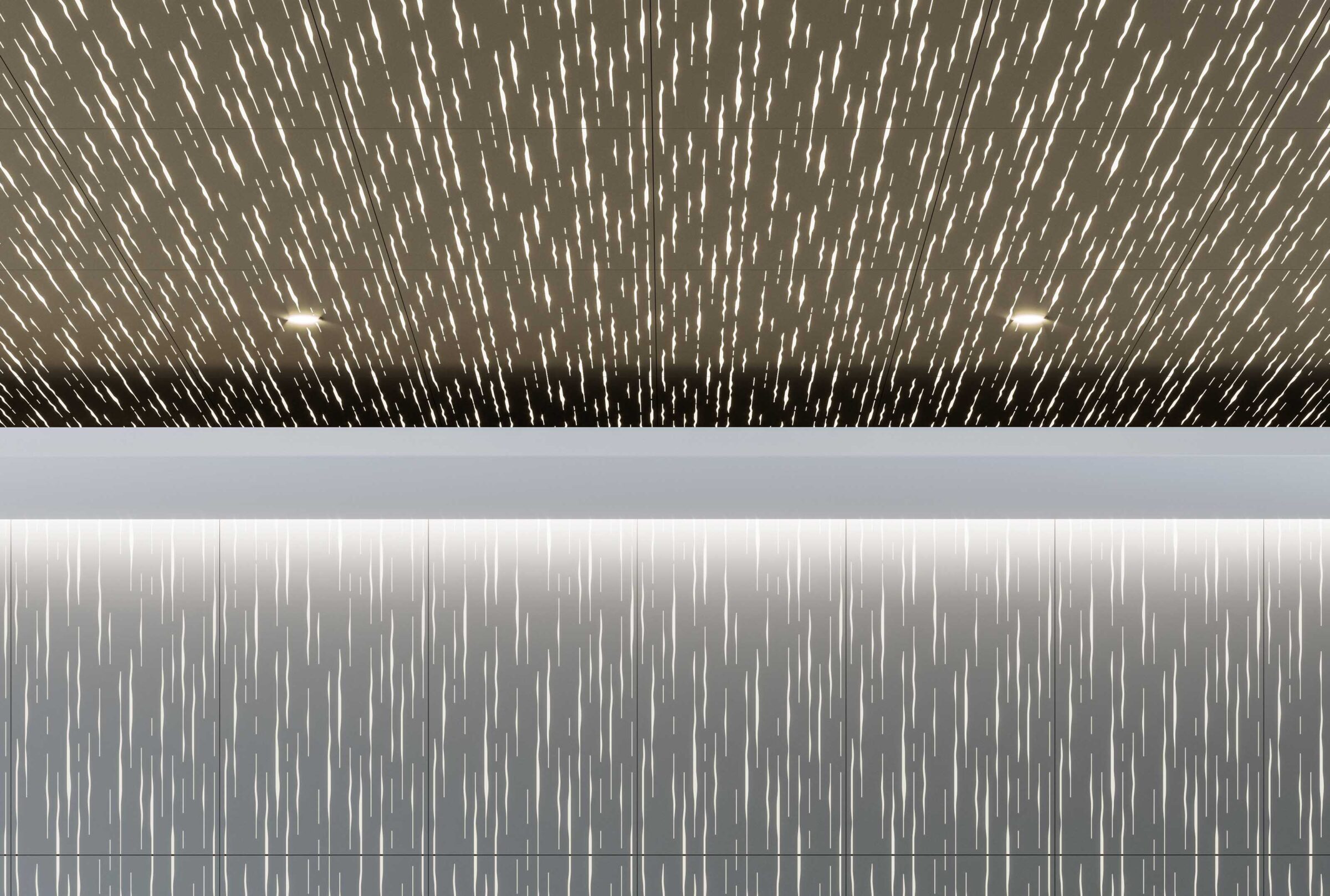
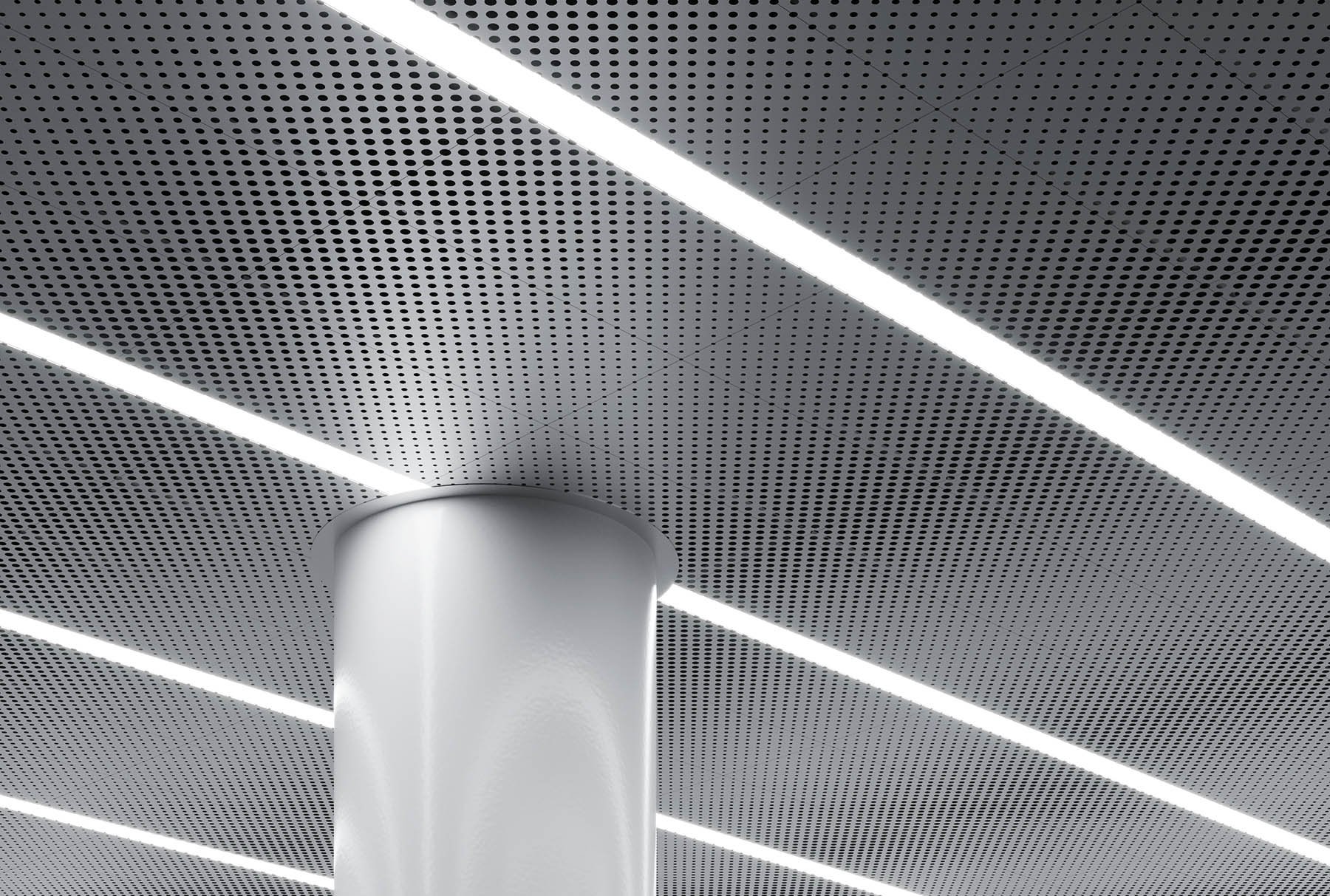
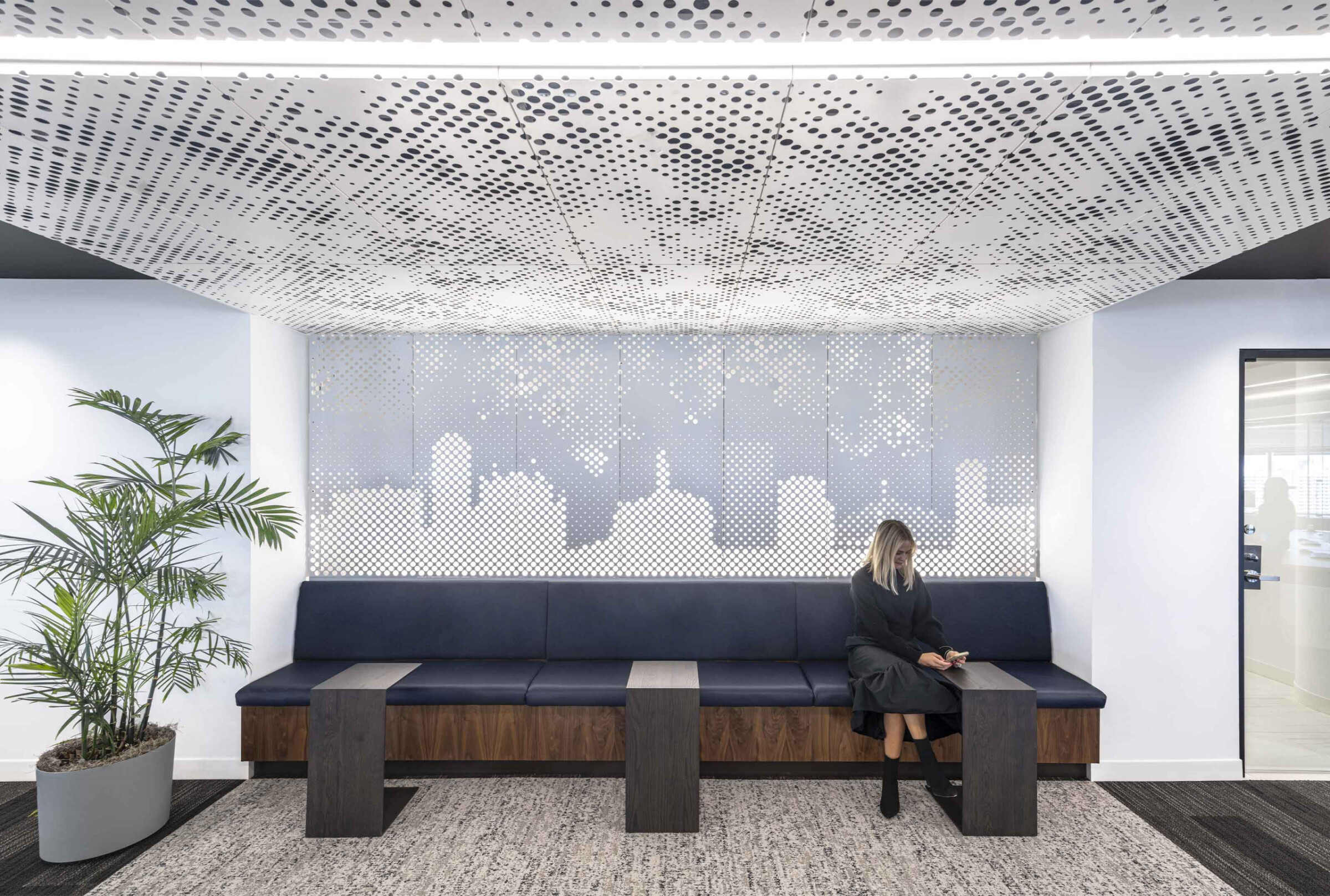
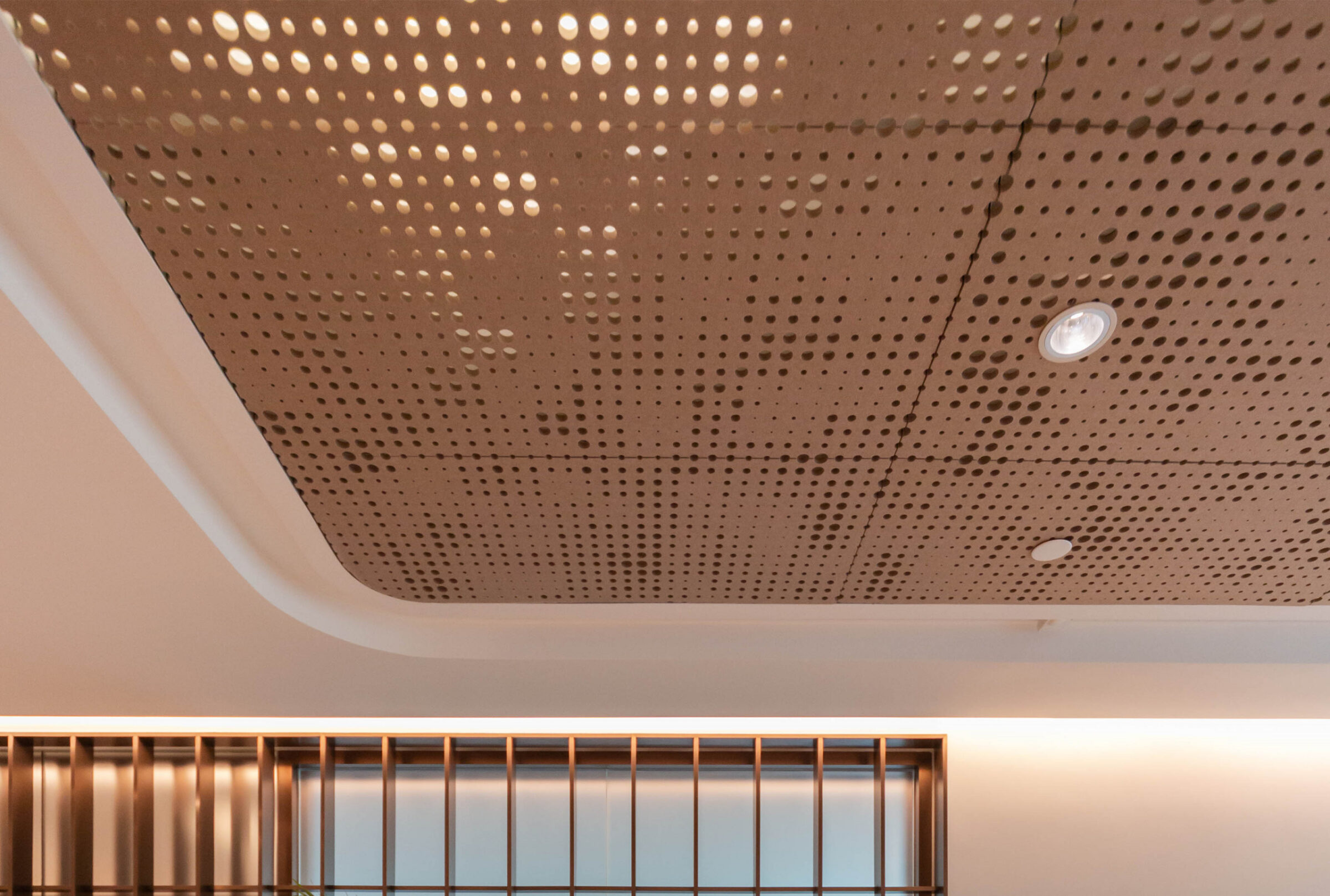
A ceiling system in CircuLUM™ recycled aluminium — 80% post-consumer content, manufactured by the world’s first carbon-negative architectural product manufacturer — has a substantively different embodied carbon profile from a system in primary aluminium. A ceiling system in aSOFT™ PET felt — 60% recycled PET content, SCS certified, Red List Free — is a different specification from an equivalent product without verified material content.
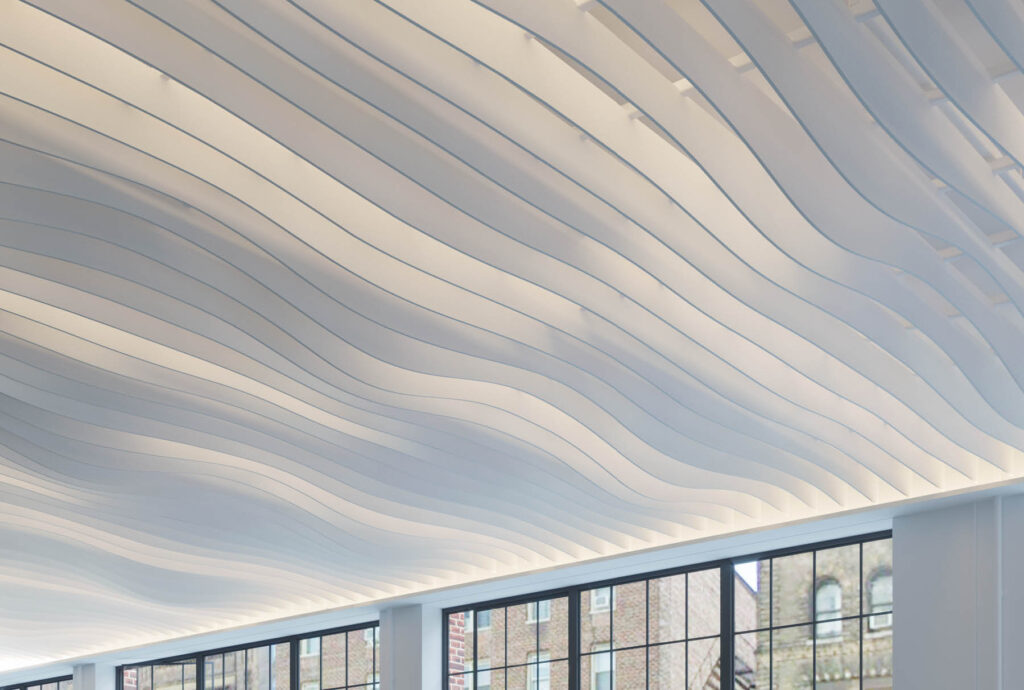
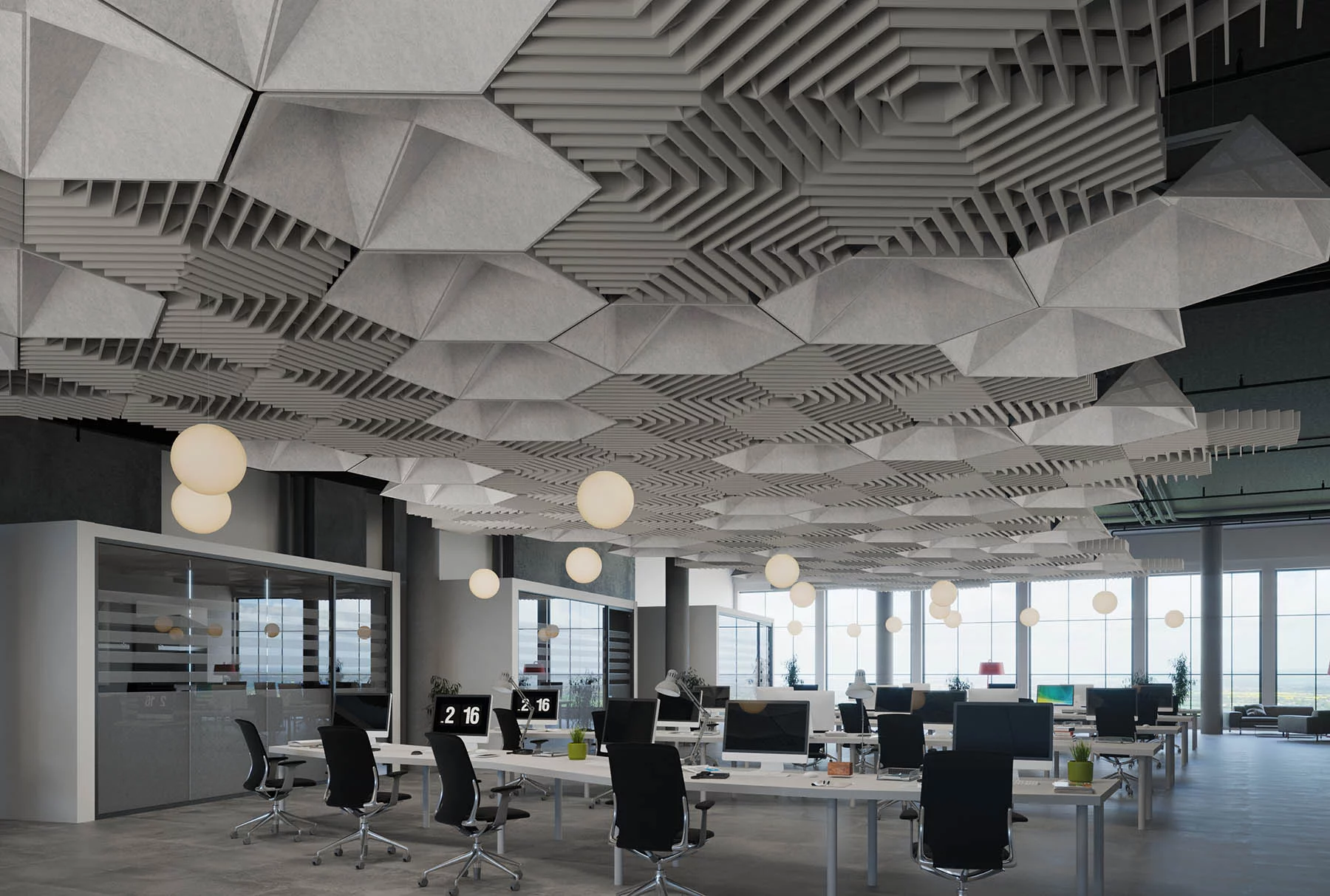
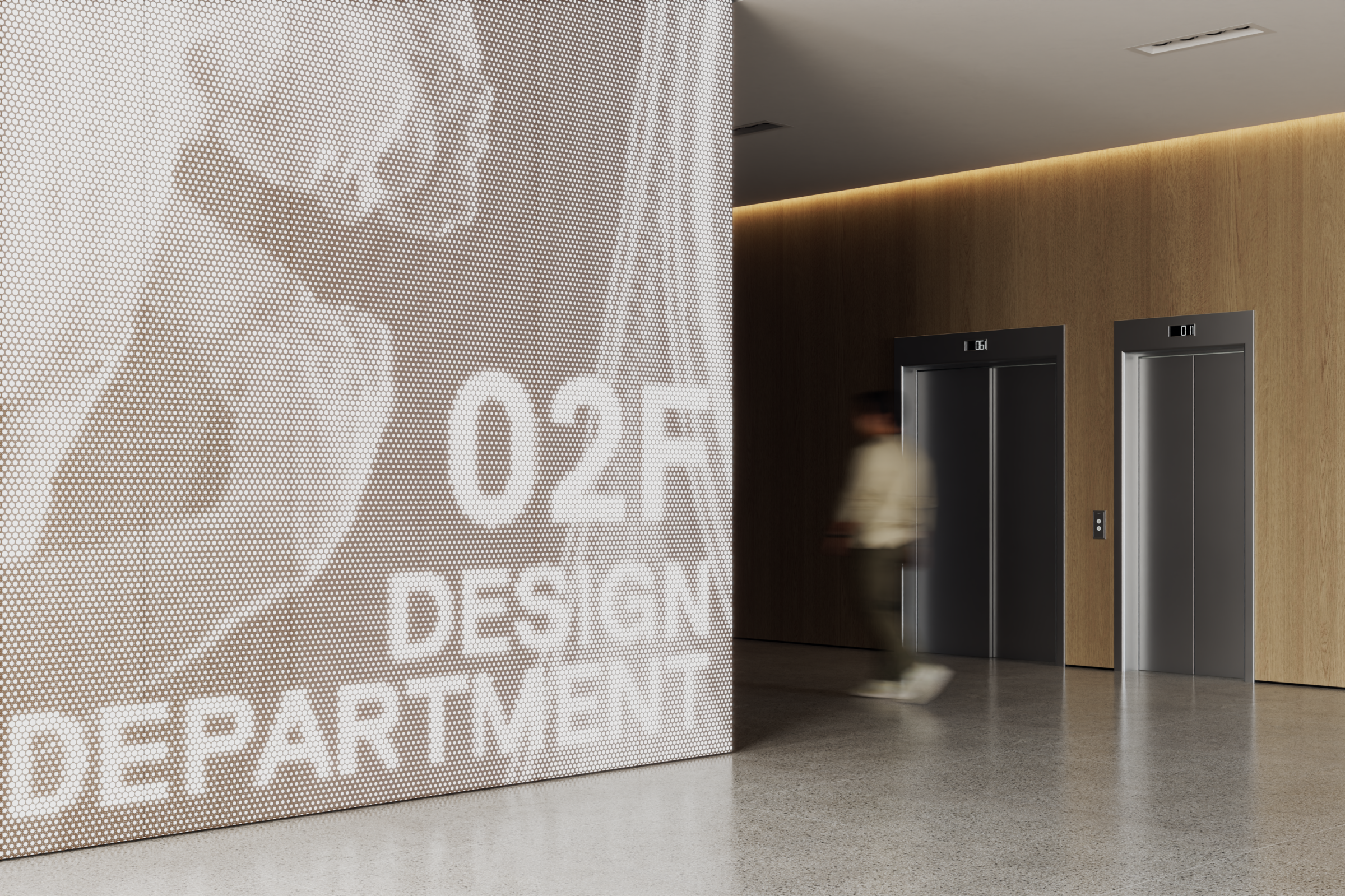
InfiKnit™ — produced with zero manufacturing waste and 40% reduced water usage — demonstrates that design complexity and manufacturing responsibility are not competing priorities. They resolve, with the right manufacturing approach, into the same decision.
The Specifier’s Role
Architects and specifiers hold a significant point of leverage over the embodied carbon profile of the buildings they design. The material decisions made at specification stage — on ceiling systems, wall cladding, structural elements — determine the embodied carbon profile of the finished building.
Specifying products with documented, verifiable sustainability credentials — EPDs, Declare labels, recycled content certification, carbon-negative manufacturing status — is the mechanism through which that leverage is exercised. It is not a secondary consideration. It is a design decision.
Explore NOWN’s full product range and sustainability documentation →