
Conception d'espaces calmes : cahier des charges pour les plafonds acoustiques destinés aux bibliothèques et aux espaces d'étude
5 mai 2026
-2 min lire
Les bibliothèques et les espaces d'étude dédiés nécessitent une faible réverbération et un bruit ambiant maîtrisé. Voici comment les spécifications relatives aux plafonds répondent à ces exigences dans la conception des bâtiments éducatifs et publics contemporains.
Les bibliothèques et les espaces d'étude ont des exigences acoustiques spécifiques : ils doivent être calmes, sans pour autant être anéchoïques. Un espace présentant une réverbération excessive donne une impression de bruit et de distraction. Un espace trop amorti est inconfortable : il semble lourd, oppressant et étrangement dérangeant. L'objectif est d'obtenir un temps de réverbération faible et contrôlé, propice à une concentration sereine, sans pour autant créer un environnement qui donne l'impression d'être acoustiquement mort.
Cibles de réverbération pour les espaces de bibliothèque
Les recommandations relatives aux bibliothèques et aux espaces d'étude préconisent généralement des valeurs de RT60 comprises entre 0,4 et 0,6 seconde en conditions d'occupation. Pour une salle de bibliothèque de volume standard présentant une occupation modérée, cela nécessite une absorption acoustique significative, qui s'obtient le plus facilement au niveau du plafond.
Pour atteindre cet objectif dans l'intérieur d'une bibliothèque moderne — qui peut comporter une structure en béton apparent, des sols polis et des salles de lecture vitrées —, il faut un système de plafond offrant une absorption acoustique homogène et hautement performante sur toute la surface du plafond.
aSOFT™ dans les applications de bibliothèque
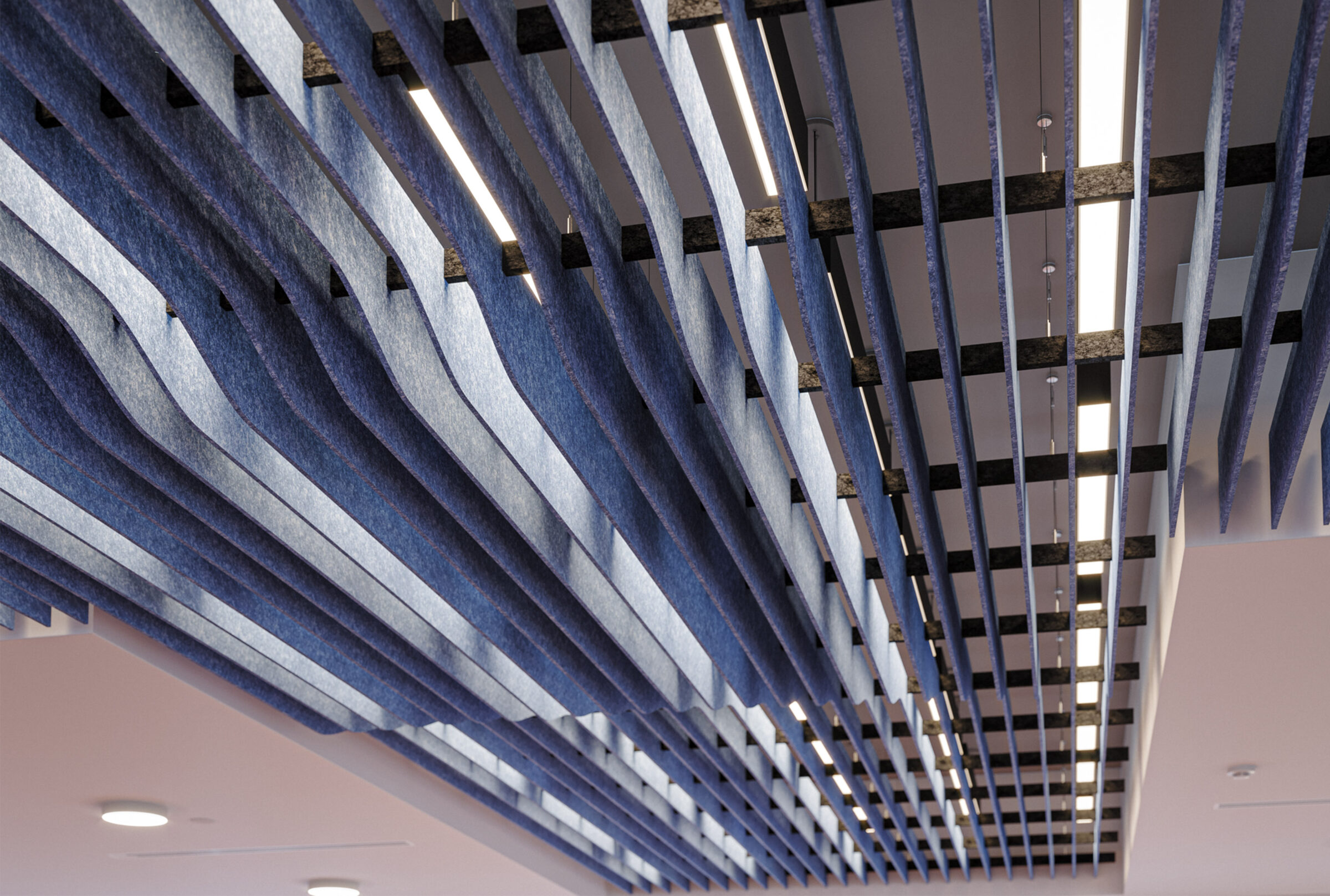
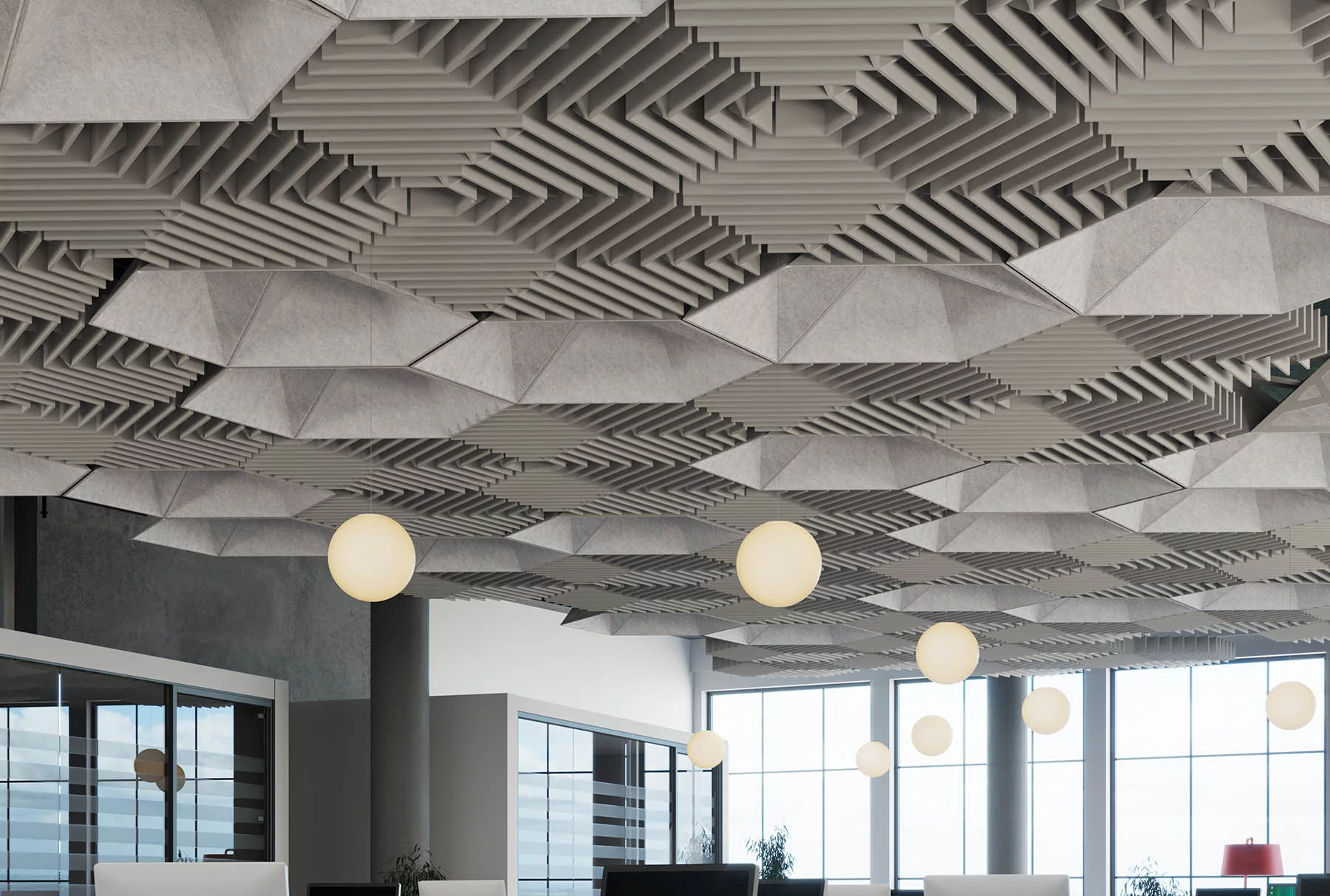
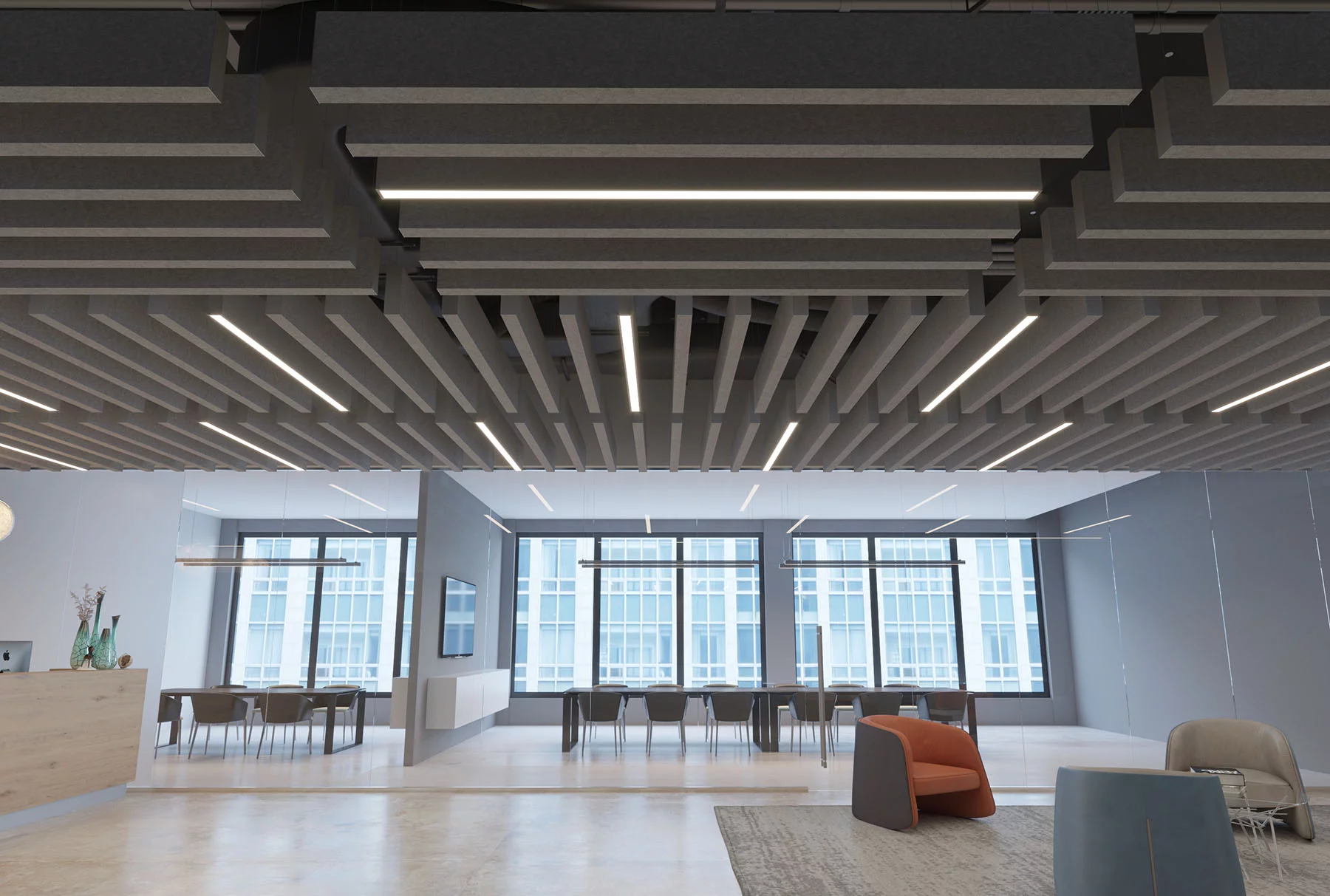
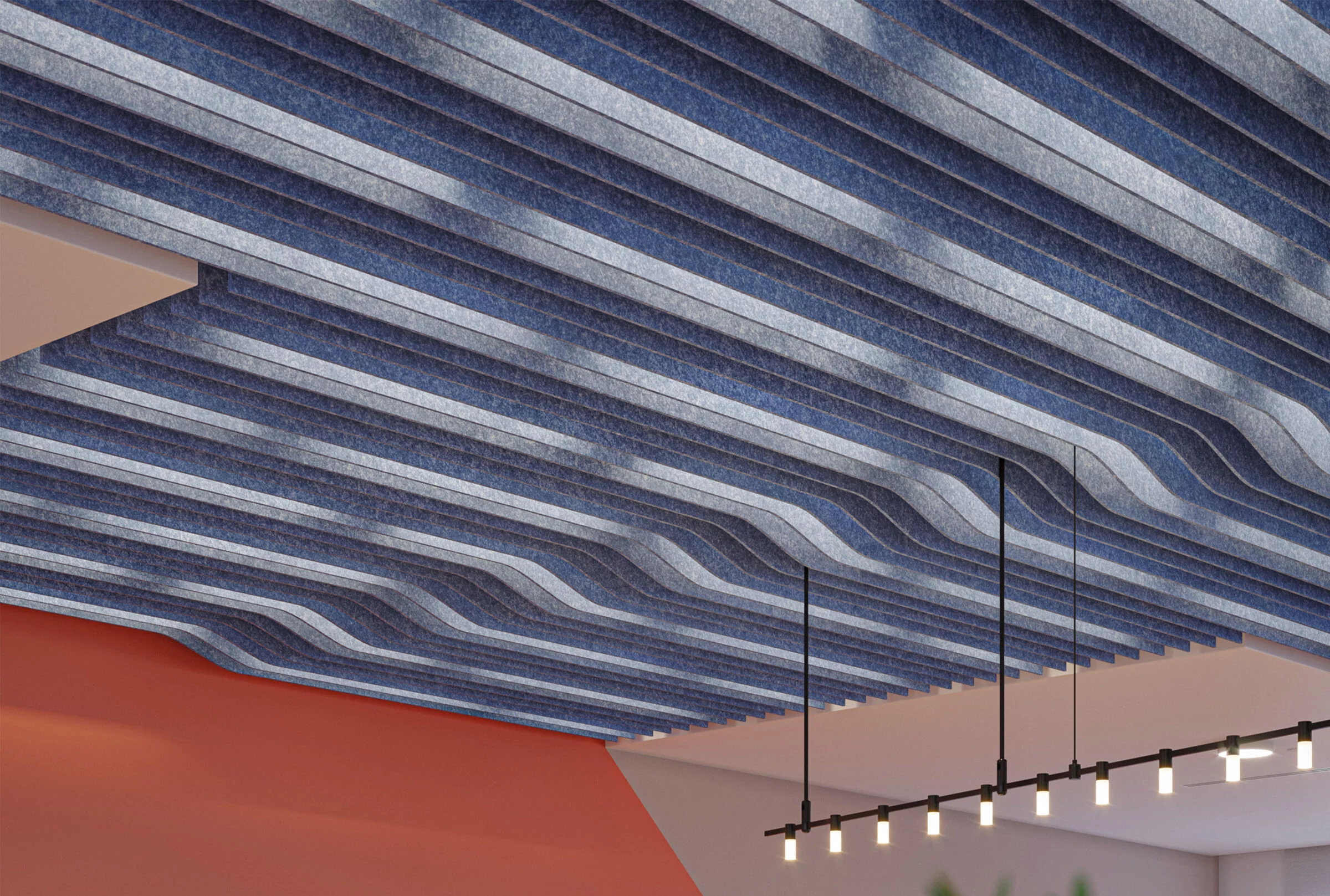
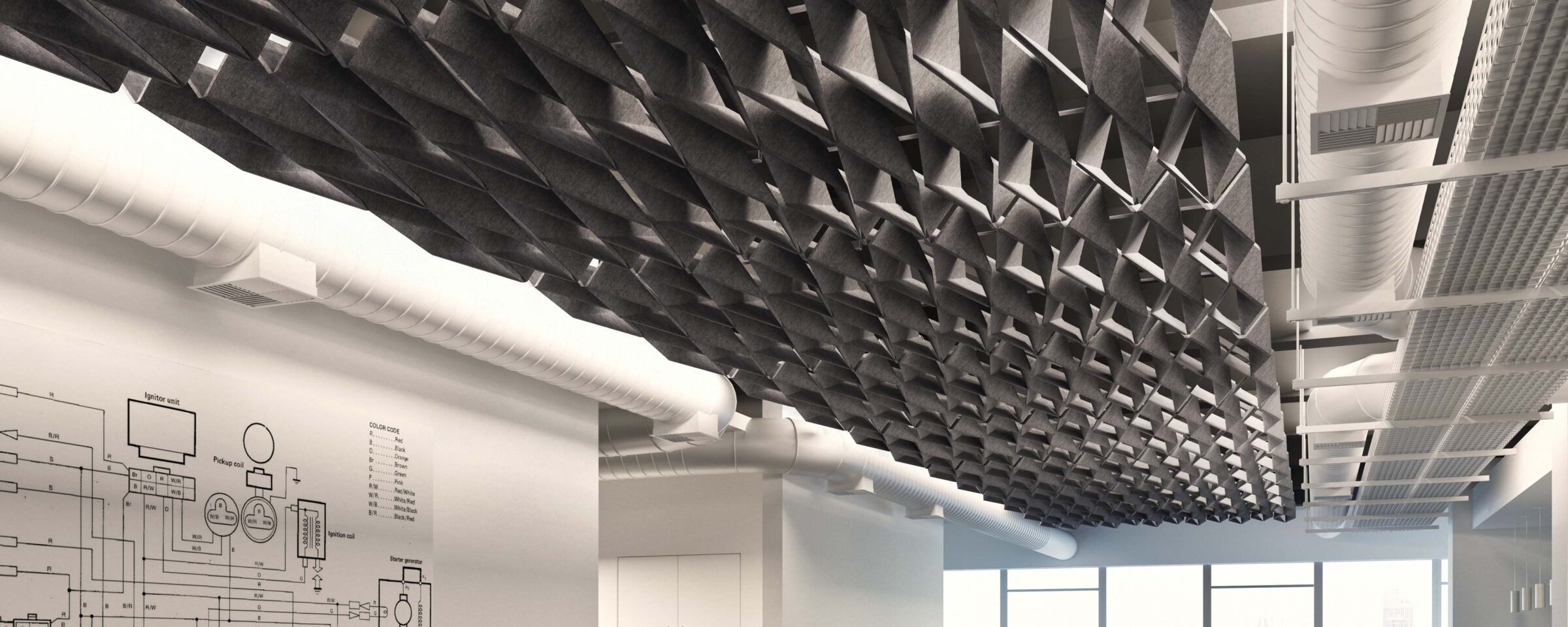
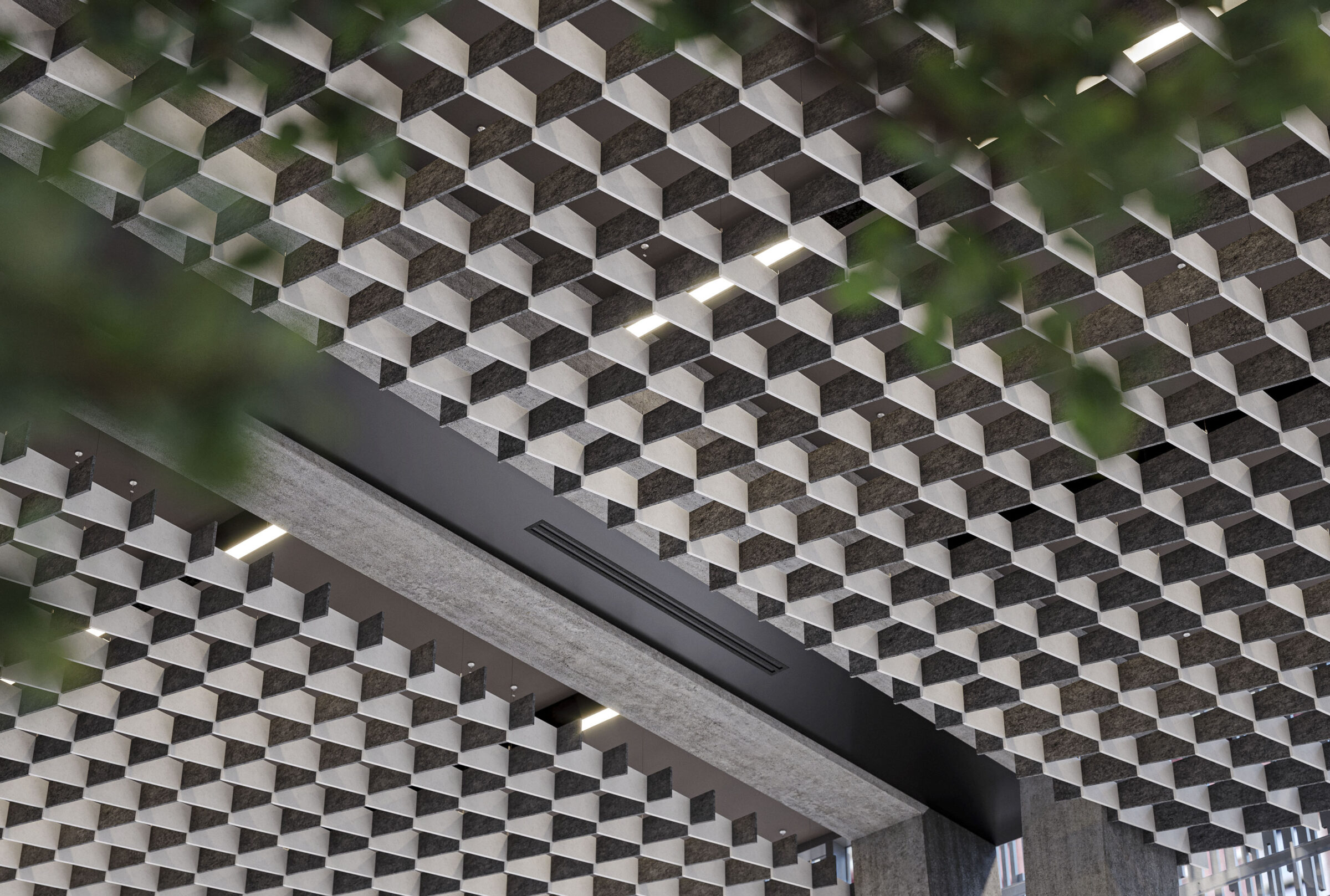
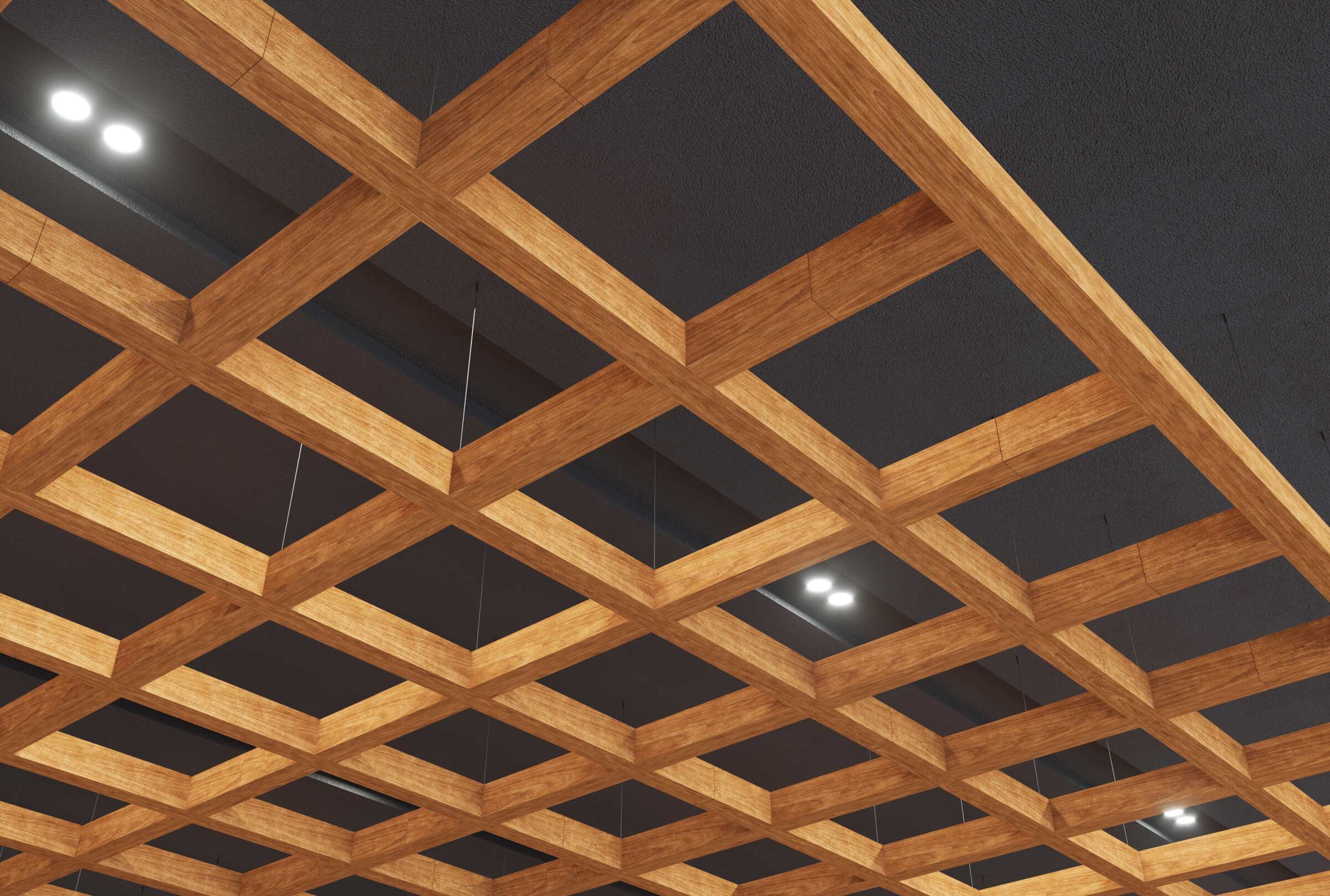
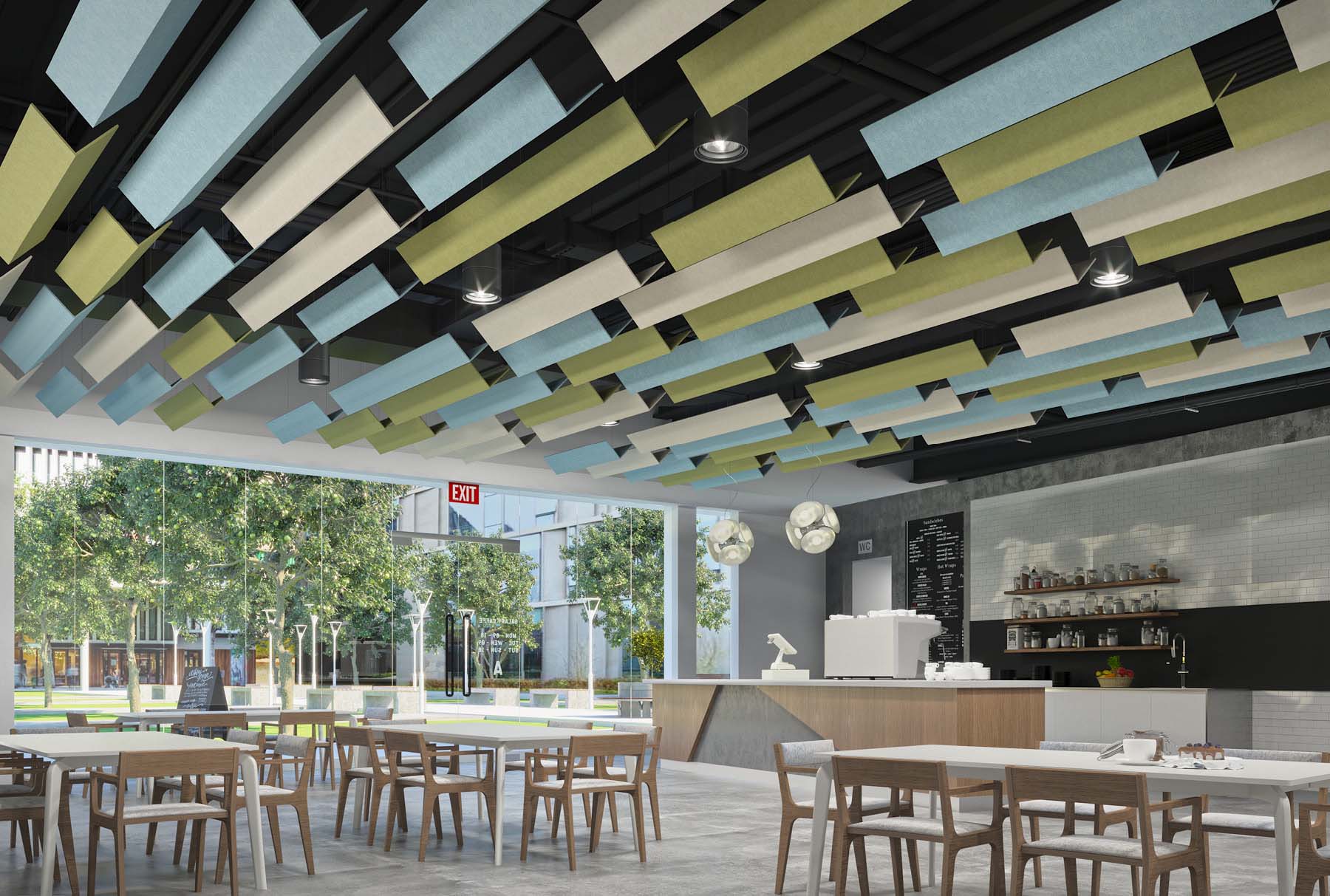
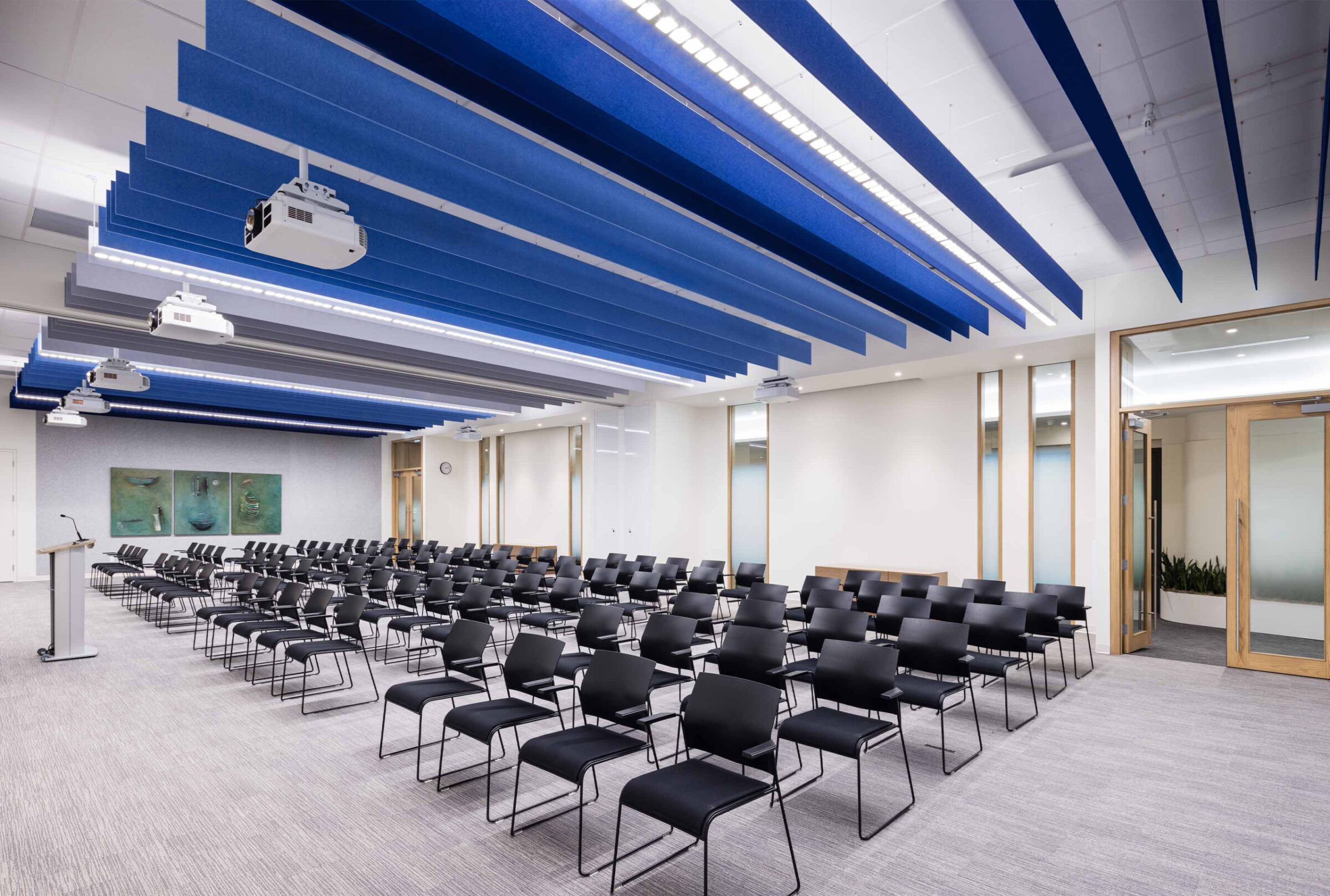
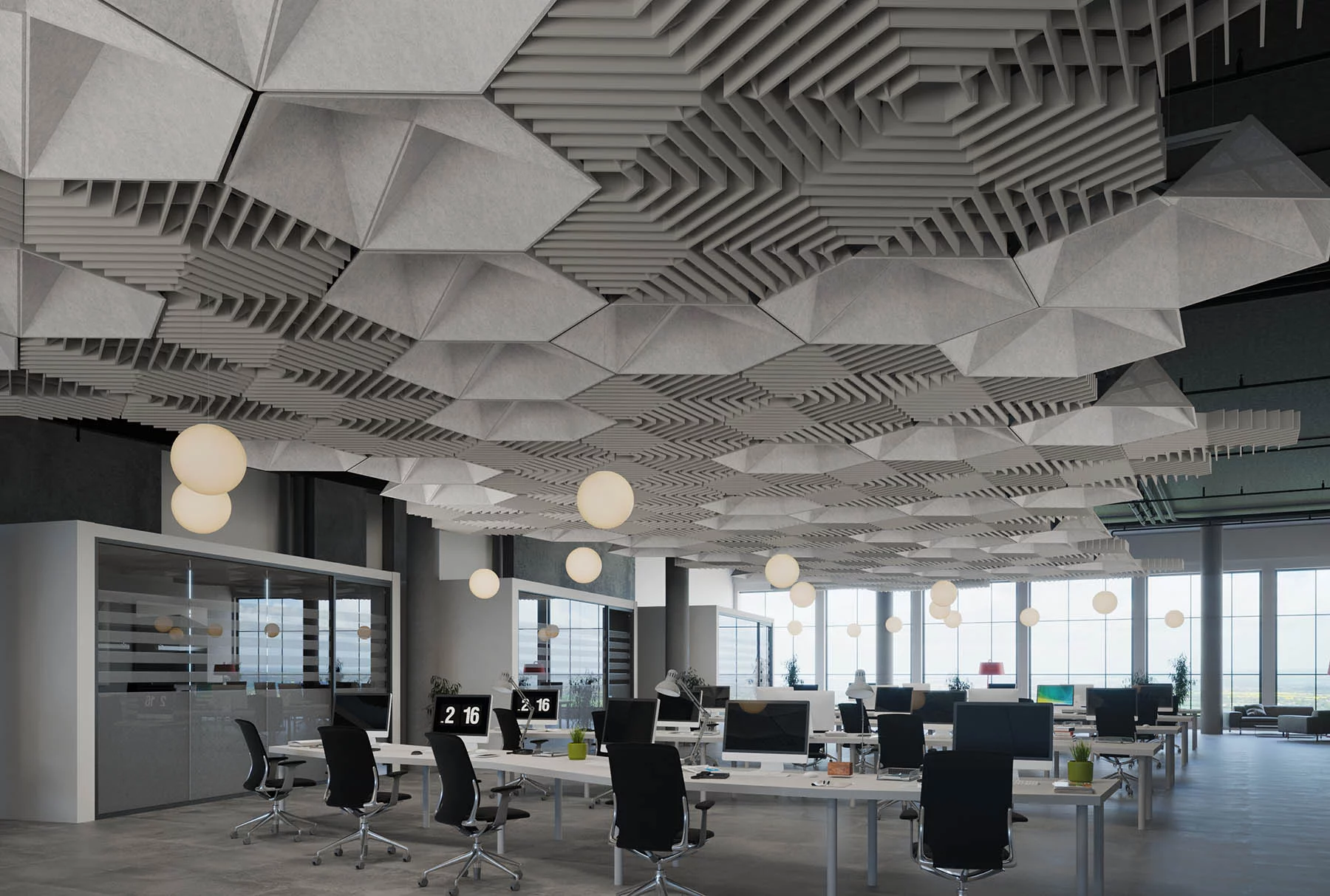
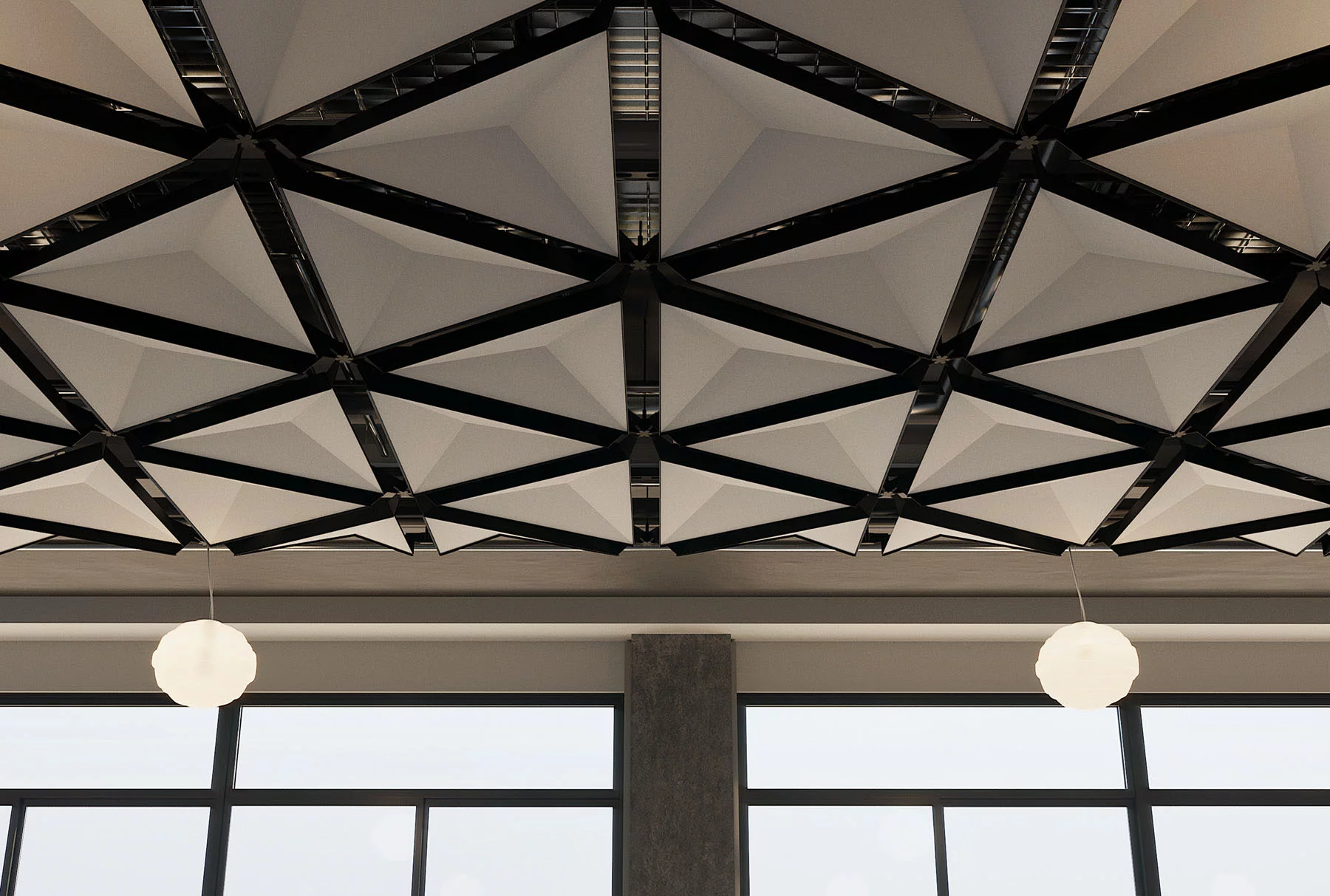
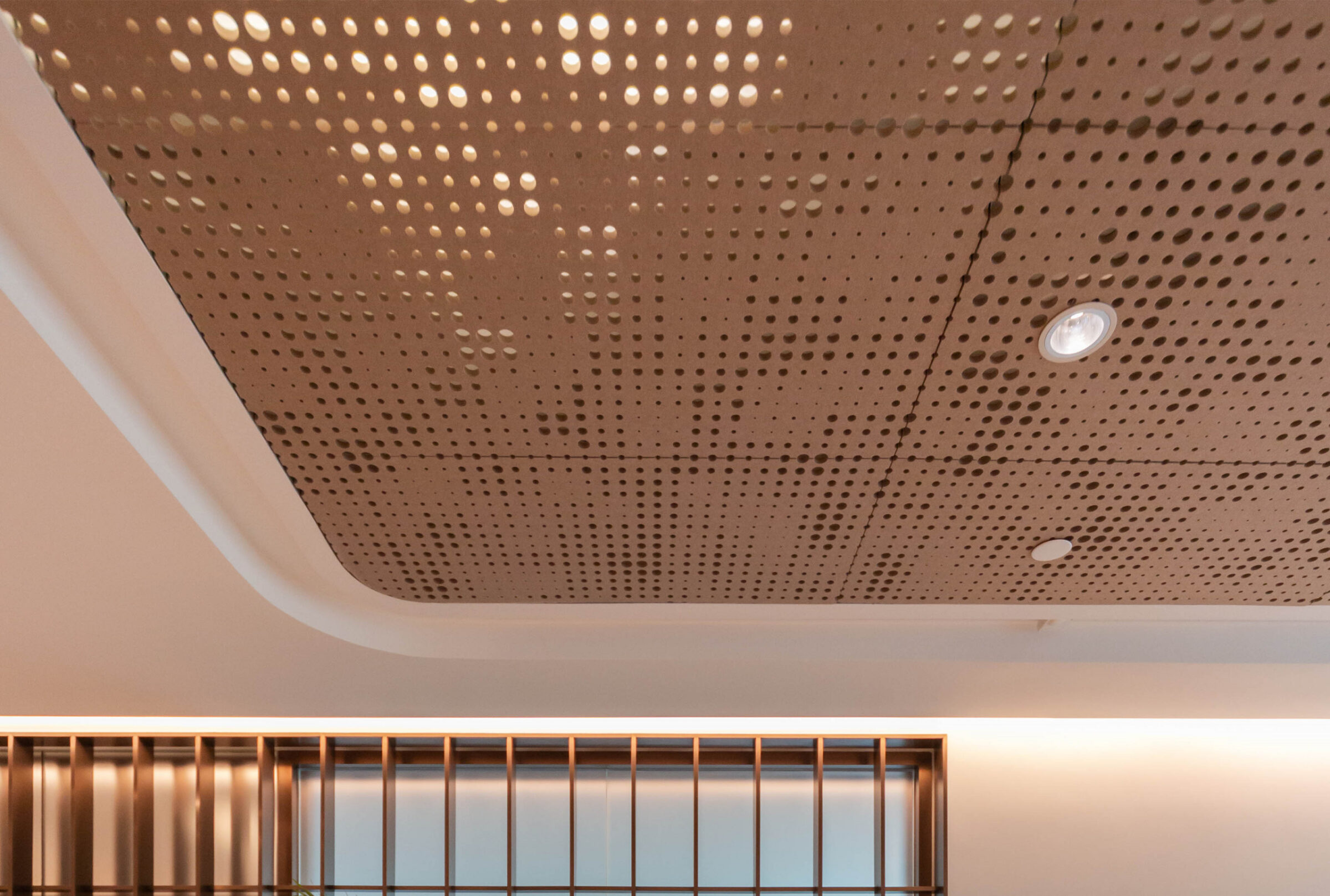
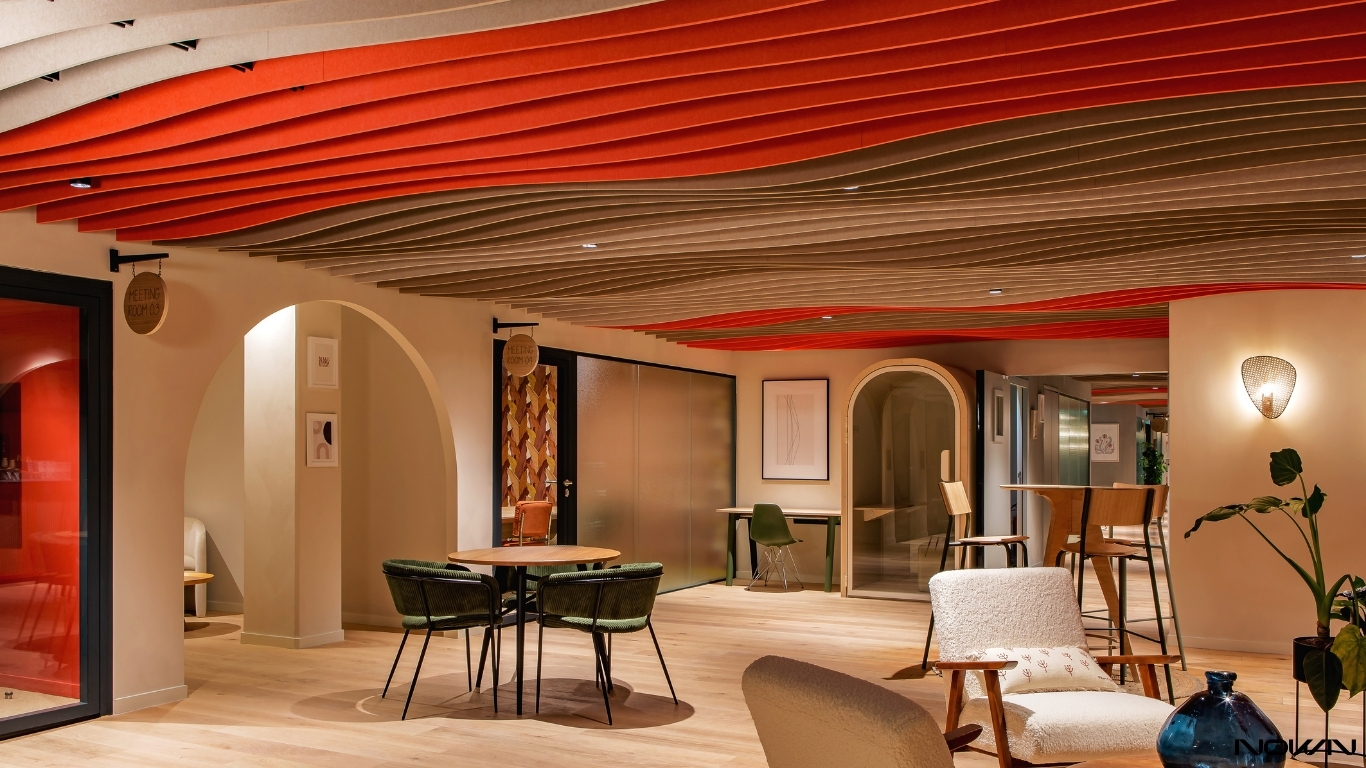
NOWN’s aSOFT™ Le feutre en PET, fabriqué à partir de 60 % de PET recyclé, atteint des indices NRC effectifs pouvant aller jusqu’à 0,95 selon la configuration. Utilisé au sein de NOWN’s Atmosphera® Ce système de plafond assure une absorption sonore répartie sur toute la surface du plafond, dans une configuration esthétique adaptée aux intérieurs des bibliothèques contemporaines.
Le Atmosphera® La structure ouverte du système permet d’accéder depuis le plafond aux installations d’éclairage, de chauffage, de ventilation et de climatisation (CVC) ainsi qu’à l’infrastructure informatique, comme c’est généralement le cas dans les bibliothèques — où les modes d’occupation évoluent au fil du temps et où l’adaptation des services constitue une activité d’entretien récurrente.
La durabilité dans les cahiers des charges des bâtiments publics
Les bâtiments publics — y compris les bibliothèques — sont de plus en plus tenus de démontrer leurs performances en matière de développement durable, tant dans le cadre de nouvelles constructions que de travaux de rénovation. aSOFT™ est certifié SCS pour sa teneur en matériaux recyclés, et les produits NOWN portent le label « Declare » et bénéficient du statut « Red List Free ». Ces certifications s'appliquent directement aux exigences de développement durable du secteur public et aux évaluations BREEAM.
Les modules sont fabriqués conformément au cahier des charges du projet et livrés déjà découpés aux dimensions requises ; aucune découpe sur chantier n'est donc nécessaire lors de l'installation, ce qui simplifie la gestion du programme, caractéristique des travaux de rénovation par étapes des bâtiments publics.
Découvrir aSOFT™ pour les applications destinées aux bibliothèques et aux espaces d'étude