
Pourquoi les architectes préfèrent les systèmes de plafonds tricotés en 3D aux dalles acoustiques classiques
6 mai 2026
-2 min lire
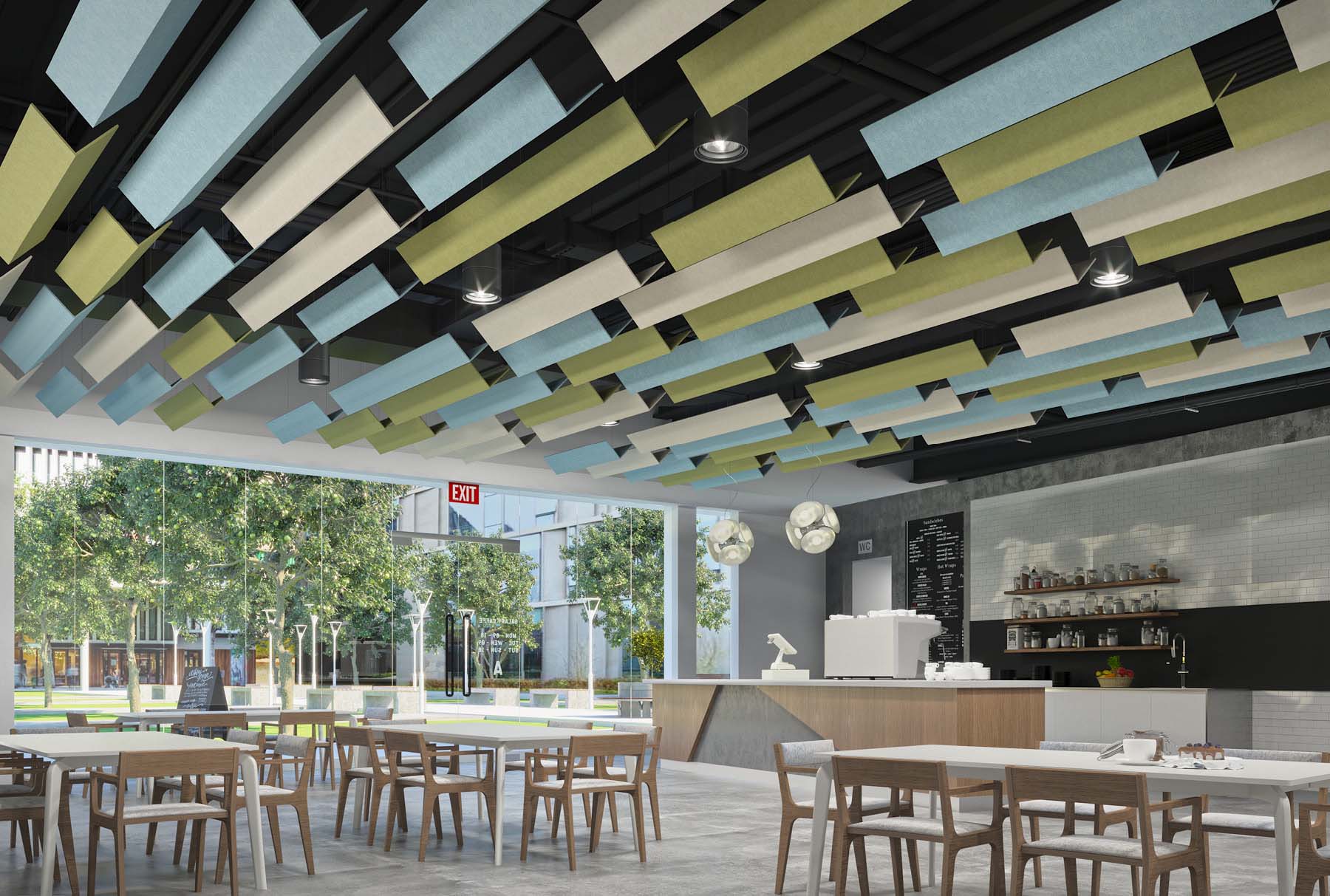
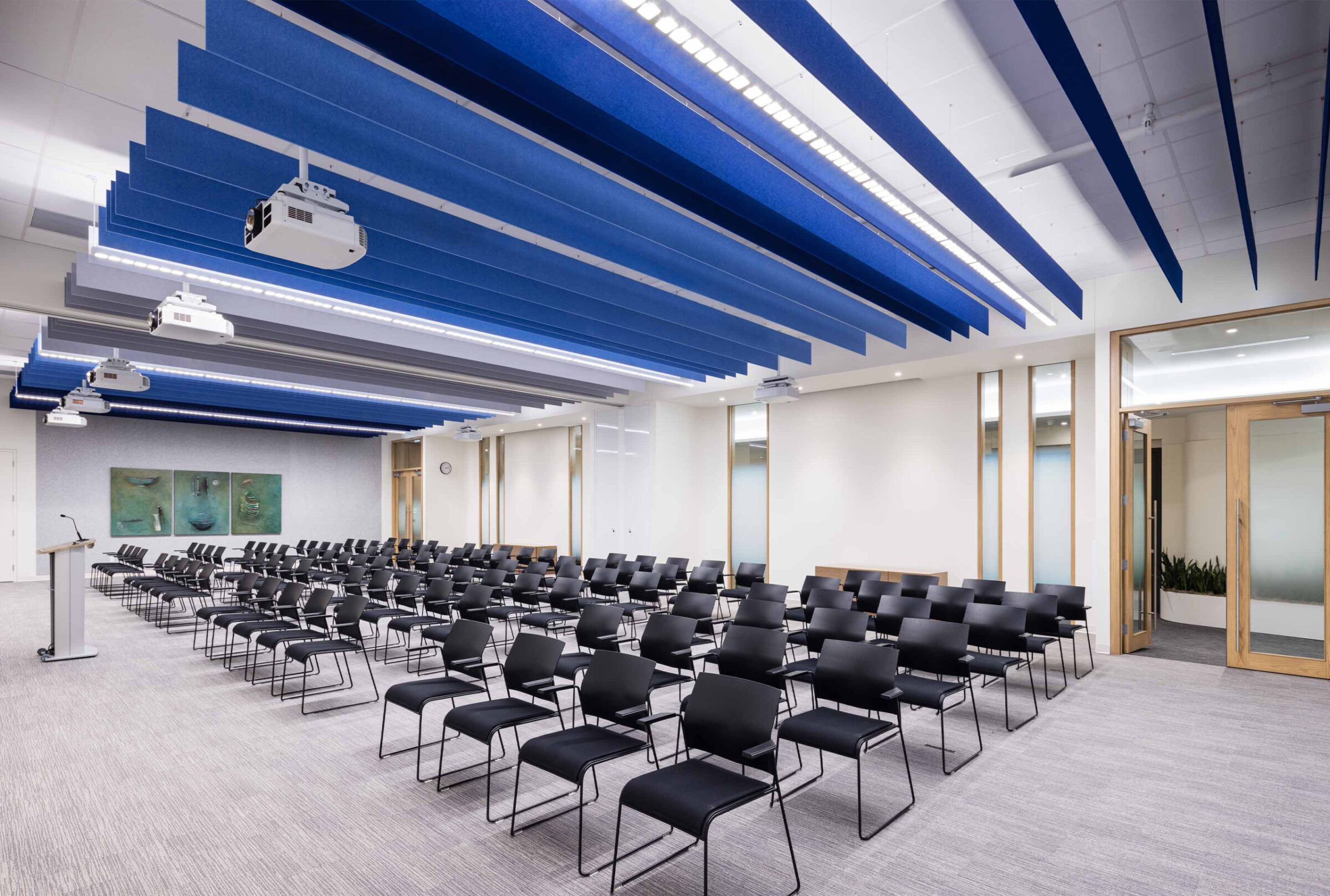
Les dalles acoustiques classiques sont fonctionnelles, mais leur aspect esthétique est limité. Voici pourquoi un nombre croissant d'architectes choisissent InfiKnit™ — le premier système de plafond architectural tricoté en 3D au monde — pour les projets où la qualité de la finition est primordiale.
Depuis des décennies, les dalles acoustiques font leurs preuves dans les plafonds des locaux commerciaux. Elles sont pratiques, peu coûteuses, faciles à remplacer et efficaces sur le plan acoustique. De par leur conception, elles constituent également un matériau neutre, qui minimise la présence visuelle plutôt que de la mettre en avant. Dans la plupart des intérieurs commerciaux, c'est exactement ce qu'il faut.
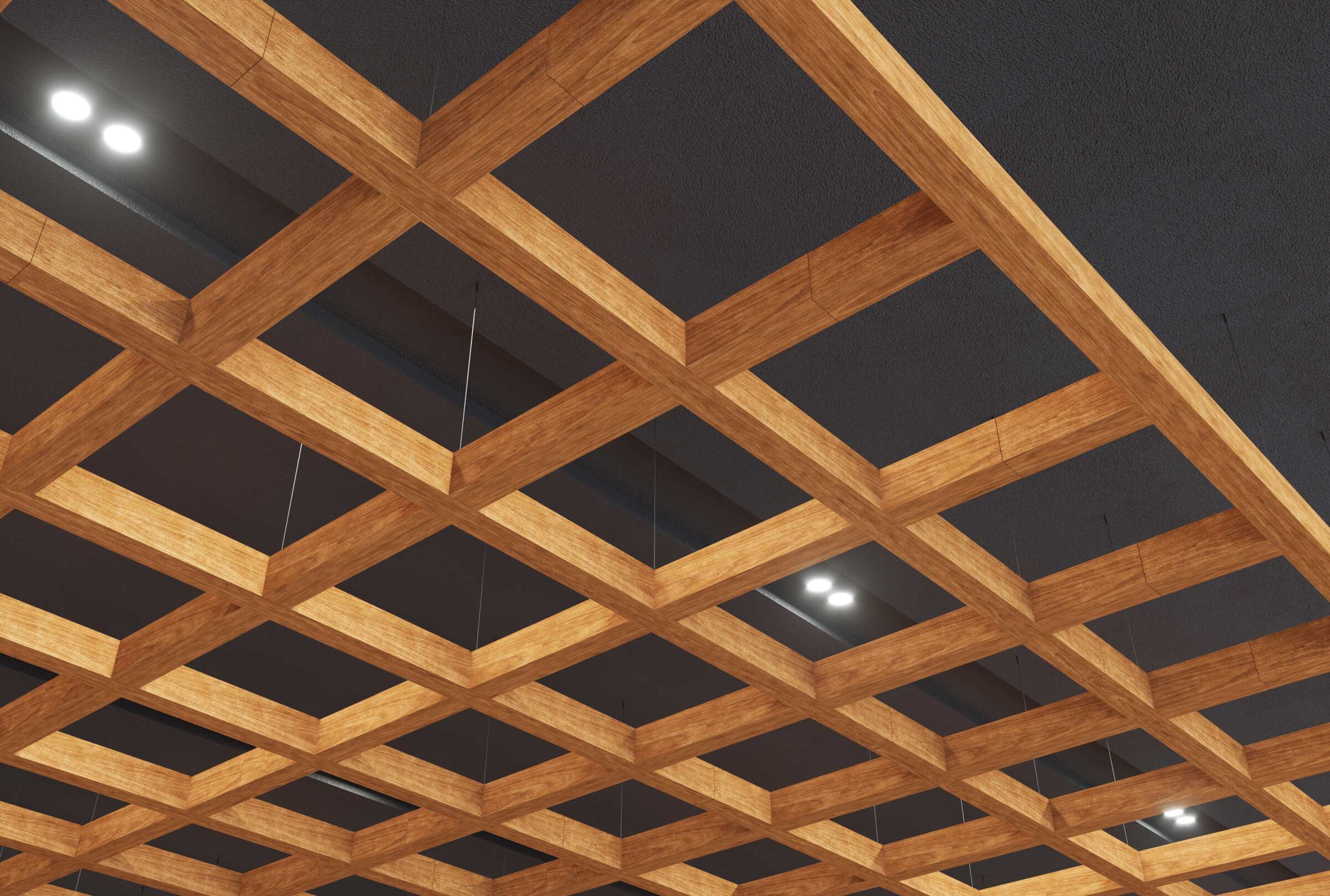
Mais dans les espaces où le plafond constitue un élément de conception essentiel — halls d’entrée d’hôtels, espaces d’accueil d’entreprises, bâtiments culturels, lieux de travail haut de gamme —, la neutralité des dalles acoustiques devient une contrainte. Le plafond est alors perçu comme un élément fonctionnel, et non comme un élément architectural.
Ce qu'apporte InfiKnit™
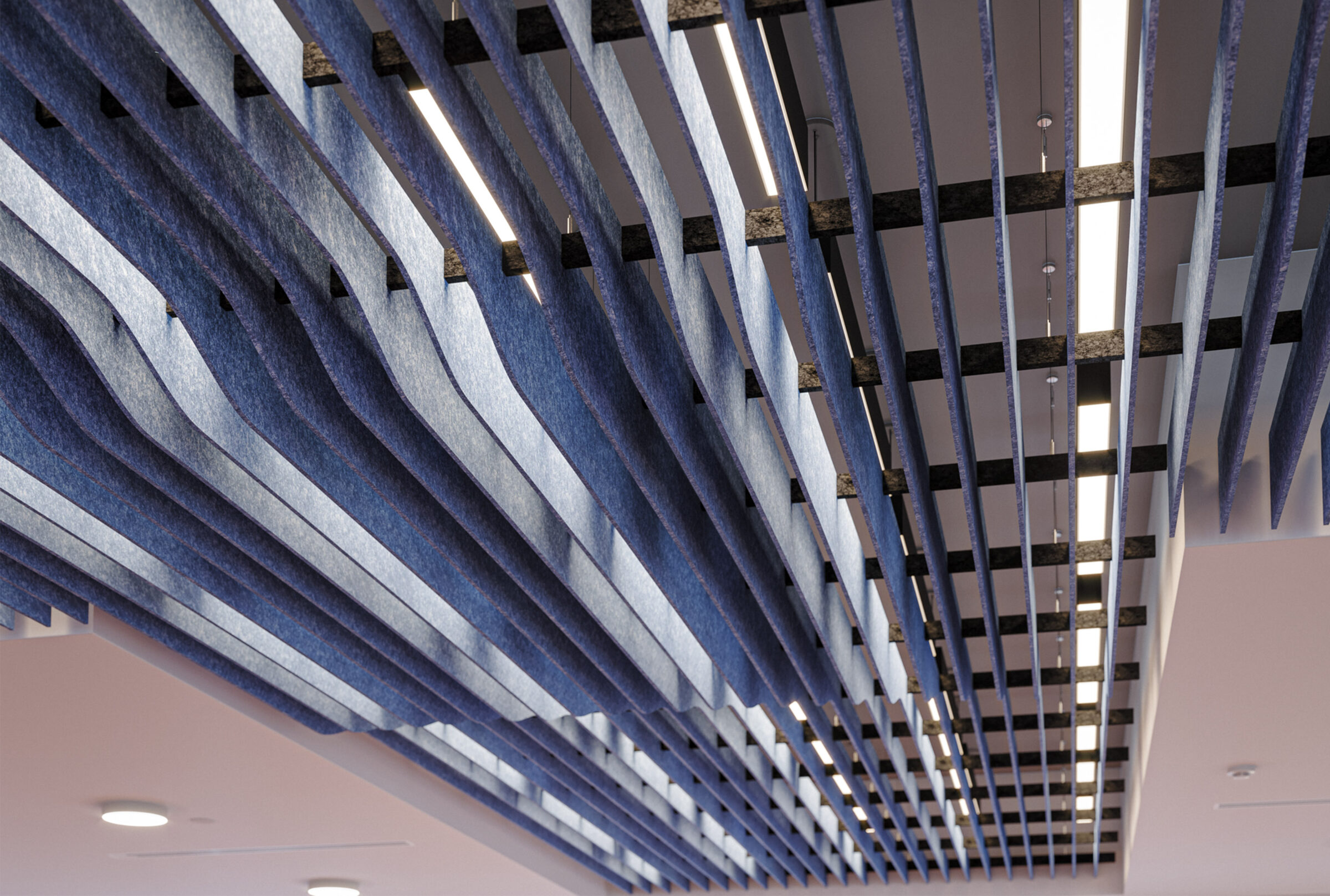
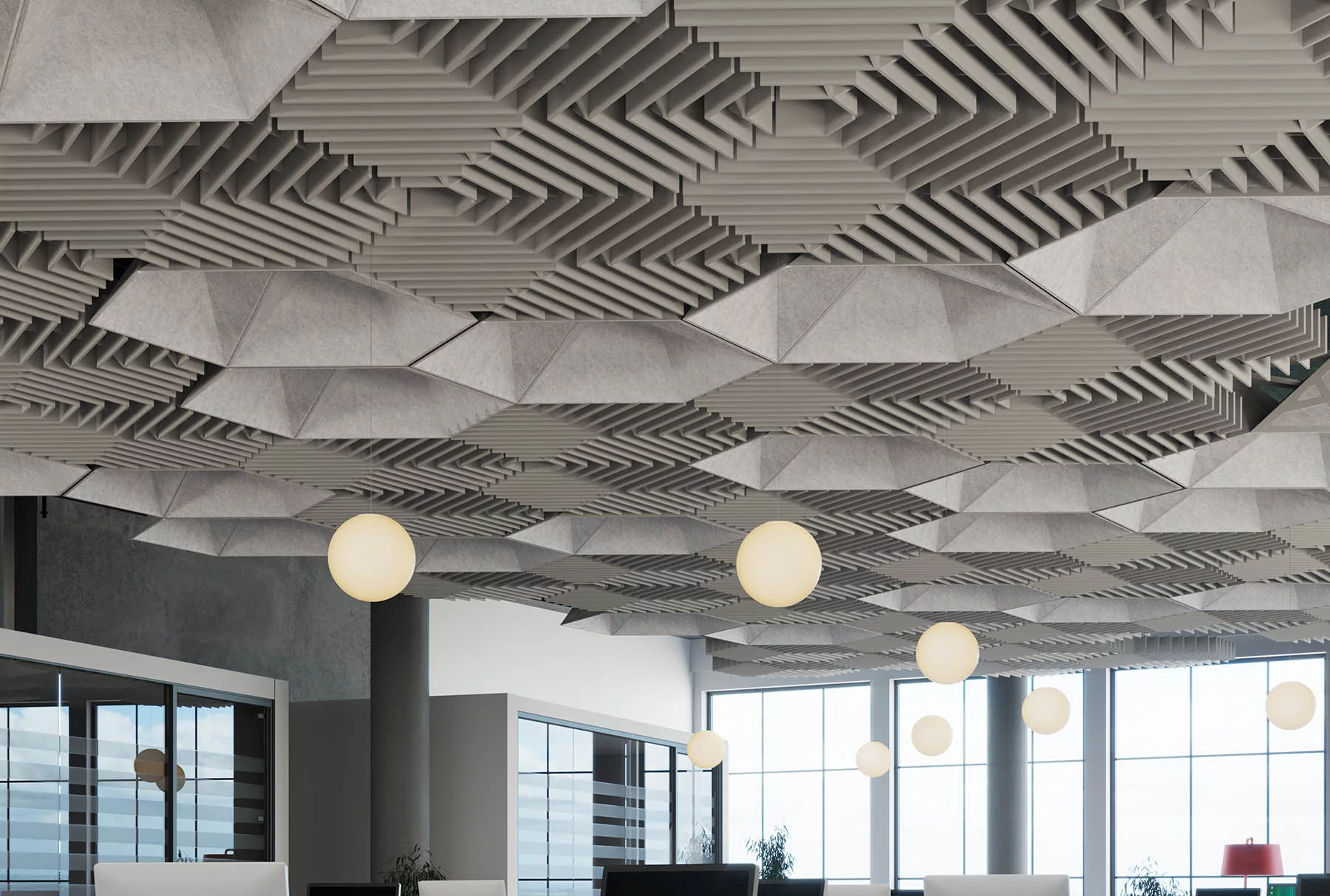
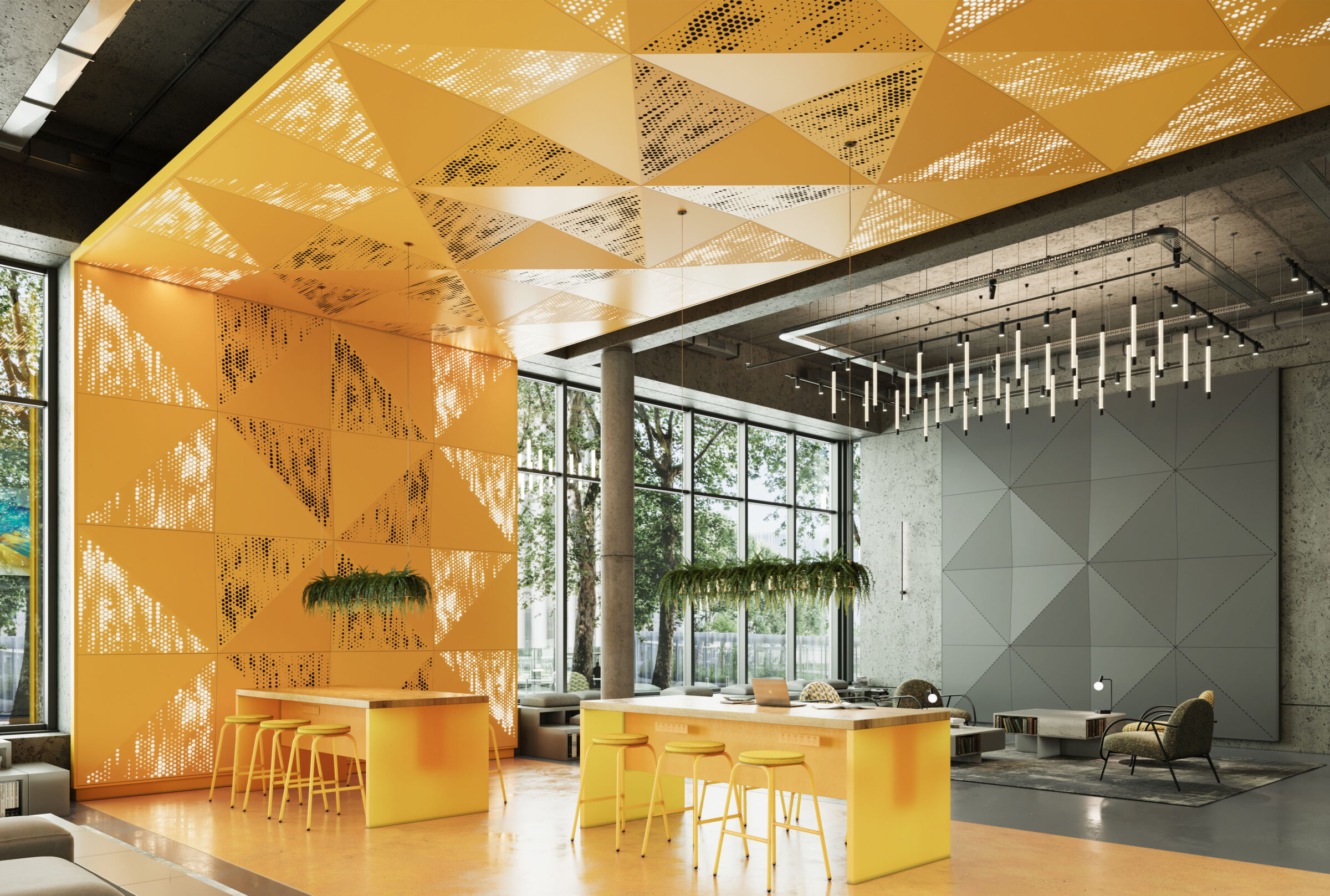
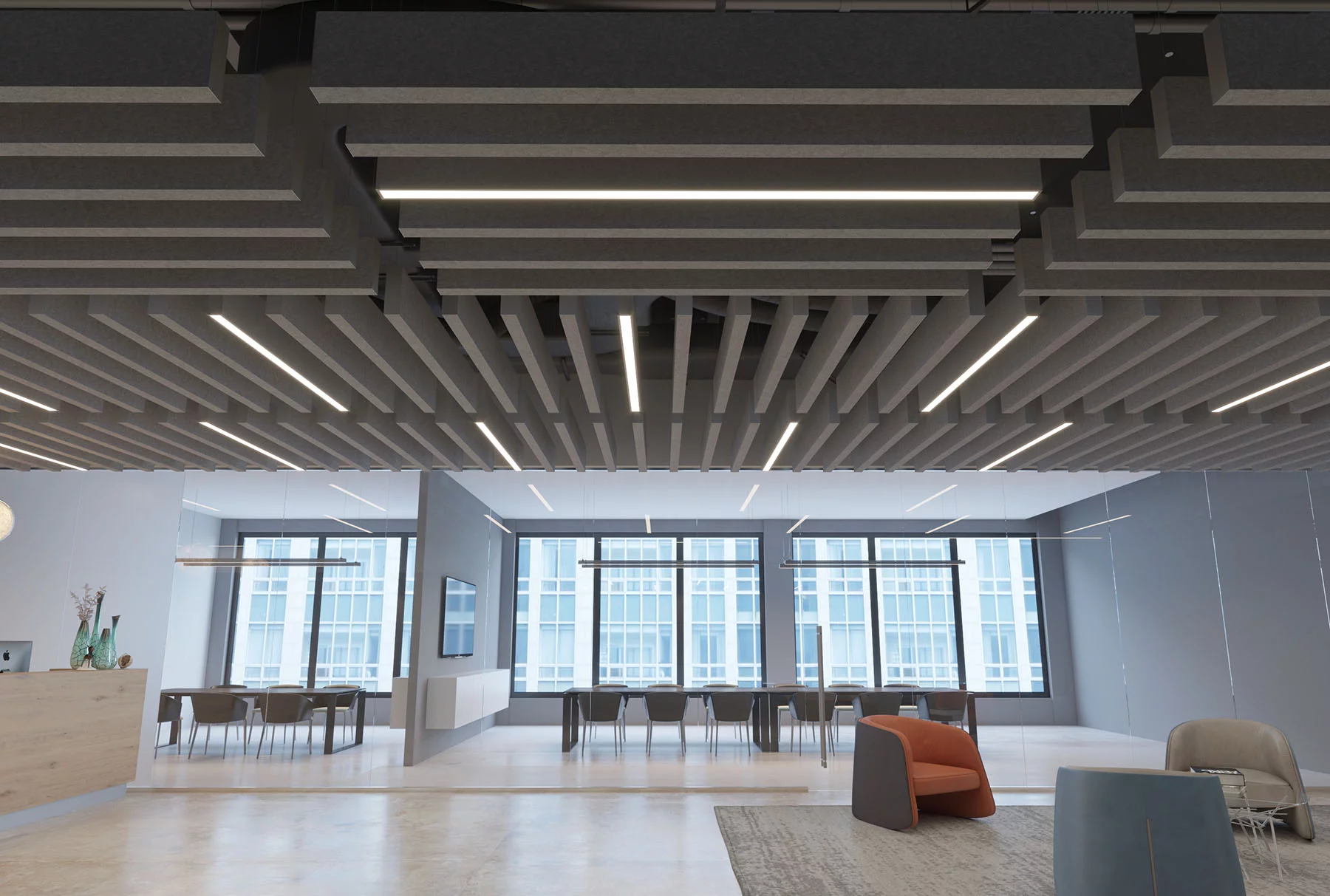
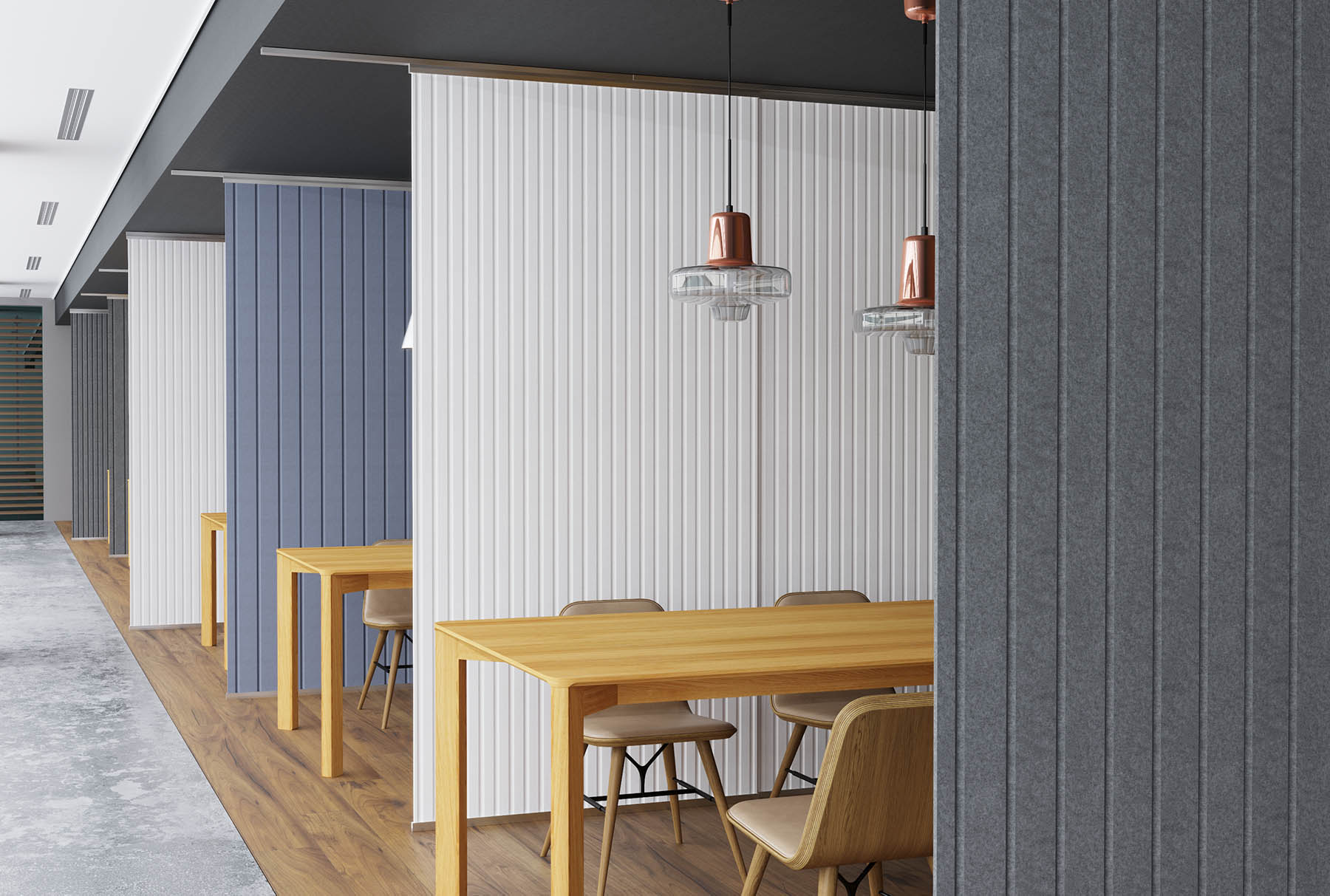
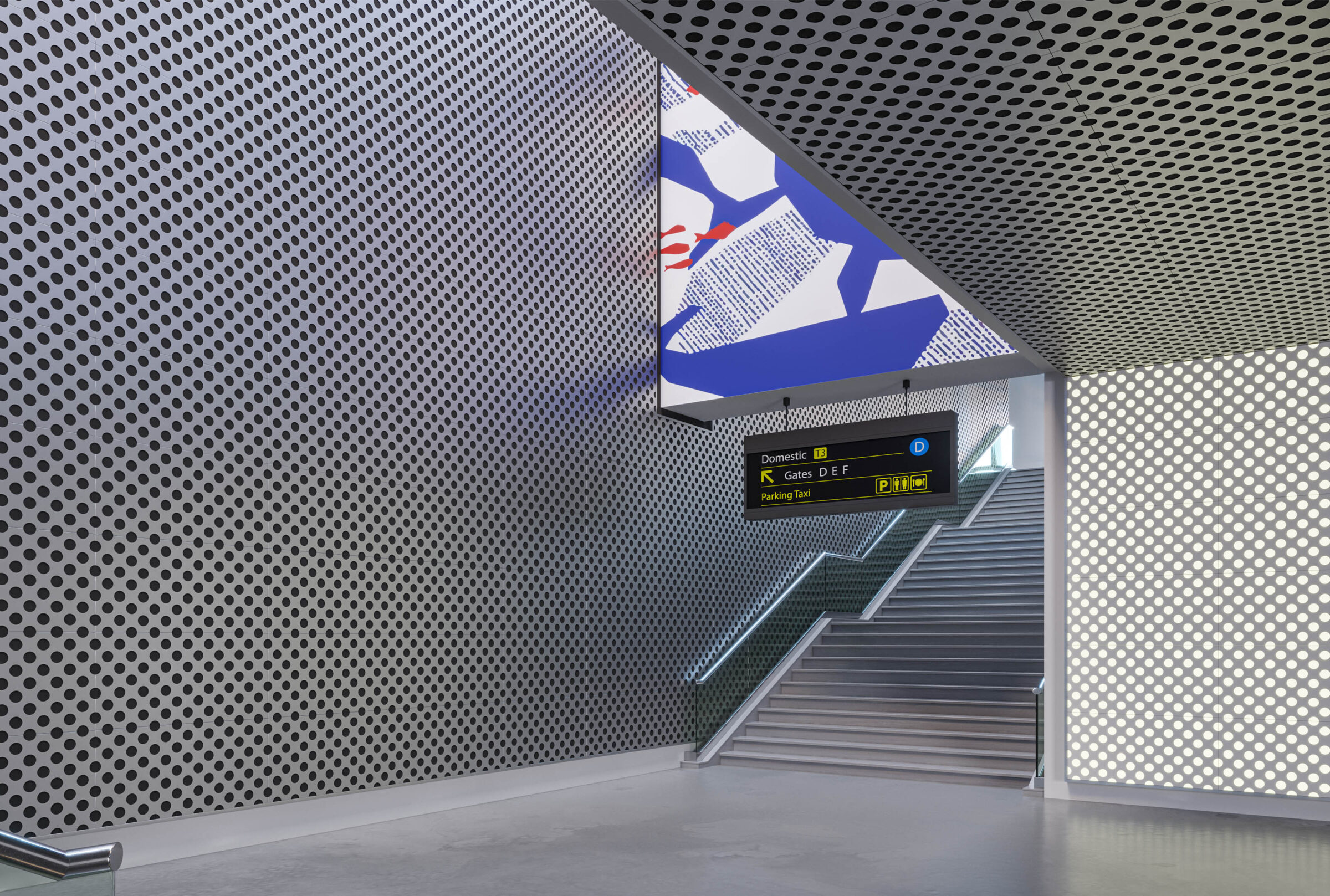
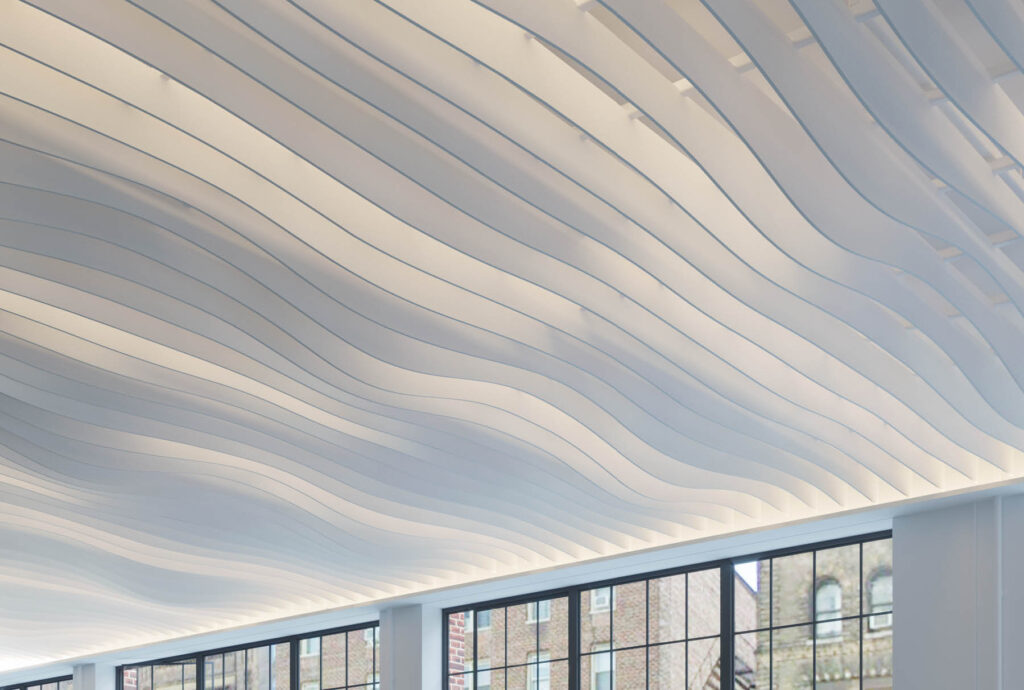
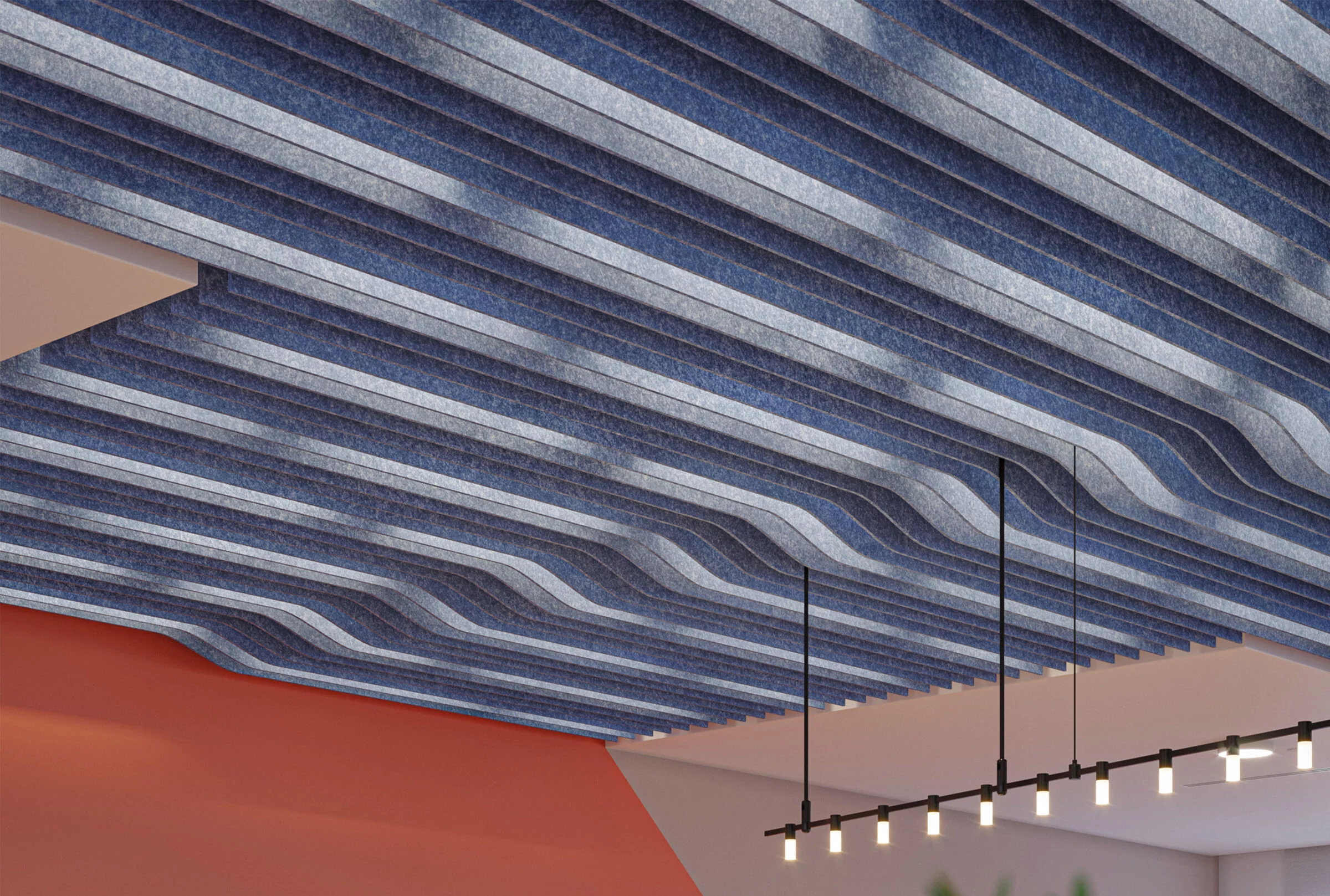
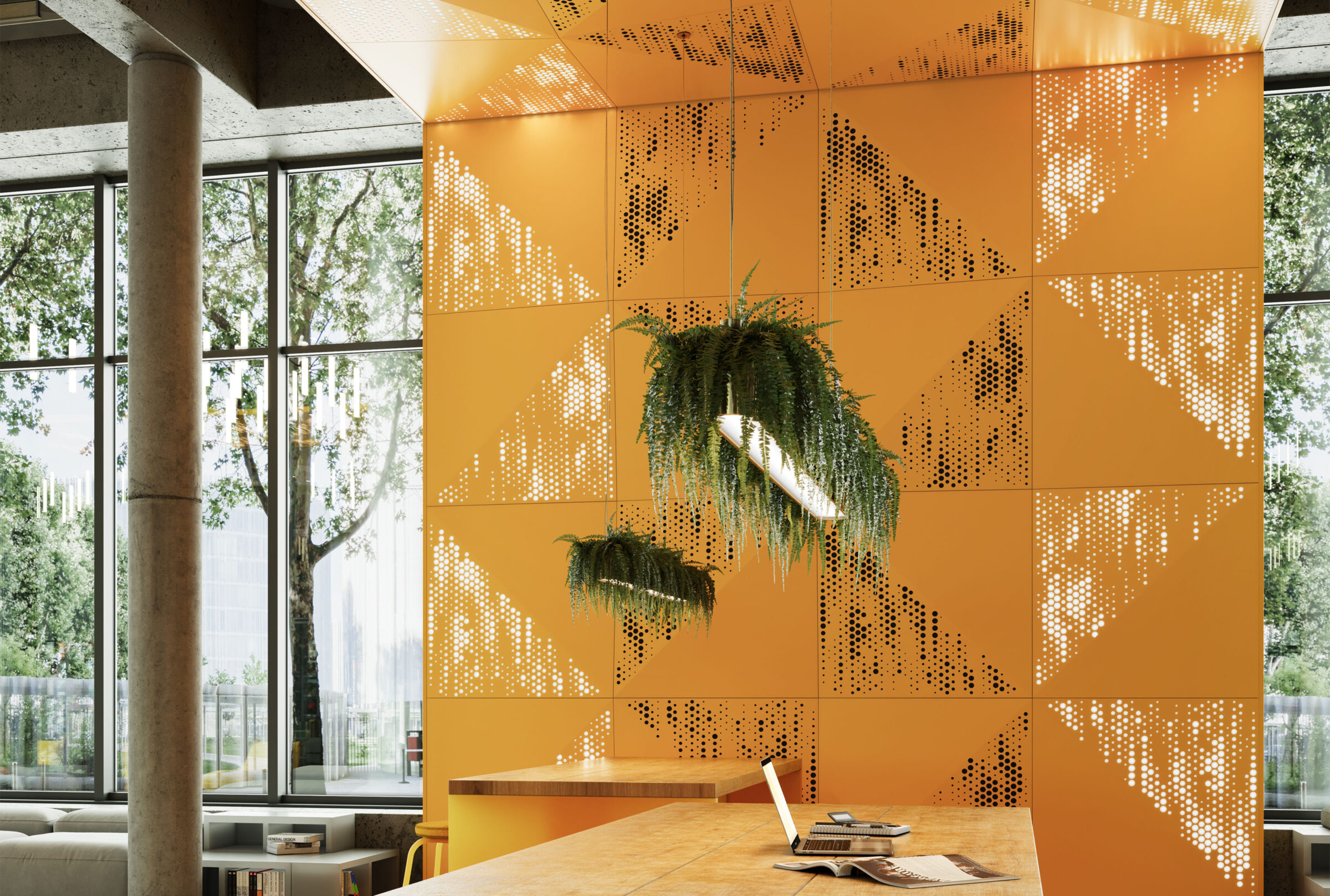
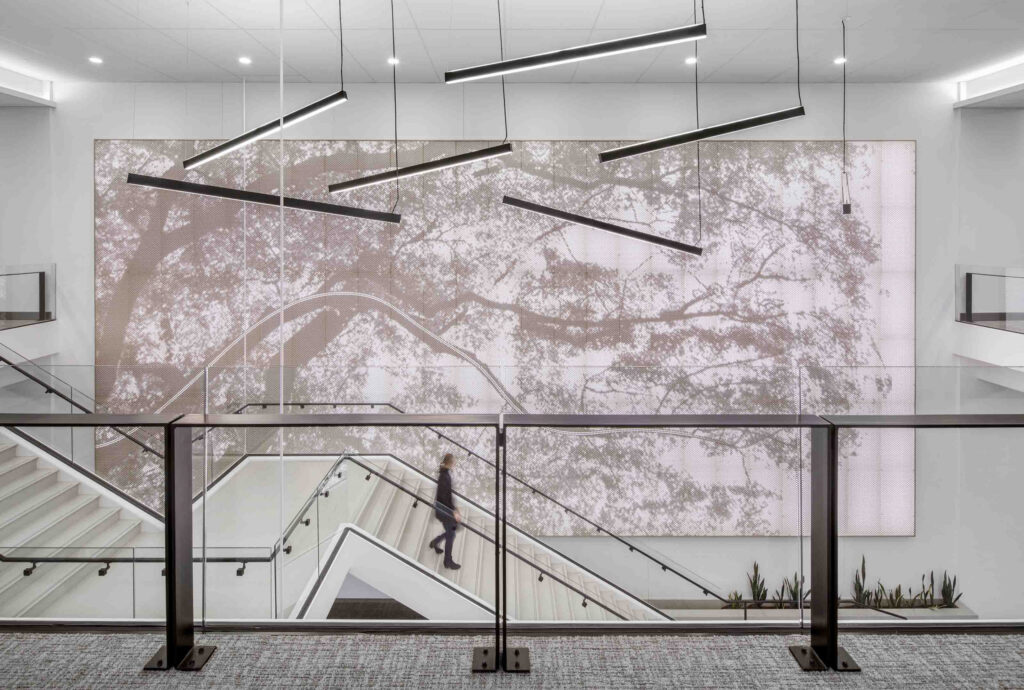
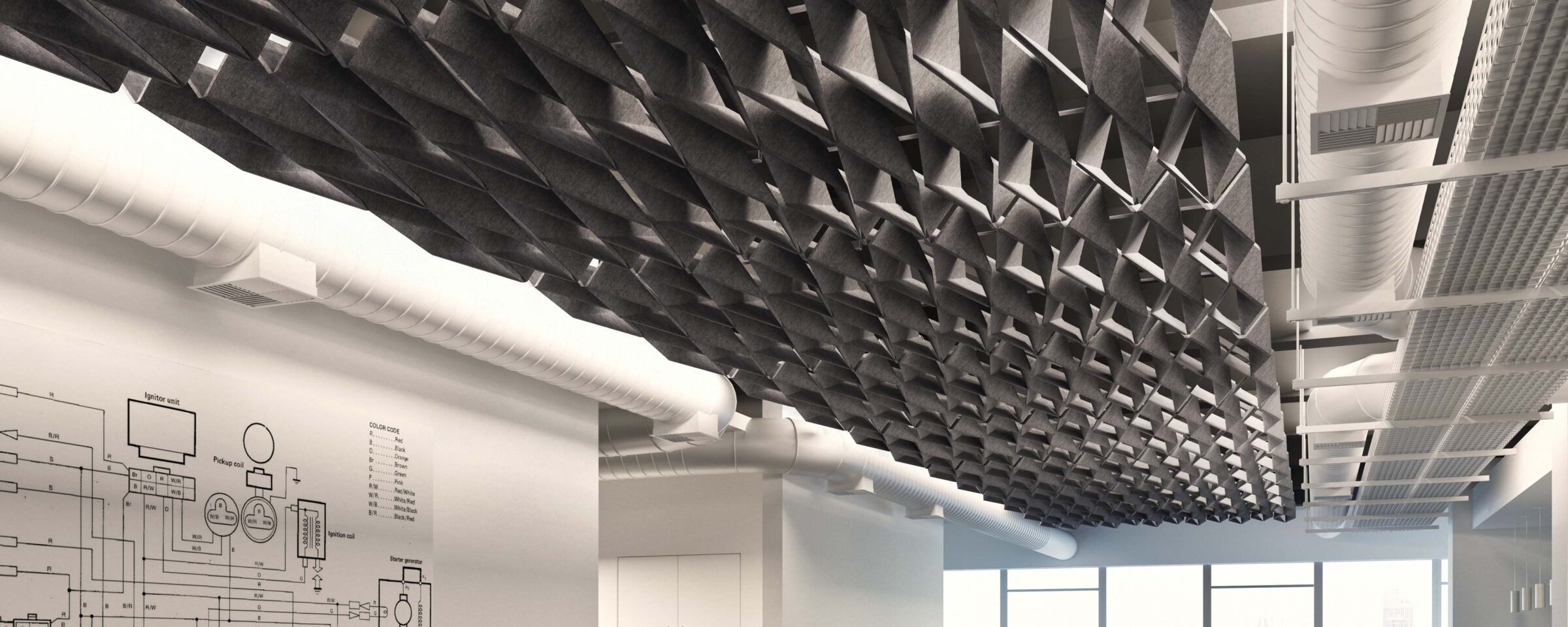
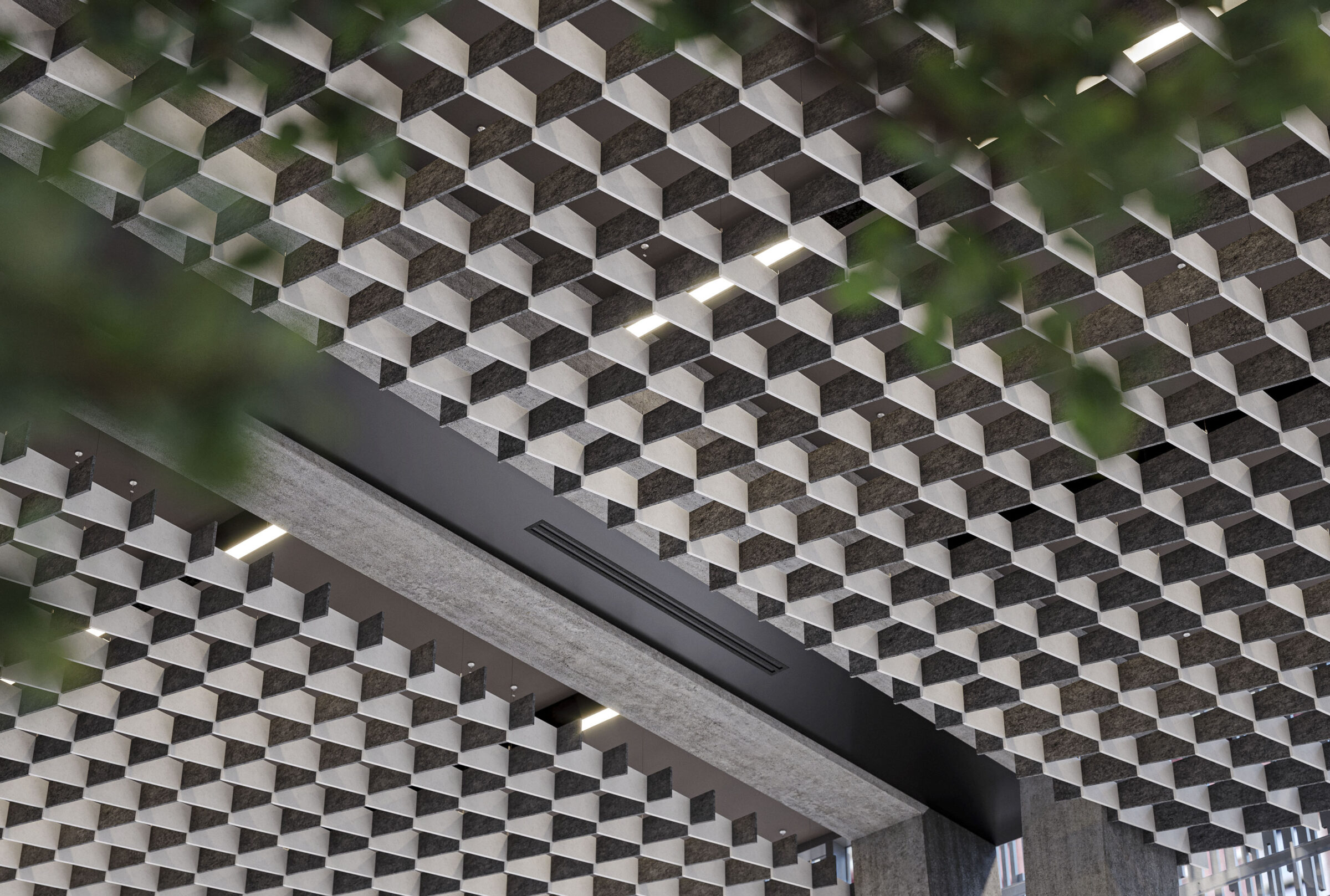
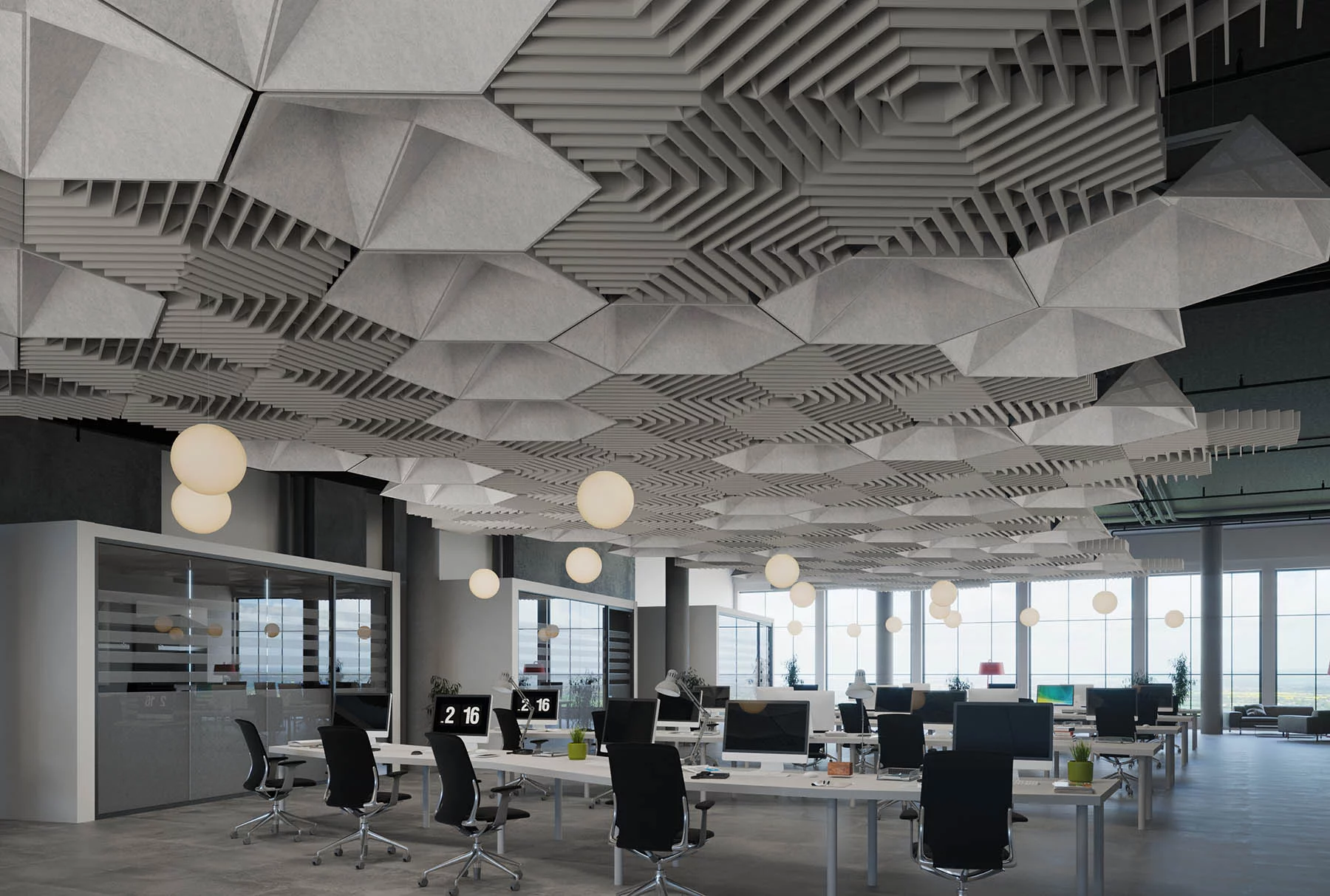
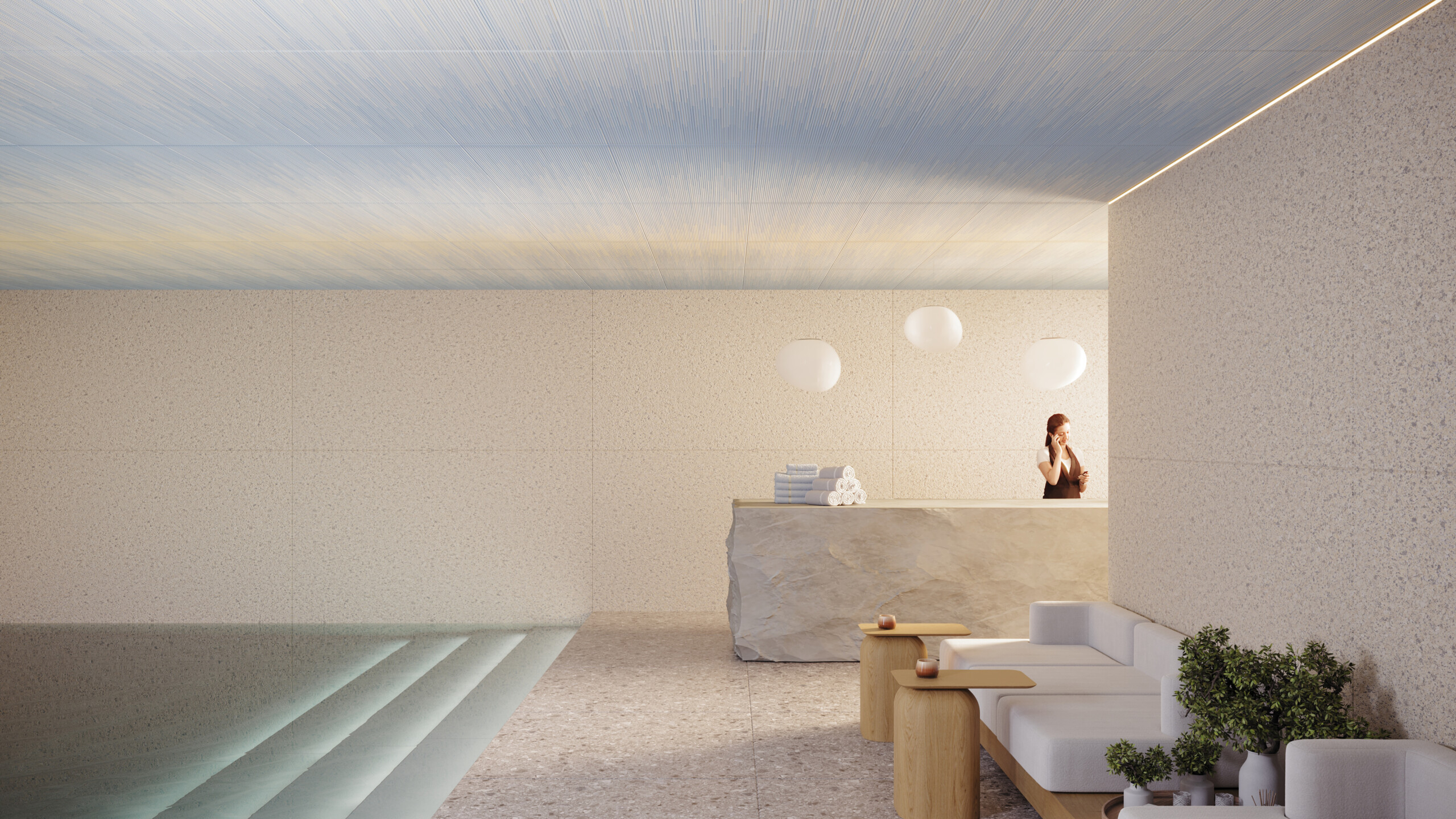
NOWN’s InfiKnit™ Il s'agit du premier système au monde de plafonds et de murs tricotés en 3D conçu pour des applications architecturales. Le procédé de tricotage 3D permet de fabriquer chaque élément dans sa géométrie tridimensionnelle définitive : la profondeur et la texture de la surface font partie intégrante de l'élément, elles ne sont pas simplement appliquées sur un support plat.
On obtient ainsi une surface de plafond dotée d’une véritable présence matérielle. La géométrie du tissu crée une profondeur visuelle et une texture dont le caractère évolue en fonction des conditions d’éclairage — une qualité que les dalles acoustiques plates ne peuvent pas offrir. Pour les espaces où le plafond est destiné à attirer l’attention, InfiKnit™ offre une alternative crédible et adaptée sur le plan architectural.
Sans compromettre la fonctionnalité
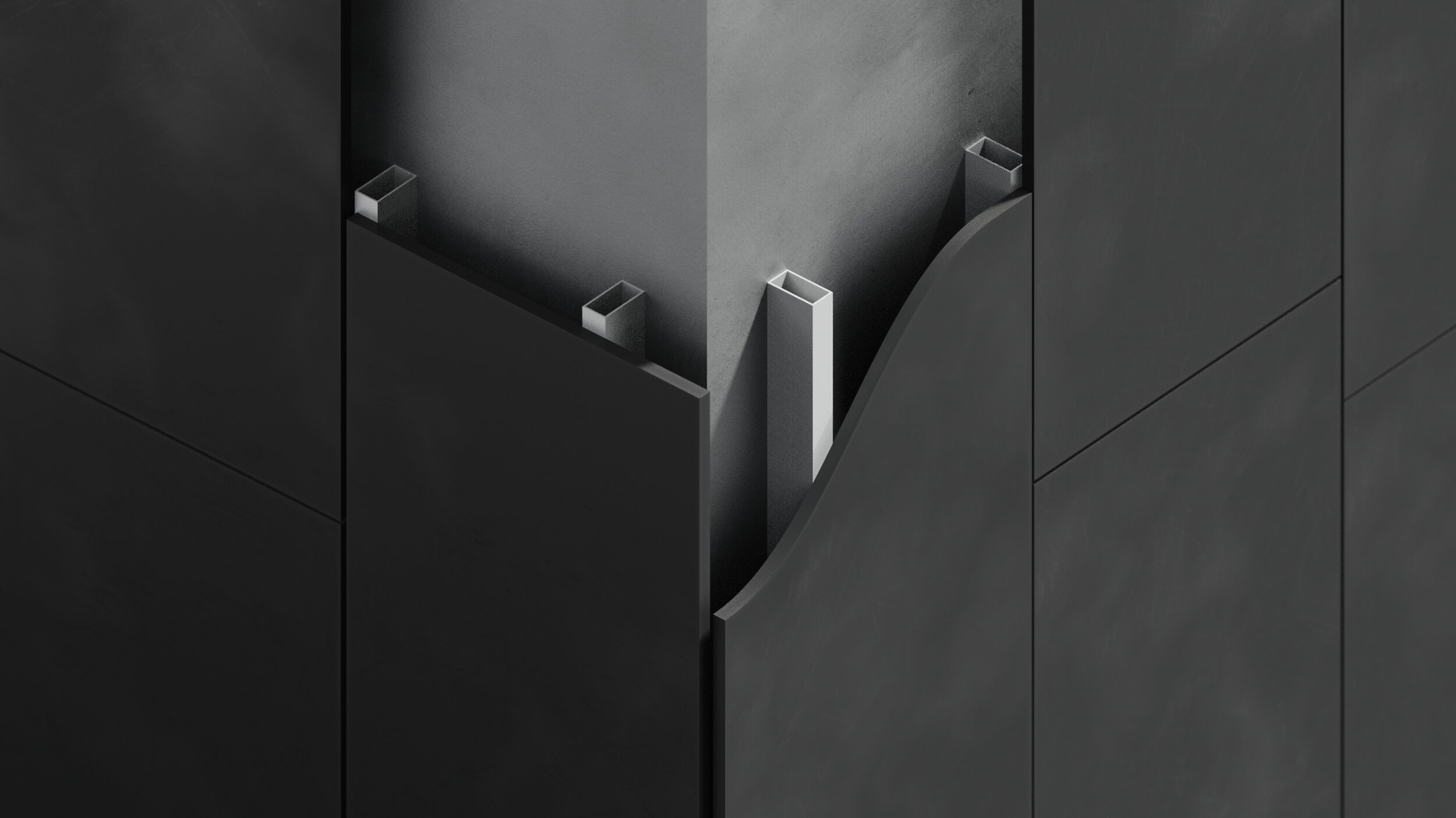
InfiKnit™ ne signifie pas pour autant que l'ambition esthétique doive se faire au détriment de la facilité d'installation. Les panneaux s'intègrent parfaitement à la gamme NOWN’s CircuLUM™ Système d'ossature en aluminium dissimulée — aucune ferrure visible sur la face avant. Le principe de pose est simple : les panneaux s'emboîtent ou se tendent dans l'ossature, et le système est conçu pour être monté sans faire appel à des corps de métier spécialisés.
Surtout, InfiKnit™ est fabriqué sans aucun gaspillage de matière. Le procédé de tricotage 3D ne génère aucun chutes. Pour les équipes de projet soucieuses du développement durable, il s’agit là d’une qualité de fabrication vérifiable, et non d’un simple argument marketing.
La logique de remplacement
L'un des inconvénients liés à la spécification de systèmes de plafonds textiles réside dans leur remplacement : on craint en effet que des dommages ou des salissures localisées ne nécessitent le remplacement de panneaux qui, avec le temps, pourraient ne plus correspondre à l'installation d'origine. InfiKnit™ Les armoires sont fabriquées selon des spécifications uniformes et des pièces de rechange sont disponibles ; de plus, la conception modulaire du système permet de remplacer une armoire de manière localisée sans perturber l'ensemble de l'installation.
Découvrez le InfiKnit™ Système et configurations disponibles →