


Designing Quiet Spaces: Acoustic Ceiling Specification for Libraries and Study Environments
May 5, 2026
·2 min read
Libraries and dedicated study spaces require low reverberation and controlled ambient noise. Here’s how ceiling specification addresses these requirements in contemporary educational and public building design.
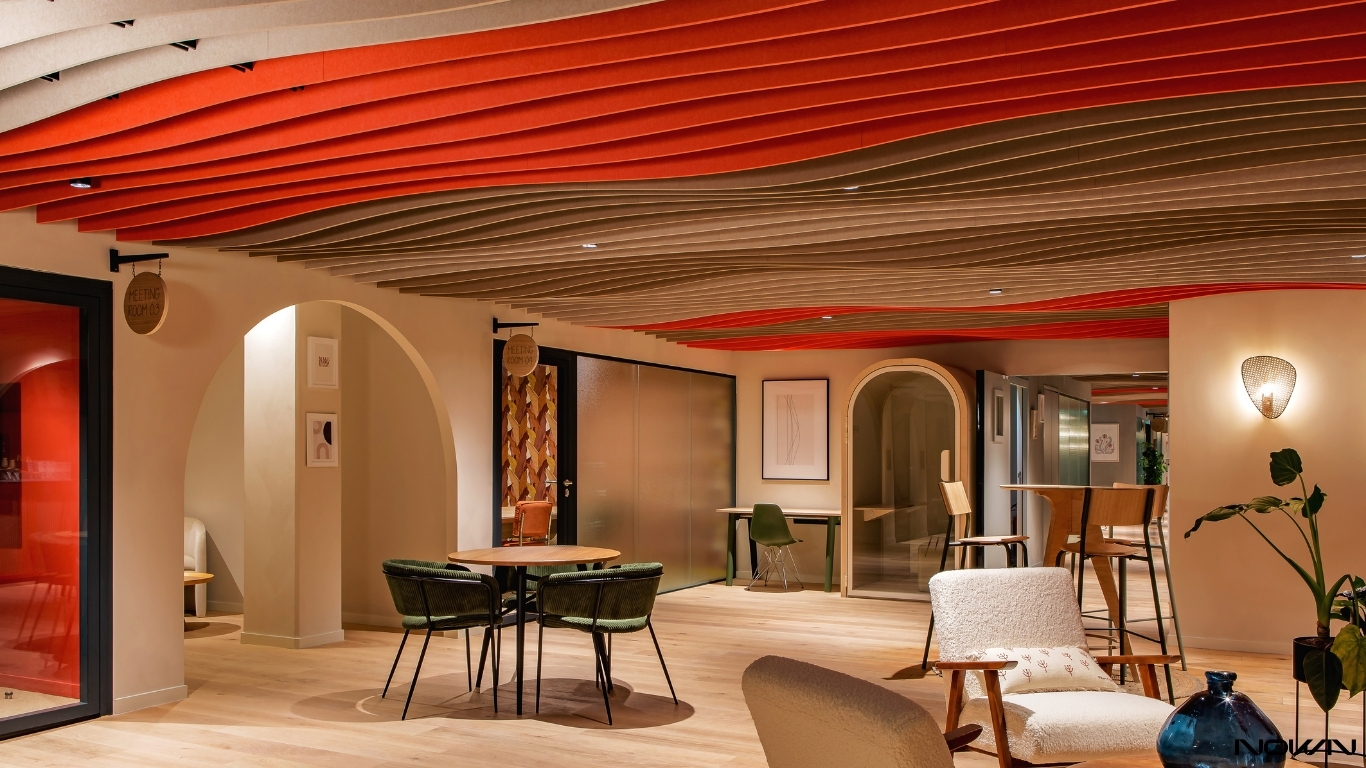
Libraries and study environments have a specific acoustic brief: they need to be quiet, without being anechoic. A space with too much reverberation feels noisy and distracting. A space that is over-damped feels uncomfortable — heavy, oppressive, and oddly unsettling. The target is a low, controlled reverberation time that supports quiet concentration without creating an environment that feels acoustically dead.
Reverberation Targets for Library Spaces
Guidance for library and study spaces typically targets RT60 values of 0.4–0.6 seconds in occupied conditions. For a standard library room volume with moderate occupancy, this requires meaningful acoustic absorption — most practically delivered at ceiling level.
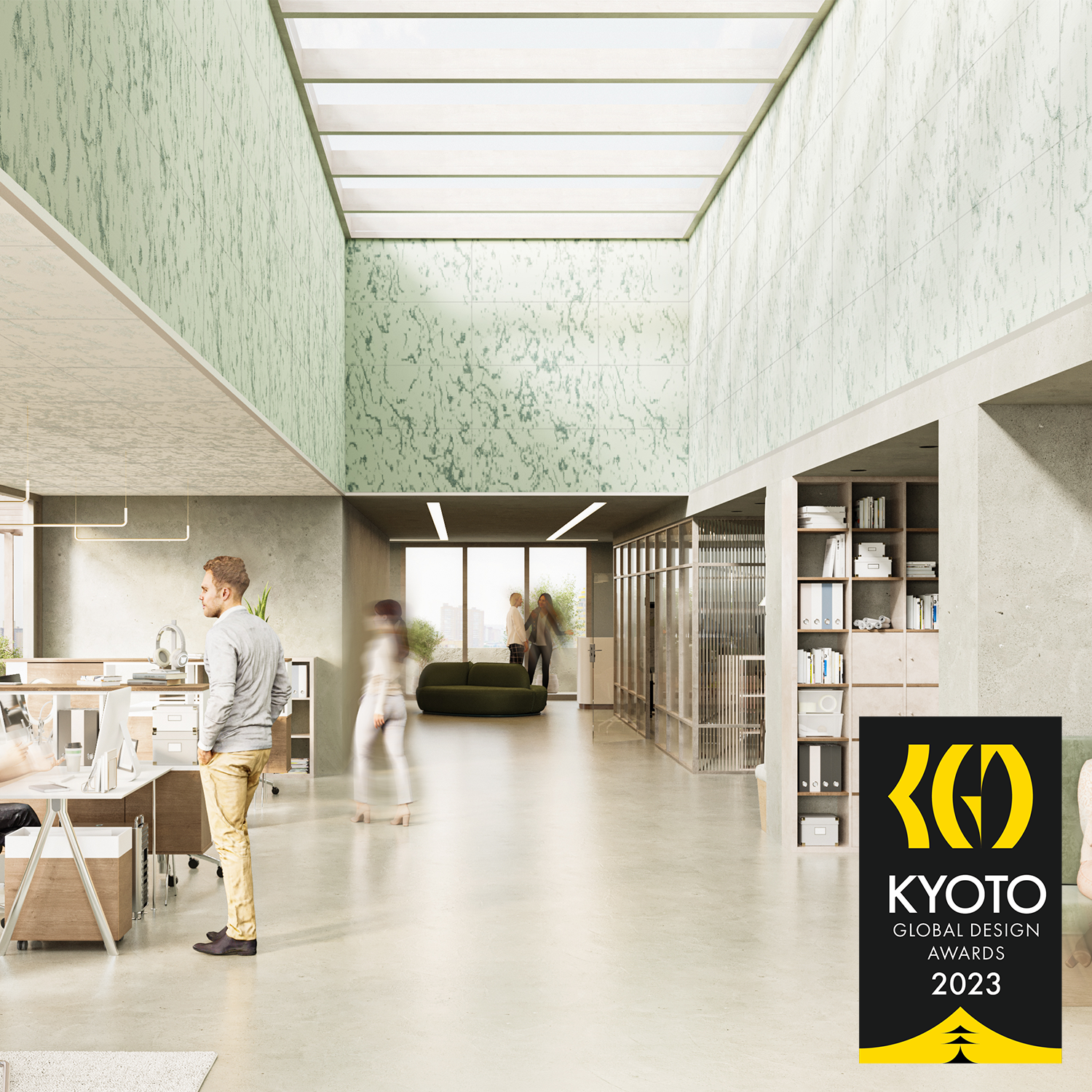
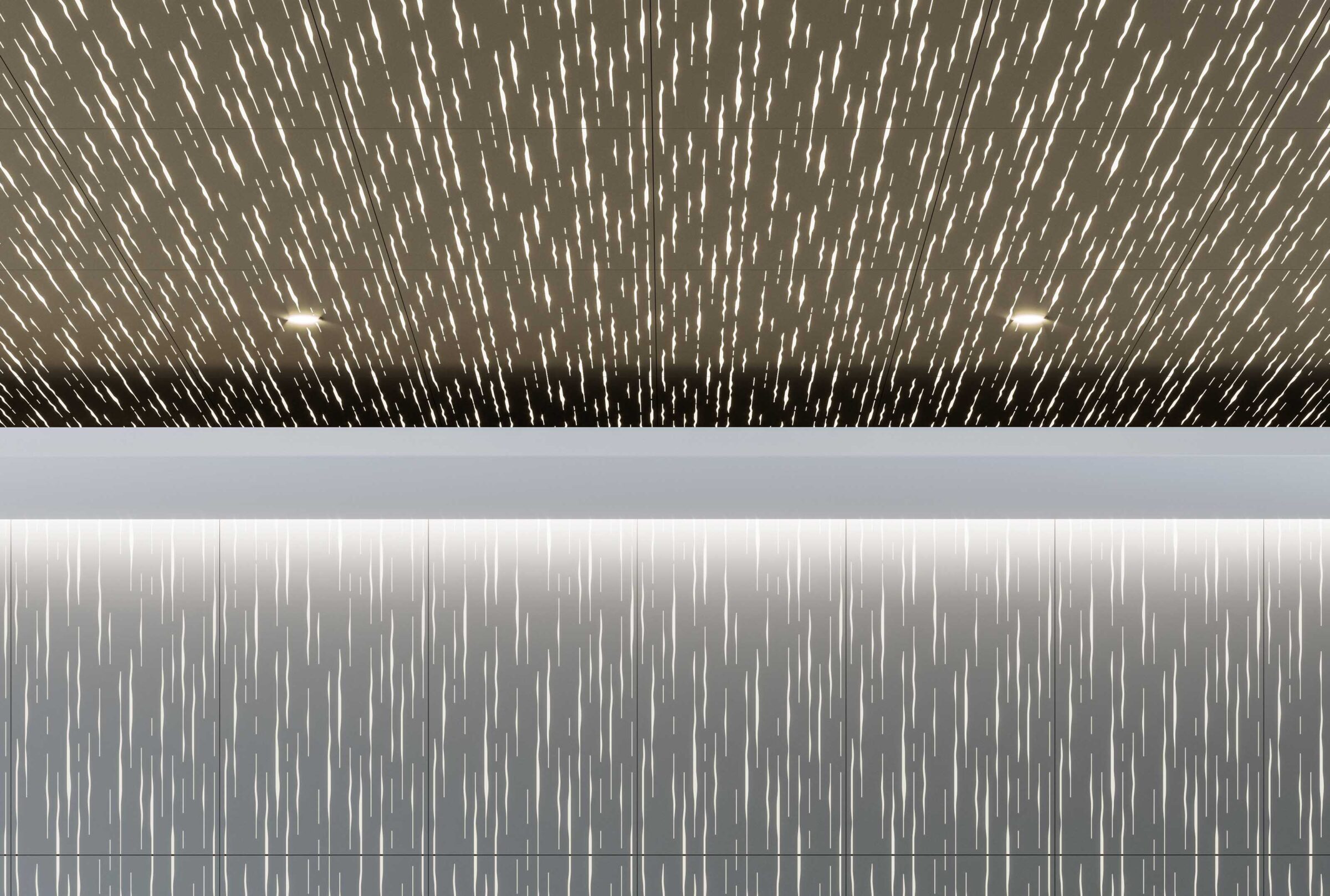
Achieving this target in a contemporary library interior — which may include exposed concrete structure, polished floors, and glazed reading rooms — requires a ceiling system that provides consistent, high-performance acoustic absorption across the ceiling plane.
aSOFT™ in Library Applications
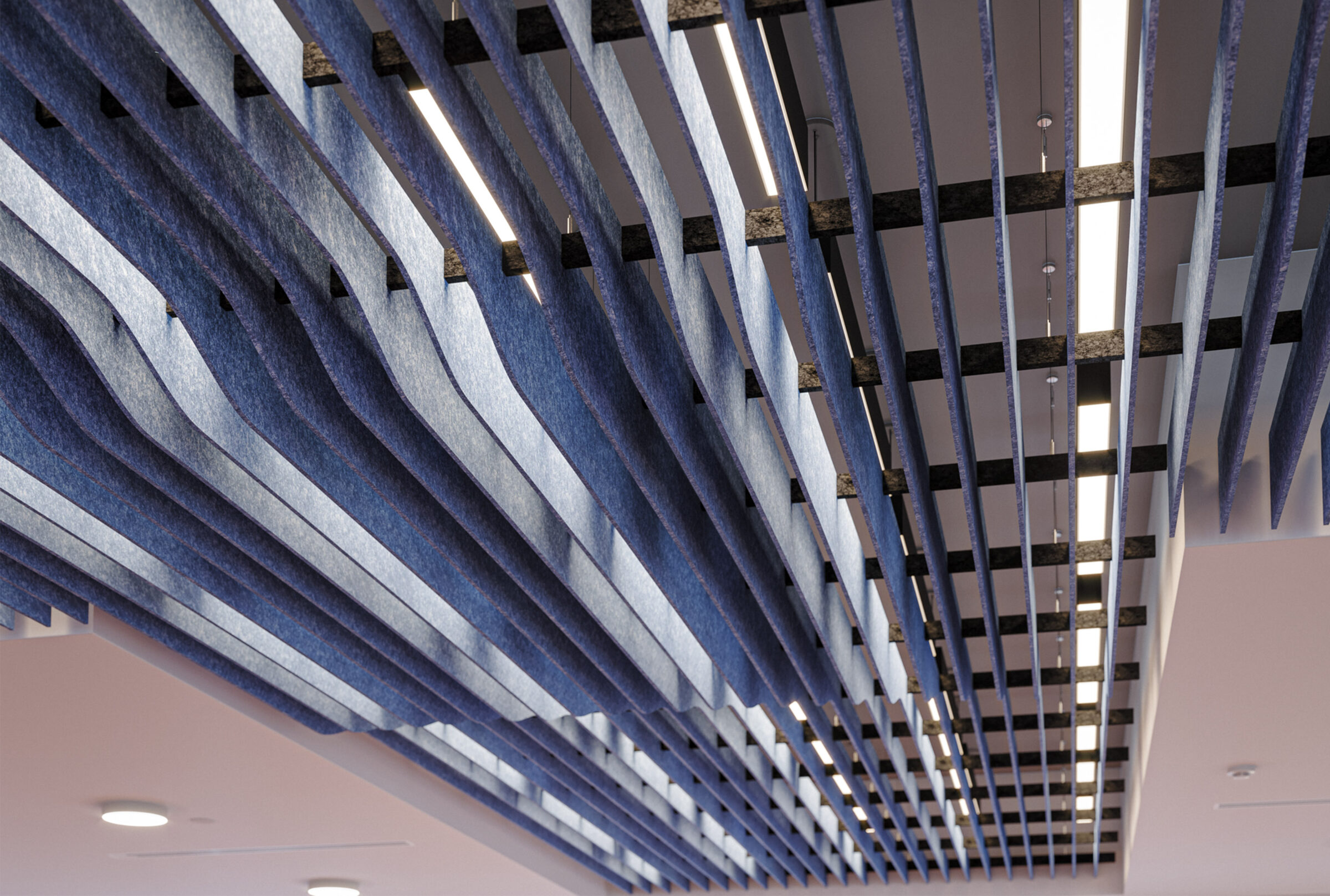
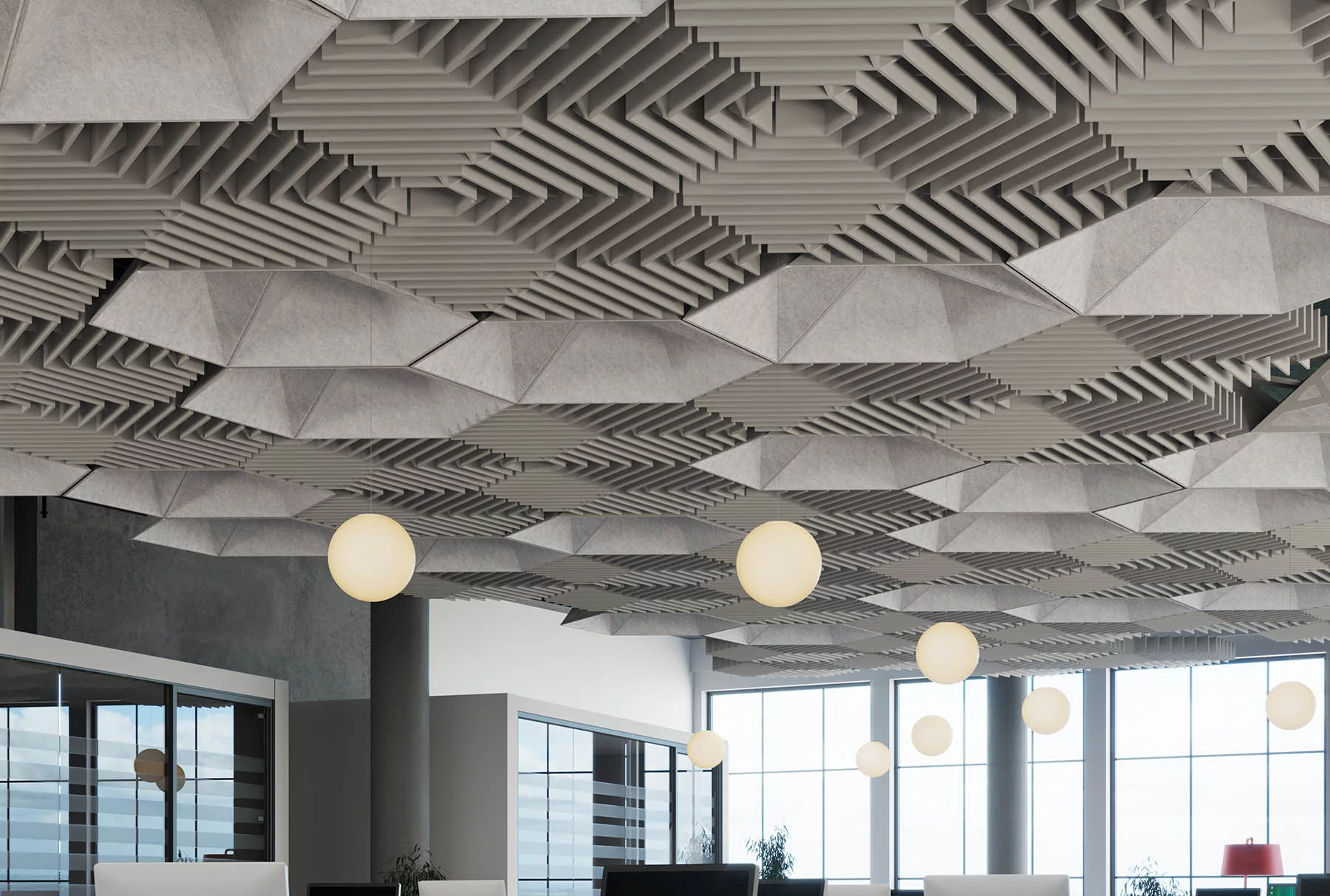
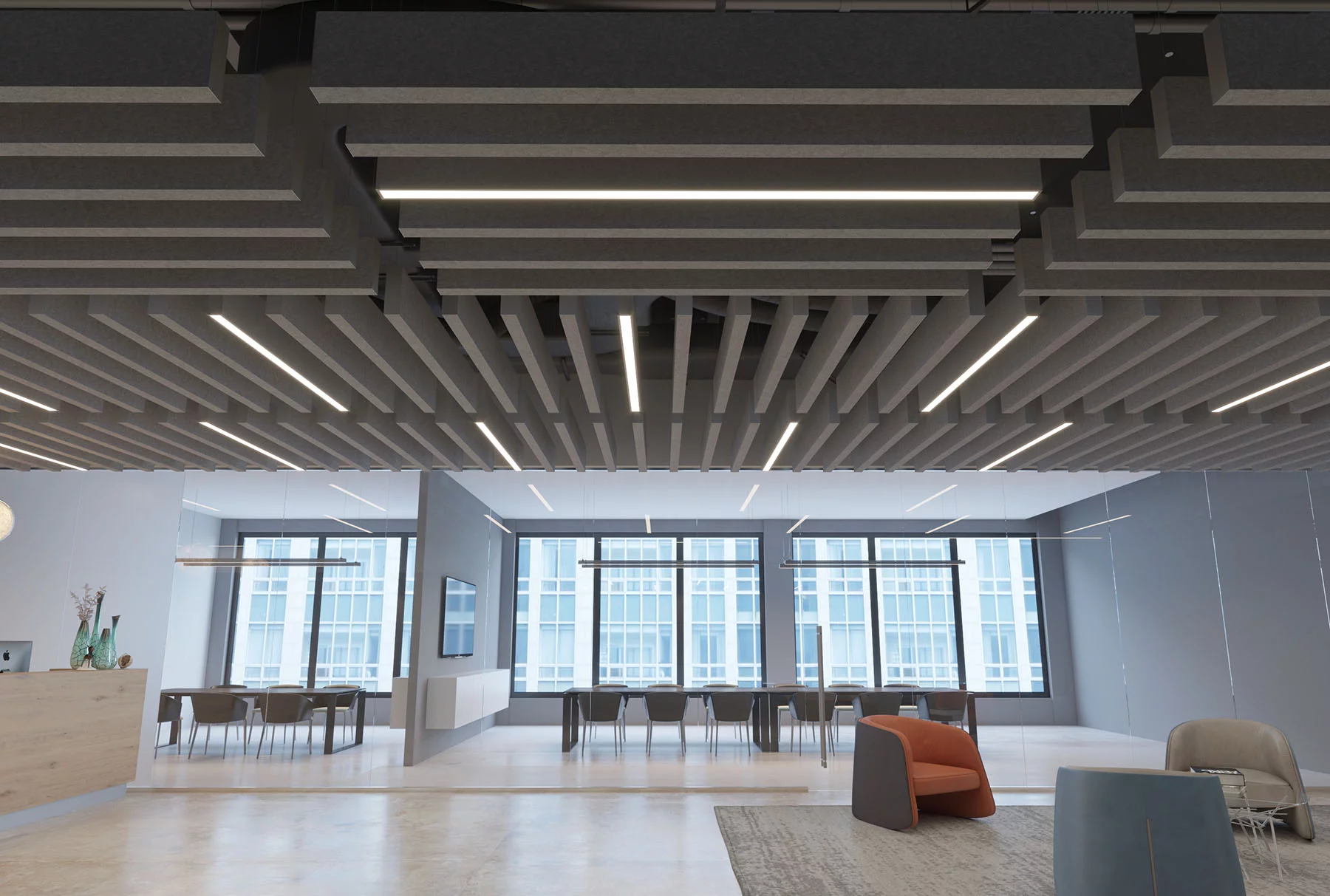
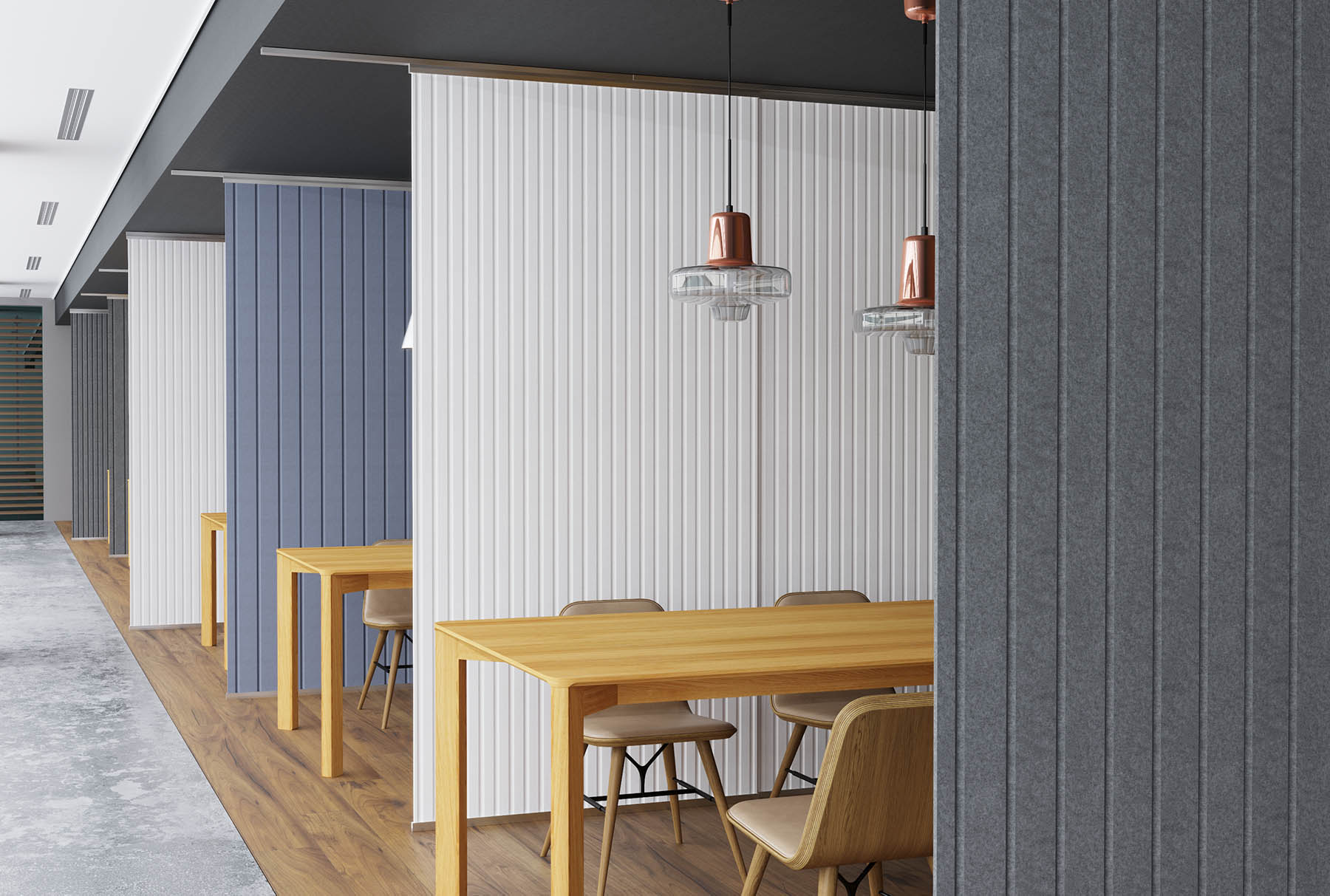
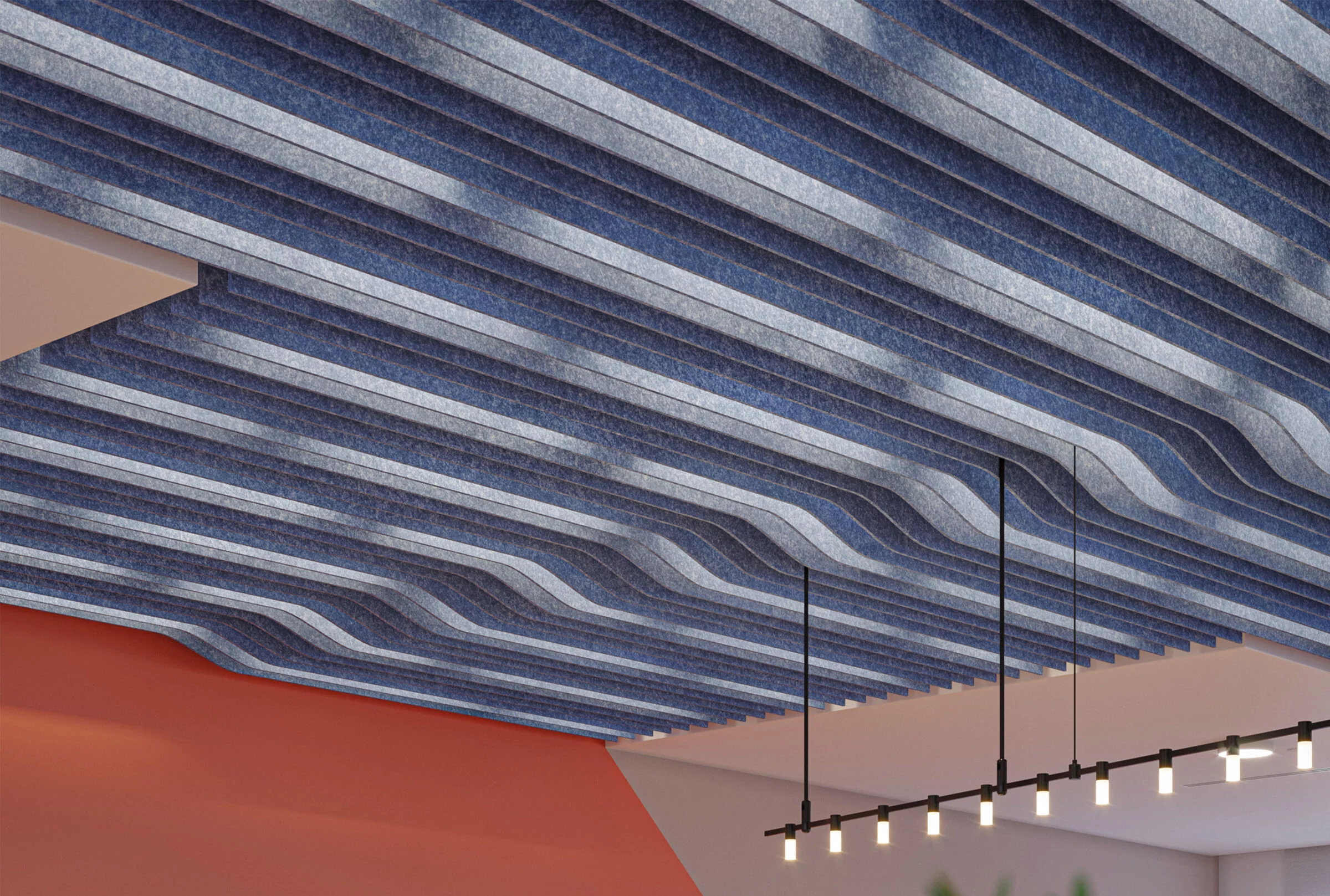
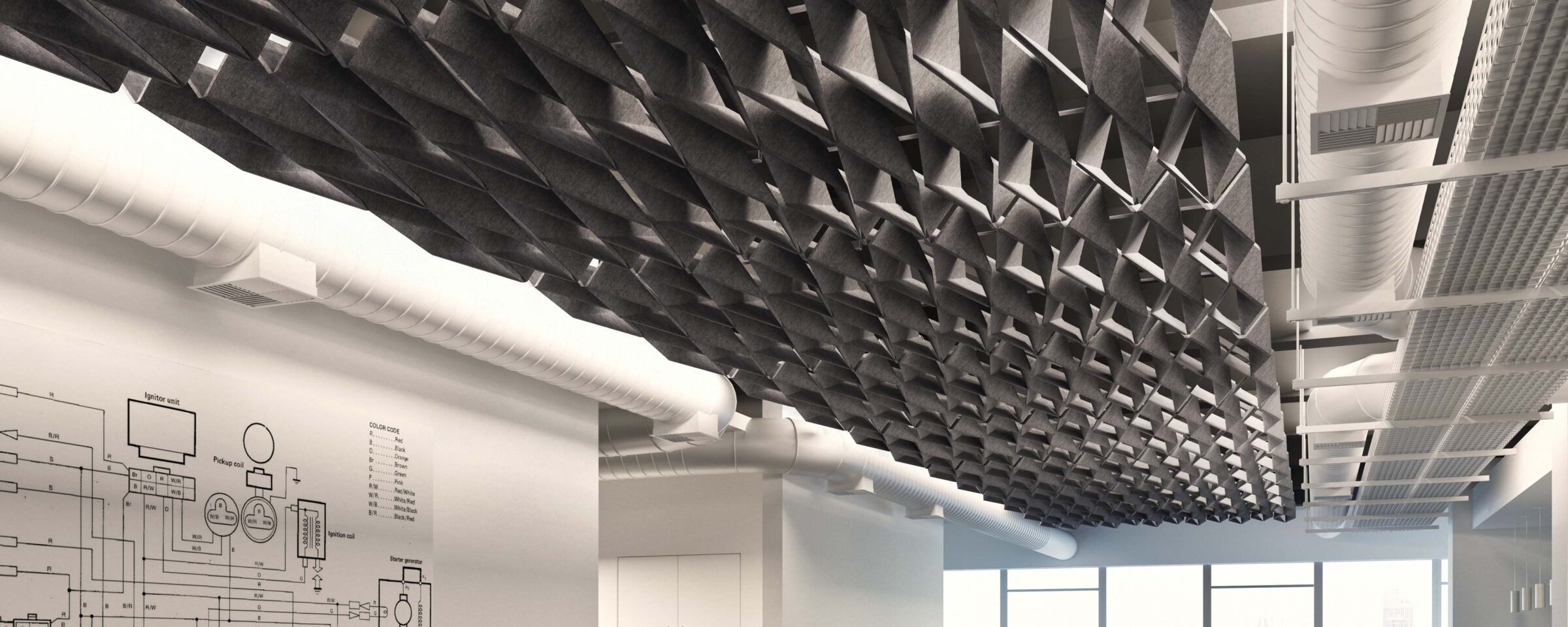
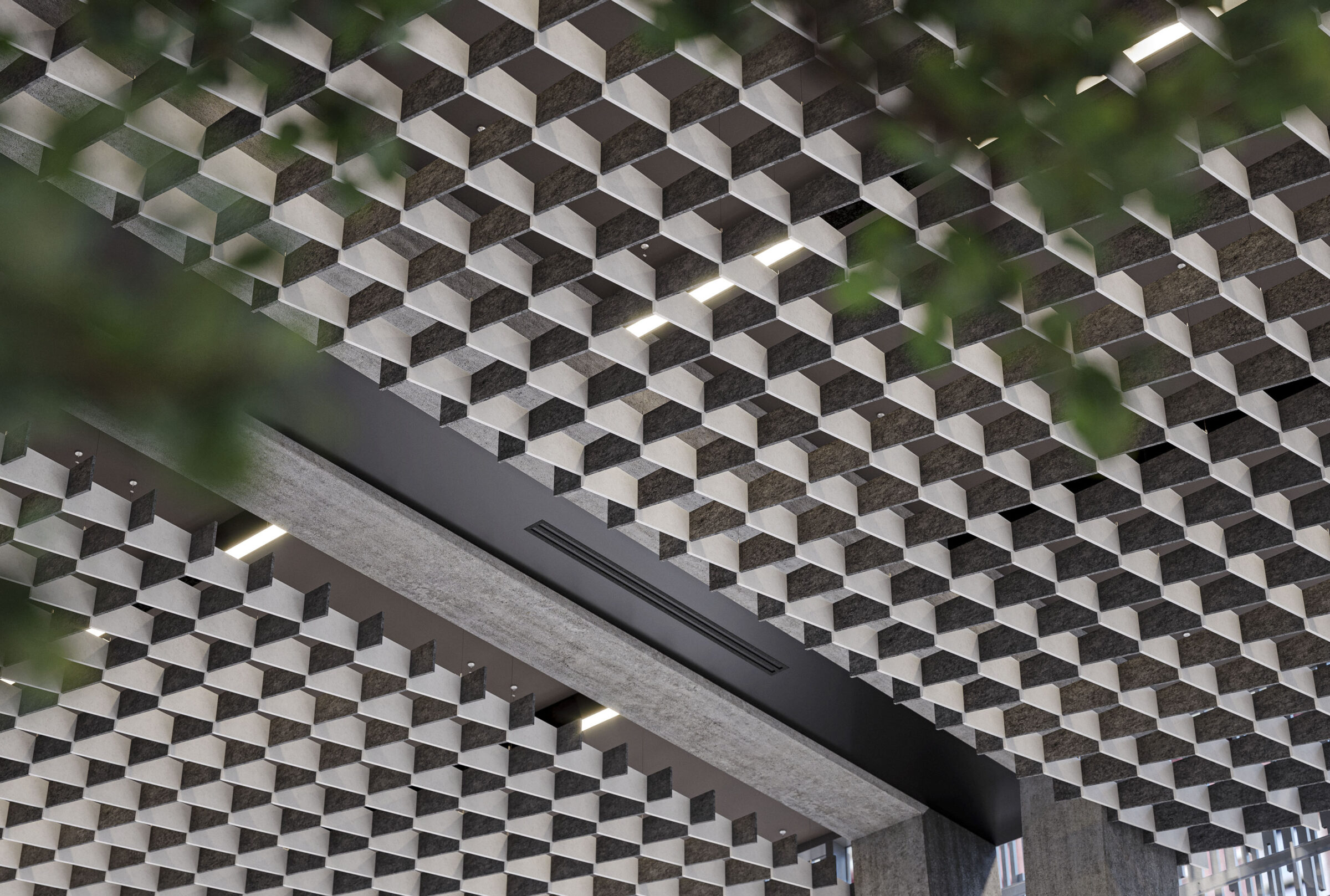
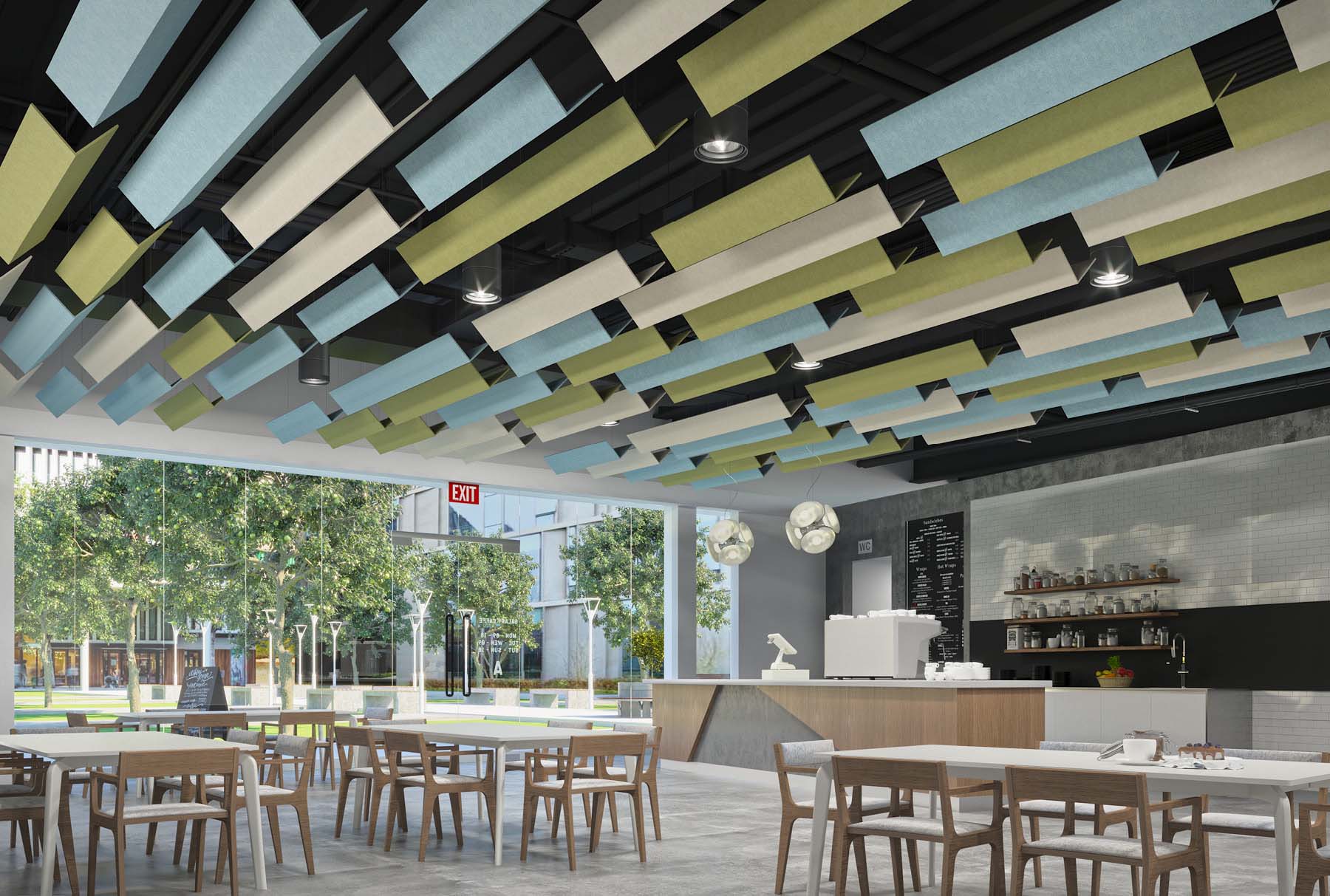
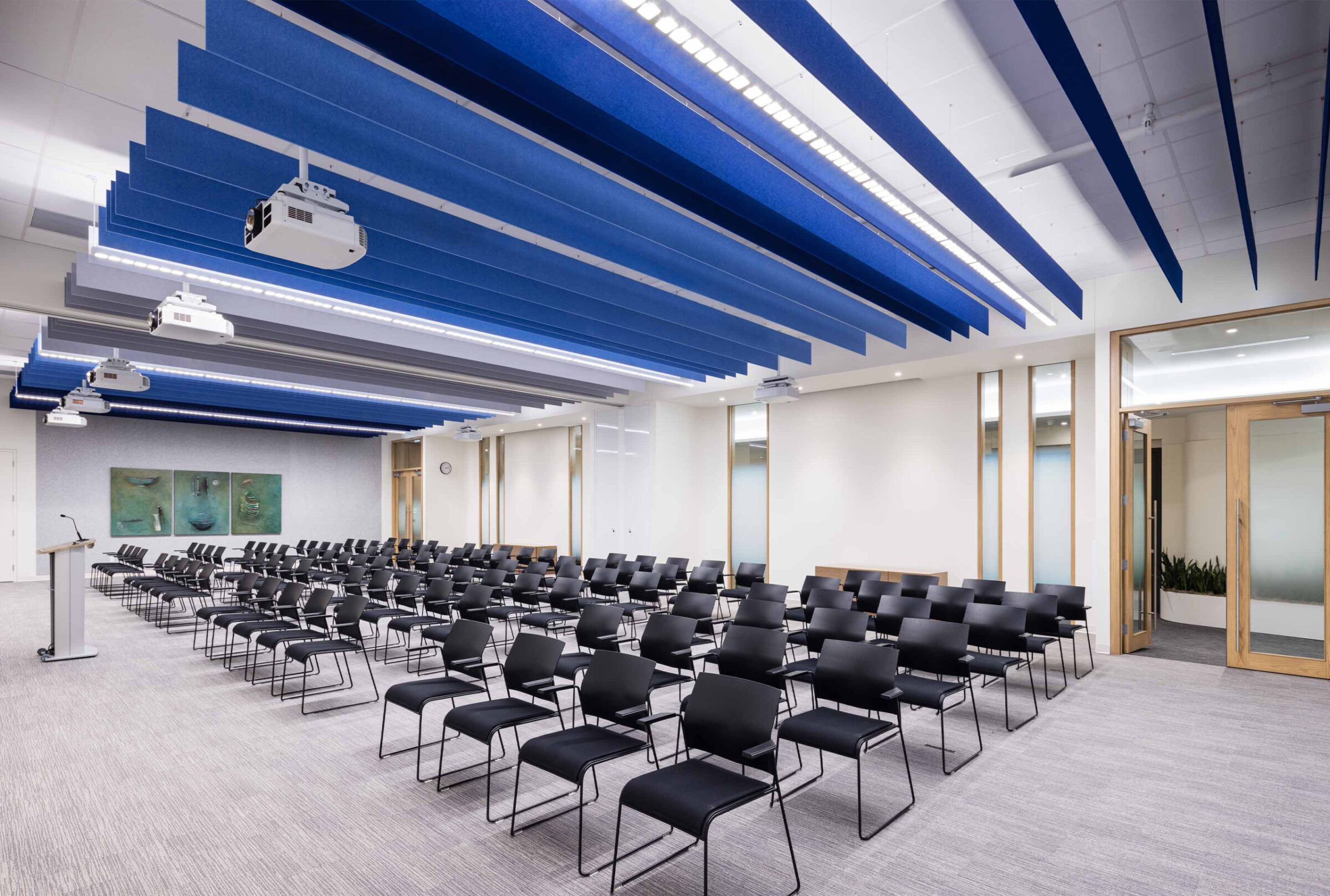
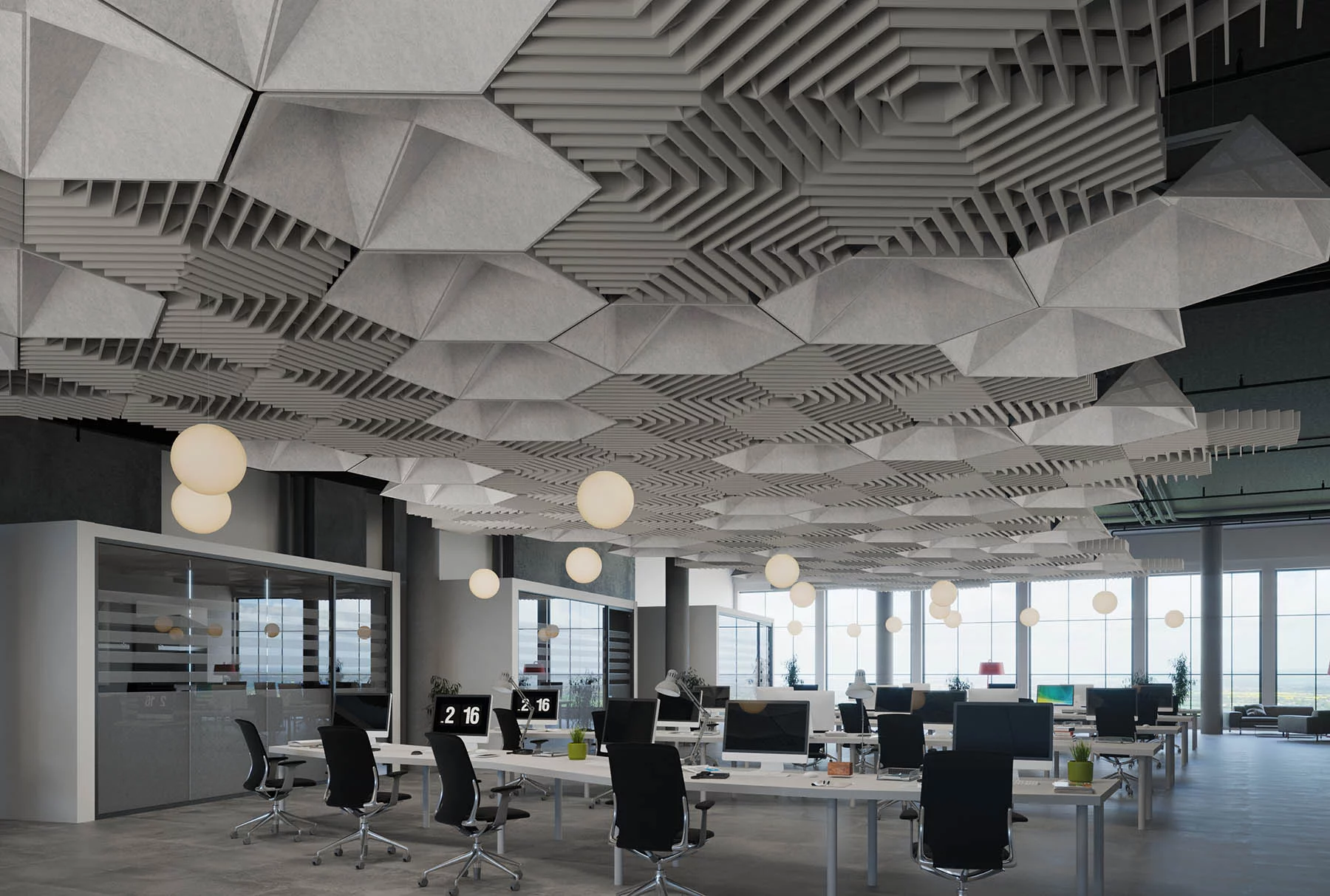
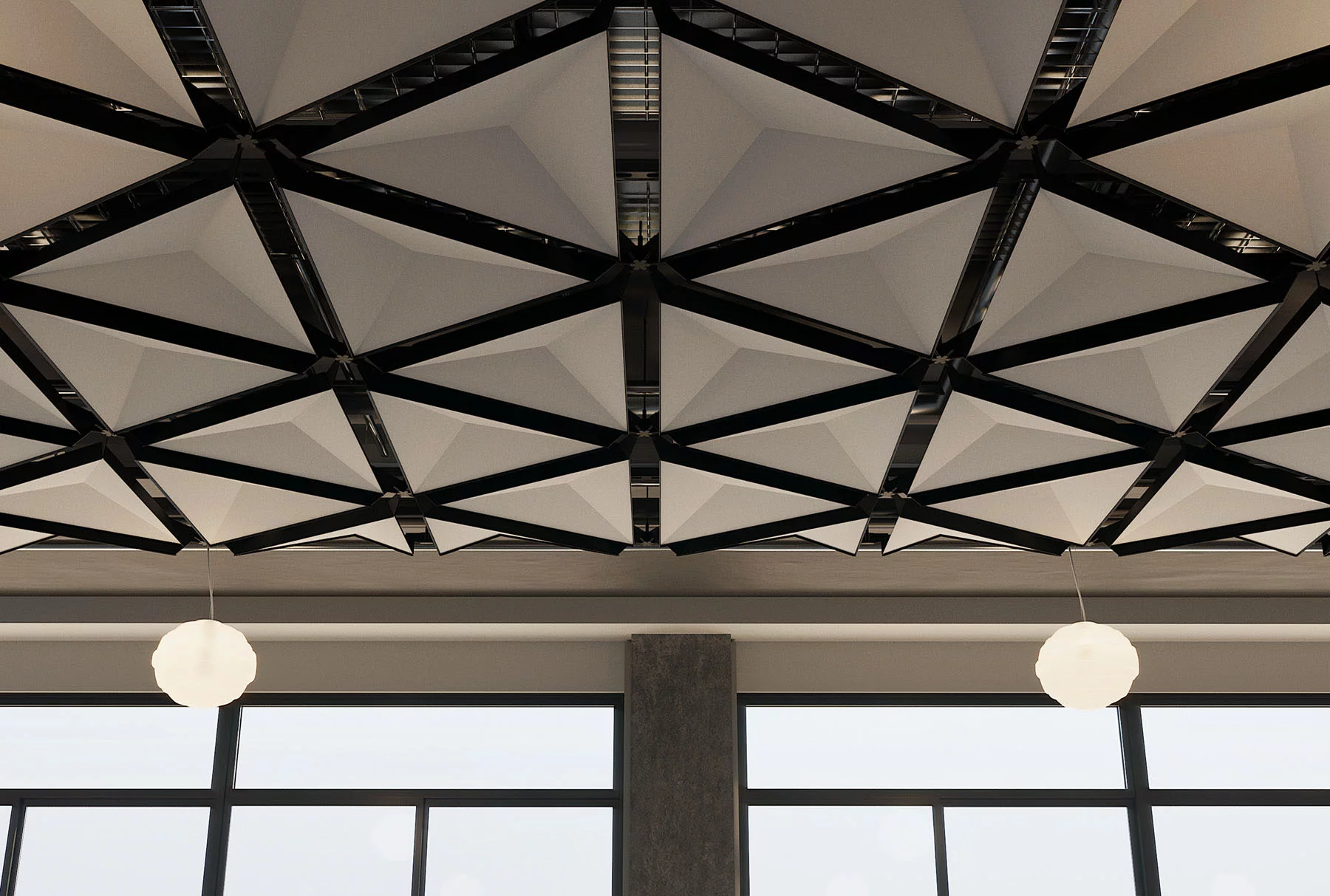
NOWN’s aSOFT™ PET felt, manufactured from 60% recycled PET content, achieves Effective NRC ratings up to 0.95 depending on configuration. Deployed within NOWN’s Atmosphera® ceiling system, it provides distributed absorption across the ceiling plane in a visual configuration appropriate to contemporary library interiors.
The Atmosphera® system’s open structure maintains above-ceiling access for the lighting, HVAC, and data infrastructure typical in library environments — where occupancy patterns change over time and services adaptation is a recurring maintenance activity.
Sustainability in Public Building Specification
Public buildings — including libraries — are increasingly required to demonstrate sustainability performance, both in new construction and refurbishment. aSOFT™ carries SCS certification for recycled content, and NOWN products carry Declare labels and Red List Free status. These are directly applicable to public sector sustainability requirements and BREEAM assessments.
Modules are manufactured to project specification and arrive pre-dimensioned — no field trimming is required during installation, which simplifies the programme management typical of phased public building refurbishments.
Explore aSOFT™ for library and study environment applications