
Why Architects Are Choosing 3D-Knitted Ceiling Systems Over Conventional Acoustic Tile
May 6, 2026
·2 min read
Conventional acoustic tile is functional but visually limited. Here’s why a growing number of architects are specifying InfiKnit™ — the world’s first 3D-knitted architectural ceiling system — for projects where surface quality matters.
Acoustic tile has served commercial ceilings adequately for decades. It is practical, inexpensive, easily replaced, and acoustically functional. It is also, by design, a neutral material — one that minimises visual presence rather than creating it. In most commercial interiors, this is exactly what is needed.
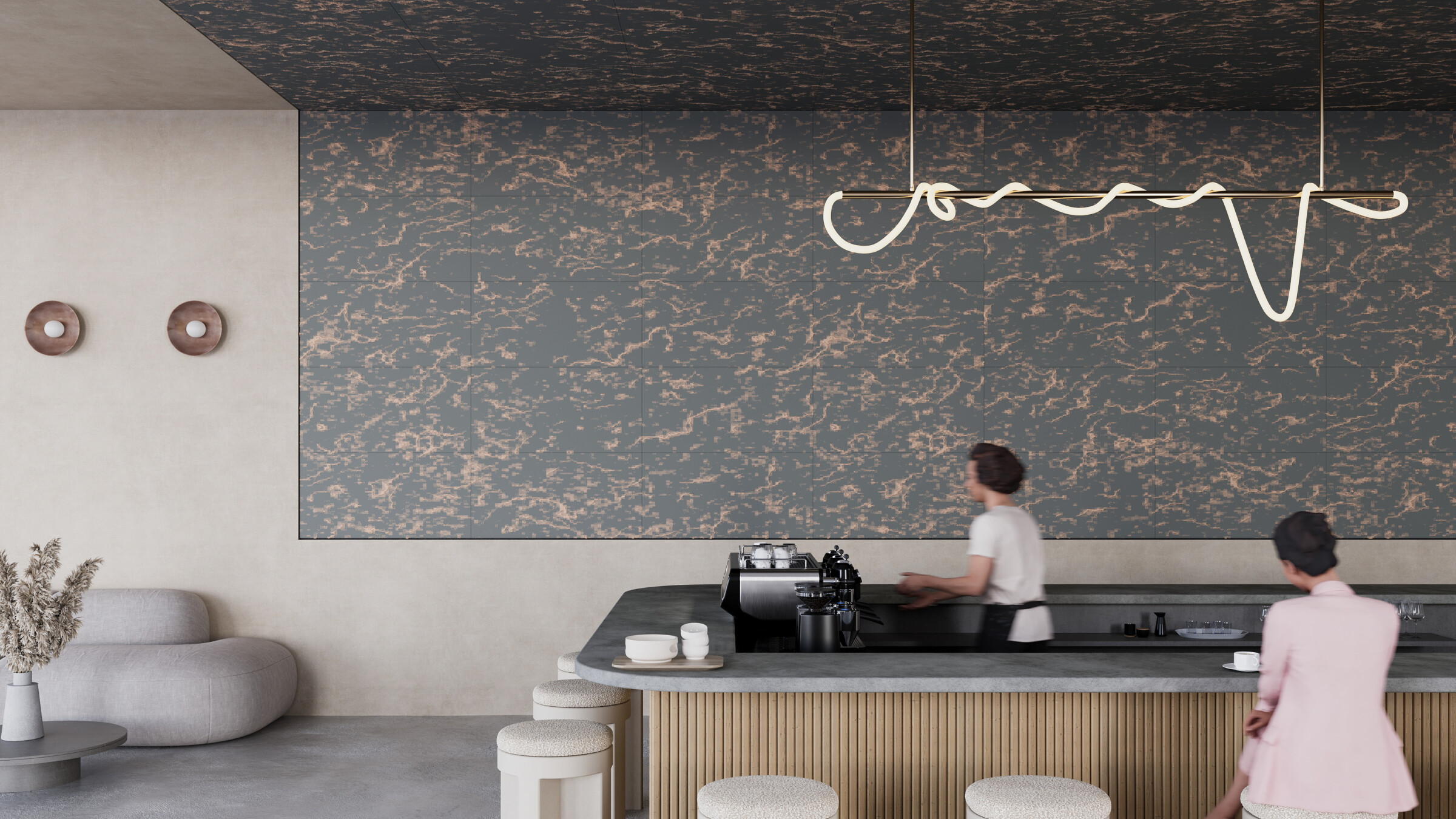
But in spaces where the ceiling is a primary design element — hospitality lobbies, corporate reception areas, cultural buildings, high-specification workplaces — acoustic tile’s neutrality becomes a limitation. The ceiling reads as a functional component, not an architectural one.
What InfiKnit™ Changes
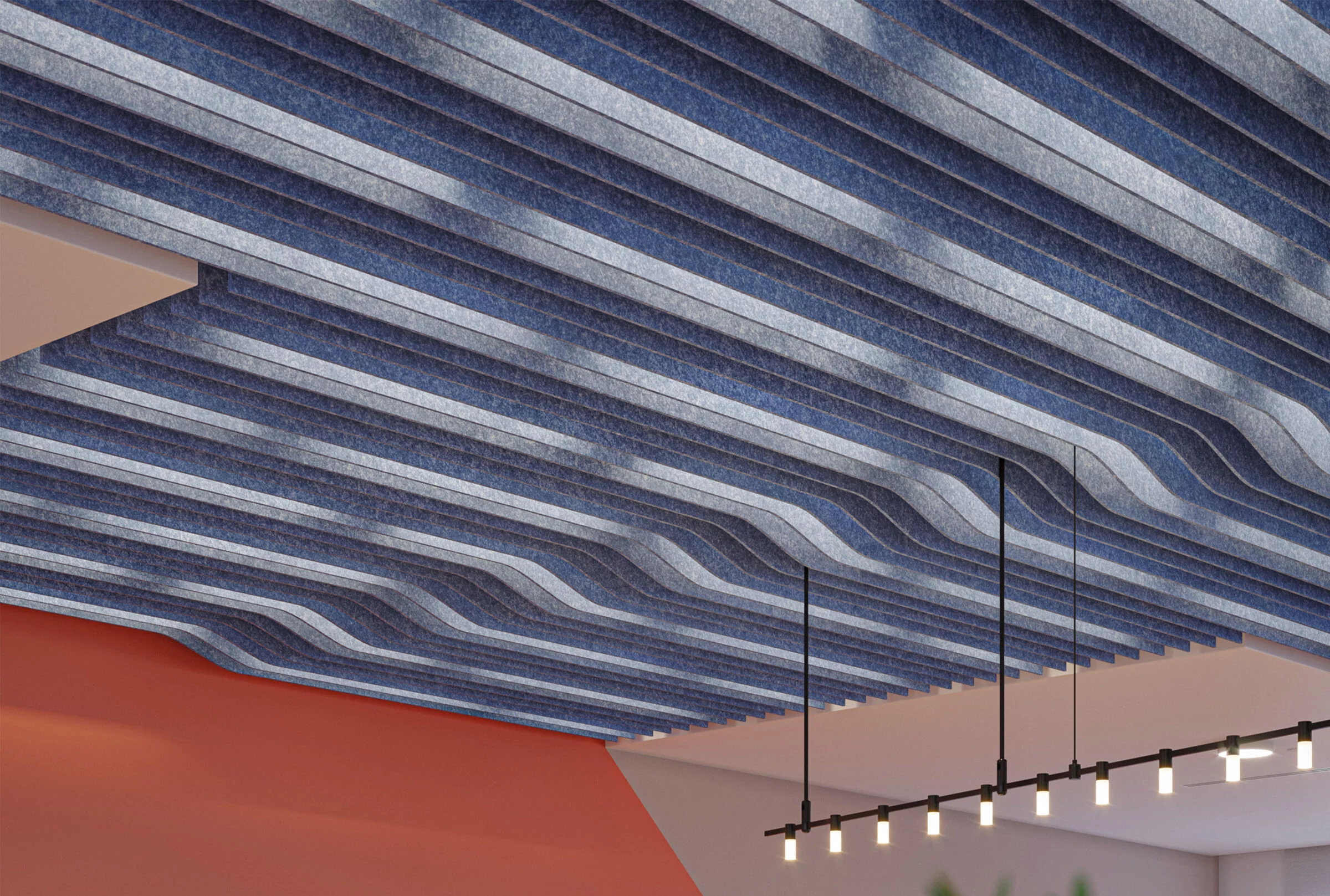
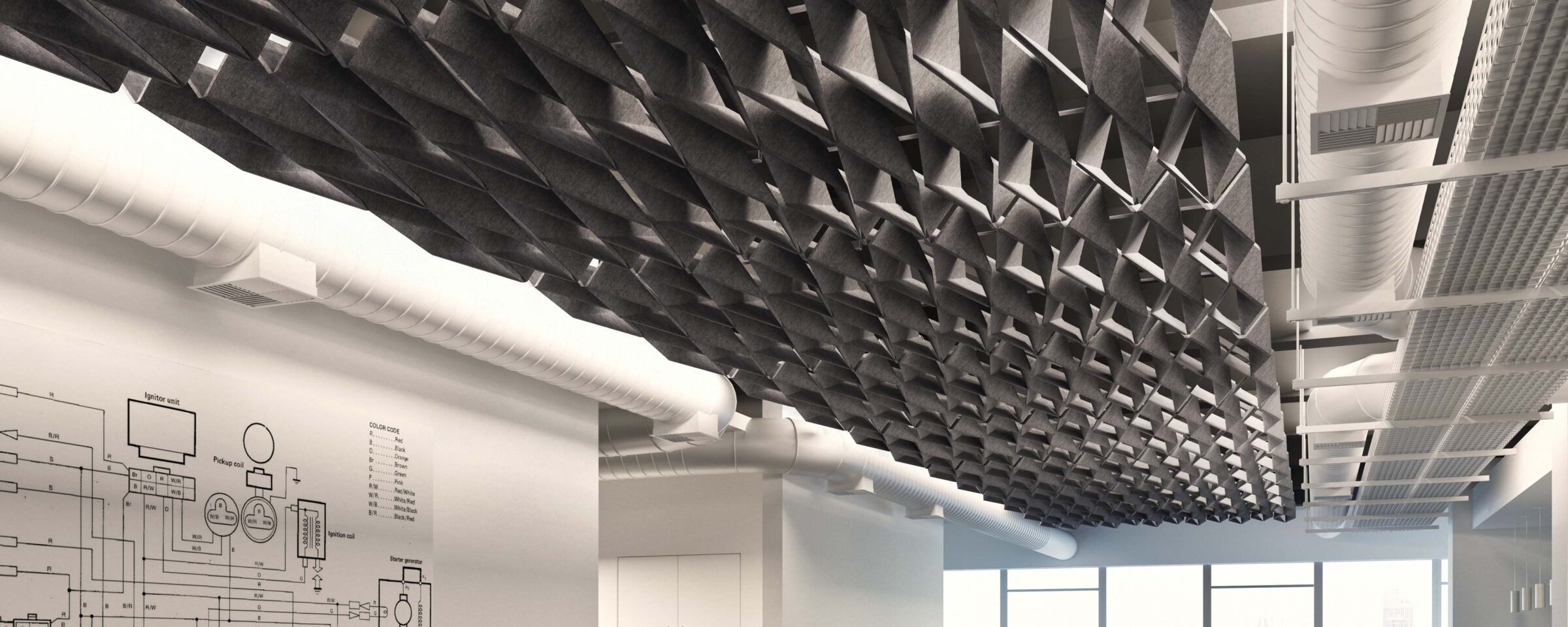
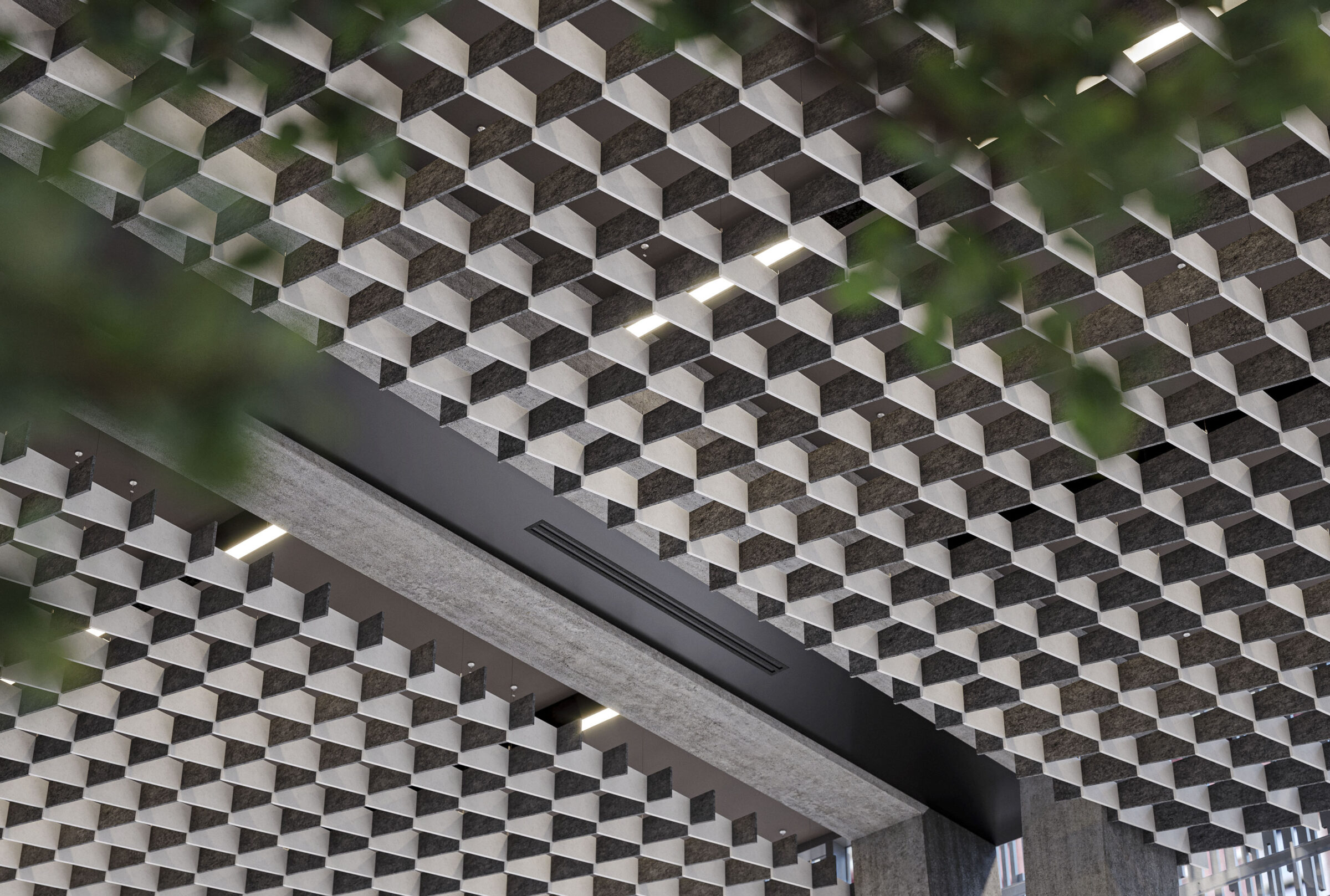
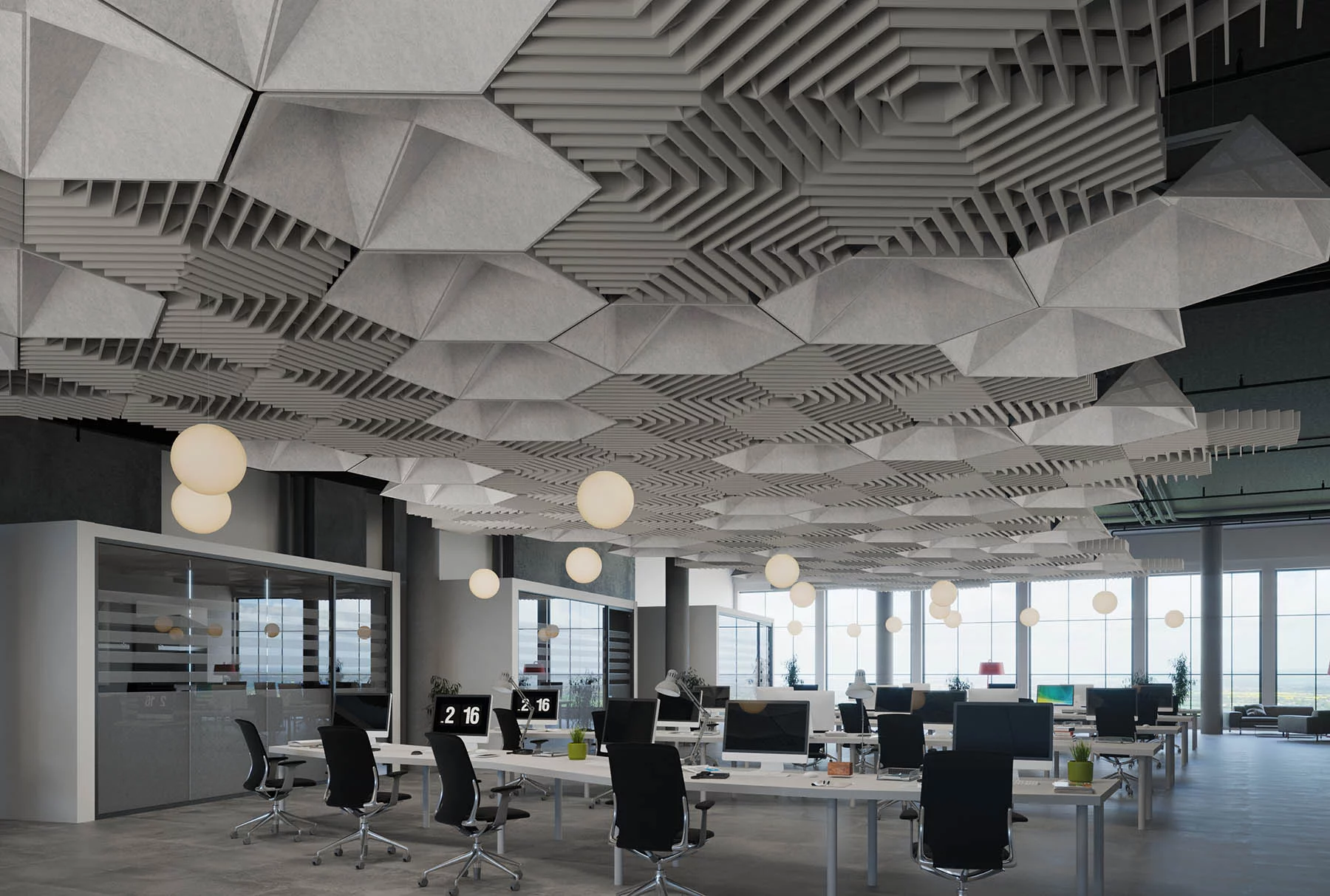
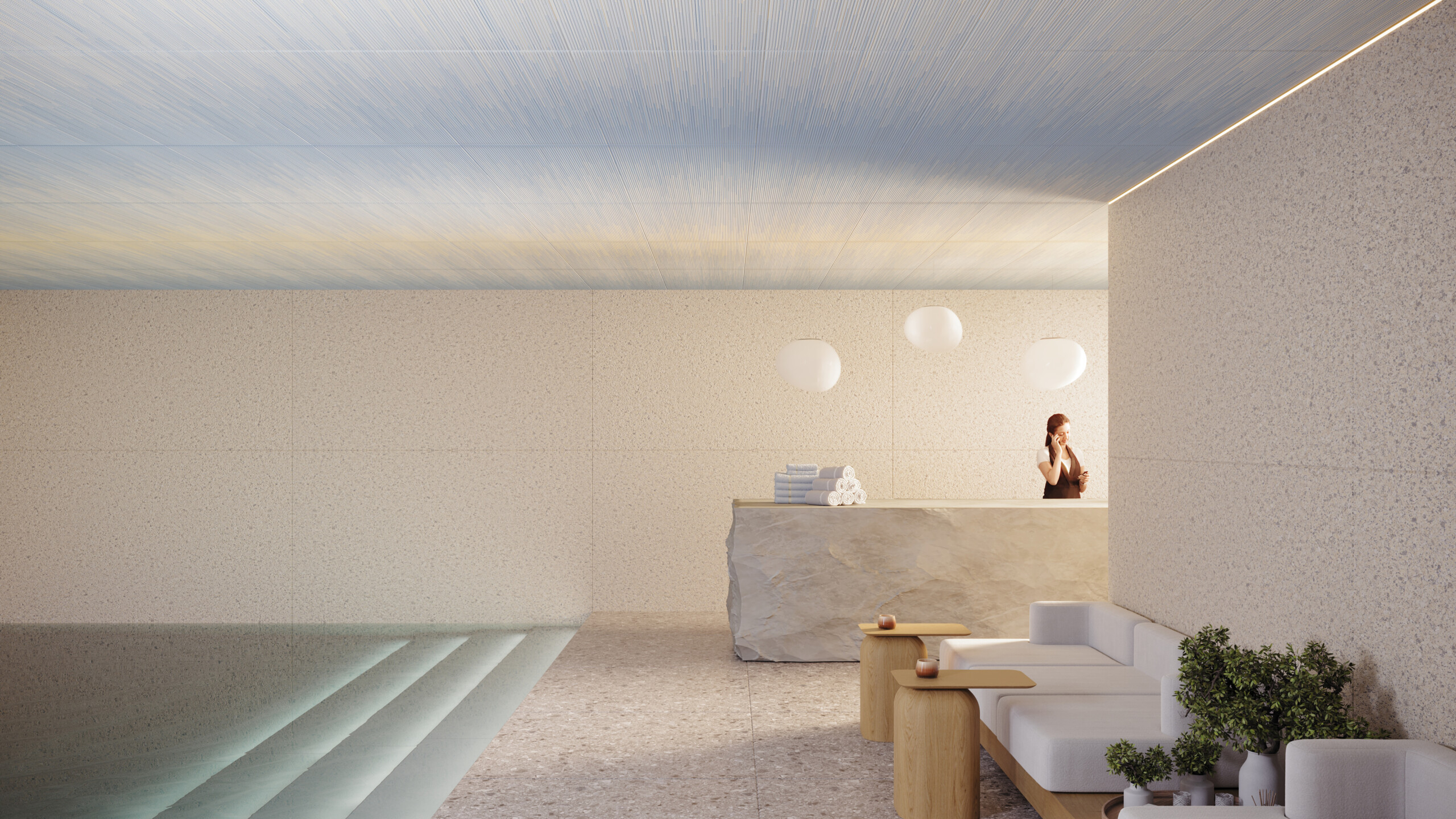
NOWN’s InfiKnit™ is the world’s first 3D-knitted ceiling and wall system designed for architectural application. The 3D knitting process constructs each component in its final three-dimensional geometry — the surface depth and texture are structural to the component, not applied to a flat substrate.
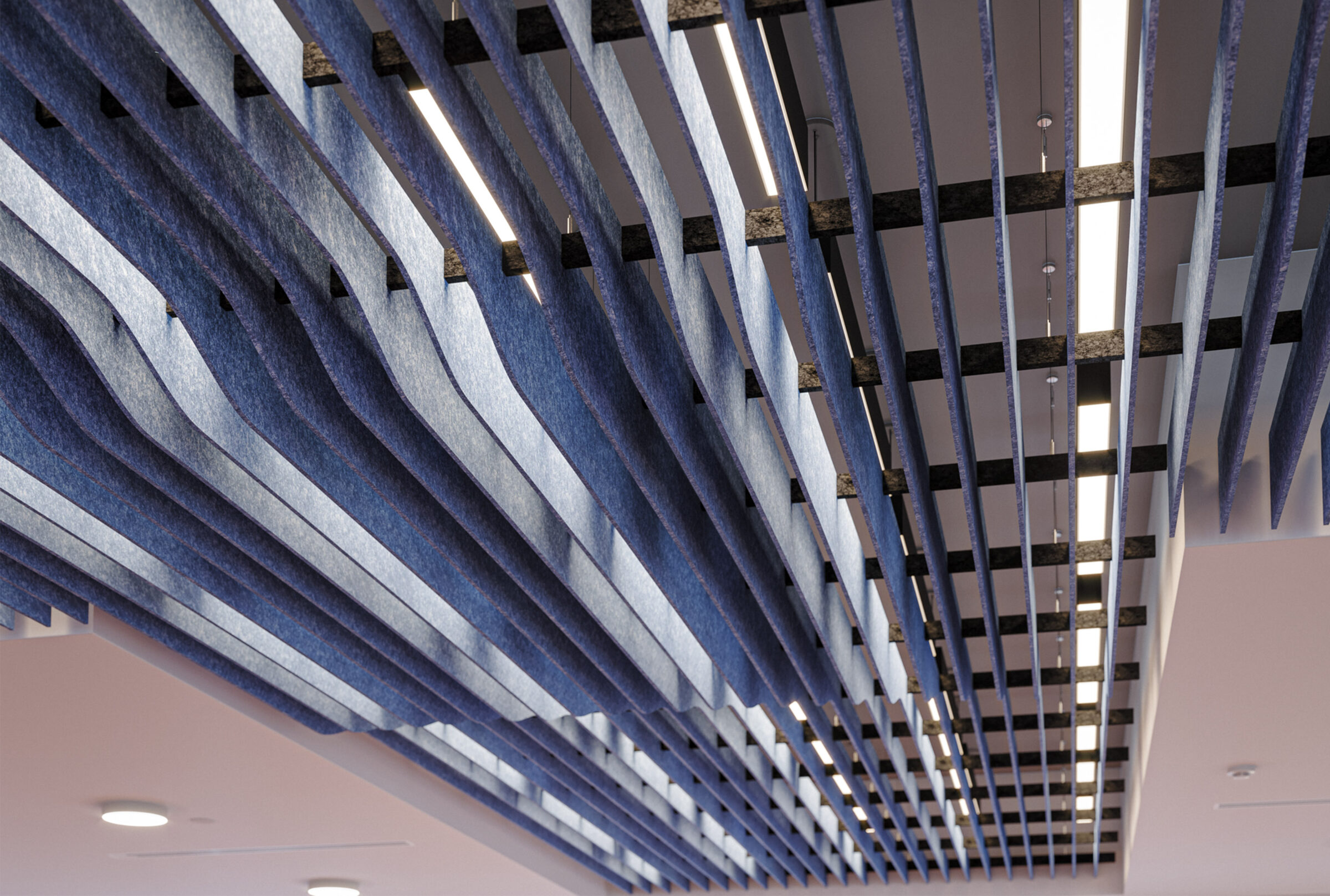
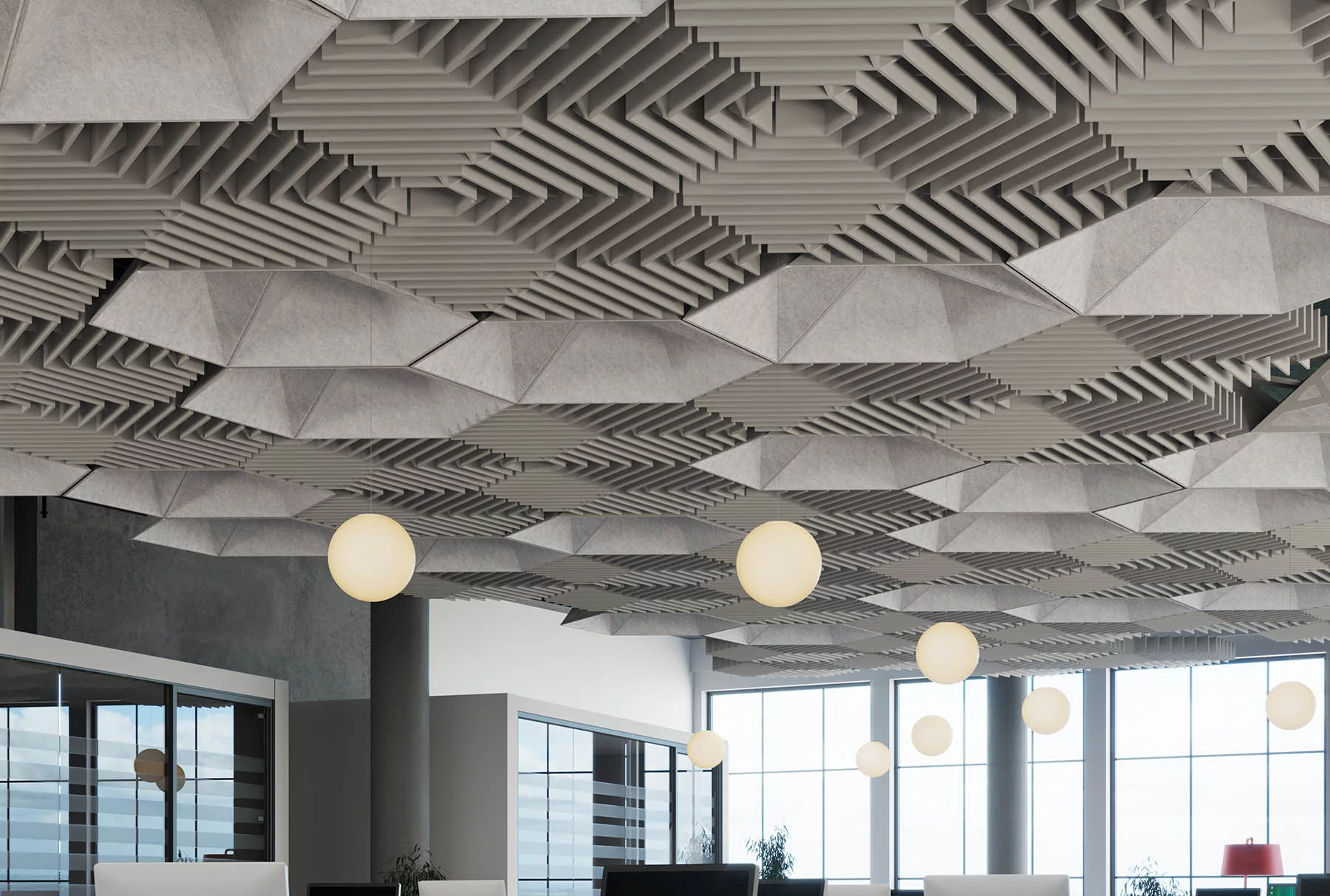
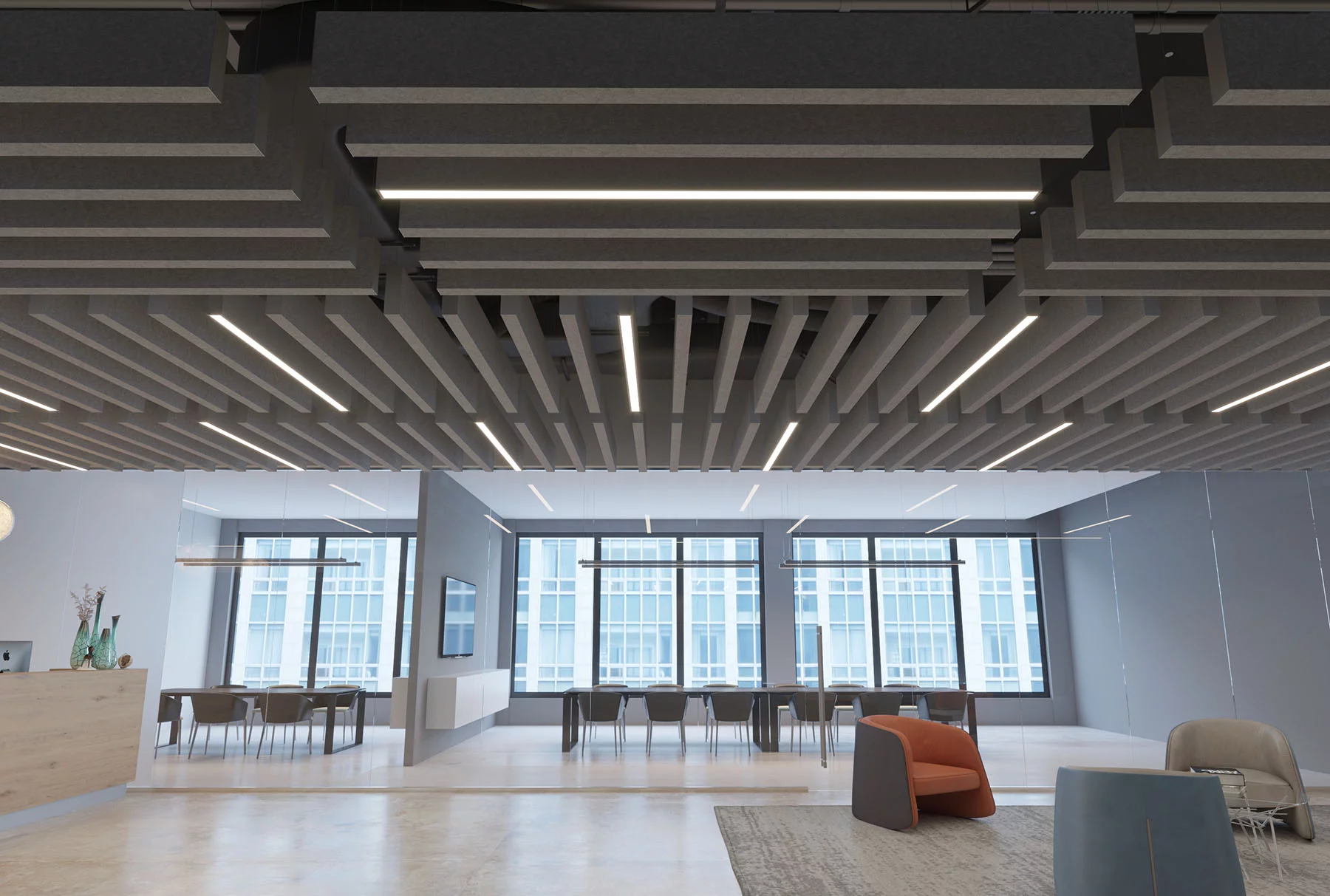
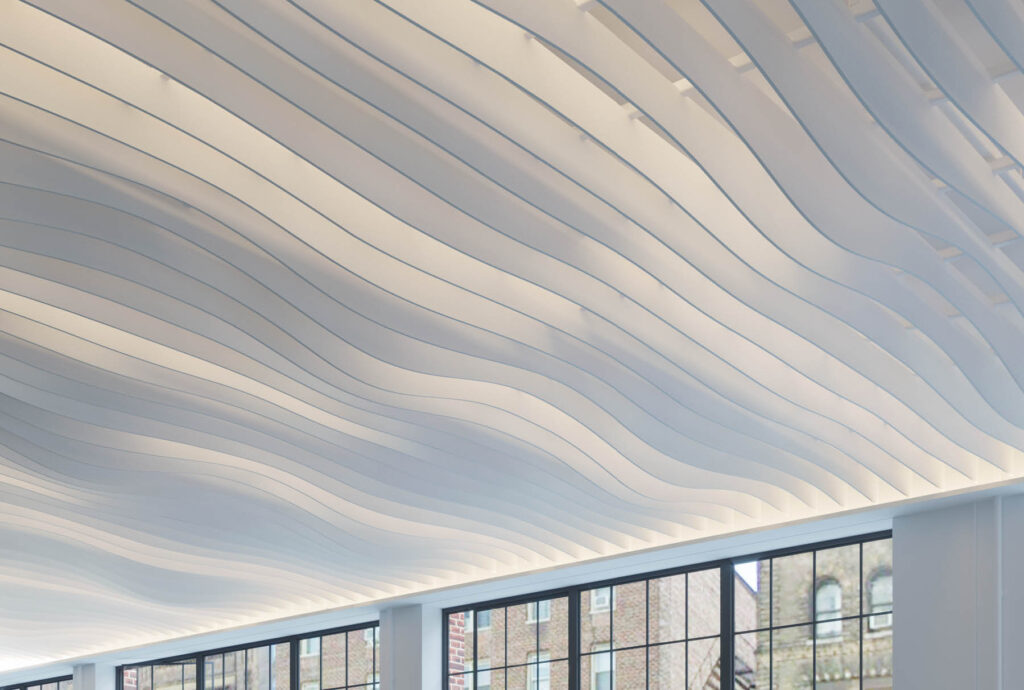
The result is a ceiling surface with genuine material presence. The textile geometry creates visual depth and texture that changes character under different lighting conditions — a quality that flat acoustic tile cannot achieve. For spaces where the ceiling is intended to be noticed, InfiKnit™ provides a credible, architecturally appropriate alternative.
Without Compromising Practicality
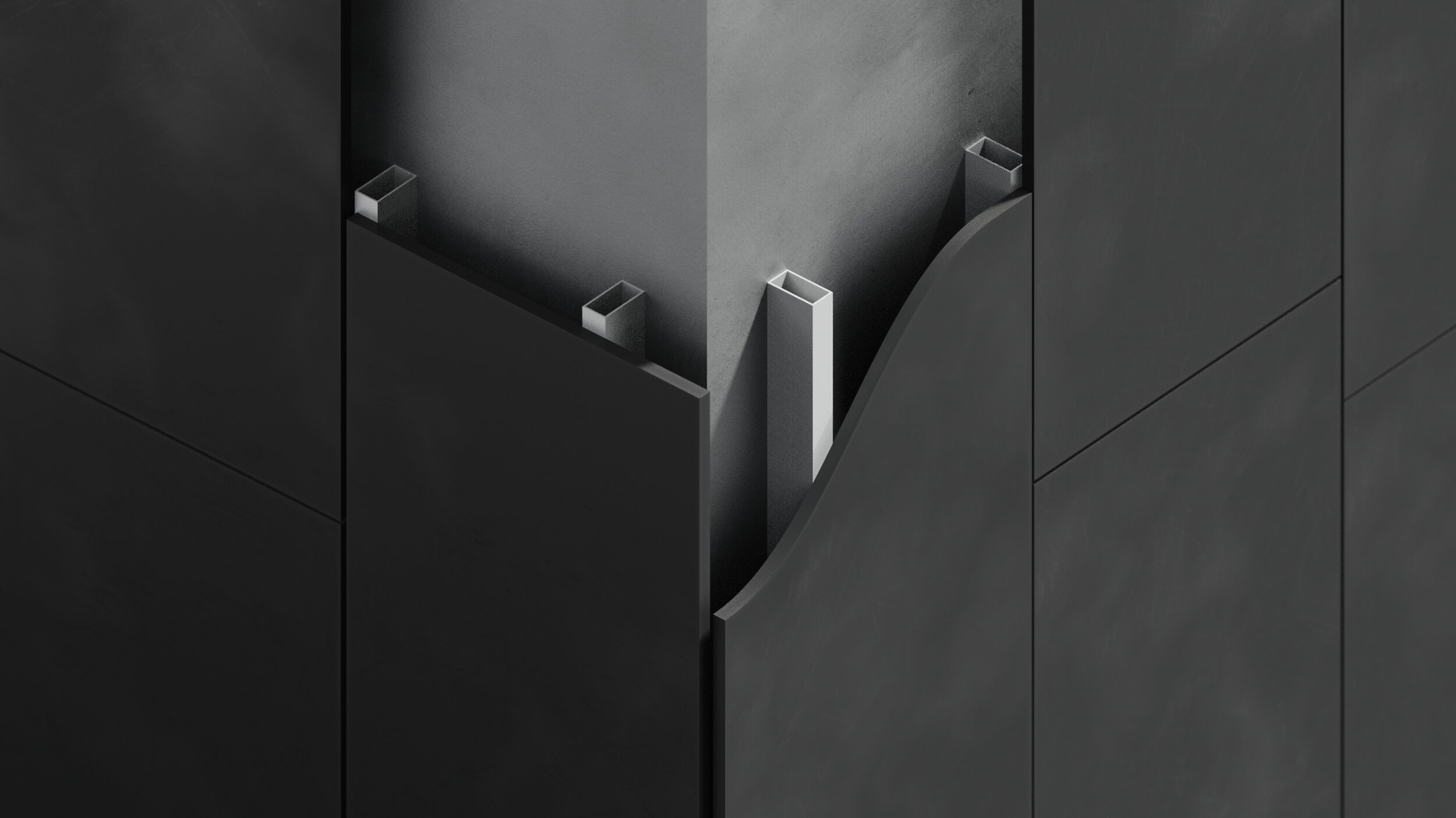
InfiKnit™ does not require that design ambition come at the cost of installation practicality. Panels integrate with NOWN’s CircuLUM™ concealed aluminium framing system — no visible hardware at the face surface. The installation logic is clean: panels clip or tension into the frame, and the system is designed to be assembled without specialist trades.
Crucially, InfiKnit™ is produced with zero material waste during manufacturing. The 3D knitting process generates no offcuts. For project teams with sustainability requirements, this is a verifiable manufacturing quality, not a marketing position.
The Replacement Logic
One objection to specification of textile ceiling systems is replacement — the concern that damage or localised soiling requires replacement of panels that may not match the original installation over time. InfiKnit™ panels are manufactured to consistent specification with available replacement components, and the system’s modular logic allows localised panel replacement without disturbing the wider installation.
Discover the InfiKnit™ system and available configurations →