


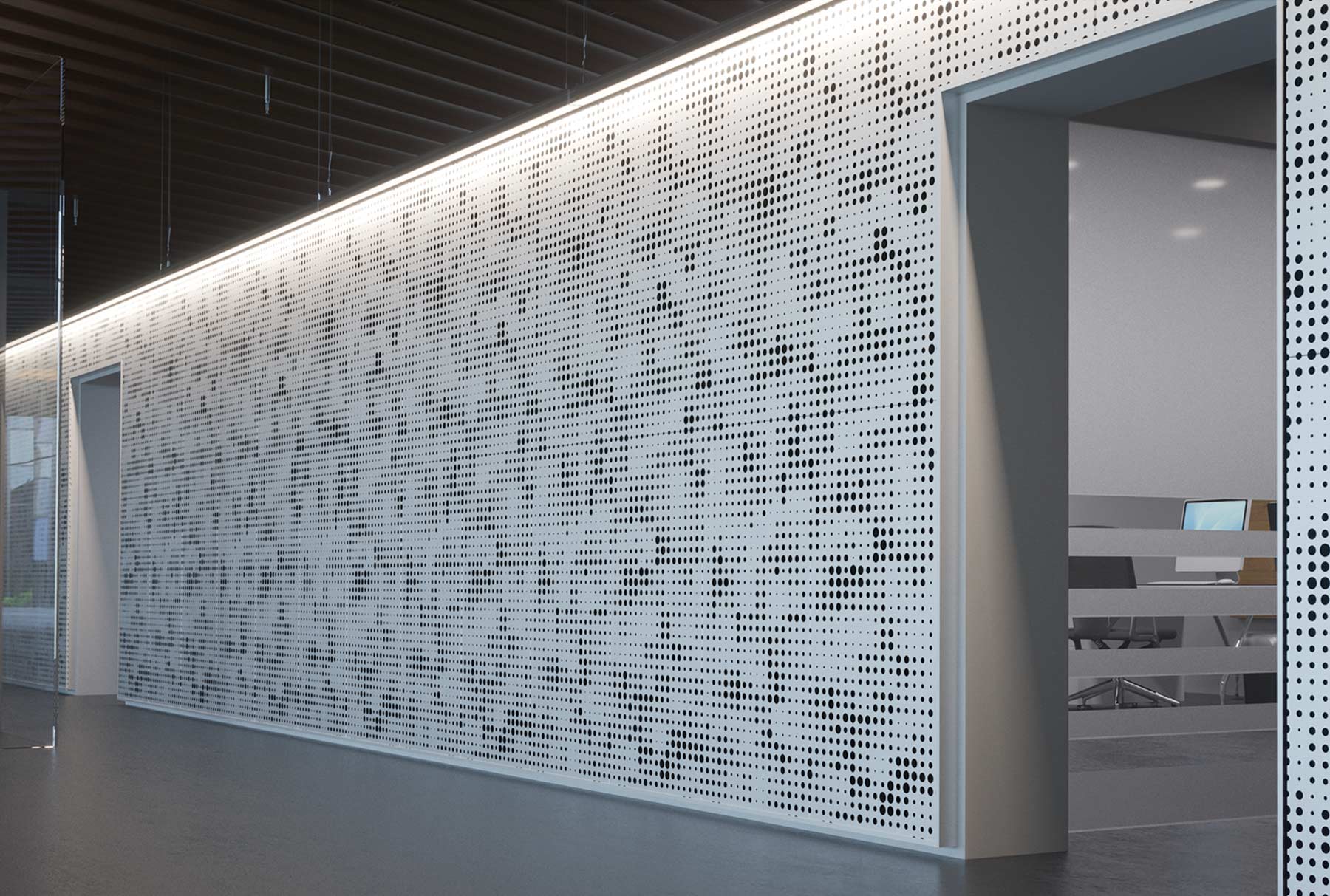
How to Coordinate Ceiling Systems with Mechanical and Electrical Services
April 27, 2026
·2 min read
Above-ceiling services coordination is one of the most common sources of delay on commercial fit-out projects. Here’s how ceiling system selection affects this coordination process.
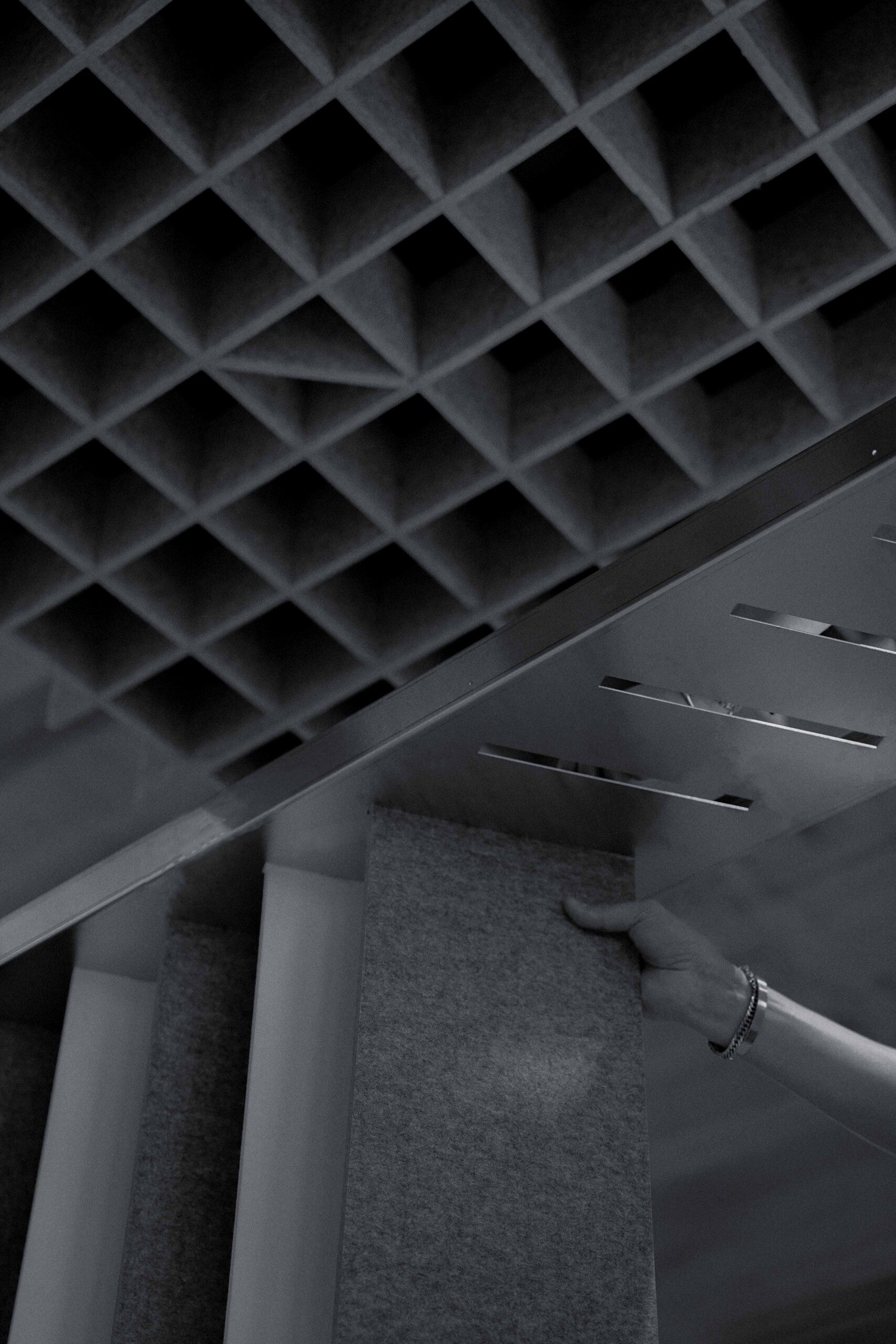
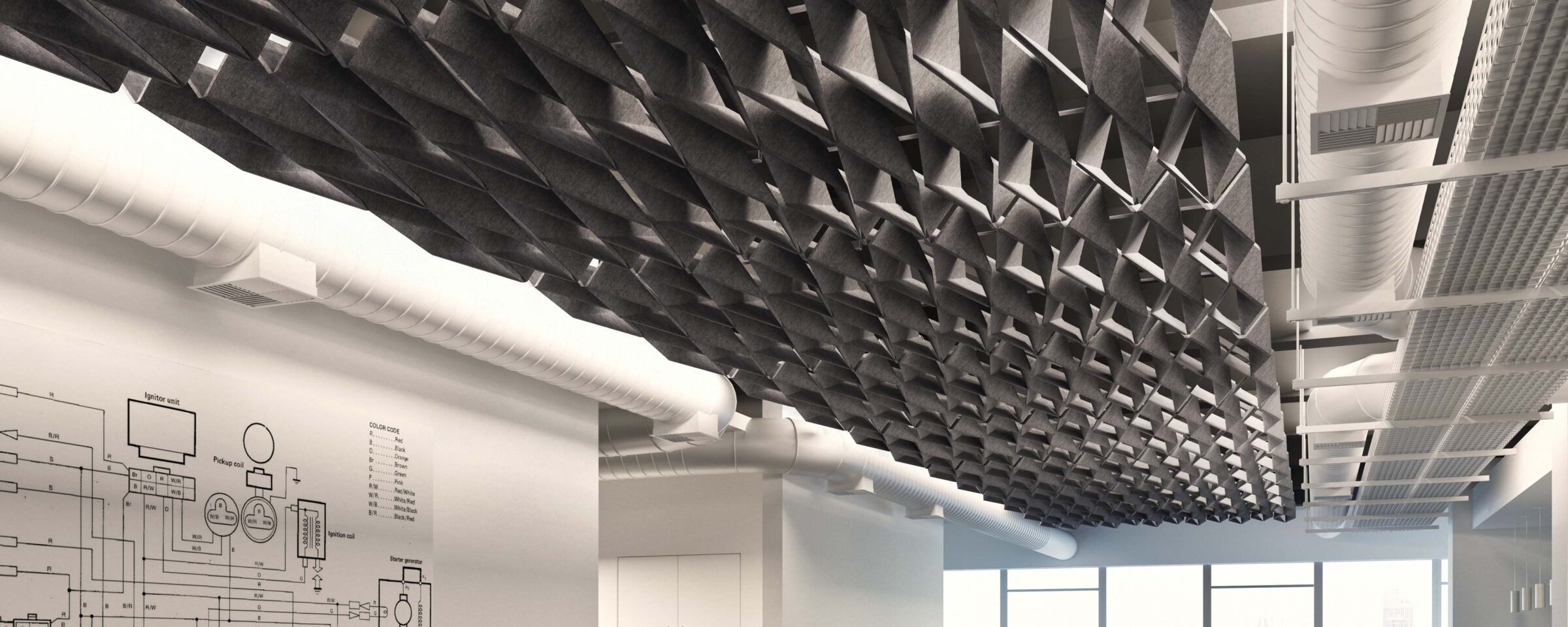
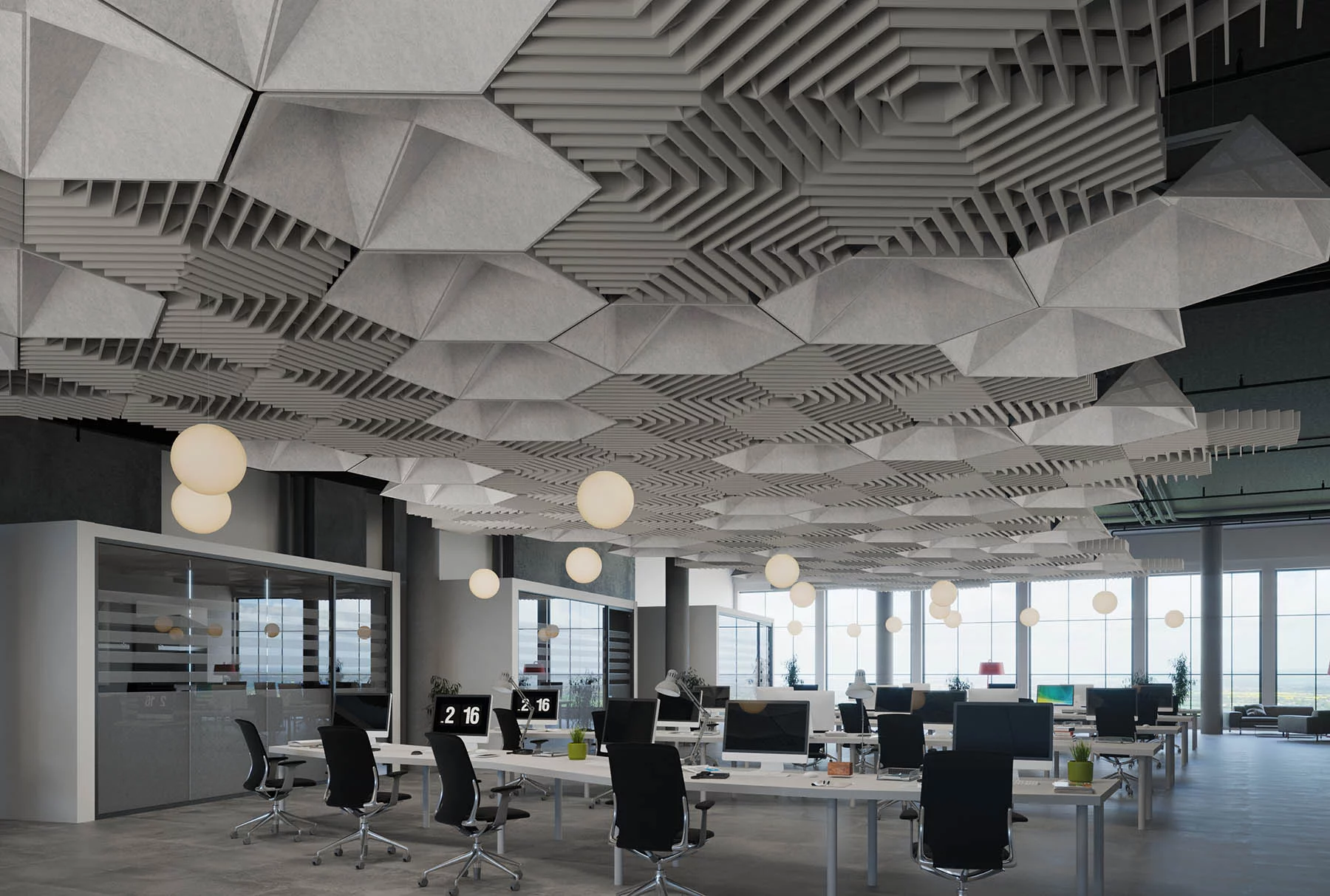
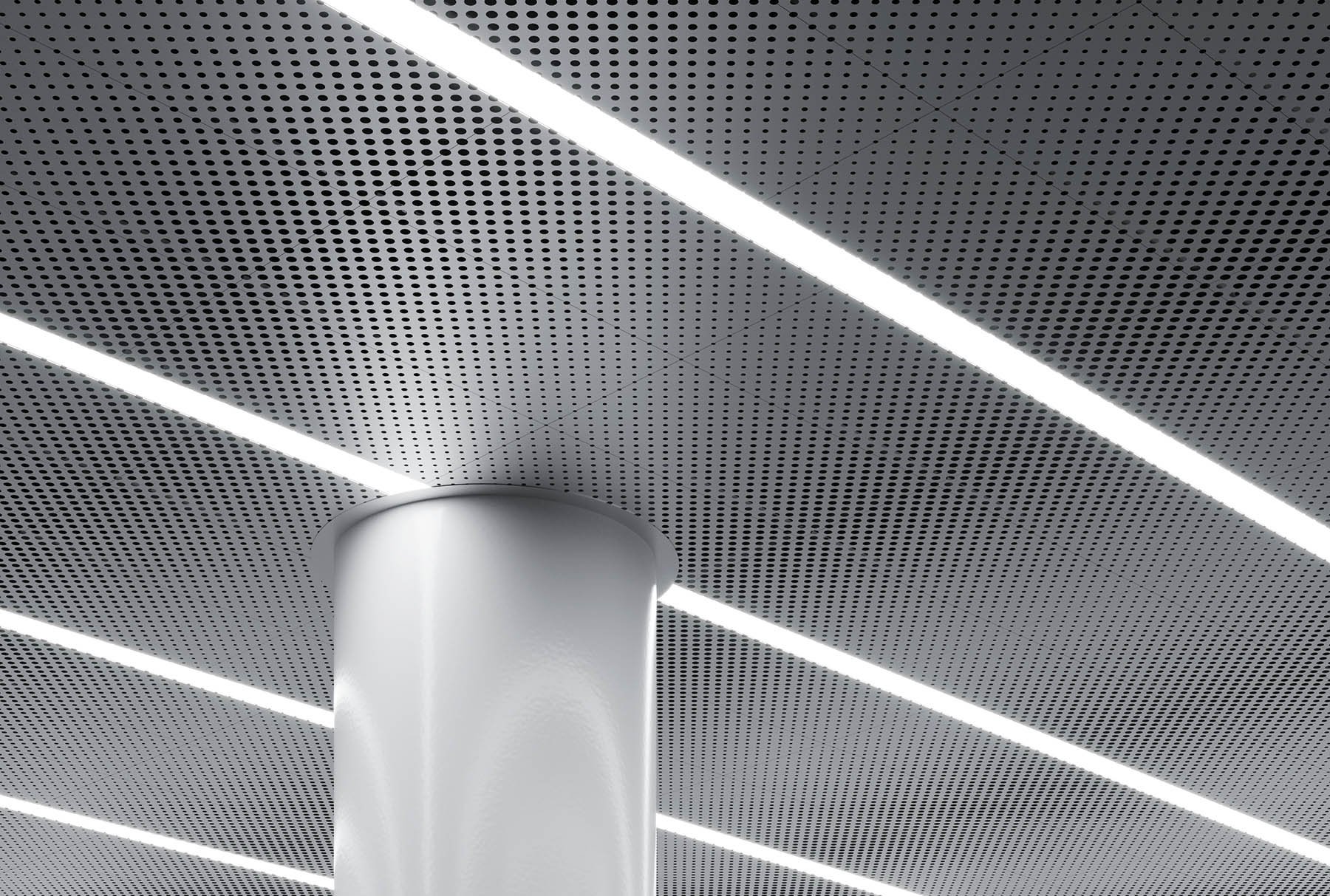
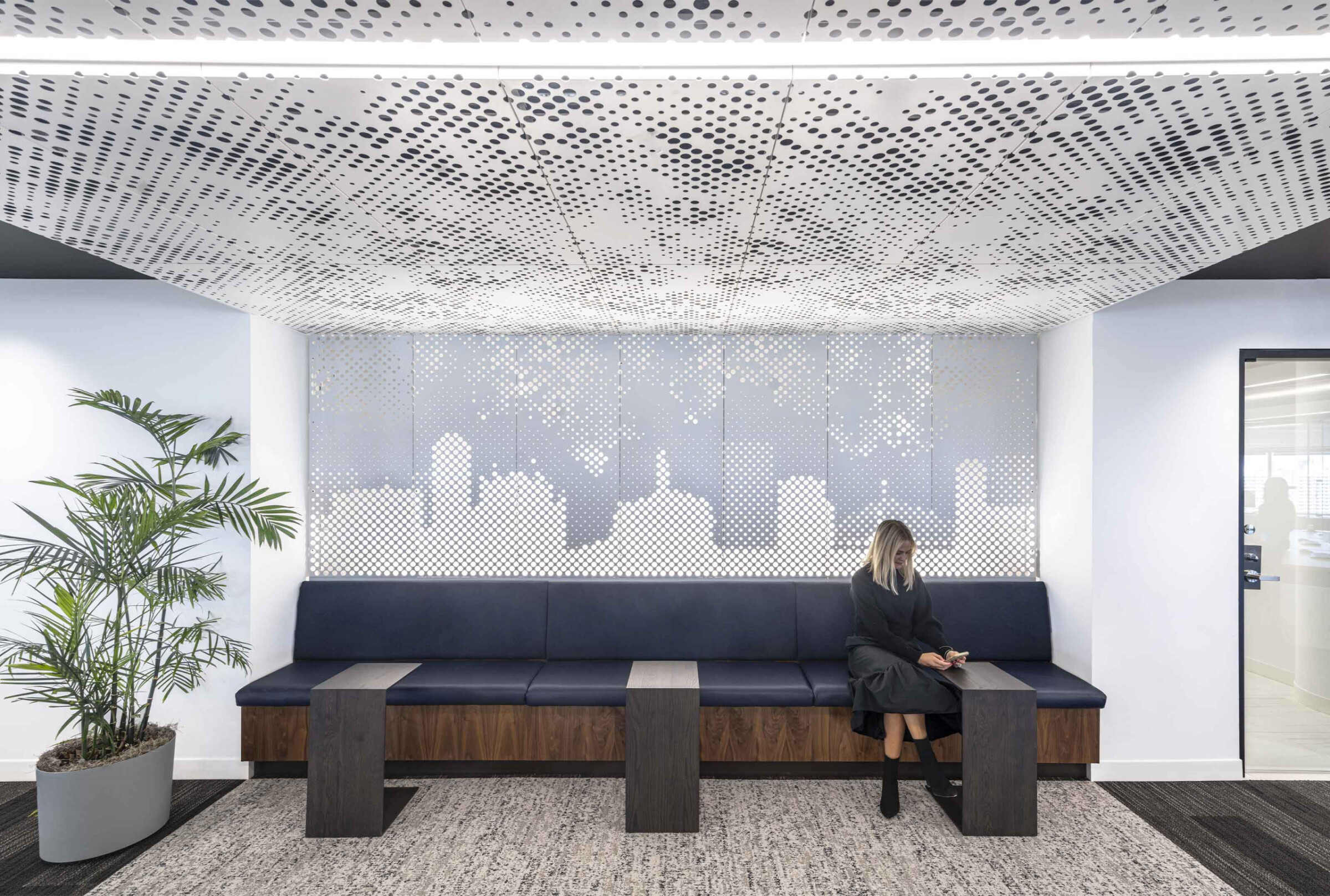
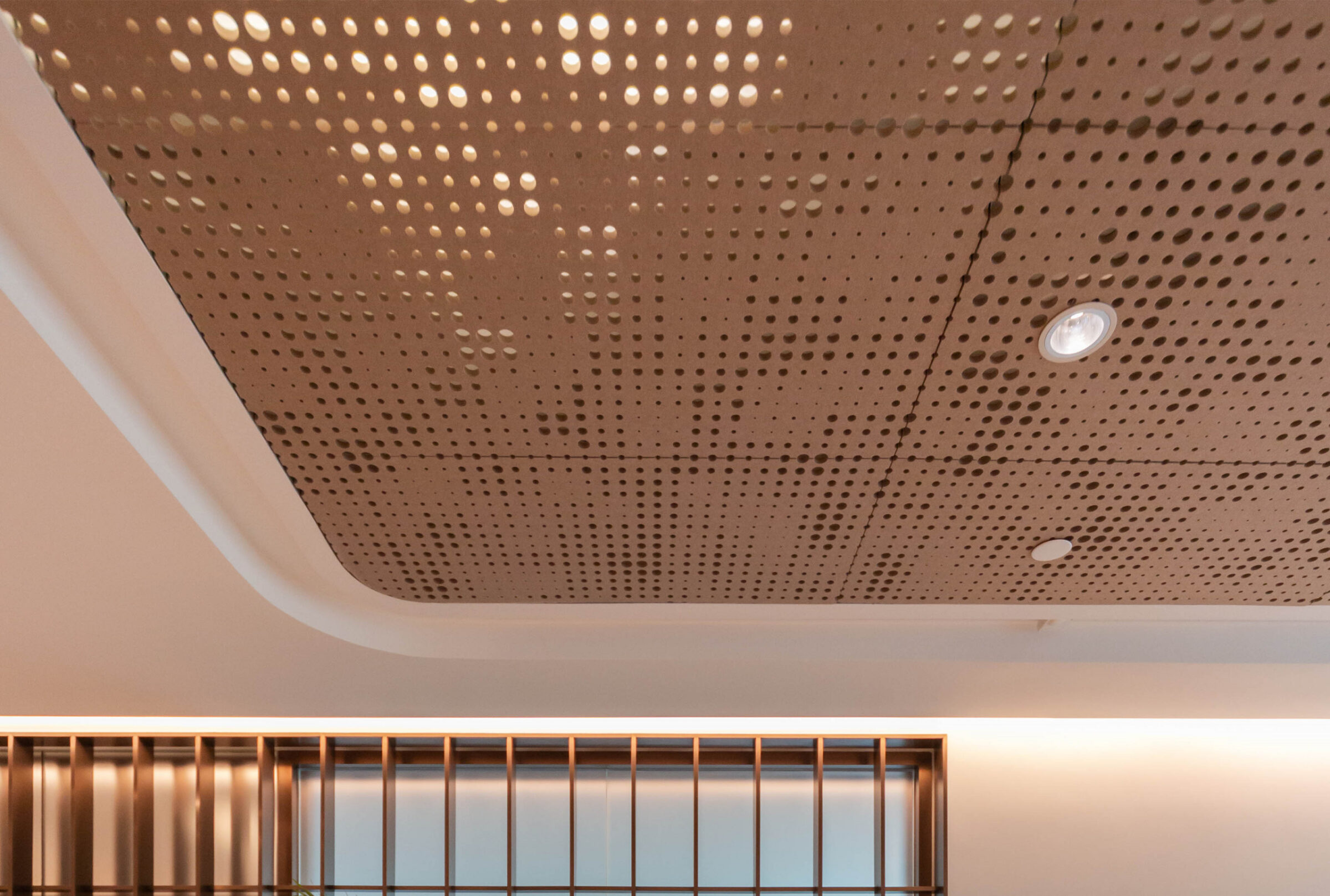
Above-ceiling coordination is where the ceiling specification most directly intersects with the work of other design disciplines. An MEP engineer designing HVAC distribution, a lighting designer integrating fixtures into the ceiling plane, a fire engineer specifying suppression heads — all of these are affected by the ceiling system the architect has selected.
In practice, above-ceiling coordination issues are a significant source of delay on commercial fit-out projects. Understanding how ceiling system selection affects this coordination process helps reduce that risk.
Zone Height and the Ceiling System
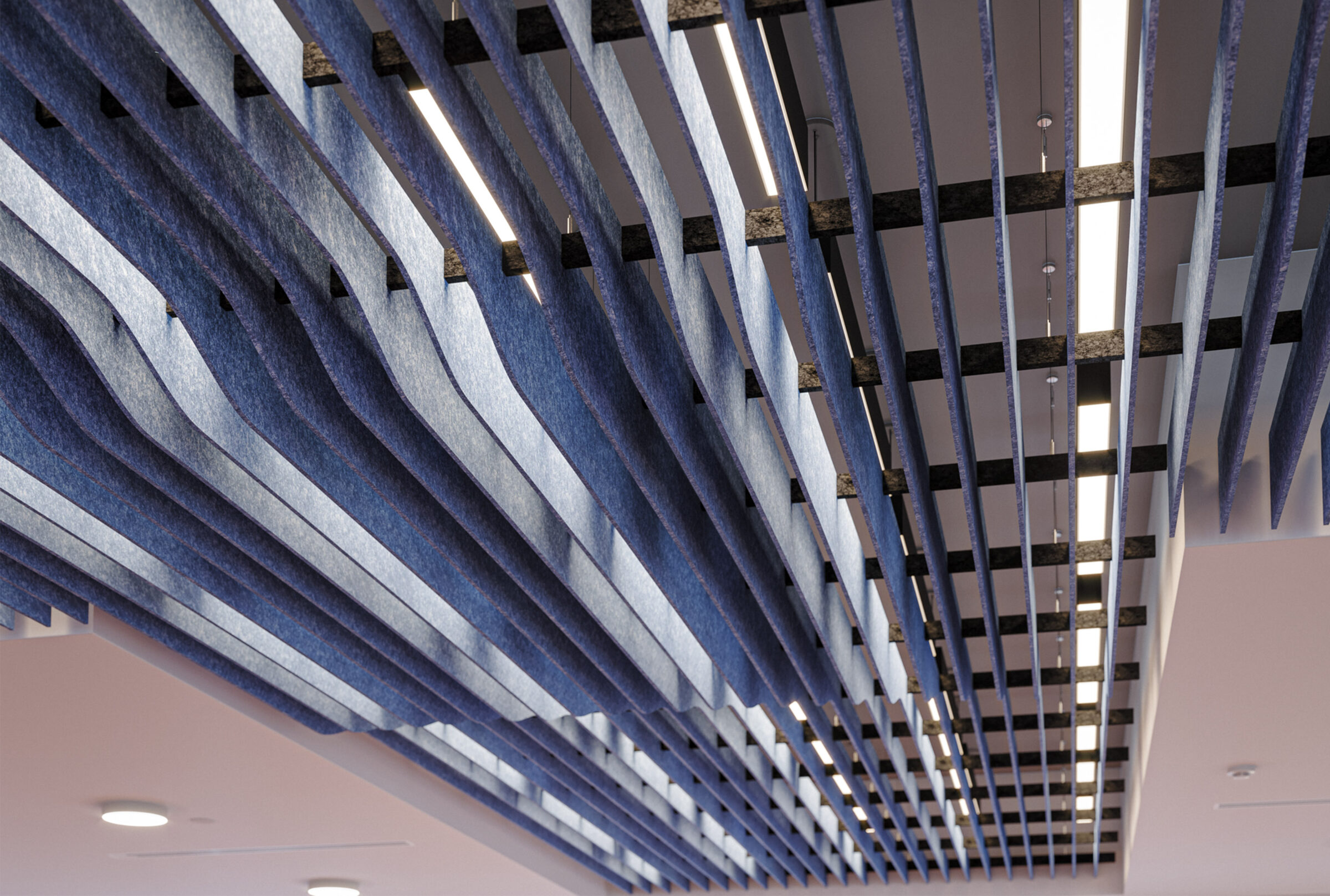
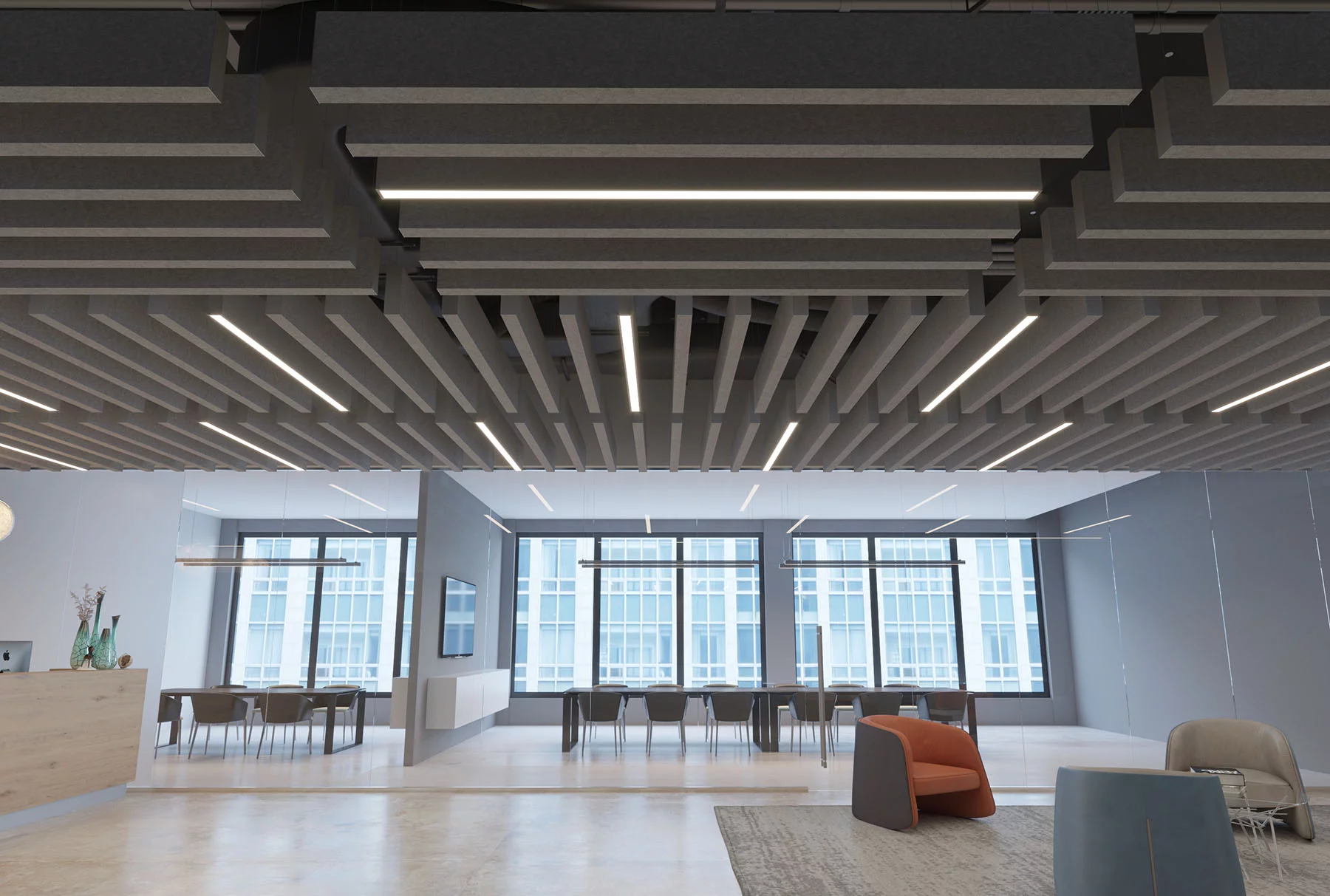
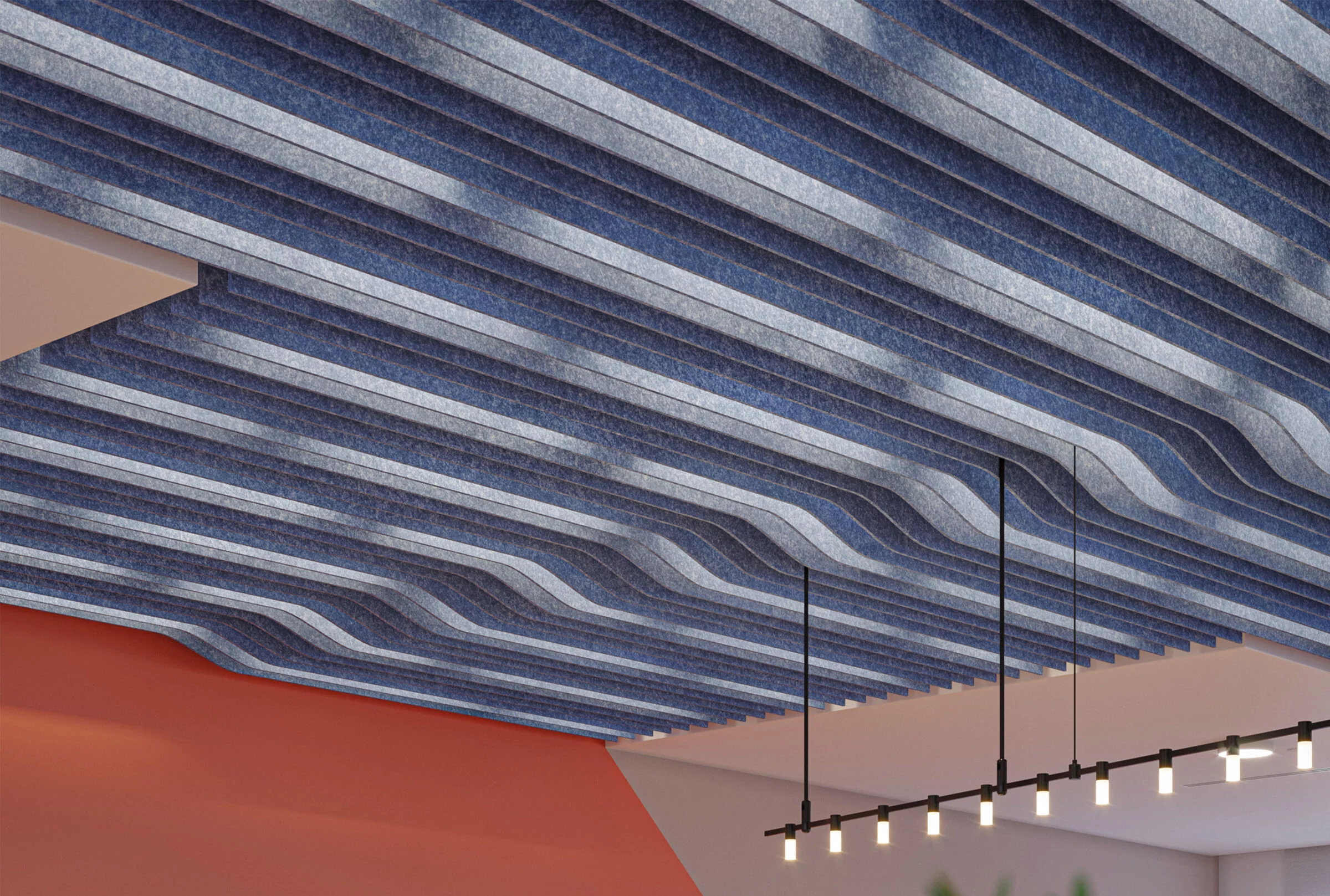
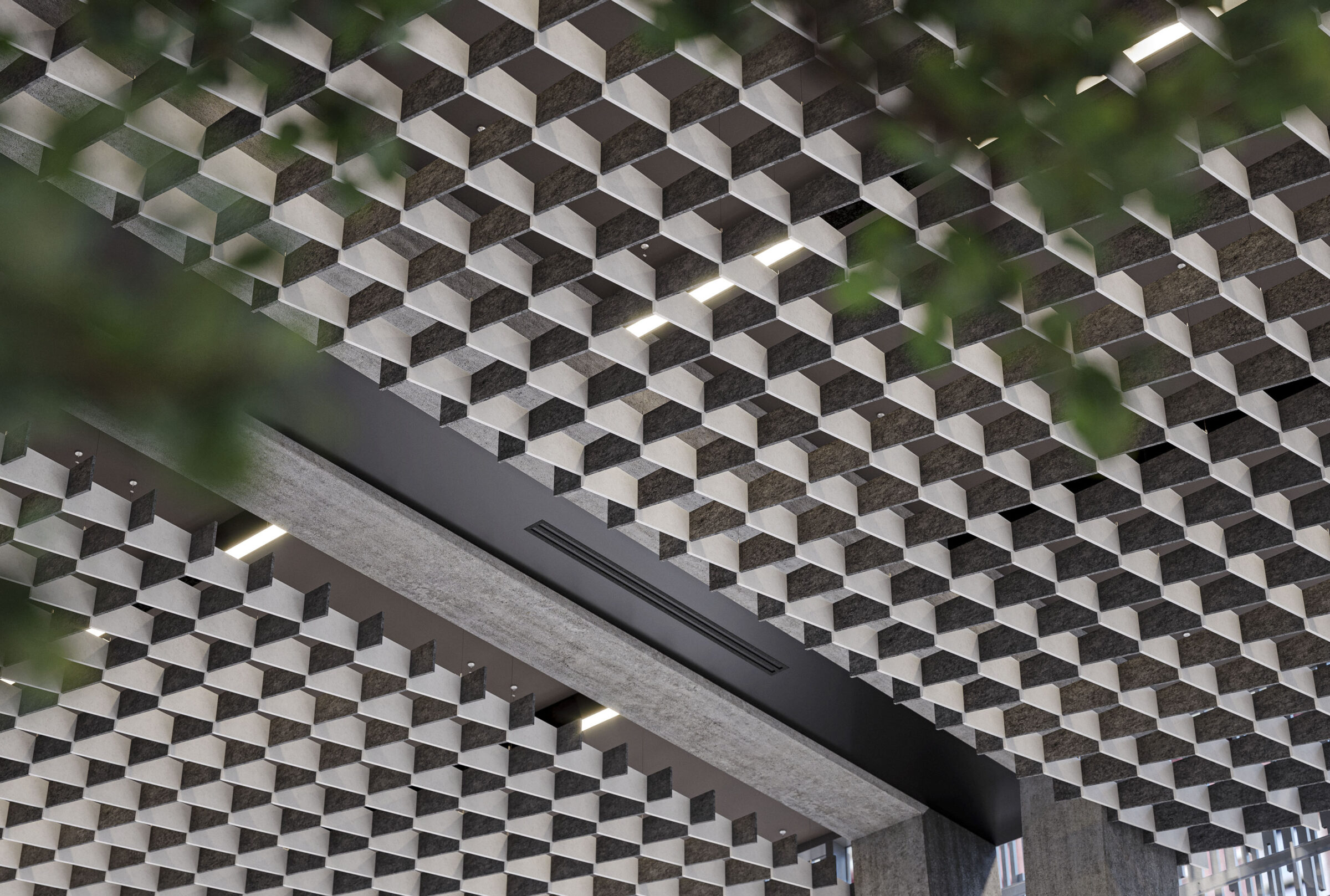
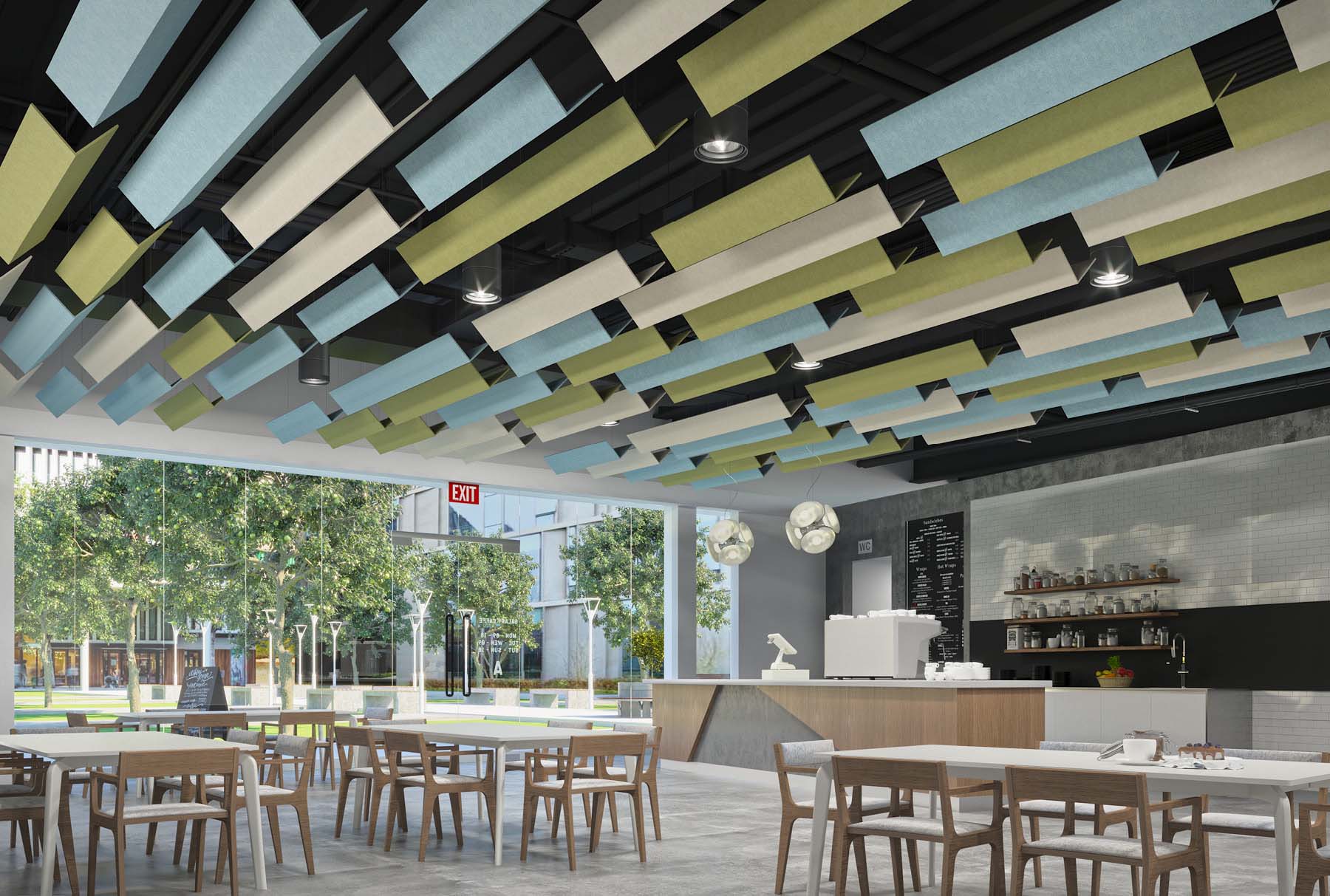
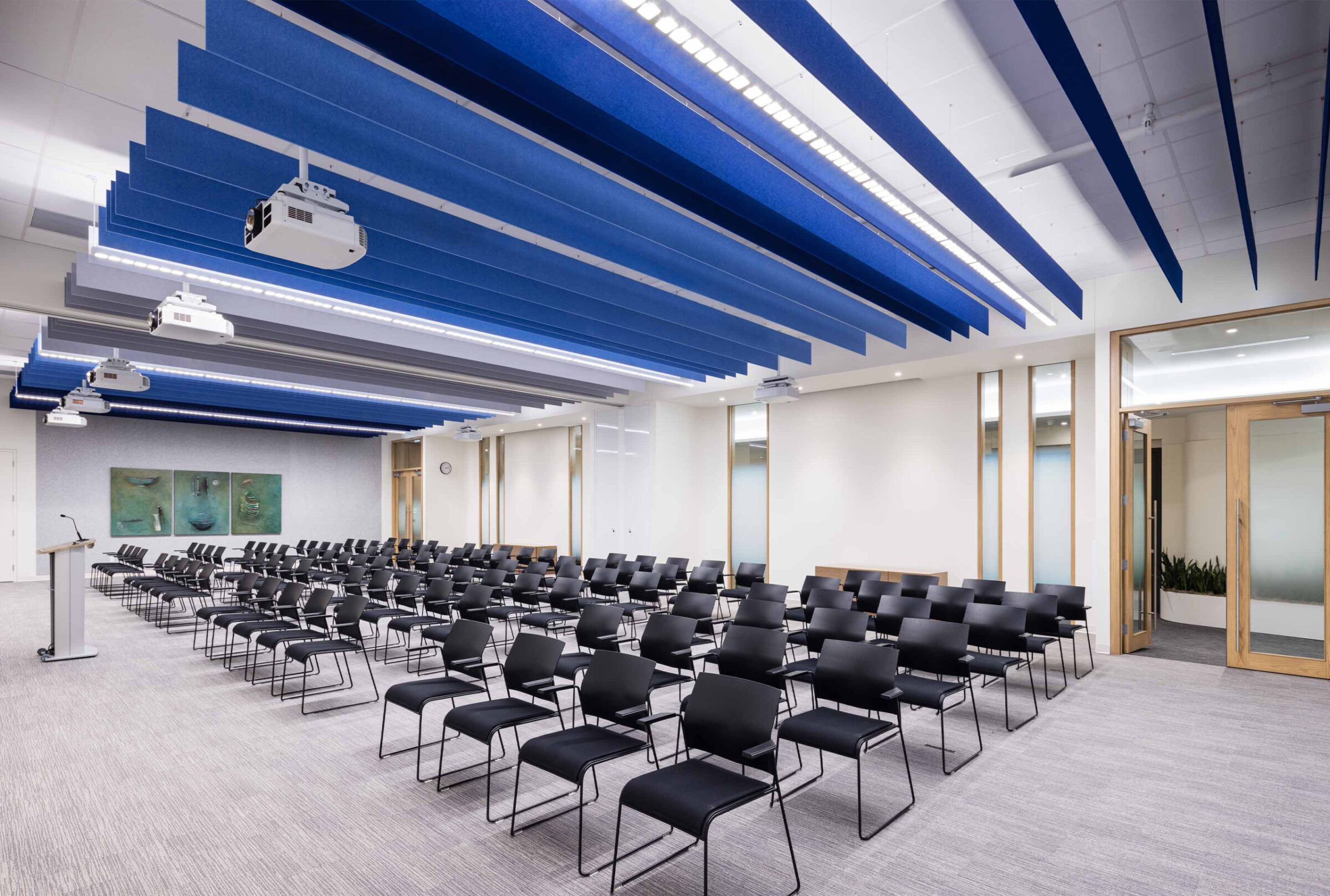
The first coordination variable is zone height — the vertical distance between the structural soffit and the finished ceiling level. Ceiling systems with a larger vertical profile consume more of this zone. Baffle systems like NOWN’s Atmosphera® have a specific zone height requirement for the fin depth and frame, which must be accounted for in the services design.
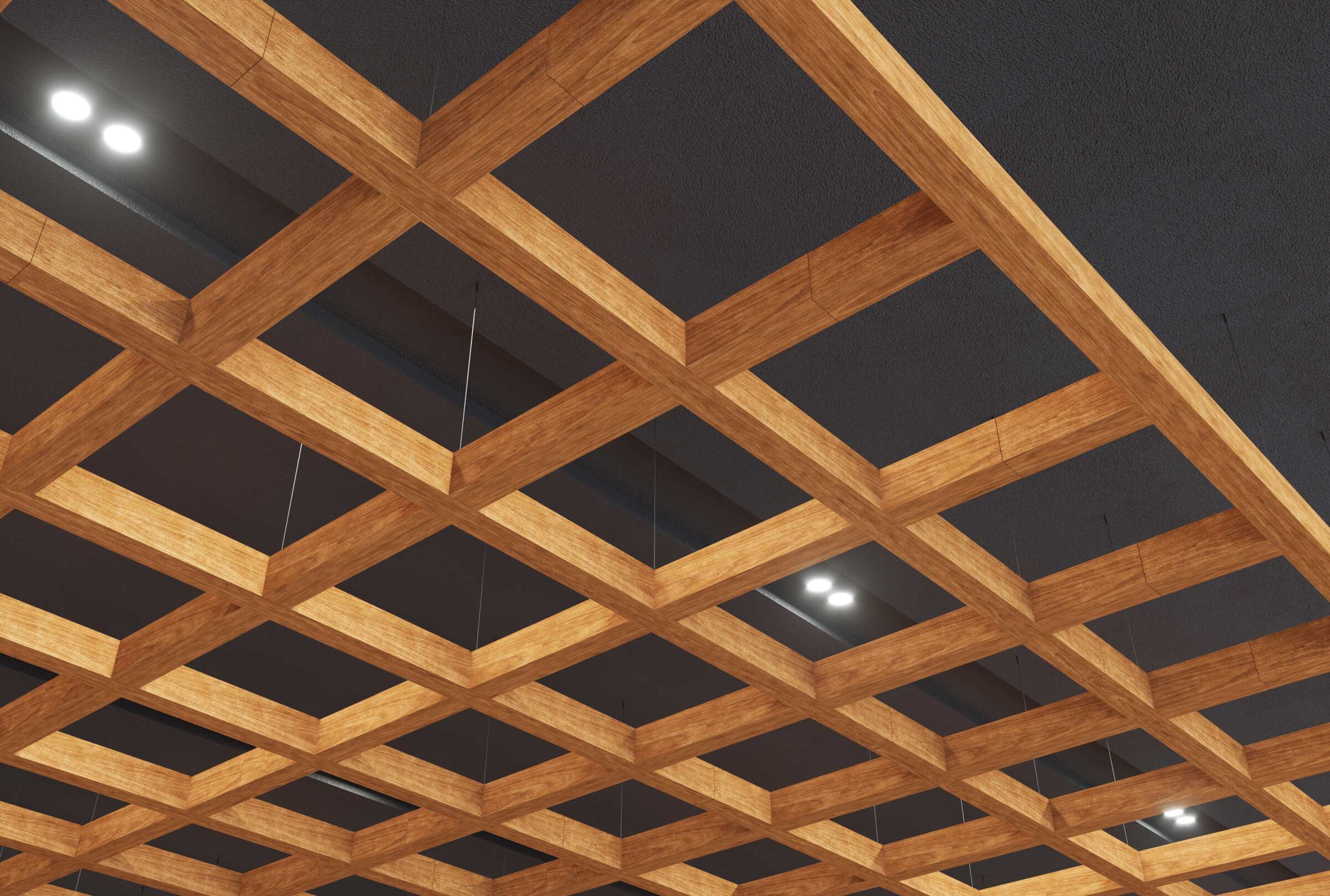
This is not a negative characteristic — it simply needs to be explicit in the coordination model. The benefit of a baffle system is that it does not create a fully enclosed void above. Services can be routed between and above baffles without creating inaccessible zones.
Open Structure — The Coordination Advantage
NOWN’s Atmosphera® system is designed with an open structure specifically to facilitate above-ceiling access. Individual fins are removable without tools or specialist trades, which means MEP installation, commissioning, and maintenance can proceed without waiting for ceiling trades to create access panels.
This is a practical advantage on projects where services commissioning and ceiling installation are running in parallel — which is common on tight commercial programmes.
Manufactured to Dimension
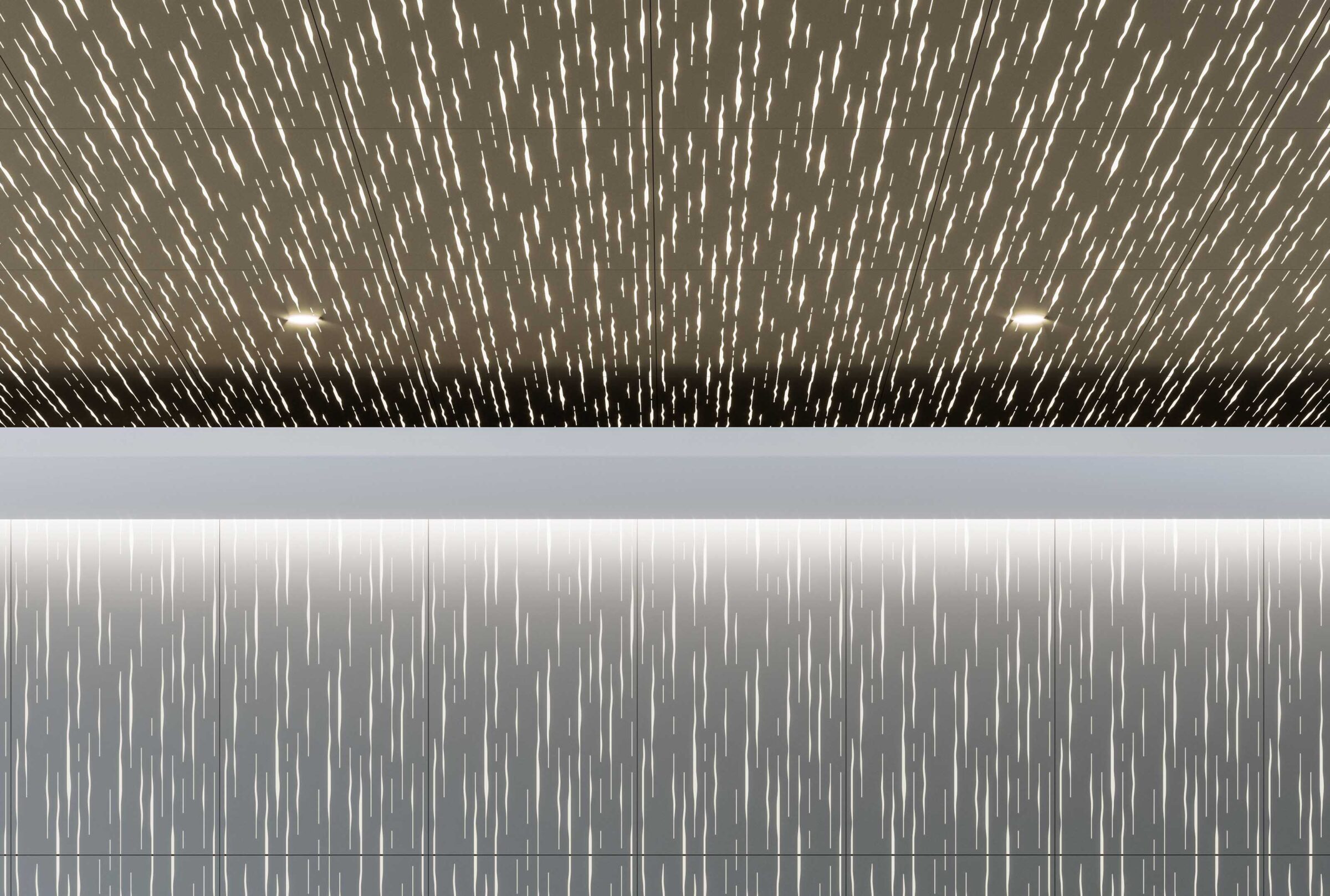
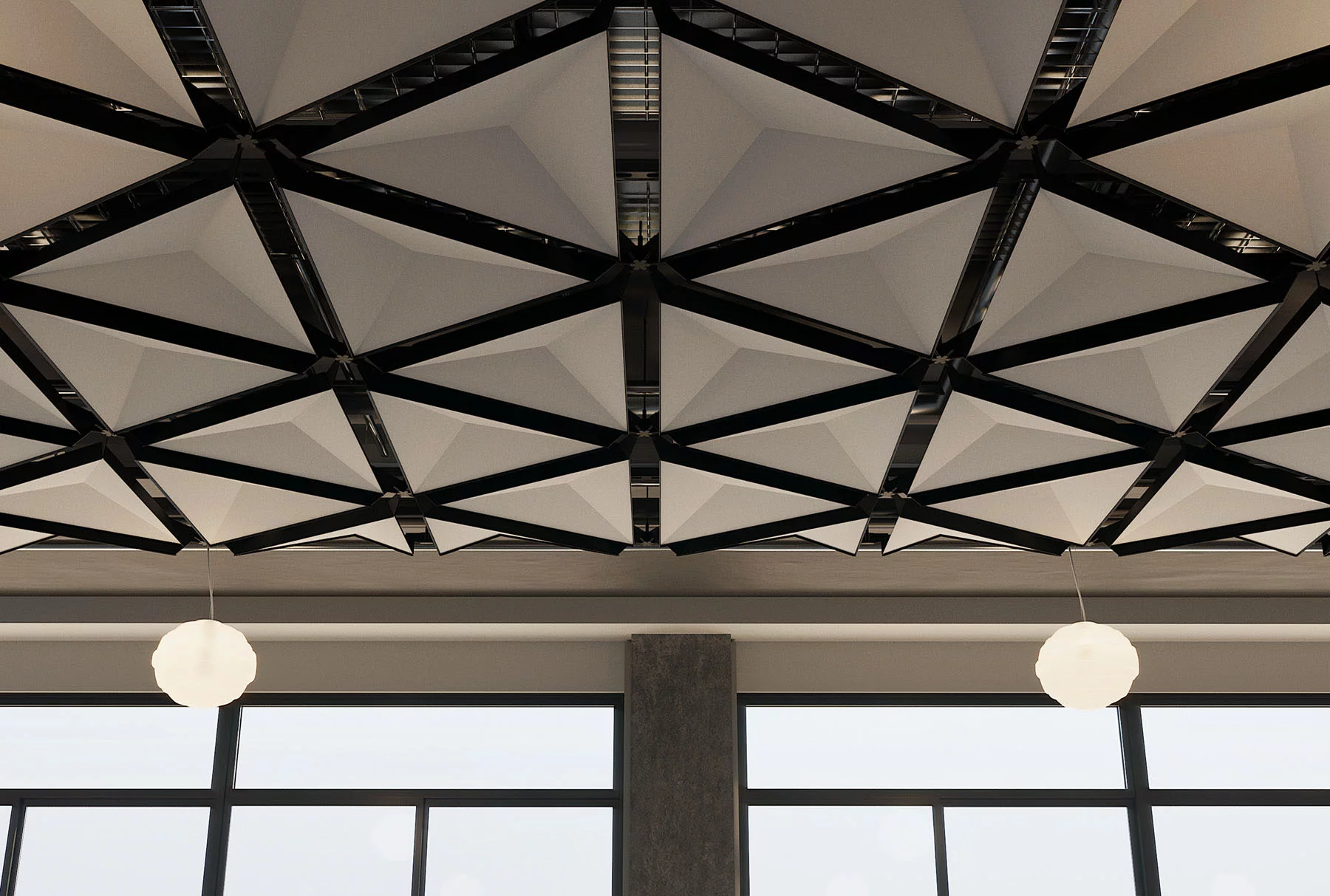
Another coordination benefit of NOWN’s approach is dimensional precision. Modules manufactured to project specification arrive with correct dimensions for the coordination model. There are no field trimming adjustments that would shift the ceiling geometry relative to the services layout. The as-installed ceiling matches the coordinated design.
CircuLUM™ aluminium components are fabricated to the dimensions specified in the coordination model. The material’s dimensional stability under temperature variation is consistent with the performance expected in a commercial ceiling environment.