
The Architect’s Guide to Specifying Ceiling Systems for Cultural and Public Buildings
April 30, 2026
·2 min read
Cultural buildings place unique demands on ceiling systems — performance requirements are high, design ambition is significant, and the programme is often constrained. Here’s how to navigate the specification.
Cultural buildings occupy a particular place in the architectural landscape. They are typically high-profile, high-scrutiny commissions where design quality is expected to be exemplary. They often have complex acoustic requirements — performance spaces, exhibition halls, libraries, and public foyers each have different acoustic profiles. And they frequently operate under constrained programmes and complex stakeholder environments.
Ceiling specification in this context needs to resolve design ambition, acoustic performance, and installation logic simultaneously.
Acoustic Requirements Across Space Types
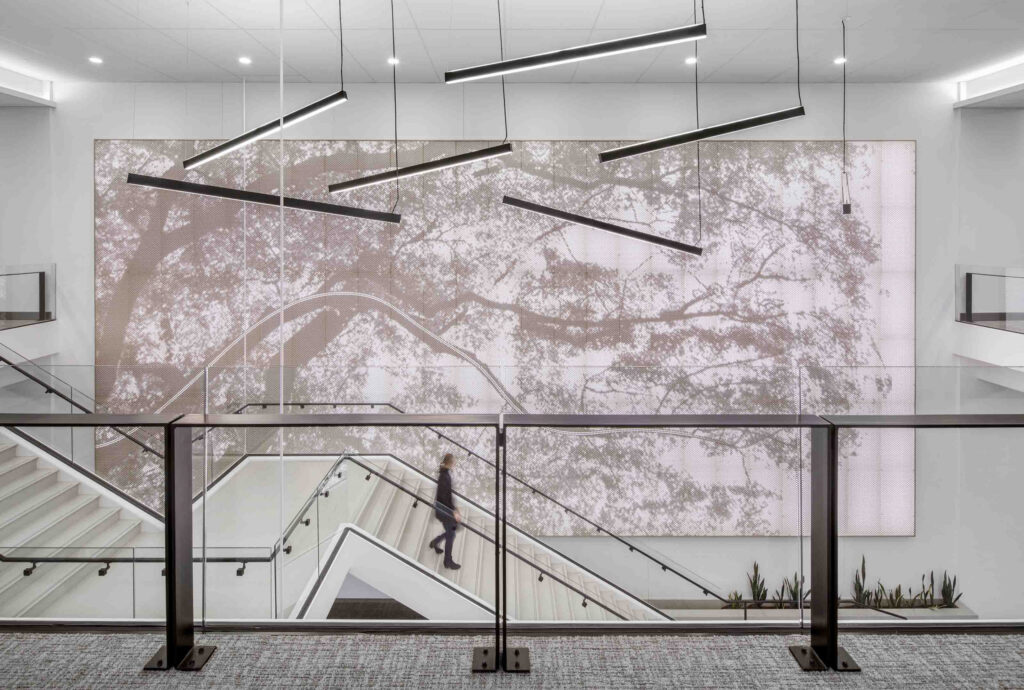
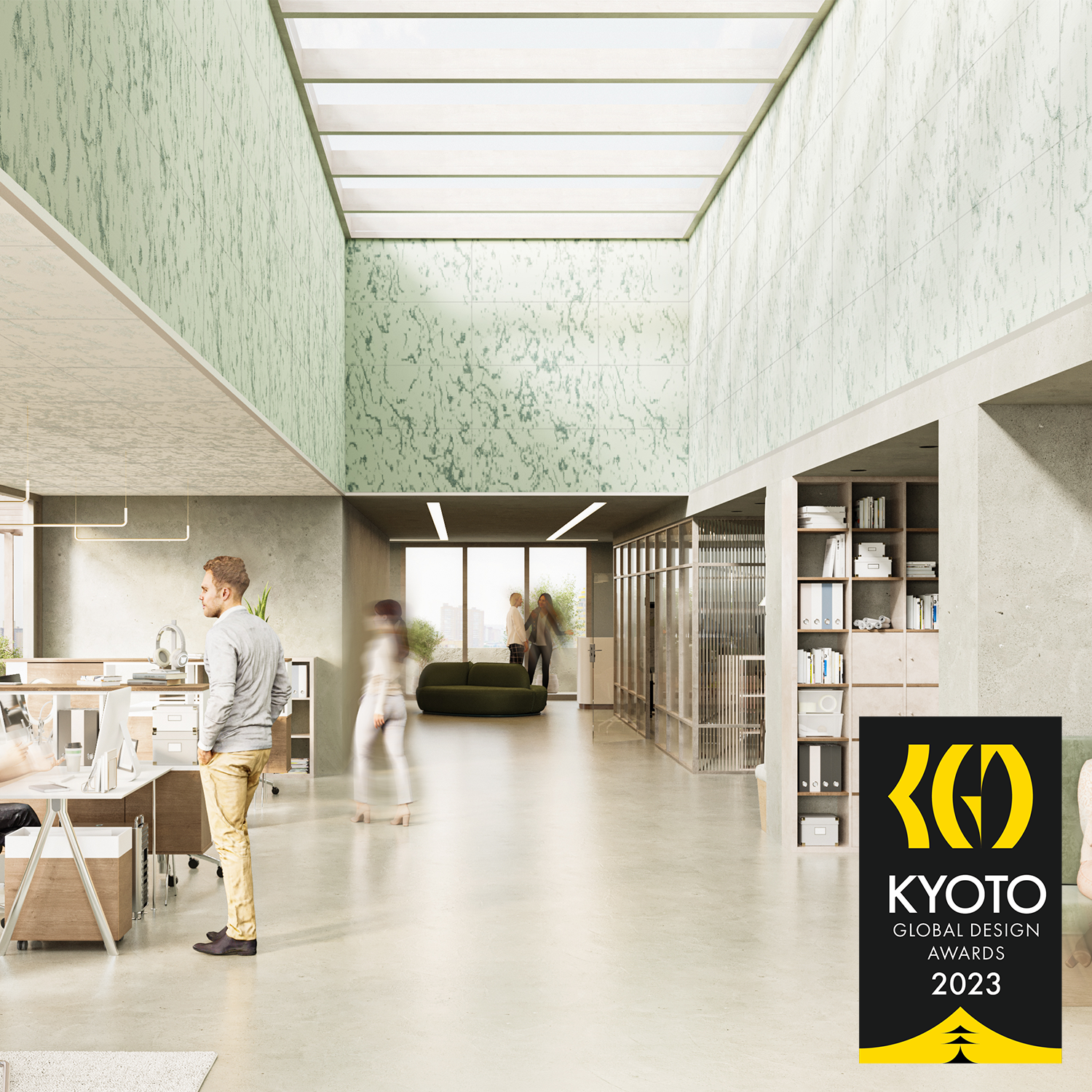
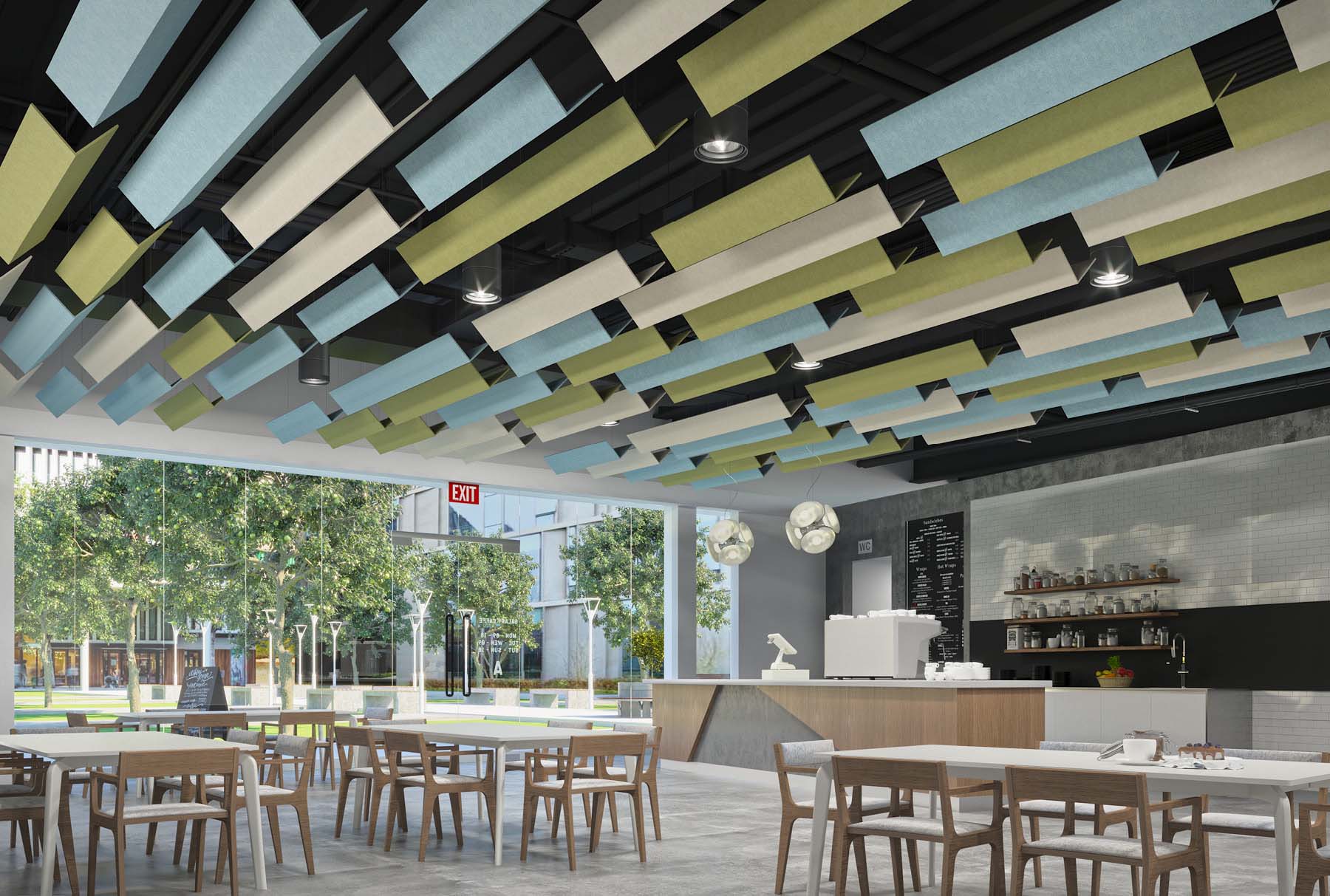
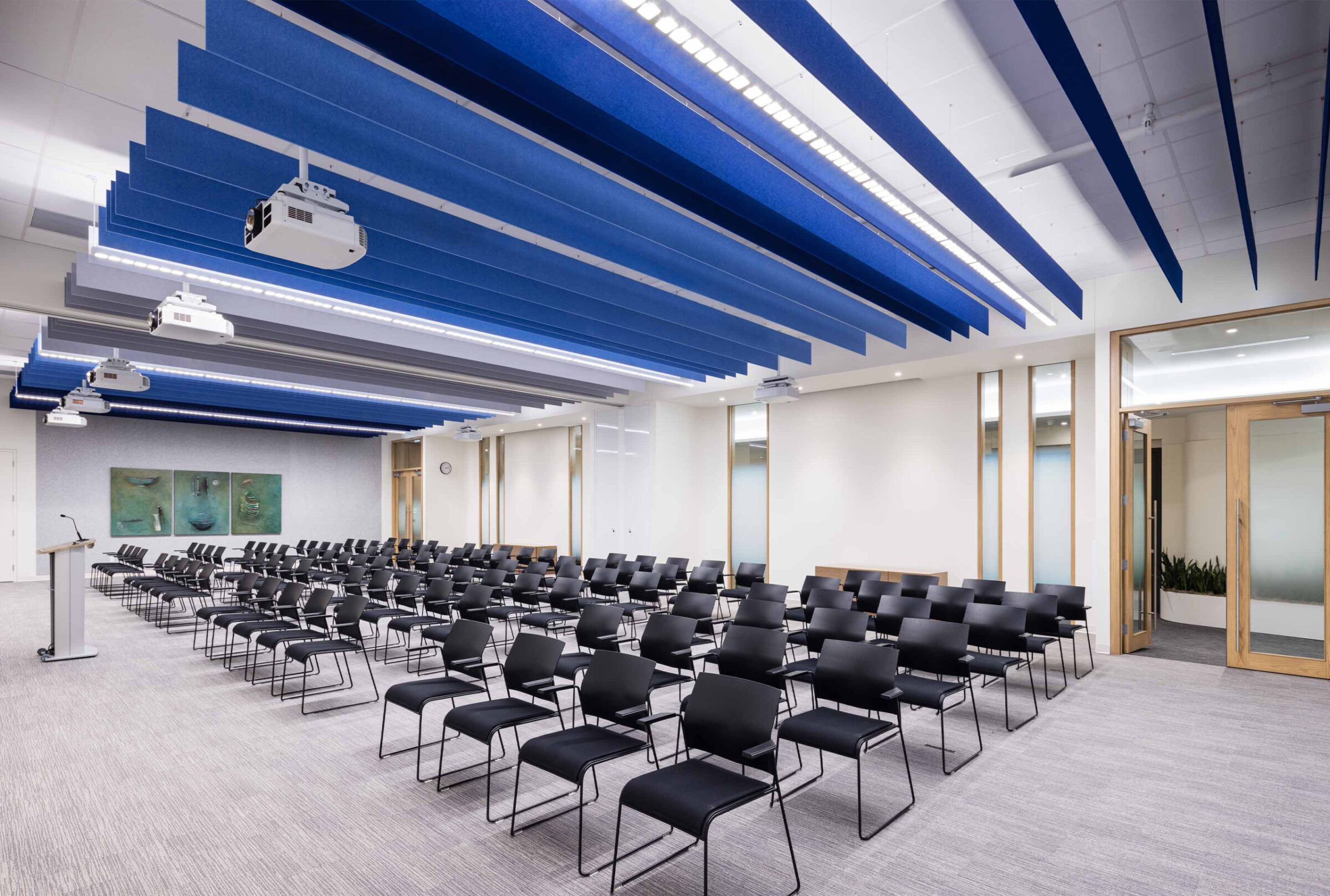
A museum exhibition hall, a library reading room, and a public foyer have different acoustic targets. Exhibition halls typically require acoustic absorption to prevent reflections from hard surfaces creating a confusing sound environment for exhibition content. Libraries require low reverberation to support quiet concentration. Public foyers need to manage crowd noise without deadening the spatial quality that makes them successful gathering spaces.
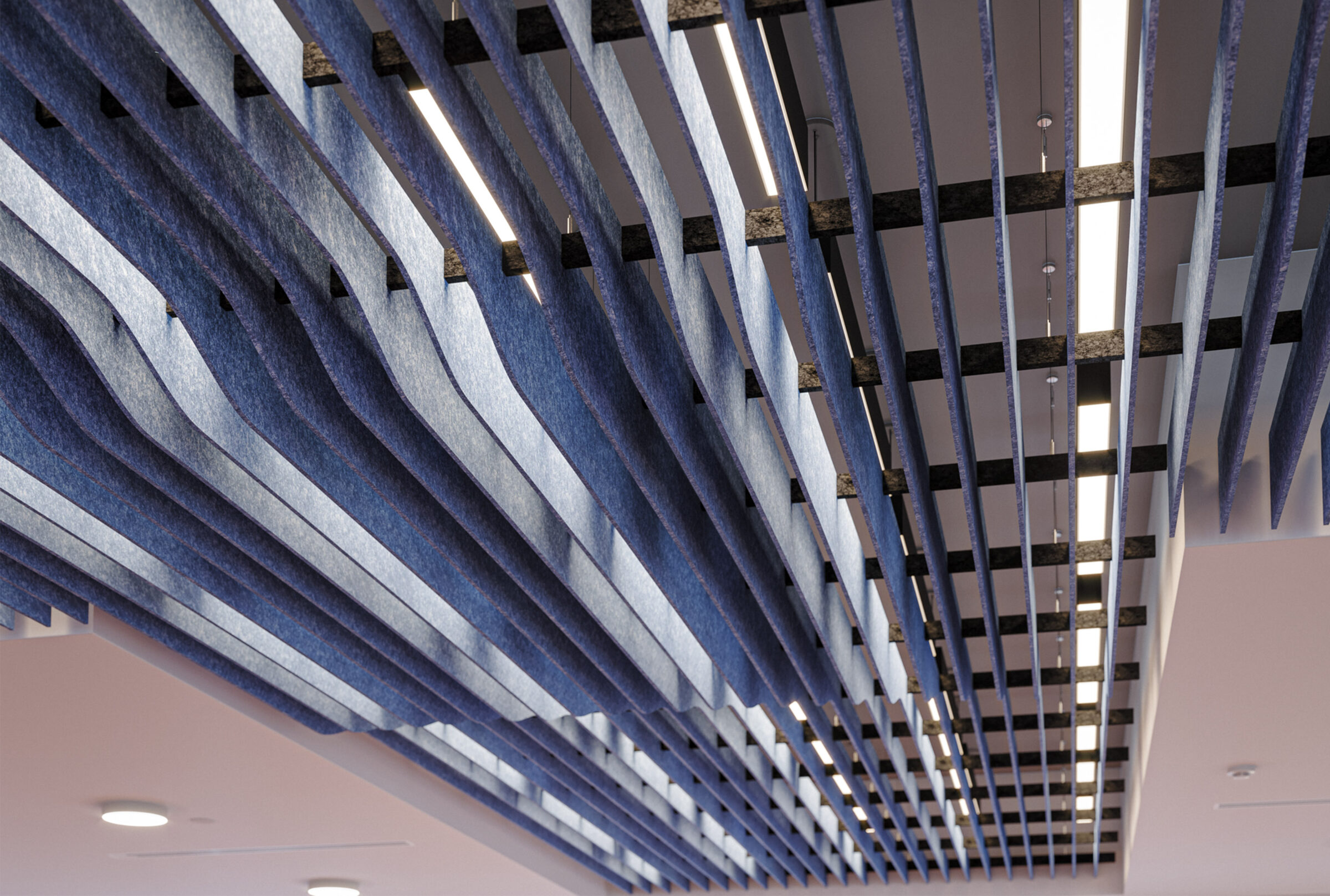
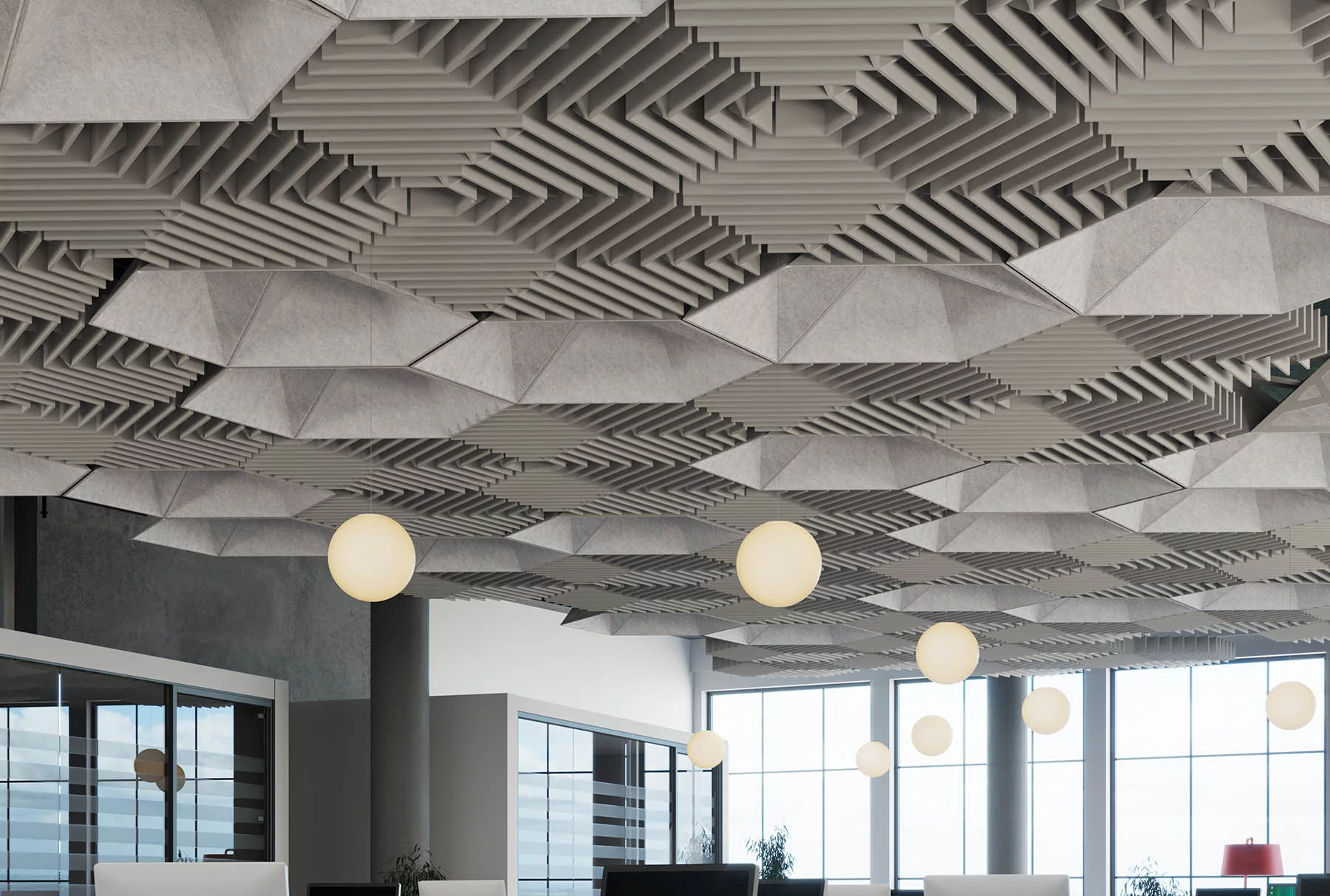
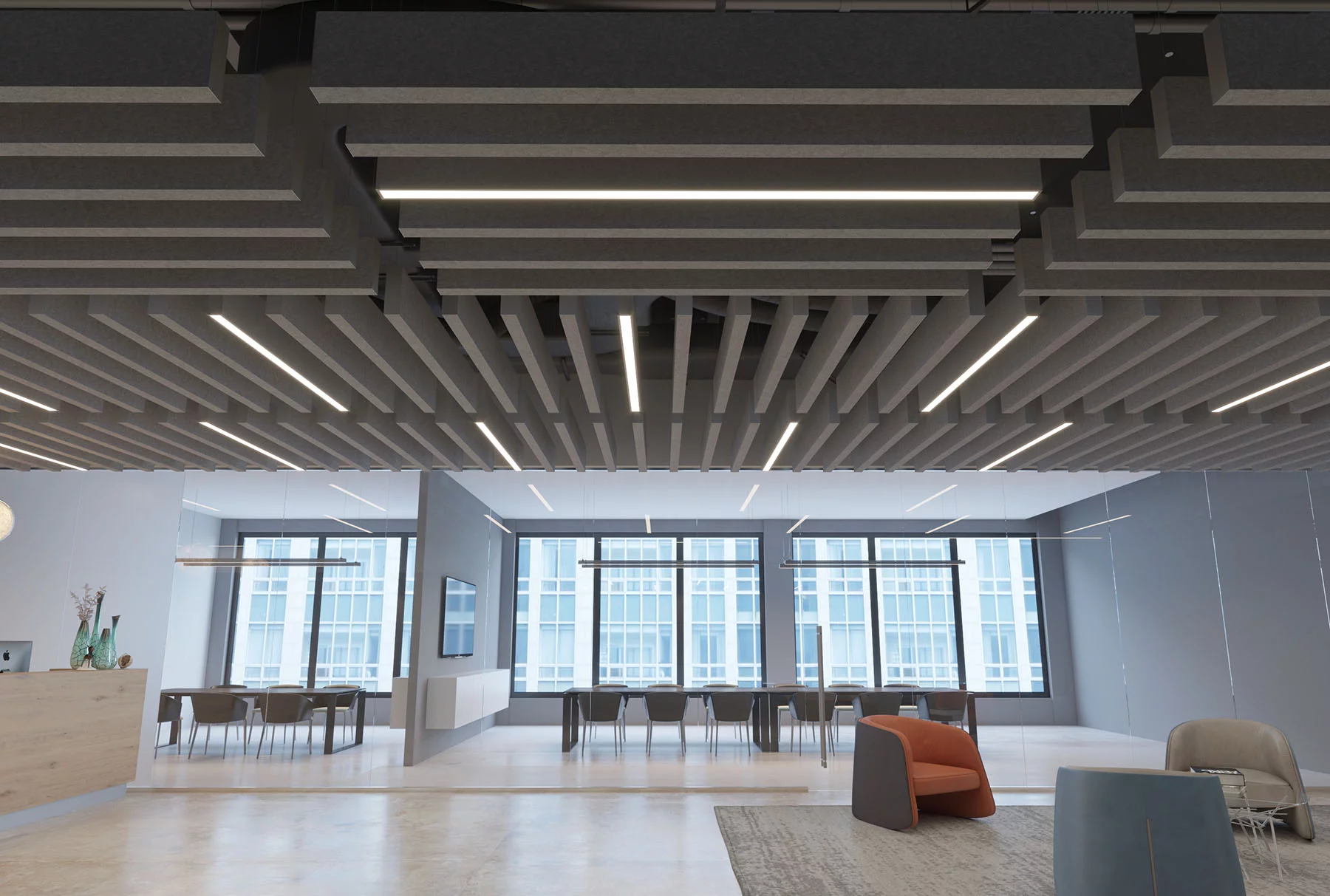
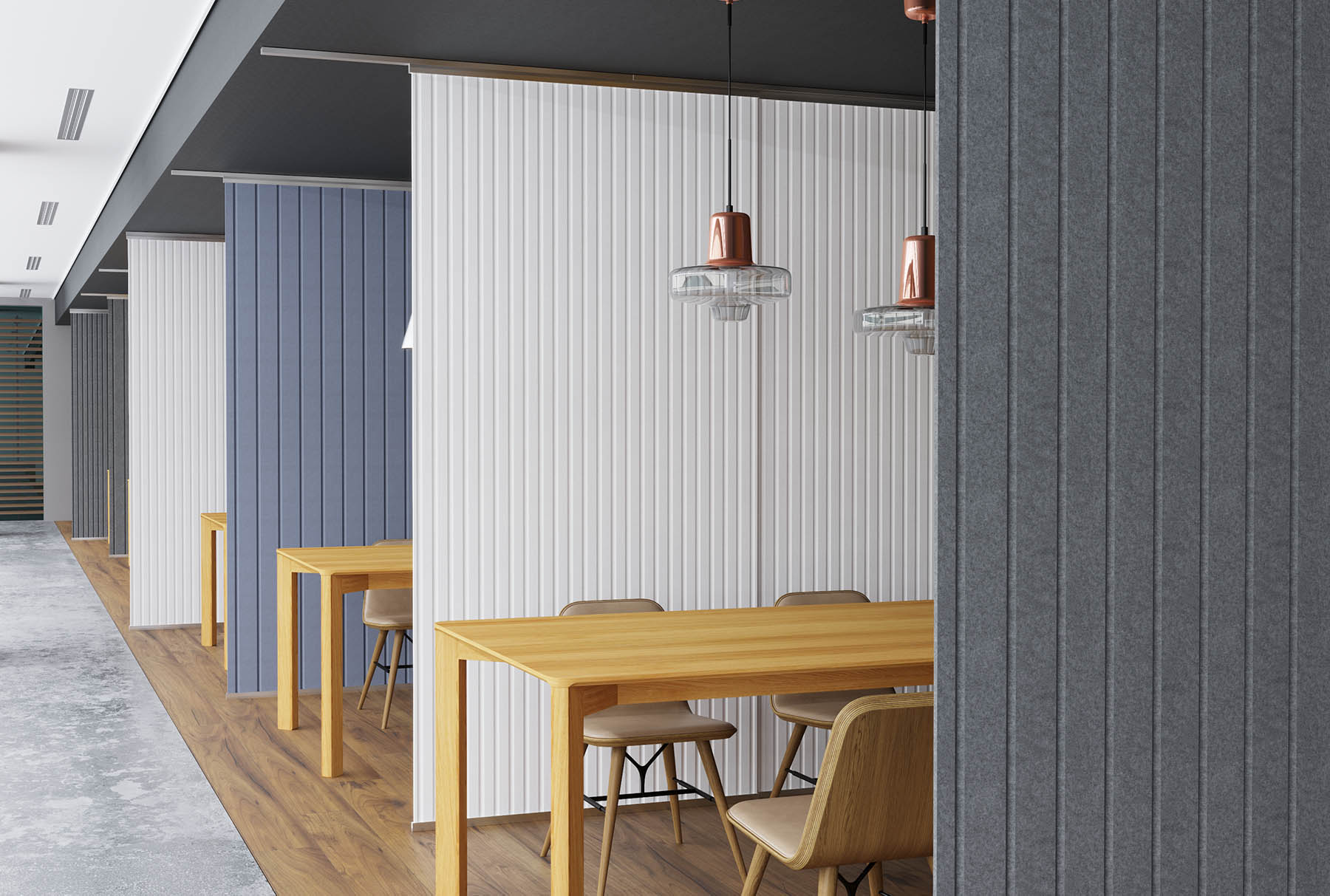
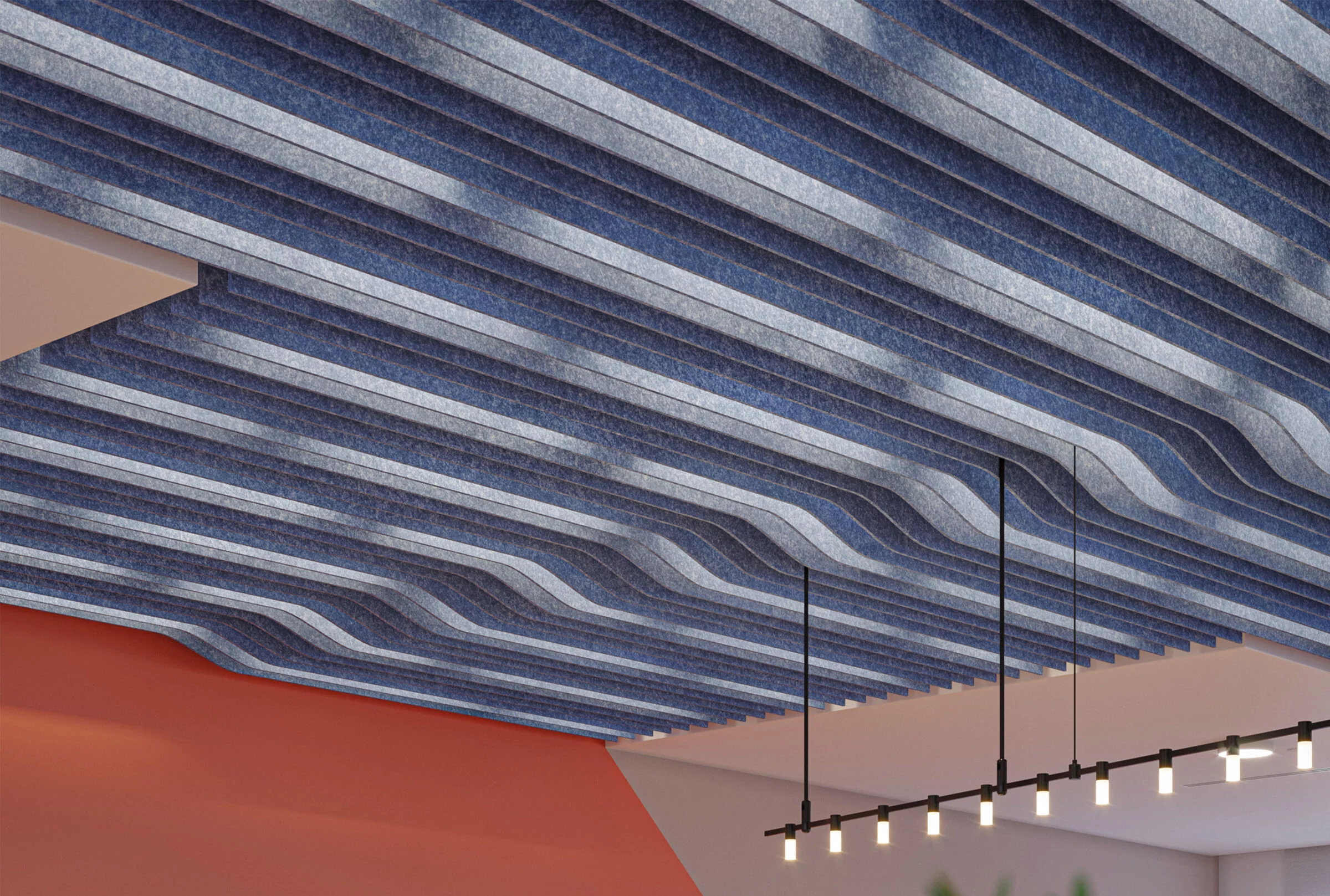
Ceiling systems that can be configured — in fin depth, material density, coverage percentage — to meet these different targets within a consistent design language are well-suited to cultural building programmes.
Design Ambition and Material Presence
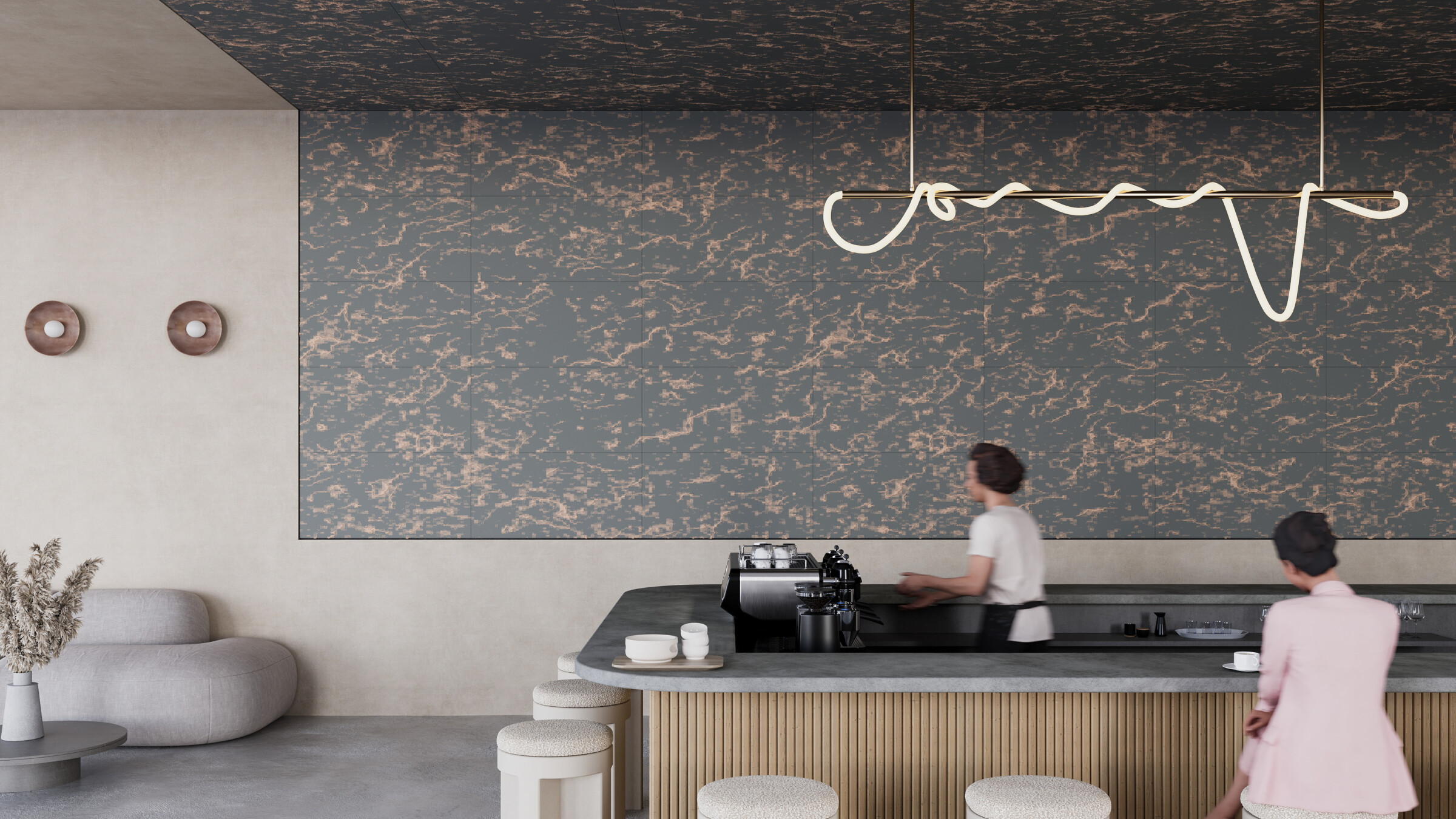
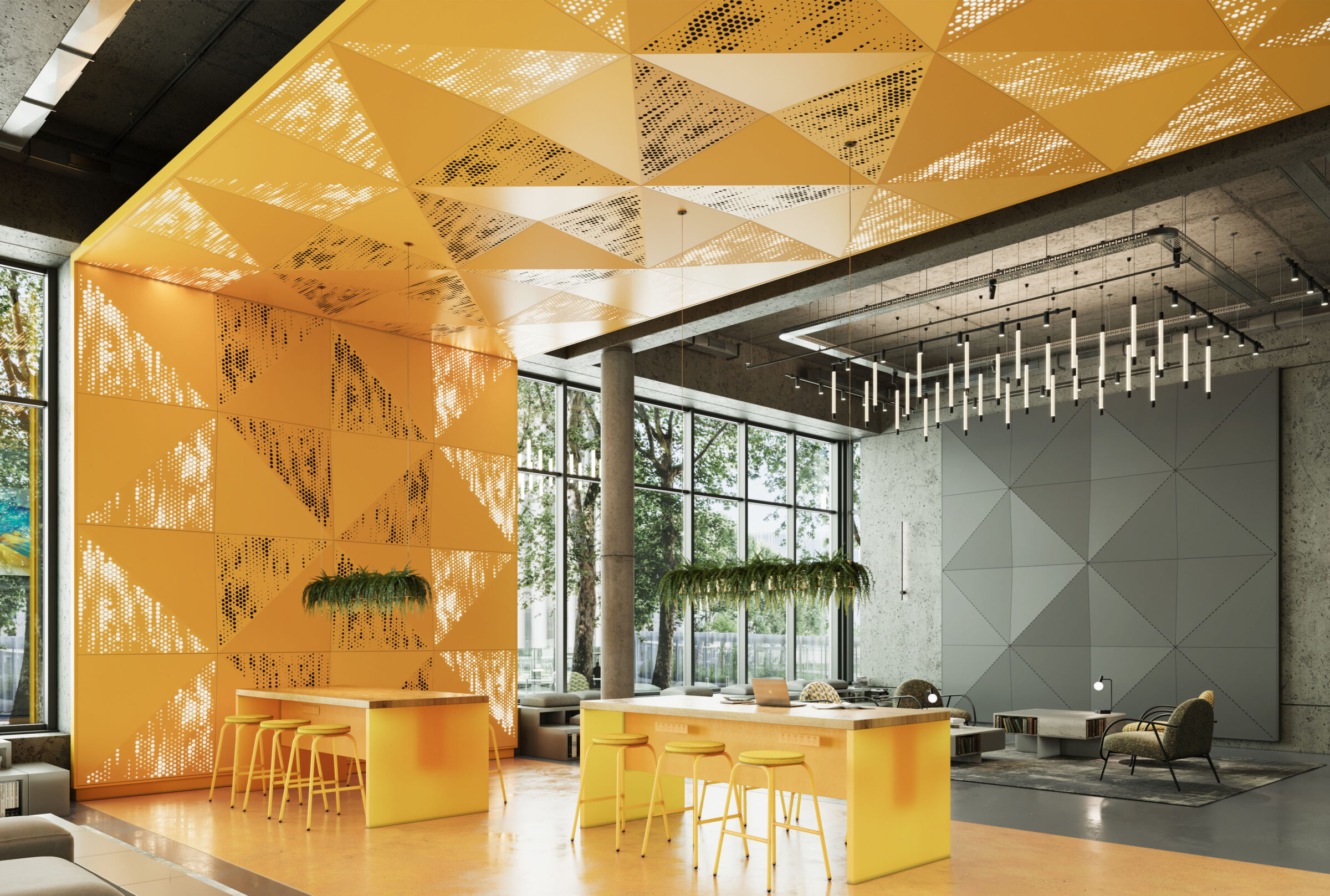
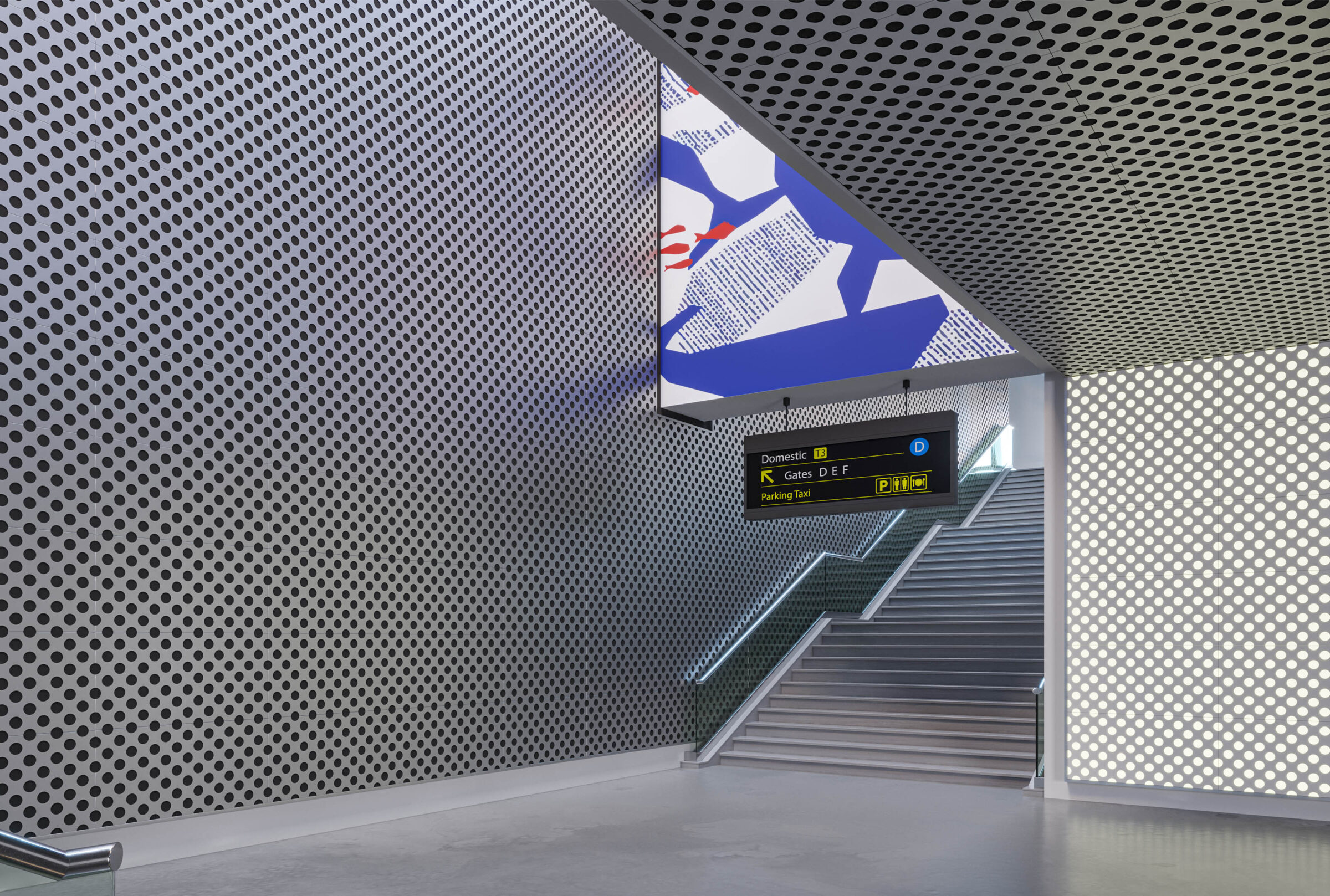
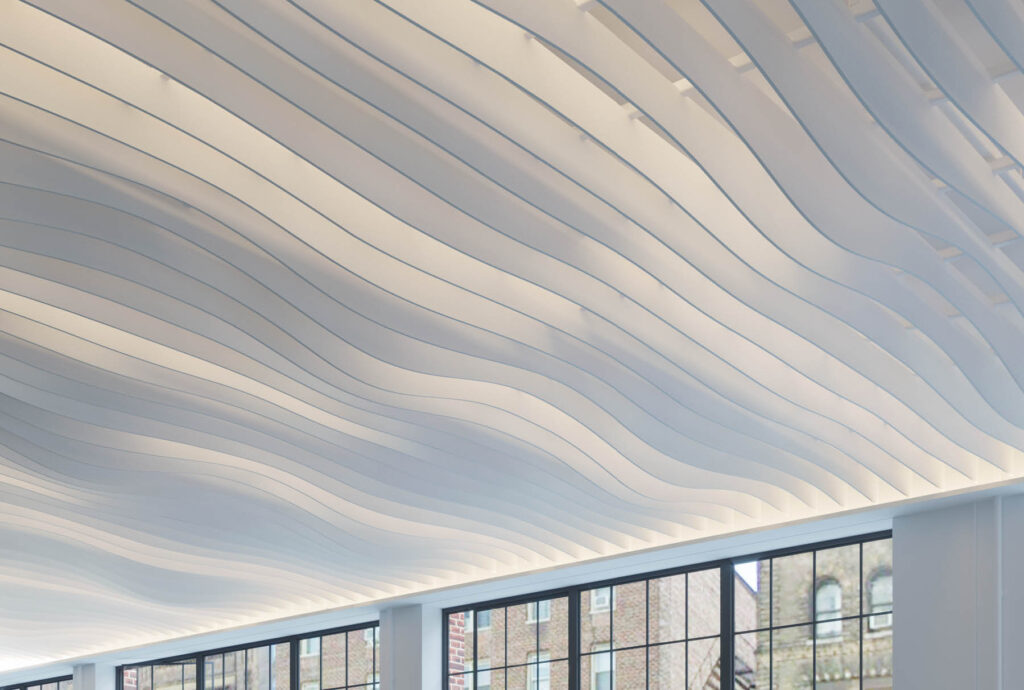
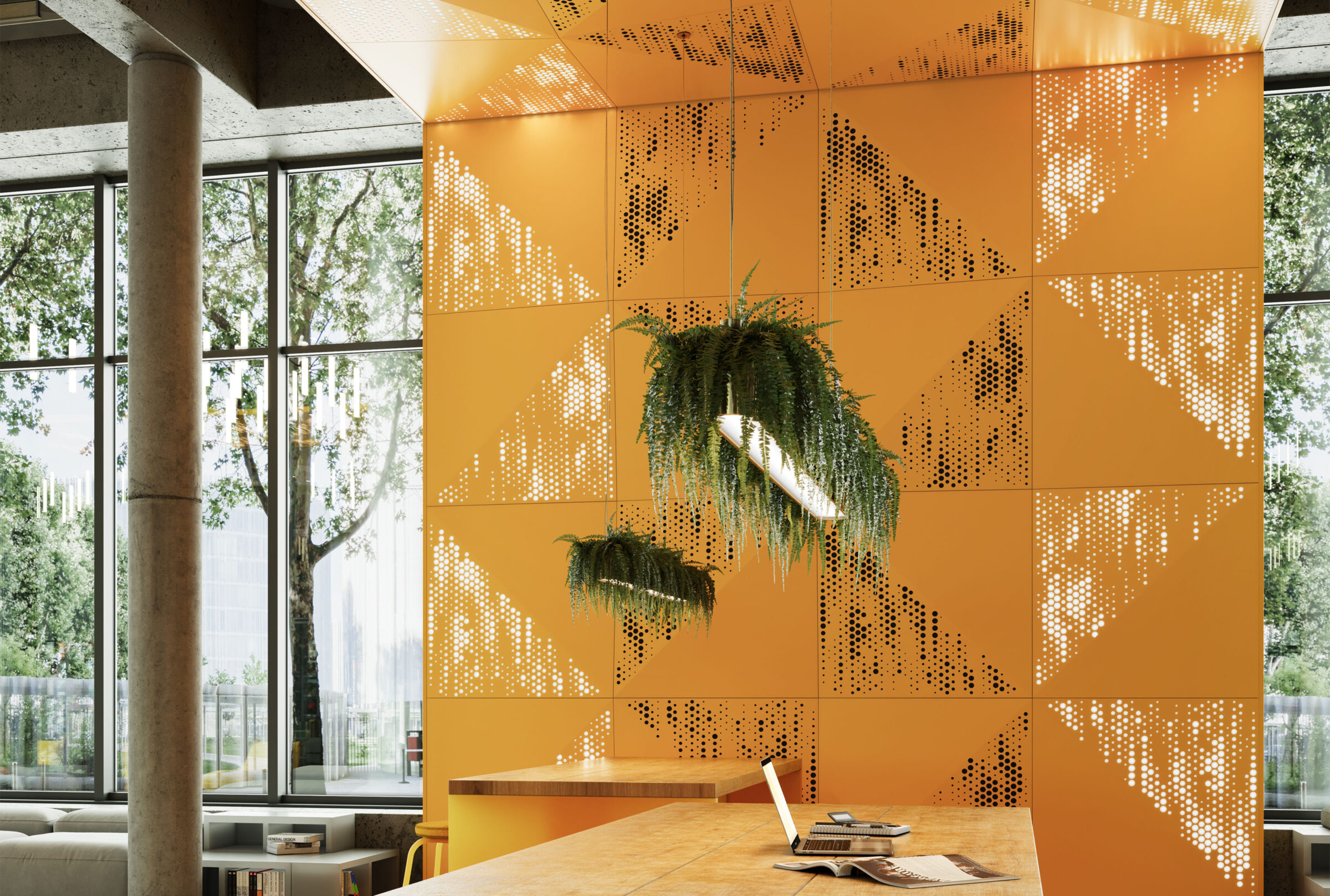
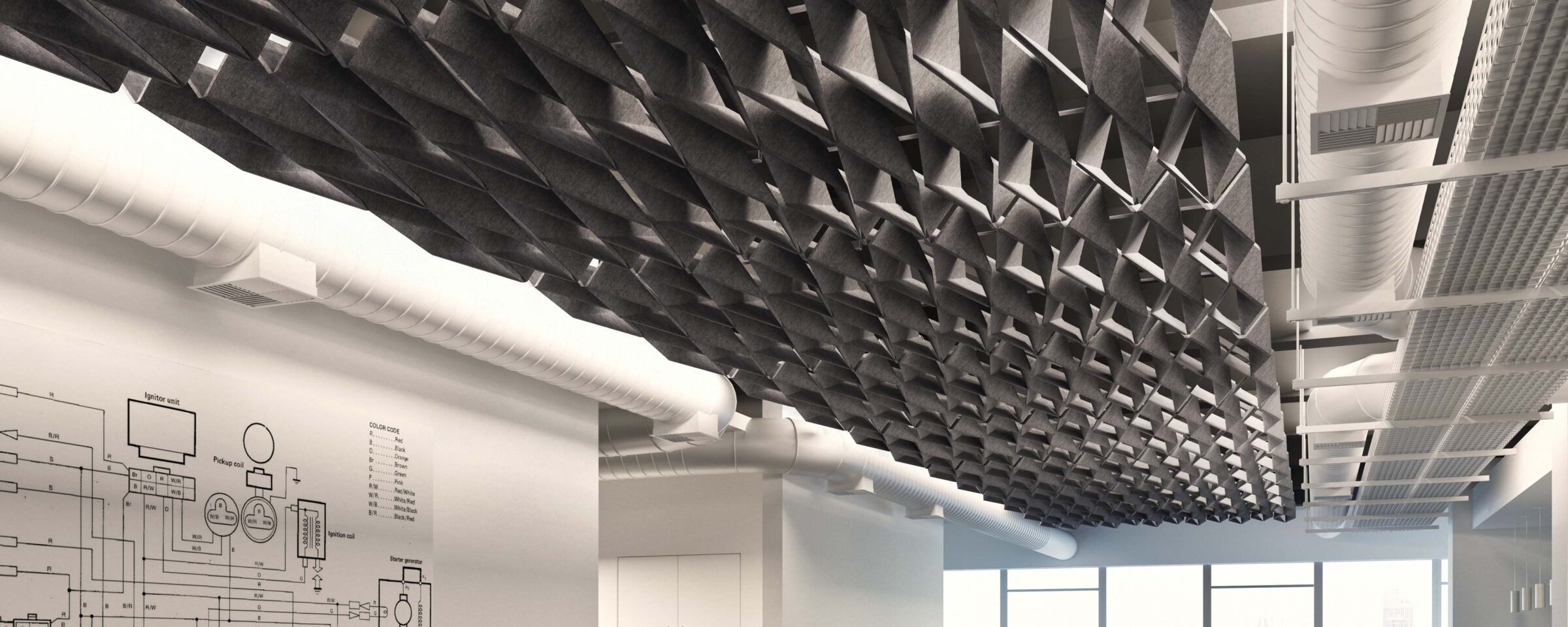
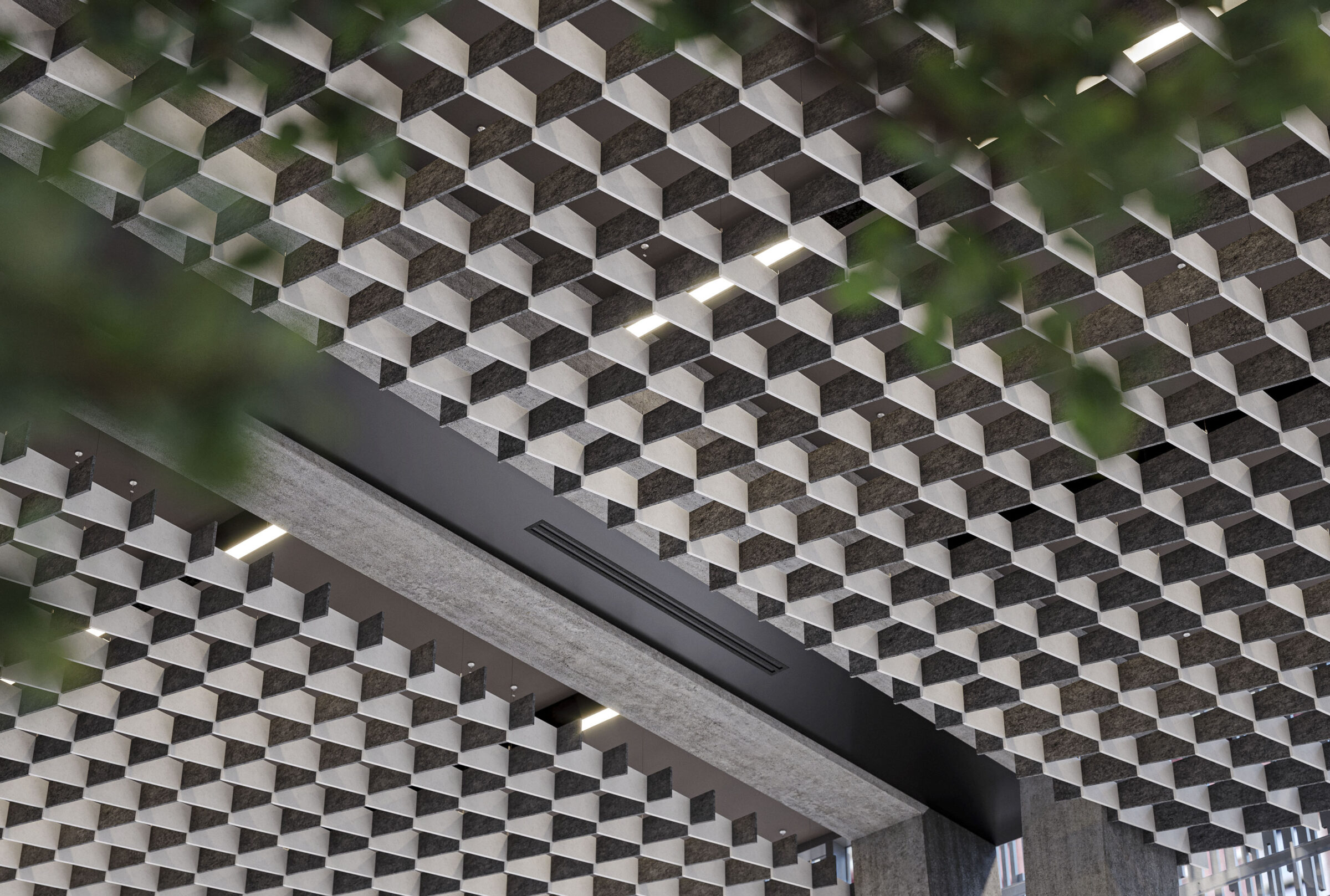
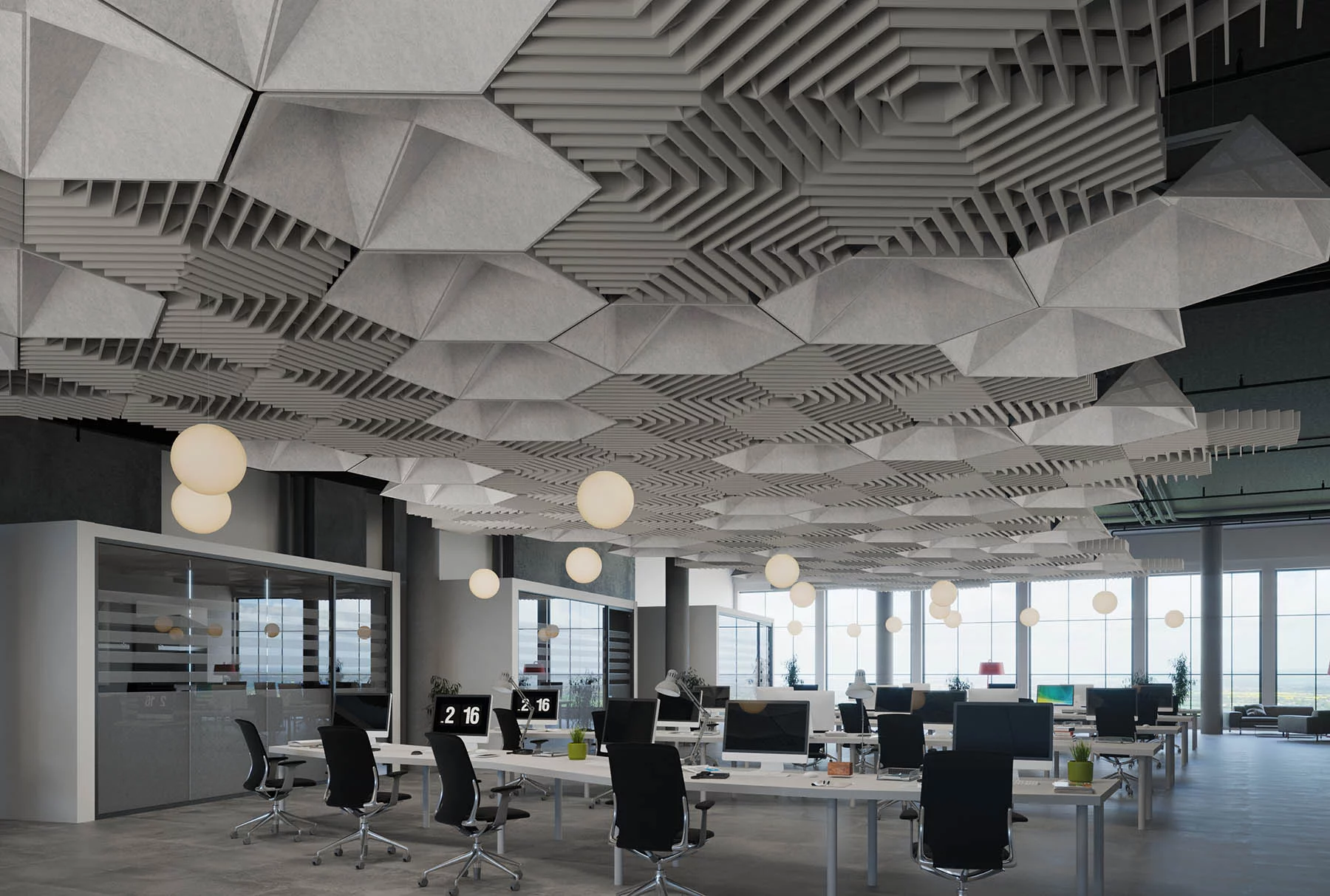
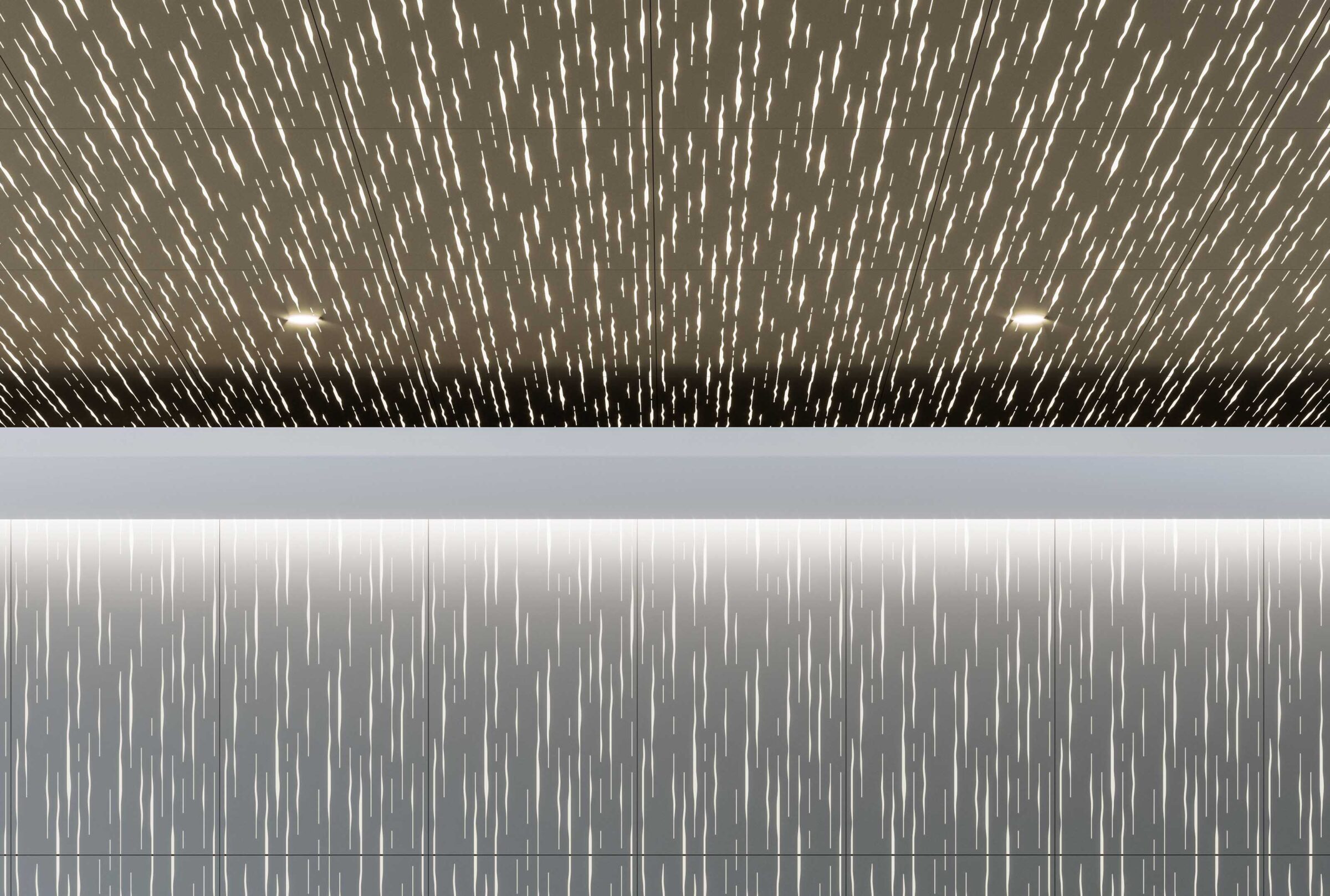
Cultural buildings are environments where material selection is expected to be considered. A feature ceiling that introduces material depth and visual interest — rather than a generic acoustic tile — communicates design intention to occupants and contributes to the institutional identity of the building.
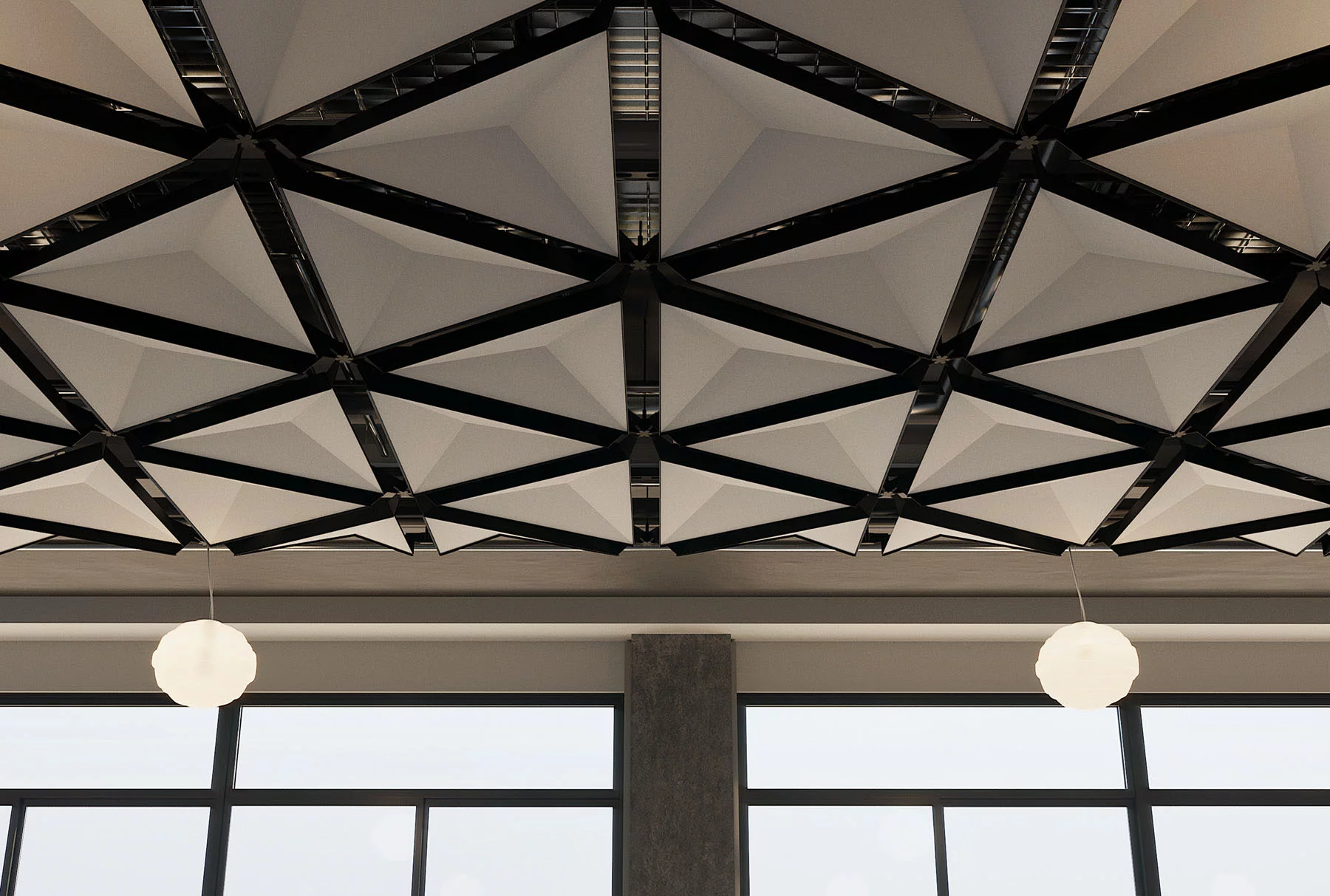
NOWN’s InfiKnit™ system, with its three-dimensional textile geometry produced by 3D knitting, provides material presence appropriate to cultural interiors. The system installs on a concealed CircuLUM™ aluminium frame, with no visible hardware at the face surface. It is produced with zero material waste in manufacturing — a relevant characteristic for cultural institutions with documented sustainability commitments.
Programme Considerations
Cultural building programmes are often driven by opening dates with significant public visibility. Ceiling installation delays are high-consequence. NOWN products arrive manufactured to project specification, with no field trimming required — a direct reduction in installation programme risk.
Explore InfiKnit™ for cultural and public building applications →