
Custom Perforated Steel: How VEIL Is Manufactured
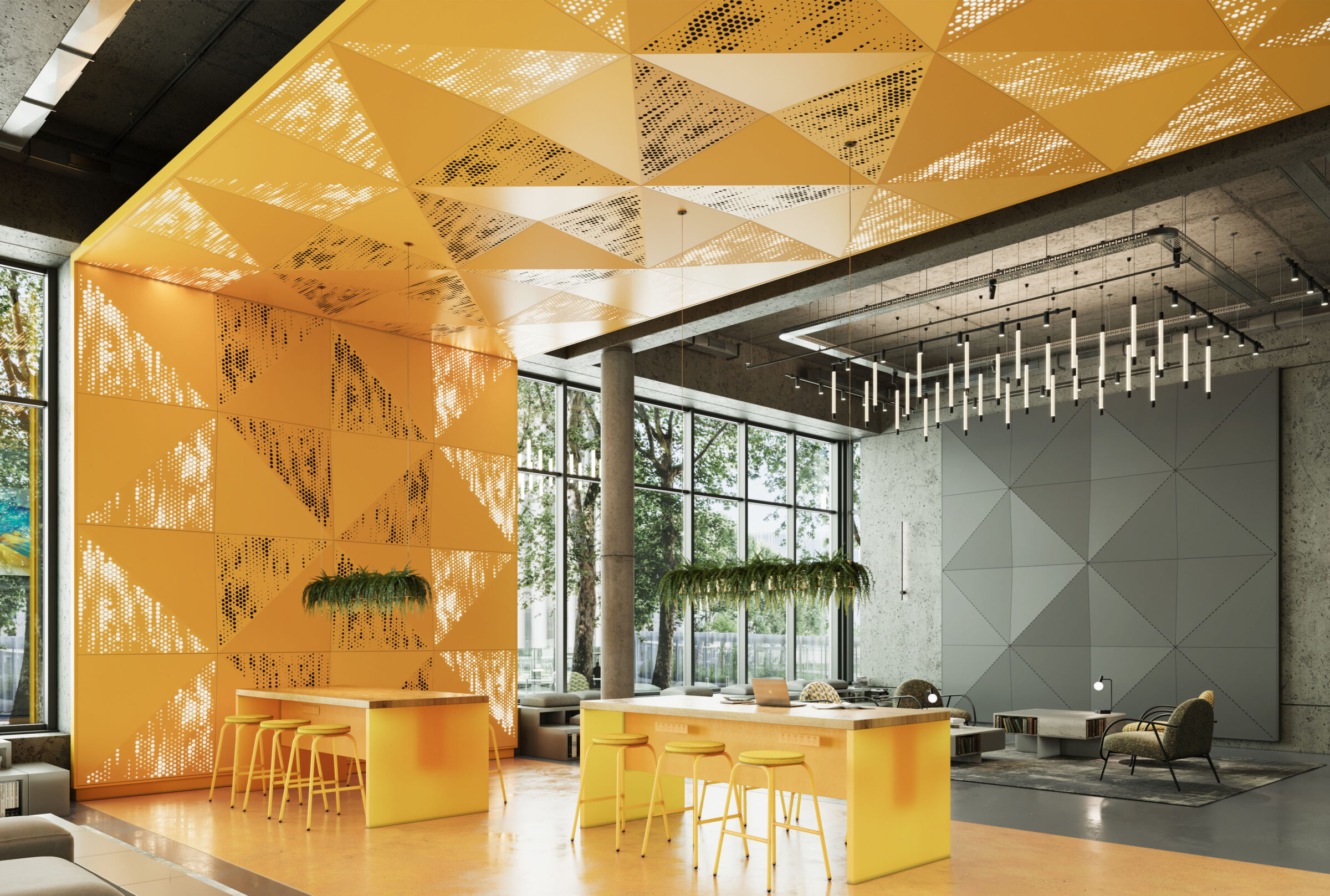
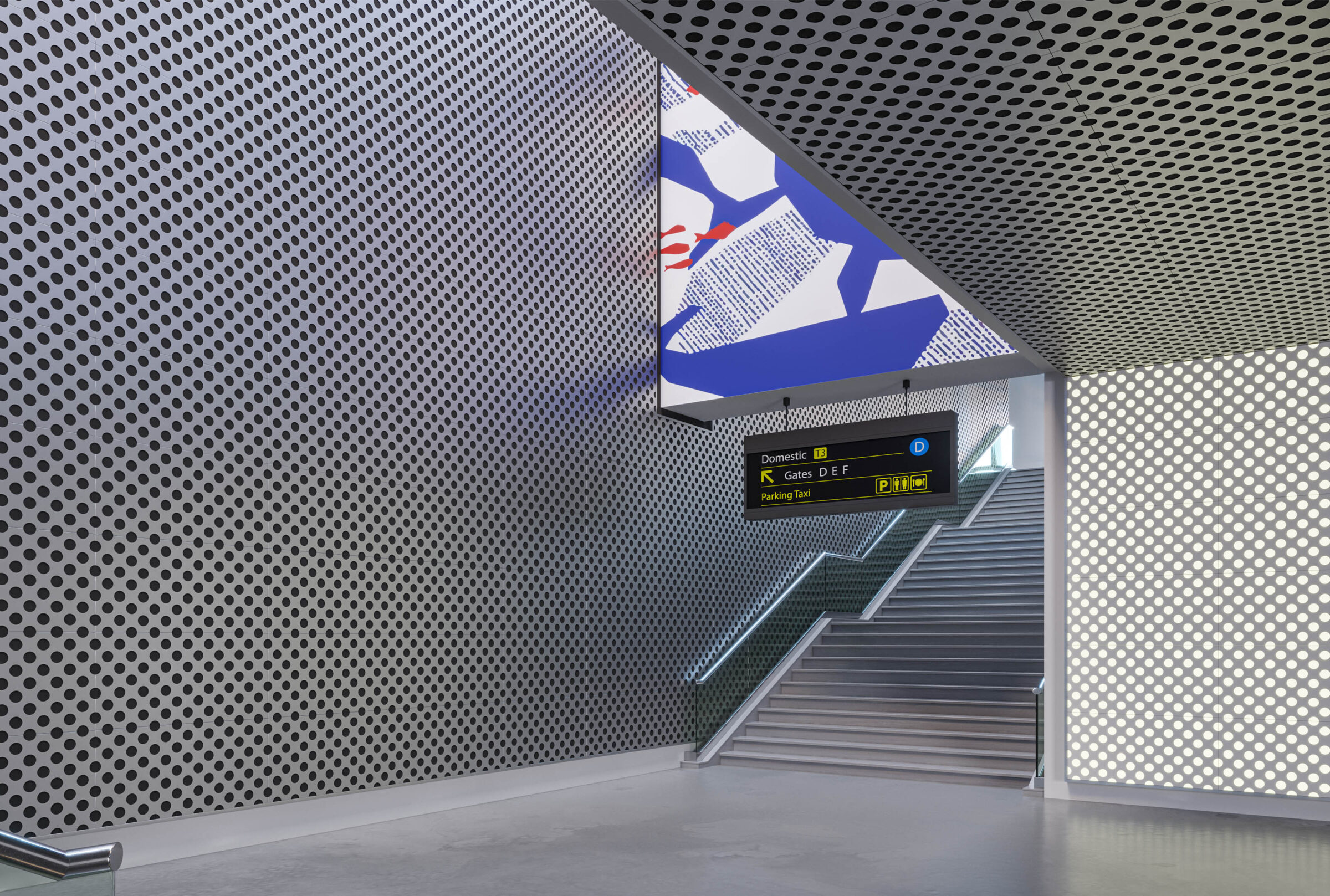
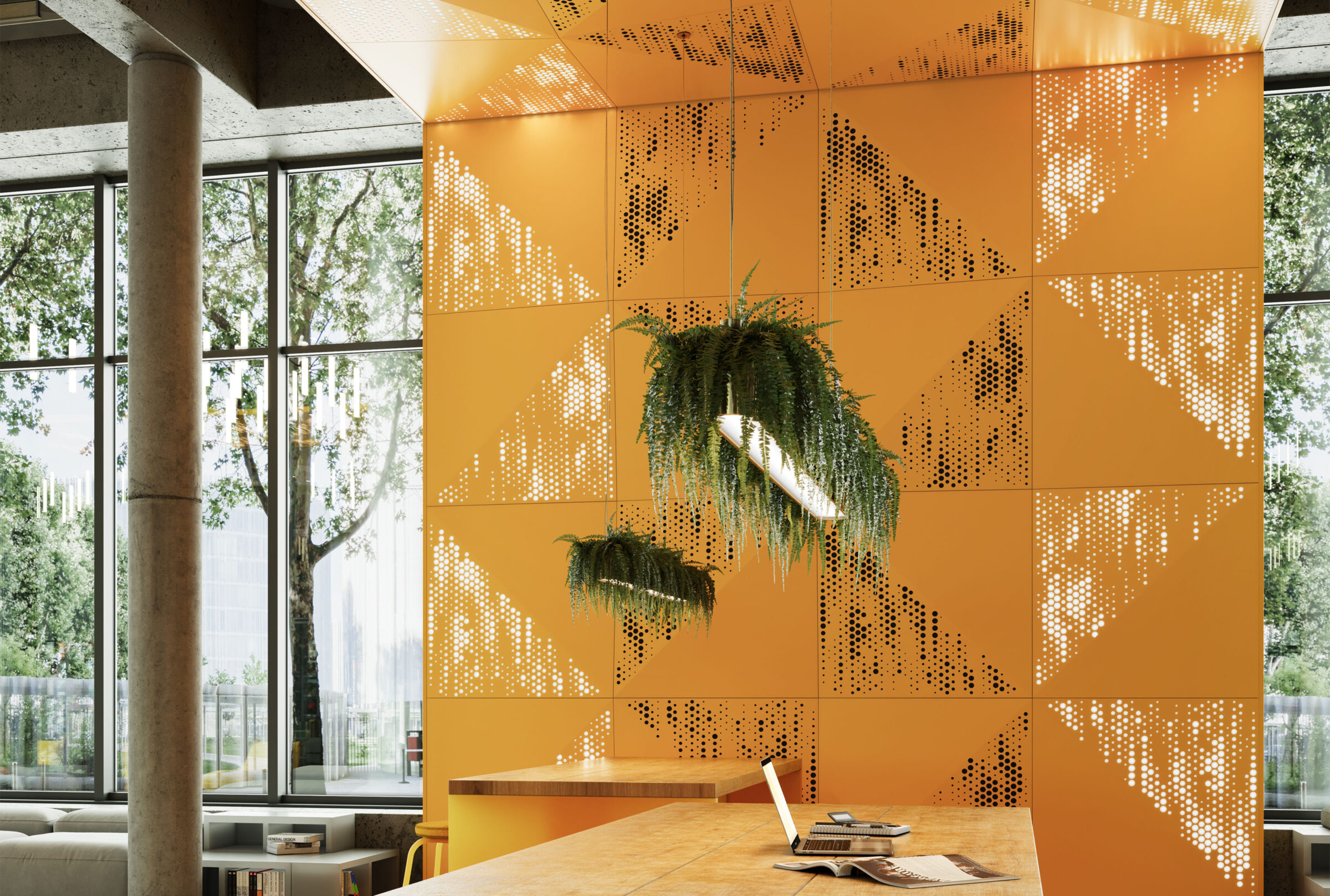
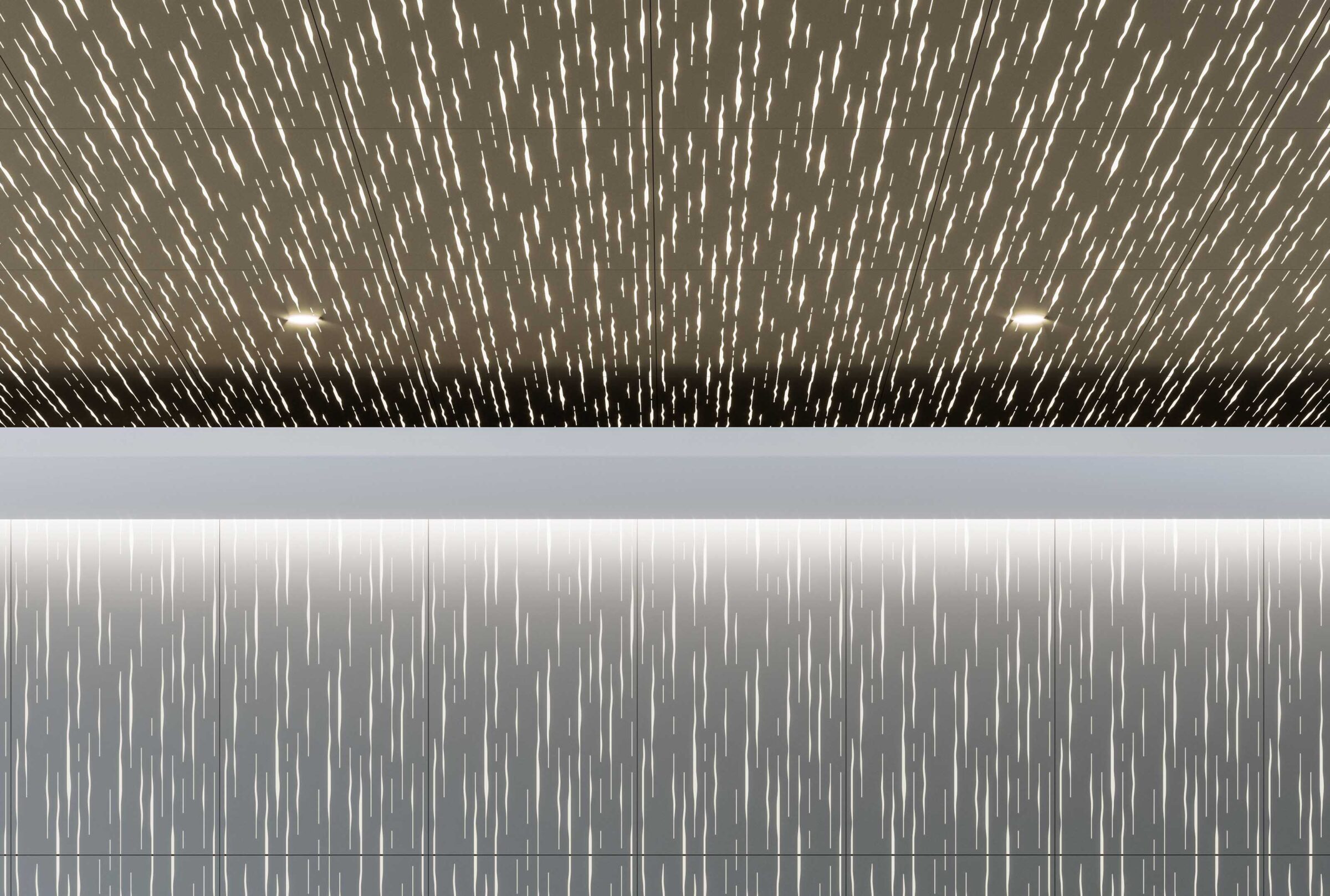
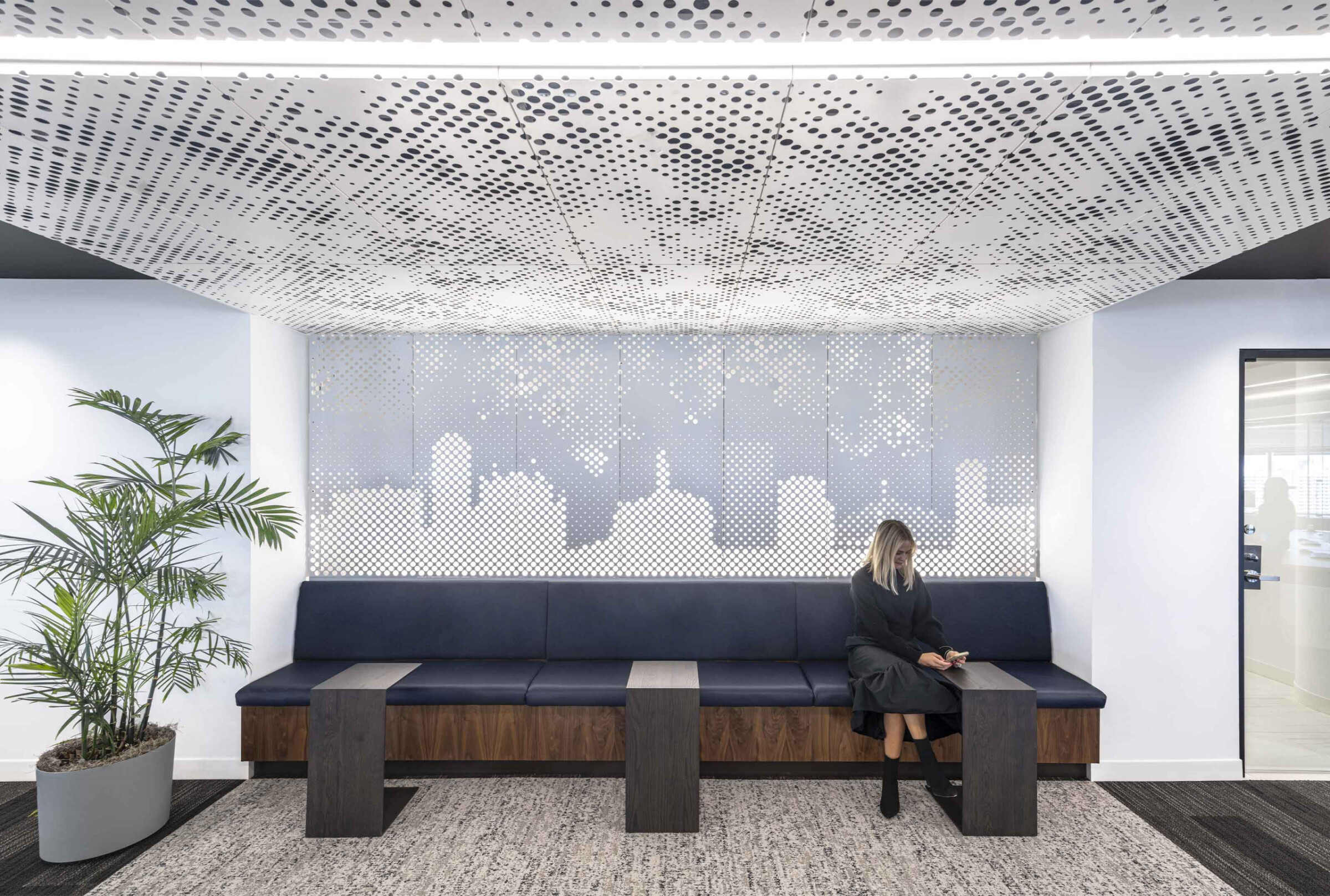
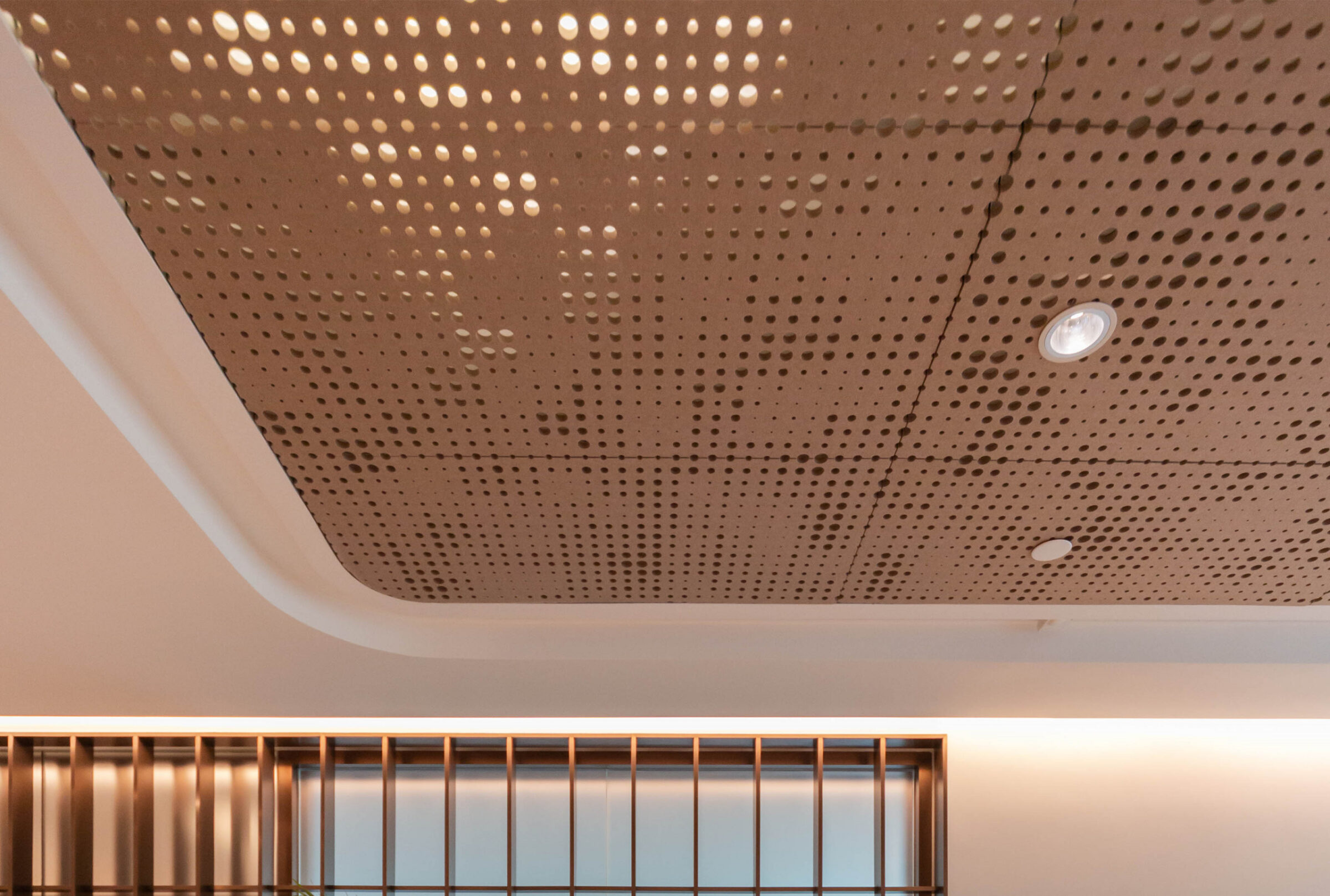
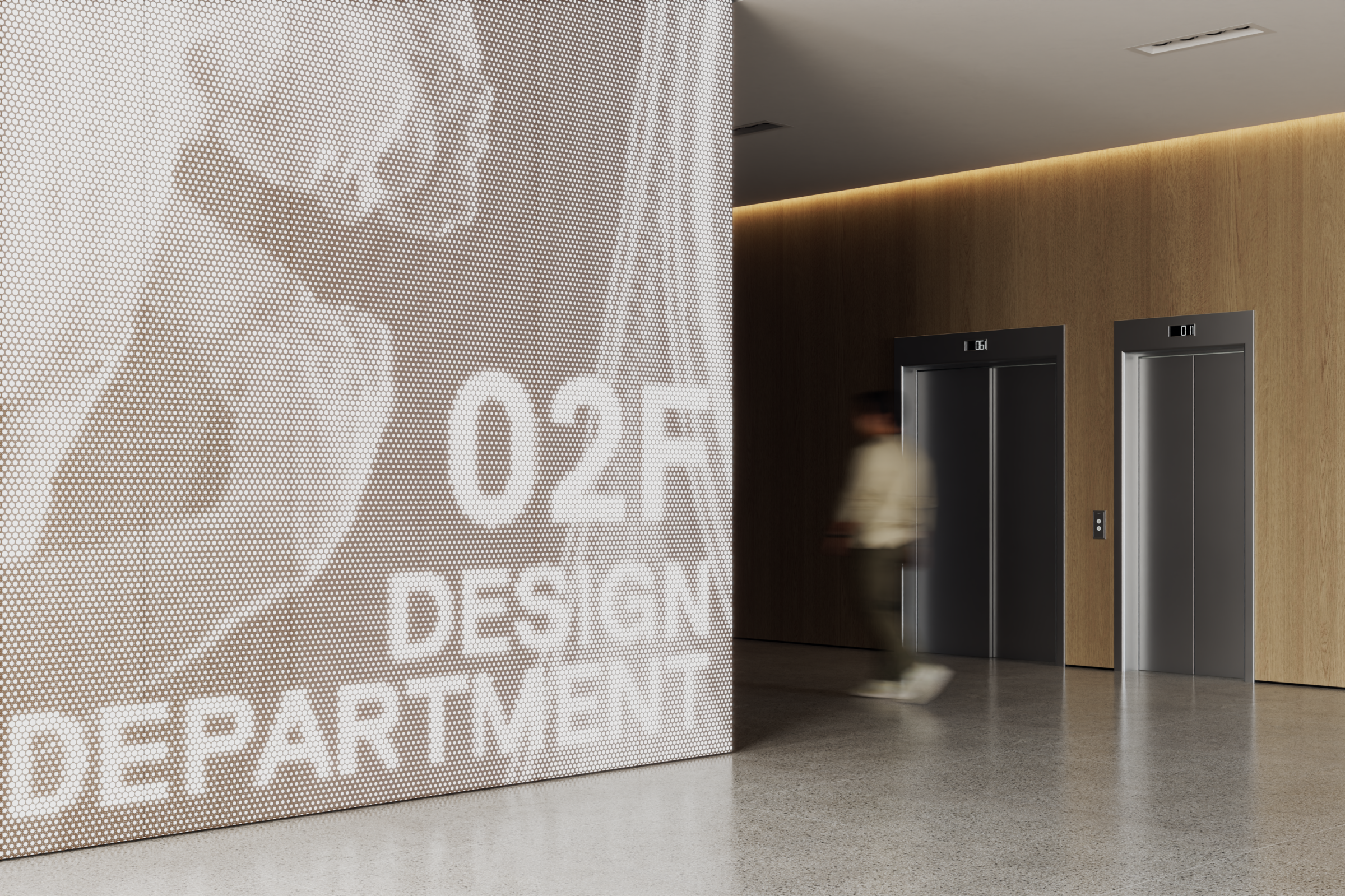
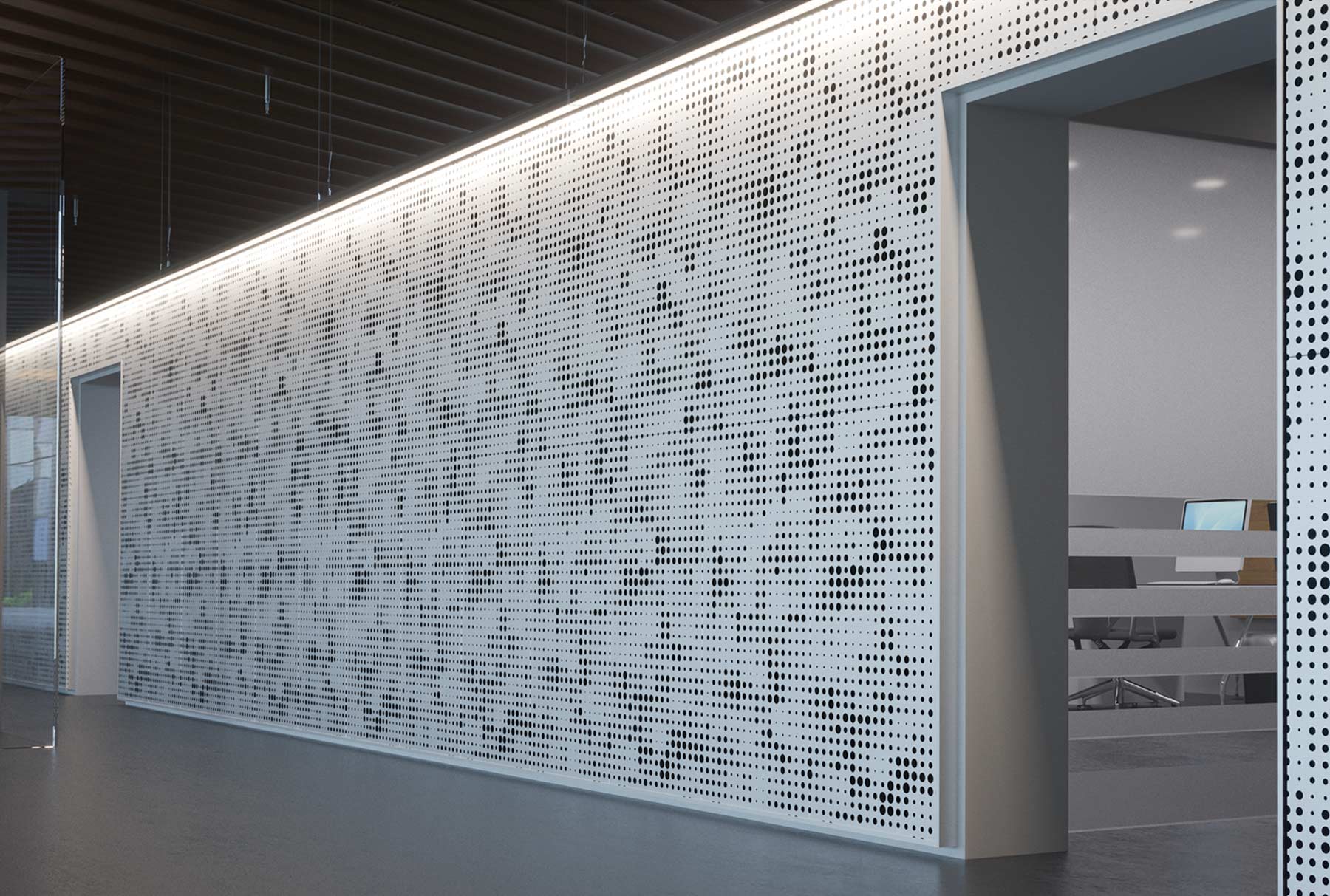
VEIL is custom-perforated steel. Every panel is made to order, from a DXF file generated by the specifier in VEIL … Continued

VEIL is custom-perforated steel. Every panel is made to order, from a DXF file generated by the specifier in VEIL … Continued
A complete ceiling tile specification covers more than the visual character of the panel. Panel dimensions, finish standard, grid compatibility, … Continued
“Custom” and “fast” rarely appear in the same ceiling specification. Custom metalwork has a reputation for long lead times — … Continued
Powder coating is the standard finish for architectural metal ceiling tiles. It is durable, consistent, and compatible with the full … Continued
Laser cutting is the manufacturing process that makes custom-perforated metal ceiling tiles viable at commercial scale. It is fast, accurate, … Continued
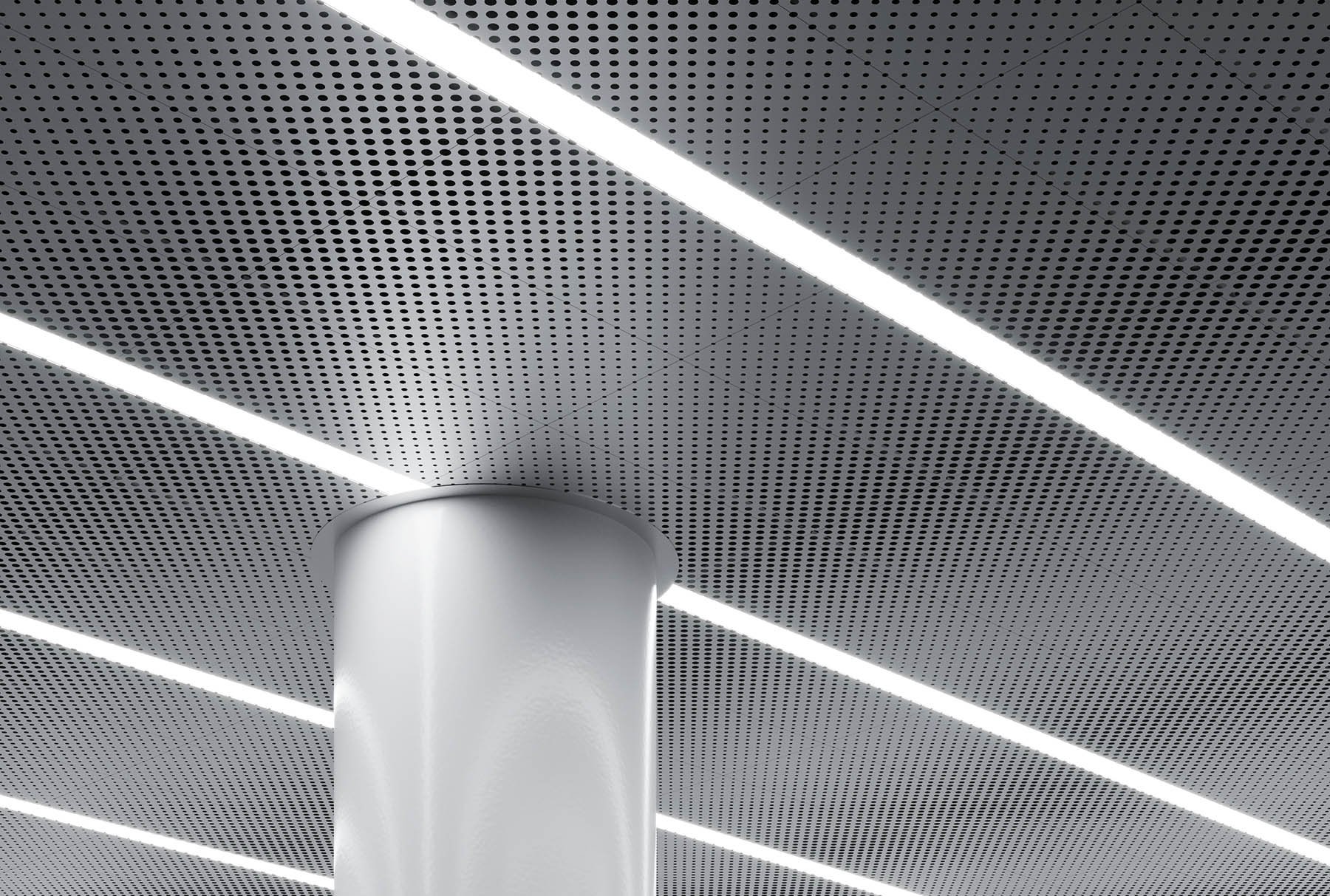
Integrating light into a perforated metal ceiling is not a new idea — but the process has traditionally been complex. … Continued
Perforated metal ceiling tiles have a well-established relationship with acoustic performance. The holes in the panel allow sound energy to … Continued
The gap between a graphic design and an architectural ceiling has always been wide — filled with translation steps, specialist … Continued
Specifying a custom perforation pattern for a commercial ceiling project involves more decisions than a standard ceiling tile selection. Pattern … Continued
Specifying custom metalwork has always involved a degree of trust. You describe what you want. The factory interprets it. Samples … Continued