


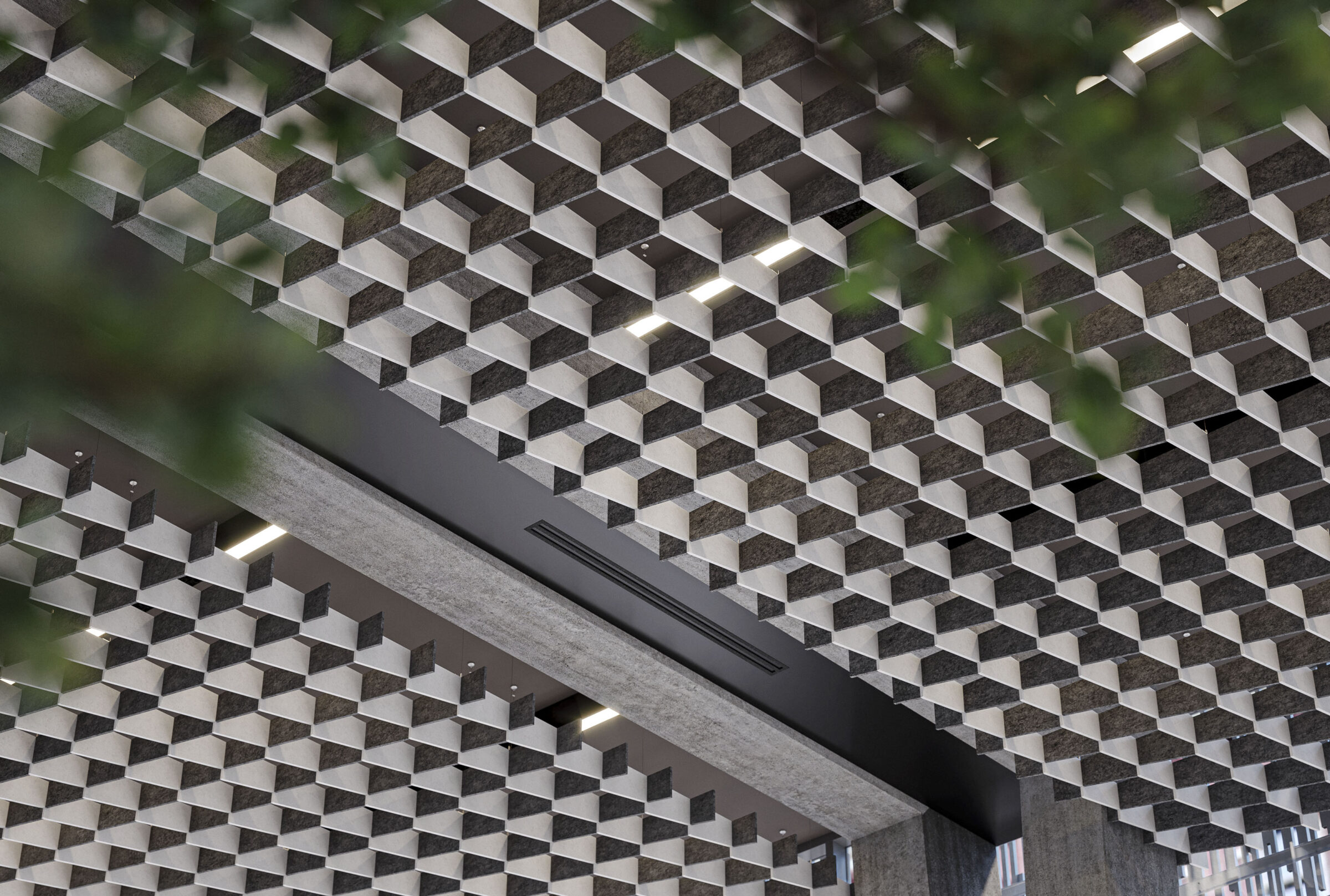
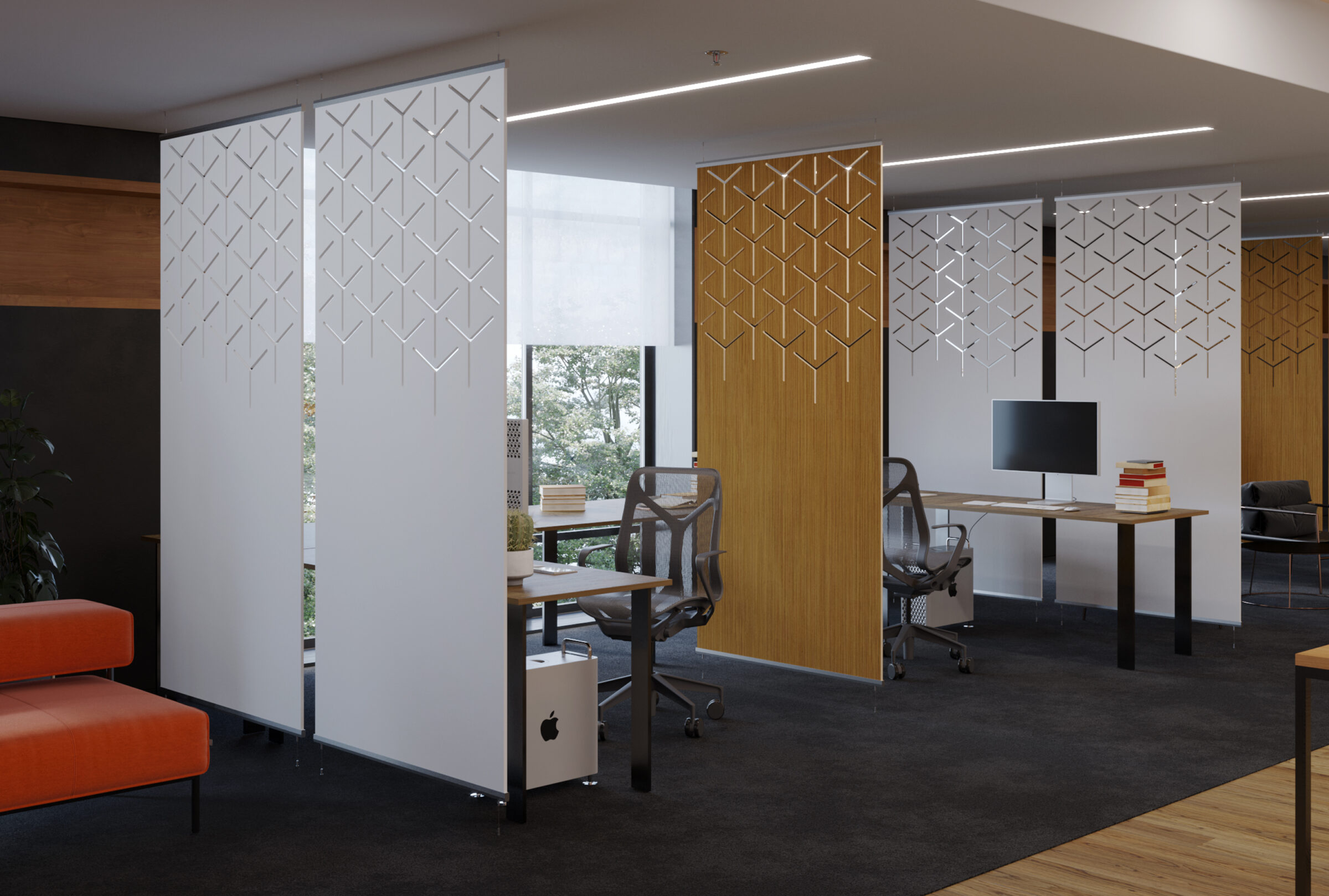
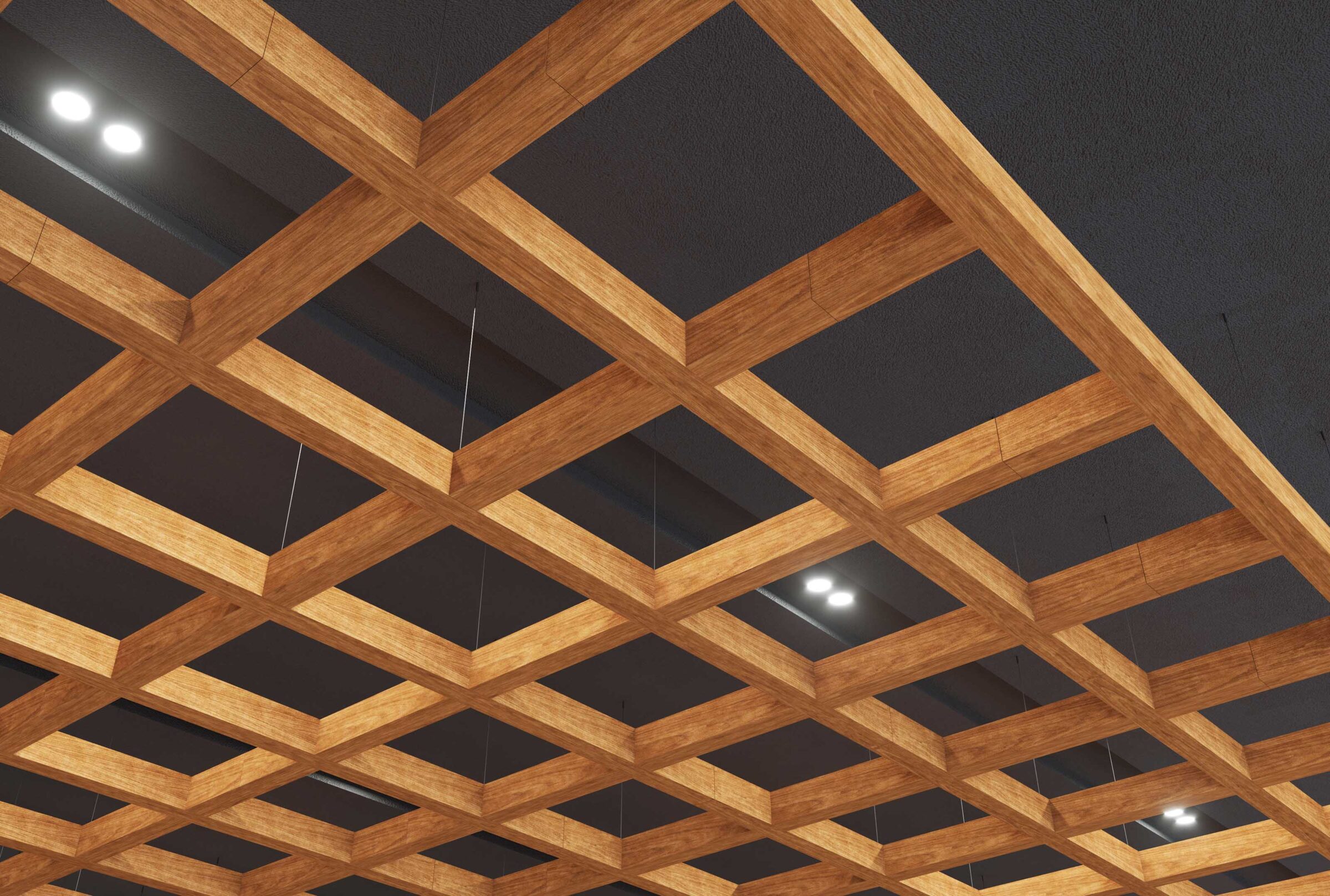

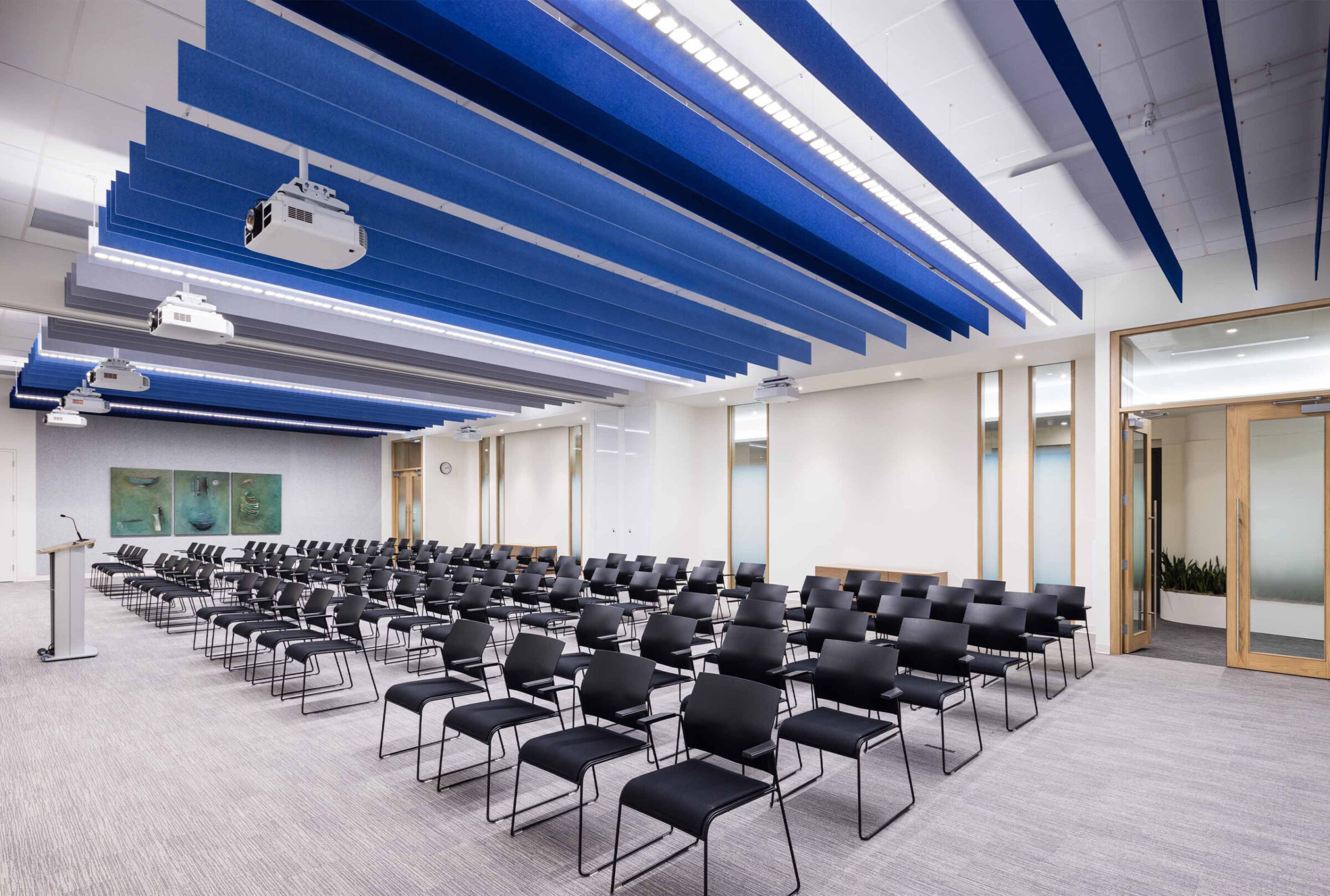



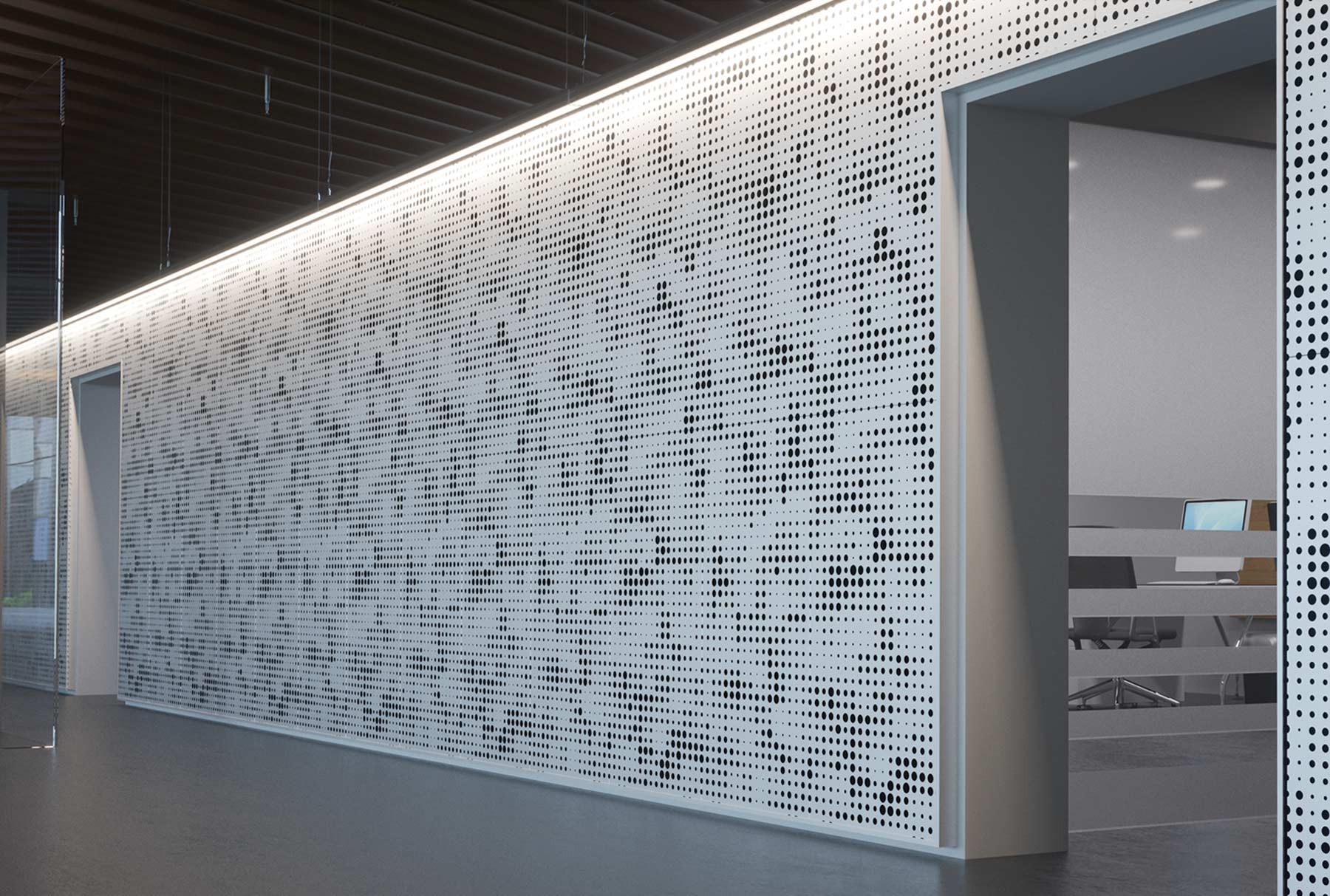
How to Design Your Own Ceiling Tile Without CAD Software
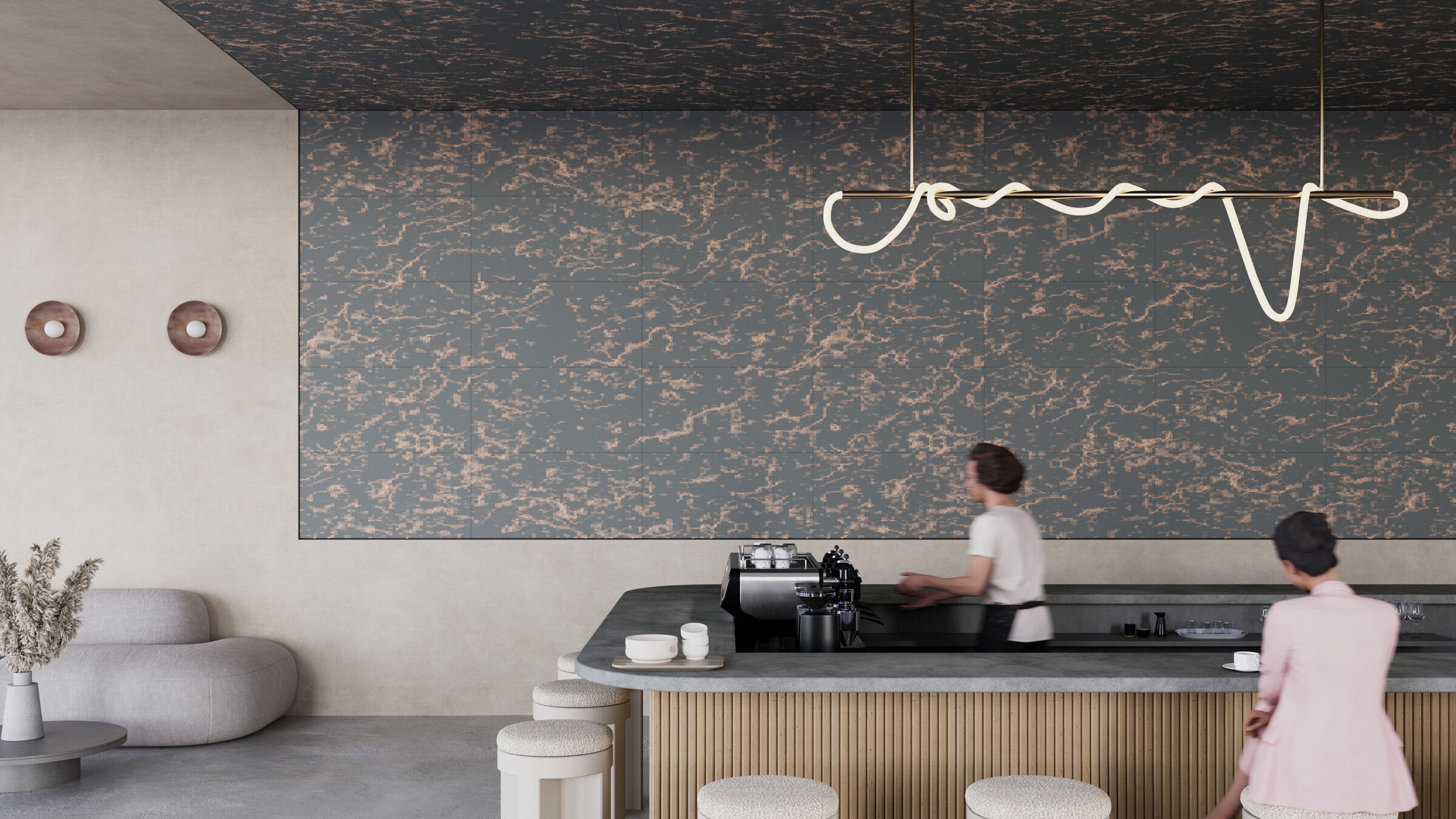
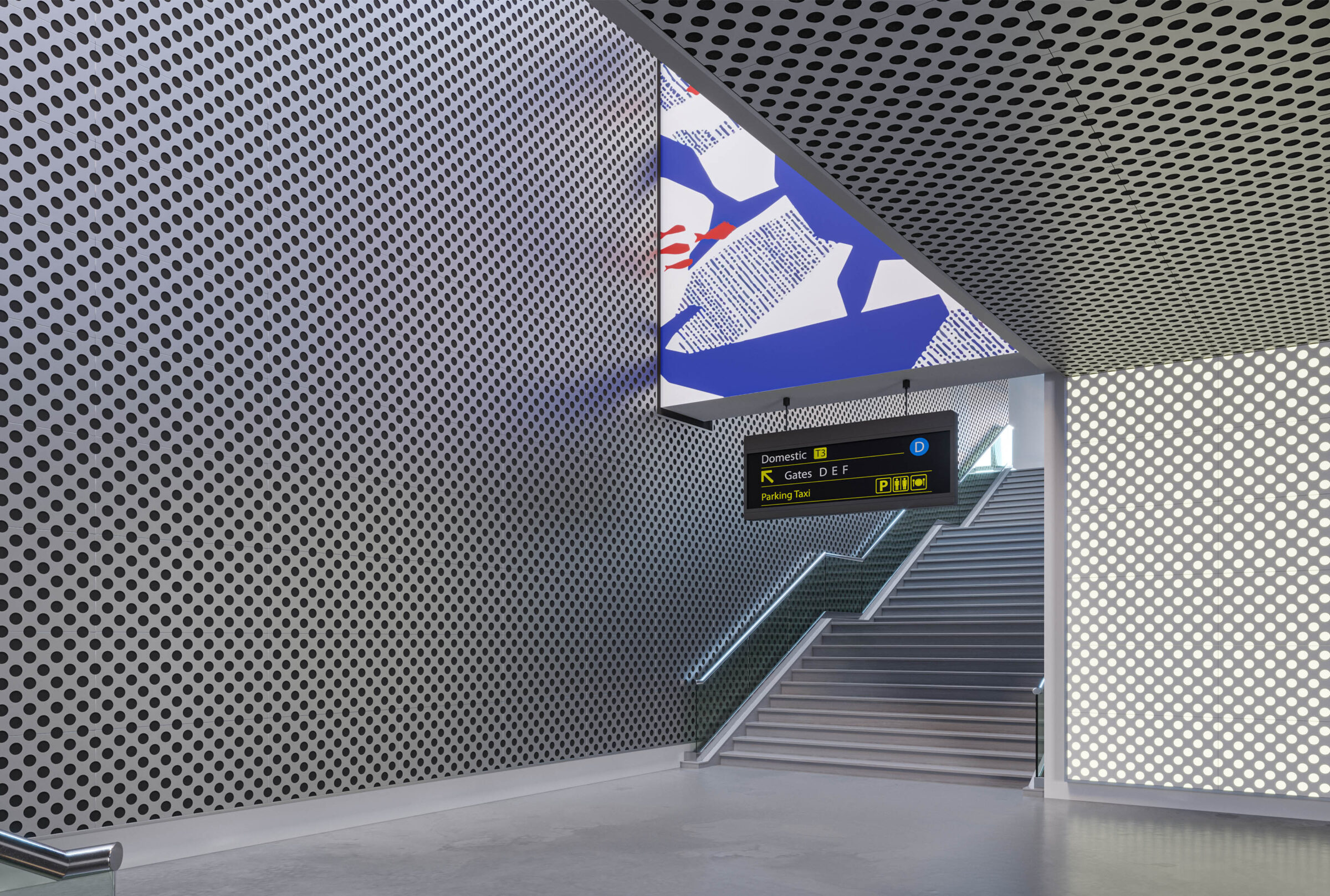
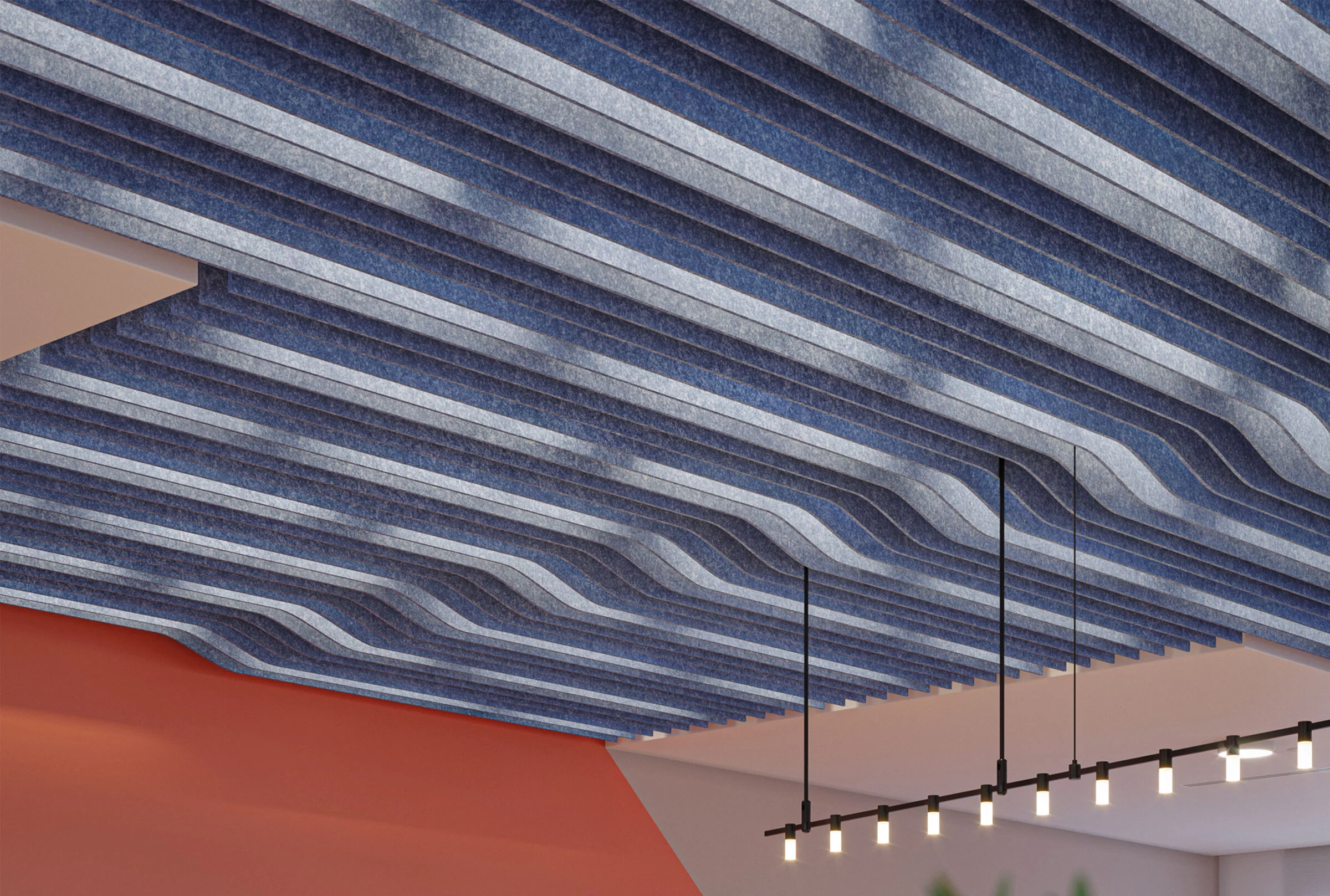
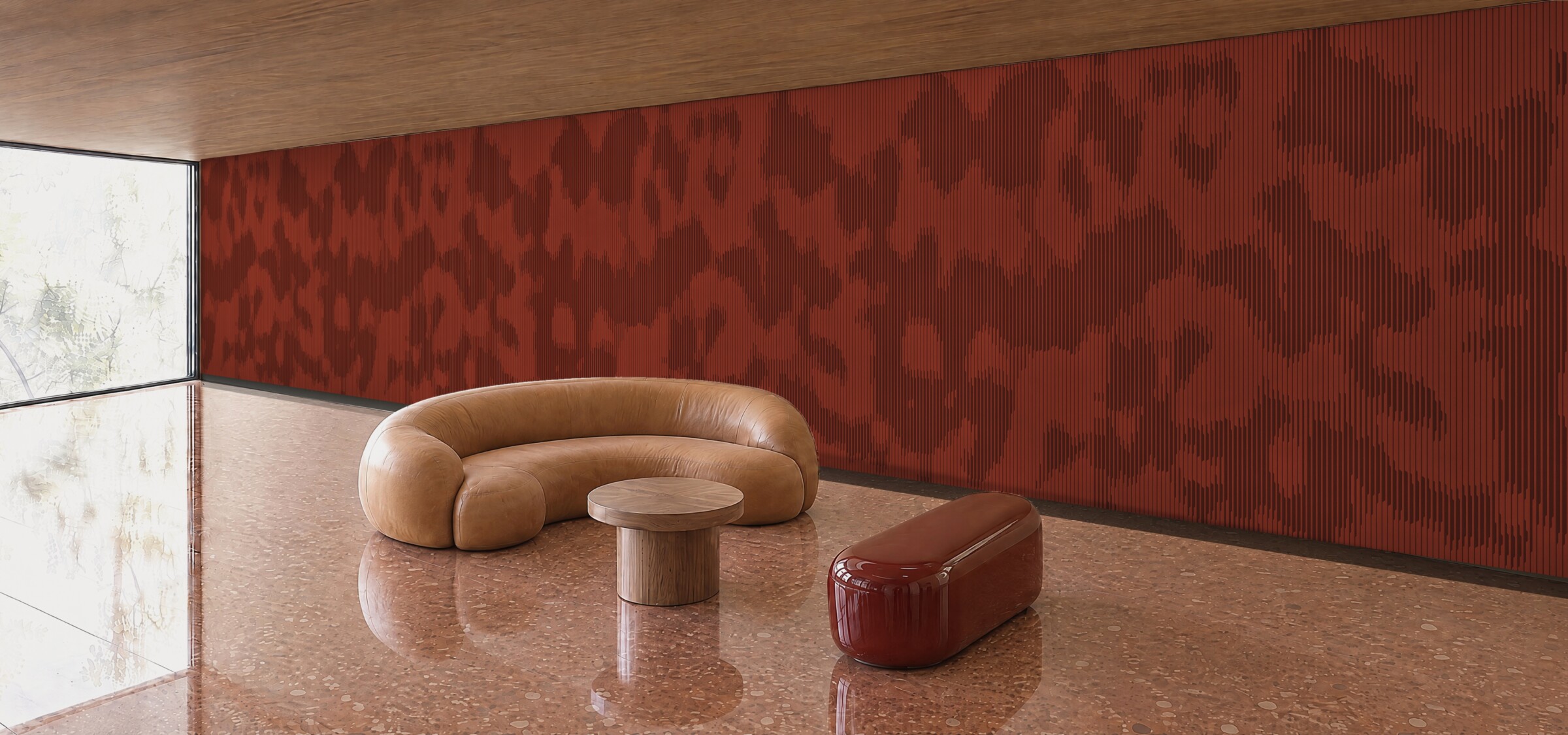
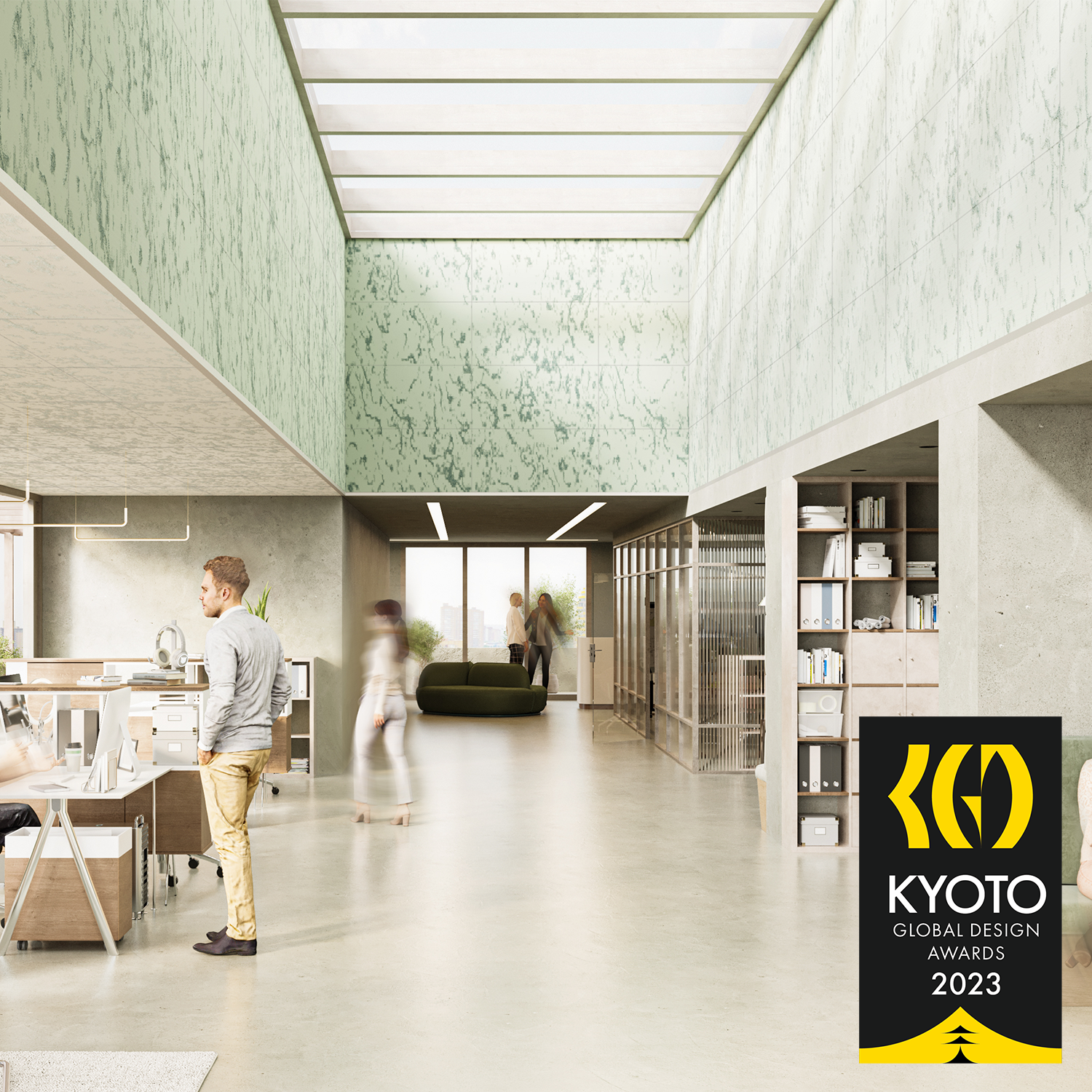
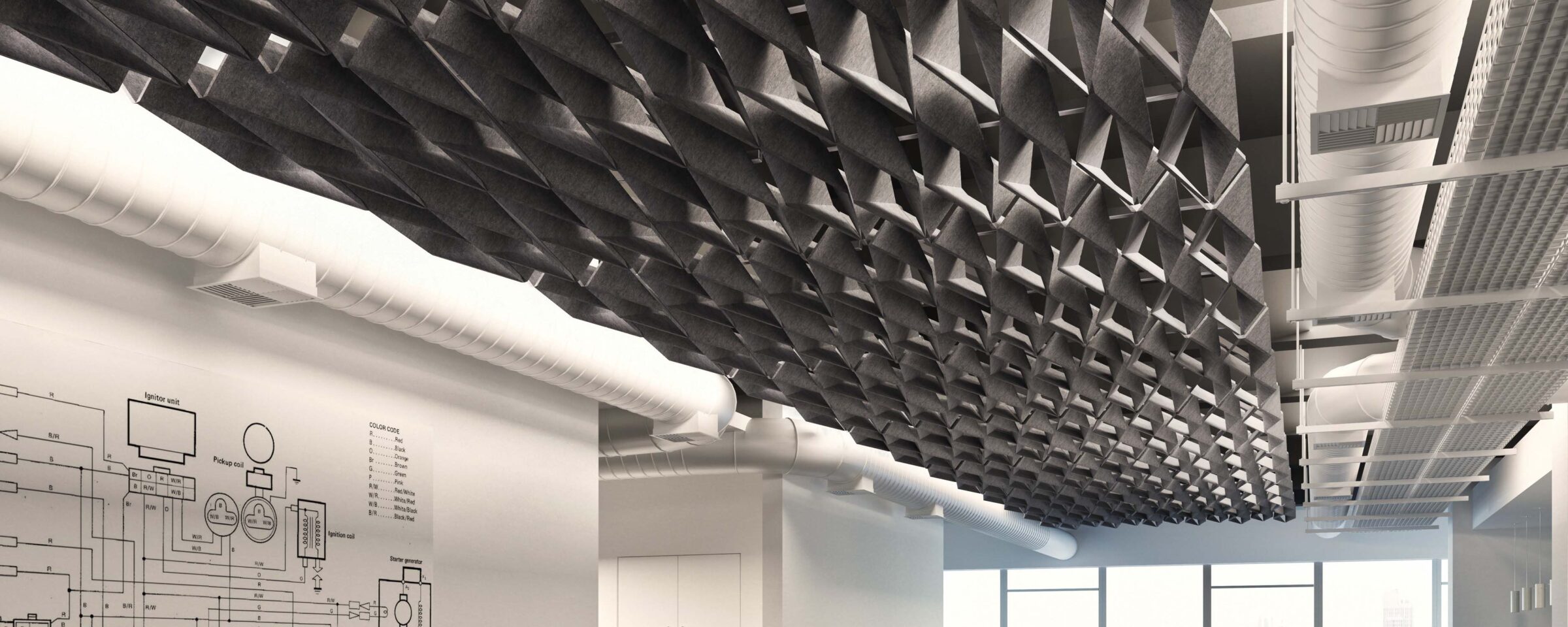
Custom ceiling tiles have historically meant one of two things: a long briefing process with a manufacturer, or a CAD-heavy … Continued

Custom ceiling tiles have historically meant one of two things: a long briefing process with a manufacturer, or a CAD-heavy … Continued
The materials architects specify today define the embodied carbon profile of buildings that will stand for 50 years. Here’s why material intelligence is the next frontier in architectural practice.
Conventional acoustic tile is functional but visually limited. Here’s why a growing number of architects are specifying InfiKnit™ — the world’s first 3D-knitted architectural ceiling system — for projects where surface quality matters.
Libraries and dedicated study spaces require low reverberation and controlled ambient noise. Here’s how ceiling specification addresses these requirements in contemporary educational and public building design.
Lighting integration into acoustic ceiling systems affects both the visual quality and performance of both systems. Here’s how to coordinate effectively at specification stage.
Acoustic ceiling materials need to maintain their performance and appearance over the building lifecycle. Here’s what durability means for PET felt, recycled aluminium, and 3D-knitted textile systems.
Exterior cladding specification requires understanding long-term material performance under UV, moisture, and thermal cycling. Here’s what architects should know about aluminium in exterior applications.
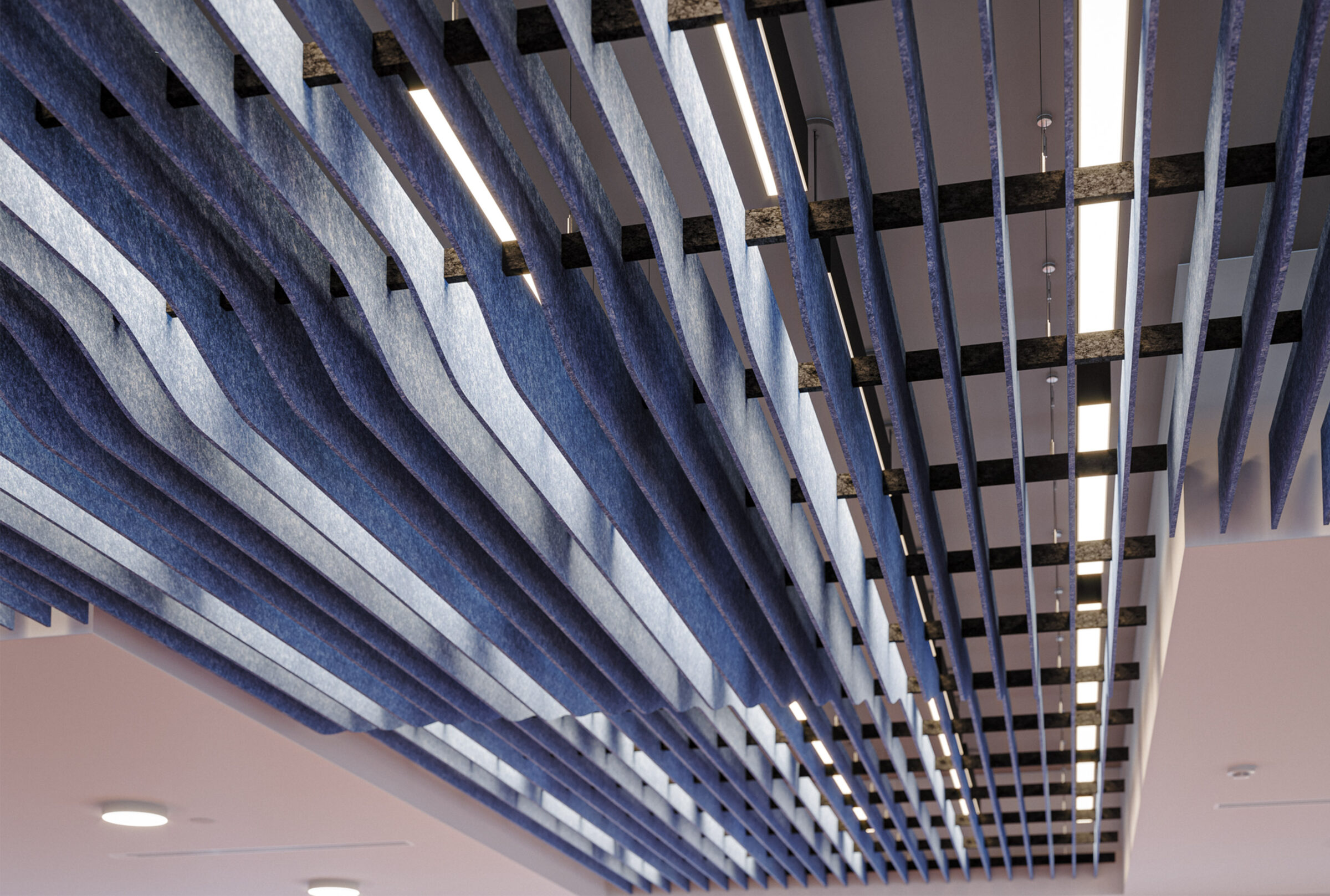
Acoustic performance in baffle ceiling systems is determined by more than material choice. Fin depth, spacing, and coverage all affect the delivered NRC. Here’s how to think through these variables.
Cultural buildings place unique demands on ceiling systems — performance requirements are high, design ambition is significant, and the programme is often constrained. Here’s how to navigate the specification.
NOWN is the first carbon-negative architectural product manufacturer. Here’s what that claim means, how it’s achieved, and why it’s relevant to specifiers and design teams.